
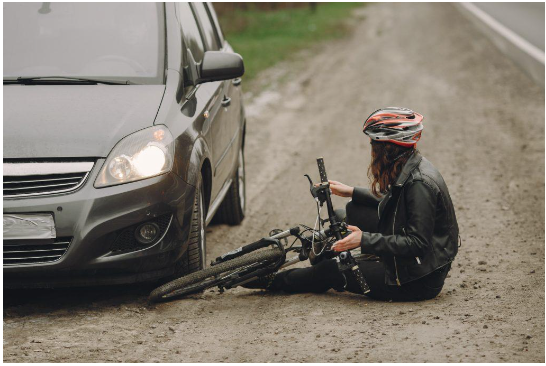
Bicycle accidents are becoming more and more common. Most of these accidents happen due to distracted drivers, poor road maintenance, or just too many cars on the road; cyclists are facing real dangers out there.
The worst part is that when someone gets hurt, trying to get compensation for that pain and suffering is not as simple as it should be. You’ll likely be dealing with medical bills, time off work, and trying to recover both physically and emotionally.
If another party was at fault, you might assume you’re automatically entitled to compensation. But the truth is, pain and suffering claims can be incredibly difficult to prove and recover. That’s why it’s so important to have Wapner Newman’s bicycle accident attorneys on your side because the legal system isn’t always kind to those who are hurting the most.
Why Pain and Suffering Claims In Bicycle Accidents Are So Complicated
Here are some of the challenges in recovering pain and suffering damages in a bicycle accident claim:
Unlike a hospital bill, pain doesn’t come with a receipt
Pain and suffering include both the physical discomfort from injuries and the emotional stress you go through after the accident. This might mean depression, anxiety, trauma, or a total loss of enjoyment in the activities you used to love, like cycling.
The thing is, insurance companies don’t like paying out for things they can’t measure easily. So they try to downplay the severity of your experience or act like it’s just part of the recovery process.
And unless you have strong documentation and support from professionals, they might succeed in getting your claim dismissed or undervalued.
The burden of proof falls on you
One of the hardest parts of recovering pain and suffering compensation is that you’re the one who has to prove just how bad it really is. Even if your injuries are clearly severe, you still need to show how your daily life has been affected.
This usually means gathering a lot of evidence, such as:
- Detailed medical records that talk about your pain levels and how you’re responding to treatment
- Notes from your doctors or mental health professionals explaining how your quality of life has changed
- Testimony from people close to you who can speak to the emotional toll or the way you’ve changed since the accident
Without these, it becomes your word against the insurance company’s adjuster, and they’re trained to minimize your pain as much as possible.
Your diagnosis isn’t always enough
Let’s say you suffered from a traumatic brain injury or a spinal cord injury in the accident. These are major, life-changing injuries, and you’d think they would automatically justify a pain and suffering claim. But the law doesn’t work that way. You still need consistent medical documentation and a clear prognosis about how this injury impacts your long-term well-being.
Doctors might need to document things like chronic pain, limited range of motion, ongoing fatigue, or mental health struggles. Without regular medical appointments and follow-ups, insurance companies may argue that your injury wasn’t that bad or that you recovered faster than you actually did.
Insurance companies don’t want to pay for pain
Even when the facts seem straightforward, insurers will dig deep to avoid paying for non-economic damages. They might argue that:
- You were partially at fault, so you shouldn’t get full compensation
- Your injuries were pre-existing or unrelated to the accident
- Your medical treatment was excessive or unnecessary
- Your pain is subjective and can’t be verified
And if they can’t deny the claim outright, they’ll try to offer you a lowball settlement, hoping you’ll accept it out of desperation, especially if you’re out of work and struggling financially.
This is where experienced legal representation makes all the difference. Your attorney can push back against these tactics and make sure the true impact of your pain and suffering is recognized.
Emotional and psychological trauma is often overlooked
Bicycle accidents can also lead to serious emotional trauma. You might develop anxiety about riding again, suffer from nightmares or panic attacks, or even fall into depression from the sudden change in your lifestyle.
These mental and emotional scars are just as damaging as physical ones, yet they’re often overlooked when it comes to compensation.
Getting fair compensation for psychological injuries means documenting them thoroughly and getting support from licensed professionals who can explain how your accident triggered these issues.
Your attorney will help gather this evidence and make sure it’s presented clearly and effectively in your claim.
No Comments yet!