Teri Monroe About Teri Monroe

Teri Monroe started her career in communications working for local government and nonprofits. Today, she is a freelance finance and lifestyle writer and small business owner. In her spare time, she loves golfing with her husband, taking her dog Milo on long walks, and playing pickleball with friends.

7 Anniversary Traditions That Mean Nothing (But Couples Still Do Them)

anniversary tradition
Image Source: Pexels

Are you planning for your upcoming anniversary? With so many traditions surrounding anniversaries, it can be overwhelming to choose which traditions mean the most to you and your partner. Not every romantic ritual has deep meaning. Some anniversary traditions are more habit than heartfelt. Yet many couples still follow them year after year, even if they feel a little hollow. Here are seven traditions that might not matter as much as people think.

1. Buying Expensive Jewelry Every Year

Jewelry is nice, but unless it’s tied to a meaningful moment, it often just becomes another shiny object. Many couples feel pressure to impress rather than express genuine love. When it comes to anniversaries, the dollar amount you spend on your partner means less than the effort and sentiment of the gift. Opt for sentimental value instead of just another material object.

2. Posting Long Social Media Tributes

While some people like to post about their significant other on social media, it’s an anniversary tradition that means nothing. Public declarations are sweet, but they’re often more about likes than love. A private, thoughtful message usually means far more than a perfectly filtered post.

3. Recreating the First Date

Trying to relive the exact magic of the first date can feel forced. People change, and sometimes it’s better to create new memories instead of chasing old ones. It’s best to read your partner and understand what they might enjoy. If a romantic scavenger hunt that leads them back to where you had your first date is up their alley, go for it. If not, don’t push it.

4. Following Traditional Gift Themes (Paper, Cotton, Leather…)

These yearly gift “rules” are outdated and arbitrary. Most couples just pick something random to fit the theme without real significance. Plus, who really wants a paper notebook for their anniversary? Instead, find a gift that suits your partner better and isn’t a forced anniversary tradition.

5. Booking a Fancy Dinner Out

A pricey restaurant doesn’t automatically equal a meaningful evening. Some of the best anniversaries are spent in sweatpants with takeout and a good movie. You don’t have to spend a lot of money on a meal to create a magical experience. What matters most is the connection, not the cost or setting.

6. Taking Anniversary Photoshoots

Unless you’re into photography, annual photoshoots can feel performative. Smiling for the camera doesn’t always reflect the reality of the relationship. While it’s natural to want to have memories of your relationship, not everything needs to be a photoshoot. Candid, unfiltered moments often hold more meaning than staged, picture-perfect ones.

7. Renewing Vows Every Year

Frequent vow renewals can dilute the meaning of the original commitment. Saying “I do” again and again might just be a substitute for a deeper connection. Your friends and family are also probably exhausted from all the vow renewal celebrations. Instead, aim to renew your vows at meaningful markers in the relationship, like 25 or 50-year anniversaries.

Finding The Right Anniversary Traditions for You

Traditions are important to any relationship, but forced, meaningless traditions only put strain on your relationship with your partner. Instead, discuss what anniversary traditions mean the most to you and your partner. Letting go of what everyone else does on anniversaries and embracing your own desires will help you create memories for years to come.

Read More

5 Reasons an E-Bike Is a Great Long Term Investment

What Happens When You Save Every $5 Bill for a Year?

What Happens When You Save Every $5 Bill for a Year?

What happens if you save every $5 bill?
Image Source: Pexels

Saving every $5 bill you come across for a full year might sound like a small challenge. But it can lead to surprisingly big results. This simple, cash-based savings trick has gained popularity because it’s easy to stick to and the results are tangible. Just by being disciplined about saving, you can significantly improve your financial health. Here’s what happens when you save every $5 bill for a year.

1. You Could Save Money Without Feeling It

Most people who commit to this challenge report saving anywhere from $500 to over $3,000 in a year, depending on how much they use cash. Because the amounts are small and the habit is consistent, you barely feel the loss, yet you steadily build a savings stash. While this number may seem small, over time, you’ll learn how easily saving can fit into your monthly routine. Plus, you’ll see this saved money grow over time, adding to your wealth.

2. It Turns Spending Into a Game

Every time you break a $10, $20, or $50 bill, you’re now on the lookout for a $5 to stash away. It creates a fun, reward-based mindset around spending and saving. Even non-savers find themselves sticking to it because it feels like a personal challenge. Getting your partner involved can also add a fun element to this challenge. See who can save more every month and maybe even build in a prize!

3. You Start Using Cash More Intentionally

Sometimes, present bias and instant gratification make us spend more than we should and forget about saving. This method makes you more mindful of your spending, since you’re relying on physical currency rather than swiping cards. Many people report cutting back on impulse buys because they’re focused on keeping their $5 bill streak going. If you have a habit of overspending, this challenge can help you be more intentional with your money. In the long run, changing your money habits is worth more than saving those $5 bills.

4. It Becomes a No-Stress Fund

By the end of the year, you’ll have a pile of cash you didn’t plan on. It can serve as an emergency fund, a holiday shopping budget, or a guilt-free splurge fund. It’s savings without sacrifice. You may be surprised at how nice it feels to have a small cushion to fall back on or enjoy.

5. You Build Discipline Without Trying

Because it’s such a low-effort habit, you build financial discipline without strict budgets or spreadsheets. It’s perfect for DINKs that don’t love financial planning. The key is consistency and not dipping into your stash early. The more you practice healthier habits, the more you’ll grow personally and financially.

Learning to Save One $5 Bill at a Time

Saving every $5 bill for a year might seem simple, but the payoff is real. It’s a great way to trick yourself into saving money without even noticing. In no time, you’ll be able to increase the amount that you save and work savings goals into your budget.

Read More

7 Reasons Why Nicotine Pouches Can Help Curb Smoking

Do Small Landlords Really Need Property Management Software?

Why Do Some DINKS Retire Broke?

why some DINKs retire broke
Image Source: Pexels

DINKs often have a financial advantage early in life. With two incomes and fewer expenses, they may enjoy more disposable income, travel more, and live in trendier neighborhoods. But despite this head start, some DINK couples end up struggling in retirement. Although it may be surprising, just because you are a DINK couple doesn’t mean that you are financially prudent. Here are six reasons why some DINKs still retire broke.

1. Lifestyle Inflation

Without the financial pressure of raising children, many DINKs spend freely on luxury items, dining out, and expensive hobbies. As income grows, so does spending, leaving little room for saving. This group spends the most on travel, dining out, and takeout compared to their peers with children. In addition, a theory called the hedonic treadmill could also account for DINKs’ increased spending. According to the theory, we often return to a baseline level of happiness after a major life event. So, say you go on a trip abroad. Over time, your happiness from this adventure will fade, and you’ll probably crave another happiness boost. This can lead to increased spending while you’re chasing happiness.

2. Lack of a Long-Term Plan

When retirement feels far off and there are no kids to plan for, saving may take a backseat. Many DINKs prioritize living for today without a clear financial roadmap for the future. Without defined goals, it’s easy to drift financially, spending freely without building lasting security. Over time, this lack of direction can lead to missed opportunities for growth and delayed financial independence.

3. Overconfidence in Two Incomes

Two incomes can create a false sense of security. One job loss, illness, or economic downturn can quickly disrupt their financial stability if there’s no cushion. This can also lead to one partner feeling like they can’t retire because they need the income. Overall, the false stability of having two incomes throughout DINKs working years can lead to unhappiness and force the couple to retire broke.

4. Not Investing Early or Enough

Even with disposable income, some DINKs don’t invest wisely or at all. If money sits in low-interest savings or is spent entirely, they miss out on compound growth. Many of these money mistakes are just from a lack of knowledge about retirement planning. With no children to lean back on in their golden years, some DINKs wind up with no plan and retire broke.

5. Unplanned Early Retirement

Without children, some assume they can work longer or retire later. But life doesn’t always cooperate. Burnout, health issues, or layoffs can force early retirement before they’re financially ready. Even with government assistance, many DINKs with health issues don’t have enough money to live on.

6. Failure to Adjust Spending in Retirement

Habits built during high-earning years are hard to break. Some DINKs continue lavish spending in retirement, quickly depleting savings without the buffer of Social Security boosts from dependent children or family support. Without having a plan and budget for their retirement years, many DINKs can’t make ends meet or run out of money quickly. This financial strain can lead to downsizing, delayed medical care, or reentering the workforce at an older age.

Understanding Why Some DINKs Retire Broke

Being a DINK can offer incredible financial flexibility, but only with intention. Without kids to “force” structure, it’s crucial for DINKs to self-discipline, plan, and save aggressively to avoid a broke retirement.

Read More

10 Activities That People With No Children Love to Indulge In

Roof Replacement or Repair? The Cost-Saving Decision Every Homeowner Faces

10 Activities That People With No Children Love to Indulge In

Activities DINKs enjoy
Image Source: Pexels

Having no kids means more flexibility, fewer responsibilities, and more time for activities. DINK couples enjoy more freedom to explore life on their own terms. With the average DINK household making upwards of $100,000, according to a Harris poll, some consider this 5% of the population the new 1%. And they are spending their money as such. Here are 10 favorite pastimes that child-free individuals often love to indulge in without limitations.

1. Dining Out

DINKs are able to enjoy uninterrupted meals whenever they please. Most DINKs, particularly younger Gen Z and Millennials, eat out more than the average American. According to a Harris Poll survey, DINKs spend an average of $816 per month on dining out, nearly four times the $215 spent by typical households.

2. Engaging in Hobbies

Often with kids, finding time to engage in hobbies can seem out of reach. Since DINKs have more leisure time, they often are able to engage in pastimes like golf, tennis, or painting. Plus, with additional disposable income, they are able to spend more money on entertainment and hobbies. They also have the flexibility to take classes, join clubs, or travel for hobby-related events without needing to coordinate childcare.

3. Spontaneous Travel

One of the activities that DINKs enjoy is travel. DINKs are spending more on luxury travel than their counterparts who have children. They allocate nearly double the typical budget for vacations, investing around $2,000 per trip. Plus, they are able to plan spontaneous vacations on a whim. With no school schedules or childcare logistics to worry about, they can jet off mid-week or extend trips without stress.

4. Sleeping In

While it may seem like a small thing, DINKs are able to get much more shut-eye than those with children. Especially on the weekends, DINKs love to indulge in sleeping in. They can wake up naturally without alarms, crying babies, or early morning activities. This extra rest often leads to better moods, productivity, and overall well-being.

5. Wellness

DINKs often prioritize health and wellness by working out and eating well. They can commit to morning yoga, marathon training, or boutique fitness classes without juggling childcare schedules. In addition, they also tend to prioritize mental health and seek out things like meditation or therapy to reduce stress. With fewer time constraints, they’re able to build consistent routines that support both physical and emotional well-being.

6. Having a Spotless House

Without small children running around, DINKs treat their home like a sanctuary. They indulge in decorating, cleaning, and organizing their home. While on the other hand, couples with children usually choose function over aesthetics. Being child-free allows DINKs to maintain a clutter-free, stylish space that truly reflects their personal taste.

7. Self-Care

Not only do DINKs prioritize wellness, but they also value self-care. They enjoy things like a long bath, facials, massages, and more. While couples with kids are lucky to shower, DINKs are able to find time for self-care guilt-free. This consistent focus on self-nurturing often contributes to lower stress levels and a stronger sense of balance.

8. Socializing

DINKs tend to have strong social connections and are able to plan activities with friends and family. While parents may try to find time for adult-only outings, it can be challenging to coordinate. DINKs are often afforded the time to socialize and maintain relationships. However, some DINKs have reported that not having children in a society that values it can be isolating. Many have taken to social media to show off the DINK lifestyle and the freedoms that they enjoy.

9. Binge-Watching TV Shows

DINKs are free to binge their favorite shows uninterrupted. Instead of having to pause for bedtime or playdates, DINKs can watch an entire season of popular shows in one sitting. They don’t have to worry about kid-friendly content or sharing the remote. It’s their time to fully unwind, escape into a storyline, and enjoy uninterrupted entertainment.

10. Financial Freedom

No daycare fees or college funds means more room in the budget for luxuries, investments, or simply saving for the future. While the DINK lifestyle isn’t the automatic solution to every financial problem, it does help to not have childcare expenses. As mentioned, many DINKs use this financial flexibility to travel more, dine out often, or invest in personal development. It also gives them greater freedom to take career risks or pursue passion projects without the pressure of supporting dependents.

Activities DINKs Indulge In

The DINK lifestyle offers a unique kind of freedom, freedom of time, money, and personal choice. Without the demands of raising children, many couples embrace activities like travel, self-care, hobbies, and financial flexibility. While it’s not without its own challenges, being child-free allows for a level of spontaneity and personal fulfillment that many find deeply rewarding. Whether it’s sleeping in on a Sunday or booking a last-minute getaway, DINKs often enjoy the ability to prioritize themselves and design a life that fits their values.

Read More

Roof Replacement or Repair? The Cost-Saving Decision Every Homeowner Faces

5 Quick Meals For Two That Can Be Made In 30 Minutes or Less

5 Quick Meals For Two That Can Be Made In 30 Minutes or Less

Easy meals in under 30 minutes
Image Source: Pexels

Do you rotate the same meals for dinner with your partner? Sometimes, when you’re cooking for two, you can get stuck in a rut. If you’re like most DINKs, you don’t have a lot of time to devote to cooking. The good news is that you can still make delicious meals in 30 minutes or less. Here are five of our favorite recipes for two.

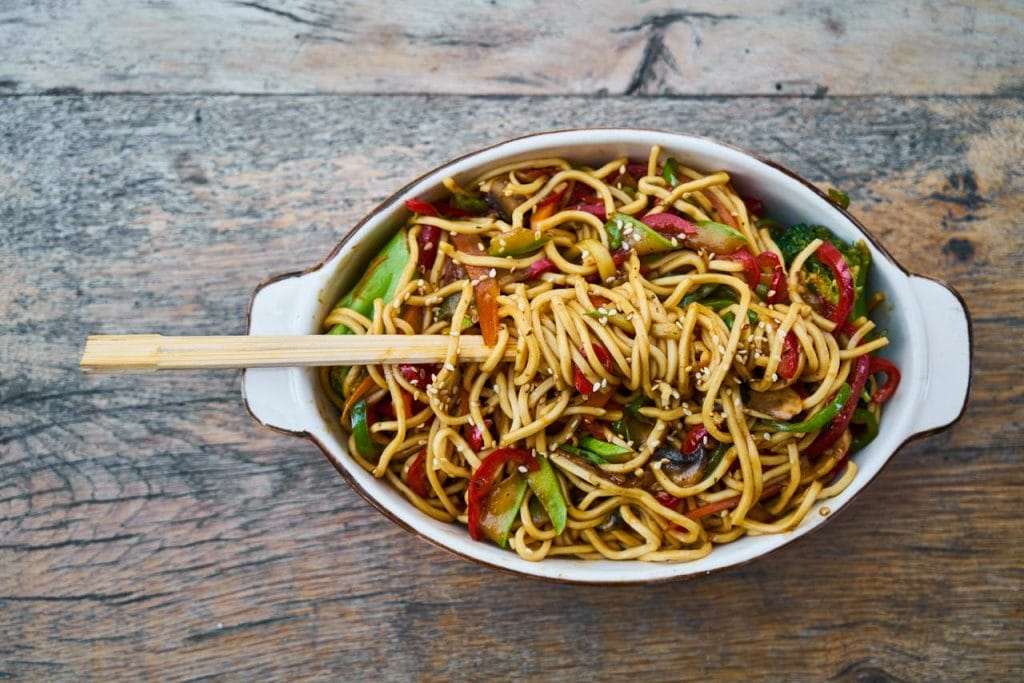
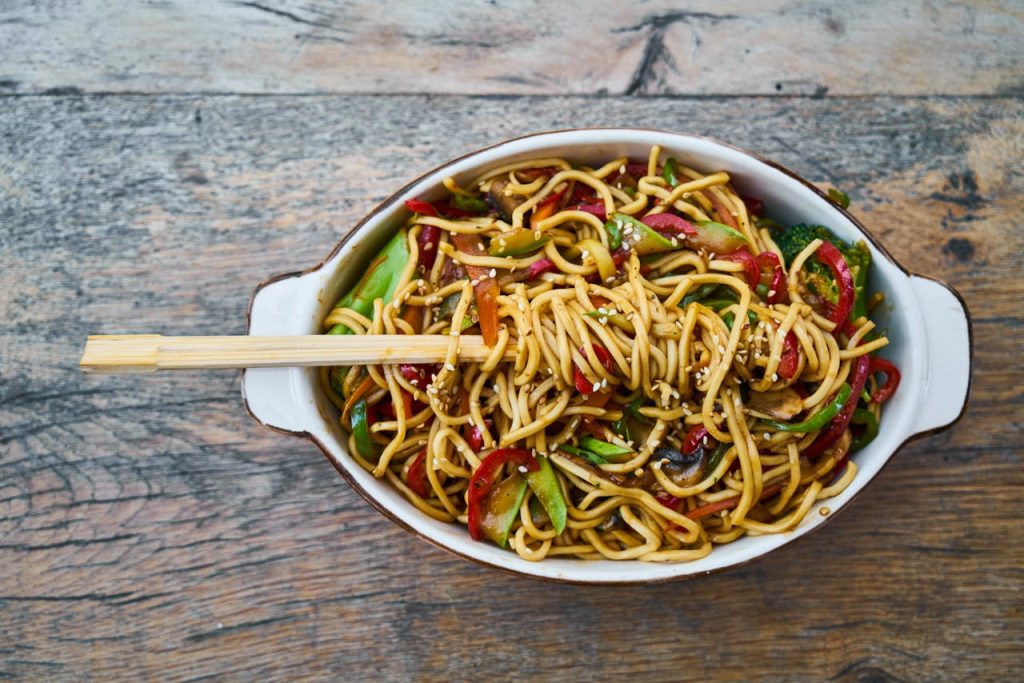
1. Stir-Fry Noodles

Stir-fries are the perfect meal for two and only require one pan. You can add any kind of protein that you like, such as tofu, chicken, steak, or pork. You’ll want to add lots of veggies like broccoli, water chestnuts, snap peas, and carrots. With a little soy sauce or stir-fry sauce, you can toss your noodles and veggies and make a delicious and quick dish. Make sure to add generous amounts of ginger and garlic for flavor. If you like spice, you can add some chilis. To finish the dish, toss with a little sesame oil, sesame seeds, and chopped scallions. You’ll keep going back to this dish over and over again. The nice thing is that you can change it up with different ingredients each time you make it.

2. Marry Me Chicken

Have you ever made a pan sauce? It’s very easy to make and adds creaminess to any dish. In the viral Marry Me Chicken dish, you use a pan sauce to amp up the flavor. First, you sear the chicken on both sides. In the same skillet, reduce heat to medium and add butter and garlic. Sauté for 1 minute until fragrant. Stir in chicken broth, scraping up any browned bits from the pan. Stir in heavy cream, Parmesan, red pepper flakes, and sun-dried tomatoes. Let the sauce simmer for 2–3 minutes until slightly thickened. Then, you combine it all and let it simmer so the flavors marry. Garnish with parsley and you’re ready to eat! This can be made with a variety of proteins, like pork and salmon.

3. Enchiladas

Enchiladas are a fun way to introduce a Mexican night to your weekly routine. If you’re making chicken enchiladas, a good hack is to shred up a pre-made rotisserie chicken from the grocery store. You’ll want to add enchilada sauce, crushed tomatoes, cumin, and paprika to the chicken. You can add in chilies, beans, and corn to the mix for additional flavor. In a baking dish, you’ll want to lay out tortillas and your mixture. Then, you roll the tortillas and fill your dish tightly. Lastly, top with more enchilada sauce and liberal amounts of Mexican shredded cheese. Bake in the oven and broil the cheese for a minute or two at the end for additional crisp. You can top with sour cream and cilantro.

4. Dense Bean Salad

For a lighter meal, you can easily throw together a dense bean salad in under 30 minutes. Chop up veggies like cucumbers, peppers, and tomatoes. Then, rinse and drain different beans like black beans, chickpeas, and kidney beans. Combine all of it in a bowl with feta cheese and add in any protein you desire, like cubed chicken. For the dressing, you can make an easy dressing with olive oil, lemon, Dijon mustard, garlic, honey, and salt and pepper to taste. There are many different varieties of bean salad for you to try!

5. Chili

Chili nights are a staple during the winter months. It’s an easy meal to make in under 30 minutes. Combine your ground beef, turkey, or chicken in a large pot. Then, add in tomato sauce, diced tomatoes, tomato paste, beans, onions, garlic, and lots of seasonings. Some people like to use hot sauce or chili for heat. You’ll want to season with oregano, paprika, chili powder, and cumin. You really can’t go wrong with chili. Just keep tasting and let the mixture simmer until you’re happy with it! You can top with shredded cheese, avocado, and sour cream.

Easy Meals in Under 30 Minutes

There really is no limit to what kind of meals you can make in under 30 minutes. With a little creativity, you can make easy dishes and have leftovers! What is your favorite meal to make for two? Let us know in the comments.

Read More 

5 Tips for Managing Your Finances

Is Moving Worth It? A Practical Way to Calculate the Long-Term ROI of Relocation

8 Clues She Wants Children But Is Afraid to Tell You

Sings she wants children
Image Source: Pexels

Not everyone finds it easy to talk openly about wanting children, especially in a relationship where the future still feels uncertain. You may have already decided that the DINK lifestyle is for you, but your partner may have changed her mind. Some women may quietly hope for a family but hesitate to bring it up out of fear it could change the dynamic or create pressure. Instead of speaking directly, they drop subtle clues through their words, actions, and habits. If you’re wondering whether she wants kids but is too afraid to say it, there are signs you can look for. Paying attention to these quiet signals can help open the door to an honest, supportive conversation about your shared future.

1. She’s Always Talking about Kids

If your spouse is always talking about children, it’s likely that she wants children. She may never directly say anything about your future children. But if she constantly brings up other people’s children, it’s on her mind. She might be hoping you’ll pick up on the hint without her having to say it aloud. This indirect approach is often a way to gauge your reaction before making herself vulnerable.

2. She Lights Up When She Sees a Baby

Does her face light up when she sees a baby? Is she always volunteering to hold other people’s kids? This might be a sign that she wants kids herself. Some women naturally feel maternal. Even if she isn’t voicing it, children may make her happy. Her actions around babies could be revealing emotions she hasn’t yet put into words. Pay attention to the joy and tenderness she shows—it might be her heart speaking for her.

3. She Gets Ads for Baby-Related Things

If her social media feed is filled with baby content—funny videos, parenting tips, or the latest baby gear—she’s likely drawn to that world for a reason. Constantly showing you adorable baby clips or pointing out the newest strollers isn’t just casual scrolling; it’s a subtle way of expressing interest in parenthood. She may be imagining what life with a child could look like. Sharing these moments with you might be her way of feeling out where you stand.

4. All Her Friends Have Kids

If she’s constantly surrounded by kids, it may make her long for her own family. Especially if she’s close with only moms, it could mean that she’s ready for this stage in life. She may even ask you to babysit with her to see how you’ll be around children. Make sure you don’t dismiss the idea.

5. She Shuts Down when The Topic Comes Up

If she gets quiet when you discuss kids, it may be because she’s afraid that you don’t want the same things. She may get emotional or shut down. Since it’s a sensitive subject, be gentle with her feelings. Her silence doesn’t mean she isn’t thinking about it. It might mean she’s unsure how to bring it up. Creating a safe space for honest conversation can help her open up. Let her know you’re willing to listen without judgment.

6. She Froze Her Eggs

She may have frozen her eggs even before you met, which shows she was thinking ahead about the possibility of having children. This decision is often made by women who want to preserve their fertility for the future, even if the timing isn’t right yet. Even if she now says she doesn’t want kids, freezing her eggs suggests she hasn’t fully closed the door on motherhood. It’s a sign she values having the option. She might just be waiting for the right moment, or the right partner, to revisit the idea.

7. She Kept All Her Childhood Clothes and Toys

If she still has boxes of clothes, toys, and other heirlooms from childhood, she may not just be holding onto them for nostalgia. She may want to pass these items down to her children one day. Keeping these belongings in good condition could be her quiet way of preparing for motherhood. It shows she’s thinking about legacy, tradition, and the future family she hopes to build.

8. She Talks about One Day

Does she often say, “If we have kids one day…”? That simple phrase reveals she can picture a future family with you, but may be unsure if it’s truly possible. This hesitation could come from fear of disappointing you or discovering you’re not on the same page. Even in uncertainty, her words show a quiet hope. Pay attention to these small signals. They often carry deeper meaning than direct conversations.

Planning Your Future With Or Without Children

Wanting children is a deeply personal and sometimes vulnerable topic, and not everyone feels ready to voice it outright. If you notice these subtle clues, it’s a sign she may be hoping to share this dream with you but needs a safe space to do so. Being patient, attentive, and compassionate can help her feel comfortable opening up. Honest communication about your hopes and fears can strengthen your connection and pave the way for a future you both envision, whether that includes children or not.

Read More

Why Growth Without Brand is a Dead-End (And How to Fix It)

How to Support Your Spouse While They’re Navigating a Legal Case

The Rise of ‘BFFmoons’: Travel Trends Among Child-Free Couples

BFFmoon
BFFmoon
Image Source: Pexels

Did you know that childless couples spend the most on travel? According to PYMNTS, in 2024, they averaged $620 per month on travel services, significantly outspending single individuals and married couples with children. This trend reflects their higher disposable income and prioritization of travel over other expenses. But DINKs aren’t traveling in traditional ways. Instead, they are turning to trips like BFFmoons, wellness and slow travel, set-jetting, and other experiences. Read on to learn more about the BFFmoon and how DINKs are changing the travel landscape.

What Is a BFFmoon?

The term “BFFmoon” is gaining traction as a playful twist on traditional romantic getaways, reflecting a broader cultural shift toward valuing deep friendships and shared experiences. A BFFmoon is essentially a vacation taken with your best friend, often to celebrate a milestone or simply to enjoy each other’s company in a new setting. This trend is part of a larger movement that includes “buddymoons”, post-wedding trips with friends, and “friendmoons”, which are vacations taken with friends instead of a romantic partner. The common thread is the desire to prioritize platonic relationships and shared adventures over traditional romantic getaways or trips with children.

BFFmoons celebrate friendships, especially in an era where friends are more like chosen family. Many childless couples find these types of trips more flexible, affordable, and fulfilling because they can travel with friends who have shared interests and similar schedules. This trend has also been highlighted on social media, contributing to its popularity.

Destinations and Experiences

BFFmoons can take many forms, from luxurious spa retreats to adventurous hiking trips. Popular destinations often include serene locales that offer relaxation and bonding opportunities, such as the Amalfi Coast in Italy or wellness resorts in Mexico. The key is choosing a destination that aligns with both friends’ interests and provides ample opportunities for shared experiences.

Other Travel Trends for Couples without Children

BFFmoons aren’t the only type of travel that DINKs are engaging in. Here are a few more travel trends that have become popularized by childless couples:

Set-Jetting

Inspired by many social media influencers, DINKs are traveling to popular movie and TV show filming locations. Some popular sites include places like the Lord of the Rings set in New Zealand, the Bellagio in Las Vegas, Santorini, and the Amalfi Coast. Couples who love an adventure can plan these trips individually or go on a group film-inspired tour.

Wellness and Slow Travel

There’s a growing preference for wellness-focused and slow travel experiences. Couples are opting for extended stays in destinations like Costa Rica, Italy, and New Zealand, engaging in activities such as yoga retreats, hiking, and culinary explorations. This approach allows for deeper cultural immersion and personal rejuvenation.

Sustainable Travel

Eco-conscious travel is on the rise, with couples choosing destinations and accommodations that prioritize environmental sustainability. This includes staying at eco-friendly resorts, using local transportation, and participating in community-based tourism activities.

How DINKs Are Changing Travel

DINK couples are reshaping the travel industry in profound ways. With greater financial freedom, fewer scheduling constraints, and a shared appetite for meaningful experiences, these couples are driving demand for more personalized, high-quality travel. They’re choosing longer, more immersive trips over quick getaways, favoring destinations that offer cultural depth, wellness, sustainability, and flexibility. From wellness retreats and eco-lodges to “BFFmoons” and set-jetting adventures, DINKs are prioritizing purpose-driven and emotionally fulfilling journeys. As this demographic continues to grow, the travel industry is adapting, offering more adult-centric, luxury, and off-peak options that reflect a shift from family-oriented vacations to experience-first travel. In short, DINKs aren’t just changing how we travel, they’re redefining why we travel.

Read More

Who Gets Your Estate If You Have No Children?

Image Source: 123rf.com

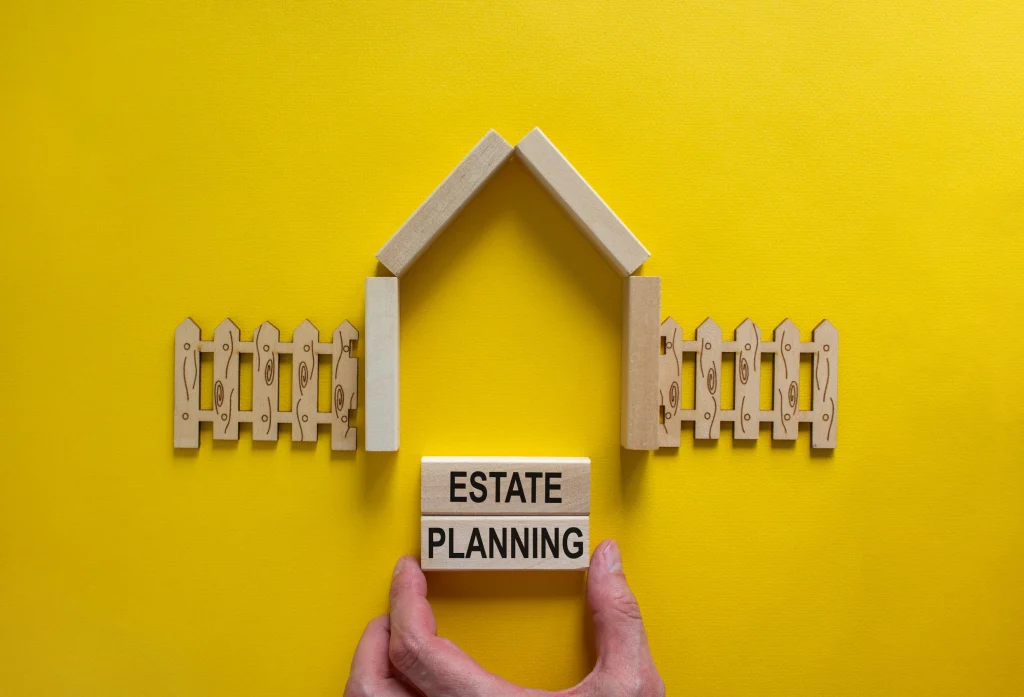
Many DINKs wonder what will happen to their estate if they don’t have children. It’s important to have a will and put thought into estate planning if you don’t have heirs. This way, your assets will be distributed as you intend them. But if you don’t have a will, which is called dying intestate, your estate is distributed according to your state’s intestacy laws. Here’s a general breakdown of who typically inherits in order of priority.

A General Estate Planning Breakdown

Dying without a will leaves a lot of things up in the air. Here’s a look at who stands to inherit what you leave behind if you don’t have any estate planning done.

  • Spouse: If you’re married, your spouse usually inherits most or all of your estate, especially if you have no children. However, if you have living parents or siblings, some states may require the estate to be split between your spouse and them.
  • Parents: If you’re not married and have no children, your parents are next in line to inherit your estate.
  • Siblings: If your parents are deceased, your siblings or their descendants, like nieces and nephews, inherit.
  • Extended Family: If no siblings, the estate may go to grandparents, then to aunts and uncles, and then to cousins.
  • The State: If absolutely no living relatives can be found, your estate may “escheat” or go to the state government.

The Law Comes Into Play Too

It’s also worth noting that not all assets go through the probate process. Bank accounts with payable-on-death (POD) designations, jointly owned property, and accounts with named beneficiaries, like IRAs or 401(k)s, will usually bypass the will or intestacy laws entirely. That’s why it’s crucial to regularly review and update your beneficiary designations as your life and relationships change.

Remember, each state has different laws when it comes to intestacy. For example, in community property states, like California, your estate may be split among heirs. All decisions about your estate will be made by probate courts. These decisions may change over time based on legal precedence.

Many of the intestacy laws are complex, especially if you have multiple properties and assets. Not all of your assets will pass through intestacy. For example, if you have property in a living trust, it will pass directly to the beneficiaries you name. The same is true if you have life insurance or retirement accounts where you named beneficiaries. It’s best to consult a lawyer if you have specific questions regarding your estate.

Estate Planning Considerations

The rigid hierarchy of heirs under intestate succession can sometimes lead to family disputes, especially if succession leads to family members inheriting assets that were not close to the deceased. Remember, a will overrides intestacy laws. If you want control over who gets your assets, create a will or trust. Unmarried partners, friends, or stepchildren do not inherit under intestacy laws unless legally adopted or named in a will.

Read More

Planning for an HVAC Replacement Without Breaking the Bank

Crypto investing with your partner: Top tips

5 Dog Breeds That Are Best For Childless Couples

Best dog breeds for childless couples
Image Source: Pexels

Childless couples often have more freedom in their schedules, making them a great match for certain dog breeds that thrive on companionship, activity, or attention. These couples can often dedicate more time to training, socializing, and bonding with their pets. As a result, they may find it easier to meet the physical and emotional needs of high-energy or sensitive breeds. Many also enjoy traveling or outdoor adventures, which some dog breeds are perfect for joining. According to the American Pet Products Association, 70% of U.S. households own a pet, and dog ownership continues to rise, especially among millennials without children. Here are five dog breeds that are best for childless couples.

1. Greyhound

Surprisingly low-maintenance, Greyhounds are calm, affectionate, and love lounging around. They enjoy a good daily walk but are just as happy spending the rest of the day snuggled up on the couch. Some Greyhounds can be skittish, however, depending on the dog. This makes them ideal for quiet households without kids.

2. French Bulldog

These compact charmers are loyal, quiet, and easy to care for. Frenchies don’t require much exercise and are ideal for apartment living or urban lifestyles. They form strong bonds and enjoy being the center of your world. While they can make good family dogs, since they are very patient, they also are good for childless couples.

3. Cavalier King Charles Spaniel

Sweet, gentle, and affectionate, Cavaliers are perfect lap dogs. They’re adaptable to your lifestyle, whether you prefer staying in or going on weekend getaways. They crave attention and do best in close, loving households. They are prone to several health conditions. These include certain eye conditions (including retinal problems and cataracts), patella luxation, hip dysplasia, middle ear infections, mitral valve heart disease, and a neurological condition called syringomyelia. They also need regular brushing and grooming. Since they are higher maintenance, they are a good dog for childless couples.

4. Shiba Inu

Independent and clean, Shibas are great for couples who appreciate a dog with personality. They’re intelligent, low-odor, and require moderate exercise. While not overly cuddly, they form loyal, respectful bonds. They may have separation anxiety and can sometimes be destructive if left home alone and not crated.

5. Whippet

Like Greyhounds, Whippets are sleek and sensitive. They’re calm indoors, quick outdoors, and very people-oriented. They thrive in peaceful, adult households where they get lots of love and soft blankets. Whippets barely bark, so they are ideal for apartment living. They do enjoy plenty of time to run outdoors as well. Ultimately, they are very low-maintenance dogs that make great companions.

Best Dogs for Childless Couples

For childless couples, the best dog is one that matches your energy, lifestyle, and desire for companionship. These breeds can bring joy, routine, and deep connection into your home — no kids required. Choosing the right dog not only enhances your daily life but also creates a lasting bond filled with love and loyalty. Ultimately, the perfect furry friend can become an irreplaceable part of your shared journey.

Read More

The Challenges in Recovering Compensation for Pain and Suffering in a Bicycle Accident Case

How Terry Bryant Accident & Injury Law Managed to Secure Over $1 Billion for Their Clients

Here’s Why Couples Without Kids Don’t Want to Babysit Yours

Why DINKs don't want to watch your kids
DINK babysitting
Image Source: Pexels

Don’t get DINKs wrong, they like to hang out with your kids. Some even have honorary aunt and uncle titles. But DINKs didn’t have kids for a reason. While they love that your kids are a part of you, they don’t want to give up their weekend plans to babysit your children. Even if your DINK friends are free, it doesn’t mean that you should ask them to babysit. It will probably just create an awkward situation between you and your friends when they say no. If they say no, it isn’t because they hate your kids or are selfish or immature. You shouldn’t assume the worst of DINKs who don’t want to watch your kids. Here are a few reasons why DINK couples might not want to watch your kids.

1. A Childfree Lifestyle Was Chosen

Many couples without kids didn’t just forget to have children, or haven’t considered it. There are many reasons why this lifestyle was chosen. Maybe it’s about prioritizing careers, travel, personal time, or parenting isn’t for them. Of course, some DINKs can’t have children. If that’s the case, they might be open to spending more time with your kids.

2. Being Child-Free Doesn’t Mean Ample Free Time

There’s a common assumption that not having children equals having nothing better to do. If you say this to DINK couples, they actually might be insulted. DINK couples can have full schedules and lives even without children. Furthermore, their time is valuable, even if they aren’t raising children. They might have other obligations like family, pets, demanding jobs, and so on.

3. They Aren’t Comfortable

Some DINK couples don’t have a lot of experience with kids. They may feel unqualified to watch yours alone. Some people aren’t naturally good with kids. Even if you leave detailed instructions, they may not be confident in their skills. Watching your kids is a huge responsibility. It isn’t for everyone.

4. They Are Tired Too

Watching kids is hard work! While your DINK friends may say yes to be nice, they may not have the bandwidth to babysit your kids. Treating DINK couples like free childcare is asking for a lot. If they do say yes, you should return the favor in some way. Don’t take advantage of their kindness.

Final Thoughts

Your DINK friends understand that parenting is hard. As a parent, you’re constantly pulled in a thousand directions. You deserve help and rest. But if your DINK friends don’t offer to help, don’t assume that they want to babysit. They may enjoy hanging out with you and your kids, but babysitting may be asking for too much for a variety of reasons. It’s entirely possible to love your friends and not want to babysit their children. So the next time you’re about to text your child-free friend, “Hey, can you watch the kids Saturday?”, maybe pause. Respect your friends’ boundaries and maybe hold off on asking them to babysit.

Read More

12 Manners Everyone Pretends to Like—But Secretly Don’t

Bitcoin Hits $111K: Crypto’s Big Comeback

You cannot copy content of this page