Jackie Cohen is an award winning financial journalist turned turned financial advisor obsessed with climate change risk, data and business. Jackie holds a B.A. Degree from Macalester College and an M.A. in English from Claremont Graduate University.
Start selling on Amazon Marketplace and you might find yourself bogged down with tedious manual labor that might not be what you wanted to spend all your time doing. Perhaps you’ve noticed that some third-party sellers have listings that say “fulfilled by Amazon.” (more…)
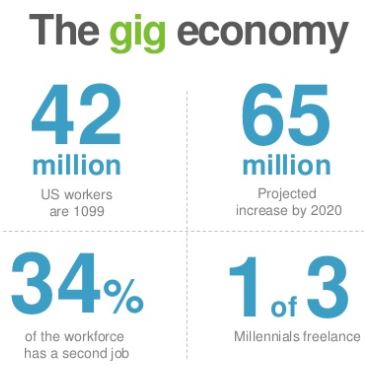
Ironically, one of the most complicated tax brackets is populated by workers who appear to face some of the greatest uncertainty of ever being able to retire. The gig economy needs retirement plans. (more…)
While lenders may have eased up on the strict standards implemented following the 2008 credit crisis, it’s still difficult to qualify for a loan with less than perfect credit.
Homeowners insurance is getting more expensive and climate change has everything to do with it.
Insurance companies set prices based on risk, and are increasingly embracing technology that helps make weather predictions.
These tools aim to rein in losses amid the growing frequency of extreme weather events that have forced insurers to make bigger and more frequent payouts on benefit claims.
Insurers typically raise premiums after a policyholder makes a claim. But when a major disaster strikes, multiple large claims come from the same geographic area. As these events continue to set new records in severity, the damages also keep getting more expensive.
Speaking of more expensive damages from hurricanes Harvey and Irma were estimated to reach $50 billion (that’s actually down from an earlier estimate of $200 billion in direct costs and total economic impact approaching $3 trillion).
Even after accounting for homeowners who lack flood insurance, the amount of money insurers have to shell out on claims in storm-affected areas will require higher premiums and deductibles to keep the insurers’ books balanced. For more information.
Homes in areas with higher risks for extreme weather become more expensive to insure — with every new record set, the premiums, and deductibles in the affected region all go up.
Even newcomers who move to the area can encounter high premiums and deductibles that more than offset anything saved on otherwise depressed home prices following a post-disaster exodus.
The Meaning of Expensive
Many homeowners and renters have foregone buying insurance for flood or earthquakes because the policies nearly always cost substantially more than the original policy on the home. However, the real meaning of expensive becomes apparent when these homes get hit by the type of disaster they don’t have insurance for.
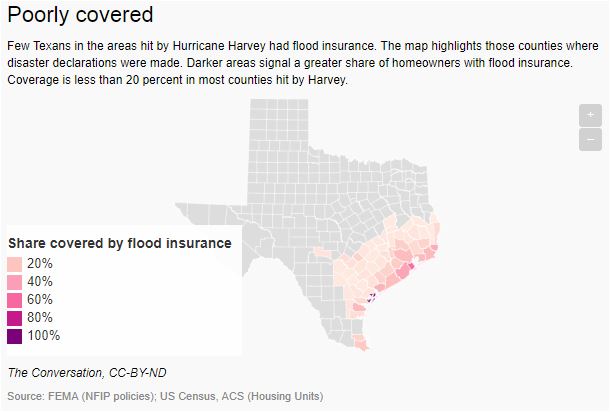
Actually, 80% of hurricane Harvey victims lacked flood insurance and as a result, face having to pay for a lot of the damages out of their own pockets. While homeowners insurance includes coverage for wind damage, good luck convincing an insurance claims adjuster to consider wind as the cause of home flooding.
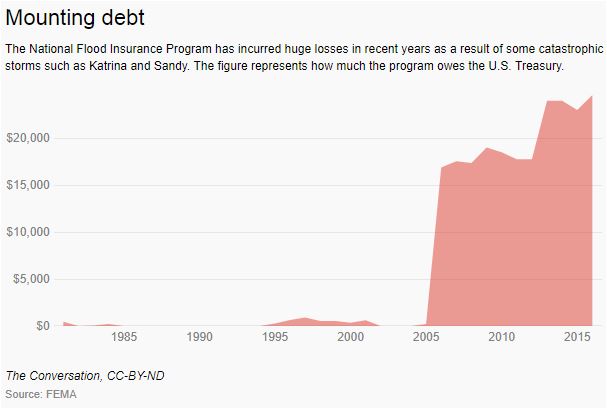
Both flood insurance and earthquake insurance are provided by government subsidized entities — that are actually still underwater from payouts made to hurricane Katrina victims, according to the Federal Emergency Management Administration.
While the premiums and deductibles are likely to keep escalating to points even higher than what many homeowners might feel like they can afford, the alternative can be even less so should tragedy strike.
What Should Homeowners Do?
However, it may be possible to lower the premiums and deductibles on homes in at-risk areas by improving infrastructure in ways that would protect against natural disasters.
This might include elevating a home’s foundation in a flood region or bolting down and reinforcing the foundation in earthquake territory.
Otherwise, the alternative amounts to attempting to move away from something you can never really escape. It’s one thing to deny the existence of climate change, but no one is denying that the weather is getting more extreme even in locales that used to be known as temperate.
Alas, moderate climates might be turning into a thing of the past, at least until something changes, requiring homeowners to find a way to budget more money for insurance or invest in damage prevention.
Readers, we’ve created an information-packed ebook on how to make more money. It contains over three dozen pointers on different ways to increase your earnings. Please click on the link below to download the ebook. After you’ve read it, please let us know what you think of it in the comments section beneath this post.

 About Jackie Cohen
 Start selling on Amazon Marketplace and you might find yourself bogged down with tedious manual labor that might not be what you wanted to spend all your time doing. Perhaps you’ve noticed that some third-party sellers have listings that say “fulfilled by Amazon.” (more…)

 While lenders may have eased up on the strict standards implemented following the 2008 credit crisis, it’s still difficult to qualify for a loan with less than perfect credit.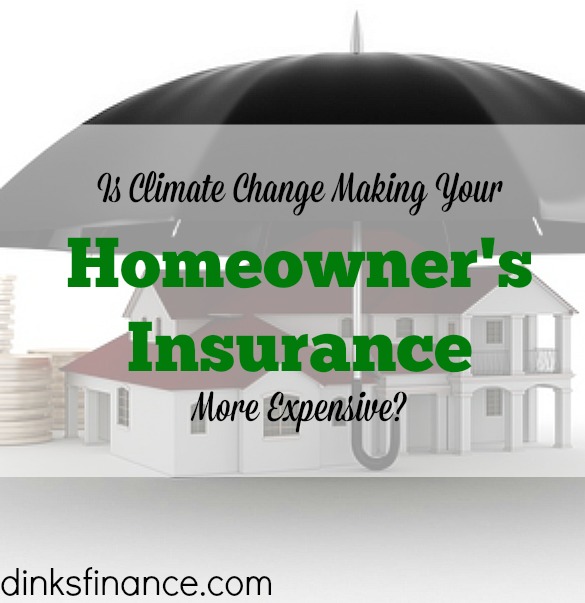
 Homeowners