About Catherine Reed

Catherine is a tech-savvy writer who has focused on the personal finance space for more than eight years. She has a Bachelor's in Information Technology and enjoys showcasing how tech can simplify everyday personal finance tasks like budgeting, spending tracking, and planning for the future. Additionally, she's explored the ins and outs of the world of side hustles and loves to share what she's learned along the way. When she's not working, you can find her relaxing at home in the Pacific Northwest with her two cats or enjoying a cup of coffee at her neighborhood cafe.

7 Common Household Safety Mistakes Busy Couples Keep Ignoring

7 Common Household Safety Mistakes Busy Couples Keep Ignoring
Image source: shutterstock.com

Busy couples juggle demanding work schedules, social commitments, and daily tasks, which makes it easy to overlook safety hazards around the home. Even small household safety mistakes can lead to costly repairs, preventable accidents, or long-term health risks. The problem is that many of these issues are not obvious until something goes wrong, and by then, the cleanup can be stressful and expensive. Paying attention to these often-ignored warning signs can protect your home, your budget, and your peace of mind. With a little awareness and a few simple changes, couples can create a safer living environment without sacrificing time or convenience.

1. Ignoring Expired Smoke Alarms and Missing Batteries

One of the most common household safety mistakes is failing to check smoke alarms regularly. Many couples assume the devices work simply because they are mounted on the wall. Smoke alarms need new batteries at least once a year and full replacement every ten years to stay effective. Dead or missing batteries turn lifesaving devices into useless plastic. Making a simple annual reminder can prevent dangerous oversights and keep your home protected.

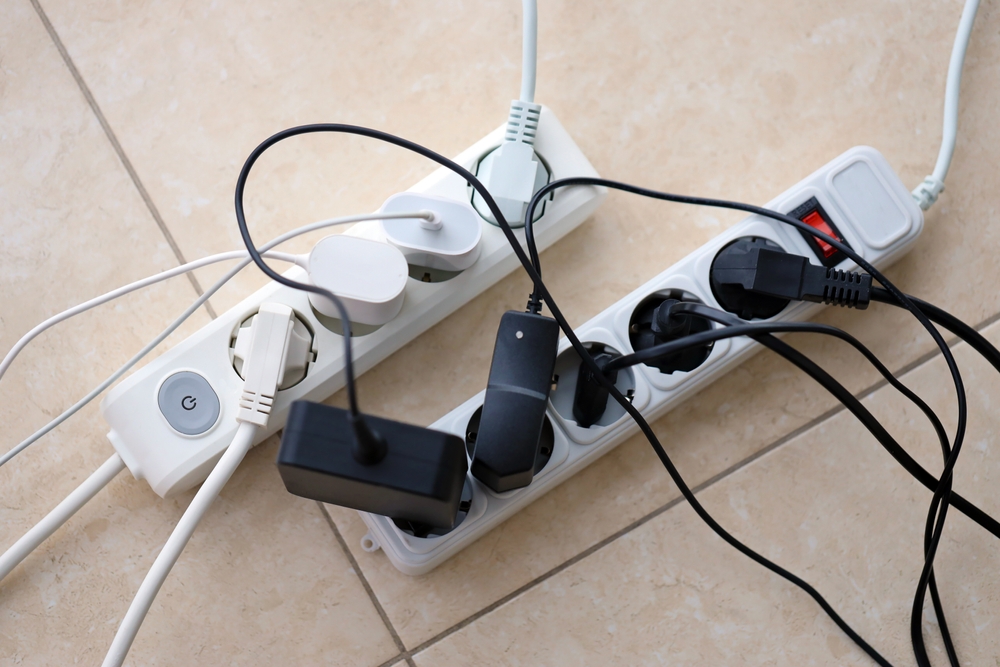
2. Overloading Outlets and Using Damaged Cords

Electrical issues are a major source of home fires, yet they are among the household safety mistakes that busy couples ignore most often. Overloaded outlets, especially those powering multiple devices, increase the risk of overheating. Damaged or frayed cords can spark, smoke, or cause electrical shocks. Many couples delay replacing them because the cords still technically work. Taking a few minutes to inspect your electrical setup can prevent far more serious problems later.

3. Skipping Regular Dryer Vent Cleaning

The buildup of lint in dryer vents is one of the most dangerous household safety mistakes, and it is incredibly common. Lint accumulates quickly and can block airflow, which increases the risk of overheating and fires. Busy couples often clean the lint trap but forget the vent itself, which collects far more debris over time. A clogged dryer vent also makes your machine less efficient, raising energy bills. Cleaning the vent at least once a year keeps your home safer and your dryer working properly.

4. Leaving Clutter in Hallways and Near Exits

Clutter might seem harmless, but it is one of the household safety mistakes that can create dangerous trip hazards. Items like shoes, bags, laundry baskets, or boxes block pathways and slow evacuation during emergencies. Couples often overlook these issues because clutter builds up gradually. Keeping walkways clear reduces the risk of falls and makes your home easier to navigate. A few minutes of tidying each day can eliminate unnecessary hazards.

5. Forgetting to Check For Leaks Under Sinks

Minor plumbing leaks are easy to miss, but they are among the most expensive household safety mistakes to ignore. A slow drip under a sink can lead to mold growth, wood damage, and costly repairs. Busy couples may notice dampness but assume it is harmless or temporary. Regularly checking under sinks for moisture or discoloration can prevent long term structural damage. Fixing small leaks promptly protects both your home and your budget.

6. Not Securing Heavy Furniture or Appliances

Tipping hazards are one of the most overlooked household safety mistakes, especially in homes without children. Heavy items like bookshelves, dressers, and televisions can fall during earthquakes, accidental bumps, or uneven flooring. Many couples assume anchoring is unnecessary because they are careful or rarely move furniture. Securing these items takes little time and significantly reduces injury risk. Wall anchors and safety straps provide peace of mind with minimal effort.

7. Ignoring Outdoor Hazards Like Loose Steps or Damaged Railings

Outdoor safety often gets pushed to the bottom of the to do list, making it another source of household safety mistakes. Loose steps, broken railings, cracked walkways, and unstable decks create serious fall risks. Couples may not notice these hazards until guests point them out or an accident happens. Regular outdoor inspections help catch issues early before they become dangerous. Repairing small problems quickly prevents more expensive fixes down the road.

A Safer Home Starts With Small, Consistent Habits

Building a safe household does not require major renovations or endless time. Avoiding common household safety mistakes is about awareness, routines, and communication. When couples work together to check hazards, maintain appliances, and stay organized, their home becomes a more secure and comfortable place to live. These small steps create long lasting protection and reduce the likelihood of stressful emergencies.

Which household safety mistakes have surprised you in the past, and what helped you fix them? Share your thoughts in the comments.

What to Read Next…

How Financial Equality Creates Power Struggles No One Talks About

How Financial Equality Creates Power Struggles No One Talks About
Image source: shutterstock.com

Many couples believe financial equality will solve disagreements, eliminate resentment, and keep everything fair. But the reality is often more complicated. When both partners earn similar incomes, contribute equally, and share financial power, new and surprising tensions can emerge. These challenges are rarely discussed openly, yet they influence daily decisions, emotional balance, and long-term stability more than people expect. Understanding how financial parity can lead to power struggles helps couples stay connected, communicate better, and build healthier financial dynamics.

1. Equal Income Can Create Silent Competition

When both partners earn similar salaries, financial equality can unintentionally spark subtle competition. Each person may feel pressure to contribute equally or outperform others to feel valued. This competitiveness can affect decisions about promotions, career changes, or personal spending. Couples sometimes avoid discussing these feelings because they seem irrational or uncomfortable. Acknowledging these dynamics early helps prevent quiet resentment from growing.

2. Splitting Bills Can Lead to Scorekeeping

Many couples use financial parity to divide expenses evenly, but this approach can create scorekeeping habits. When every purchase is split exactly down the middle, partners may begin tracking who paid for what with unnecessary detail. This can lead to tension about small expenses and create a transactional tone in the relationship. Scorekeeping undermines connection and makes everyday finances feel more like a business arrangement. Open discussions about flexibility and shared goals often resolve these issues.

3. Equal Decision Making Can Slow Down Progress

Financial equality means both partners have an equal say, but that can make major decisions harder. When neither person has the final say, conversations about savings, investments, or large purchases can drag on. Couples may struggle to reach agreements if their priorities differ, causing delays that impact financial growth. This pressure can turn planning into a source of frustration instead of teamwork. Establishing a process for making big decisions prevents repetitive debates.

4. Independence Can Turn Into Isolation

Financial parity gives both partners independence, but too much independence can backfire. When each person manages their own money separately, the relationship can feel disconnected. Couples may avoid discussing purchases, savings, or goals because they feel it is unnecessary. This creates emotional distance and reduces transparency, which can weaken trust over time. Building shared financial rituals helps keep communication strong.

5. Similar Earning Levels Can Hide Financial Insecurity

Just because partners earn similar incomes does not mean they feel equally secure. Financial equality can make people hide their fears or insecurities to maintain the appearance of confidence. Couples may avoid discussing debt, stress, or career doubts because they assume the other expects strength. These unspoken worries can create emotional strain and misunderstandings. Honest conversations reduce pressure and build support instead of silence.

6. Equal Contribution Expectations Can Create Pressure

Many couples assume financial parity means contributing the same amount to every expense. But this expectation can create stress when one partner wants more flexibility or is experiencing career changes. Pressure to keep everything perfectly equal can lead to guilt, frustration, or shame. This becomes especially challenging during layoffs, pay cuts, or unexpected expenses. Couples benefit from remembering that equality and fairness are not always the same thing.

7. Shared Power Sometimes Leads to Stalemates

Financial equality gives each partner equal influence, but equal power can lead to standstill moments. When both partners have strong opinions, decisions about savings, vacations, or investments can become tug-of-war situations. These stalemates cause delays that prevent progress and create tension. Couples often need new tools for resolving disagreements without one person feeling overruled. A collaborative mindset helps turn conflict into a productive discussion.

8. Mutual Independence Can Reduce Teamwork

One hidden challenge of financial equality is that each partner may operate independently instead of as a team. When both people feel capable and confident, they may forget the benefit of coordinating efforts. Working alone on financial goals slows progress and reduces shared motivation. Couples thrive when they combine strengths and create unified plans. Balancing independence with partnership keeps momentum strong.

9. Equal Earnings Can Disrupt Traditional Comfort Zones

For couples raised with traditional financial roles, financial parity can disrupt long standing expectations. Some may struggle with identity questions or beliefs about what financial contributions mean. These internal conflicts can lead to power struggles even if both partners support equality. Understanding how past experiences shape current behavior helps avoid unnecessary friction. Growth often comes from embracing new patterns together.

Creating Harmony When Financial Equality Brings Tension

Financial parity has many benefits, but it also requires intention, communication, and flexibility. Couples who openly discuss feelings, expectations, and concerns are better equipped to handle hidden power struggles. Strong relationships are built not just on equal income but on mutual respect, shared goals, and emotional understanding. With awareness and teamwork, financial equality becomes a foundation for connection instead of conflict.

What challenges or surprises have you experienced in a financially equal relationship? Share your perspective in the comments.

What to Read Next…

10 Ways Job Loss Hits Harder When You’re Used to Dual Paychecks

10 Ways Job Loss Hits Harder When You’re Used to Dual Paychecks
Image source: shutterstock.com

Couples who build a lifestyle around two paychecks enjoy financial flexibility, shared responsibility, and greater stability. But when one income suddenly disappears, the impact can feel far more intense than it would for a single earner who’s already used to stretching one salary. Job loss disrupts both routines and long-term plans, forcing couples to rethink spending, shift responsibilities, and navigate emotional stress they may not have anticipated. Understanding the unique pressures faced by couples used to dual paychecks can help you prepare better, respond faster, and protect your financial future when unexpected changes hit.

1. Monthly Bills Become Harder to Cover

Dual paychecks make it easier to manage rent, mortgage payments, utilities, and subscriptions without stress. When one income disappears, those same bills suddenly feel heavier and harder to maintain. Some couples find themselves dipping into savings or relying on credit cards sooner than expected. The adjustment is especially tough if your lifestyle was designed around two stable incomes. Reevaluating recurring expenses becomes essential for financial survival.

2. Savings Goals Take a Big Pause

With two paychecks, couples can build savings quickly for emergencies, vacations, home improvements, or early retirement goals. Job loss interrupts that progress and forces many families to divert money toward essentials instead. Seeing savings stall or shrink creates emotional pressure and long-term financial concern. Couples may struggle with guilt or frustration over goals being pushed further away. It becomes important to refocus on stability before rebuilding momentum.

3. Lifestyle Adjustments Feel More Dramatic

A household accustomed to dual paychecks often enjoys conveniences like dining out, travel, hobbies, or subscription services. When job loss occurs, cutting these extras can feel abrupt and emotionally draining. Couples may face conflict as they renegotiate spending habits and priorities. These adjustments are harder because they require shifts in both mindset and lifestyle. Working together to redefine needs versus wants can ease the transition.

4. The Remaining Earner Feels Increased Pressure

When two paychecks drop to one, the employed partner may feel overwhelming pressure to maintain financial stability. This can lead to stress, burnout, and a sense of carrying the entire household alone. Communication becomes essential to prevent resentment or emotional distance. Couples should find ways to share responsibilities beyond income. Supporting each other through the shift strengthens the relationship during challenging times.

5. Emergency Funds Get Drained Faster

Households with dual paychecks often build thicker emergency cushions, but those funds can disappear quickly when one income vanishes. Medical costs, car repairs, and basic expenses can drain savings faster than expected. Knowing that the safety net is shrinking adds to the anxiety of job loss. Couples need to monitor spending carefully and adjust quickly to preserve remaining resources. This period highlights the importance of financial discipline.

6. Job Searches Create Household Disruption

A job search introduces uncertainty, irregular routines, and unpredictable emotions. When a household is used to dual paychecks, this disruption feels even more significant because so much is riding on finding new employment. The unemployed partner may struggle with motivation, confidence, or direction. Meanwhile, the working partner may feel helpless or stressed. Setting clear goals and offering mutual encouragement can make the job search less overwhelming.

7. Debt Payments Become More Difficult

Many couples take on debt, assuming two paychecks will make repayment manageable. When one income disappears, credit cards, student loans, and car payments suddenly strain the budget. Without fast adjustments, debt balances can rise quickly. Couples must reassess repayment plans, negotiate with lenders, or temporarily reduce payments if possible. Proactive communication prevents deeper financial issues from developing.

8. Health Insurance Becomes a Major Concern

If the partner who lost their job carried the household’s health insurance, the transition can be stressful and expensive. Options like COBRA, marketplace plans, or shifting coverage to the remaining partner often come with higher costs. Losing insurance during this time creates vulnerability that many couples overlook until it happens. Evaluating coverage options early can reduce uncertainty and protect your financial health.

9. Retirement Contributions Drop Immediately

Dual paychecks make retirement investing easier, especially when both partners contribute regularly. Job loss stops those contributions instantly and may even require tapping retirement funds for emergencies. This break in contributions has long-term consequences that couples may not recognize at first. Prioritizing financial stability before resuming retirement savings is wise. Couples can rebuild contributions once income returns.

10. Emotional Stress Affects Decision-Making

Financial uncertainty impacts mood, communication, and confidence, especially in couples used to two paychecks. Job loss can lead to anxiety, self-doubt, and fear about the future. Stress may cause rushed decisions or disagreements about priorities. Staying grounded, patient, and solution focused helps protect both your finances and your relationship. Working as a team makes the recovery phase far smoother.

Redefining Financial Stability When Circumstances Change

Job loss hits harder for couples who rely on dual paychecks, but it also presents an opportunity to strengthen your financial foundation. Evaluating your expenses, improving communication, and creating new routines help you regain balance and prepare for future challenges. With patience and teamwork, couples can navigate this transition more confidently and come out even stronger. Resilience grows when challenges are faced together.

How has job loss affected your household, and what strategies have helped you stay balanced? Share your thoughts in the comments.

What to Read Next…

How Job Loss Feels Different When There’s No Backup Parent at Home

10 Signs Career Obsession Is Quietly Destroying Your Relationship

Here’s 6 Tips to Live On One Income When Your Spouse Loses Their Job

How To Financially Support Your Spouse During a Career Change

Career U-Turns: 10 Bold Moves to Escape Dead-End Jobs

Why Having No Dependents Makes You a Target for Overtime

Why Having No Dependents Makes You a Target for Overtime
Image source: shutterstock.com

Couples without dependents often enjoy more flexibility and freedom, but that same freedom can make them the first people their employer turns to when extra hours are needed. Whether it is staying late, covering weekend shifts, or filling in for absent coworkers, employees with no kids may feel like their personal time is treated as more expendable. While overtime can mean extra income, it also leads to burnout, imbalanced schedules, and a sense of unfair expectation. Understanding why having no dependents puts a target on your back can help you set boundaries, protect your time, and make workplace decisions that support your long-term well-being.

1. Employers Assume You Have Fewer Conflicts

One of the most common reasons employees without dependents are assigned extra work is the assumption that they have fewer competing responsibilities. Managers may think that without school pickups or childcare commitments, your schedule is automatically wide open. This perception creates an uneven distribution of overtime that can quickly become overwhelming. It is important to communicate that having no children does not mean having unlimited availability. Your personal time and commitments deserve the same respect as anyone else’s.

2. Coworkers Rely on You to Fill In

Having no dependents often makes employees the go-to backup when last-minute absences or emergencies occur. This dynamic happens when coworkers assume you have more flexibility simply because you have no kids. Over time, this can lead to frustration and resentment, especially when the requests become routine rather than exceptional. Learning to say no respectfully helps protect your work life balance. Setting boundaries ensures you are helping by choice rather than obligation.

3. Managers See You as More “Adaptable”

Many managers believe having no dependents means employees can adapt more easily to unexpected overtime or schedule changes. This assumption is often built on stereotypes rather than real conversations about availability. Adaptability becomes a default expectation, especially during busy seasons or understaffed periods. People with no children deserve the same consideration for rest, downtime, and personal needs as any other employee. Clear communication is essential for resetting unrealistic expectations.

4. Your Workload Can Quietly Increase

When employees without dependents are consistently available, managers may start assigning them extra work even outside official overtime. This gradual increase can go unnoticed until it becomes overwhelming. Without kids, you may seem like the most logical person to take on additional tasks, but that does not mean it is fair. Regular check-ins with your supervisor can help prevent workload creep. Advocating for balanced distribution keeps work manageable for everyone.

5. You May Be Viewed as More “Dedicated”

Some workplaces equate long hours with loyalty, and employees with no dependents are often assumed to be more available for that lifestyle. This perception can create pressure to accept overtime to maintain your reputation. It also reinforces a culture where personal boundaries are overlooked. Recognizing this dynamic is key to protecting your well-being. True dedication comes from consistent, high-quality work, not constant overtime.

6. Colleagues With Families Get More Scheduling Protection

In many organizations, employees with children receive more consideration when it comes to scheduling. While this is often necessary and fair, it can inadvertently shift more overtime onto workers without children. This pattern becomes particularly noticeable during holidays, summer breaks, or school-related events. You should not feel guilty for asking for equal respect for your personal time. Fair scheduling supports better morale across the entire team.

7. You Become the “Reliable One” by Default

If you rarely turn down overtime, managers may start viewing you as the default person to call for extra hours. This expectation forms quickly when you have no dependents, even if you never volunteered to be the go-to person. While reliability is a strength, it should not be exploited. Resetting expectations begins with saying yes only when it works for you. Your time outside work matters just as much as your contributions at work.

8. Workplaces Often Reward Availability Instead of Balance

Companies sometimes prioritize productivity over employee well-being, and employees with no kids can unintentionally become the backbone of that system. When you are consistently available, it reinforces the idea that you do not need the same work life protections as others. This can lead to long term stress and burnout. Aim to build a balance that allows you to excel at work while still enjoying the advantages of having no dependents. Healthy boundaries help you thrive professionally and personally.

Protecting Your Time and Redefining Workplace Expectations

Having no dependents should never translate to endless availability or reduced consideration for your personal life. Your time, priorities, and boundaries deserve equal respect, regardless of your family structure. By communicating clearly, setting limits, and advocating for fair practices, you can redefine how others view your availability. The goal is not to avoid overtime entirely, but to ensure it happens on your terms and supports your overall well-being.

Have you ever felt targeted for extra work because you have no children? Share your experiences in the comments.

What to Read Next…

How Inflation Hurts Couples Without Kids More Than They Realize

How Inflation Hurts Couples Without Kids More Than They Realize
Image source: shutterstock.com

Many people assume that couples without kids have more financial flexibility and fewer budget pressures, but rising prices affect them in ways they rarely anticipate. While they may not face childcare costs, school expenses, or growing family needs, inflation hurts child-free couples by attacking the very lifestyle advantages they rely on. From travel to housing to long term savings, rising costs quietly chip away at financial comfort. What seems like a manageable shift in prices can quickly become a major threat to long term stability. Understanding how inflation harms couples without kids helps them protect their financial future before the impact becomes overwhelming.

1. Discretionary Spending Shrinks Faster Than Expected

One of the first places inflation hurts child-free couples is in discretionary spending. Since these couples often allocate more money toward travel, dining, hobbies, and personal experiences, rising prices immediately affect their lifestyle. When flights, entertainment, and restaurant meals cost significantly more, their most valued activities become harder to maintain. This forces uncomfortable tradeoffs that undermine the freedom many child-free couples enjoy. Without careful budgeting, lifestyle inflation follows actual inflation.

2. Housing Costs Hit Two-Income Couples Hard

Many couples without kids live in urban areas, where higher rents and housing prices increase rapidly. This is one way inflation hurts them more than expected, especially when they choose premium locations for convenience and lifestyle. Unlike families who often move to suburbs for space, child-free couples tend to live where inflation climbs fastest. Rising property taxes, HOA fees, and insurance costs add pressure even for homeowners. Housing becomes one of the biggest stress points in their budget.

3. Travel Becomes Significantly More Expensive

Child-free couples frequently prioritize travel as part of their identity and shared enjoyment. But inflation harms travel-focused couples as airfare, hotel rates, rental cars, and destination costs rise. Even weekend trips cost far more than they did just a few years ago. Couples who once traveled freely now face difficult choices between fewer trips or higher debt. Travel inflation impacts their quality of life more than households who do not travel often.

4. Food and Dining Habits Become Less Sustainable

Restaurants, groceries, and takeout prices have risen dramatically in recent years. This is another area where inflation hurts child-free couples, who often eat out more frequently than families with children. Higher food costs can quietly drain monthly budgets without obvious warning signs. Even groceries become costly when couples favor organic brands, specialty items, or convenience foods. Small increases add up fast when dining out is a core part of daily life.

5. Savings Goals Are Easier to Delay

When inflation harms monthly budgets, couples without kids often respond by delaying long term savings. Without dependents to plan around, it feels easier to postpone retirement contributions, emergency fund deposits, or investment upgrades. This creates dangerous gaps in long term planning. Inflation then erodes future savings power even more. Delays today create much larger financial challenges later.

6. Healthcare Costs Can Rise Unexpectedly

Child-free couples sometimes underestimate how quickly healthcare and insurance costs climb. Because they do not budget for children, they may assume their medical expenses will remain consistent. But inflation hurts premiums, copays, prescriptions, and out-of-pocket costs significantly. Without a financial buffer, medical expenses can become stressful. Couples who do not plan for health inflation face unexpected hardships later.

7. Retirement Planning Becomes More Complex

Two-income couples often believe they are far ahead in retirement planning, but inflation hurts long term projections more than they expect. Investments need to grow faster to maintain future purchasing power. Without children to rely on for support in old age, these couples must fully fund their own long-term care and retirement lifestyle. Underestimating inflation today leads to major shortfalls decades later. Retirement planning without inflation adjustments is extremely risky.

8. Rising Costs Reduce the Appeal of Flexible Lifestyles

A major benefit of being child-free is flexibility, but inflation harms that freedom when everything from fuel to utilities becomes more expensive. Remote work, pet care, solo hobbies, and spontaneous plans all cost more. These rising expenses limit the lifestyle options couples value most. The independence that defines their lifestyle becomes harder to sustain. Inflation affects the small freedoms that make everyday life enjoyable.

9. Higher Interest Rates Hurt Borrowing and Investing

As interest rates rise to combat inflation, loans, mortgages, and credit become more expensive. This is another way inflation hurts couples without kids who often invest in real estate, start businesses, or take on lifestyle-oriented financing. At the same time, higher rates can slow market performance and limit investment growth. Borrowing becomes costly, and long-term financial planning becomes unpredictable. Couples must reassess their strategies to stay protected.

10. Emergency Funds Need Constant Adjusting

Inflation makes emergencies more expensive. Whether it is home repairs, car maintenance, or unexpected travel, inflation harms emergency savings by reducing how far each dollar goes. Child-free couples who rely heavily on experiences and mobility need larger buffers than they realize. A fund that once felt comfortable may no longer be enough. Emergency preparedness must evolve with inflation.

Inflation Awareness Is the New Financial Advantage

Couples thrive when they recognize where inflation hurts them most and adjust before the impact becomes overwhelming. By reevaluating budgets, strengthening savings, and rethinking priorities, they protect their lifestyle and long-term stability. Inflation is not just a budgeting inconvenience; it is a powerful force that reshapes financial plans. Couples who stay aware and proactive maintain the freedom they value most.

How has inflation changed your spending or saving habits, and what adjustments have helped the most? Share your thoughts in the comments.

What to Read Next…

7 Ways Dual-Income Households Are Outsmarting Inflation in 2025

8 Smart Investments for People Who Hate Risk

9 Surprising Perks of Being a DINK Couple in an Inflation-Heavy Economy

Housing Market Twist: Why Childless Couples Are Facing a New Kind of Price Hike

Is Your Freedom Costing You Future Security? How No Kids Impacts Your Financial Buffer

The Dangerous Myth of “We’ll Be Fine Because We Both Work”

The Dangerous Myth of “We’ll Be Fine Because We Both Work”
Image source: shutterstock.com

Many dual-income couples take comfort in the idea that having two paychecks automatically protects them from financial stress. On the surface, it sounds logical: if one job fails, the other income is still there to provide support. But the belief that everything will always be fine simply because you both work is one of the most misleading and risky assumptions couples can make. Life does not always follow predictable patterns, and two incomes do not guarantee stability without proper planning. Understanding why this myth fails is the first step toward protecting your finances and your future.

1. Dual Income Does Not Equal Double Security

Many couples assume they are safer because each partner works, but job loss can hit harder than expected. When one partner loses a job, expenses do not automatically adjust to match the reduced income. The couple may have built a lifestyle designed around two salaries, making sudden changes difficult. Without emergency savings or backup plans, stability fades fast. True security requires preparation, not assumptions.

2. Shared Expenses Can Hide Fragile Budgets

It is easy to overlook overspending when you both work and money flows steadily. Couples often create budgets that only function when both incomes remain constant. This makes the household vulnerable if even one financial stream changes. Over time, spending creeps up as confidence grows, masking underlying financial weakness. If one income disappears, the entire structure can collapse. Reviewing spending patterns helps strengthen the foundation.

3. Health Issues Can Affect Both Partners at Once

Many people believe the household will stay afloat because they both work, but health issues do not follow convenient timing. A medical emergency may require one partner to reduce hours, take leave, or shift focus away from work entirely. Meanwhile, the other partner may also experience stress that affects productivity. Medical bills, reduced income, and emotional strain create a dangerous combination. Assumptions about perfect health make finances fragile.

4. Couples Often Forget to Plan for Aging Parents

Dual-income couples frequently underestimate the time and money required to care for aging parents. Even if each partner works, family responsibilities can force one partner to cut back hours or change jobs. Assisted living, medical appointments, and long-term care add financial pressure. Without planning, this responsibility can overwhelm a seemingly stable household. Preparing early prevents unexpected burdens later.

5. Two Jobs Can Mean Two Burnouts

When you both work, burnout becomes a shared risk rather than an individual problem. If one partner is exhausted, stressed, or overwhelmed on the job, it affects the entire household dynamic. Burnout can lead to time off, reduced performance, or job changes. When both partners experience burnout simultaneously, financial vulnerability grows quickly. Protecting mental health becomes essential to financial stability.

6. Dual Income Couples Often Neglect Savings

Many couples assume a safety net exists because they both work, so they prioritize lifestyle spending over long term savings. This leads to small emergency funds, delayed retirement contributions, and minimal investment growth. When couples rely entirely on steady income, they forget that savings—not salaries—provide real security. A strong savings plan reinforces financial independence.

7. Debt Feels More Manageable Than It Really Is

Debt payments become easier to overlook when each partner works and money feels plentiful. Couples often take on higher mortgages, car loans, or credit debt under the assumption that two incomes make it safe. The danger comes when one income disappears or unexpected expenses arise. Suddenly, debt becomes unmanageable. Reducing debt early creates breathing room for future challenges.

8. Job Markets Change Faster Than Expected

Even if you both work, industries evolve, companies downsize, and career paths shift. Two stable jobs today do not guarantee stability tomorrow. Couples who depend on current employment conditions without diversifying skills or expanding opportunities risk financial setbacks. Staying adaptable protects long term income. Job security is not guaranteed; preparation matters.

9. Inflation Outpaces Income Growth

Many couples assume their earning power will always keep up with expenses because they both work. But rising costs in housing, healthcare, and essentials often grow faster than salaries. Without proactive budgeting and financial review, couples slowly lose purchasing power. Relying on income alone is not enough to stay ahead of rising costs. Strategic money management helps offset inflation.

10. Partnership Alignment Can Break Down

When couples rely on the idea that each partner works, they sometimes avoid deeper financial conversations. This creates miscommunication about goals, priorities, and spending. Without alignment, one partner may save aggressively while the other spends freely. Over time, the disconnect causes tension and financial instability. Strong communication is essential to maintaining security.

Stability Comes From Strategy, Not Assumptions

Believing everything will be fine simply because you both work creates a false sense of security. Real stability comes from intentional planning, communication, and shared financial awareness. When couples prepare for uncertainty, build savings, and maintain realistic expectations, they create a foundation strong enough to weather anything. Two incomes are helpful, but strategy is what protects your future.

What steps are you taking to strengthen financial stability in your household? Share your insights in the comments.

What to Read Next…

10 Lifestyle Hacks Couples Use to Keep Work and Pleasure Balanced With No Offspring

Career U-Turns: 10 Bold Moves to Escape Dead-End Jobs

Is Your Partner’s Career Sacrifice Slipping Under the Radar Because You Don’t Have Kids?

Here’s 6 Tips to Live On One Income When Your Spouse Loses Their Job

10 Hidden Dangers of Relying on Two Paychecks for Security

10 Signs Career Obsession Is Quietly Destroying Your Relationship

10 Signs Career Obsession Is Quietly Destroying Your Relationship
Image source: shutterstock.com

Many dual-income couples take pride in ambition, drive, and professional growth. But there is a point where success stops supporting your relationship and begins to quietly erode it. When career obsession takes over daily life, the partnership often becomes secondary without anyone noticing the shift. The danger is not in having goals but in failing to recognize when those goals reshape communication, intimacy, and emotional connection. Understanding the signs early can help couples protect both their relationship and their future.

1. Work Conversations Replace Real Conversations

One of the first signs of career fixation is when every discussion circles back to work. Partners begin talking more about clients, meetings, or office drama than about feelings, future plans, or shared experiences. Conversations become transactional rather than emotional. This slowly drains connection and leaves both partners feeling unheard. Without personal communication, the relationship becomes a secondary priority.

2. Quality Time Gets Replaced With Work Time

When work continually pushes into evenings, weekends, or vacations, career obsession becomes clear. Couples may start canceling plans, skipping date nights, or multitasking during shared time. Even when physically present, one partner may remain mentally focused on job responsibilities. Over time, this pattern chips away at closeness. Relationships struggle when quality time becomes optional instead of essential.

3. Burnout Begins Affecting Mood and Patience

Chronic stress and exhaustion make career obsession more visible in daily interactions. A partner who is emotionally drained from work may become irritable, withdrawn, or overly sensitive. These mood changes lead to misunderstandings and conflict. Burnout also reduces enthusiasm for shared activities. When work affects emotional availability, the relationship absorbs the consequences.

4. Intimacy Starts to Slip Away

Intimacy requires time, energy, and emotional connection. When career fixation consumes these resources, physical and emotional closeness begin to fade. Couples may feel distant even when they live together. Reduced affection becomes easy to ignore at first but has long lasting consequences. Without nurturing intimacy, relationships lose a vital foundation.

5. One Partner Carries More Household Weight

When work becomes all consuming, one partner may unintentionally shift household responsibilities onto the other. This uneven workload reveals deeper effects of career obsession. The imbalance creates resentment, frustration, and arguments. Even if the working partner feels justified, the impact on the relationship is real. Healthy partnerships require shared effort and mutual respect.

6. Future Plans Become Secondary to Career Moves

When promotions, relocations, or new opportunities consistently overshadow long term relationship goals, career obsession is taking priority. Couples may put off major decisions like moving, saving, or traveling because work always comes first. This creates a disconnect between partners who want security and partners focused solely on advancement. Values become misaligned when careers dominate planning.

7. Emotional Support Begins to Decline

A major warning sign of career fixation is when a partner becomes too busy, distracted, or tired to offer emotional support. Couples thrive when they feel understood and cared for. But when work consumes attention, empathy often fades. This makes conflicts escalate and everyday stress feel heavier. Without emotional availability, a relationship loses its sense of safety.

8. Work Achievements Become the Primary Source of Identity

When a partner defines themselves entirely by their job, career obsession quickly becomes all encompassing. Their sense of worth rises and falls with promotions, deadlines, and recognition. This leaves little room for self-growth outside of work. It also pressures the relationship to accommodate constant career centric validation. Identity imbalances put strain on partnerships.

9. Downtime Feels Uncomfortable or “Unproductive”

Healthy relationships need rest and play, but career obsession often makes downtime feel like wasted effort. A partner may struggle to relax, disconnect, or enjoy shared moments without thinking about work. This creates tension during vacations, weekends, or evenings together. Relationships suffer when one partner always feels pressured to stay productive.

10. The Relationship Is No Longer a Priority

The most telling sign of career fixation is when the relationship consistently comes last. Effort fades, communication weakens, and emotional closeness drifts. The shift may be subtle, but the effects are powerful. When both partners continue down this path without course correction, the partnership becomes fragile. A strong relationship requires ongoing commitment and presence.

Protecting Love While Pursuing Success

Success and ambition are positive forces, but they must coexist with intentional care for your relationship. When couples recognize the signs of career obsession, they can make changes before damage becomes irreversible. Balancing work with connection, communication, and shared goals strengthens both your professional and personal life. The healthiest relationships grow alongside success, not behind it.

Have you noticed career fixation affecting your relationship, and what helped restore balance? Share your experience in the comments.

What to Read Next…

Is Your Partner’s Career Sacrifice Slipping Under the Radar Because You Don’t Have Kids?

10 Lifestyle Hacks Couples Use to Keep Work and Pleasure Balanced With No Offspring

Do Couples Without Kids Make Riskier Career Moves?

These 7 Workplace Habits Are Secretly Holding You Back—Fix Them Now!

10 Side Hustles Ideal for Couples Who Don’t Have Child-Care Obligations

How Financial Freedom Turns Fragile When You Both Lose Interest in Stability

How Financial Freedom Turns Fragile When You Both Lose Interest in Stability
Image source: shutterstock.com

Many dual-income couples start out with big dreams of long-term security, smart choices, and the flexibility that comes with true financial freedom. But somewhere along the way, the excitement of having options can overshadow the discipline required to maintain stability. When both partners drift away from structure, planning, or shared goals, that freedom becomes surprisingly fragile. It does not take dramatic mistakes to unravel progress; small habits, delayed decisions, and shifting priorities slowly erode the foundation. Understanding how quickly financial autonomy can weaken helps couples protect what they have worked hard to build.

1. Shared Goals Fade When Stability No Longer Feels Urgent

In the early stages of a relationship, couples often map out dreams, budgets, and long-term plans. But as comfort grows, the motivation to maintain stability can fade, creating cracks in financial freedom. When goals stop feeling urgent, partners begin to drift toward separate priorities. This creates confusion, miscommunication, and uneven financial responsibilities. Without alignment, even strong income streams lose their effectiveness.

2. Lifestyle Creep Quietly Eats Away at Progress

As incomes rise, it becomes easier to justify upgrades, splurges, and new habits. The more couples lean into indulgence, the further they drift from the choices that originally supported financial security. Lifestyle creep is gradual and deceptively comfortable, which makes it harder to recognize until savings stalls or debt rises. This pattern becomes even more damaging when both partners reinforce each other’s spending. Without boundaries, financial independence slowly slips out of reach.

3. Savings Goals Fall Apart When Discipline Declines

A couple’s ability to maintain financial autonomy depends heavily on consistent savings. When both partners lose interest in maintaining emergency funds, retirement contributions, or investment accounts, progress slows dramatically. Once savings momentum disappears, it becomes increasingly difficult to rebuild the habit. Couples may start relying on future raises or bonuses to fix the problem, which rarely works. Without disciplined saving, financial freedom becomes unstable.

4. Risky Decisions Increase When Stability Feels Optional

Losing interest in stability often leads to impulsive choices that weaken financial freedom. This can include risky investments, spontaneous purchases, or taking on commitments without calculating long term impact. These decisions may seem exciting in the moment but create stress down the line. When both partners overlook caution, they amplify consequences. Over time, a few poorly timed risks can outweigh years of responsible planning.

5. Communication Breaks Down as Priorities Drift

Consistent communication is essential for preserving financial autonomy, but it usually declines when stability becomes a lower priority. Couples stop checking in on budgets, long term plans, and shared responsibilities. This creates confusion, duplicated spending, and unresolved concerns. Without regular conversations, partners assume they are on the same page when they often are not. Misalignment leads to unexpected financial surprises that weaken security.

6. Emergency Resilience Weakens Without Preparation

A strong emergency plan is a cornerstone of financial freedom, yet many couples neglect it when life feels calm. Losing interest in stability means delaying insurance updates, ignoring home maintenance, or avoiding backup savings. When emergencies hit, the lack of preparation becomes painfully clear. Couples who once felt secure suddenly face financial strain due to preventable oversights. Stability cannot be protected if preparation fades.

7. Long Term Investments Stall When Focus Shifts

Many couples rely on long term investments to maintain lasting financial freedom, but these accounts require consistent attention. When stability becomes less important, couples stop adjusting portfolios, diversifying investments, or monitoring performance. Investments become passive instead of strategic. Over time, missed opportunities pile up and weaken long term gains. Without focus, the financial future becomes more uncertain.

8. Short Term Gratification Overrides Long Term Benefits

When couples prioritize pleasure over planning, long term progress slows dramatically. This shift often happens subtly, especially when both partners reinforce a carefree mindset. As short term gratification replaces long range thinking, financial autonomy begins to crumble. Small choices, like skipping contributions to fund a vacation, eventually build into larger setbacks. Repeated over time, these habits replace stability with unpredictability.

9. Debt Reenters the Picture When Structure Disappears

Even couples who worked hard to eliminate debt can fall back into it when discipline fades. Without a strong commitment to stability, it becomes easier to take on credit cards, loans, or financing agreements. Debt undermines financial freedom by increasing monthly obligations and reducing flexibility. Once debt returns, it becomes harder to reclaim earlier progress. A lack of structure can quietly reopen financial vulnerabilities.

10. Independence Gives Way to Avoidance

When couples stop prioritizing stability, they often avoid hard decisions altogether. Financial tasks like reviewing accounts, updating budgets, or planning for retirement get pushed aside. This avoidance weakens financial autonomy by allowing small problems to grow unchecked. The longer decisions are delayed, the harder they become to fix. Avoidance creates a slow but steady decline in security.

Protecting Freedom Requires Intention, Not Perfection

Maintaining financial freedom is not about strict rules or rigid routines. It is about being intentional, communicating openly, and choosing stability even when life feels comfortable. When both partners stay engaged, freedom becomes something you actively protect rather than something you assume will last on its own. Small habits, shared goals, and mindful decisions keep your financial life strong. Freedom is easiest to lose when it is taken for granted, but consistency keeps it secure.

What habits help you and your partner stay committed to financial stability? Share your strategies in the comments.

What to Read Next…

5 Investment Myths That Keep Professionals from Reaching Financial Freedom

10 Hidden Dangers of Relying on Two Paychecks for Security

Lifestyle Upgrade Trap: Why DINKs Are Spending More — And What’s Eroding Your Freedom

What Most Financial Planners Don’t Tell Child-Free Couples About Risk and Reward

Financial Freedom or Family Life: Are DINKS Happier in the Long Run?

8 Clever Ways to Turn Raises Into Real Assets

8 Clever Ways to Turn Raises Into Real Assets
Image source: shutterstock.com

Whenever your income increases, it is tempting to celebrate by upgrading your lifestyle, buying something new, or loosening the budget a little. But couples who intentionally turn raises into long term assets instead of short-term purchases gain financial security that lasts far beyond paycheck excitement. The key is shifting your mindset from spending more to building more, especially when both partners are earning. Small, consistent steps can turn pay increases into powerful tools for wealth creation. With a little planning, each income bump becomes an opportunity to strengthen your future rather than inflate your expenses.

1. Increase Retirement Contributions Automatically

One of the simplest ways to turn raises into real assets is by immediately redirecting the increase into your retirement accounts. This removes the temptation to spend the extra income before it even lands in your wallet. Increasing contributions protects your future, reduces taxes, and compounds over time. Many employers allow you to adjust your percentage with just a few clicks. This automatic approach helps you grow wealth without changing your lifestyle.

2. Build or Boost an Emergency Fund

Another smart way to turn pay increases into assets is by strengthening your emergency savings. Unexpected expenses can derail even the most organized financial plans. Using part of your raise to add to this fund builds security and confidence. It also prevents reliance on credit cards when life takes an unexpected turn. Couples can set a target amount and commit a portion of every raise until they reach it.

3. Pay Down High Interest Debt

If you want to turn raises into long term financial freedom, using extra income to pay down debt is one of the most effective strategies. High interest balances drain money every month and slow your ability to invest in real assets. Directing part of your raise toward loans accelerates payoff and reduces future financial stress. This improves monthly cash flow and strengthens your overall financial position. Debt elimination often delivers a guaranteed return.

4. Invest in Taxable Accounts for Flexibility

Raising contributions to taxable investment accounts is another flexible way to turn raises into assets. Unlike retirement accounts, you can access this money without age restrictions. These investments diversify your financial base and allow you to grow wealth beyond employer sponsored plans. Couples can use this money for future goals like travel, home upgrades, or early retirement. Flexibility gives your raise long lasting impact.

5. Upgrade Skills That Increase Future Income

A strategic way to turn pay increases into assets is by reinvesting money into yourself. Professional development, certifications, online courses, or industry conferences can boost your earning potential. These investments pay off through promotions, salary negotiations, or new opportunities. Skill building also increases job security in competitive industries. Viewing education as an asset transforms a raise into long term financial growth.

6. Contribute to a House Down Payment or Remodel Fund

Housing costs are one of the biggest expenses for couples, making home equity a powerful asset. Using part of your raise to build a down payment fund or finance future improvements is a smart way to turn raises into lasting value. A larger down payment reduces mortgage costs, while upgrades can increase a home’s resale price. This approach supports both comfort and financial strength. Couples gain long term stability by planning intentionally.

7. Start or Expand Passive Income Streams

Passive income opportunities like dividend investing, rental properties, or digital products can grow when you allocate extra funds strategically. This method helps you turn raises into ongoing income sources rather than temporary spending. Passive income generates returns without additional hours worked, creating long term financial independence. Couples who combine incomes have even more potential to build these streams. Every raise adds momentum to the process.

8. Set Up a “Future Freedom” Fund

One creative way to turn pay increases into real assets is by establishing a savings fund dedicated entirely to future choices. This fund can support mini retirements, extended travel, career breaks, or early retirement. Couples often find that having a freedom fund reduces stress and increases life satisfaction. The idea is to give yourself future options instead of locking yourself into a specific lifestyle. Even small contributions add up quickly over time.

Turning Income Growth Into True Wealth

Learning to turn raises into meaningful assets transforms how couples think about income growth. Instead of fleeting rewards, each raise becomes a building block for long term stability, freedom, and opportunity. The key is acting quickly, staying intentional, and choosing strategies that align with your shared goals. When couples invest their raises wisely, they create a financial foundation strong enough to support the future they want.

How do you usually handle raises, and which strategy would you try first to turn extra income into long term value? Share your ideas in the comments.

What to Read Next…

9 Subtle Money Traps That Quietly Steal Your Paycheck

5 Investment Myths That Keep Professionals from Reaching Financial Freedom

How to Make the Most of Each Paycheck: Budgeting and Saving Tips

Why Couples Without Kids Are the Easiest Targets for Office Overload

15 Subtle Mistakes That Can Sabotage Your Promotion

10 Overlooked Insurance Gaps That Put Two-Income Couples at Risk

10 Overlooked Insurance Gaps That Put Two-Income Couples at Risk
Image source: shutterstock.com

Many dual-income couples assume that earning two paychecks automatically creates financial stability, but hidden vulnerabilities can weaken even the strongest financial plans. One of the biggest threats comes from overlooked insurance gaps that quietly expose couples to major financial losses. These gaps often go unnoticed because couples believe basic coverage is enough or assume the other partner’s policies will fill in the missing pieces. Unfortunately, small oversights can lead to expensive surprises when emergencies happen. Understanding the most common gaps helps couples protect their income, assets, and long-term security.

1. Not Having Enough Life Insurance

One of the most serious insurance gaps occurs when couples underestimate how much life insurance they actually need. Many assume a single policy is enough or skip coverage entirely because both partners work. However, sudden income loss can devastate a household that depends on two salaries. Proper coverage should replace income, cover debts, and support long term financial goals. Reviewing policy amounts regularly helps avoid dangerous shortfalls.

2. Relying Solely on Employer Disability Insurance

Disability insurance is critical for two-income households, yet employer provided plans often offer minimal coverage. These gaps appear when couples assume they are fully protected, only to discover benefits replace a fraction of lost income. Short term plans may not last long enough, and long-term plans may have strict limitations. A private disability policy fills in these gaps and ensures financial stability. Protecting income is essential for any dual-income household.

3. Overlooking Long Term Care Needs

Long term care is expensive, and many couples assume they will not need it until later in life. This is one of the most overlooked insurance gaps, especially for child-free couples who cannot rely on adult children for future support. Nursing care, in home assistance, or assisted living can quickly drain savings. Planning early keeps premiums manageable and safeguards retirement funds. Long term care insurance offers security that traditional health insurance does not.

4. Not Updating Beneficiaries

One of the simplest gaps comes from outdated beneficiary information. Old policies may still list parents, former partners, or even outdated contacts. If the unexpected happens, assets may not transfer to the correct person. This can create legal conflicts and financial hardship. Reviewing beneficiaries yearly ensures your intentions are clear and enforceable.

5. Ignoring Renters or Homeowners Coverage Limits

Many couples assume their home or renters insurance fully protects everything they own, but limits often fall short. These insurance gaps leave expensive electronics, jewelry, or high value items underinsured. Couples may also overlook policy exclusions related to floods, earthquakes, or sewer backups. Upgrading coverage ensures that assets are fully protected. A detailed inventory helps identify missing areas.

6. Skipping Umbrella Insurance for Liability Protection

Umbrella policies protect couples from legal costs and major liability claims that exceed standard coverage limits. Missing this policy creates significant insurance gaps for homeowners with valuable assets or higher risk lifestyles. A serious accident, dog bite, or injury on your property can trigger lawsuits that exceed regular policy limits. Umbrella insurance adds an extra layer of protection at a low cost. It is one of the smartest additions for dual-income couples.

7. Not Having Enough Pet Insurance

Pet emergencies can be costly, and many couples underestimate the financial risk of unexpected vet bills. Without coverage, this creates one of the most emotionally stressful gaps. Modern treatments like surgeries, scans, and medications quickly add up. Pet insurance reduces financial strain during emergencies and supports long term care. It allows couples to focus on their pet’s recovery instead of the cost.

8. Forgetting Travel Insurance for Big Trips

Couples who travel frequently often skip travel insurance, assuming trips will go smoothly. But lost luggage, medical emergencies, or flight cancellations expose major insurance gaps during vacations. Travel insurance protects prepaid expenses, covers international medical care, and provides assistance when plans fall apart. It is especially valuable for expensive or long-distance trips. A small investment can prevent massive financial losses.

9. Underestimating Auto Insurance Gaps

Auto insurance policies vary widely, and many couples do not realize how limited their coverage really is. Liability only policies leave you responsible for repairs and medical bills after accidents. These gaps become risky when couples rely on multiple vehicles for commuting. Adding comprehensive and collision protection prevents unexpected costs. Reviewing deductibles and limits ensures coverage matches your current lifestyle.

10. Assuming Health Insurance Covers Everything

Many dual-income couples believe their health insurance is adequate simply because they have employer plans. But high deductibles, limited networks, and uncovered services create costly insurance gaps. Couples often face surprise bills for specialist visits, mental health care, or diagnostic testing. Supplemental plans can help close these gaps. Understanding your coverage prevents financial shock when medical needs arise.

Prevention Is More Affordable Than Recovery

Addressing insurance gaps early protects couples from financial chaos, emotional stress, and long-term setbacks. A little planning upfront can save thousands of dollars and preserve financial goals. By reviewing coverage regularly and upgrading where needed, couples create a safety net strong enough to support even the most unpredictable challenges. True financial security comes from preparation, not luck.

Which gaps surprised you the most, and what steps are you planning to take to protect your household? Share your thoughts in the comments.

What to Read Next…

What Happens to Life Insurance Rates When You’re a Child-Free Couple?

9 Health Insurance Oversights DINKs Often Miss (Until It’s Too Late)

Insurance Fine-Print You Didn’t Read: How Your Status as a Child-Free Couple Changes Your Premiums

12 Hidden Health Insurance Clauses Couples Without Dependents Should Know

These Couples Are the Biggest Buyers of Unnecessary Insurance — Are You in This Group?

You cannot copy content of this page