About Catherine Reed

Catherine is a tech-savvy writer who has focused on the personal finance space for more than eight years. She has a Bachelor's in Information Technology and enjoys showcasing how tech can simplify everyday personal finance tasks like budgeting, spending tracking, and planning for the future. Additionally, she's explored the ins and outs of the world of side hustles and loves to share what she's learned along the way. When she's not working, you can find her relaxing at home in the Pacific Northwest with her two cats or enjoying a cup of coffee at her neighborhood cafe.

10 Overlooked Insurance Gaps That Put Two-Income Couples at Risk

10 Overlooked Insurance Gaps That Put Two-Income Couples at Risk
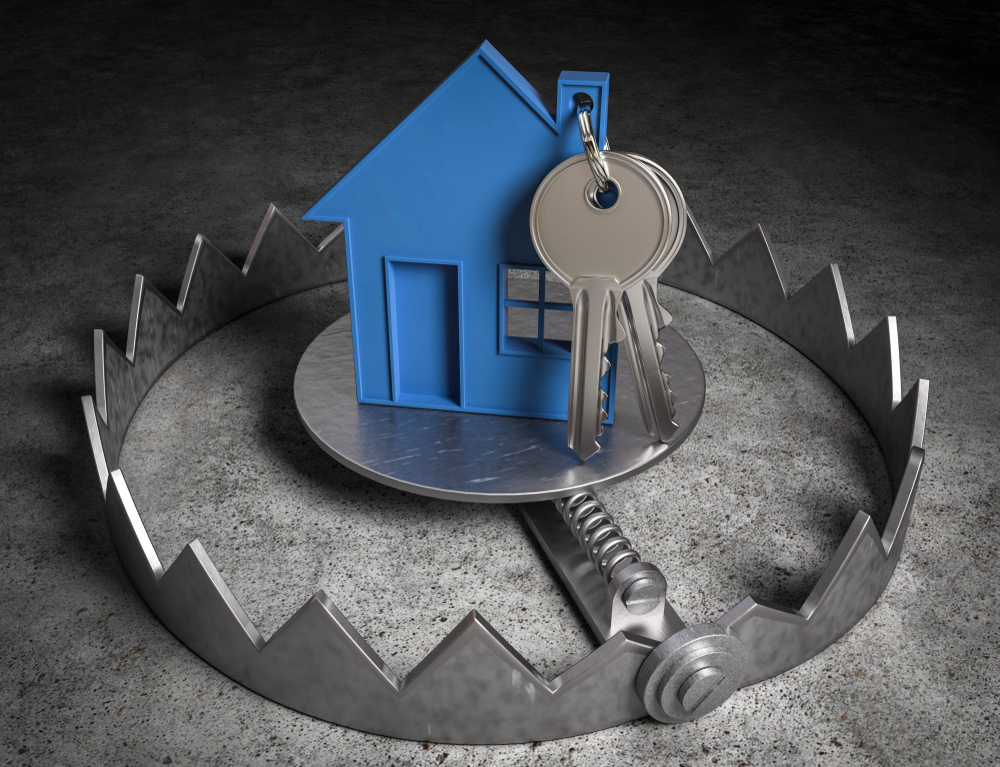
Image source: shutterstock.com

Many dual-income couples assume that earning two paychecks automatically creates financial stability, but hidden vulnerabilities can weaken even the strongest financial plans. One of the biggest threats comes from overlooked insurance gaps that quietly expose couples to major financial losses. These gaps often go unnoticed because couples believe basic coverage is enough or assume the other partner’s policies will fill in the missing pieces. Unfortunately, small oversights can lead to expensive surprises when emergencies happen. Understanding the most common gaps helps couples protect their income, assets, and long-term security.

1. Not Having Enough Life Insurance

One of the most serious insurance gaps occurs when couples underestimate how much life insurance they actually need. Many assume a single policy is enough or skip coverage entirely because both partners work. However, sudden income loss can devastate a household that depends on two salaries. Proper coverage should replace income, cover debts, and support long term financial goals. Reviewing policy amounts regularly helps avoid dangerous shortfalls.

2. Relying Solely on Employer Disability Insurance

Disability insurance is critical for two-income households, yet employer provided plans often offer minimal coverage. These gaps appear when couples assume they are fully protected, only to discover benefits replace a fraction of lost income. Short term plans may not last long enough, and long-term plans may have strict limitations. A private disability policy fills in these gaps and ensures financial stability. Protecting income is essential for any dual-income household.

3. Overlooking Long Term Care Needs

Long term care is expensive, and many couples assume they will not need it until later in life. This is one of the most overlooked insurance gaps, especially for child-free couples who cannot rely on adult children for future support. Nursing care, in home assistance, or assisted living can quickly drain savings. Planning early keeps premiums manageable and safeguards retirement funds. Long term care insurance offers security that traditional health insurance does not.

4. Not Updating Beneficiaries

One of the simplest gaps comes from outdated beneficiary information. Old policies may still list parents, former partners, or even outdated contacts. If the unexpected happens, assets may not transfer to the correct person. This can create legal conflicts and financial hardship. Reviewing beneficiaries yearly ensures your intentions are clear and enforceable.

5. Ignoring Renters or Homeowners Coverage Limits

Many couples assume their home or renters insurance fully protects everything they own, but limits often fall short. These insurance gaps leave expensive electronics, jewelry, or high value items underinsured. Couples may also overlook policy exclusions related to floods, earthquakes, or sewer backups. Upgrading coverage ensures that assets are fully protected. A detailed inventory helps identify missing areas.

6. Skipping Umbrella Insurance for Liability Protection

Umbrella policies protect couples from legal costs and major liability claims that exceed standard coverage limits. Missing this policy creates significant insurance gaps for homeowners with valuable assets or higher risk lifestyles. A serious accident, dog bite, or injury on your property can trigger lawsuits that exceed regular policy limits. Umbrella insurance adds an extra layer of protection at a low cost. It is one of the smartest additions for dual-income couples.

7. Not Having Enough Pet Insurance

Pet emergencies can be costly, and many couples underestimate the financial risk of unexpected vet bills. Without coverage, this creates one of the most emotionally stressful gaps. Modern treatments like surgeries, scans, and medications quickly add up. Pet insurance reduces financial strain during emergencies and supports long term care. It allows couples to focus on their pet’s recovery instead of the cost.

8. Forgetting Travel Insurance for Big Trips

Couples who travel frequently often skip travel insurance, assuming trips will go smoothly. But lost luggage, medical emergencies, or flight cancellations expose major insurance gaps during vacations. Travel insurance protects prepaid expenses, covers international medical care, and provides assistance when plans fall apart. It is especially valuable for expensive or long-distance trips. A small investment can prevent massive financial losses.

9. Underestimating Auto Insurance Gaps

Auto insurance policies vary widely, and many couples do not realize how limited their coverage really is. Liability only policies leave you responsible for repairs and medical bills after accidents. These gaps become risky when couples rely on multiple vehicles for commuting. Adding comprehensive and collision protection prevents unexpected costs. Reviewing deductibles and limits ensures coverage matches your current lifestyle.

10. Assuming Health Insurance Covers Everything

Many dual-income couples believe their health insurance is adequate simply because they have employer plans. But high deductibles, limited networks, and uncovered services create costly insurance gaps. Couples often face surprise bills for specialist visits, mental health care, or diagnostic testing. Supplemental plans can help close these gaps. Understanding your coverage prevents financial shock when medical needs arise.

Prevention Is More Affordable Than Recovery

Addressing insurance gaps early protects couples from financial chaos, emotional stress, and long-term setbacks. A little planning upfront can save thousands of dollars and preserve financial goals. By reviewing coverage regularly and upgrading where needed, couples create a safety net strong enough to support even the most unpredictable challenges. True financial security comes from preparation, not luck.

Which gaps surprised you the most, and what steps are you planning to take to protect your household? Share your thoughts in the comments.

What to Read Next…

What Happens to Life Insurance Rates When You’re a Child-Free Couple?

9 Health Insurance Oversights DINKs Often Miss (Until It’s Too Late)

Insurance Fine-Print You Didn’t Read: How Your Status as a Child-Free Couple Changes Your Premiums

12 Hidden Health Insurance Clauses Couples Without Dependents Should Know

These Couples Are the Biggest Buyers of Unnecessary Insurance — Are You in This Group?

Why Couples Who “Work to Play” End Up With No Time to Live

Why Couples Who “Work to Play” End Up With No Time to Live
Image source: shutterstock.com

Many dual-income couples take pride in a lifestyle built around the idea that you must work hard to enjoy life’s best moments. But as schedules fill, goals expand, and expectations rise, the mindset of work to play often backfires. Instead of creating a balanced life full of fun and connection, couples end up exhausted, overbooked, and disconnected from the very joy they are chasing. What begins as a well-intentioned plan to secure freedom becomes a cycle of endless productivity with very little rest. Understanding why this happens can help couples reclaim time and reshape what fulfillment really means.

1. Chasing the Perfect Lifestyle Takes More Time Than Expected

Many couples who adopt a work to play mindset imagine a life filled with travel, hobbies, and weekend adventures. However, maintaining this lifestyle requires hours of planning, scheduling, and coordinating work responsibilities. The effort spent earning money for these experiences often leaves couples with little energy to enjoy them. As life becomes busier, downtime gets squeezed into shorter intervals. This leaves couples feeling like they are constantly preparing for fun rather than experiencing it.

2. Overworking Becomes an Unintentional Habit

A major reason couples fall into this trap is that hard work becomes normalized. What starts as a temporary push for a big trip or luxury purchase quickly turns into daily routine. Couples begin to take on more projects, responsibilities, and commitments simply out of habit. Over time, they forget what true rest feels like. Without intentional boundaries, the work part grows while the play part shrinks.

3. Rest Stops Feeling Productive

When couples embody the work to play mentality, rest can start to feel like wasted time. Even during free hours, the mind may drift toward unfinished tasks or future goals. This reduces the ability to relax and enjoy the present moment. As rest becomes guilt ridden, couples unconsciously avoid it altogether. This creates a constant sense of urgency that drains emotional and mental health.

4. Play Begins to Feel Like Another Obligation

Couples may begin treating fun activities like items on a checklist rather than genuine enjoyment. The work to play approach often leaves little room for spontaneity, making leisure feel rigid and scheduled. Trips, dinners, and hobbies become tightly timed events instead of relaxing escapes. This pressure removes the joy from activities meant to recharge. When play loses its purpose, the lifestyle no longer serves its original intention.

5. Financial Pressures Expand Faster Than Income

The more couples embrace a this lifestyle, the easier it becomes to normalize expensive experiences. Weekend trips, luxury meals, home upgrades, and new hobbies all require recurring spending. To maintain this, couples often take on extra work or increase their hours. This creates a cycle where spending fuels more working, which leaves less time for living. Eventually, the financial strain becomes emotionally exhausting.

6. Personal Goals Get Overpowered by Shared Expectations

Child-free couples often set ambitious goals for travel, home design, or experiences. But when both partners operate in a work to play mindset, individual needs get overshadowed by collective expectations. One partner may crave rest while the other wants plans, creating tension and misalignment. Couples begin living for shared goals without acknowledging personal limits. This leads to burnout and frustration quietly building beneath the surface.

7. Time Slips Away in the Pursuit of More

One of the biggest downsides of the work to play mentality is how quickly time disappears. The constant drive to earn more, achieve more, and do more leaves little space for simple daily pleasures. Moments that matter, like slow mornings, relaxed dinners, or quiet evenings together, get replaced by task lists. Couples begin to feel life speeding past them. What remains is a sense that they are always preparing for happiness instead of actually living it.

8. Emotional Closeness Gets Replaced With Practical Conversations

Couples deep in this mindset often talk more about logistics than emotions. Conversations revolve around schedules, budgets, deadlines, and future plans. This practical focus leaves little room for vulnerability or connection. Over time, emotional intimacy fades, replaced by discussions about productivity. Couples may not realize they are losing closeness until conflicts begin to surface.

9. The Lifestyle Creates Unspoken Competition

Some couples unintentionally compare who is working harder or contributing more to the shared lifestyle. This builds tension and fuels resentment. The work to play dynamic can also lead to silent judgment if one partner needs more rest or wants fewer obligations. Instead of celebrating balance, the couple begins competing in busyness. This undermines the partnership and shifts priorities away from mutual well-being.

10. Play Stops Feeling Relaxing

When this cycle becomes too demanding, even fun starts feeling exhausting. Trips feel rushed, meals feel heavy, and hobbies feel like chores instead of escapes. Couples may begin to dread the very activities they once loved. This happens because play becomes an extension of work rather than a relief from it. True enjoyment requires space, ease, and presence.

Reclaiming Your Time and Living Fully

Couples can break free from the work to play cycle by redefining what a meaningful life actually looks like. Prioritizing rest, embracing slow moments, and valuing connection over productivity helps restore balance. When couples stop chasing the next big experience and start appreciating the present, they create space for genuine happiness. The goal is not to stop working or stop playing, but to make room for living in between. Balance is the true luxury.

Have you ever fallen into this cycle, and what helped you find balance again? Share your experiences in the comments.

What to Read Next…

10 Lifestyle Hacks Couples Use to Keep Work and Pleasure Balanced With No Offspring

Why Couples Without Kids Burn Out Faster Than Families

Lifestyle Flexibility Vanishing: The One Benefit DINKs Are Losing Thanks to Hidden Corporate Policy Changes

14 Things You Should Always Do to Maintain Your Mental Health

Balancing Act: Prioritizing Short-Term Enjoyment and Long-Term Financial Security

10 Housing Upgrades Child-Free Couples Prioritize That Most Homeowners Ignore

10 Housing Upgrades Child-Free Couples Prioritize That Most Homeowners Ignore
Image source: shutterstock.com

Child-free couples often approach home design with a level of freedom and creativity that many other homeowners never get to experience. Without the need to accommodate toys, play spaces, or kid-safe features, they can focus entirely on lifestyle, comfort, and long term value. This means many of their preferred housing upgrades look different from typical renovations and lean heavily toward functionality, luxury, and personal enjoyment. These choices not only elevate day to day living but often increase property value in ways families with children may overlook. Understanding the home upgrades child-free couples prioritize can inspire smarter investments no matter your stage of life.

1. Customized Home Offices for Remote Work

For many dual-income couples, a professional grade home office is one of the most important housing upgrades they invest in. They focus on creating a workspace with ergonomic furniture, soundproofing, and high-quality lighting. These improvements support productivity and long-term career flexibility. Families with children often repurpose spare rooms for play or sleeping space instead, so office upgrades may not be a priority. Investing early gives child-free couples a competitive edge in remote-friendly industries.

2. High End Kitchen Appliances

Without the need for kid-friendly gadgets, many couples upgrade to premium appliances that elevate everyday cooking. This housing upgrades trend includes convection ovens, induction cooktops, and smart refrigerators. These features reduce energy use and improve meal prep efficiency. They also create a more enjoyable cooking environment for couples who entertain frequently. High end appliances often boost resale value more than standard upgrades.

3. Spa Inspired Bathrooms

Child-free couples often prioritize luxury self-care, making spa bathrooms one of the most popular home upgrades. Rainfall showers, soaking tubs, heated floors, and ambient lighting transform bathrooms into relaxation spaces. These features serve as daily stress relief tools rather than occasional luxuries. Homeowners with children typically opt for practical, easy to clean layouts instead. Spa-style upgrades provide long term comfort and appeal to future buyers.

4. Outdoor Entertainment Spaces

Couples without children often use their yards as extensions of their living space. Patios with fire pits, outdoor kitchens, and lounge seating are common housing upgrades in these households. These setups support hosting, relaxing, and enjoying quiet evenings outside. Families with kids may prioritize swing sets or safety features instead. Entertainment spaces are excellent for both lifestyle satisfaction and home value.

5. Home Gyms With Premium Equipment

Fitness focused couples often invest in home gyms with high quality treadmills, weights, and smart workout equipment. These housing upgrades eliminate gym memberships and increase motivation. Without toys or kids’ activities taking up room, spare bedrooms easily convert to fitness zones. This allows couples to focus on health and convenience. Home gyms add long term value while reducing recurring monthly costs.

6. Smart Home Tech for Automation

Smart home systems rank high among home upgrades for child-free homeowners. Features like automated lighting, smart thermostats, app-controlled security, and integrated speakers create a modern, seamless home experience. These technologies reduce energy bills, add convenience, and boost property value. Families with kids often adopt tech more gradually due to budget and safety considerations. Automation gives couples more efficiency and control.

7. Soundproofing for Quiet Living

Whether for working, relaxing, or enjoying hobbies, soundproofing is another popular housing upgrades investment. Couples often insulate interior walls, upgrade windows, or add acoustic panels to create a peaceful living environment. This is especially valued in condos or densely populated neighborhoods. Families may overlook these enhancements because noise is expected with kids. Quiet-focused upgrades enhance privacy and long-term comfort.

8. High Quality Flooring Instead of Child-Proof Options

Child-free couples often select premium hardwood, luxury tile, or polished concrete without worrying about damage from toys or spills. These housing upgrades elevate the home’s aesthetic and durability. Since maintenance is easier for adults, they can enjoy materials that wouldn’t survive heavy kid activity. High end flooring also adds major resale value. These choices help create beautiful, minimalist spaces.

9. Converting Spare Rooms Into Hobby Spaces

Instead of nurseries or kid spaces, child-free couples use extra rooms for art studios, libraries, wine rooms, or media centers. These hobby-centered home upgrades support personal fulfillment and creativity. Custom shelving, lighting, and equipment storage often transform the room into a dedicated retreat. This flexibility is a unique benefit of a child-free lifestyle. Hobby rooms create a strong sense of identity and enjoyment at home.

10. Investing in High End Furniture

With fewer concerns about wear and tear, couples can invest confidently in long-lasting, high-quality furniture. These housing upgrades include designer couches, handcrafted tables, and durable textiles. High end pieces hold up better over time and often look new for years. Families with children often wait to upgrade until later in life. Quality furniture elevates the home and reduces replacement costs.

Upgrade With Intention, Enjoy the Benefits Longer

Child-free couples often take a highly intentional approach to home upgrades, choosing projects that enhance comfort, lifestyle, and long-term value. These investments reflect personal priorities rather than practical compromises. Whether you are child-free or simply looking to modernize your space, these ideas prove that smart upgrades can transform a house into a deeply satisfying home. When you improve your living environment intentionally, you build comfort and financial value at the same time.

Which housing upgrades have made the biggest difference in your home, and what project are you planning next? Share your thoughts in the comments.

What to Read Next…

Minimalist Home Decor Lovers Swear By These 8 Simple Yet Stunning Design Tips

7 Hidden Costs of Homeownership That Shock First-Time Buyers

How Investing Your Double Income Into Your Home Pays Off in the Long Run

Your Home Could Be More ‘Kid-Ready’ Than You Think—Here’s Why That Matters with No Kids

Outdoor Home Upgrades and Improvements to Invest in for 2025

9 Luxury Purchases That Can Secretly Pay You Back

9 Luxury Purchases That Can Secretly Pay You Back
Image source: shutterstock.com

Most people assume luxury purchases are nothing more than indulgent splurges that drain your bank account, but some high end items actually offer surprising returns. Whether through higher resale value, long term durability, or money saving benefits, certain upgrades can reward you long after the initial investment. For dual income couples who enjoy smart spending and intentional living, recognizing which luxury purchases pay off can help you splurge with confidence. These items elevate your lifestyle while quietly supporting financial goals. When chosen wisely, luxury buys can actually make your money work for you.

1. High Quality Luggage That Lasts Years

One of the most practical luxury purchases is premium luggage built to withstand heavy use. Cheap suitcases often break, tear, or lose wheels, forcing frequent replacements. High end luggage companies use better materials and sturdy construction that lasts for years. Frequent travelers save money in the long run by avoiding constant repairs or new purchases. Investing upfront means fewer travel disruptions and long term value.

2. Designer Handbags With Strong Resale Value

Designer handbags may seem like splurges, but many maintain or increase their resale value over time. Certain brands are known for craftsmanship, rarity, and demand, which makes them ideal luxury purchases with profitable potential. Unlike fast fashion, these bags often remain in excellent condition for years. Sellers on consignment platforms often earn back a significant portion of the original cost. This transforms a luxury into an asset rather than a liability.

3. Premium Cookware That Reduces Replacement Costs

Buying professional grade cookware might feel extravagant, but the durability makes it one of the smartest luxury buys for your kitchen. Cheap pots and pans warp, scratch, and degrade quickly, while premium brands last decades. This eliminates constant replacement costs and improves cooking performance. Better cookware also reduces energy use because it heats more efficiently. These long-term savings add up faster than many people realize.

4. High End Mattresses That Improve Health

A good mattress is one of the most underrated luxury purchases that delivers long term returns through better sleep and improved health. Cheap mattresses sag quickly, causing back pain, fatigue, and restless nights. Investing in high end memory foam or hybrid options enhances comfort and longevity. Better sleep increases productivity and reduces healthcare costs related to poor rest. Quality sleep is a luxury that pays for itself.

5. Real Jewelry With Lasting Value

Real gold, diamonds, and precious stones hold their value better than costume pieces. These luxury purchases can be worn for decades while retaining resale potential. Many couples pass them down as heirlooms, extending the value even further. Unlike trendy jewelry, real pieces do not tarnish or deteriorate quickly. They offer both emotional significance and financial reliability.

6. Top Tier Appliances With Energy Savings

Energy efficient appliances are luxury buys that quietly reduce monthly utility bills. High end washers, refrigerators, and dishwashers use less water and electricity. They also tend to last longer and break down less often, lowering repair and replacement costs. Smart features improve performance and convenience. Over time, these savings outweigh the upfront price.

7. Quality Furniture Built to Last

Sturdy, well-crafted furniture can outlast cheap alternatives by decades. These luxury purchases provide long term comfort and reduce the need for constant replacements. Many high-end pieces are made with real wood, durable fabrics, and superior craftsmanship. They maintain their appearance far longer than budget options. Buying once and buying well saves significant money over time.

8. High Performance Sports Gear

For active adults, investing in quality sports gear can actually prevent injuries and reduce long term healthcare costs. These luxury purchases include high end running shoes, bicycles, hiking equipment, and fitness trackers. Better gear provides improved support, durability, and accuracy. This keeps workouts efficient and safe. Avoiding injuries and replacements can lead to meaningful financial savings.

9. Artwork and Collectibles With Appreciation Potential

Fine art, collectibles, and rare items can appreciate over time, making them luxury buys with investment potential. While not all pieces grow in value, strategic buying can lead to significant returns. Many couples enjoy combining passion with financial sense by curating thoughtful collections. Art offers emotional pleasure along with the possibility of future profit. With proper research, collecting becomes a rewarding long-term decision.

Luxury That Supports Your Financial Life

Luxury purchases do not have to be reckless or wasteful when chosen with intention and awareness. These investments blend pleasure with practicality, offering durability, value, and financial returns. When dual income couples focus on quality over quantity, they build a lifestyle that is both enjoyable and economically smart. The right upgrades become tools that support your future instead of weighing it down. Luxury can be a powerful part of long-term wealth building.

Which luxury buys have paid you back the most, and what made them worth the investment? Share your thoughts in the comments.

What to Read Next…

DINKS Are the Fastest Growing Target for Luxury Ads

10 Experiences Couples Spend On Now That Parents Typically Postpone

Why Couples Without Children Are Buying Into “Luxury Minimalism”

Is the DINK Lifestyle the Secret to Spending More and Saving More?

9 Unexpected Luxuries That DINKs Can Actually Afford Daily

7 Safety Risks No One Warns Child-Free Homeowners About

7 Safety Risks No One Warns Child-Free Homeowners About
Image source: shutterstock.com

Many child-free homeowners enjoy a level of freedom and flexibility that families with kids simply cannot match, but that independence sometimes comes with overlooked safety risks. Without children in the home, it is easy to assume your living space is automatically safer, calmer, and less accident prone. Yet certain hazards become more common when adults design their homes purely around comfort and convenience instead of long term safety. Recognizing these dangers early can protect your finances, property, and peace of mind. A little awareness goes a long way in preventing expensive surprises and keeping your home secure.

1. Overlooking Basic Home Security Systems

One of the most common safety risks child-free homeowners face is putting off installing or updating security systems. Many assume their quieter lifestyle makes them less likely targets for break ins. However, burglars often look for homes that appear unmonitored or minimally protected. Simple systems like motion lights or smart doorbells can reduce risk dramatically. Staying proactive keeps your home protected regardless of whether children live there.

2. Storing Cleaning Products Without Precaution

Without kids around, homeowners often store cleaning products in open shelves or under the sink without considering long term hazards. These items can leak, expire, or spill, damaging flooring or causing chemical exposure to pets or guests. This is one of the safety risks that builds over time when households become too relaxed about storage. Keeping products organized and properly sealed prevents future issues. A simple review of your cabinets can save money on repairs.

3. Ignoring Trip Hazards in Living Spaces

Child-free homeowners often decorate with stylish furniture, layered rugs, and open floor plans that unintentionally create trip risks. Adults navigate these setups easily until something shifts, breaks, or becomes worn. These safety risks become more noticeable when hosting guests or aging in place. Regularly checking for frayed rugs, loose floorboards, or awkward furniture placement keeps everyone safe. Preventing a fall is far easier than recovering from one.

4. Forgetting to Maintain Smoke and Carbon Monoxide Detectors

For many homeowners, smoke detectors become out of sight and out of mind when the household routine stays predictable. Yet failing to test or replace batteries remains one of the most serious safety risks in any home. Detectors are essential for preventing property loss and life threatening emergencies. A quick monthly test gives reassurance and avoids costly disasters. Prioritizing detector maintenance is a simple habit with massive benefits.

5. Leaving Unsecured Tools and Home Improvement Gear Around

Child-free households often allow tools, ladders, and home repair items to stay out longer because there are no kids to worry about. While convenient, this habit is one of the overlooked safety risks that can cause injuries or property damage. Tools left scattered can lead to accidental cuts, falls, or tripping. Storing equipment safely keeps your workspace organized and your home hazard free. Proper storage also extends the life of your tools.

6. Underestimating Fire Hazards From Candles and Appliances

Many child-free homeowners enjoy candles, diffusers, or decorative lighting without realizing how easily these can turn into safety risks. Leaving them unattended increases the chance of electrical issues, burns, or fires. Even small kitchen appliances can overheat or malfunction when left plugged in. Regular checks and mindful use prevent unnecessary accidents. Choosing safer alternatives like LED flameless candles provides peace of mind.

7. Overlooking Outdoor Maintenance Risks

Without children playing outside daily, it is easy to miss safety risks developing in outdoor spaces. Broken steps, unstable decks, loose railings, or poor lighting go unnoticed until someone gets hurt. These issues become more serious over time and more expensive to fix. Inspecting walkways, gutters, and seasonal hazards keeps your property safe and well maintained. Addressing outdoor risks early protects your investment.

Awareness Brings More Freedom, Not Less

Understanding your home’s safety risks does not take away your independence. Instead, it gives you clarity and control, allowing you to enjoy your space with confidence. Small adjustments can prevent injuries, reduce costly repairs, and help you maintain the lifestyle you love. A safe home supports your future rather than restricting it. Staying alert today builds long term peace of mind.

Which risks have surprised you the most in your own home, and how did you address them? Share your experience in the comments.

What to Read Next…

7 Hidden Costs of Homeownership That Shock First-Time Buyers

Housing Market Twist: Why Childless Couples Are Facing a New Kind of Price Hike

Your Home Could Be More ‘Kid-Ready’ Than You Think—Here’s Why That Matters with No Kids

6 “Smart” Purchases That Turn Into Regrets for DINK Households

Why Affording a Bigger Home Might Backfire When You Don’t Have Children

The Safety Net Most Dual-Income Couples Think They Have—But Don’t

The Safety Net Most Dual-Income Couples Think They Have—But Don’t
Image source: shutterstock.com

For many dual-income couples, financial stability feels like a built-in safety net. Two paychecks mean shared expenses, a stronger savings rate, and the reassurance that if one person’s income falters, the other can step in. But that confidence can be deceiving. In reality, most couples overestimate their financial preparedness and underestimate how quickly one unexpected event could destabilize everything. True security requires more than two incomes—it requires planning, protection, and a deeper understanding of where your real safety net begins and ends.

1. Two Paychecks Aren’t a True Safety Net

It’s easy to believe that having two incomes automatically creates a financial cushion. The logic makes sense—if one person loses their job, the other still brings in money. But that assumption overlooks rising expenses and lifestyle inflation that often accompany dual incomes. Most couples spend to their combined earning power, not one salary. When income suddenly drops, the absence of savings or adaptable spending quickly reveals how fragile that financial cushion really is.

2. Savings Often Fall Short of Emergencies

A true financial buffer requires more than good intentions—it demands liquid savings that cover at least six months of essential expenses. Many couples save less than they think because they include future paychecks or credit cards in their emergency plan. That’s not savings; it’s borrowed security. Without an accessible cash reserve, even a short-term job loss can spiral into high-interest debt. Building this foundation ensures that emergencies don’t turn into financial crises.

3. Health Coverage Gaps Are Common

Health insurance is one of the most overlooked parts of a real safety net. Couples often assume that because they each have coverage through work, they’re protected. But when one partner loses their job, those benefits disappear instantly—and COBRA coverage can be expensive. Without an immediate backup plan, a sudden illness or injury could trigger serious financial strain. Reviewing coverage options annually and maintaining an emergency medical fund can prevent costly surprises.

4. One Partner’s Job Loss Affects Both

When a layoff happens, the financial impact extends beyond one paycheck. Many dual-income couples depend on the higher earner for fixed costs like mortgages, car payments, and insurance. The other partner’s income may not be enough to cover those expenses without lifestyle cuts. It’s also common for the employed partner to take on emotional stress, working longer hours or delaying career changes to compensate. A reliable financial safeguard should include contingency plans that protect both partners—not just one.

5. Debt Can Cancel Out Financial Cushioning

Debt is one of the most powerful ways to weaken a financial safety net without realizing it. Monthly obligations like credit cards, student loans, and car payments eat away at flexibility when income changes. Even if savings exist, debt limits how long those reserves can last. Paying down high-interest balances while times are good is one of the best ways to strengthen long-term resilience. The less you owe, the more control you have when challenges arise.

6. Disability and Income Protection Are Rarely Prioritized

Many couples assume disability or income interruption “won’t happen to us,” but these are the very situations that drain savings fastest. If one partner becomes unable to work due to illness or injury, standard health insurance won’t replace lost income. That’s where disability insurance or supplemental income protection comes in. These tools act as a real financial buffer, keeping essential bills paid while recovery happens. Reviewing your coverage now can prevent panic later.

7. Overconfidence in Job Security

It’s human nature to equate career success with stability, but no job is immune to change. Mergers, automation, and market shifts can disrupt even high-performing professionals. Couples often underestimate how vulnerable they are when both partners work in the same industry or rely on the same employer benefits. Diversifying income sources or career fields adds a layer of protection that salaries alone can’t provide. A safety net built on adaptability will always be stronger than one built on assumption.

8. Lack of Estate or Legal Planning

A financial safety net isn’t just about the present—it’s about protecting the future. Without wills, powers of attorney, or designated beneficiaries, one partner could face serious financial and legal complications during emergencies. Many couples delay this planning because it feels uncomfortable or unnecessary. But estate planning is one of the most powerful tools for long-term financial security. Having documents in place ensures your partner is legally and financially protected, no matter what happens.

9. Lifestyle Inflation Masks Vulnerability

As income grows, so does the temptation to upgrade. The second car, the larger apartment, the better vacations—they all feel affordable until a paycheck disappears. Lifestyle inflation makes it harder to cut back when circumstances change because you’ve built comfort into every corner of your budget. The best financial plan couples can create is living below their means, even when they could afford more. Financial freedom thrives on restraint, not revenue.

10. Ignoring Mental and Emotional Preparedness

Financial preparedness is only part of the equation. When crisis hits, fear, anxiety, and burnout can disrupt rational decision-making. Couples who haven’t discussed “what if” scenarios often find themselves arguing instead of acting. Having calm, realistic conversations about risk builds emotional resilience to match financial readiness. A strong safety net supports both stability and mental health—because money alone doesn’t protect against stress.

Building a Safety Net That Actually Works

The real safety net isn’t just having two incomes—it’s having a plan that works even when one fails. True financial security comes from a mix of savings, insurance, flexibility, and open communication. Couples who prepare for uncertainty gain peace of mind that money can’t buy. It’s not about expecting disaster; it’s about being ready for life’s unpredictability. When both partners commit to proactive planning, they create a foundation strong enough to handle anything.

Do you and your partner have a real financial cushion, or just the illusion of one? Share your thoughts in the comments below!

What to Read Next…

9 Subtle Money Traps That Quietly Steal Your Paycheck

Retirement Timeline Shock: How Two-Income Couples Must Adjust Their Savings Game Now

12 Hidden Health Insurance Clauses Couples Without Dependents Should Know

Revamp Your Finances: 6 Books That Teach You the Art of Saving Money

Do Dual-Income Couples Fall Into Debt Faster Than Singles?

Why No-Kid Couples Are Facing Higher Stress Levels Than Parents

Why No-Kid Couples Are Facing Higher Stress Levels Than Parents
Image source: shutterstock.com

Couples without children are often assumed to have it easier—more time, more flexibility, and fewer responsibilities. Yet recent research suggests the opposite: many no-kid couples are actually experiencing higher stress levels than parents. Between demanding jobs, constant digital connection, and social pressure to “make the most” of their freedom, burnout is creeping into lifestyles that were once considered carefree. The irony is that the very independence many couples value is also what fuels their exhaustion. Understanding why these pressures are growing can help couples protect their mental health and regain balance before stress takes control.

1. The Pressure to Be “Always On”

Without kids, many couples feel obligated to be fully available—to their jobs, their friends, and even to each other. The lack of built-in family boundaries often means longer work hours, more weekend commitments, and less rest. Unlike parents, who have structured family routines, child-free couples frequently feel guilty taking downtime. Over time, this constant state of activity leads to higher stress levels and emotional fatigue. Learning to disconnect intentionally can help restore energy and focus.

2. Work-Life Boundaries Disappear Faster

Many no-kid couples throw themselves into their careers, and while ambition is admirable, it can quickly spiral. With no external demands forcing breaks—like school pickups or bedtime routines—work hours expand without notice. This creates an unspoken competition between partners to stay productive and successful. What starts as shared motivation often turns into shared exhaustion. Establishing boundaries around work and personal time can prevent these higher stress levels from becoming the new normal.

3. Social Comparison Creates Hidden Pressure

In the age of social media, couples without kids often feel a subtle pressure to prove their happiness. Posts about exotic trips, fine dining, and thriving careers can hide underlying burnout. Constant comparison to others’ lifestyles feeds a cycle of “doing more” instead of simply being content. Unlike parents, who can justify slowing down for family priorities, child-free couples sometimes feel judged for choosing rest. Recognizing that fulfillment looks different for everyone is key to breaking this cycle of higher stress levels.

4. Financial Expectations Are Heavier

With two incomes and no dependents, couples often face external and internal pressure to excel financially. There’s an assumption that they should own property, save aggressively, and invest more than their peers. While financial discipline is important, these expectations can morph into constant anxiety about progress and performance. The line between ambition and obsession becomes easy to cross when both partners push too hard. Redefining success beyond income and assets helps lighten this mental load.

5. Loneliness Can Sneak In

Couples without kids often underestimate how much structure children provide to a social life. Parents connect through school events, sports, and shared community experiences, while no-kid couples may struggle to maintain friendships as others move into different life stages. Over time, the social gap can widen, creating feelings of isolation even in strong relationships. Without built-in social circles, it takes intentional effort to maintain connection. Loneliness, if ignored, can amplify higher stress levels and strain emotional well-being.

6. Overcommitment Replaces Rest

Without childcare responsibilities, couples often feel obligated to fill every free moment with activities, travel, or personal projects. While these pursuits sound positive, they can leave little room for genuine relaxation. Overcommitting can become a form of self-imposed pressure, disguised as productivity or adventure. Many couples realize too late that they’ve traded peace for constant motion. Scheduling unstructured time can be just as important as scheduling vacations.

7. Relationship Roles Blur Under Stress

When both partners are busy, the division of household and emotional labor can get messy. Without kids to create a clear need for shared routines, responsibilities often shift unevenly without discussion. Over time, this imbalance leads to frustration, especially if one partner feels they’re “carrying” the relationship. These silent stressors contribute to resentment and communication breakdowns. Regular check-ins about expectations can reduce tension and rebuild mutual understanding before higher stress levels take over.

8. The “Freedom Trap” Backfires

Ironically, the freedom that no-kid couples enjoy can become a trap. With endless possibilities—travel, side hustles, hobbies, and social opportunities—it’s easy to overextend. Instead of feeling liberated, many couples end up overstimulated and restless. The desire to maximize every opportunity often replaces the satisfaction of simply living. Embracing stillness can help couples appreciate freedom without letting it morph into pressure.

9. Unspoken Fears About the Future

Even couples who confidently choose not to have kids face occasional “what if” moments. Concerns about aging, care in later life, and long-term companionship can quietly add emotional weight. These fears aren’t always openly discussed, making them more stressful over time. Preparing financially and emotionally for the future—through planning, community, or mentorship—can turn uncertainty into empowerment. Facing these realities together reduces hidden anxiety and brings clarity.

10. Burnout Isn’t Recognized Until It’s Too Late

Because no-kid couples often appear successful and stable, burnout tends to go unnoticed. Without obvious stress markers like parenting fatigue, it’s easy to dismiss signs of emotional exhaustion. Over time, irritability, sleeplessness, and disconnection start to erode quality of life. Recognizing and addressing burnout early—through therapy, breaks, or lifestyle changes—can prevent deeper consequences. Admitting that higher stress levels exist isn’t weakness; it’s the first step toward genuine balance.

Redefining Peace Without Needing Permission

Couples without children don’t need anyone’s permission to slow down, rest, or redefine what success looks like. Recognizing that higher stress levels come from social and self-imposed expectations helps you take back control of your time and energy. True balance isn’t about doing everything possible—it’s about choosing what matters most. When both partners commit to calm over chaos, life becomes richer, not smaller. Peace of mind is the ultimate reward for learning when to pause.

Do you think couples without kids face higher stress levels than parents? How do you manage your work-life balance? Share your thoughts below!

What to Read Next…

Why Couples Without Kids Burn Out Faster Than Families

9 Surprising Perks of Being a DINK Couple in an Inflation-Heavy Economy

10 Lifestyle Hacks Couples Use to Keep Work and Pleasure Balanced With No Offspring

14 Things You Should Always Do to Maintain Your Mental Health

12 Relationship Check-Ins That Work When You’re Not Raising Children

10 Ways Dual Incomes Can Collapse Overnight—and How to Prepare

10 Ways Dual Incomes Can Collapse Overnight—and How to Prepare
Image source: shutterstock.com

For many couples, having two steady paychecks feels like the ultimate safety net. It offers flexibility, stability, and the freedom to plan for the future without constant financial anxiety. But what happens when that safety net suddenly disappears? Dual incomes can vanish faster than most people expect—whether from layoffs, illness, or unexpected life changes—and the shock can ripple through every part of your budget. Understanding how quickly things can shift, and preparing ahead, is the key to protecting your financial security no matter what comes your way.

1. Job Loss in a Single Day

The most obvious risk to dual incomes is sudden unemployment. Layoffs, mergers, or industry shifts can wipe out one or both paychecks almost overnight. Many couples underestimate how fast savings can drain when they’ve built a lifestyle around two salaries. Without an emergency fund, the stress can turn financial insecurity into emotional strain. Preparing by maintaining six to twelve months of living expenses in savings gives you breathing room to recover without panic.

2. Health Emergencies That Halt Work

Serious illness or injury can stop one partner—or both—from working for weeks or months. Even with good insurance, out-of-pocket medical costs and lost income can quickly snowball. When incomes depend entirely on two healthy adults, there’s little margin for error. Investing in disability insurance and keeping sick leave or paid time off balances high can help cushion the blow. Prioritizing health before crisis strikes is one of the smartest financial moves any couple can make.

3. Unexpected Family Obligations

Even couples without children can face sudden family responsibilities. Caring for aging parents, an ill sibling, or a relative in crisis can force one partner to step back from work. These unplanned disruptions can put both finances and emotional well-being under pressure. Discussing long-term caregiving plans in advance—and setting aside a dedicated fund—helps reduce chaos when life takes an unexpected turn. Protecting two incomes means preparing for obligations that aren’t always your own.

4. Corporate Restructuring or Downsizing

Economic downturns or company reorganizations can make even the most stable jobs vulnerable. Dual incomes provide comfort during good times but can create a false sense of security when both partners work in similar industries. If one company or sector takes a hit, both jobs may be at risk simultaneously. Diversifying your career paths—so your incomes come from different sectors—can dramatically lower your joint exposure. Flexibility and awareness are your best shields against corporate unpredictability.

5. Burnout That Forces a Break

Sometimes the collapse of two incomes doesn’t come from layoffs or crises—it comes from exhaustion. When both partners push themselves too hard, burnout can make continuing unsustainable. Taking time off might be necessary for mental health, but it also pauses income flow. Building financial flexibility allows one partner to take a step back without derailing your finances. Treating mental health like an investment, not an afterthought, can prevent burnout from turning into financial disaster.

6. Major Relocation Decisions

A move for one partner’s career can easily disrupt the two-income model, especially if the other has to leave their job. Relocation often comes with a gap in employment that lasts longer than expected. Couples who don’t plan for that downtime can find themselves stretched thin. Before agreeing to a move, evaluate how long it might take for both partners to secure work and adjust savings accordingly. Smart relocation planning prevents temporary moves from causing long-term setbacks.

7. Natural Disasters or Property Damage

Floods, fires, and storms don’t just destroy homes—they can interrupt work, increase expenses, and wipe out savings. When dual income households rely heavily on stable living conditions or home-based work, even short-term disruptions can have big consequences. Comprehensive insurance and emergency preparedness are essential layers of protection. Backup housing arrangements, digital document storage, and cash reserves make recovery much faster. Security isn’t just about income—it’s about resilience.

8. Identity Theft or Financial Fraud

Few couples consider how cybercrime can threaten income. A hacked bank account, stolen tax refund, or fraudulent credit use can temporarily freeze assets and limit access to funds. Recovering from financial fraud can take weeks or months, leaving couples scrambling to cover expenses. Using credit monitoring services, secure passwords, and two-factor authentication reduces exposure. Preventing financial theft is just as important as earning the money in the first place.

9. Business or Investment Losses

If one or both partners rely on side businesses, freelance work, or investments for income, a bad quarter can sting. Market volatility or a failed venture can cut earnings faster than expected. Couples who don’t diversify risk—such as putting all savings into one business or stock—may lose both their cushion and their confidence. Building a balanced financial portfolio keeps income stable even when one stream falters. Protecting dual incomes means spreading opportunity without concentrating risk.

10. Relationship Breakdown or Divorce

It’s uncomfortable to consider, but separation remains one of the biggest threats to dual incomes. Two salaries that once supported one lifestyle must now sustain two, often with duplicated expenses and reduced savings. Even amicable splits can leave both partners financially strained. Keeping individual emergency funds and clear records of shared accounts ensures smoother transitions if life changes course. Preparing for independence doesn’t mean expecting failure—it means safeguarding both partners’ financial well-being.

Turning Two Paychecks into True Security

Two incomes are a privilege, but they’re not a guarantee. The strength of your finances doesn’t come from how much you earn—it comes from how well you plan for the unexpected. By diversifying careers, protecting health, maintaining savings, and setting clear goals, couples can turn potential vulnerabilities into lasting stability. Every paycheck is a tool, not a promise, and managing it wisely ensures your lifestyle won’t crumble under sudden pressure. Building resilience together today means protecting your future freedom tomorrow.

Have you ever faced a sudden hit to your dual incomes? What lessons did it teach you about financial preparedness? Share your story below!

What to Read Next…

Here’s 6 Tips to Live On One Income When Your Spouse Loses Their Job

9 Reasons DINK Couples Struggle With Sudden Medical Bills

7 Times Couples Realized They Were One Paycheck Away From Disaster

Is Marriage Without Kids Financially Riskier Than Divorce?

12 Red Flags That Indicate a Potential Plumbing Disaster

How Overworking Together Becomes the Most Common Couple Risk

How Overworking Together Becomes the Most Common Couple Risk
Image source: shutterstock.com

When both partners are career-driven, success can feel like a shared mission. You cheer each other on, compare notes over dinner, and celebrate every milestone as a team. But behind the shared ambition lies a subtle danger that too many dual-income couples ignore—overworking together. It doesn’t happen overnight; it starts with late nights, blurred boundaries, and postponed rest “until things calm down.” The truth is, when both partners push themselves too hard at the same time, it can quietly damage your relationship, health, and overall happiness.

1. Shared Stress Becomes the Default

One of the biggest downsides of overworking together is how easily shared stress becomes part of daily life. When both partners are juggling deadlines and pressure, conversations shift from connection to complaint. Even casual check-ins turn into work updates, leaving little space for emotional recharge. Without balance, stress multiplies instead of divides, creating tension that lingers even during downtime. Recognizing the difference between mutual support and mutual burnout is the first step toward breaking the cycle.

2. Downtime Starts to Feel Unproductive

When your identities revolve around productivity, downtime can feel like wasted time. Couples who are used to overworking together often struggle to relax without guilt. You might spend weekends “just catching up” or bring laptops on vacations to check emails. Over time, rest stops feeling restorative and starts feeling like an interruption to progress. Redefining downtime as an investment in mental health—not a loss of momentum—helps both partners reconnect and recover.

3. Emotional Connection Gets Replaced by Routine

Work can give life structure, but when it dominates, emotional connection begins to fade. Overworking often leads couples to confuse proximity with closeness—you see each other daily, but meaningful conversation disappears. Shared meals become quick bites between meetings, and small gestures of affection fall away. Eventually, the relationship begins to feel transactional instead of intimate. Prioritizing non-work conversations and moments of genuine presence keeps emotional intimacy alive.

4. Competition Quietly Creeps In

For ambitious couples, it’s easy for healthy motivation to turn into subtle competition. You might compare achievements, salaries, or recognition without realizing how it affects your dynamic. Overworking together can blur the line between partnership and rivalry, leading to resentment when one person advances faster than the other. While both partners may want the best for each other, unspoken comparisons can strain the bond. Focusing on collaboration rather than comparison helps preserve unity and mutual respect.

5. Health Becomes the First Casualty

When couples are overworking, sleep, nutrition, and exercise are often the first things to go. You justify it by saying “just this week,” but those short bursts of neglect add up fast. Chronic fatigue, irritability, and health issues quietly build in the background. When both partners fall into the same habits, there’s no one to pull the other back toward balance. Prioritizing wellness as a shared goal—not an afterthought—keeps both of you strong enough to sustain success long-term.

6. Finances Can Hide the Warning Signs

Ironically, overworking together often leads to strong financial growth, which can disguise deeper problems. Extra income makes it easier to justify long hours or constant hustle. But no amount of money can replace emotional well-being or time lost together. The danger lies in assuming financial security equals relationship security. Couples who recognize that wealth should serve their life—not consume it—are better equipped to spot imbalance early.

7. Boundaries Between Work and Home Disappear

When both partners are busy professionals, it’s easy for work to follow you everywhere. Phones buzz during dinner, laptops stay open on the couch, and weekends turn into unofficial office hours. Over time, home becomes just another workspace rather than a place to rest. Overworking together blurs these lines until neither person knows how to “turn off.” Setting physical and mental boundaries—like tech-free evenings or designated work zones—helps rebuild a sense of separation and calm.

8. Future Plans Get Postponed Indefinitely

For many couples, overworking together creates the illusion that there will always be time “later.” Later to travel, later to start a side project, later to slow down. The problem is that “later” rarely arrives when overwork becomes the norm. Goals that once felt exciting—like exploring new hobbies or investing in your relationship—end up permanently on hold. Reclaiming your time now ensures those future dreams don’t fade into regrets.

9. You Lose Sight of Why You’re Working So Hard

When both partners are overworking, the original “why” behind your efforts often gets lost. What started as a drive for freedom, stability, or purpose morphs into a relentless cycle of doing more for the sake of doing more. The relationship becomes another casualty of a lifestyle that was supposed to build happiness. Taking time to revisit your shared goals—financial, personal, and emotional—can help realign priorities. The goal should always be fulfillment, not exhaustion.

Protecting Your Partnership from Burnout

Overworking doesn’t just happen to couples chasing careers; it happens to anyone who confuses busyness with progress. The strongest relationships are built on balance, not constant motion. Schedule rest with the same commitment you give to meetings, and treat your relationship as the most important project you’ll ever manage. By recognizing the warning signs early and setting boundaries, you can turn ambition into a source of strength rather than strain. Success feels best when you’re achieving it side by side, not collapsing under its weight.

Have you and your partner struggled with overworking together? How do you find balance between ambition and connection? Share your thoughts below!

What to Read Next…

Why Couples Without Kids Burn Out Faster Than Families

Is Your Partner’s Career Sacrifice Slipping Under the Radar Because You Don’t Have Kids?

10 Lifestyle Hacks Couples Use to Keep Work and Pleasure Balanced With No Offspring

Career U-Turns: 10 Bold Moves to Escape Dead-End Jobs

10 Hidden Dangers of Relying on Two Paychecks for Security

8 Security Habits Child-Free Households Rarely Think About—Until It’s Too Late

8 Security Habits Child-Free Households Rarely Think About—Until It’s Too Late
Image source: shutterstock.com

When you don’t have kids, your home often feels like a sanctuary of freedom—less clutter, fewer schedules, and more control over your space. But that same sense of independence can create blind spots when it comes to safety and preparedness. Many couples assume security risks only apply to families with children or busy households, but that’s not true. From cyber vulnerabilities to home safety oversights, small gaps in awareness can lead to big consequences. Building better security habits now can protect your peace of mind before an unexpected event catches you off guard.

1. Forgetting to Lock Up Smart Devices

Smart homes are convenient, but they also bring new risks when it comes to security habits. Many couples install smart cameras, thermostats, and lights but forget to update passwords or enable two-factor authentication. Hackers often target unsecured systems, gaining access to personal data or even live camera feeds. The fix is simple but often overlooked—change default passwords immediately and update them regularly. Taking ten minutes to strengthen your smart home network can prevent serious privacy issues later.

2. Ignoring Backup Plans for Power or Internet Outages

Child-free households often depend heavily on technology for communication, entertainment, and even home access. When the power or internet goes out, many realize too late that they don’t have a backup plan. Without a generator, extra chargers, or a non-digital way to enter your home, a minor outage can quickly turn stressful. Building simple redundancies—like storing a physical key, keeping candles, or buying a battery pack—goes a long way. These small but effective security habits keep you prepared for the unexpected.

3. Leaving Vacation Plans Too Public

Couples without kids tend to travel frequently and share their adventures online. Unfortunately, that openness can invite risks. Public posts about travel dates or location tags tell strangers when your home is empty. It’s smarter to wait until you’re back to share photos or updates. Practicing discretion with your online presence is one of the most effective security habits for protecting your property while you’re away.

4. Underestimating the Value of Home Inventories

Without children or large families, many couples underestimate how much value their possessions actually hold. But electronics, art, jewelry, and furniture add up quickly in cost. If a fire or burglary occurs, lack of a home inventory can make insurance claims stressful and incomplete. Taking photos of valuables and keeping digital copies of receipts ensures you’re properly covered. This small organizational task could save thousands of dollars in an emergency.

5. Failing to Secure Deliveries and Mail

Online shopping has become a convenience staple for many dual-income couples. However, unattended packages and overflowing mailboxes are easy targets for thieves. Porch piracy is one of the fastest-growing crimes in residential neighborhoods. Consider using delivery lockers, scheduling deliveries for when you’re home, or installing a video doorbell. Making these proactive security habits part of your routine deters theft and helps protect your personal information.

6. Skipping Emergency Contact Planning

Because child-free households typically have fewer dependents, it’s easy to overlook formal emergency planning. But if something happens while traveling, at work, or during a medical emergency, who has access to your home or accounts? Creating an emergency contact list and sharing key information with a trusted friend or family member is essential. Include details like alarm codes, insurance info, and where important documents are stored. These security habits ensure someone can act on your behalf when you can’t.

7. Neglecting Routine Home Safety Checks

Many couples assume that because they live neatly and without children, their home automatically stays in good shape. Yet small oversights—like expired fire extinguishers, unchecked smoke alarms, or loose locks—can create major safety risks. Scheduling quarterly home checks helps catch issues before they escalate. It’s a simple weekend task that protects everything you’ve worked for. Consistency is key to maintaining strong, long-term security habits.

8. Forgetting About Cybersecurity for Shared Finances

Couples often share bank accounts, streaming subscriptions, and cloud storage without realizing how many personal details are linked. Using the same password across multiple accounts is one of the easiest ways to get hacked. Regularly updating passwords, using secure password managers, and reviewing account activity can protect against identity theft. Cyber threats are often invisible until damage is done, making digital vigilance one of the most crucial security habits. Protecting your financial privacy is just as important as locking your doors.

Turning Awareness Into Everyday Protection

Security isn’t about living in fear—it’s about preventing small issues from becoming costly ones. The best security habits come from awareness, not anxiety. Whether it’s updating passwords, preparing for outages, or simply locking up before a trip, consistency makes the difference. Couples without kids have the advantage of time and flexibility to create smarter routines that keep their home and data safe. By addressing vulnerabilities now, you’re investing in peace of mind that pays off every single day.

Which of these security habits do you already practice—and which ones surprised you? Share your thoughts in the comments below!

What to Read Next…

6 Investments That Feel Safe But Trap Dual-Income Couples

Your Camera Could Betray You: 10 Lesser Known Security Flaws in Smartphone Cameras

Why Regular Data Checks Are Key to Safety

Need Your Privacy: Here Are 9 Cheap Ways To Block Your Neighbor’s View

Safeguarding Investments: A Comprehensive Guide to Downside Risk Management

You cannot copy content of this page