
Many child-free homeowners enjoy a level of freedom and flexibility that families with kids simply cannot match, but that independence sometimes comes with overlooked safety risks. Without children in the home, it is easy to assume your living space is automatically safer, calmer, and less accident prone. Yet certain hazards become more common when adults design their homes purely around comfort and convenience instead of long term safety. Recognizing these dangers early can protect your finances, property, and peace of mind. A little awareness goes a long way in preventing expensive surprises and keeping your home secure.
1. Overlooking Basic Home Security Systems
One of the most common safety risks child-free homeowners face is putting off installing or updating security systems. Many assume their quieter lifestyle makes them less likely targets for break ins. However, burglars often look for homes that appear unmonitored or minimally protected. Simple systems like motion lights or smart doorbells can reduce risk dramatically. Staying proactive keeps your home protected regardless of whether children live there.
2. Storing Cleaning Products Without Precaution
Without kids around, homeowners often store cleaning products in open shelves or under the sink without considering long term hazards. These items can leak, expire, or spill, damaging flooring or causing chemical exposure to pets or guests. This is one of the safety risks that builds over time when households become too relaxed about storage. Keeping products organized and properly sealed prevents future issues. A simple review of your cabinets can save money on repairs.
3. Ignoring Trip Hazards in Living Spaces
Child-free homeowners often decorate with stylish furniture, layered rugs, and open floor plans that unintentionally create trip risks. Adults navigate these setups easily until something shifts, breaks, or becomes worn. These safety risks become more noticeable when hosting guests or aging in place. Regularly checking for frayed rugs, loose floorboards, or awkward furniture placement keeps everyone safe. Preventing a fall is far easier than recovering from one.
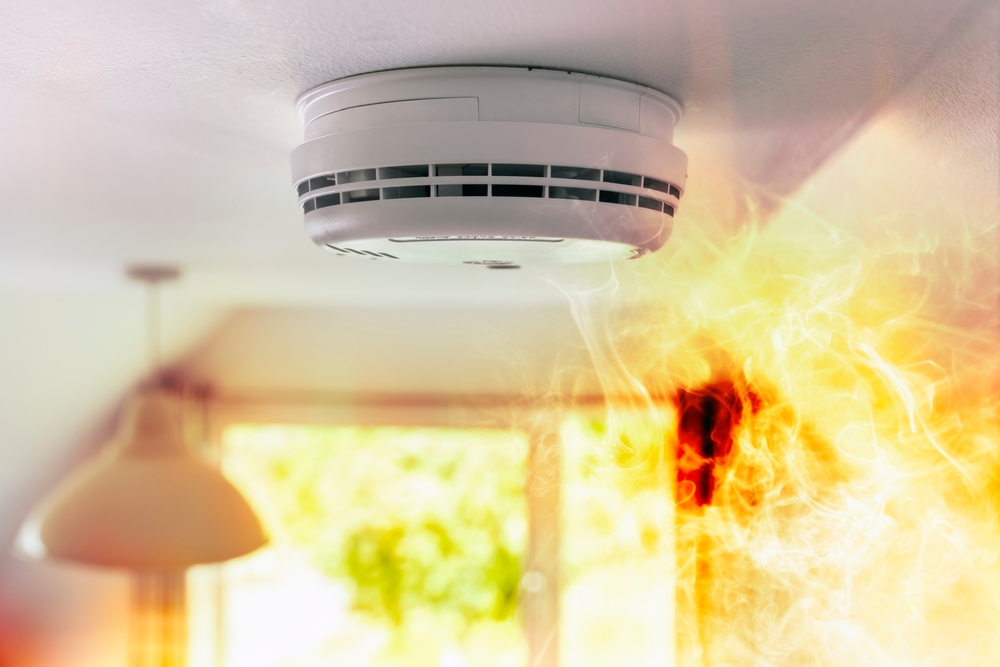
4. Forgetting to Maintain Smoke and Carbon Monoxide Detectors
For many homeowners, smoke detectors become out of sight and out of mind when the household routine stays predictable. Yet failing to test or replace batteries remains one of the most serious safety risks in any home. Detectors are essential for preventing property loss and life threatening emergencies. A quick monthly test gives reassurance and avoids costly disasters. Prioritizing detector maintenance is a simple habit with massive benefits.
5. Leaving Unsecured Tools and Home Improvement Gear Around
Child-free households often allow tools, ladders, and home repair items to stay out longer because there are no kids to worry about. While convenient, this habit is one of the overlooked safety risks that can cause injuries or property damage. Tools left scattered can lead to accidental cuts, falls, or tripping. Storing equipment safely keeps your workspace organized and your home hazard free. Proper storage also extends the life of your tools.
6. Underestimating Fire Hazards From Candles and Appliances
Many child-free homeowners enjoy candles, diffusers, or decorative lighting without realizing how easily these can turn into safety risks. Leaving them unattended increases the chance of electrical issues, burns, or fires. Even small kitchen appliances can overheat or malfunction when left plugged in. Regular checks and mindful use prevent unnecessary accidents. Choosing safer alternatives like LED flameless candles provides peace of mind.
7. Overlooking Outdoor Maintenance Risks
Without children playing outside daily, it is easy to miss safety risks developing in outdoor spaces. Broken steps, unstable decks, loose railings, or poor lighting go unnoticed until someone gets hurt. These issues become more serious over time and more expensive to fix. Inspecting walkways, gutters, and seasonal hazards keeps your property safe and well maintained. Addressing outdoor risks early protects your investment.
Awareness Brings More Freedom, Not Less
Understanding your home’s safety risks does not take away your independence. Instead, it gives you clarity and control, allowing you to enjoy your space with confidence. Small adjustments can prevent injuries, reduce costly repairs, and help you maintain the lifestyle you love. A safe home supports your future rather than restricting it. Staying alert today builds long term peace of mind.
Which risks have surprised you the most in your own home, and how did you address them? Share your experience in the comments.
What to Read Next…
7 Hidden Costs of Homeownership That Shock First-Time Buyers
Housing Market Twist: Why Childless Couples Are Facing a New Kind of Price Hike
Your Home Could Be More ‘Kid-Ready’ Than You Think—Here’s Why That Matters with No Kids
6 “Smart” Purchases That Turn Into Regrets for DINK Households
Why Affording a Bigger Home Might Backfire When You Don’t Have Children
No Comments yet!