
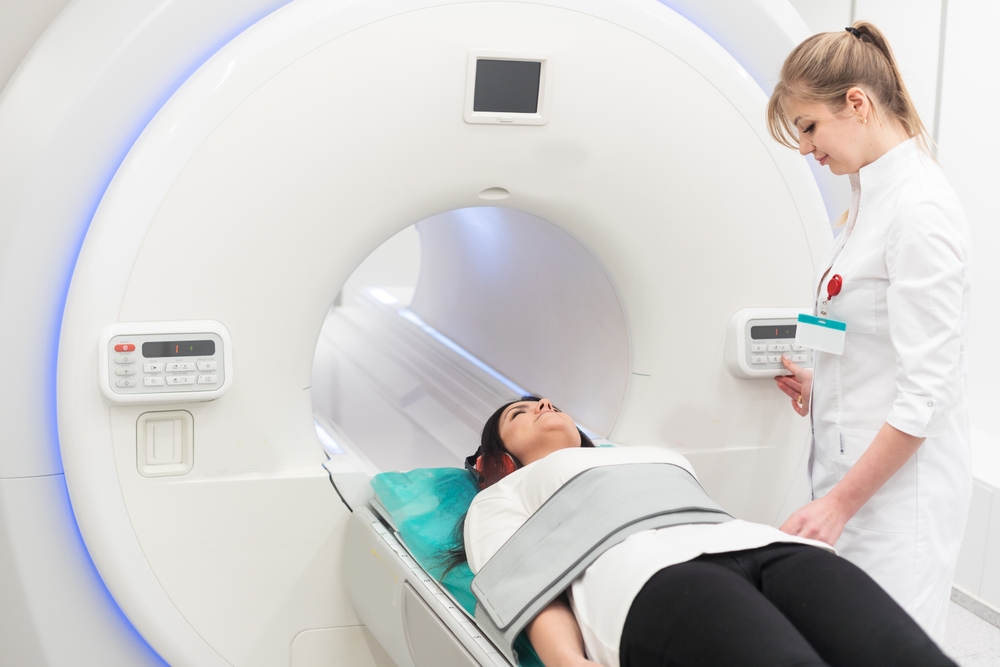
Preventive health care has entered a new era, and full-body MRI scans are quickly becoming one of the most talked-about wellness trends among high-income professionals, entrepreneurs, and health-conscious consumers. Promoted by celebrities, athletes, and tech executives, these scans promise to identify hidden health issues before symptoms appear. The appeal is easy to understand: spend an hour in a scanner today and potentially catch a serious disease before it becomes life-threatening. However, medical experts remain divided on whether these scans are a breakthrough in preventive medicine or an expensive source of unnecessary worry. If you’re considering investing in a full-body MRI, it’s worth understanding both the potential benefits and the limitations before scheduling an appointment.
Why Full-Body MRI Scans Are Gaining Attention
A full-body MRI uses magnetic fields and radio waves to create detailed images of organs, tissues, bones, and blood vessels throughout the body. Unlike CT scans, MRI technology does not expose patients to radiation, which makes it appealing for people interested in preventive screening. Companies offering these scans often market them as a proactive way to detect cancers, aneurysms, liver disease, and other serious conditions before symptoms emerge.
Growing interest has been fueled by celebrity endorsements and social media testimonials from individuals who claim the scans identified potentially dangerous health issues. While these stories are compelling, experts caution that personal anecdotes do not necessarily prove that widespread screening improves health outcomes.
The Potential Benefits of Early Detection
The strongest argument in favor of a full-body MRI is the possibility of discovering a serious condition before it causes symptoms. Early detection can be especially valuable for certain cancers, vascular abnormalities, and other diseases where treatment is often more successful in the early stages. MRI technology is particularly effective at evaluating soft tissues, making it useful for identifying abnormalities in organs such as the liver, pancreas, kidneys, and brain.
Some physicians also recommend whole-body MRI screening for individuals with rare genetic syndromes that significantly increase cancer risk. For those with strong family histories of serious disease, the additional information may provide peace of mind and guide future medical decisions.
The Hidden Downsides Many Consumers Don’t Expect
One of the biggest concerns surrounding full-body MRI screening is the high rate of incidental findings, often called “incidentalomas.” These are abnormalities that appear on scans but may never cause symptoms or affect a person’s health. Research reviews have found that a significant percentage of healthy individuals undergoing whole-body MRI screening receive findings that require additional testing, even though very few ultimately turn out to be serious diseases. This can lead to costly follow-up appointments, biopsies, specialist consultations, and significant emotional stress. In some cases, patients spend months worrying about a finding that ultimately proves harmless.
Why Many Medical Experts Remain Cautious
Despite growing consumer demand, most major medical organizations do not currently recommend routine full-body MRI scans for healthy, symptom-free adults. Experts point out that proven screening tests, such as colonoscopies, mammograms, cervical cancer screenings, and blood pressure checks, have decades of research demonstrating their effectiveness.
By comparison, there is limited evidence showing that full-body MRI screening improves survival rates or long-term health outcomes for the general population. Some radiologists worry that widespread use may contribute to overdiagnosis, where harmless conditions are identified and treated unnecessarily. Others emphasize that a normal scan should never replace regular preventive care or create a false sense of security.
The Financial Reality Behind the Trend
Depending on the provider and level of screening, prices typically range from approximately $1,000 to more than $4,500, and most insurance plans do not cover the procedure unless medically necessary.
Beyond the initial cost, consumers should also consider the possibility of follow-up testing if abnormalities are discovered. Additional imaging, specialist visits, and diagnostic procedures can quickly add up. Before investing in a full-body MRI, it’s wise to evaluate whether the information gained is likely to provide value based on your personal health history and risk factors.
A Smarter Approach to Preventive Health
For many people, the best preventive strategy still begins with evidence-based screenings recommended by their physician. Maintaining a healthy weight, exercising regularly, managing stress, monitoring blood pressure, and following age-appropriate screening guidelines remain among the most effective ways to reduce disease risk. Individuals with significant family histories of cancer or genetic conditions may benefit from discussing advanced screening options, including a full-body MRI, with their healthcare provider.
Rather than viewing these scans as a replacement for traditional medicine, experts suggest considering them as one possible tool within a broader preventive health plan. The goal should always be informed decision-making based on individual risk rather than fear, hype, or celebrity endorsements.
Would you pay out of pocket for a full-body MRI scan if it promised early detection of serious diseases? Share your thoughts in the comments.
What to Read Next
5 Reasons You and Your Spouse Should Backpack Around Asia
The HSA Overhaul: Why You Can’t Use Your Health Savings for These 5 Common Items in 2026
9 Health Insurance Rule Changes in 2026 That Could Raise Costs for Couples Without Dependents
No Comments yet!