
 About Toi Williams
 In the world of shopping, paying full price is a thing of the past for savvy shoppers. Bargain hunting is an essential skill for anyone looking to stretch their budget while still getting what they need. Whether you’re furnishing a home, updating your wardrobe, or simply buying groceries, knowing how to find the best deals can save you significant amounts of money. This guide delves into nine proven bargain hunting strategies that will sharpen your shopping acumen and help you uncover the best prices every time you shop.
1. Embrace Price Comparison Tools
 Price comparison tools are invaluable for bargain hunters. These websites can automatically compare prices across multiple online retailers to ensure you’re getting the lowest price available. These tools can also alert you to price drops and upcoming deals, making them essential for anyone serious about saving. Spend time setting up alerts for products you regularly purchase or items you’ve been eyeing for future purchase.
2. Follow the Sales Cycle
 Most stores operate on a predictable sales cycle, which means discounts and promotions often occur at regular intervals. Understanding when new stock usually arrives and when old stock is typically cleared out can help you determine the best times to buy. For instance, electronics may see significant discounts around new model releases, while the best time to buy clothing is typically at the end of a season when stores are eager to clear out inventory. By planning your purchases around these cycles, you can optimize your savings and avoid paying full price.
3. Sign Up for Newsletters and Loyalty Programs
 Many stores offer exclusive discounts and early access to sales for subscribers and loyalty program members. Newsletters and loyalty programs are often the first to provide notifications about discounts, special promotions, or loyalty rewards. By signing up, you can receive coupons and be notified about upcoming promotions directly in your inbox. These bargain hunting strategies ensure you never miss a sale and often give you additional discounts that aren’t available to the general public.
4. Utilize Cashback and Reward Apps
 Integrating cashback and rewards apps into your bargain hunting strategies can convert regular purchases into savings opportunities. Cashback websites and reward apps like Rakuten, Honey, and Ibotta offer you a percentage of your purchase back when you shop through their links or use their apps. These rewards can add up, turning routine purchases into money-saving opportunities. Additionally, credit cards with cashback rewards can be used for everyday purchases to accumulate savings over time.
5. Shop Off-Season
 Purchasing items off-season is one of the classic bargain hunting strategies for finding lower prices. For example, buying garden furniture in late fall can result in savings of 50% or more off retail prices. Purchasing winter clothing in the spring can lead to finding clearance items at a fraction of their original cost. This strategy requires foresight and storage space, but the savings can be substantial.
6. Use Social Media to Your Advantage
 Social media isn’t just for connection and entertainment—it’s a powerful tool for bargain hunters. Follow your favorite stores and brands on social media platforms like Instagram, Twitter, and Facebook. Retailers often announce special flash sales, exclusive coupons, or contests through their social media channels. Engaging with brands on these platforms can also alert you to upcoming deals and limited-time offers that might not be widely advertised elsewhere.
7. Hit Thrift Stores and Garage Sales
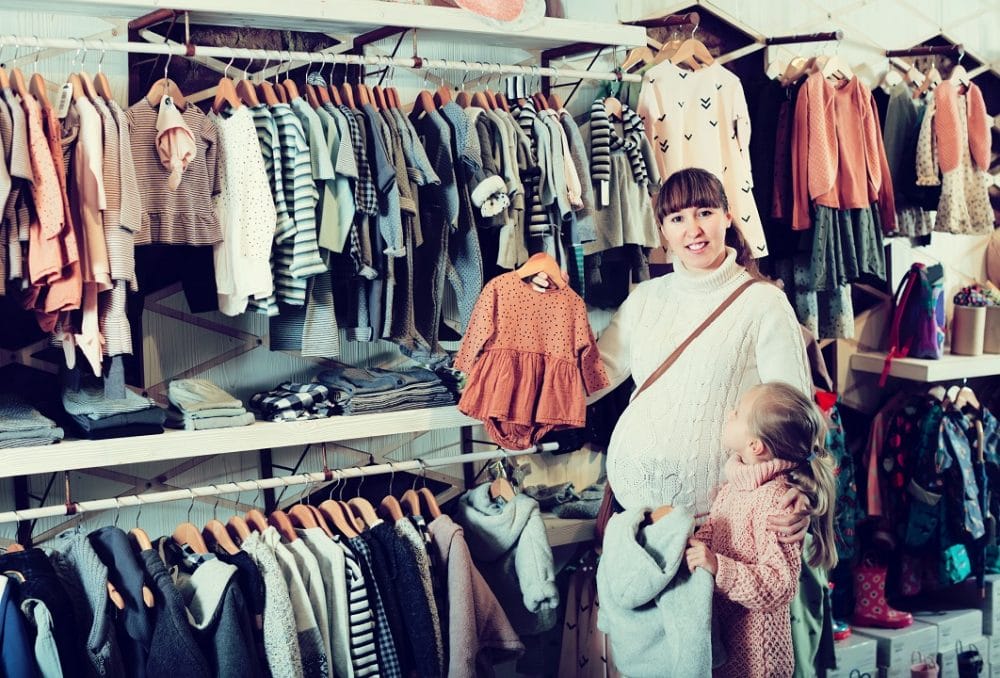 Thrift stores, garage sales, and estate sales can be treasure troves for the budget-conscious shopper. These venues are especially great for finding furniture, home décor, and even brand-name clothing at a fraction of the original cost. It’s also a great way to find unique or vintage items that add a personal touch to your wardrobe or home without breaking the bank. Regular visits can yield fantastic finds, as inventory is continually changing.
8. Negotiate When Possible
 Don’t be afraid to negotiate prices, especially in settings where haggling is acceptable such as at flea markets or antique shops. Negotiation can also lead to direct savings in smaller independent stores where the price might not be as fixed as in larger retail chains. Don’t be afraid to ask for a discount, especially if you are buying multiple items or find an item with a minor flaw. Even in larger retail stores, you can sometimes negotiate prices for items that are slightly damaged or display models.
9. Check for Price Adjustments
 After making a purchase, keep an eye on the item’s price. If you purchase an item and then see its price has been reduced within a certain window of time, many stores will refund you the difference. Keeping an eye on the prices after you shop and understanding store policies can help you claim these adjustments. This lets you recoup the difference in cost, ensuring that you always pay the lowest published price.
Mastering the Art of the Deal
 Effective bargain hunting involves more than just looking out for sales—it requires a proactive approach to shopping and spending. By employing these nine bargain hunting strategies, you can save money, shop smarter, and stretch your financial resources further. Remember, the goal of bargain hunting isn’t just to spend less, but to spend wisely. Embrace these techniques and watch your savings grow as you master the art of finding the best deals.

 Peer to peer lending began in the early 2000s, with Zopa in the UK paving the way as the first official P2P lending platform. This innovative model was designed to bypass the traditional financial intermediaries, allowing individuals to lend money directly to others. Over the years, P2P lending has grown to include various platforms across the globe, each offering different terms, rates, and services. The evolution continues as these platforms increasingly utilize advanced technologies such as artificial intelligence and blockchain to improve security and efficiency in lending practices.
 The regulatory framework governing P2P lending varies significantly across different countries, impacting how platforms operate and the level of security offered to users. In the United States, for example, P2P lending platforms are regulated by the Securities and Exchange Commission (SEC) and must comply with federal securities laws. This include registering the offerings and providing detailed disclosures to investors. Understanding these regulations is crucial for both borrowers and lenders to ensure compliance and assess the security of their investments.
 P2P platforms employ more than just traditional credit scores to assess borrower risk. Many have developed sophisticated algorithms that analyze a wide range of data points. This can include online behaviors, shopping habits, and even educational backgrounds. This multifaceted approach to risk assessment can often provide a more accurate profile of borrowers’ likelihood to repay loans, potentially opening up credit to individuals who might be underserved by traditional banks.
 P2P lending platforms can be susceptible during economic downturns, much like traditional financial systems. In times of economic stress, borrowers may have difficulty meeting repayment obligations, leading to higher default rates. Additionally, P2P platforms depend heavily on continuous investment from lenders, who may withdraw their funds in uncertain economic times, leading to liquidity issues. Understanding these risks is essential for anyone considering P2P lending as part of their financial strategy.
 Some P2P platforms offer
  Earnings from P2P lending are subject to taxes, similar to other forms of income. In many jurisdictions, the interest received from lending is taxable, and lenders must report this income on their tax returns. Some countries also allow lenders to deduct bad debts on their tax returns, under specific conditions. Navigating these
  Peer to peer lending has long been associated with individual investors and borrowers. Today, institutional investors such as banks, hedge funds, and other financial entities are increasingly involved. These investors often bring large amounts of capital to the platforms, affecting the dynamics of lending and borrowing rates. Institutional participation can provide stability and additional funding to the platforms, but it may also lead to competitive disadvantages for individual lenders.
 Success in P2P lending is not uniform. It varies greatly among individual lenders based on factors such as the diversity of their loan portfolio, chosen risk levels, and investment strategies. Lenders who diversify their investments across various borrowers, loan types, and risk categories tend to experience more stable and consistent returns. Those new to P2P lending should start with smaller amounts to learn the ropes before scaling up their investments.
 Peer to peer lending is influenced by cultural, economic, and regulatory environments, which can vary widely from one country to another. For instance, in some Asian countries, P2P lending has become a popular method for financing small to medium enterprises (SMEs) due to a lack of sufficient bank lending. In contrast, in Western countries, consumer loans dominate the P2P lending market. These differences can influence the strategies of both borrowers and lenders in the P2P space.
 Navigating the complex landscape of peer to peer lending requires a well-informed approach. Armed with these lesser-known facts, you can make more educated decisions about participating in P2P lending, whether as a borrower seeking flexible loan options or as an investor looking for alternative returns. By understanding both the opportunities and challenges of P2P lending, you can chart a path that aligns with your financial goals and risk tolerance, potentially leading to a rewarding experience in the world of modern finance.
 Selecting places to stay that are committed to sustainability practices is a powerful way to support eco-friendly travel. Look for accommodations that have certifications from reputable environmental organizations, such as LEED or Green Seal. These places often use energy-efficient lighting, low-flow plumbing fixtures, and renewable energy sources. By staying at these establishments, you not only reduce your own carbon footprint but also support businesses that are working towards a more sustainable future.
 Air travel is one of the largest contributors to carbon emissions in the travel industry. When possible, opt for alternative modes of transportation such as trains, buses, or even car-sharing with electric vehicles. If flying is unavoidable, consider direct flights to reduce take-offs and landings, which are the most fuel-intensive parts of a flight. Additionally, some airlines offer carbon offset programs that contribute to environmental projects to balance out the emissions generated by your flight.
 Every extra pound or kilogram requires more fuel to transport. By packing only what you need, you can
  One of the best ways to travel sustainably is to ensure that your money benefits the local communities. Spending your money in local restaurants, cafes, and shops is crucial for the economic health of the area. When you buy local, you’re not only enjoying fresher goods and creating memorable travel experiences but also reducing the carbon footprint associated with transporting products long distances. Furthermore, by participating in local experiences and purchasing local crafts, you help preserve cultural traditions and provide direct economic benefits to the families and small businesses.
 Opting for public transit is a fantastic way to reduce your travel-related emissions. Many cities offer tourist passes that provide unlimited access to buses, trams, and subways at a low cost. This is not only an eco-friendly choice but also an excellent way to get a feel for the local pace of life. Additionally, when exploring compact city centers or scenic areas, consider walking or renting a bike, which provides both health benefits and a zero-carbon method of transportation.
 One of the most important sustainable travel tips is to reduce waste by carrying
  Always maintain a respectful distance from wildlife and follow guidelines provided by natural reserves and parks. Feeding or touching wildlife can disrupt their natural behaviors and diet. When hiking or exploring natural areas, stick to marked trails to avoid damaging native flora and disturbing wildlife habitats. Participating in conservation activities or clean-up events can also enhance your travel experience and contribute positively to the environment.
 Ecotourism is designed to minimize the impact of tourism on the environment and provide insightful experiences that promote conservation. By choosing ecotourism activities, you contribute to the protection of natural habitats and learn about the importance of preserving these areas. Look for certified ecotourism operators who employ local staff and offer genuine experiences that educate tourists about the local environment and community. These activities not only support sustainable tourism but also enrich your understanding of the destination.
 Knowledge is power when it comes to sustainable travel. Staying informed about the places you visit and the impact of your actions can make you a more conscientious traveler. Before you travel, research the environmental issues faced by your destination and learn about local customs and conservation efforts. Sharing your experiences and sustainable travel tips through blogs, social media, and discussions can inspire others to adopt mindful travel habits, amplifying the positive impacts of your efforts.
 Strive to leave each place better than you found it. Follow the principles of Leave No Trace, which are a set of guidelines that help minimize your environmental impact while enjoying outdoor activities. They include disposing of waste properly, minimizing campfire impacts, respecting wildlife, and being considerate of other visitors. Adhering to these principles ensures that natural areas remain beautiful and undisturbed for future visitors to enjoy.
 Adopting these sustainable travel tips is not just about reducing your carbon footprint—it’s about making responsible choices that ensure the places we love remain vibrant and viable. You can minimize your environmental impact and travel in a way that is respectful to local cultures and ecosystems. Responsible travel choices lead to more meaningful and rewarding experiences, allowing you to truly connect with the world around you. Enjoy your adventures ethically and sustainably, knowing that you are contributing to the preservation and resilience of our global community.
 Making minimum payments on your credit card extends the debt repayment period far beyond what may be anticipated. For instance, a balance that could potentially be paid off in a year might take over a decade to clear if only the minimum payment is made each month. This not only ties up your financial resources for longer but also keeps you in a constant state of debt. This can inhibit your ability to pursue other financial goals, such as saving for a home or investing in your future.
 The design of minimum payments benefits credit card companies by maximizing the amount of interest you pay over time. These payments are often set at a level that barely covers the interest accrued each month, meaning very little is done to reduce the principal balance. As a result, the compounded interest can grow to exceed the original amount borrowed. This can lead to a scenario where you are paying an exorbitant price for purchases long after the enjoyment of the purchase has faded.
 Regularly making only minimum payments on credit cards can affect your credit utilization ratio, which is a significant factor in
  The funds used to pay off prolonged credit card debt, especially the high interest, represent a significant opportunity cost. Money spent on interest could be invested in retirement accounts, the stock market, or even a savings account earning interest. Over years, the foregone growth on these investments can amount to a considerable sum. This can far outweigh the benefits of any purchases made with the credit card.
 Carrying a balance over many years, especially one that seems to barely decrease, can lead to chronic financial stress. This type of stress is detrimental to mental health and can affect other areas of life, including job performance, relationships, and physical health. The burden of knowing you owe money and are paying a lot for the privilege can be a persistent source of anxiety. Reducing debt quickly can alleviate some of these pressures and lead to a more stable financial and emotional state.
 In times of financial emergency, such as unexpected medical expenses or job loss, having high credit card debt can severely restrict your financial maneuverability. If a large portion of your income is consistently going towards minimum payments on credit cards, there is little buffer to accommodate sudden financial demands. Being in this position increases the likelihood of further debt or financial instability. Paying down debt and creating an emergency fund will help you weather unexpected costs.
 A poor credit history, compounded by high outstanding debt, typically leads to higher interest rates on loans such as mortgages, car loans, or personal loans. This means that the cost of borrowing increases, not just for your current debts but for future ones as well. Lenders will view you as a higher-risk borrower. This can lead to a vicious cycle where each financial product costs more, further straining your finances.
 Persistently making minimum payments increases the risk of defaulting on your credit card debt. Should you find yourself unable to make even the minimum payment, the default can have severe consequences. These may include legal actions, a significant drop in your credit score, and long-term damage to your credit history. Recovering from such a situation can take years and can severely limit your financial opportunities.
 Making minimum payments on credit cards can foster a habit of continual borrowing. This habit can keep your finances perpetually strained, making it difficult to break free from the cycle of debt. The ease of making minimum payments might discourage more substantial monthly payments that could free up future income sooner. Instead of using credit cards, pay for purchases with cash so you are not creating more debt.
 The
The  Understanding the true cost of making minimum payments on credit cards is crucial for maintaining financial health. It is advisable to assess your financial situation regularly and strive to allocate more funds toward reducing credit card debt. By doing so, you can avoid the pitfalls of minimum payments and ensure a more secure financial future.






 Contrary to common belief, sleeping in separate rooms can actually enhance intimacy. It turns shared time in the bedroom into something special and less routine. Couples may find themselves planning more quality time together, including intimate moments, because they’re not taking their proximity for granted. This can make interactions more deliberate and meaningful, strengthening the emotional bond.





 Choosing to sleep in separate rooms does not signify a lack of love or commitment; rather, it reflects a mature approach to addressing individual needs within the relationship. By prioritizing quality sleep, personal comfort, and mutual respect, couples can enhance their overall happiness and relationship health. This trend underscores the importance of finding what works best for each unique partnership, rather than adhering strictly to societal norms.
 Before diving into trends, start building a fashionable wardrobe with high-quality basics. These foundational pieces—like a perfect-fitting pair of jeans, a classic blazer, and crisp white shirts—serve as the backbone of your wardrobe. They should be versatile and durable, chosen in neutral colors such as black, white, or navy. Basics make mixing and matching outfits easier and allow you to integrate trendier pieces seamlessly.
 Fashion is fleeting, but style is eternal. Invest in timeless pieces that will never go out of style, such as a leather jacket, a little black dress, or a quality trench coat. These items might require a higher upfront cost but think of them as investments. A well-chosen timeless piece can last for years, saving you money and the hassle of frequent shopping.
 One of the keys to looking effortlessly chic is
  Develop a color palette that suits your skin tone and sticks to it. This doesn’t mean your wardrobe should lack color—rather, choose shades that complement you. Find out you’re better suited to warm tones like red and orange or cool tones like blue and green. Wearing colors that enhance your natural features can make a significant difference in your overall look.
 Building a fashionable wardrobe doesn’t mean every piece has to be a high-ticket item. Mix luxury items with more affordable pieces. A high-quality accessory or designer piece can elevate an entire outfit, even if the other items are from budget-friendly brands. This approach not only makes fashion more accessible but also lets you create unique combinations that reflect your personal style.
 Keep your wardrobe organized and make it a habit to review and edit it regularly. This practice helps you keep track of what you have, rediscover forgotten items, and remove pieces that no longer fit or align with your style. An organized wardrobe saves time and stress when getting dressed, making it easier to put outfits together. Any clothing you don’t need anymore can be donated to charity.
 While it’s fun to incorporate some of the latest fashion trends into your wardrobe, it’s important to do so thoughtfully. Avoid investing heavily in fast-fashion items that will likely go out of style by the next season. Instead, choose one or two trendy accessories or pieces per season to update your look without overhauling your entire wardrobe. This method keeps you looking good while saving you money in the long run.
 Accessories can make or break an outfit. Invest in quality shoes, bags, and jewelry that can transform basic outfits into something special. Consider items like a statement necklace, a classic watch, or stylish boots that can complement multiple outfits and add a finishing touch to any look. Bright pops of color with neutral-colored outfits is another way to make a statement with your accessories,
 Building a fashionable wardrobe is about more than just following trends; it’s about creating a collection that reflects your personal style and evolves with you over time. By starting with strong basics, investing in timeless pieces, and accessorizing wisely, you can establish a wardrobe that will not only look great today but will continue to serve you well in the future. Remember, the best wardrobe is one that makes you

 The first step to improve your cash flow is to establish a precise budget. Track all your expenses for a month, categorize them, and identify areas where you can cut back. Use budgeting apps or spreadsheets to maintain visibility of your finances, which can help prevent overspending and ensure you are saving adequately.
 High-interest debt, such as credit card balances, can severely hinder your cash flow. Focus on paying off these debts as quickly as possible. Consider strategies like debt snowball or avalanche methods, or transferring balances to a lower interest rate card, to minimize interest payments and free up more of your income.
 Automate your savings strategy by setting up direct deposits from your paycheck into a savings account. This “set it and forget it” approach ensures you save before you even have the chance to spend, letting you gradually improve your cash flow over time as your savings grow.
 Often, people overpay for insurance or
  Monthly subscriptions can add up. Audit your subscription services—such as streaming platforms, gym memberships, and magazines—and cancel any that you do not use frequently. Opt for sharing subscriptions with friends or family where possible.
 Many individuals miss out on tax deductions and credits. Consult with a tax professional to ensure you’re not paying more taxes than necessary. Consider contributions to retirement accounts that offer tax advantages, which can improve your cash flow by reducing your taxable income.
 Boosting your income is a direct way to improve your cash flow. Explore opportunities for a side hustle, freelance work, or
  Reducing your utility bills through energy-efficient appliances, smart thermostats, and LED lighting can decrease monthly expenses. Consider a home energy audit to identify further savings opportunities.
 Food expenses can fluctuate widely. Plan your meals, shop with a list, and stick to it. Use leftovers creatively and freeze excess food to minimize waste, which in turn conserves your cash flow.
 If possible, use public transportation or carpooling to save on commuting costs. Reducing fuel consumption, maintenance, and parking fees can free up a substantial amount of money.
 Avoid impulse buys by planning your shopping trips. Take advantage of sales, use coupons, and consider purchasing generic brands which are often significantly cheaper than their branded counterparts.
 Conduct quarterly financial reviews to assess how well you are managing your cash flow. Adjust your budget, savings, and investment strategies as necessary to align with your financial goals.
 Improving cash flow requires commitment, discipline, and a bit of creativity, especially for those without the financial “cushion” that children might necessitate. By implementing these 12 strategies, you can not only improve your cash flow but also set a foundation for future financial stability and growth. Remember, the goal is to make strategic choices that align with your personal financial objectives and lifestyle preferences, allowing you to enjoy a fulfilling life while building economic resilience.
 Hydration is key to healthier living. Begin your day by drinking a glass of water. This simple habit helps to rehydrate your body after a night’s sleep, kickstarts your metabolism, and can improve your overall energy levels and cognitive function. Consider adding a slice of lemon for an extra boost of vitamin C and antioxidants.
 Long periods of sitting can have negative effects on your health. Incorporate short movement breaks throughout your day. Every hour, take five minutes to stretch, walk around, or do a quick set of exercises. This not only helps in reducing the risks associated with prolonged sitting but also boosts your energy and helps maintain focus.
 Focus on
  Quality sleep is crucial for healthier living. Aim for 7-9 hours of sleep per night by establishing a regular sleep schedule. Create a bedtime routine that promotes relaxation, such as reading a book, meditating, or taking a warm bath. Keeping electronic devices out of the bedroom can also improve your sleep quality.
 Reduce your intake of sugary drinks and replace them with healthier alternatives like herbal tea, sparkling water, or just plain water. Cutting down on sugary drinks can reduce your risk of obesity, type 2 diabetes, and tooth decay.
 Mental health is just as important as physical health. Dedicate time each day to activities that reduce stress and enhance your mental well-being. This could be anything from journaling and yoga to engaging in a hobby or practicing meditation.
 Spending time in nature can improve your mood, reduce stress, and enhance physical health. Try to get outside every day, even if it’s just a short walk in a park. The exposure to natural light will also help regulate your sleep cycles.
 Never underestimate the power of laughing and social connections in promoting health. Try to include social activities in your schedule that involve laughter and camaraderie, whether it’s a night out with friends, a family game night, or watching a comedy.
 Integrating wellness into your daily life doesn’t have to be overwhelming. By incorporating these nine easy tips, you can significantly enhance your physical, mental, and emotional health without drastic lifestyle changes. Each small step not only contributes to healthier living but also improves your quality of life in meaningful ways.
 “Google it” has become a ubiquitous phrase for performing an online search, regardless of whether one uses Google’s search engine or another. Google’s emergence as the leading search engine has led to its name being used as a verb for the act of internet searching, illustrating the brand’s overwhelming presence in the digital space.
 Kleenex, initially a brand of facial tissues, is now commonly used to refer to any brand of facial tissue. The term “Kleenex” is often requested in households and public places alike, regardless of the actual brand provided, showing how a brand name can become synonymous with a product.
 In many offices around the world, to “Xerox” something means to photocopy it, not necessarily using a Xerox-brand photocopier. This shows how brand names can become verbs that imply an action, extending beyond the brand itself.
 Band-Aid is a brand of adhesive bandages but has become the go-to term for any adhesive medical strip used to cover small cuts or abrasions. The name Band-Aid is commonly used in medical and household contexts, often without regard to the brand of the product.
 Jacuzzi is a company that produces whirlpool bathtubs and hot tub spas, but the term “Jacuzzi” has been generalized to refer to any hot tub or whirlpool bath, showcasing how a brand can represent an entire category of luxury products.
 Originally a brand name for a specific type of vacuum flask that keeps beverages hot or cold, “Thermos” has become a generic term for any vacuum flask. This transformation highlights how pioneering products can define a new product category.
 ChapStick, a brand of lip balm, is frequently used to refer to any type of lip balm contained in a tube applicator, regardless of the brand. This substitution shows how some brands can represent a whole product type, particularly when they dominate the market early.
 Tupperware is a brand of plastic containers used for storing food, but it’s often used generically to refer to any plastic food storage containers. This reflects the brand’s role in popularizing the modular and reusable containers that transformed kitchen storage.
 Velcro refers to a brand of hook-and-loop fasteners, but the term is commonly used to describe any fastening system of this type. The name Velcro has become synonymous with the convenience and simplicity of the fastening system.
 Originally a brand name for a specific
  Realtor, a designation for members of the National Association of Realtors, is often mistakenly used to refer to any real estate agent, illustrating how professional titles can evolve into generic terms.
 Styrofoam, a type of extruded polystyrene foam, is frequently used to refer generically to any foam material used in cups, plates, and for packaging, despite being a trademarked product by Dow Chemical.
 Originally a trademarked name for a specific
  A Crock-Pot is a brand of slow cooker, but many use the term to refer to any slow cooker, regardless of the brand. This illustrates how some brands can define a new way of cooking.
 Frisbee, a brand of flying disc, has become the common term for any type of flying disc toy. The fun and popularity of Frisbee products helped cement the term in popular vocabulary.
 These examples illustrate how brand names can transcend their original contexts to become generic terms within our daily vocabulary. While this can be a testament to a brand’s success and market dominance, it also poses challenges in maintaining trademark protection. For these companies, their names not only represent their products but have also shaped the way we talk about everyday items and actions.