
 About Toi Williams
Adopting a new pet is a delightful and transformative experience that promises not only companionship but also endless fun and unconditional love. As new pet parents, it’s important to be prepared for the various aspects of pet care, which go beyond feeding and grooming. From establishing a routine to training and socializing your new friend, these ten tips are designed to help you navigate the initial stages of pet parenthood effectively.
1. Prepare Your Home
 Before bringing your new pet home, ensure that your space is safe and welcoming. Remove any hazardous items that pets might chew or swallow, such as electrical cords, small objects, or toxic plants. Create a comfortable area where your pet can sleep and relax, equipped with a cozy bed, water bowl, and toys. Making your home pet-friendly from the start will help ease their transition and reduce anxiety.
2. Invest in Quality Nutrition
 One of the most crucial aspects of pet care is providing a balanced and nutritious diet. Research or consult with a vet to find the best food for your pet’s age, size, and health needs. Remember, high-quality food can help prevent health issues and contribute to a longer, healthier life.
3. Establish a Routine
 Pets thrive on routine as it gives them a sense of security. Set regular times for feeding, walks, playtime, and bedtime. Consistency will help your pet adjust more quickly to their new environment and can alleviate potential behavioral issues.
4. Regular Veterinary Care
 Schedule a visit to the vet shortly after bringing your pet home. This initial check-up will help ensure they are healthy and receive any necessary vaccinations. Regular vet visits are essential for ongoing health monitoring and preventative care.
5. Socialization and Training
 Early socialization and training are key to a well-adjusted pet. Expose your pet to different people, pets, and environments gradually and positively. Basic obedience training not only teaches good behavior but also strengthens your bond with your pet.
6. Grooming is Essential
 Regular grooming keeps your pet healthy and comfortable. It includes brushing, bathing, nail trimming, and dental care. Grooming is also an opportunity to check for any abnormal signs or issues on your pet’s body.
7. Exercise and Play
 Physical activity is vital for your pet’s mental and physical health. Regular play and exercise can help prevent boredom and destructive behaviors, keeping your pet happy and fit. Tailor activities to suit your pet’s breed, age, and stamina.
8. Be Patient and Understanding
 Remember that adjusting to a new home can be stressful for pets. Be patient and provide lots of affection. Observe their behavior as they settle in and try to understand their needs and preferences.
9. Prepare for Expenses
 Becoming new pet parents can be costly. Prepare for routine expenses like food, grooming, and healthcare, as well as unexpected costs like emergency medical treatment. Consider setting up a pet emergency fund or investing in pet insurance.
10. Join a Community of Pet Parents
 Connecting with other pet parents can provide valuable support, advice, and friendship. Consider joining local or online pet communities to share experiences and tips.
A New Chapter of Companionship
 Becoming new pet parents is a rewarding journey filled with challenges and triumphs. By following these essential tips, you’ll be well-equipped to provide a loving and stimulating environment for your new companion. Embrace the learning process and enjoy the special moments and bonds that you will form with your pet.

 Initiate the conversation at a time when both partners feel relaxed and undistracted. Choose a neutral, private setting where you can talk without interruptions. Avoid stressful times or significant life events, as these can influence the mood and outcome of the discussion.
 Start the conversation by sharing your thoughts and feelings about the idea of having children. Be honest about any changes in your perspective or new factors influencing your thinking. It’s important that each partner feels safe to express why they’re questioning being DINKs without judgment.
 When your partner is speaking,
  Consider and discuss the practical implications of having children. This includes changes to daily routines, financial impact, career adjustments, and lifestyle changes. Be realistic about what each partner is willing and able to adjust in their life.
 Discuss each partner’s emotional readiness for parenting. Talk about fears, expectations, and personal insecurities. It’s crucial to address these emotional aspects to assess whether both partners are mentally and emotionally prepared for the responsibilities of parenthood.
 How do children fit into your long-term goals? Discuss how parenting aligns with your individual and joint aspirations. This might include conversations about personal, career, and financial goals over the coming years.
 Recognize and address any external pressures you might be feeling, whether from family, friends, or societal expectations. It’s important to make a decision based on personal desires rather than external demands.
 If the discussion leans towards possibly having children, agree on a timeline. When would be a feasible time to start trying? If there’s uncertainty, decide how long to wait before revisiting the topic. Setting a timeline can help manage expectations and give both partners a sense of control over the process.
 Don’t hesitate to seek external advice or counseling when questioning being DINKs. Talking to a therapist, counselor, or even trusted friends who are parents can provide insights and help clarify your feelings and decisions.
 Understand that feelings and circumstances can change. Make a commitment to revisit the conversation periodically to check in on each other’s feelings and any external changes that might influence your decision.
 Deciding whether to remain childfree or to embark on the path of parenthood is a significant decision that deserves thoughtful consideration and open communication. By following these steps, you can ensure that the discussion is constructive and that both partners feel involved and respected in the decision-making process. Whatever conclusion you reach, the journey of the discussion itself can strengthen your relationship and help ensure that both partners are aligned and satisfied with the future direction of your family.
 One of the simplest yet most impactful ways to transform any room is with a new coat of paint. Choose bold colors to create a focal wall or opt for soft, neutral hues for a subtle and clean look. Paint is remarkably affordable and the transformation can redefine your space. Additionally, painting old furniture can bring new life to vintage pieces.
 Swapping out dated fixtures like lights, faucets, handles, and knobs can modernize a space with minimal effort. Look for stylish but affordable options at hardware stores or online. Installing these fixtures can generally be a DIY project that does not require professional help, saving you even more money.
 Changing your window treatments can significantly alter the appearance and feel of a room. Consider replacing heavy, dark curtains with light, airy ones to brighten the space. Alternatively, blinds can offer a clean, streamlined look that might be ideal for modern decor. This switch can also improve lighting and enhance the perceived size of the room.
 Good lighting can change the mood and functionality of a room. Add a variety of light sources, including floor lamps, table lamps, and wall sconces, to create a warm and welcoming environment. You can often find attractive second-hand lamps at thrift stores, which can be personalized with a new shade or a lick of paint.
 Floating shelves add charm and character to any wall while providing additional storage space. They are perfect for displaying books, plants, art, and other decor items. The materials needed for floating shelves are inexpensive and available at most home improvement stores, making this an affordable home improvement project with a high-end look.
 A new backsplash can refresh your kitchen without a full remodel. Peel-and-stick tiles are available in a variety of styles and are easy to apply without professional help. This update can serve as a modern focal point in your kitchen, combining style with practicality.
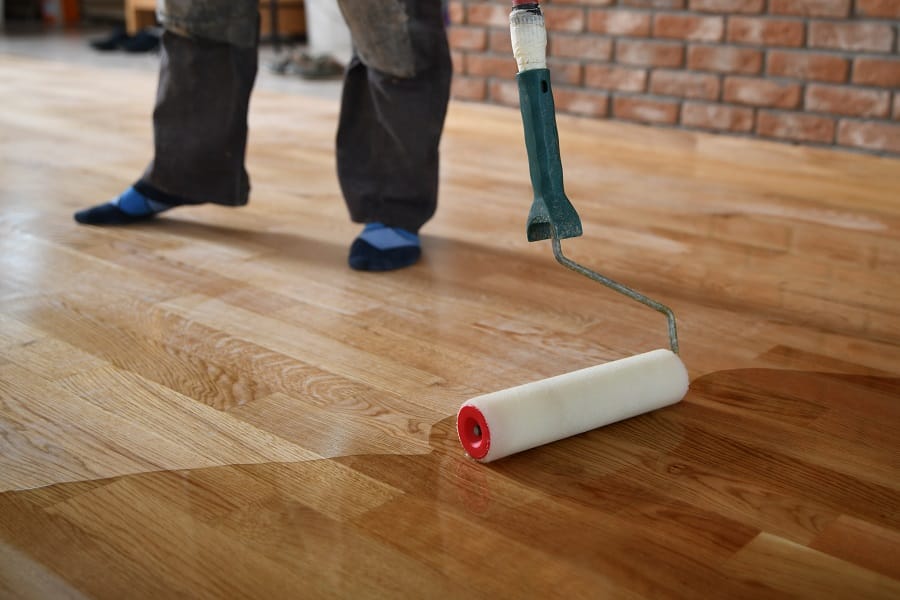 Updating your flooring doesn’t necessarily mean a complete overhaul. Consider using peel-and-stick vinyl tiles for a quick refresh. For a more rustic look,
  Efficient storage solutions can declutter and enhance the functionality of your home. Think creatively: mount an old ladder horizontally for a unique hanging rack, or repaint a second-hand bookcase. These solutions are not only practical but can also become statement pieces in your decor.
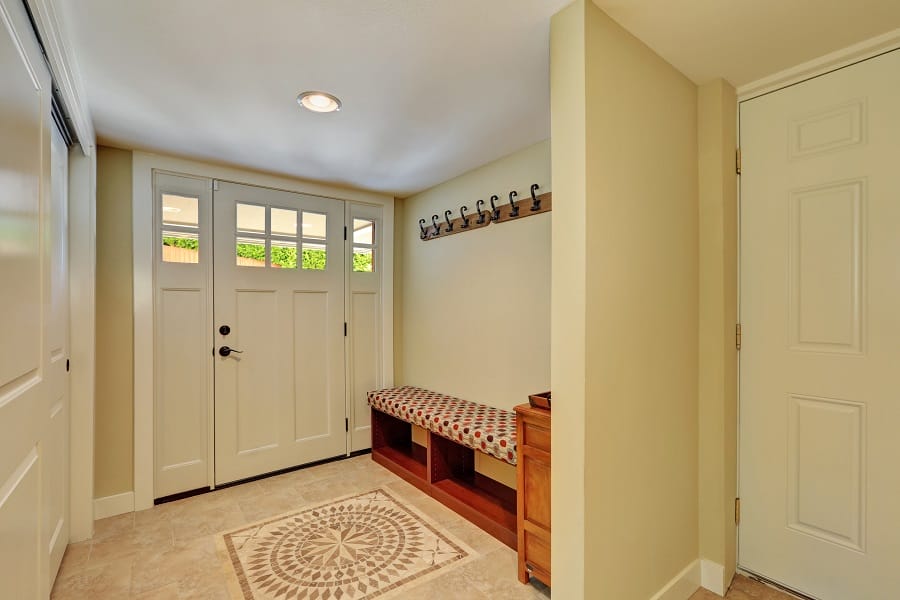 Even if you don’t have
  Minor changes in the bathroom, like replacing shower curtains, bath mats, and even installing a new shower head or toilet seat, can make the space feel new again. These changes can be made gradually and affordably, enhancing the overall aesthetic without a complete renovation.
 These 10 affordable home improvement ideas prove that updating your living space doesn’t have to be costly. With a little effort and creativity, you can significantly enhance the appeal and functionality of your home. Whether you tackle these projects on weekends or over time, each small change can contribute to a big improvement in how your home looks and feels.
 Childfree couples often have more disposable income, which they inject into the economy through travel, entertainment, luxury goods, and personal services. Their spending habits support diverse industries, from high-end retail to gourmet dining and beyond, stimulating economic growth in sectors less frequented by families burdened by childcare costs.
 Without the need to accommodate children, many childfree couples opt for smaller, more manageable living spaces, fueling demand for apartments, condos, and townhomes in urban centers. This trend supports urban revitalization projects and the development of “mixed-use” properties that blend residential, commercial, and cultural spaces.
 DINKs are notorious for their penchant for travel. With fewer constraints on their time and budget, childfree couples often engage in frequent and exotic travel, significantly contributing to the global tourism industry. Their preferences for unique and authentic experiences push travel companies to innovate and cater to this adventurous demographic.
 Childfree couples are likely to leave a smaller ecological footprint than traditional families. The decision not to have children is sometimes motivated by environmental concerns, leading to lifestyle choices that are more sustainable, such as higher use of public transportation, lower consumption of water and energy, and reduced waste production.
 Without parenting obligations, many childfree individuals can dedicate more time and flexibility to their careers. This can lead to higher productivity and allows them to often fill demanding roles that require extensive travel or irregular hours, contributing significantly to workforce efficiency.
 With more available time and resources, many childfree couples engage deeply in advocacy and philanthropy. They often support causes related to
  Many childfree couples choose to have pets instead of children, contributing to the booming pet industry. This includes increased spending on pet health care, gourmet pet food, and luxury pet services like daycare and grooming.
 Some childfree couples opt to invest their resources and caregiving into adoption or foster care, providing homes for children in need without having biological children of their own. This not only benefits the children but also eases the burden on public welfare systems.
 The demand for sophisticated home entertainment systems,
  Childfree couples are at the forefront of challenging traditional family structures and roles, promoting a broader acceptance of diverse lifestyles and personal choices. Their visibility and advocacy support greater social flexibility and tolerance.
 As more couples choose the childfree lifestyle, their impact on society continues to grow. The DINK effect is reshaping economies, urban landscapes, and cultural norms, illustrating that the decision not to have children is not merely a personal choice but a significant societal influence. By understanding and embracing these changes, society can better accommodate and benefit from the diverse ways people choose to live their lives.
 Many tourist attractions offer discounts for tickets purchased in advance online. By planning your itinerary ahead of time, you can take advantage of these lower prices and avoid the premium costs charged for last-minute bookings or on-site purchases. Additionally, early planning helps you avoid sold-out disappointments for popular tours and activities.
 Many cities offer tourist passes that allow you to cut costs on vacation with free or discounted access to major attractions, public transportation, and even some restaurants. These can be a great way to save money if you plan to visit multiple sites listed on the pass. Be sure to calculate potential savings beforehand to ensure that purchasing a pass is cost-effective based on your personal itinerary.
 Museums and cultural institutions often have designated days or hours where admission is free or pay-what-you-wish. Research in advance to find out if any of the places you intend to visit offer such opportunities and plan your schedule accordingly.
 Transportation can add a significant amount to your vacation expenses. Whenever possible, walk or use public transportation instead of taxis or rental cars. Many cities offer multi-day transit passes that are economical and can be used unlimited times for buses, trains, and subways.
 Group tours tend to be significantly cheaper than private tours and offer the same rich information and access to sights. Additionally, you’ll have the opportunity to meet other travelers, which could add a social element to your experience.
 Dining out frequently can quickly add up. To save money, shop at local grocery stores or outdoor markets and prepare some meals yourself, especially if your accommodation includes kitchen facilities. When you do eat out, choose local eateries instead of tourist traps, which are often overpriced.
 Nature is free to enjoy, and many destinations offer numerous parks, beaches, and hiking trails at no cost. Activities like hiking, swimming, and wildlife watching provide not only free entertainment but also a chance to see the destination’s natural beauty.
 Look for combo deals where multiple activities or attractions are bundled together at a discount. These can often be found on travel websites and through tourist offices and can provide good value if you are interested in the included offerings.
 Apps and websites such as
  Some organizations allow you to volunteer to cut costs on vacation activities. This might include festivals, ecological projects, or sporting events. Not only do you get to enjoy the activity for free, but you also contribute positively to the community you’re visiting.
 Vacations don’t have to be extravagantly expensive to be enjoyable. By implementing these savvy strategies, you can significantly cut costs on vacation activities while enriching your travel experience. The key is to plan ahead, stay flexible, and always look for creative ways to explore and enjoy your destination without overspending.
 One of the most celebrated perks of being DINKs is the ability to travel spontaneously. Without the need to coordinate with a school calendar or find child-friendly activities, DINKs can take advantage of last-minute travel deals, indulge in romantic getaways, or explore far-flung destinations that might not be as accessible to those with children.
 With no child-related expenses, DINKs often have significantly more disposable income. This financial freedom allows for higher discretionary spending on hobbies, luxury goods, dining out, and personal care. The ability to invest in quality experiences and products without compromising due to budget constraints is a definitive luxury.
 Without toys and children’s gear to clutter living spaces, DINKs can maintain a minimalist or impeccably styled home. This environment not only contributes to a visually appealing aesthetic but also promotes a less stressful, serene living space that can be tailored exactly to personal tastes.
 DINKs can often take career risks or accept promotions without worrying about the impact on family time. This might include accepting jobs that require irregular hours, extensive travel, or relocation—opportunities that might be challenging for parents to consider.
 One luxury that parents often miss is
  The ability to dine out on a whim or attend social events without the need for advanced planning or babysitters is one of the notable perks of being DINKs. Whether it’s trying the latest restaurant or attending late-night concerts, these experiences can be enjoyed without the logistical challenges faced by parents.
 Increased financial freedom also allows DINKs to invest more aggressively, whether in the stock market, real estate, or retirement accounts. This can lead to greater wealth accumulation and financial security in the long term.
 Without the time demands that come with raising children, DINKs can pursue personal passions, hobbies, or further education. Whether it’s taking art classes, learning a new language, or going back to school for an advanced degree, the ability to focus on personal development is a significant perk.
 The absence of children naturally leads to a quieter home environment, which many DINKs cherish. This tranquility allows for uninterrupted reading, meditation, music, and other quiet pursuits that can be sporadic in a bustling family home.
 DINKs can socialize on their terms, hosting dinner parties or attending late-night events without the constraint of a babysitting schedule. Social life can remain vibrant and active, often on a moment’s notice.
 Having fewer people in a household generally means a
  Finally, DINKs can indulge in high-end hobbies that might be cost-prohibitive for families with children. Whether it’s collecting art, sailing, or gourmet cooking classes, the financial and time flexibility allows DINKs to pursue passions that require significant investment.
 The DINK lifestyle offers a range of luxuries that parents might indeed dream of, highlighting the varied paths to fulfillment and happiness. While every lifestyle choice has its trade-offs, the perks of being DINKs allow for a blend of freedom, financial abundance, and personal growth that many find deeply rewarding.

 Some argue that speed limits are deliberately set lower than necessary to create a trap for drivers. This tactic supposedly boosts revenue through tickets, particularly in areas known as “speed traps.” Critics suggest this practice prioritizes financial gains over genuine safety concerns and call for transparency in how speed limits are determined.
 Contrary to popular belief, some experts argue that higher speed limits might lead to safer roads. The theory suggests that when drivers are allowed to travel at a speed they’re comfortable with, they’re less likely to get distracted and more likely to stay alert, potentially reducing the rate of accidents rather than increasing it.
 Fixed speed limits don’t take into account varying conditions such as traffic volume, weather, and time of day. An unpopular yet emerging opinion is that
  There’s an argument to be made that speed limits, by dictating how fast drivers should go, prevent them from learning to manage their speed based on the road conditions and their abilities. This could lead to poorer decision-making in unregulated or emergency situations.
 Driving at lower speeds can increase a vehicle’s time on the road, thus increasing fuel consumption and emissions. Critics of low speed limits suggest that more moderate limits could help reduce a car’s carbon footprint, making a case for environmental efficiency over strictly enforced slow zones.
 Inspired by
  Some believe that law enforcement focuses on easy targets—like slightly speeding in low-risk areas—instead of tackling more severe infractions or focusing on areas with a higher risk of accidents. This approach, critics argue, does little to improve road safety.
 With advancements in vehicle safety technology, such as adaptive cruise control and automatic braking, some argue that traditional speed limits are becoming less relevant. They believe technology should lead to a reevaluation of how speed is regulated.
 This opinion holds that strict speed limits may inhibit rather than enhance driver education. By strictly regulating speed, drivers may become overly reliant on posted limits rather than developing the ability to judge appropriate speeds themselves.
 One of the unusual opinions about speed limits is that the presence of speed limit signs can distract drivers from the road, especially when signs are frequent or overly detailed. This could potentially lead to a higher risk of accidents, making speed signs counterproductive.
 Modern vehicles are equipped with better safety features and are capable of handling higher speeds more safely than older models. Some critics argue that most speed limits have not evolved to reflect these advancements, rendering them arbitrary and outdated.
 A radical opinion is that removing speed limits altogether would encourage drivers to become more responsible, as they would have to rely on their own judgment rather than on prescribed limits. This self-regulation, proponents argue, would lead to a more attentive and cautious driving culture.
 Speed limits are a critical element of road safety strategy, but they are not immune to criticism. The opinions about speed limits listed here illustrate the diversity of perspectives on how best to manage and enforce speed on our roads. Whether any of these ideas could or should be implemented remains a subject of ongoing and vigorous debate, reflecting the complexity of balancing safety, efficiency, and freedom on the road.
 Yoga is a fantastic way for families to relax, stretch, and strengthen their bodies together. It encourages mindfulness, concentration, and physical well-being. Set aside time each week for a family yoga session, perhaps incorporating fun poses that children will enjoy. This activity not only promotes health but also teaches children valuable skills for stress management and relaxation.
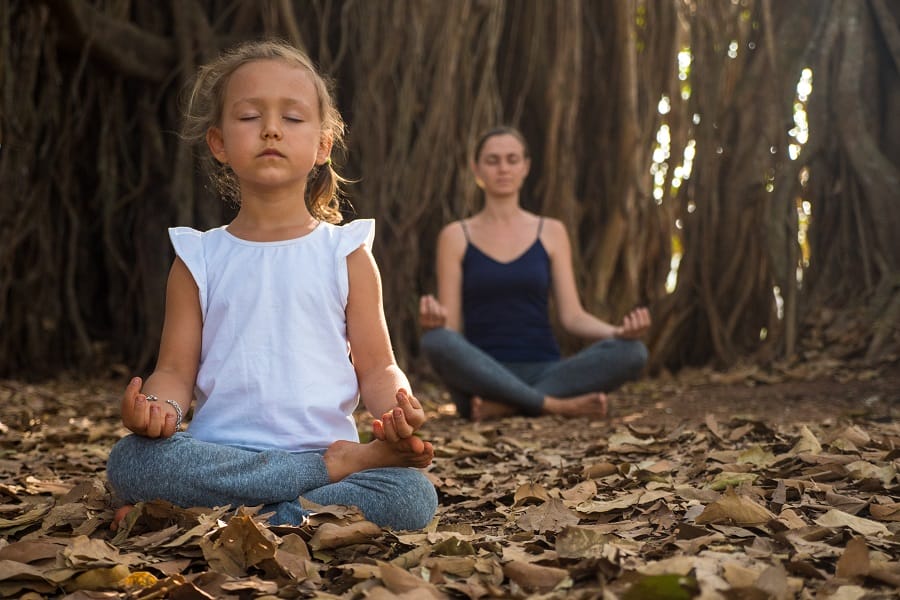 Meditation can significantly reduce anxiety and stress, making it a perfect activity for families. Try guided meditations that are specifically designed for children and adults alike. These sessions can be as short as five minutes and focus on breathing techniques and visualization exercises to calm the mind and promote inner peace.
 Disconnecting from digital devices and spending time in nature can have profound effects on your family’s mental health. Regular walks in a local park or nature reserve can be incredibly relaxing activities, while offering everyone a chance to breathe fresh air and appreciate the beauty of the natural world. Encourage children to notice wildlife, plants, and the changing seasons to enhance their observational skills.
 Dedicate a quiet hour each week for family reading time. This can be when everyone picks a book and reads together quietly in the same room. It’s a relaxing activity that fosters a love for reading and provides a peaceful break from the day’s activities, suitable for family members of all ages.
 Engaging in
  Preparing a meal together can be a calming and rewarding way to end the day. Choose simple recipes that allow for everyone’s participation and turn the cooking process into relaxing activities rather than a daily chore. This not only makes mealtime more special but also teaches children valuable life skills.
 Create a playlist of calming music or natural soundscapes and listen as a family. Music can significantly influence one’s mood and help reduce feelings of stress. You can play music during dinner, while doing crafts, or as part of your bedtime routine.
 Gardening is a peaceful activity that can be enjoyed by the whole family. It’s rewarding to work together to
  Dedicate one evening each week to puzzles or games that encourage problem-solving and teamwork in a relaxed setting. Choose games that are suitable for all ages to ensure everyone can participate and enjoy the fun.
 Incorporating relaxing activities into your family life is essential for mental and emotional well-being. These activities provide opportunities to slow down, enjoy each other’s company, and build stronger familial bonds. By regularly engaging in these mindful moments, your family can enhance its overall happiness and resilience against the stresses of everyday life.
 The dream of a vehicle that could seamlessly transition from land to water captivated the 1960s, leading to the creation of amphibious cars. While the concept was not entirely new, this decade saw designs such as the Amphicar, which debuted in the mid-1960s. Despite the novelty and fun they promised, practical issues such as poor on-road performance and limited water navigation capabilities led to low production numbers. Today, the idea of a car that doubles as a boat remains more a novelty than a practical reality.
 Flying cars were another product of the era’s optimism about modes of transport, with prototypes like the Convair Model 118 ConvAirCar making headlines. This hybrid car-aircraft featured a detachable plane unit and a car base, meant to offer the ultimate flexibility in transportation. However, safety concerns, high costs, and logistical issues regarding air traffic control and infrastructure prevented this concept from taking off. The idea persists in modern times but remains largely impractical.
 The hovertrain, which used air-cushion technology to float above tracks, promised to revolutionize rail travel by reducing friction and allowing for much higher speeds. Prototypes and tests occurred in the 1960s, but the technological and financial challenges were too great to overcome at the time. The concept has since been eclipsed by magnetic levitation trains, which offer a more practical and technically feasible solution.
 In the 1960s, nuclear power was seen as a promising new energy source for everything, including public transportation. The idea of nuclear-powered buses was proposed, fueled by the optimism about atomic energy. However, the obvious safety concerns and practical issues with using radioactive materials in everyday transportation quickly shelved these ideas.
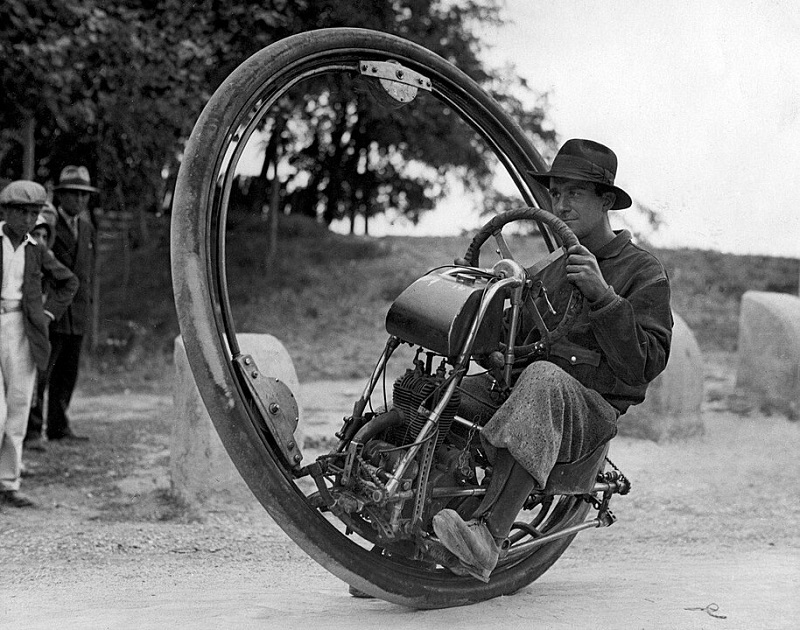 Monowheels, large single-wheel vehicles where the rider sits inside the wheel, were experimented with during the 1960s. These vehicles were more of an eccentricity than a practical mode of transport, suffering from issues with balance, comfort, and safety. The concept never moved beyond novelty and exhibition.
 Gyrocopters, a type of rotorcraft, were developed to offer the benefits of flight without the complexity and cost of airplanes and helicopters. While they did become somewhat popular for recreational use, their commercial and practical application was limited due to their slower speeds, limited range, and vulnerability to bad weather.
 With the exploration of colder regions becoming more popular, the 1960s saw the development of propeller-powered snow vehicles, designed to traverse icy terrains efficiently. While effective in specific contexts, their practical use was too niche, and improvements in traditional snowmobile technologies eventually overshadowed these inventions.
 The 1960s were a decade of dreaming big, leading to some of the most imaginative yet impractical modes of transport ever conceived. These inventions, while mostly relics of the past, remind us of the enduring human desire to push boundaries and innovate. They also caution us to balance creativity with practicality—a lesson as relevant today as it was half a century ago.