
 About Toi Williams
 Creating a sustainable home doesn’t have to be expensive or complicated. In fact, many eco-friendly upgrades are not only affordable but can also save you money in the long run. By making a few strategic improvements, you can significantly lower your energy consumption, conserve water, and reduce waste, all while creating a healthier and more comfortable living environment. Here are 12 practical and budget-friendly home improvement ideas to help you live more sustainably.
1. Install LED Lighting
 Switching to LED lighting is one of the simplest and most cost-effective eco-friendly upgrades you can make. LED bulbs use significantly less energy than traditional incandescent bulbs and last much longer, reducing both your energy bills and the frequency of bulb replacements.
In addition to being energy-efficient, LED bulbs come in a variety of styles and color temperatures, allowing you to create the perfect ambiance for any room. By replacing your existing bulbs with LEDs, you can start saving energy and money immediately.
2. Use Low-Flow Fixtures
 Water conservation is crucial for sustainable living, and installing low-flow fixtures is an effective way to reduce water usage. Low-flow showerheads, faucets, and toilets are designed to use less water without sacrificing performance, helping you conserve water and lower your utility bills.
These fixtures are relatively inexpensive and easy to install, making them an accessible option for any homeowner. By reducing your water consumption, you can make a significant impact on your environmental footprint and contribute to global water conservation efforts.
3. Upgrade to Energy-Efficient Appliances
 Replacing old, inefficient appliances with energy-efficient models can lead to substantial energy savings. Look for appliances with the ENERGY STAR label, which indicates they meet strict energy efficiency guidelines set by the U.S. Environmental Protection Agency.
Energy-efficient appliances not only reduce your energy consumption but also lower your utility bills. From refrigerators and dishwashers to washing machines and dryers, upgrading to more efficient models is a smart investment in both your home and the environment.
4. Add Insulation
 Proper insulation is essential for maintaining a comfortable indoor temperature and reducing energy usage. Adding insulation to your attic, walls, and floors can help keep your home warm in the winter and cool in the summer, reducing the need for heating and cooling.
Insulating your home is a cost-effective way to improve energy efficiency and lower your utility bills. It also helps reduce your carbon footprint by decreasing the energy required to maintain a comfortable indoor climate.
5. Install a Programmable Thermostat
 A programmable thermostat allows you to set your heating and cooling systems to operate only when needed, reducing energy waste and lowering your utility bills. By automatically adjusting the temperature based on your schedule, a programmable thermostat can help you maintain a comfortable home environment more efficiently.
Many programmable thermostats also offer advanced features, such as remote control via smartphone apps and learning capabilities that adapt to your preferences. Installing a programmable thermostat is a straightforward and affordable way to enhance your home’s energy efficiency.
6. Use Recycled and Reclaimed Materials
 Incorporating recycled and reclaimed materials into your home improvement projects is an excellent way to reduce waste and promote sustainability. From reclaimed wood for flooring and furniture to recycled glass countertops, there are numerous options for eco-friendly building materials.
Using recycled and reclaimed materials not only helps the environment but also adds unique character and charm to your home. By choosing sustainable materials, you can create a stylish and environmentally conscious living space.
7. Install Solar Panels
 While solar panels are eco-friendly upgrades that require higher initial investments, they can significantly reduce your energy bills and carbon footprint over time. Solar energy is a clean, renewable resource that can help you generate electricity for your home, reducing your reliance on fossil fuels.
Many states offer incentives and rebates for solar panel installation, making it more affordable for homeowners. By harnessing the power of the sun, you can contribute to a more sustainable future and enjoy long-term energy savings.
8. Plant a Garden
 Growing your own fruits, vegetables, and herbs is a rewarding and sustainable way to enhance your home. A home garden reduces the need for store-bought produce, which often comes with a significant carbon footprint due to transportation and packaging.
Gardening also promotes biodiversity and provides a habitat for beneficial insects and wildlife. Whether you have a large backyard or a small balcony, there are plenty of options for creating a productive and eco-friendly garden.
9. Install Rainwater Harvesting Systems
 Rainwater harvesting systems collect and store rainwater for various household uses, such as watering plants, flushing toilets, and washing clothes. Installing a rain barrel or more advanced rainwater collection system can help you conserve water and reduce your utility bills.
By utilizing rainwater, you can decrease your reliance on municipal water supplies and reduce the environmental impact of water treatment processes. Rainwater harvesting is an effective way to promote sustainability and make the most of natural resources.
10. Use Non-Toxic Paints and Finishes
 Many conventional paints and finishes contain volatile organic compounds (VOCs) that can release harmful chemicals into your home. Opting for non-toxic, low-VOC, or zero-VOC paints and finishes is a healthier and more environmentally friendly choice.
These eco-friendly products are widely available and come in a variety of colors and finishes, allowing you to create a beautiful and safe living environment. By choosing non-toxic paints and finishes, you can improve indoor air quality and reduce your exposure to harmful chemicals.
11. Install Energy-Efficient Windows
 Energy-efficient windows are designed to reduce heat transfer, keeping your home warmer in the winter and cooler in the summer. Eco-friendly upgrades to double- or triple-pane windows with low-emissivity (low-E) coatings can significantly improve your home’s energy efficiency and reduce your heating and cooling costs.
While energy-efficient windows may have a higher upfront cost, the long-term savings on your energy bills make them a worthwhile investment. Additionally, they can enhance your home’s comfort and reduce noise from outside.
12. Implement Smart Home Technology
 Smart home technology can help you monitor and manage your energy usage more effectively. Devices such as smart plugs, smart lighting, and home energy monitors provide real-time data on your energy consumption and allow you to control appliances remotely.
Implementing smart home technology can lead to more efficient energy use and lower utility bills. These devices are often easy to install and can be integrated into your existing home systems, making them an accessible option for promoting sustainability.
Creating a Sustainable Home on a Budget
 Living sustainably doesn’t have to break the bank. By making these affordable eco-friendly upgrades, you can reduce your environmental impact, save money, and create a healthier living space. Each small change contributes to a larger effort towards sustainability, demonstrating that every step counts. Embrace these home improvement ideas to transform your house into an eco-friendly haven, and enjoy the benefits of a greener lifestyle.

 Marriage without children can offer many advantages, such as financial stability and more time for personal pursuits. However, being a DINKS (Dual Income, No Kids) couple also presents unique challenges that can strain a relationship. It is important to understand the distinct difficulties child-free couples face and how to address them. Here are 10 reasons why not having kids might be ruining your marriage, along with insights on how to navigate these issues.
 Having children often provides couples with shared goals and a unified sense of purpose. Without this common focus, DINKS couples might struggle to find mutual objectives, leading to feelings of drifting apart. The absence of shared responsibilities and long-term plans can create a sense of aimlessness.
 While having dual incomes can be advantageous, it can also lead to an overemphasis on careers. This often results in reduced quality time together and diminished emotional connection. When both partners are deeply invested in their professional lives, it can be challenging to prioritize the relationship and start ruining your marriage.
 Without children to bring couples into shared social environments like schools and playgrounds, DINKS couples may find themselves cultivating separate social circles. This can lead to a feeling of disconnection that could be ruining your marriage, as each partner spends more time with their respective friends rather than building a unified social network.
 Without the responsibilities of children, DINKS couples might develop unrealistic expectations of each other and their relationship. The notion that more time and resources should equate to a perfect relationship can lead to disappointment and frustration when conflicts arise.
 Having dual incomes can sometimes lead to disagreements over how money should be spent. Without the financial demands of raising children, couples might struggle with differing priorities, such as spending on luxury items versus saving for the future.
 Child-free couples might experience feelings of loneliness or isolation, particularly if their social circle includes many families with children. This can lead to a sense of being left out or disconnected from peers who are experiencing different life stages.
 Children often provide structure and routine to a household. Without this built-in schedule, DINKS couples might struggle with maintaining a regular routine, leading to disorganization and a lack of stability in the relationship.
 Not having children can sometimes allow personal issues to fester, as there are fewer external pressures to address them. This can lead to unresolved conflicts and lingering resentment, which can ultimately strain the relationship.
 DINKS couples often face societal and familial pressure to have children. This external pressure can create stress and conflict within the relationship, especially if one partner is more affected by these expectations than the other.
 Without the constant demands of parenting, couples might become complacent in their relationship, taking each other for granted and neglecting to invest time and effort into maintaining the connection. This complacency can lead to a lack of intimacy and growing apart.
 While not having children can present unique challenges for DINKS couples, it also offers opportunities for growth and connection. By addressing potential issues that could be ruining your marriage proactively and intentionally, couples can build a strong and fulfilling relationship. Open communication, shared goals, and a commitment to nurturing the partnership are key to ensuring that a child-free marriage thrives. Embrace the freedom and opportunities that come with being DINKS, and use them to create a life that brings joy and fulfillment to both partners.
 Accessories are the finishing touches that can transform an ordinary outfit into something extraordinary. Whether you’re dressing up for a special occasion or adding flair to your everyday look, the right accessories can make all the difference. Learn how to accessorize like a pro and make every outfit shine. Here are nine tips for choosing the perfect accessories to complement your outfits and elevate your style.
 The first step to accessorizing like a pro is to consider the occasion. Different events call for different accessories to complement your outfits. For formal events, opt for elegant and understated pieces, such as diamond studs or a classic pearl necklace. For casual outings, feel free to experiment with bold and trendy accessories, like statement earrings or colorful scarves.
 Choosing accessories that complement the colors of your outfit is crucial for a cohesive look. If you’re wearing a monochromatic outfit, use accessories to add a pop of color. For example, pair a black dress with red heels and a matching clutch. On the other hand, if your outfit is already colorful, opt for neutral accessories to balance the look.
 Statement pieces are bold accessories that draw attention, such as oversized necklaces or large, colorful earrings. While they can make a significant impact, it’s essential to balance them to complement your outfits. If you’re wearing a statement necklace, keep other jewelry minimal to avoid a cluttered look.
 The proportions of your accessories should
  Layering accessories, such as necklaces, bracelets, and rings, can create a rich and personalized look. When layering, mix different lengths and styles to add dimension and interest. For example, pair a choker with a long pendant necklace, or stack thin bangles with a chunky bracelet.
 While mixing metals can create an eclectic look, matching your metals often results in a more polished and cohesive appearance. If your outfit features gold hardware, such as buttons or zippers, choose gold jewelry to tie the look together. Similarly, silver accessories work well with outfits that have silver accents.
 Functional accessories, such as belts, hats, and scarves, not only enhance your style but also serve a practical purpose. A stylish belt can define your waist and add shape to a loose-fitting dress. A chic hat can protect you from the sun while adding a touch of glamour to your outfit.
 Ultimately, the best accessories are those that reflect your personal style and make you feel confident. Whether you prefer classic, trendy, bohemian, or minimalist styles, choose accessories that resonate with you and enhance your individuality.
 Choosing the perfect accessories to complement your outfits is an art that involves understanding the occasion, coordinating colors, balancing proportions, and reflecting your personal style. By following these nine tips, you can accessorize like a pro and elevate your style to new heights. Remember, the right accessories can transform any outfit from ordinary to extraordinary, allowing you to express your individuality and make a lasting impression. So, embrace the power of accessories and let them enhance your wardrobe with flair and confidence.
 Cycling is not just a mode of transportation; it’s a way to explore cities in an eco-friendly and healthy manner. Across the US, there are numerous cities that have embraced bicycling by providing dedicated bike lanes, scenic trails, and bike-sharing programs. Whether you’re a local or a tourist, these bicycle-friendly cities offer the ultimate urban adventure. Here are the top 10 bicycle-friendly cities that every cycling enthusiast should visit.
 Portland is often hailed as one of the most bicycle-friendly cities. With over 350 miles of bikeways, the city has a well-developed cycling infrastructure that caters to both casual riders and serious cyclists. Portland’s commitment to cycling is evident in its extensive network of bike lanes, bike boxes at intersections, and numerous bike racks throughout the city.
 Minneapolis is another top contender for bicycle-friendly cities. The city boasts over 200 miles of dedicated bike lanes and trails, making it easy and safe for cyclists to navigate. The Midtown Greenway, a 5.5-mile-long former railroad corridor, is a popular route that connects several neighborhoods and offers a protected space for cyclists.
 Boulder is renowned for its outdoor lifestyle and commitment to sustainability, making it a haven for cyclists. The city features an extensive network of bike paths, including over 300 miles of bike lanes, routes, and trails. Boulder’s dedication to cycling is further highlighted by its numerous bike-friendly policies and initiatives.
 Davis, often referred to as the “Bicycle Capital of America,” has a long-standing history of promoting cycling. The city boasts over 100 miles of bike lanes and paths, making it incredibly easy to get around on two wheels. Davis was also one of the first cities in the U.S.A. to implement bike lanes and bike-specific traffic signals.
 San Francisco’s unique topography and iconic landmarks make it an exciting destination for cyclists. The city has invested heavily in cycling infrastructure, with over 200 miles of bike lanes and routes. Despite its hilly terrain, San Francisco offers several flat and scenic routes, such as the Embarcadero and Golden Gate Park.
 Seattle has made significant strides in becoming a bicycle-friendly city, with over 180 miles of bike lanes and trails. The Burke-Gilman Trail, a 27-mile multi-use trail, is one of the city’s most popular routes, offering a scenic ride through parks, waterfronts, and urban areas.
 Austin’s vibrant culture and scenic landscapes make it a fantastic city for cycling. The city offers over 50 miles of urban trails, including the Ann and Roy Butler Hike-and-Bike Trail, a 10-mile loop around Lady Bird Lake that provides stunning views of the skyline and waterfront.
 Chicago’s flat terrain and extensive bike network make it an ideal city for cyclists. The city offers over 200 miles of bike lanes, including the Lakefront Trail, an 18-mile path along Lake Michigan that provides breathtaking views of the skyline and waterfront.
 Washington, D.C. is not only the nation’s capital but also a fantastic city for cycling. The city offers over 80 miles of bike lanes and trails, including the Capital Crescent Trail, an 11-mile path that connects Georgetown with the Maryland suburbs.
 New York City’s bustling streets and iconic landmarks make it an exciting destination for cyclists. The city offers over 1,200 miles of bike lanes, including the Hudson River Greenway, a 13-mile path along the west side of Manhattan that provides stunning views of the river and skyline.
 These top 10 bicycle-friendly cities offer diverse and exciting opportunities for cycling enthusiasts. Whether you’re seeking scenic trails, dedicated bike lanes, or vibrant cycling communities, these cities provide the perfect setting for an ultimate urban adventure. Embracing cycling not only promotes a healthy and eco-friendly lifestyle but also allows you to experience these cities in a unique and immersive way. So, grab your bike and start exploring the urban jungle on two wheels!
 Managing credit card debt can be challenging, but a balance transfer might offer a practical solution. By transferring your credit card balance to a new card with a lower interest rate, you can save money on interest and pay off your debt faster. However, it’s crucial to understand the process and timing to make the most of this financial strategy. Here are the basics of when and how to transfer credit card balances.
 A balance transfer involves moving the outstanding balance from one or more credit cards to another card, usually one with a lower interest rate. This can help you consolidate your debt and reduce the amount you pay in interest. Many credit card companies offer promotional balance transfer rates, often as low as 0% for a certain period.
 Considering a balance transfer can be beneficial under specific circumstances. If you have high-interest credit card debt and are struggling to make significant progress on the principal amount, transferring the balance to a card with a lower interest rate can save you money. It’s particularly effective if you can pay off the transferred balance during the promotional period.
 Not all balance transfer offers are created equal. To find the best deal, compare several offers based on their interest rates, promotional periods, and fees. Look for cards with the longest 0% interest period and the lowest balance transfer fees. Reading the fine print is crucial to understand all terms and conditions.
 Before initiating a balance transfer, take a few preparatory steps to ensure a smooth process. First,
  Once you’ve chosen the best balance transfer offer and prepared your information, you can initiate the transfer. This can typically be done online, over the phone, or by mail. You’ll need to provide details about the credit card accounts you’re transferring balances from, including account numbers and the amount to be transferred.
 After the balance transfer is complete, it’s essential to manage your new balance effectively. Create a repayment plan to pay off the balance within the promotional period to take full advantage of the low or zero interest rate. Make consistent, on-time payments to avoid late fees and penalties, which could void the promotional rate.
 While balance transfers can be a powerful tool for managing debt, they also come with potential pitfalls. One common mistake is failing to pay off the balance before the promotional period ends, resulting in high-interest charges on the remaining balance. Additionally, making late payments can void the promotional rate and trigger penalty interest rates.
 A balance transfer can impact your credit score in several ways. Initially, applying for a new credit card may result in a slight dip in your score due to the hard inquiry. However, if the transfer helps you pay down debt more effectively, it can improve your credit utilization ratio and boost your score over time.
 Successfully managing to transfer credit card balances can have significant long-term financial benefits. By reducing the amount you pay in interest, you can pay off your debt faster and save money. This can free up funds for other financial goals, such as saving for a down payment on a house, investing in retirement, or building an emergency fund.
 While balance transfers can be beneficial, they aren’t suitable for everyone. If you have a small amount of debt that you can pay off quickly without transferring, it may be better to avoid the fees and potential risks. Additionally, if you have poor credit, you may not qualify for the best offers, making a balance transfer less advantageous.
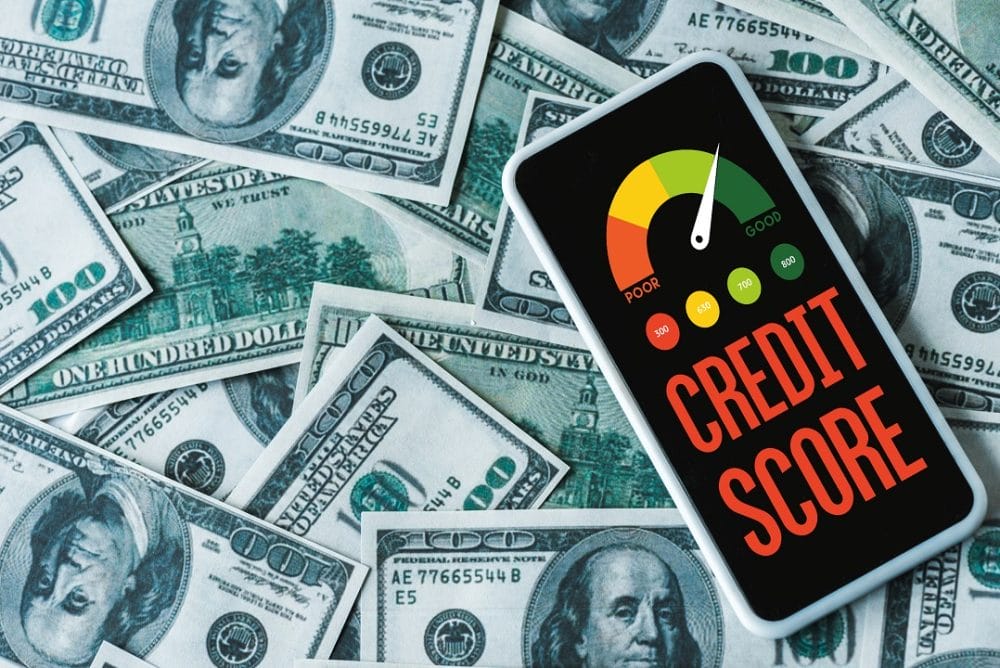 Understanding when and how to transfer credit card balances can be a powerful tool in managing debt and improving your financial health. By carefully evaluating balance transfer offers, preparing for the transfer, and managing your new balance responsibly, you can take control of your finances and work towards a debt-free future. However, it’s crucial to recognize when a balance transfer isn’t the right solution and to avoid potential pitfalls. With a strategic approach, you can make smart financial moves that lead to long-term success and stability.
 In recent years, an increasing number of couples have decided to embrace a life without children. While previous generations often viewed parenthood as a natural and expected part of adulthood, modern couples are reconsidering this traditional path. There are numerous reasons why couples might choose not to have children, from personal freedom to environmental concerns. Here are ten compelling reasons why more and more couples are opting for a child-free life.
 One of the most significant reasons couples choose a life without children is the desire for personal freedom. Without the responsibilities of raising children, couples have more time and flexibility to pursue their interests, hobbies, and career goals. They can travel spontaneously, engage in social activities, and invest in their personal growth without the constraints that come with parenting.
 Raising children can be incredibly expensive, from the cost of childcare and education to healthcare and extracurricular activities. Many couples choose a life without children to avoid these financial burdens, allowing them to allocate their resources towards other priorities, such as home ownership, travel, and retirement savings.
 For many couples, professional ambitions and career growth are major priorities. Having children can often require significant time and energy, which can impact career progression and opportunities. Choosing not to have children allows couples to dedicate themselves fully to their professional goals without the interruptions and demands of parenting.
 Environmental sustainability is a growing concern for many people, and some couples choose not to have children as a way to reduce their carbon footprint. Raising a child can significantly increase an individual’s environmental impact, from resource consumption to waste production.
 Some couples opt for a life without children due to health considerations. This can include concerns about genetic conditions, chronic illnesses, or the physical and
  Many couples simply find contentment in their current lifestyle and do not feel the need to change it by having children. They may enjoy their routines, social life, and the dynamic of their relationship as it is. Adding children to the mix can drastically alter this balance, leading to a significant lifestyle change.
 Some couples believe that not having children allows them to focus more on their relationship and maintain a strong bond. Parenting can be demanding and time-consuming, sometimes leading to strain and conflict within a relationship. Without children, couples can dedicate more time and energy to each other, fostering a closer and more intimate connection.
 Societal attitudes towards family and parenthood have evolved, with increasing acceptance of diverse family structures and lifestyles. Couples who choose not to have children often find more support and understanding in today’s social climate than in previous generations. This cultural shift makes it easier for people to make choices that align with their personal values without facing significant social pressure.
 Concerns about
  Ultimately, the decision to have or not have children comes down to personal desire. Some people simply do not have the inclination or interest in becoming parents. They may feel that parenthood does not align with their personal goals, values, or lifestyle.
 Choosing a life without children is a deeply personal decision influenced by various factors, from financial considerations to personal freedom and environmental concerns. For many couples, this choice allows them to live more fulfilling and authentic lives, aligned with their values and aspirations. As societal attitudes continue to evolve, the acceptance of diverse lifestyles, including child-free living, grows. By understanding and respecting these choices, we can foster a more inclusive and supportive environment for everyone, regardless of their family structure.

 Classic literature is a treasure trove of rich vocabulary and eloquent expressions. Unfortunately, many of the words used by great authors of the past have fallen out of common use. However, these words still possess a charm and precision that can greatly enhance our modern language. Rediscovering these words can bring new life to our conversations and writing. Here are 11 words from classic literature that we need to use more.
 Originating from Miguel de Cervantes’ “Don Quixote,” the word “quixotic” describes someone who is exceedingly idealistic, unrealistic, and impractical in the pursuit of their goals. This term perfectly encapsulates the spirit of Don Quixote, who embarked on whimsical adventures driven by his noble but misguided ideals. Using “quixotic” in modern language can beautifully describe those who chase lofty dreams with unyielding passion, regardless of practicality. It reminds us of the value of dreaming big, even if the path is fraught with challenges.
 “Susurrus” is a poetic word used to describe a whispering or rustling sound, often found in nature. This word, which appears in works like James Joyce’s “Ulysses,” evokes the gentle and soothing sounds of the natural world, such as the rustling of leaves or the murmur of a stream. Incorporating “susurrus” into everyday language can add a lyrical quality to descriptions of quiet, peaceful moments. It’s one of the best words from classic literature to use when you want to capture the serene and delicate sounds that often go unnoticed.
 Shakespeare often employed “mellifluous” to describe something sweet or musical to hear, literally meaning “flowing with honey.” This word perfectly captures the essence of beautifully harmonious sounds, such as a melodious voice or an enchanting piece of music. Bringing “mellifluous” back into common use allows us to more vividly describe pleasing auditory experiences with words from classic literature. It adds a layer of richness to our language, making our descriptions of sounds more evocative and delightful.
 The word “ubiquitous,” used frequently in classic literature, means present, appearing, or found everywhere. It is a succinct and precise way to describe something that is widespread or pervasive. Using “ubiquitous” in modern speech can help articulate the omnipresence of things in a sophisticated manner. Whether talking about technology, trends, or cultural phenomena, this word provides a clear and elegant way to convey widespread occurrence.
 “Luminous” describes something that emits light or is bright and shining. It’s one of the words from classic literature used to describe both literal and metaphorical light, bringing a sense of clarity and brilliance to the text. Authors like
  “Ephemeral” refers to something that is short-lived or transient. This word is often found in poetry and prose to highlight the fleeting nature of beauty, time, and experiences. It’s a poignant reminder of the impermanence of life. Using “ephemeral” in modern contexts can bring a touch of poetic reflection to our discussions about the temporary nature of events and emotions. It encourages us to appreciate the transient moments that make life unique and precious.
 “Eloquent” means having or showing the ability to use language clearly and effectively. Classic literature is replete with eloquent speeches and passages that move readers and listeners alike. Authors like
  “Serendipity” refers to the occurrence of events by chance in a happy or beneficial way. This delightful word has its roots in literature, coined by
  “Ethereal” is used to describe something extremely delicate and light in a way that seems too perfect for this world. It’s often used in literature to depict the beauty of the heavens, the fleeting nature of dreams, or the delicate qualities of a person or object. Incorporating “ethereal” into everyday language can add a sense of otherworldly beauty to our descriptions. It’s a word that captures the sublime and the transcendent, making our expressions more vivid and enchanting.
 “Sanguine” describes someone who is optimistic or positive, especially in an apparently bad or difficult situation. It also historically refers to a ruddy complexion, indicating health and vitality. Classic authors like
  “Equanimity” refers to mental calmness, composure, and evenness of temper, especially in a difficult situation. This word appears in works of classic literature to describe characters who maintain their cool under pressure, demonstrating inner strength and balance. In modern usage, “equanimity” can help us articulate the importance of staying calm and composed. It’s a valuable concept in today’s fast-paced world, reminding us of the power of maintaining balance and serenity amidst chaos.
 Reviving words from classic literature enriches our language and deepens our appreciation for the nuances of expression. These words, filled with history and elegance, can bring a new dimension to our conversations and writings. By incorporating them into our daily vocabulary, we not only preserve the beauty of our literary heritage but also enhance the way we communicate and connect with others. Let’s embrace these timeless words and keep the legacy of classic literature alive in our modern lives.
 Traveling is not just about visiting new places but also about experiencing new cultures through their food. Foodie destinations offer unique culinary experiences that can be the highlight of any trip. From street food to gourmet dining, exploring these locales can provide a deeper connection to the region’s culture and traditions. Here are ten must-visit foodie destinations around the globe that will tantalize your taste buds and leave you craving for more.
 Tokyo is a paradise for food lovers, boasting many Michelin-starred restaurants. However, it’s not just the high-end dining that makes Tokyo one of the best foodie destinations. The city’s street food scene is equally vibrant, offering delights like takoyaki (octopus balls), yakitori (grilled chicken skewers), and taiyaki (fish-shaped pastry filled with sweet red bean paste). It also has one of the largest seafood markets in the world, a must-visit for the freshest sushi and sashimi.
 Paris is synonymous with gourmet cuisine and offers a rich tapestry of flavors that reflect its culinary heritage. From the buttery croissants and pastries at local patisseries to the sophisticated dishes served in Michelin-starred restaurants, Parisian cuisine is a feast for the senses. Iconic dishes like coq au vin, escargots, and duck confit can be savored in charming bistros scattered across the city.
 Bangkok’s food scene is a vibrant mix of flavors, spices, and textures. The city’s street food is legendary, with stalls offering dishes like pad thai, som tam (papaya salad), and mango sticky rice. Exploring different areas will immerse you in a culinary adventure where each bite tells a story of Thailand’s rich cultural heritage.
 Barcelona is a haven for those who love tapas, fresh seafood, and Catalan cuisine. The city’s markets are filled with vibrant displays of fresh produce, meats, and seafood. Tapas bars offer small plates bursting with flavor, perfect for sharing and sampling a variety of dishes.
 Istanbul’s culinary scene is a rich fusion of Middle Eastern and Mediterranean influences. The city’s bustling markets offer a sensory overload of spices, sweets, and savory treats. Street food favorites like simit (a sesame-crusted bread), doner kebab, and kumpir (stuffed baked potato) are readily available and incredibly delicious.
 New York City is a melting pot of cultures, and its food scene reflects this diversity. From the classic New York-style pizza and bagels to gourmet food trucks and upscale restaurants, there’s something for every palate. Different neighborhoods offer unique culinary experiences that showcase the city’s multicultural heritage.
 Mexico City is a culinary capital known for its rich flavors and diverse food offerings. Street food is a major highlight, with vendors serving tacos, tamales, and elotes (grilled corn). The city’s markets are filled with fresh produce, meats, and regional specialties.
 Rome offers a culinary journey through Italy’s rich gastronomic heritage. Classic dishes like carbonara, cacio e pepe, and supplì (rice balls) can be enjoyed in traditional trattorias scattered throughout the city. Local markets offer fresh ingredients and artisanal products that highlight the region’s agricultural bounty.
 Marrakesh is a feast for the senses, with its aromatic spices and vibrant flavors. The city’s bustling souks are filled with vendors selling tagines, couscous, and an array of street foods like msemen (Moroccan pancakes) and grilled meats. The Jemaa el-Fnaa square comes alive at night with food stalls offering traditional Moroccan dishes.
 Lima is renowned for its culinary innovation and diverse food scene.
  Embarking on a culinary expedition allows you to explore the world through its flavors. Each of these foodie destinations offers unique dishes and dining experiences that reflect their cultural heritage and culinary innovation. By visiting these places, you not only satisfy your taste buds but also gain a deeper appreciation for the traditions and creativity that define global cuisine. So pack your bags, bring your appetite, and get ready to savor the world’s best food.
 Saving money is a fundamental financial practice. Unfortunately, many people hold misconceptions that can hinder their efforts and cost them in the long run. Whether you’re a seasoned saver or just starting out, understanding the truth behind these myths is crucial for building a solid financial foundation. This article explores ten common misconceptions about saving money and provides insights to help you avoid these costly pitfalls.
 One of the most prevalent misconceptions about saving money is that saving is only possible when you have a high income. However, the habit of saving is more important than the amount saved. It’s essential to develop a saving habit early on, even if you can only save a small amount each month. Even small contributions can grow over time thanks to the power of compound interest. This practice not only helps in accumulating wealth but also instills financial discipline and planning, which are crucial for long-term financial health.
 Many people think that saving money requires extreme frugality and cutting out all luxuries. This misconception can make the idea of saving feel burdensome and unappealing. While reducing unnecessary expenses is part of the process, saving should also be about making smart financial decisions and prioritizing spending. Focus on tracking your spending, identifying areas where you can cut back without sacrificing your quality of life, and reallocating those funds into savings. Balancing your budget to include both savings and reasonable enjoyment can lead to a more sustainable financial plan.
 Building an emergency fund should be a top financial priority. Relying on credit can be risky and expensive due to high-interest rates and potential debt accumulation. An emergency fund, ideally covering three to six months of living expenses, provides a financial cushion that can prevent debt and stress during unforeseen circumstances like job loss or medical emergencies. Starting with small, regular contributions can help you gradually
  While saving for significant purchases like a house, car, or college tuition are important savings goals, everyday saving habits are just as crucial. Regularly setting aside money for smaller, predictable expenses—such as holiday gifts, or vacations—can prevent financial strain and the need for high-interest credit. By planning for both large and small expenses, you can maintain better control over your finances. Establishing separate savings accounts for different goals can help keep your savings organized and ensure you’re prepared for all types of expenditures.
 Delaying retirement savings can mean needing to save much larger amounts later in life to catch up. Starting early allows your investments to grow significantly over time, even with smaller contributions. The earlier you start saving for retirement, the more you can benefit from compound interest. Take advantage of
  While starting to save for retirement early is advantageous, it’s never too late to begin. Older savers can benefit from catch-up contributions available in some retirement plans and should focus on maximizing their savings efforts. Any amount saved can improve your financial situation and provide a safety net for unexpected expenses or enhance your retirement savings. Consulting with a financial advisor can help tailor a savings strategy to your specific situation, ensuring you make the most of the time you have left to save.
 Another of the most common misconceptions about saving money is that all debt is detrimental. While high-interest debt like credit cards can be harmful, low-interest debt used wisely, such as mortgages or student loans, can be beneficial investments in your future. The key is to differentiate between good and bad debt and manage it effectively. Paying off high-interest debt should be a priority, but not at the expense of saving for the future. A balanced approach can help you build wealth and reduce financial stress.
 While saving is essential for short-term goals and emergency funds, investing is crucial for long-term wealth accumulation. Savings accounts offer lower returns but provide liquidity and safety, whereas investments carry higher risks but can yield greater returns over time. A well-rounded financial plan should include both savings and investments. Understanding the differences and allocating funds appropriately can help you achieve short-term security and long-term growth.
 While it’s important to address debt, especially high-interest debt, completely neglecting savings can be risky. Emergencies can occur, leading to additional debt if no savings are available. Striking a balance by simultaneously paying down debt and building an emergency fund or savings account is often the best approach. This dual strategy ensures you’re reducing your debt load while also preparing for unexpected expenses.
 The idea that eliminating small daily luxuries, like your morning coffee, will lead to significant savings is a common misconception. While cutting back on these expenses can help, it’s more impactful to focus on larger expenses and overall budgeting. Creating a comprehensive budget that addresses both small and large expenses can provide a clearer picture of your financial health. Prioritizing significant savings opportunities while allowing room for occasional small luxuries can lead to a balanced and sustainable financial plan.
 Understanding and debunking these common misconceptions about saving money is crucial for achieving financial success. Unfortunately, many people started believing these misconceptions at the beginning of their financial journey and still hold on to them today. By adopting a realistic and informed approach to saving, you can build a solid financial foundation and avoid costly mistakes. Embrace these insights to enhance your saving strategies and secure a prosperous future.