Teri Monroe started her career in communications working for local government and nonprofits. Today, she is a freelance finance and lifestyle writer and small business owner. In her spare time, she loves golfing with her husband, taking her dog Milo on long walks, and playing pickleball with friends.
When we think of dangerous animals, our minds often jump to creatures that have been vilified by media, myths, and misunderstandings. However, many of these animals are not only harmless but also play crucial roles in their ecosystems. Let’s take a closer look at 13 misunderstood animals that deserve a second chance.
1. Bats
Bats are often associated with horror stories and Halloween, leading to a widespread fear of these nocturnal creatures. In reality, most bats are harmless and play essential roles in our ecosystem. They are incredible pollinators and are vital for controlling insect populations. In fact, a single bat can eat up to 1,000 mosquitoes in an hour, making them natural pest controllers.
2. Sharks
Sharks have long been portrayed as menacing predators in movies and media, contributing to an irrational fear of the ocean’s top predators. Despite their fierce reputation, shark attacks on humans are extremely rare. Most shark species are not interested in humans and prefer to feed on fish and marine mammals. They are crucial for maintaining the balance of marine ecosystems, preventing the overpopulation of certain species.
3. Spiders
For many, spiders are the stuff of nightmares, often met with a swift shoe or a rolled-up newspaper. However, most spiders are harmless to humans and are beneficial in controlling insect populations. Common house spiders, for example, help keep your home free of pests like flies and mosquitoes. Only a small percentage of spider species are venomous, and even fewer pose any real threat to humans.
4. Manta Rays
Manta rays are often feared due to their size and the association with their smaller, more dangerous relatives, the stingrays. However, manta rays are gentle giants that pose no threat to humans. They are filter feeders, consuming plankton and small fish by swimming with their mouths open. Manta rays are also known for their intelligence and playful behavior, often interacting with divers in a curious and gentle manner.
5. Wolves
Wolves are often depicted as dangerous predators, leading to their persecution and near extinction in many regions. This fear stems from ancient folklore and modern media portrayals that emphasize their ferocity and predatory nature. However, in reality, wolves are shy animals that generally avoid human contact whenever possible. Their social structure and pack dynamics make them fascinating creatures, often displaying strong family bonds and cooperative behaviors.
6. Jellyfish
Jellyfish are frequently seen as dangerous creatures due to their sting, which can be painful and, in rare cases, fatal. However, most jellyfish species have stings that are harmless to humans. They play a significant role in marine food webs, serving as food for a variety of animals, including sea turtles. Their presence is also an indicator of ocean health.
7. Bees
Bees are often feared for their sting, but these small insects are vital to our survival. These animals are responsible for pollinating a vast number of crops and wild plants, making them crucial for food production and biodiversity. Most bees are non-aggressive and will only sting in self-defense. The benefits they provide far outweigh the risk of a sting.
8. Vultures
Vultures are commonly associated with death and decay, earning them an undeserved bad reputation. However, these scavengers play a crucial role in ecosystems by cleaning up carcasses and preventing the spread of disease. They have highly acidic stomachs that can neutralize harmful pathogens found in dead animals. Vultures are nature’s clean-up crew, keeping our environments healthier.
9. Octopuses
Octopuses often inspire fear due to their unusual appearance and association with sea monsters in mythology. These intelligent cephalopods are shy and generally avoid humans. They have complex behaviors and are capable of problem-solving and even using tools. Octopuses are important for marine ecosystems, as they are both predators and prey, helping to maintain ecological balance.
10. Opossums
Opossums are frequently viewed as dirty, aggressive pests, but they are actually gentle and beneficial animals. They help control tick populations, reducing the spread of Lyme disease. Opossums are also scavengers, cleaning up dead animals and overripe fruit, thus contributing to a healthier environment. They are non-aggressive and rarely contract rabies, contrary to popular belief.
11. Hyenas
Hyenas are often portrayed as cowardly scavengers in movies and folklore, leading to their undeserved negative reputation. In reality, hyenas are skilled and efficient hunters, with some species, like the spotted hyena, hunting more effectively than lions. They have a complex social structure and are known for their intelligence, problem-solving abilities, and strong familial bonds. By both hunting and scavenging, hyenas play a vital role in their ecosystems, controlling animal populations and recycling nutrients back into the environment, which helps maintain ecological balance.
12. Piranhas
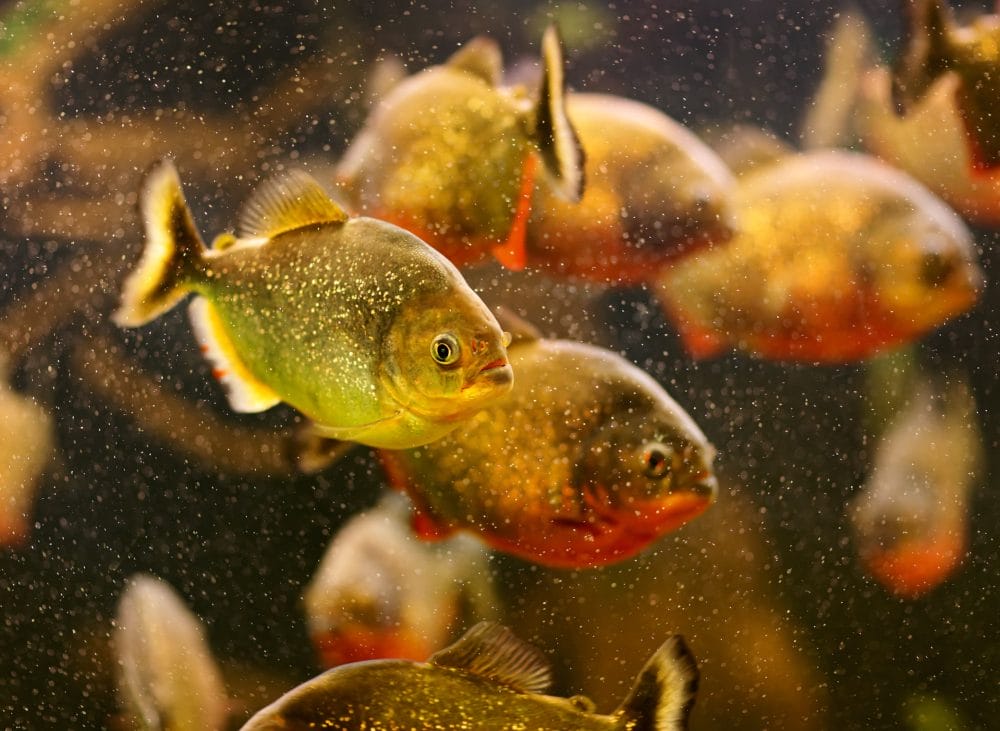
Piranhas are infamous for their supposed ferocity and tendency to attack humans, as depicted in many horror films. However, most piranha species are harmless and primarily feed on fish, fruits, and insects. Attacks on humans are extremely rare and usually occur only when the fish are stressed or food is scarce. Piranhas are important for maintaining the balance in freshwater ecosystems.
13. Rats
Rats have a long history of being associated with filth and disease, but they are also intelligent and social animals. These clever misunderstood animals are capable of learning complex tasks, recognizing their names, and even showing empathy towards other rats. While it’s true that wild rats can carry diseases, domesticated rats are clean and can make excellent pets, known for their affectionate and playful nature. Moreover, rats play crucial roles in scientific research, helping to advance our understanding of various medical conditions and treatments, benefiting human health significantly.
Educating Ourselves about Misunderstood Animals
Many animals that we fear or misunderstand are, in fact, harmless and play essential roles in our ecosystems. By educating ourselves and dispelling myths, we can learn to appreciate these creatures for their contributions to biodiversity and environmental health. Next time you encounter one of these misunderstood animals, remember their importance and give them the respect they deserve.
History is filled with fascinating events and peculiar occurrences that often get overlooked in traditional education. While textbooks cover the major wars, political shifts, and influential figures, they often miss out on the quirky, bizarre, and downright unbelievable moments that add color to our past. Here are twelve bizarre historical facts that schools rarely teach, but are sure to captivate your curiosity.
1. The Great Emu War: Australia’s Avian Adversaries
In 1932, Australia found itself at war with an unusual enemy: emus. According to Britannica, after World War I, returning Australian soldiers were given land to farm. However, they soon faced a new challenge when thousands of emus began migrating inland, trampling crops. The government deployed soldiers armed with machine guns to combat the birds, but the emus proved surprisingly resilient and agile. The “war” ended in a laughable defeat for the humans, illustrating how even modern armies can be thwarted by nature.
2. Napoleon’s Bizarre Rabbit Hunt
Napoleon Bonaparte, one of history’s greatest military minds, met his match with a rather unexpected opponent: rabbits. According to Ripley’s Believe It or Not, in 1807, after signing the Treaties of Tilsit, Napoleon organized a rabbit hunt to celebrate. His chief of staff gathered thousands of rabbits, but when released, the rabbits charged toward Napoleon and his men, mistaking them for handlers with food. The chaotic and comical event saw the Emperor of the French fleeing from a horde of rabbits, proving that even great leaders can be humbled by nature’s quirks.
3. The Dancing Plague of 1518
One of the most peculiar epidemics in history occurred in Strasbourg, France, in 1518, when hundreds of people began dancing uncontrollably in the streets. This event, known as the Dancing Plague, saw participants continue to dance for days, some even dying from heart attacks, strokes, or exhaustion. According to the British Psychological Society, the cause of this bizarre phenomenon remains a mystery, though theories range from mass hysteria to ergot poisoning from contaminated bread. This inexplicable event highlights how little we sometimes understand about the human mind and collective behavior.
4. The Exploding Whale of Oregon
In November 1970, a dead sperm whale washed ashore in Florence, Oregon. The local authorities decided to dispose of the 8-ton carcass using dynamite, hoping to blast it into pieces that scavengers could clean up. However, the explosion sent large chunks of whale blubber flying in all directions, damaging cars and buildings. This ill-fated attempt at problem-solving has since become a legendary tale of miscalculation and unintended consequences.
5. The Great Molasses Flood of 1919
Boston’s North End neighborhood experienced a sticky and deadly disaster in January 1919 when a massive storage tank filled with molasses burst, sending a 25-foot wave of the sweet substance through the streets. The flood killed 21 people, injured 150, and caused significant property damage. The event, known as the Great Molasses Flood, was attributed to poor construction and inadequate safety standards. This bizarre and tragic event is a reminder of the unexpected dangers lurking in everyday life.
6. Cleopatra’s Tomb
Cleopatra’s tomb remains one of history’s greatest unsolved mysteries. Despite numerous archaeological expeditions and extensive research, the final resting place of Egypt’s last queen continues to elude discovery. Theories abound, suggesting various possible locations, from the temple of Taposiris Magna to hidden chambers beneath the sands of Alexandria. The intrigue surrounding her undiscovered tomb fuels ongoing fascination and speculation, as historians and archaeologists hope to one day uncover this elusive piece of ancient history. Until then, Cleopatra’s burial site remains a tantalizing enigma, shrouded in the mysteries of the past.
7. The Brief Reign of Emperor Norton I
San Francisco has a unique history, and part of its charm lies in the eccentric figure of Joshua Norton. In 1859, Norton declared himself “Norton I, Emperor of the United States and Protector of Mexico.” Although he had no political power, he was beloved by the city’s residents, who humored his decrees and even minted currency in his name. Norton’s self-proclaimed reign lasted until his death in 1880, and his funeral was attended by thousands, illustrating the city’s fondness for its peculiar “emperor.”
8. The War of the Oaken Bucket
In the 14th century, a conflict between the Italian city-states of Bologna and Modena culminated in the War of the Oaken Bucket. The feud began when Modenese soldiers stole a bucket from a Bolognese well, an act seen as a grave insult. The ensuing battle resulted in a Modenese victory, and they kept the bucket as a trophy. Today, the bucket is still displayed in Modena, serving as a quirky reminder of the bizarre reasons behind some historical conflicts.
9. The Great Stink of 1858
London’s River Thames, heavily polluted with sewage, became unbearable during the summer of 1858. The intense heat caused the river’s foul odor to permeate the city, leading to what became known as the Great Stink. The stench was so overpowering that it disrupted Parliament and led to the development of London’s modern sewer system. This event underscores the sometimes drastic measures necessary to address public health crises and urban planning.
10. The Night Witches of World War II
During World War II, the Soviet Union deployed an all-female regiment of night bombers known as the Night Witches. Flying outdated biplanes, these brave women would cut their engines and glide silently over German positions, dropping bombs before restarting their engines to escape. The Germans were so terrified of these stealthy attacks that they believed the women had supernatural abilities. The Night Witches’ courage and ingenuity earned them a place in history as some of the war’s most formidable pilots.
11. The Phoney War
At the onset of World War II, after Germany invaded Poland in 1939, there was an eight-month period of inactivity on the Western Front known as the Phoney War. Despite the declaration of war, both sides remained largely inactive, leading to a bizarre lull in hostilities. This period ended abruptly with the German invasion of France in 1940. The Phoney War highlights the unpredictable nature of wartime strategy and the calm before the storm in global conflicts.
12. The Great Cat Massacre of the French Revolution
During the French Revolution, an odd event known as the Great Cat Massacre took place. Apprentice printers, frustrated with their working conditions, decided to take out their anger on the local cat population, seen as a symbol of their masters’ indulgence. The massacre, though cruel and bizarre, was a form of protest and highlighted the deep social and economic inequalities of the time. This gruesome episode provides a darkly humorous glimpse into the everyday struggles of common people during a tumultuous period in history.
Unveiling the Quirks of History
These twelve bizarre historical facts offer a fascinating look at the eccentricities and unexpected events that have shaped our world. They remind us that history is not just a series of dates and names but a tapestry of human experiences, some of which are so strange that they seem almost unbelievable. By exploring these lesser-known stories, we gain a richer and more nuanced understanding of the past, and perhaps a deeper appreciation for the complexity of human nature. So next time you think history is dull, remember these peculiar tales and let your curiosity lead you to uncover even more hidden gems from our shared past.
In today’s digital age, smartphones have become an integral part of our daily lives. While these devices offer unparalleled convenience and connectivity, they also have the potential to exert a significant influence on our behaviors and habits. From constant notifications to compulsive scrolling, here are 18 subtle signs that your smartphone may be taking over your life.
1. Pavlovian Response to Notifications
When the mere sound or vibration of a notification prompts an immediate reflex to reach for your smartphone, you might be experiencing a Pavlovian response. This automatic reaction, akin to Pavlov’s dogs salivating at the sound of a bell, indicates a deep-seated association between notifications and the reward of social interaction or information. Over time, this conditioning can lead to compulsive smartphone checking, even in inappropriate or dangerous situations. Recognizing and managing this behavior is essential to maintain a healthy balance between digital connectivity and real-world engagement.
2. Checking Your Phone First Thing in the Morning
If the first thing you do upon waking up is reach for your smartphone instead of focusing on your own well-being or planning your day, it might be a sign that your smartphone is taking over your life. This habit can disrupt your morning routine, affecting your ability to start the day with intention and clarity. Constantly checking your phone in the morning can also contribute to feelings of stress and anxiety as you immediately immerse yourself in the digital world before attending to your own needs. Taking steps to establish boundaries and prioritize personal time in the morning can help regain control over your smartphone usage and promote a healthier start to your day.
3. Difficulty Disconnecting
Feeling anxious or uneasy at the thought of being separated from your smartphone, even for short periods, is a clear red flag. Difficulty disconnecting from your device can lead to an inability to fully engage in offline activities or enjoy moments of solitude. Constantly checking your phone, even in social settings or during important tasks, can hinder meaningful interactions and productivity. Recognizing the impact of this dependency and actively setting boundaries around smartphone use is crucial for reclaiming balance and fostering healthier relationships with technology and with oneself.
4. Constantly Scrolling Through Social Media
If you find yourself mindlessly scrolling through social media feeds for hours on end, it’s a clear indication that you don’t have a healthy relationship with your smartphone. This behavior can consume valuable time and attention, detracting from real-world experiences and relationships. Constantly seeking validation or comparison through social media can also negatively impact self-esteem and mental well-being. Taking proactive steps to limit screen time, engage in meaningful offline activities, and cultivate genuine connections can help regain autonomy and establish a healthier relationship with your smartphone.
5. Ignoring Real-Life Interactions
When your smartphone consistently takes precedence over real-life interactions, such as conversations with friends or family, it’s a clear warning sign. Constantly checking your phone or responding to notifications during face-to-face conversations can signal a lack of presence and attentiveness. This behavior not only undermines the quality of your relationships but also fosters feelings of disconnection and isolation. Recognizing the importance of genuine human connection and actively prioritizing real-life interactions over digital distractions is essential for reclaiming control and fostering meaningful relationships.
6. Sleep Disturbances
Experiencing sleep disturbances, such as difficulty falling asleep or staying asleep, due to smartphone use is a significant sign that it’s taking over your life. The blue light emitted by screens can disrupt your body’s natural sleep-wake cycle, leading to insomnia or poor sleep quality. Constantly checking your phone before bedtime can also heighten stress levels and increase cognitive arousal, making it harder to unwind and relax. Establishing a digital curfew and implementing bedtime routines that prioritize relaxation and screen-free activities can help mitigate the negative impact of smartphones on sleep patterns and overall well-being.
7. Frequent Interruptions
Frequent interruptions, such as constantly pausing conversations or activities to check your smartphone, could be a subtle sign that you need to take a break from using your phone. These interruptions can disrupt productivity, concentration, and the flow of meaningful interactions. Over time, this behavior can lead to frustration from both yourself and those around you, as it undermines the quality of communication and engagement in real-life situations. Recognizing the need to set boundaries and allocate dedicated time for smartphone use can help regain control over these interruptions and foster more balanced and fulfilling interactions.
8. Decreased Productivity
Experiencing a noticeable decline in productivity, whether at work, school or in daily tasks, could signify that your smartphone is exerting excessive control over your life. Constant distractions from notifications, social media, and other apps can disrupt your focus and attention, leading to procrastination and inefficiency. Spending excessive amounts of time on your smartphone can also detract from completing important tasks and achieving goals. Implementing strategies such as setting specific time limits for smartphone use and utilizing productivity tools can help regain focus and boost overall productivity levels.
9. Phantom Vibrations
Experiencing phantom vibrations, where you feel your phone vibrating in your pocket or on your body when it’s not actually ringing, is a telltale sign that your smartphone is dominating your attention. This phenomenon indicates a heightened sensitivity and preoccupation with incoming notifications, even to the point of hallucinating them. Constantly anticipating messages or alerts can create a state of hyper-vigilance, leading to increased stress and distraction. Taking regular breaks from your device and practicing mindfulness can help alleviate the impact of phantom vibrations and restore a healthier balance between digital connectivity and real-life experiences.
10. Compulsive Phone Usage
Compulsive phone usage, where you feel a strong urge to constantly check your device, is a clear indicator that you’re addicted to your smartphone. This behavior often manifests as an inability to resist the temptation to pick up your phone, even when it’s not necessary or appropriate. Spending excessive amounts of time on your smartphone can lead to neglecting important tasks, relationships, and self-care activities. Recognizing the addictive nature of this behavior and implementing strategies such as setting boundaries, practicing digital detoxes, and seeking support if needed, can help regain autonomy and foster a healthier relationship with your device.
11. Neglecting Hobbies and Interests
Neglecting hobbies and interests that once brought you joy and fulfillment in favor of spending excessive time on your smartphone is a clear indication that it’s taking over your life. This behavior can lead to a decline in overall well-being and a loss of personal satisfaction as you prioritize digital engagement over meaningful offline activities. Over time, neglecting hobbies can contribute to feelings of stagnation, boredom, and a lack of fulfillment in life. Reconnecting with your interests, setting boundaries around smartphone use, and intentionally allocating time for offline pursuits can help restore balance and rediscover the joys of engaging in hobbies and passions.
12. Impaired Memory
Experiencing impaired memory, such as difficulty recalling information or events, could be a sign that you need to cut back on using your smartphone. Constantly relying on your device for tasks like reminders, note-taking, and information retrieval can lead to cognitive reliance on external sources rather than internal memory. This dependence on technology can weaken your brain’s ability to retain and recall information independently. Implementing strategies to limit smartphone use, engage in memory-strengthening activities, and practice mindfulness can help mitigate the negative impact on memory and cognitive function.
13. FOMO (Fear of Missing Out)
Experiencing a persistent fear of missing out (FOMO) on social events, updates, or experiences due to smartphone use is a clear indication that it’s dominating your life. Constantly checking social media feeds or notifications to stay connected can exacerbate feelings of anxiety and inadequacy, fueling the fear of missing out on what others are doing. This preoccupation with staying digitally connected can detract from present-moment experiences and meaningful interactions offline. Recognizing the impact of FOMO and actively seeking to balance digital connectivity with real-life engagement can help alleviate anxiety and foster a healthier relationship with your smartphone.
14. Over-Reliance on GPS
Over-reliance on GPS navigation, to the point where you struggle to navigate familiar routes without it, is a sign that your smartphone is significantly influencing your daily life. Constantly relying on GPS for directions can diminish your spatial awareness and navigation skills, leading to a loss of independence and confidence in navigating without technological assistance. This dependency on GPS can also limit your ability to explore new places spontaneously and engage in adventurous experiences without the aid of digital guidance. Taking breaks from GPS navigation and practicing navigation skills in familiar areas can help reduce over-reliance on technology and foster a more intuitive sense of direction.
15. Physical Discomfort
Experiencing physical discomfort, such as eyestrain, headaches, or neck pain, due to prolonged smartphone use is a clear indication that it’s exerting excessive control over your life. Constantly staring at the screen for extended periods can lead to digital eye strain and exacerbate symptoms of existing conditions like nearsightedness or astigmatism. Additionally, poor posture while using your smartphone, such as hunching over or craning your neck, can contribute to musculoskeletal issues and discomfort. Taking regular breaks, practicing ergonomics, and setting limits on screen time can help alleviate physical discomfort and promote healthier smartphone usage habits.
16. Ignoring Personal Boundaries
Ignoring personal boundaries, such as using your smartphone in inappropriate settings or during intimate moments, is a clear sign that you’re too attached to your phone. Constantly prioritizing digital interactions over present-moment experiences can lead to strained relationships and feelings of disconnection from those around you. This behavior can also undermine your ability to establish and maintain healthy boundaries between work, personal life, and leisure time. Recognizing the importance of setting and respecting personal boundaries around smartphone use is essential for fostering healthier relationships and reclaiming control over your digital habits.
17. Excessive Spending on Apps
Excessive spending on apps, whether it’s for in-app purchases, subscription fees, or premium features, is a clear indicator that your smartphone is exerting significant control over your life. Constantly succumbing to the allure of paid features or virtual goods can lead to financial strain and impulsive spending habits. This behavior may stem from a desire for instant gratification or a fear of missing out on the latest trends and updates within the digital realm. Taking steps to monitor and limit app-related expenses, such as setting app purchase budgets or seeking free alternatives, can help regain control over your finances and prioritize spending on essential needs.
18. Feeling Lost Without Your Phone
Feeling lost or anxious when separated from your phone, even for short periods, is a clear indication that your smartphone is taking over your life. This dependency can stem from a reliance on your device for communication, information, and entertainment, leading to feelings of unease when without it. Constantly checking for your phone’s presence or experiencing heightened anxiety when it’s out of reach can signify an unhealthy attachment to technology. Taking intentional breaks from your smartphone and gradually reducing dependence on it can help alleviate feelings of distress and foster a healthier sense of autonomy and self-reliance.
Reassessing Your Relationship with Your Smartphone
If you recognize any of these signs in your own behavior, it may be time to reassess your relationship with your smartphone. While smartphones offer numerous benefits, it’s important to establish healthy boundaries and habits to prevent them from taking over your life. Setting limits on screen time, practicing mindfulness, and engaging in activities that don’t involve screens can help restore balance and reduce the negative impact of smartphone dependence.
First dates can be nerve-wracking experiences. From choosing the right venue to striking up engaging conversations, there’s a lot to consider. However, one aspect that often gets overlooked is what you wear. Your outfit can speak volumes about you before you even say a word, and unfortunately, some clothing choices can send the wrong message. If you’re hoping for a second date, here are 14 things you don’t want to wear on a first date.
1. Wrinkled Clothes
Looking disheveled doesn’t give off the best impression. Take the time to iron your clothes or opt for wrinkle-resistant fabrics. An easy trick if you’re in a rush is to hang your clothes in your shower as you’re getting ready. This a hands-off way to make sure your clothes are steamed to perfection. Overall, don’t wear wrinkled clothing on a first date.
2. Ill-fitting Clothes
Whether it’s too tight or too loose, ill-fitting clothes can be distracting and give the impression of sloppiness. You want to show yourself in the best light and not be drowning in your clothes. Choose pieces that fit you well and flatter your body shape. If you’re unsure if an outfit is flattering, ask a friend for a fit check before you go on your date.
3. Graphic Tees with Questionable Messages
While expressing yourself is important, a first date might not be the best time to showcase your edgy humor or controversial opinions. This might make your date uncomfortable, which probably won’t get you a second date. First impressions are everything, so opt for less controversial clothing.
4. Stained or Dirty Clothing
It should go without saying, but showing up with stains or dirt on your clothes suggests a lack of care and attention to detail. It’s a good idea to carry a Tide stick with you in case of emergency. This way you’ll be prepared for any accidents and will look your best. You don’t want to give off the impression that you’re a slob on your date.
5. Overly Revealing Outfits
While it’s great to feel confident, showing too much skin can come off as trying too hard or being overly forward. Aim for a balance between classy and stylish. A good rule of thumb is to show off one of your favorite features. For example, if you show off your legs then it’s a good idea to cover up other areas. This creates a great balance and a put-together look.
6. Clothes That Don’t Suit The Occasion
Make sure your outfit is appropriate for the date venue. Wearing formal attire to a casual coffee date or vice versa can make you seem out of place. Do your research on where you are going on your date to make sure that you adhere to any dress codes. You don’t want to ruin your date if you aren’t wearing the right attire.
7. Strong Perfumes or Colognes
While not strictly clothing, overpowering scents can be off-putting. Also, some people are sensitive to strong smells, which could put them in physical discomfort. Instead, opt for a subtle fragrance or none at all. Another good tip is to spray your perfume or cologne away from you and then walk through the mist, as opposed to spraying it directly on you. This ensures that the scent is not too strong.
8. Worn-out Shoes
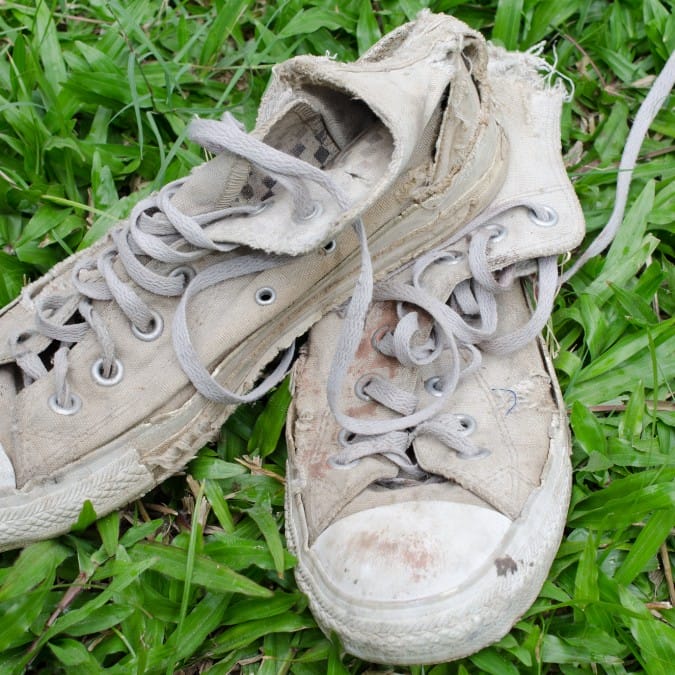
Your shoes say a lot about you, so make sure they’re clean and in good condition. Scuffed or worn-out shoes can give the impression that you don’t care about your appearance. If your shoes need a refresh, consider polishing them before your big date. You may also want to use a deodorizing spray, just in case they smell.
9. Athletic Wear
Unless you are actually doing something athletic on your date, save the gym clothes for the gym. Wearing athletic wear on a first date can make it seem like you didn’t put much effort into your appearance. While gym clothes may be super comfortable, they might not be appropriate for your date. You can still be comfortable without wearing your leggings!
10. Outdated Fashion Trends
While vintage can be stylish, wearing outdated fashion trends might make you seem out of touch. Aim for a timeless look that shows you’re current but not a slave to trends. Remember, it’s important to be to yourself and choose clothes that make you feel your best. Your date will notice your confidence and will appreciate your sense of style!
11. Uncomfortable Clothing
It might not be the best idea to choose clothing items that are uncomfortable. Itchy fabrics, jeans that are hard to sit in, and heels that make your feet hurt are just a few examples of items that might drive you crazy on your date. Instead, choose clothes that make you feel good and items that you won’t be fussing with throughout your date. If you’re uncomfortable in your clothing, your date might misinterpret this as being uncomfortable around them, which could alter the mood.
12. Extremely Tight Clothing
On the other end of the spectrum, overly tight clothing can be uncomfortable for you and distracting for your date. Choose pieces that allow you to move comfortably. It’s also important to consider if you’ll be doing any activities during your date. You don’t want to restrict your movement if you’re going bowling, for example.
13. Excessive Makeup
Don’t wear too much makeup on a first date. Excessive makeup can often feel like you’re trying too hard. Let your natural beauty shine through, and opt for a softer look for your date. There’s no need to hide behind makeup to try and impress your date. They will like you for who you are, regardless of how much makeup you’re wearing.
14. Unwashed Hair or Untidy Grooming
Again, not strictly clothing, but grooming plays a significant role in your overall appearance. Make sure your hair is clean and styled, and your grooming is on point. For example, men should shave and cut their nails to make a great first impression. Your date will notice the extra effort and will be impressed with your tidy aesthetic.
Acing The First Date
Ultimately, the key to a successful first date outfit is to be yourself while also considering your date’s expectations and the venue. Choose clothes that make you feel confident and comfortable, but also show that you’ve put thought and effort into your appearance. Overall, this will put your date at ease and help the date go smoothly. By avoiding these 14 items of clothing, you’ll increase your chances of making a positive first impression and securing that elusive second date.
Amazon Prime is a household name, known for its lightning-fast delivery, vast entertainment options, and a plethora of other benefits. However, behind the convenience and excitement lies a web of terms and conditions that many users may not be fully aware of. Here, we delve into 13 little-known terms and conditions associated with Amazon Prime, both the advantageous and the potentially less favorable.
1. Free Same-Day Delivery
Prime promises free same-day delivery on eligible items to select areas. However, the availability of this service may vary based on your location and the items you’re purchasing. For many items, there is also a price threshold to receive free same-day delivery. If minimums are not met, there is a delivery fee for same-day delivery.
2. Prime Video Limitations
While Amazon Prime Video offers a vast library of content, some titles may have expiration dates, and many titles are not included with your Prime membership. Additionally, not all titles are available for download, and there are ads when watching your show or movie. If you’d like to go ad-free it’s an additional $3.99 a month. Be careful to not inadvertently charge your credit card if you are browsing movies on Prime Video.
3. Prime Try Before You Buy Returns
Prime Try Before You Buy allows you to try on clothing before purchasing. However, if you don’t return the items within the specified return window, you’ll be charged for the entire order. You can choose up to 6 items to try before you buy, but you must return unwanted items within 7 days. If you happen to see a $1 charge on your credit card, Amazon authorizes your credit card when you participate in Try Before You Buy.
4. Automatic Renewal
When you sign up for Amazon Prime, you agree to automatic renewal unless you manually cancel. While this ensures uninterrupted service, it’s essential to remember to cancel if you no longer wish to subscribe. In 2023, Amazon was sued by the FTC for making it hard for customers to cancel Prime subscriptions that they unknowingly signed up for. As a consumer, it’s essential to know when you opt into subscriptions.
5. Amazon Household Sharing
Prime members can share their benefits with one other adult and up to four children in their household. However, shared payment methods and Amazon Prime benefits cannot be shared with individuals outside the household. This feature fosters convenience and savings by pooling resources and maximizing the value of a single Prime subscription. Amazon Household supports individual profiles for each adult and child, facilitating personalized recommendations and tailored experiences. Parents can also set age-appropriate content filters and spending limits for children’s accounts, ensuring a safe and controlled environment.
6. Prime Reading
Prime Reading, a lesser-known yet valuable perk of Amazon Prime membership, provides access to a diverse library of eBooks, magazines, and other digital content at no additional charge. While the inclusion of this feature enhances the overall value proposition of Prime, it’s essential to note that the selection available through Prime Reading is curated and may not always include the latest or most popular titles. While Prime Reading boasts an extensive catalog, its selection is limited compared to dedicated eBook platforms or libraries. Users may find that certain titles they’re interested in are not available through Prime Reading, especially if they’re recent releases or highly sought-after books.
7. Exclusive Deals
Prime members enjoy exclusive access to a plethora of deals and discounts across a wide range of products and services, enhancing the overall value proposition of their membership. These exclusive offers provide members with opportunities to save money, discover new products, and enjoy special perks that are not available to non-members. While Prime-exclusive deals can offer significant savings, they may be time-sensitive and subject to certain limitations. Also, not all products sold on Amazon are eligible for Prime-exclusive discounts. Certain items, particularly those from third-party sellers or limited distribution channels, may not be included in Prime promotions.
8. Amazon Prime Day
Prime Day offers exclusive deals for Prime members. Usually, Prime Day is held once a year in June or July. Prime Day includes thousands of items on sale in nearly every category. With so many opportunities for savings, it’s easy to go overboard and make impulsive purchases. It’s a good idea to set a budget before Prime Day to avoid breaking the bank.
9. Amazon Photos Storage
Prime members enjoy unlimited photo storage with Amazon Photos. However, videos and other files count towards your storage limit, which may necessitate upgrading to a paid plan, which starts at $1.99 per month. Beyond storage, Amazon Photos provides robust organizational tools, allowing users to easily categorize, tag, and search their photos based on various criteria such as date, location, or people. This makes it simple to locate specific photos or create personalized albums and slideshows.
10. Amazon Music Prime
Amazon Music Prime, included as part of the Prime membership, provides subscribers with ad-free streaming and the ability to listen to music offline. It’s important to note that while these features offer significant convenience and value, there are certain limitations to be aware of. Although Amazon Music Prime offers a vast selection of songs and albums, its music library may be smaller compared to other dedicated streaming services such as Spotify or Apple Music. This means that certain artists, albums, or tracks may not be available on Amazon Music Prime, especially for users with specific or niche musical preferences. While Amazon Music Prime allows for offline listening, not all songs are available for download. Licensing agreements and other factors may restrict certain tracks from being downloaded for offline playback.
11. Prime Gaming
Prime Gaming offers subscribers a range of benefits within the gaming sphere, including free games and in-game content each month. However, it’s essential to understand that these offerings come with certain caveats and limitations. While Prime Gaming offers free games and in-game content each month, it’s important to note that access to certain offerings may be time-limited. This means that subscribers must claim or download the games and content within the specified timeframe to retain access. Failure to do so may result in missing out on these benefits once they are replaced with new offerings. You can also find in the Amazon Prime terms and conditions that access to Prime Gaming is contingent on maintaining your Prime membership.
12. Third-Party Sellers
Amazon Prime’s hallmark feature is its fast shipping on eligible items. But it’s important to recognize that not all products available on Amazon are fulfilled by Amazon itself. Some items are sold by third-party sellers, which can introduce variability in shipping times, return policies, and overall customer experience. Not all products sold by third-party sellers are eligible for Prime shipping benefits. Prime members should pay attention to the Prime logo and “Fulfilled by Amazon” label on product listings to determine whether an item qualifies for fast and free shipping.
13. Data Collection
Like many online services, Amazon collects data on your browsing and purchasing habits to personalize your experience. While this can lead to tailored recommendations, some users may have privacy concerns. It’s important to read the fine print if you are concerned with your Amazon Prime terms and conditions. These documents outline the scope of data collection, usage, and sharing practices, as well as users’ rights and responsibilities regarding their personal information.
Understanding Your Prime Membership
Understanding the terms and conditions associated with your Amazon Prime membership is essential for maximizing its benefits and avoiding any unforeseen issues or challenges. Being informed about the nuances of your membership can significantly enhance your overall experience with Amazon Prime. Familiarizing yourself with the fine print helps you steer clear of potential pitfalls or limitations that may impact your experience with Amazon Prime. Whether it’s being aware of restrictions on certain products or understanding the implications of canceling your membership, being informed empowers you to navigate the platform more effectively.
One in six couples experience infertility. In many of these instances, couples become DINKs not by choice, but due to circumstances out of their control.
Infertility can be one of the most challenging trials a couple can face. Beyond the physical aspects, it profoundly affects the emotional, psychological, and relational dynamics within a marriage. While every couple’s journey is unique, there are common ways in which infertility can impact the fabric of a relationship. Understanding these impacts can help couples navigate this challenging terrain.
1. Emotional Rollercoaster
Infertility often triggers a rollercoaster of emotions for both partners. From hope and anticipation to disappointment and grief, the emotional journey can be exhausting. This constant flux of emotions can strain the emotional connection between partners, leading to increased tension and vulnerability. Every person handles emotions differently, so it’s important to be honest with your partner about what you need during this trying time.
2. Communication Breakdown
Effective communication is essential in any relationship, but infertility can create communication barriers. Couples may struggle to express their feelings, fears, and frustrations, leading to misunderstandings and resentment. Couples must create a safe space for open and honest communication, even when the topics are difficult. Especially if you are undergoing fertility treatments such as IVF or IUI, many decisions need to be made with your partner during this process. If you both struggle with communication, reaching out to a professional who has experience with infertility can be very helpful.
3. Intimacy Challenges
The pressure to conceive can overshadow intimacy between partners. Sex may become a chore rather than an expression of love and connection. Additionally, the invasive nature of fertility treatments can further disrupt intimacy, leading to feelings of distance and isolation. It’s important to understand where your partner is at, especially if treatments are making your partner feel unwell.
4. Financial Strain
Fertility treatments can be financially burdensome, adding stress to an already challenging situation. The high cost of treatments, coupled with the uncertainty of success, can lead to financial strain and disagreements about priorities and spending. IVF typically costs between $15,000-$30,000 per cycle, which largely depends on your insurance and if fertility treatments are covered. Even with insurance, high deductibles and specialty medication make treatments costly. Couples must navigate these financial challenges together, finding ways to support each other while managing expenses. If you and your partner are struggling to finance fertility treatments, there are options for fertility loans and grants.
5. Changes in Identity
Infertility can challenge the sense of identity for both partners. Women, in particular, may struggle with feelings of inadequacy or failure. Men may also experience a sense of guilt for their perceived role in the infertility. These identity struggles can strain the marital bond if left unaddressed. While these feelings are valid, it’s important to remember that infertility doesn’t discriminate, and you and your partner are not alone in your struggles. Reaching out to the infertility community may help you process all of these feelings.
6. Social Isolation
Couples experiencing infertility often feel isolated from friends and family, especially if those around them are easily conceiving. Many friends and family may not understand infertility and can’t provide the support that you and your partner may need. This sense of isolation can cause a host of mixed emotions, sometimes further straining the marriage. Finding support from others who understand their journey can help couples feel less alone. There are many support groups that couples can attend either together or individually to find others on a similar fertility journey.
7. Coping Mechanisms
Coping skills
Each partner may have different coping mechanisms for dealing with infertility. While one may seek solace in friends and family, the other may prefer to retreat into solitude. These differences in coping styles can create tension if not understood and respected by both partners. Couples should strive to support each other’s coping mechanisms, even if they differ.
8. Loss of Control
Infertility can shatter the illusion of control that many couples have over their lives. Despite their best efforts, infertility can become all-consuming. Learning to relinquish control and accept uncertainty can be a challenging but essential part of the journey.
9. Resentment and Blame
It’s not uncommon for couples to experience feelings of resentment or blame during their infertility journey. Even if you love your partner, these feelings can come up. Couples need to recognize and address these feelings openly and honestly, rather than allowing them to fester and inadvertently undermine the relationship.
10. Strength and Resilience
Despite the challenges, infertility can also strengthen a marriage in unexpected ways. Couples who weather the storm together often emerge stronger and more resilient. Through shared struggles and mutual support, they learn to lean on each other and face adversity together.
Embracing The Challenges
Infertility is a complex and emotionally charged journey that can profoundly impact a marriage. By acknowledging and understanding how infertility can affect their relationship, couples can navigate this challenging terrain with greater compassion, empathy, and resilience. With patience, communication, and mutual support, couples can emerge from this journey stronger and more united than ever before.
In today’s age of information overload, separating fact from fiction can be challenging, especially when it comes to health. Despite the wealth of accurate information available, several persistent myths continue to mislead people.
From old wives’ tales to internet rumors, these myths can impact our health decisions and behaviors. Here, we debunk 15 common health myths that still linger in 2024.
1. Eating Breakfast Can Help You Lose Weight
While eating breakfast can help you stay fuller throughout the day, it isn’t the key to weight loss. Many diets like intermittent fasting have you skip breakfast altogether. Ultimately, everyone loses weight differently, so it’s important to listen to your body and consult your doctor.
2. Toilet Seats Can Make You Sick
Believe it or not, toilet seats are typically pretty clean because they are cleaned often. There have been many studies on bacteria in public restrooms, and many of the bacteria found in bathrooms are also found on many other surfaces that we encounter during our day. It’s important to exercise proper handwashing to combat this.
3. Cracking Your Knuckles Leads to Arthritis
There is no scientific evidence linking knuckle cracking to arthritis. It is generally harmless, though it may annoy those around you.
4. Dairy Products Increase Mucus Production
Despite popular belief, consuming dairy does not increase mucus production. Several studies have also been conducted regarding asthma and drinking milk. The results were that even in asthma patients, milk doesn’t cause mucus.
5. You Need to Drink Eight Glasses of Water Per Day
Hydration needs vary based on individual factors such as activity level, climate, and overall health. According to the Mayo Clinic, 8 glasses of water a day is a healthy goal, but for some people that may not be enough. Instead, it’s important to listen to your body’s thirst cues.
6. Going Outside with Wet Hair Will Make You Sick
Cold viruses, not wet hair, cause illness. However, being cold may weaken the immune system, making you more susceptible to infections.
7. Sugar Causes Hyperactivity in Children
Most have heard the term ‘sugar rush’, but there is no link between sugar and a surge in energy. Numerous studies have debunked this myth; sugar does not cause hyperactivity in children. Other factors, such as excitement or lack of sleep, may contribute to hyperactive behavior. Many studies have pointed to the fact that we have come to expect this outcome of hyperactivity after sugar, perpetuating the myth.
8. Antiperspirants Cause Breast Cancer
Although many associate antiperspirants with a link to breast cancer, there is no scientific evidence to back this claim. Many people fear that aluminum is absorbed into the skin, causing cancer, but this claim is unsubstantiated. According to the American Cancer Society, to lower your breast cancer risk it’s more important to be physically active and maintain a healthy weight.
9. Carbs Are Inherently Bad for You
Carbohydrates are a primary source of energy for the body and can be part of a healthy diet. Focus on consuming complex carbs from whole grains, fruits, and vegetables.
10. Organic Food Is Always Healthier
While organic foods may have lower pesticide residues, they are not inherently more nutritious than conventionally grown counterparts.
11. Fats Are Bad for You
The body needs cholesterol for vital functions, and not all cholesterol is harmful. Focus on reducing saturated and trans fats instead.
12. You Can “Boost” Your Metabolism with Certain Foods or Supplements
While some foods may have a minimal impact on metabolism, there are no magic foods or supplements that can significantly increase metabolic rate. You can rev up a slow metabolism to a degree by focusing on a healthy diet and increasing activity.
13. Vaccines Cause Autism
This myth has been thoroughly debunked by numerous scientific studies. Vaccines are safe and essential for preventing serious diseases. If you are concerned about vaccinating your child, talk to your doctor.
14. Coffee Stunts Children’s Growth
There is no scientific evidence that coffee will impact a child’s growth. There may be other health concerns with allowing children to drink coffee, but height is not one of them.
15. You Can “Spot Reduce” Fat from Specific Areas of Your Body
While targeted exercises can strengthen specific muscles, they do not selectively burn fat from those areas. Fat loss occurs throughout the body through a combination of diet and exercise.
Debunking Health Myths
In a world inundated with health advice and misinformation, it’s crucial to rely on evidence-based information from reputable sources. By debunking these persistent health myths, we can make more informed decisions about our well-being and encourage others to do the same.
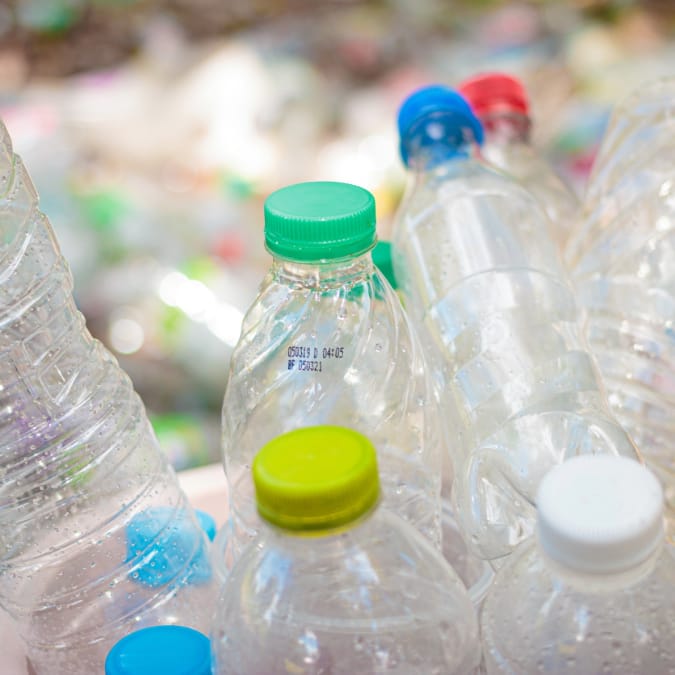
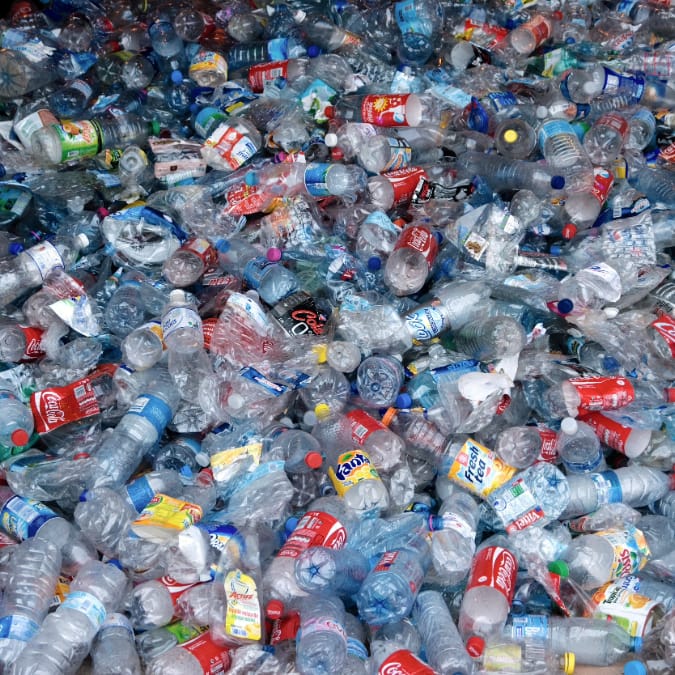
Bottled water has long been touted as a convenient and healthy alternative to tap water. According to Statista, a fifth of Americans drink mostly bottled water. In fact, more than 50 million water bottles are used each year.
However, not all bottled water brands are created equal. In recent years, concerns have been raised about the quality, sustainability, and environmental impact of bottled water. From plastic pollution to questionable sourcing practices, there are compelling reasons to reconsider your bottled water choices. Here are 11 brands of bottled water to avoid, along with why you should opt for tap water instead.
1. Dasani
Dasani, a brand owned by The Coca-Cola Company, has faced criticism for its use of tap water sourced from municipal supplies. Additionally, it contains additives such as potassium chloride, magnesium sulfate, and salt, which are not typically found in natural spring water.
In 2021, a class action lawsuit was filed against Dasani, claiming that 100% recyclable bottles are in fact not. The lawsuit was then later dropped.
2. Aquafina
Another major bottled water brand owned by PepsiCo, Aquafina, also sources its water from municipal supplies. Despite its labeling as “pure water,” Aquafina has been subject to scrutiny for its lack of transparency regarding its sourcing and purification processes.
In 2015, the company started to put on its label that the drink comes from tap water. The company says that its water is then further purified after being obtained from public sources.
3. Nestlé Pure Life
Similarly, Nestlé Pure Life has been accused of depleting groundwater sources in communities where it operates bottling plants, leading to environmental concerns and local water shortages. Additionally, the company, along with its parent company, has faced allegations over advertising that their bottles are 100% recyclable.
4. Arrowhead
Also owned by Nestlé, Arrowhead has faced similar criticisms regarding its extraction of groundwater from environmentally sensitive areas, including national forests. The company’s practices have raised concerns about the impact on local ecosystems and communities.
5. Essentia
While Essentia claims that it is, “Overachieving H2O”, some consumers are unimpressed with the brand that compares itself to other premium water brands.
6. Evian
While Evian claims to source its water from a protected underground source in France, it still faces scrutiny for its reliance on single-use plastic bottles and the environmental consequences of its production and distribution processes. Recently, the company has been under fire for the use of its carbon neutral label on its bottles, and if in fact the company has been greenwashing.
7. Voss
Voss water, sourced from an artesian well in Norway, is packaged in sleek glass bottles and marketed as a luxury brand. However, its premium price tag does not negate the environmental impact of single-use glass packaging and international shipping. The company is, however, committed to reducing its carbon footprint.
8. Smartwater
Owned by The Coca-Cola Company, Smartwater has been criticized for its use of vapor-distilled water supplemented with electrolytes. It has been called into question whether modified water has the same nutritional benefits.
9. Poland Spring
Poland Spring, owned by Nestlé, has faced lawsuits alleging false advertising regarding the purity and naturalness of its water. Questions have been raised about the authenticity of its spring sources and the environmental impact of its bottling operations.
10. Ice Mountain
Another Nestlé-owned brand, Ice Mountain, has been accused of depleting groundwater sources in the Great Lakes region, leading to conflicts with local communities and environmental activists.
11. Deer Park
Deer Park, also owned by Nestlé, has faced similar criticisms to other brands for having high levels of per- and polyfluoroalkyl chemicals, or PFAs. PFAs do not break down in the environment, raising environmental concerns.
Ditch The Bottled Water
Instead of relying on bottled water, consider drinking tap water, which is subject to rigorous safety regulations and is often more closely monitored than bottled water. Investing in a reusable water bottle and using a water filtration system can help reduce plastic waste, save money, and ensure access to clean drinking water without contributing to environmental degradation. By making conscious choices about our water consumption, we can work towards a more sustainable and equitable future for all.
In today’s society, the gap between the wealthy and the poor seems to be widening. While there are certainly systemic issues at play, there are also personal habits and behaviors that can contribute to financial success or failure. Wealthy individuals often possess certain habits that set them apart from those who struggle financially. Some of these habits shouldn’t be emulated if you are struggling financially. Here are 14 habits of wealthy people that the poor need to stop following.
1. Having Extravagant Lifestyles
Wealthy individuals often have lavish lifestyles, which are beyond what the average person can comfortably afford. From eating out at expensive restaurants to attending pricey events, many wealthy people’s social calendars will cost you a pretty penny.
2. Taking Lavish Vacations
The wealthy are often seen traveling to exotic locations and spending exorbitant amounts of money. It’s not wise to go into debt just to take a vacation. If traveling is not within your means, perhaps think of ways to create meaningful memories that don’t have a hefty price tag, such as going to a park or visiting a free museum.
3. Overspending on Groceries
Many wealthy people shop at stores that are geared toward organic products and specialty items for certain diets. For the most part, there are more economical alternatives to these items and stores that are more reasonable. If you are struggling to afford groceries, don’t follow the wealthy’s habit of overspending on groceries.
4. Relying on Credit
While credit can be a useful tool when used responsibly, relying too heavily on credit can lead to debt accumulation. Wealthy individuals use credit often but can pay off balances promptly. Conversely, the poor usually accumulate debt and pay high-interest rates for credit card usage. If you rely on credit cards, make sure you have a strategy to pay it off.
5. Buying Luxury Cars
Purchasing a car is a huge financial commitment. It may be tempting to purchase the latest Tesla or Mercedes, but you should avoid luxury brands if it’s not within your budget. The wealthy can afford these purchases and don’t accumulate debt when they fill their garages with luxury vehicles.
6. Making Too Many Risky Investments
Wealthy individuals are not afraid to take calculated risks in pursuit of their goals. Poor individuals may avoid risk-taking due to fear of failure, missing out on potential growth opportunities. While there is a certain risk tolerance required for investing, poor individuals shouldn’t be risking their whole portfolio on very risky investments.
7. Lacking of Self-Discipline
Wealthy people often exhibit a lack of discipline in their financial habits, such as indulging in impulsive purchases. In contrast, poor individuals need to be mindful of every purchase that they make to avoid financial pitfalls.
8. Overspending on Education
While education is very important in building wealth and success, degrees from expensive private institutions and advanced degrees may not be financially feasible for some individuals. Instead, it’s important to choose quality educational programs that are within your means. Instead of going further into debt, it’s important to explore financial aid and scholarships.
9. Failing to Budget
Sometimes wealthy individuals stretch their budgets and splurge. If you are struggling financially, it’s important to keep a clear budget and stick to it.
10. Comparing to Others
Wealthy people often work hard to keep up with people in their circle. For example, this might look like purchasing expensive handbags or designer clothes to impress their wealthy friends. Poor individuals may feel inadequate when comparing their finances to those of others, leading to unhealthy spending habits. Don’t fall into the spending habits of the wealthy if you value your financial health.
11. Avoiding Hard Work
Some wealthy individuals have a sense of entitlement and avoid hard work. The poor don’t have this luxury. Hard work is the key to making ends meet and achieving success in the future.
12. Splurging on Health and Wellness
From supplements to personal trainers, the wealthy often spend thousands per month on health and wellness. Some of these treatments are merely superficial and have little health benefits. While exercising and maintaining a healthy diet will save you money on health expenses in the long run, it’s important to not overspend on health and wellness, especially since the industry often overcharges for products and services that have very few benefits.
13. Indulging in Luxury Real Estate
Buying real estate that is more than you need, is a habit of the wealthy that poor people need to stop following. Mansions with expensive finishes and thousands of square feet probably aren’t realistic for people struggling financially. A modest house within your budget is a more prudent investment.
14. Blaming Others
It’s easy for the wealthy to blame individuals in their circle for financial missteps, such as bad investments. This bad behavior is a luxury that only the wealthy have. If you are struggling financially, it’s important to be financially literate and know where your money is going. Costly mistakes could have detrimental effects for the poor.
Breaking Bad Habits
Don’t throw away your money. Adopting the habits of wealthy individuals can significantly harm the poor’s ability to achieve long-term financial success. By breaking free from detrimental habits and adopting a mindset focused on financial responsibility and growth, anyone can take steps toward building wealth and achieving financial security.
First dates can be nerve-wracking experiences, filled with anticipation and the hope of making a meaningful connection. Whether you met through a dating app, were set up by friends, or struck up a conversation at a coffee shop, the first impression you make can set the tone for future interactions. While it’s natural to feel a bit anxious, there are some common dating mistakes that can quickly turn a promising first date into a missed opportunity. Here are 13 mistakes no one can afford to make on a first date.
1. Being Late
Punctuality is key to showing respect for your date’s time. Arriving late sends the message that you’re disorganized or don’t value their time, which can start the evening off on the wrong foot. Being late is a huge dating mistake. If you find yourself running behind, make sure to communicate with your date. Believe it or not, many men and women will leave after 20 minutes if their date doesn’t show up.
2. Talking Too Much About Yourself
While it’s important to share information about yourself, dominating the conversation can come across as self-centered. Make sure to ask your date questions and show genuine interest in getting to know them as well. It may be helpful to think of meaningful questions to ask your date if the conversation wanes.
3. Checking Your Phone Constantly
Do you have somewhere else to be? Constantly checking your phone during a date is not only rude, but also signals that you’re not fully present. Keep your phone on silent and focus on engaging with your date. No one wants to date someone attached at the hip to their phone.
4. Being Negative or Critical
Nobody wants to spend time with someone who is constantly complaining or criticizing others. Keep the conversation positive rather than dwelling on the negative. While it’s OK to vent if you had a stressful day, try not to ruminate on negative topics. This could kill the mood very quickly.
5. Talking About Exes
Bringing up past relationships, especially in detail, is a major turn-off on a first date. In fact, 55% of men and women said that if their date talked about their ex, there wouldn’t be a second one. Instead, try to focus on the present moment and getting to know your date, rather than dwelling on the past.
6. Overindulging in Alcohol
While a drink or two can help ease nerves, overindulging in alcohol can lead to embarrassing behavior or cloud your judgment. In a recent survey, 70% of women respondents said that a date getting drunk is never OK. Pace yourself and know your limits.
7. Being Disrespectful to Service Staff
How you treat service staff can say a lot about your character. Being rude or dismissive towards waitstaff or other service workers is a major red flag for your date. Try to be respectful and polite to both your date and those around you to impress your date.
8. Talking About Controversial Topics
While it’s important to be authentic, discussing controversial topics like politics or religion on a first date can quickly derail the conversation and lead to unnecessary conflict. Save these discussions for later dates once you’ve established a rapport. If you do broach these topics, make sure that you are listening to your date’s point of view and try to find common ground.
9. Being Too Aggressive or Forward
Respect your date’s boundaries and avoid making them feel uncomfortable by being too aggressive or forward, whether physically or verbally. While some people value directness, especially in regards to dating, there is a fine line between being pushy or aggressive.
10. Not Listening
Active listening is an essential skill in any relationship. Show that you’re engaged in the conversation by listening attentively and asking follow-up questions. The conversation should flow naturally if you employ active listening skills.
11. Coming Across as Desperate
While it’s natural to want to make a good impression, coming across as desperate or needy can be off-putting. Avoid overwhelming your date with too much attention or making grand gestures too soon. It’s important to gage what your date is looking for in a potential relationship. Some men and women value independence and autonomy in relationships and others enjoy extra attention from their partners. This is a great question to ask during a first date.
12. Not Taking Care of Personal Hygiene
Personal hygiene is non-negotiable on a first date. Make sure to dress appropriately, groom yourself, and maintain good hygiene to make a positive impression. In the same light, if you are out at a restaurant, be mindful of how you are eating, and be sure not to make a mess.
13. Not Following Up
If you had a good time on the date and are interested in seeing your date again, don’t wait too long to follow up. Send a text or give them a call to express your appreciation and suggest another outing. Many of the rules of engagement after a date are antiquated. Don’t be afraid to be the first person to follow up if you truly had a good time on your date!
Acing The First Date
First dates are an opportunity to make a memorable impression and lay the foundation for a potential relationship. By avoiding these common mistakes, you can increase your chances of having a successful and enjoyable first date experience. Remember to relax, be yourself, and focus on getting to know your date as a person. If you avoid these first date mistakes, you’ll be one your way to a second date in no time.

 About Teri Monroe