How Beginners Can Trade Online With Minimal Risk

Online trading has become one of the more accessible paths for everyday people to build wealth. In fact, the global online trading market is expected to increase at a global compound annual growth rate of 6.4 percent per year to an estimated 13.3 billion U.S. dollars by 2026. With just a smartphone or a laptop, anyone is at liberty to open an account, place trades, and start managing their financial future. However, for total beginners, the biggest concern is taking on unnecessary risk.

Fortunately, risk-aware trading strategies and a wide range of educational tools are available today, making it possible to begin trading responsibly and informedly. This article outlines how beginners can enter the world of online trading, approach high-stakes returns, and avoid common pitfalls.

Understand What You’re Really Doing

Trading is not investing. It’s not gambling, either. It is a skill-based activity that relies on data, quality decision-making, and discipline. That’s why the first step for any beginner is always education. Jumping into trades without understanding market mechanics is the fastest way to lose money, so reliable educational resources are key.

Investopedia is a good starting point for foundational knowledge. It breaks down concepts like limit orders, risk-reward ratios, and technical indicators in plain English. There are also hundreds of blog posts for you to learn from. If you’re more of a visual learner, YouTube channels like Rayner Teo and The Plain Bagel offer clear, straightforward lessons that are easy to understand and follow.

Start with Simulated Trading

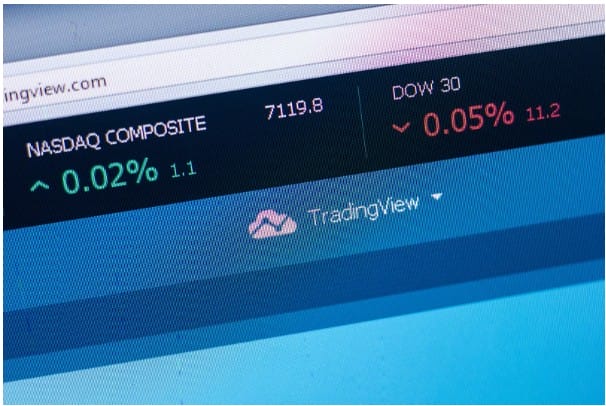
One of the best ways to ease into online trading is to avoid using real money at all, at least at first. Several platforms, including Thinkorswim and TradingView, offer paper trading accounts. These simulated environments allow you to practice executing trades in real time with fake money. The market conditions are real, but your risk is zero.

Using a demo account lets you build confidence, test strategies, and learn from your mistakes without paying the price. It is highly recommended that you do this in the beginning.
Choose Simpler, Lower-Volatility Instruments

Not every asset is suitable for beginners. Highly volatile stocks, options, or cryptocurrencies can move unpredictably and wipe out small accounts in a matter of minutes. Instead, consider starting with more stable instruments. Exchange-traded funds (ETFs) that track major indices like the S&P 500 or Nasdaq are often better suited for new traders. They tend to move more slowly, are diversified by nature, and don’t require constant monitoring. Some traders begin with large-cap stocks with long-standing histories and lower price swings. These may not be exciting, but excitement isn’t the goal.

This approach makes it easier to focus on learning market behavior without being distracted by sharp price movements or emotional decision-making.

Keep Your Capital Small and Goals Realistic

Beginners don’t need to start with large sums. You should always view risk relative to experience, and until you’ve been through a complete market cycle, caution is your greatest ally. Many traders recommend risking no more than one percent of your total capital on a single trade. That means if you’re trading with $1,000, your maximum loss on any one trade should be $10. While this may seem overly conservative, it’s a practice grounded in long-term survival. Small losses are manageable and easy to learn from. Big losses are hard to recover from — both financially and emotionally.

Build a Routine, Not a Habit

Success in online trading doesn’t come from checking charts every few minutes. It comes from building a consistent process: analyzing data, making informed decisions, and reviewing your results.

Start by choosing a specific time of day to review the markets and make trades. This could be as little as 30 minutes in the morning or after work. Review your past trades regularly. Keep a basic spreadsheet or trading journal. Write down why you made the trade, how it turned out, and what you learned.

Over time, patterns emerge. You’ll start to see where your strengths are and where your judgment tends to slip. That kind of feedback is hard to get if you’re trading randomly or emotionally.

Don’t Rely on Signals or Social Media Gurus

It’s tempting to follow Twitter accounts or Discord groups that promise “hot picks” or “guaranteed profits.” This kind of shortcut thinking is not just unproductive but also dangerous. Most of these recommendations come without context, risk analysis, or accountability. Do not be swayed by them.

The only sustainable way to trade is to understand your own reasons for entering and exiting a position. While using others’ ideas as inspiration is fine, they should never replace independent research and a clear plan.

Final Thoughts

Online trading can be a powerful tool for wealth-building, even for beginners. But it only works when approached with care. Avoid shortcuts, invest time in learning, and treat each decision with respect. The goal isn’t fast money — it’s sustainable growth built on knowledge, discipline, and smart risk management.

For those willing to approach it with patience and strategy, online trading isn’t a gamble. It’s an opportunity.


 

Why Organic SEO Growth Is Beating the Hype

In crypto, buzz used to be the metric. A tweet from the right influencer could drive thousands to a token overnight. But the playbook is shifting. As users become more discerning and platforms tighten ad policies, visibility now hinges on something less flashy but more powerful: organic search. For this reason, professional agencies are now gaining traction as they support crypto businesses developing online by securing visibility in the right places – search engines (source: https://goldenmetrics.com). According to Ahrefs, organic search has actually become a core discovery channel, with 68% of online experiences starting with a search engine and SEO delivering over 1,000% more traffic than organic social media.

Influencers Can’t Build Moats

In the early days of crypto marketing, influencers played a pivotal role in driving awareness and engagement. Their endorsements could catapult projects into the spotlight overnight. However, as the industry matures, the effectiveness of influencer marketing is waning. A study on crypto-influencers’ investment advice from Indiana University’s Kelley School of Business reveals that while crypto-influencer tweets can lead to short-term gains, these benefits often dissipate quickly. Specifically, the average cumulative return drops to -2.24% within 10 days and further declines to -6.53% after 30 days. ​

This trend underscores a critical insight: influencer-driven campaigns may generate immediate attention but often lack the sustainability needed for long-term success. As the crypto market becomes more discerning, projects are recognizing the importance of building enduring value propositions rather than relying solely on transient promotional tactics.

Search Traffic Converts – And Sticks

While influencer-driven hype can spark a surge in clicks, but it rarely leads to steady user growth. In contrast, organic search consistently delivers high-intent users who are actively seeking information, solutions, or products. According to Conductor’s 2024 Organic Search Traffic Benchmarks Report, organic search accounts for 33% of overall website traffic across key industries, highlighting its significance in digital marketing strategies. ​

The strength of organic search lies in its ability to attract users at the moment they’re ready to engage. This intent-driven approach results in higher conversion rates and fosters long-term customer relationships. Unlike the fleeting nature of social media trends, SEO provides a stable foundation for sustained growth.​

For Web3 companies aiming to build lasting visibility and trust, investing in SEO is a strategic move. By optimizing for search, these businesses can ensure they appear prominently when potential users are actively seeking relevant information, leading to increased engagement and conversion opportunities.

Google’s Algorithm Favours Depth, Not Clickbait

Google’s algorithm updates have increasingly prioritized content depth and authenticity over superficial, click-driven material. In March 2024, Google integrated its Helpful Content System into the core ranking algorithm, emphasizing the importance of original, people-first content. Combined with previous efforts, this shift is aimed to target low-quality content and expected to collectively reduce unoriginal content in search results by 40%.

These developments signal to blockchain-focused businesses that depth and clarity now matter more than ever. By creating content rooted in first-hand knowledge and offering real value, Web3 projects can strengthen their search presence and build lasting credibility – exactly the kind of substance Google now prioritizes over clickbait-driven tactics.

SEO Is Built for Bear Markets (and Beyond)

There comes a time in many projects when budgets tighten and token prices dip. At that moment, paid campaigns are often the first to go. Yet search traffic doesn’t vanish with the market cycle.  In fact, it becomes even more valuable. Organic visibility continues to draw users actively looking for tools, platforms, and answers. That makes SEO not just a growth strategy, but a survival one.

What makes SEO particularly resilient is that its payoff compounds over time. A well-optimized technical guide or protocol explainer can drive traffic for months, even years, with no additional spend. Agencies that understand both crypto and SEO help Web3 teams build that kind of durable visibility – from content architecture to keyword mapping that aligns with user intent.

In a space where hype fades fast and trust takes time, organic search is the long game. The projects that invest in it now won’t just weather the cycle – they’ll lead the next one.


Why Referral Marketing Should Be Your #1 Growth Channel

Growth can be tough in today’s business world. With digital marketing and consumer behavior constantly changing, finding effective and cost-efficient growth channels is key. One channel that stands out for its potential is referral marketing. It’s one of the most powerful and cost-effective ways to drive growth, customer loyalty and high quality leads. If you’re not using referral marketing to grow your business, you might be missing out. Let’s dive into why referral marketing should be your #1 growth channel and how you can use it to propel your brand to new heights.

The Hidden Growth Engine Most Brands Overlook

Brands focus on paid ads, social media campaigns and SEO to drive growth. While these are indeed effective, they come with high costs and inconsistent returns. Meanwhile, referral marketing is the often overlooked growth engine that’s both efficient and reliable. By tapping into your existing customer base, you can harness their advocacy for your business, driving new leads and sales through trusted recommendations.

Referral marketing leverages the trust between customers and their friends or family. It’s organic, powerful and scalable. According to studies, referred customers are more likely to convert and have a higher lifetime value than those acquired through traditional marketing methods. The referral marketing platform you choose can be the key to unlocking this hidden growth.

Trust Is the Ultimate Conversion Tool

In an age of information overload, consumers are more skeptical than ever about ads, making it easy to tune out traditional marketing messages. This is where referral marketing shines. Trust is the ultimate conversion tool and there’s no more powerful source of trust than personal recommendations.

When a customer refers a friend to your business, the recommendation carries more weight than an ad. This is because people trust their friends, family and peers more than brand messages. In fact, referral marketing often leads to higher conversion rates, seeing as the referred customer is already sold on your business by someone they trust.

By implementing a referral marketing strategy, you can capitalise on this trust. Referred customers are more likely to engage with your brand and become long-term customers as they’ve been introduced to your business through a trusted source.

Referral Customers = Higher Quality Leads

Another reason to make referral marketing your #1 growth channel is that referred customers are higher-quality leads. Unlike customers who may come from paid advertising or cold outreach, referral customers come with a built-in level of trust and interest in your brand.

This means that referral marketing solutions lead to customers who are more likely to buy, have a higher lifetime value and refer others to your business. The quality of leads from a referral marketing program is much higher because they’ve been pre-qualified by the referrer who is vouching for your product or service.

B2B referral marketing can be especially powerful for driving high-quality business leads. B2B customers often rely on recommendations from industry peers or trusted colleagues, so referrals are one of the best ways to generate new business opportunities.

Lower Acquisition Costs, Higher ROI

Acquiring new customers through traditional marketing channels can be expensive. Paid advertising, search engine marketing and even influencer campaigns can eat into your marketing budget quickly. 

In contrast, referral marketing is often much more cost effective.The beauty of referral marketing is its low acquisition costs. When you incentivize your existing customers to refer others, you’re leveraging their networks to bring in new leads without having to spend big on advertising. A well-executed referral marketing program can dramatically reduce your customer acquisition costs (CAC) and provide a high return on investment (ROI).

Many referral marketing tools offer performance-based pricing, so you only pay for successful referrals. This can increase the ROI of your program even more, making referral marketing solutions one of the most budget-friendly growth strategies available today.

Built-In Virality (No Big Ad Budgets)

One of the most attractive things about referral marketing is its built-in virality. Referral programs are designed to encourage customers to share the brand with others, creating a snowball effect that can lead to exponential growth. As more people refer their friends and family, your customer base expands without needing massive ad budgets.

Because referral marketing is inherently viral, the more customers you have, the more potential for referrals you get. This keeps the cycle of growth going. Even a small referral marketing program can have a big impact if it’s structured well — this is because the right referral marketing can create a network of advocates who promote your business without any additional ad spend.

Boosts Customer Loyalty and Lifetime Value

Another benefit of referral marketing is customer loyalty. When customers feel valued and rewarded for referring others, they become more engaged with your brand. This sense of appreciation strengthens the relationship between the customer and your business, leading to higher customer retention and long-term loyalty.

In addition, customers who participate in referral programs are more likely to make repeat purchases and have a higher lifetime value. By rewarding both the referrer and the referred, you create a win-win situation that incentivises repeat business and keeps customers coming back for more.

The ongoing engagement created by a referral marketing program also boosts customer lifetime value (CLV). This is because those that have come to you through strong recommendations are far more valuable in the long run than those acquired through other channels.

Referral Programs Work for Every Industry (Yes, Yours Too)

Many businesses think referral marketing only works for certain industries, but this couldn’t be further from the truth. Whether you’re in e-commerce, SaaS, or B2B services, referral marketing can work for you. The key is crafting a referral marketing program that fits your industry and audience.

For example, in B2B referral marketing, companies can leverage employee networks, partners or industry influencers to generate high-quality leads. In e-commerce, a referral marketing program can incentivise customers to share their favourite products with friends and family, driving new customers to your site.

Regardless of your industry, referral marketing can be tailored to suit your needs and drive growth.

Real-World Success Stories of Referral-Driven Growth

There are countless examples of companies that have grown through referral marketing. Take Dropbox for instance. Their referral marketing program allowed them to go from a small startup to a multi-billion dollar company. By offering free storage for every successful referral, Dropbox incentivised customers to share the service with their friends, resulting in exponential growth.

Airbnb used referral marketing to boost their early stage growth. By providing both hosts and guests with referral bonuses, Airbnb created a network of loyal users who helped spread the word about the platform. This strategy played a big part in their global expansion.

These real-world examples show that referral marketing can be a big deal for businesses and drive growth with minimal investment.

Get Started with Referral Marketing Today

If you want to make referral marketing your #1 growth channel, the first step is to choose the right referral marketing platform for your business. Look for a solution that integrates with your existing tools, supports multiple referral channels (email, social), and provides detailed analytics to track your program’s performance.

Next, create a referral marketing strategy that incentivises both the referrer and the referred person. Make sure your rewards are enticing and align with your brand goals. Finally, promote your program to your existing customer base and encourage them to start referring friends, family and colleagues.

By making referral marketing your #1 growth channel, you’ll not only get new customers, but also a loyal community of advocates who will support your business for years to come.

4 Financial Planning Moves To Reduce Taxes This Year

Tax obligations don’t just come to life in April—they build up silently throughout the year. Without the right strategy, it’s easy to end up surprised by what you owe and miss opportunities that could have lowered your bill.

Being intentional with your finances well before tax season starts can make a meaningful difference in your overall tax outcome. It’s not about big changes, but about making smarter decisions at the right time.

Read on to discover ways to reduce your tax burden before the year ends. 

Businesswoman Accounting, Calculating income-expenses and analyzing investment data reports. Annual tax reduction planning concept, financial and tax systems.

Take Advantage of Tax Credits and Deductions

Using tax credits and deductions effectively can reduce your tax bill and support your broader financial plans.

To reduce your liability and potentially free up cash for other priorities, the following are key opportunities to consider:

  • Education credits: The American Opportunity Credit and the Lifetime Learning Credit can reduce your taxes if you’re paying tuition or other qualified education expenses. These credits can benefit students or parents supporting a dependent’s education, especially in the early college years.
  • Energy-efficient home improvements: Residential energy credits reward homeowners who invest in sustainability. Eligible upgrades include solar energy systems, efficient HVAC installations, and high-performance windows or insulation. These credits lower your tax bill and improve long-term home efficiency.
  • Child tax credit and dependent care credit: These credits help offset costs related to raising children or caring for dependents. You could benefit if you have qualifying children or pay for daycare, after-school care, or similar services that allow you to work or look for work.

Tax credits and deductions play an important role in shaping your overall financial situation. If you’re unsure what applies to you, a financial planner Penrith or one based in your area can help. They can guide you on timing, eligibility, and how to align your tax strategy with your broader financial planning approach. 

Maximize Tax-advantaged Retirement Contributions

Contributing to retirement accounts with tax advantages can reduce your taxable income while strengthening your financial future. These contributions support long-term savings while offering immediate tax relief.

For retirement planning that aligns with your income level and job type, the following options may offer valuable opportunities:

  • Traditional 401(k) or 403(b): If you have access to an employer-sponsored plan, contribute consistently—especially if matching contributions are available. The pre-tax nature of these plans lowers your taxable income, helping you meet your financial goals over time.
  • Traditional IRA: If you’re eligible, a traditional IRA offers a way to deduct contributions and defer taxes until retirement. It works well if you don’t have access to a 401(k) or want to save in addition to it. Limits apply, but the tax deduction can support your broader financial plans.
  • SEP IRA or solo 401(k): If you’re self-employed or run a small business, these plans allow higher contribution limits based on your income. They offer flexibility and tax-deferred growth, helping you build retirement savings efficiently.

Reviewing your contribution strategy before year-end can help you make last-minute adjustments.

Wooden block with tax deduction icon to achieve environmental goals Using environmental taxes, carbon taxes, tax benefits that are Environmental tax abatement concept

Review Investment Strategies for Tax Efficiency

Managing your investments with taxes in mind can lead to meaningful savings, especially when timed and structured well. Strategic choices around what, when, and where you invest matter more than many realize.

To help reduce tax liability without compromising your overall financial goals, consider the following:

  • Use tax-loss harvesting carefully: Selling underperforming investments to offset gains elsewhere is one way to reduce your taxable income. Just make sure your overall investment strategy stays intact. This works best when used as part of an annual portfolio review.
  • Spread out gains over multiple tax years: If you’re planning to sell appreciated assets, spacing those sales across different years can help avoid pushing your income into a higher tax bracket. This approach helps preserve more of your returns over time.
  • Use tax-efficient mutual funds and ETFs: Some funds are managed with taxes in mind. These typically generate fewer capital gains distributions. They’re a smart addition to taxable accounts if you’re looking to reduce your annual tax burden while staying invested.

Tax-smart investing doesn’t require a complete overhaul of your portfolio. Small, thoughtful changes can strengthen your investment plan and support your larger financial goals over time.

Make Smart Charitable Contributions

Strategic charitable giving can reduce your tax burden while supporting the causes you care about. It’s also a meaningful part of managing your personal finance, especially when aligned with your long-term financial plans.

To make your contributions work harder for you, consider the following tax-smart approaches:

  • Donate appreciated investments: Giving long-held stocks or mutual funds that have increased in value allows you to avoid capital gains taxes. You may also be eligible to deduct the full market value of the asset if you itemize. This method works especially well for those who are looking to adjust their investment portfolio while staying tax efficient.
  • Use a donor-advised fund (DAF): DAFs let you contribute cash or assets in one year, take the deduction immediately, and distribute the funds to charities over time. This gives you more flexibility with your giving strategy and can complement your broader financial plans.
  • Bunch donations into one tax year: If your total itemized deductions fall below the standard deduction threshold, combine multiple years’ worth of donations into a single year. This can help you exceed the threshold and increase your tax deduction for that year.

Giving with intention helps align your charitable efforts with your financial goals. Planning your contributions carefully ensures they support both your values and your overall tax and financial situation.

Final Thoughts

Staying ahead of taxes starts with clarity—knowing where you stand and making thoughtful decisions that support your bigger financial picture. When your tax planning reflects your personal goals, it shifts from being a source of stress to a tool for progress. With the right timing and mindset, tax season becomes less of a burden and more of a chance to move forward with confidence.


Here’s How You Can Use Home Equity to Boost Your Finances

Owning a home isn’t just a major milestone—it can also be a powerful financial tool. As you pay down your mortgage and your home’s value rises, you build something called home equity. What many people don’t realize is that this equity can actually help improve their financial situation.

In states like Alabama, where housing is more affordable, homeowners may have more equity to work with than they think. That value can be turned into cash through a few different options, depending on your goals.

In this article, we’ll break down the basics of home equity and how to access it. We’ll also explore smart ways to put it to use—so you can make informed decisions and get more out of your homeownership.

Why Home Equity Loans Deserve a Spot in Your Financial Toolkit

A home equity loan lets you borrow against the value you’ve built in your home. Unlike credit cards or personal loans, it typically comes with lower interest rates and longer repayment terms. This makes it a practical option for major expenses.

Still, many people overlook how strategic these loans can be—used wisely, they offer a way to access large sums at lower rates, spread payments over time, and avoid the high costs of other borrowing options. This is especially true when home equity loan rates in Alabama may be relatively competitive, depending on the lender and market conditions. Yet many homeowners wait until they’re in the middle of a financial crunch—medical bills, tuition, urgent home repairs—before even considering tapping into their home’s value. And by then, they’re scrambling. Rates may have already risen, or the best offers may no longer be available.

That’s why it’s smart to start planning early. If you know you might need to access your equity in the near future, begin tracking rates now. Being proactive can help you secure a better deal when it matters most. That one step can make a real difference.

How to Know If a Home Equity Loan Is Right for You

Home equity loans can be a smart financial tool—but they’re not for everyone. Before you commit, it’s important to assess whether it truly fits your financial situation, goals, and timing.

  1. Are you clear on your purpose for borrowing?
    A home equity loan works best when tied to a specific, necessary expense—like consolidating high-interest debt, preparing for a large purchase, or managing a one-time cost. If the reason for borrowing isn’t clearly defined, it may lead to unnecessary debt.
  2. Is your income stable enough to manage repayment?
    Even with lower interest rates, a home equity loan is still a long-term commitment. Make sure your monthly budget can comfortably absorb the payments, especially if you’re already juggling other financial responsibilities.
  3. Do you have enough equity built up?
    Lenders typically require you to maintain at least 15% to 20% equity in your home after borrowing. If your current equity is too low, you may not qualify or may only be eligible for a small amount.
  4. Are you planning to move soon?
    If you’re considering selling your home in the near future, taking out a home equity loan may not make sense. It adds to what you owe and could reduce your proceeds when you sell.
  5. Have you compared loan types and lenders?
    Not all home equity loans are created equal. Rates, fees, and terms vary from one lender to another. Take time to compare offers and understand the differences between a lump-sum loan, a HELOC, and a cash-out refinance.

Answering these questions can help you move from guesswork to clarity. A home equity loan isn’t a one-size-fits-all solution, but under the right circumstances, it can be a valuable way to reach your financial goals without overextending your budget.

Risks and Considerations

While home equity can be helpful, it’s important to understand the risks. Borrowing against your home means putting it up as collateral. If you can’t make the payments, you could lose your home.

Interest rates are another concern. Some options, like HELOCs, have variable rates that can go up over time. This means your payments could increase in the future, which might make budgeting harder.

There are also fees and closing costs to think about. These can add to the total cost of the loan and should be included in your decision-making.

Another risk is falling home values. If the market changes and your home’s value goes down, you could end up owing more than the house is worth. This is called being “underwater,” and it can limit your financial options.

Always be sure that you understand the terms of the loan, and don’t borrow more than you can afford to repay. Talk to a trusted financial advisor or mortgage professional before making any decisions.

Tips for Responsible Use

Here are some simple tips to help you use your home equity wisely:

  • Know Your Numbers: Understand how much equity you have and how much you can safely borrow.
  • Borrow Only What You Need: Just because you qualify for a large amount doesn’t mean you should take it all.
  • Have a Clear Purpose: Use the funds for specific goals that will improve your financial future, not for things you don’t really need.
  • Stick to a Repayment Plan: Make sure you can handle the monthly payments without struggling.
  • Shop Around: Compare lenders, interest rates, and terms before making a final choice.
  • Get Professional Advice: A financial advisor or loan expert can help you make the best decision for your situation.

Your home is more than just a place to live, it can also be a source of financial support when used the right way. By tapping into your home equity, you can pay off debt, make smart investments, and handle life’s big expenses.

But it’s important to be careful. Borrowing against your home means taking on new responsibility, and the risks are real. If you’re thoughtful about how you use your equity and make choices that fit your budget and long-term goals, it can be a great way to improve your financial future.

Take the time to learn your options, ask questions, and make a plan that works for you. Home equity isn’t a quick fix, but when used wisely, it can be a valuable tool to help you move forward with confidence.

From Gaming to Finance: How Digital Currencies Are Reshaping Global Markets

Money has taken many forms throughout history, including shells, gold, and paper notes. We are now on the verge of another transformation, with digital currencies becoming increasingly popular. Bitcoin and other cryptocurrencies began as technological experiments, but they have evolved into economic forces that businesses must take seriously. Their rise has a wide-ranging impact on the economy.

Gaming and Online Entertainment Lead the Way

Online gaming platforms have proven to be excellent testing grounds for cryptocurrency use. Players benefit from faster money transfers that do not involve typical banking delays, while gaming companies can serve customers all over the world without worrying about currency conversion or international payment complications.

There are more benefits than just convenience. Users appreciate increased privacy, lower fees, and near-instant deposits and withdrawals. Cryptocurrencies help game operators resolve payment processor issues and reduce fraud risks. 

One of the niches that has seen steady growth in the last decade is iGaming, especially international iGaming platforms. Such online casinos usually provide a wider range of gaming options than their domestic counterparts, and more flexible payments. In that light, VPN-friendly casinos, listed by Esports Insider, allow you to enjoy slots, blackjack, and other games with greater privacy and security.  They offer incredibly quick payouts and amazing crypto bonuses in addition to enabling you to connect from almost anywhere and getting around geo-restrictions.

In recent years, there has also been an increase in the number of games where players can earn digital currency simply by playing. This creates new revenue opportunities and changes how players are interacting with games. They are owning exclusive game items that can be traded or sold outside of the games themselves.

Adoption Numbers Tell an Impressive Story

Recent data clearly shows how quickly digital currencies are spreading. The number of cryptocurrency owners worldwide increased by 13% in 2024 alone, from 583 million in January to 659 million in December. This rapid growth indicates that digital assets are gradually becoming mainstream financial tools.

Exploring specific countries reveals intriguing patterns. The United Arab Emirates leads the world in cryptocurrency adoption, with an impressive 27.4% of the population owning digital currency. This trend is fueled by the country’s progressive approach to blockchain technology and digital finance. Vietnam comes in second with 21.2% of its people using cryptocurrency, and Argentina completes the top three as its people use digital currencies in the midst of economic uncertainty. India leads the world in cryptocurrency ownership, with over 93 million users, or roughly 6.55% of the country’s massive population.

Globally, approximately 6.8% of people now own cryptocurrency, totaling more than 560 million people. Young adults are particularly interested in this field, with a recent survey finding that 25% of financial publication readers own cryptocurrency, the highest percentage recorded in the previous year.

Banking and Money Transfers See Major Changes

Traditional financial services are facing competition and opportunities at the same time, as the cryptocurrency market grows. The benefits of international money transfers are most obvious: blockchain-based transfers drastically cut costs and waiting times from days to minutes by eliminating middlemen.

Investment opportunities have also expanded. Many banks now offer cryptocurrency products in response to high customer demand. New financial platforms operate entirely independently of traditional banks, providing loans, savings accounts, and investment opportunities via automated digital contracts.

These developments are especially important for regions with limited banking access. Millions of people now have access to financial services they never had before thanks to basic digital wallets, which enable them to transact without a bank account. This creates opportunities for entrepreneurs and workers in areas overlooked by traditional finance.

Retail Shopping Shows Mixed Results

Online retailers have experienced different experiences with cryptocurrency payments. Some online retailers welcome Bitcoin and other digital currencies, particularly those with tech-savvy customers. These companies completely avoid chargebacks and pay lower processing fees than credit cards.

The majority of physical retailers are still cautious in spite of these advantages. Price fluctuations complicate accounting, and implementing cryptocurrency payment systems requires technical expertise that many small business owners do not have. Also, many customers are still unfamiliar with how digital wallets work. This leads to a standstill because retailers wait for more demand from customers before making investments in new systems, even though wider adoption calls for greater retail acceptance. Anyway, gradual progress is being made as payment methods become more accessible and dependable.

Property Markets and Healthcare Move Slowly

One example of the difficulties cryptocurrencies encounter in conventional asset markets is real estate. Although blockchain technology has the potential to improve property records and reduce fraud, practical uses are still rare.

Several factors contribute to the limited use of cryptocurrency in property transactions. Price fluctuations are particularly problematic in real estate deals because they usually involve large sums of money. Things get even harder with the legal ambiguity related to property transfers that involve digital currency. The industry’s traditional paperwork and processes also conflict with entirely digital transactions.

The healthcare industry is similarly resistant. Medical payments are still strongly connected to traditional financial systems and major obstacles in crypto integration are caused by regulatory requirements and the need for consistent pricing. Blockchain technology could eventually improve medical record keeping, but cryptocurrency payments are still very rare in the healthcare world.

Digital Money Takes Center Stage

Cryptocurrency’s economic impact varies greatly depending on the industry. Some sectors are natural fits to digital currencies, especially those that already operate online or serve global audiences. Entertainment, gaming, and some financial services show how cryptocurrencies can open up new possibilities and solve current issues.

Industries with strict regulations, complex transaction requirements, or physical-world constraints, on the other hand, have been far more cautious. These barriers may gradually fall as cryptocurrency markets stabilize and regulations become clearer, but progress will be uneven across economic sectors.

There is no doubt that cryptocurrencies have evolved from purely speculative investments to useful economic instruments with actual applications in particular contexts. Their integration into the larger economy will continue, despite occasional setbacks.

The Best Side Hustles for Busy Professionals in 2025

With inflation continuing to creep up and job security feeling less permanent than ever, it’s no surprise that busy professionals are turning to side hustles to pad their income. But side hustles in 2025 aren’t just about driving for rideshare services or delivering groceries during lunch breaks.

Thanks to advances in technology and a growing number of flexible, remote-friendly platforms, professionals can now make money in ways that align with their schedules, interests, and long-term financial goals. From digital gaming to skill-based freelance work, modern side hustles are more varied than ever.

Turning Downtime Into Income Through Gaming

Digital gaming is no longer just about entertainment—it’s becoming a viable way for people to earn on the side. Play-to-earn (P2E) games allow users to accumulate cryptocurrency or digital assets simply by playing, trading, or progressing through challenges.

These games are especially appealing for professionals who want to relax after a long workday while still making a bit of extra income. Since many P2E platforms run on blockchain technology, they also open the door to passive earnings through staking or trading in-game assets.

For others, the allure lies in casual online slots that go beyond basic gameplay. Modern slot platforms often include value-packed features such as free spins, multipliers, and bonus rounds. These extras aren’t just for fun—they can increase a player’s chances of walking away with something tangible. Professionals often use these platforms as a stress reliever with the added benefit of earning rewards during their downtime.

If you’re curious about how these enhanced slots work or want to explore platforms that offer the best ones, you can find more info on this topic through professional iGaming review guides. These resources highlight the structures, value systems, and potential returns players can expect. Of course, winning is never guaranteed, but by making the most of free spins and bonus funds, you can increase your chances of walking away with a profit.

Freelance Writing and Editing for Extra Income

If you’ve got a knack for words, freelance writing and editing remain among the most accessible and profitable side hustles. In 2025, the demand for fresh content is still soaring, thanks to businesses needing blog posts, website copy, newsletters, and social media content. 

Professionals in fields like marketing, tech, education, and healthcare are in a strong position to leverage their industry knowledge into high-paying writing gigs. Even if writing isn’t your main strength, editing and proofreading services are in constant demand—especially as more businesses rely on AI-generated content that needs a human touch.

With a laptop and a few hours each week, it’s possible to build up a steady stream of clients through platforms like Upwork, Fiverr, and LinkedIn. It’s a hustle that requires little startup cost and fits neatly into early mornings, evenings, or weekends.

Online Tutoring and Course Creation

Teaching is a timeless skill, and in 2025, it’s easier than ever to monetize your expertise. Online tutoring allows busy professionals to help students in subjects they already know, and platforms like Wyzant and Chegg Tutors make it simple to find students based on your availability. 

Sessions can be conducted via Zoom, meaning there’s no commute or need to rearrange your work schedule. Beyond one-on-one tutoring, many professionals are launching digital courses on platforms like Udemy and Skillshare.

If you have knowledge that you can structure into lessons—whether it’s how to manage a team, use data visualization tools, or speak a second language—you can turn it into a revenue-generating course. The best part is that once the course is created, it often brings in passive income with minimal ongoing effort.

Becoming a Virtual Assistant

Busy professionals often have the very skills that make great virtual assistants: organization, multitasking, and time management. VAs help small business owners and entrepreneurs with everything from inbox management and appointment scheduling to research and social media support. Most VA roles are remote, flexible, and based on hourly or per-task payment, making them ideal for professionals with limited windows of free time.

Some virtual assistants niche down and become specialists in areas like podcast editing, bookkeeping, or online store management. These niches command higher rates and offer the chance to learn in-demand skills that could lead to more substantial freelance work down the line.

Selling Designs Through Print-on-Demand Stores

Creative professionals—or even those just handy with AI-powered design tools—are tapping into the print-on-demand (POD) market to earn a passive income. Whether it’s clever slogans, minimalist graphics, or pop culture references, the demand for custom T-shirts, mugs, tote bags, and stickers remains strong in 2025.

Sites like Redbubble, Zazzle, and Merch by Amazon allow users to upload their designs, and when customers make purchases, the platform handles manufacturing and shipping. It’s an ideal side hustle for busy people who want to build a small brand or explore design without needing to manage inventory or customer service.

Monetizing Your Social Media Skills

Brands, especially smaller ones, are constantly looking for people who understand how to create engaging content. If you know how to write captions, plan a content calendar, or use tools like Canva and CapCut, you’re already equipped for social media management.

In 2025, influencer marketing has extended beyond mega-influencers to include “micro” creators who have a niche-engaged audience. Professionals can offer content creation, post–scheduling, and account growth strategies to local businesses or niche brands in their industry. This hustle is particularly attractive for people who enjoy storytelling, staying on top of trends and those who know how to run a successful small business.

Digital Investing and Flipping Collectibles

Some professionals are choosing side hustles that center on long-term growth rather than quick cash. Digital assets like domain names, NFTs, and even rare digital trading cards have turned into valuable collectibles. Platforms that allow for flipping virtual real estate or metaverse items are booming in 2025, though these require a bit of research and a willingness to take risks.

Flipping physical items is also alive and well. Many people use weekends to scout thrift stores or online marketplaces for underpriced items to resell. It could be vintage electronics, fashion, books, or collectibles. The barrier to entry is low, and if you’ve got an eye for value, this hustle can bring in consistent income.

Pet Care and House Sitting

Professionals who love animals or want a change of scenery from their usual routine are earning extra through pet-sitting and house-sitting gigs. Apps like Rover and Trusted Housesitters make it easy to find short-term opportunities—sometimes even in different cities or countries.

This side hustle not only pays but also provides a relaxing break from the usual work environment. Many gigs involve simply staying in a home, keeping it secure, and taking care of a pet or two. It’s ideal for remote workers or professionals looking to make travel more affordable while earning something extra along the way.

Voice Work and Audio Production

As audio content continues to dominate—through podcasts, audiobooks, and digital ads—there’s growing demand for voiceover talent. With basic home setups, busy professionals can record voice overs, edit audio files, or even narrate YouTube videos in their spare time.

If you’ve been complimented on your speaking voice or have experience in public speaking or teaching, this can be a natural transition. Freelance platforms and direct gigs from content creators offer plenty of opportunities to build a portfolio and earn.

Conclusion

The world of side hustles in 2025 is full of options that don’t require quitting your day job or upending your schedule. Whether you’re gaming smartly, writing part-time, flipping collectibles, or building a mini-brand on social media, these opportunities make it possible to earn meaningfully while keeping your main career intact. The key is finding something that fits your lifestyle and brings value to your time—because in today’s fast-paced world, efficiency is everything.


How Downsizing Before a Move Can Save You Thousands

A woman carrying boxes

Moving can be expensive, especially if you’re taking more than you need. Downsizing before a move helps cut unnecessary costs by reducing the number of items to pack, load, and transport. Smaller loads often mean smaller trucks and shorter labor hours, which can save hundreds—sometimes thousands. It also helps avoid storage rental fees that add up quickly. Selling or donating what you no longer use turns clutter into cash or tax benefits. The less you bring, the easier it is to settle into your new space. In short, reducing what you move leads to faster decisions, lower expenses, and less stress overall. With this in mind, wise preparation can make the financial side of relocating far more manageable.

Downsizing Before a Move: Less Clutter, Less Stress

Too many belongings can create mental fatigue. Letting go of unused items brings clarity and calm. It becomes easier to think clearly without distractions. Owning less reduces daily stress and simplifies decision-making.

In contrast, clutter adds pressure. It slows down packing, causes confusion, and makes unpacking a frustrating process. People often feel buried under the weight of things they don’t need. That pressure doesn’t go away—it follows them to the new home.

Fewer belongings lead to faster unpacking and settling in. Spaces feel more open, so organizing becomes less of a task. Moving into a clean, simplified home is energizing.

There’s also satisfaction in knowing you kept only what adds value to your life. Letting go becomes a way to reset. You don’t feel tied to the past or overwhelmed by excess.

How Selling and Donating Can Boost Your Budget

Selling unused belongings before a move is a smart way to boost your budget. Many household items hold more value than you think. Electronics, furniture, clothing, and tools often sell quickly on platforms like Facebook Marketplace, eBay, and OfferUp. Also, focus on clean, working items with clear photos and honest descriptions. Pricing them fairly helps move things fast.

Then again, some things are better suited for donation. Charities like Goodwill or the Salvation Army accept gently used goods and offer donation receipts. These receipts may qualify for tax deductions, adding financial value to the gesture.

To identify what’s worth selling, check online for resale prices. Limited-edition items or brand-name goods often return high profits. Consequently, some sellers earn hundreds—or even thousands—by decluttering.

Separate the things that are functional and you can donate from the ones you need to throw in the trash

Moving into a Smaller Space? Avoid Costly Mistakes

Bringing large furniture into a smaller home can lead to frustration and wasted money. Oversized items that don’t fit will need to be stored, sold, or given away at the last minute. That’s not only inconvenient—it also adds extra expense. Similarly, packing duplicates like extra chairs, unused tables, or outdated appliances just increases your load without adding value.

To avoid these mistakes, measure your new space before packing. Get the exact dimensions of each room, doorway, and hallway. This helps you decide what to keep and what to leave behind.

Use layout planning tools or apps like MagicPlan, Room Planner, or Planner 5D to test how your items will fit. These tools can help you visualize your space and avoid overpacking.

Reducing unnecessary items early helps you stay focused on what matters. It also supports your budget for a long-distance move by cutting transport and labor costs. Smaller loads save money and reduce stress. Careful planning protects your time and your wallet.

Furniture that you don’t need after moving you can sell and increase your budget

Downsizing Tips for Every Room in the House

Every room has items that no longer serve a purpose. Start by focusing on spaces with hidden clutter—like kitchen drawers, closets, and the garage. The kitchen often holds expired food, duplicate tools, or appliances you never use. In bedrooms, closets are filled with clothes that no longer fit or suit your style. The garage is usually packed with unused tools, seasonal gear, or broken items.

Use a checklist to simplify your decisions. Go room by room and sort each item into four categories: keep, sell, donate, and trash. In like manner, follow this system throughout the entire house for consistent progress.

Downsizing Helps You Negotiate Better with Movers

Reducing the number of items you move can directly impact the quotes you receive from moving companies. Most movers calculate costs based on weight, volume, and time. With fewer boxes and furniture pieces, you may qualify for flat-rate pricing or lower hourly fees. Less work means less expense. That’s a direct financial advantage.

In order to negotiate smartly, prepare a detailed inventory list before reaching out to movers. A clear list shows you’re organized and helps companies provide accurate estimates. This also reduces the chance of surprise charges on a moving day.

Movers prefer working with clients who know what they need. It makes scheduling easier and job planning faster. Organized customers often get better service and more flexible pricing.

This process can also help you compare companies more confidently. If one quote seems high, your inventory gives you a way to ask why. Clear communication backed by real data helps you avoid confusion and wasted money. Downsizing doesn’t just shrink the load—it strengthens your position during every step of the move.

Downsizing before a move can also help you cut costs from a moving company 

Long-Term Lifestyle Gains

Living with less often leads to more peace of mind. Letting go of extra belongings creates space, both physically and mentally. People who simplify their homes often discover they’re more focused and less overwhelmed. Choosing what stays and what goes makes you more intentional about everything you own.

Fewer items mean fewer purchases, fewer replacements, and fewer things to manage over time. Cleaning takes less time. Even the maintenance costs drop. Energy bills may decrease, especially in smaller homes with fewer electronics and appliances.

Downsizing before a move isn’t just about saving money now. It sets you up for lasting change. You’re not just moving into a new place—you’re creating a new way of living. One that feels lighter, more free, and truly your own.

Conclusion

Downsizing before a move can lead to real savings and lasting benefits. By letting go of what you no longer use, you reduce costs, ease stress, and simplify your lifestyle. Fewer items mean faster packing, cheaper transport, and a cleaner start in your new home. It’s a practical step with emotional rewards and long-term value.


Avoid Retirement Budget Blunders Abroad_ What to Know Before You Travel Europe

There’s something magical about Europe. The history, the architecture, the sidewalk cafés — everything feels steeped in beauty and intention. For retirees, especially those finally free from work obligations, traveling through Europe feels like a reward for decades of hard work. 


But without a grounded plan, that reward can quietly erode long-term financial stability. With the right prep, retirees can explore with freedom and confidence, knowing they’re protecting the retirement they spent a lifetime building.

Why Travel Spending Can Be a Retirement Pitfall

Fixed income often means making careful decisions. Many retirees begin their golden years with an eagerness to live fully, to see places they’ve always imagined. But early overspending can shift everything out of balance.

Little Costs, Big Disruptions

When every euro counts, even small missteps matter. A museum ticket here, a surprise ATM fee there, and before long, a daily travel budget swells beyond what was planned. Unanticipated costs, like baggage fees on budget airlines or sudden taxi fares when trains are down, chip away at funds intended to last for years.

Behavioral Blind Spots

It’s easy to think budgeting gets easier with age, but you still must identify and prevent overspending. One is justifying splurges because you’ve earned it. That mindset has value, but unchecked, it leads to unintentional overspending. Another is assuming minor overages won’t impact the big picture. They do. They snowball. Once overspending becomes habitual, it rewrites your baseline.

Long-Term Ripple Effects

Retirement funds aren’t designed for spontaneous withdrawals. Taking out more to cover unexpected travel costs may mean higher taxes, lower future income, or fewer options down the road. Budgeting is about preserving control over what comes next.


Keeping an honest log of travel expenses in real time, setting soft caps on daily spending, and building buffers into the travel budget are strategies that keep retirees out of trouble. The joy of the trip grows when you know your future’s still secure.

Know Before You Go: Budget Basics for European Travel

The European continent is a tapestry of cultures, and each thread has its own customs, especially when it comes to money. Retirees who understand these nuances walk in prepared. Those who don’t pay for it.

Tipping Norms by Country

Tipping culture in Europe offers a prime example. In France, restaurant bills include a service charge. A small coin tip is appreciated but not expected. Meanwhile, in Germany, rounding up the bill is standard, and tips should be handed directly to the server. In Italy, many places charge a “coperto” fee, meaning extra tips aren’t necessary.


Miss these details and your budget suffers. Over-tipping adds up over weeks of dining. And tipping the wrong way in some places can create awkward moments that stick with you more than the food did.

Small Charges Add Up

Across Europe, public restrooms often charge an entrance fee. Some shops only accept cash, while others require a minimum card purchase. Hotel city taxes, often unmentioned until checkout, can cost several euros per night. These fees slip into your day, unnoticed until you sit down and look at what you’ve spent.

Planning With Cultural Context

Before booking anything, take time to understand the destination’s customs. Read up on how people pay, where service fees are built in, and which cities favor cash over cards. Build a daily allowance that includes a line item for cultural differences.

Smart Hacks for Traveling on a Budget

Stretching every dollar, or euro, doesn’t always require cutting corners. Traveling with intention means recognizing how small decisions shape the entire experience.

Use Public Transportation

Europe’s public transit is among the best in the world. Metro cards, multi-day tram passes, and well-connected bus systems save more than just money. They save hassle. In cities like Berlin, Madrid, or Budapest, riding with locals often gives more cultural insight than any tour bus ever could. Transportation travel hacks can save big bucks.

Travel Off-Season

Booking outside peak months means smaller crowds and lower prices. Accommodations drop in cost. Airfare becomes more manageable. Popular attractions feel more accessible. Spring and autumn offer ideal windows. The experience is often richer, not less, during these periods.

Avoid High Exchange Rates and ATM Fees

Planning ahead with the right debit or travel card is crucial. Prepaid cards protect against fraud and help control spending. Some cards reimburse international ATM fees, letting you pull out local currency without penalty. Paying in the local currency, rather than letting vendors convert to dollars, avoids hidden conversion markups.

Leverage Reward Programs

Years of responsible card use or airline loyalty can finally pay off. Flights, hotel stays, and upgrades become more affordable — or even free — with the right reward strategy. The key is knowing how to redeem wisely. Points are worth more when used for off-season travel or bundled hotel deals.

Staying Social While Traveling on a Budget

Travel can spark wonder, but it can also feel lonely if you’re not actively connecting. The good news is that connection doesn’t have to cost much, and it adds depth to the journey.

Group Activities With Purpose

Cooking classes, language workshops, and walking tours introduce you to people who share your curiosity. These experiences become gateways to conversation, laughter, and shared stories.


Some of the best moments on the road come from small group excursions. A canal boat ride in Amsterdam. A guided hike in the Alps. A communal dinner in a rural Spanish village. These are both cost-effective and unforgettable.

Health and Social Well-Being

Staying social has lasting benefits. It lowers inflammation. It supports better sleep and sharper cognitive function. It can even extend your life expectancy. Staying connected sustains that feeling long after you’ve unpacked your bags.

Final Tips for Financially Secure Adventures

Even the best-laid plans need guardrails. These safety nets can make the difference between anxious travel and empowered exploration.

Keep Emergency Funds Separate

Have an account set aside for medical needs, lost items, or missed flights. Don’t tie this to your daily travel card. When emergencies happen, the last thing you want is to calculate what to skip tomorrow to afford today.

Use Mobile Tools to Track in Real Time

Apps like Trail Wallet, Mint, or your bank’s mobile tools help you keep tabs on every purchase. They reveal patterns early and prevent slow leaks. A two-euro charge is easy to forget, until it’s happened twenty times.

Talk to a Pro for Long-Term Travel

If you’re thinking about extended stays or multiple trips a year, check in with your financial advisor. A good one will help you model different spending patterns, address tax implications, and adjust drawdowns so your money lasts as long as your passport.

Conclusion

Retirement travel should be expansive, not expensive. With a plan rooted in knowledge and care, you can move confidently through airports, cobbled streets, and across borders without second-guessing your future. That’s what financial freedom looks like. That’s what you’ve earned.

The Real Estate Hack DINKs Are Using for Passive Income and Weekend Freedom

For many dual-income couples without kids, the financial puzzle shifts from covering basic needs to building long-term freedom. You might already be maxing out your retirement accounts, dabbling in index funds, or experimenting with side hustles. But when it comes to real estate, a traditional second home can feel like a costly leap—especially when it sits empty most of the year.

There’s a growing trend among DINK couples who want both a smarter investment and a lifestyle upgrade: buying compact, well-crafted cabins known as park model homes. These properties are affordable, low-maintenance, and surprisingly versatile. For some, they’re weekend getaways. For others, they’re short-term rentals that bring in consistent income.

In a world where flexibility and ROI matter more than square footage, this kind of real estate option is becoming a go-to strategy for couples who want more than just another asset on paper.

Why Traditional Second Homes Don’t Always Make Sense

The idea of a second home sounds appealing until you start crunching the numbers. Between property taxes, utilities, maintenance, and the occasional emergency repair, the expenses add up quickly. Even with a dual income, tying up hundreds of thousands of dollars in a property that sits idle most of the time doesn’t always feel like a smart move.

Then there’s the time factor. Owning a second home can start to feel like managing another full-time responsibility. From lawn care to coordinating cleanings, the list of to-dos rarely shrinks. And if you’re thinking of renting it out to offset costs, be prepared to take on the role of part-time landlord or pay hefty management fees.

For couples who value financial flexibility and minimal overhead, traditional vacation homes often fall short. They’re high commitment and high cost without guaranteed returns.

The Case for Park Model Homes

Park model homes offer a middle ground that’s hard to ignore. They’re built like small houses but classified as RVs, which often means lower taxes and fewer zoning headaches. Most are around 400 square feet, yet they’re designed to feel open, livable, and comfortable. For couples who don’t need excess space, that’s more than enough.

Because these homes are typically turnkey, there’s no lengthy renovation process or hidden issues waiting under the floorboards. And unlike traditional vacation homes, you’re not paying for space you rarely use. The price point is also a fraction of what you’d spend on a full-sized house in a desirable area.

More and more couples are investing in park model homes as an affordable way to claim a piece of property they can actually enjoy. Whether it’s parked in the mountains, near a lake, or on a lot in Florida, it creates an opportunity to own something useful without draining your bank account.

How DINKs Are Putting Them to Use

A big part of the appeal lies in how flexible these homes can be. For some couples, it’s a way to claim their own weekend space without relying on hotels or short-term rentals. Having a dedicated place to unwind that doesn’t require checking availability or adjusting to someone else’s setup makes spontaneous getaways easier.

Others see income potential. A well-placed park model can become a steady earner on platforms like Airbnb or VRBO. Because the upfront investment is lower than most traditional vacation properties, the path to profit is often shorter. Add in the rising popularity of minimalist travel and unique stays, and it’s not hard to see the demand.

There’s also a third group: couples using park model homes as a test run for early retirement or downsizing. Spending a few weeks at a time in a smaller, quieter space gives them a taste of what a slower lifestyle might look like without having to commit long term.

The Financial Upside: Lower Risk, Faster Return

One of the strongest arguments for park model homes is the math. A traditional second home in a vacation market could cost several hundred thousand dollars. That often means taking on a second mortgage, plus the ongoing costs of upkeep and insurance. In contrast, many park model homes fall well below $100,000—even for high-quality, move-in-ready builds.

Rental potential is another big draw. According to a national survey by IPX1031, 72% of Americans say they would consider staying in a tiny home as a vacation rental, and 56% would consider owning one as an investment property. Interest in smaller, unique spaces is high, especially among younger travelers who value affordability and novelty.

In addition, more than 80% of tiny homeowners have no mortgage, and it’s clear why economics work. Lower purchase costs, minimal upkeep, and strong rental appeal create a setup where cash flow can begin almost immediately. For DINK couples who want to invest without overleveraging, the model checks all the boxes.

Where to Start: Choosing the Right Spot

Location can make or break any real estate investment, and park model homes are no exception. The most successful setups tend to be in places people already want to visit—mountain towns, lakeside communities, or warm-weather states that attract seasonal travelers.

Florida continues to be one of the most popular choices. It draws vacationers year-round, has established short-term rental markets, and offers plenty of scenic areas that pair well with a cabin-style retreat. For couples looking to rent part-time and relax part-time, it’s hard to beat the combination of demand and sunshine.

Handcrafted, Amish-built park model homes offer a blend of comfort, durability, and convenience. In Florida, many models are move-in ready, making it easy for buyers to start enjoying them as weekend retreats or guest-friendly rentals without the delays of construction or renovation.

Final Thoughts: Real Estate That Fits Your Life

Real estate doesn’t have to be complicated to be effective. Park model homes offer a rare mix of affordability, flexibility, and income potential that works especially well for DINK couples. Whether you’re after passive income, a part-time escape, or a test run for simpler living, the numbers and lifestyle benefits line up.

And unlike more conventional investments, this one gives you something tangible—your own space to enjoy when you’re not renting it out.

With more couples turning to vacation property investments that match their lifestyle and income goals, it’s clear that second homes are no longer just about luxury—they’re a strategy.

You cannot copy content of this page