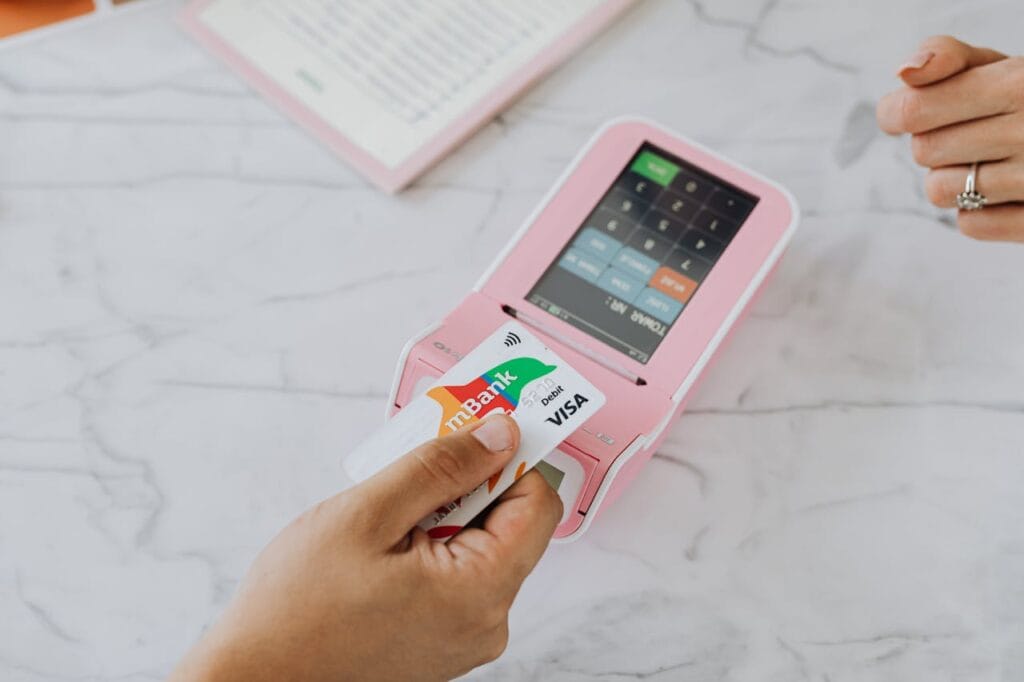
Visa, a global leader in payment technology, is set to revolutionize the financial landscape in the United States with the introduction of its new multi-account cards.
The company is dedicated to revolutionizing the financial management experience for consumers by introducing a single card that can seamlessly connect to multiple bank accounts.
It has the potential to eradicate the necessity of carrying numerous cards, improve security by leveraging advanced biometric technologies, and meet the increasing demand for convenient and digital banking solutions.
The trend has been greatly accelerated by the impact of the COVID-19 pandemic, highlighting the urgency for simplified and secure financial management tools.
The Concept of Multi-Account Card
The idea of a multi-account card is not entirely new but has seen limited implementation, primarily in parts of Asia.
Companies around the world are taking notice of this, with major players like Genome quickly adopting the technology to provide their customers with more flexible payment options. You can find more information about that company here: https://genome.eu/
Meanwhile, Visa’s initiative to bring this technology to the U.S. market marks a significant milestone in the evolution of payment solutions.
It won’t only simplify the user experience but also introduce a higher level of convenience and efficiency in managing personal finances.
Enhanced Security Features
One of the critical concerns in today’s digital age is security.
Online payment fraud has become increasingly prevalent, with Visa estimating the risk to be seven times higher than physical card transactions. To counteract this, Visa’s new multi-account cards come equipped with enhanced security measures.
The removal of the traditional 16-digit card number, a significant source of vulnerability, further fortifies the security framework. Instead, dynamic data and digital tokens will be used, making it considerably harder for fraudsters to steal and misuse card information
Biometric Technology Integration
Biometric technology is at the forefront of Visa’s security enhancements. The integration of biometric authentication methods—similar to those used in Apple’s ecosystem, including fingerprint and facial recognition—ensures that only authorized users can access the card’s features.
No longer will users need to remember multiple PINs or passwords; their unique biological traits will serve as the key to their accounts
Digital and Simplified Banking Solutions
The pandemic has accelerated the adoption of digital banking solutions as consumers seek safer and more convenient ways to manage their finances. Visa’s multi-account cards align perfectly with this shift, offering a digital-first approach to banking.
By consolidating multiple accounts into a single card, users can enjoy a more streamlined and efficient financial experience. Visa aims to reduce the physical clutter of carrying multiple cards and simplifies the process of managing different accounts
In addition to this, the most significant change introduced with Visa’s multi-account cards is the phasing out of the traditional 16-digit card number.
Instead of a static number, the new cards will use dynamic data and digital tokens to facilitate transactions. This shift not only enhances security but also represents a broader move towards digital encryption and advanced payment methodologies.
Industry-Wide Transformation
Visa’s multi-account cards are part of a broader trend towards the digital transformation of the financial industry. Companies like Apple, with their Apple Card, have already demonstrated the benefits of cards without printed account numbers and with robust biometric authentication.
Visa’s adoption of similar technologies indicates a significant shift in the industry, emphasizing the importance of security and user convenience. The rollout of Visa’s multi-account cards is expected to begin this summer, with availability depending on individual banking institutions. While the timeline for widespread adoption may vary, the anticipated advancements promise a significant step forward in digital payments.
Users can expect improvements such as the incorporation of tap-to-pay features and transaction approvals via biometric data. These changes not only enhance security but also offer a more seamless and user-friendly transaction experience.
Bottom Line
Visa’s introduction of multi-account cards represents a groundbreaking development in the world of digital payments. By allowing a single card to connect to multiple bank accounts,
Visa addresses the need for simplified and efficient banking solutions. Enhanced security measures, including advanced encryption and biometric authentication, provide robust protection against fraud.
As Visa continues to refine and roll out these technologies, consumers can look forward to a more secure, convenient, and streamlined banking experienceVisa’s multi-account cards are poised to revolutionize the way individuals manage their finances, setting a new precedent for the industry.
The integration of cutting-edge security features and the elimination of traditional card numbers underscore a significant shift towards a more digital and secure financial ecosystem.
As we continue to embrace digital solutions, Visa’s plan represents a critical step forward in the evolution of payment technologies, promising a future where managing multiple bank accounts is more straightforward and secure than ever before.
Along with multi-account cards, these companies are also working on other innovative solutions, such as virtual cards and contactless payments using mobile devices.
 Another extra value derived from this is other free services for example transactions are free with no hidden charges attached to them, online and mobile banking are all free as well as e-statements by use of BCU Cheque Account. With these free facilities one can manage his/her finances without undergoing any other additional costs thereby making it easier for an individual to stay afloat with financial matters.