
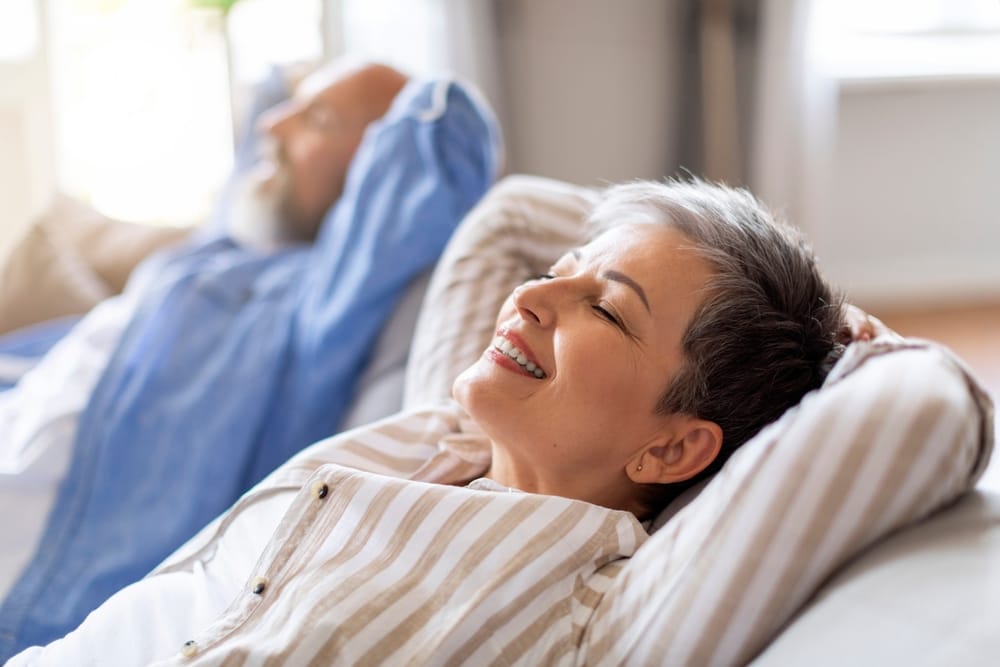
At first, DINK life can feel like a temporary season, like you’re “before” something bigger. Then the years pass, you build rhythms that actually fit you, and you realize this isn’t a waiting room—it’s your life. The interesting part is how the benefits change over time: what feels like a perk in your 20s and 30s can become a form of stability, health, and peace in your 40s and beyond. The goal isn’t to spend more or brag louder; it’s to use your flexibility with intention. Here are 13 lifestyle perks many DINK partners lean into more deeply as the years pass.
1. They Upgrade Rest Without Calling It “Lazy”
At some point, rest stops being something you earn and becomes something you protect. You start prioritizing sleep quality, calmer mornings, and recovery days after travel or stressful work weeks. That shift can improve health, mood, and relationship patience more than any fancy purchase. Lifestyle perks show up when you have the freedom to take rest seriously instead of treating it like a guilty pleasure. Over time, this becomes one of the biggest quality-of-life improvements.
2. They Make Their Home A Real Sanctuary
A home stops being just a place to crash and becomes a space designed for comfort. Couples invest in quiet, organization, and small upgrades that make daily life smoother. That can mean better bedding, soundproofing, a reading corner, or a kitchen that makes cooking enjoyable. Lifestyle perks aren’t always flashy; they’re often the little changes that reduce stress every single day. A well-designed home supports both partners, especially as priorities shift toward calm.
3. They Choose Convenience Strategically
Instead of spending on convenience impulsively, many couples get smarter about it with time. They pick a few areas where convenience genuinely improves life, like grocery delivery during busy seasons or paying for a cleaning service monthly. The goal is buying back time, not just buying things. The perks feel best when they reduce friction and protect energy for what matters most. Over the years, this becomes a deliberate tool, not a random habit.
4. They Invest In Health Before It Becomes Urgent
As years pass, health shifts from “nice to have” to “non-negotiable.” Couples start treating fitness, preventive care, and stress management like long-term wealth protection. They schedule checkups, get serious about movement, and pay attention to what helps them feel good. Lifestyle perks include having the flexibility to prioritize health without a complicated household schedule. Small changes now can create a dramatically better next decade.
5. They Travel For Joy, Not Just Escape
Early travel can feel like a break from life, but later it becomes part of life design. Couples get better at choosing destinations that match their values, not social media trends. They take shorter, more frequent trips or plan a bigger trip that feels truly meaningful. Lifestyle perks include being able to travel off-season for lower prices and fewer crowds. Over time, travel becomes less frantic and more restorative.
6. They Build Stronger Financial Optionality
The real flex isn’t spending more; it’s needing less from a paycheck. Couples often shift toward bigger cash cushions, heavier retirement contributions, and investments that create choices. That might mean a career break, a pivot, or simply the freedom to say no to toxic work. The perks become powerful when they translate into reduced anxiety and more control. Financial optionality is a quiet perk that grows louder with time.
7. They Create Weekends That Feel Longer
When you don’t have a packed kid schedule, weekends can be designed with more intention. Couples learn to protect slower mornings, mid-day naps, and spontaneous plans without feeling rushed. They also get better at balancing social time with solitude. Lifestyle perks include the ability to recover from the week in a way that actually works. Over years, this can prevent burnout and keep the relationship steadier.
8. They Treat Hobbies Like Real Life, Not A Side Quest
Many adults let hobbies fade, but DINK couples often bring them back as priorities. Learning instruments, taking classes, joining clubs, or building creative projects becomes part of identity. That creates joy, community, and a sense of growth outside work. Lifestyle perks include having the time and budget to stick with hobbies long enough to get good at them. This adds richness that isn’t dependent on career success.
9. They Choose Social Circles More Intentionally
As time passes, couples often stop trying to keep every friendship alive. They focus on mutual relationships that feel supportive and aligned with how they live. That can mean fewer obligations and more meaningful connection. The perks show up when social time feels nourishing instead of draining. Intentional friendships create a better daily life than constant social busyness.
10. They Customize Their Careers Around Life
In earlier years, careers can dominate by default. Later, many couples start asking what work is for, not just what it pays. They negotiate flexibility, shift roles, or choose companies that respect time and boundaries. Lifestyle perks include being able to take calculated risks because the household budget has more resilience. Over time, work becomes a tool, not the entire identity.
11. They Support Family Without Losing Themselves
Some couples become the go-to helpers for aging parents, nieces, nephews, or friends. With fewer built-in obligations, they may have more bandwidth to show up, but that can also create pressure. The healthiest couples build boundaries so help doesn’t turn into sacrifice. The perks include being able to offer support while still protecting the relationship and personal goals. Done well, this becomes a meaningful way to use freedom with purpose.
12. They Enjoy Quiet Without Feeling Like Something’s Missing
One of the most underrated perks is silence. Couples start appreciating calm evenings, uncluttered schedules, and a home that doesn’t buzz with constant activity. That quiet can make room for deeper conversations and better mental health. Lifestyle perks include the ability to recharge without guilt or explanation. Over time, peace becomes a chosen luxury.
13. They Become Confident In Their Version Of Success
The biggest shift is internal: couples stop comparing their life to someone else’s timeline. They define success by alignment, stability, health, and joy rather than outside approval. That confidence makes decisions easier and reduces the need to justify choices. Perks feel richer when you stop defending them and start using them. This is the perk that turns all the others into a life that truly fits.
The Best Perk Is Learning To Spend Freedom Wisely
Freedom can disappear into distractions if you don’t use it intentionally. The couples who thrive over time treat their flexibility like an asset they manage, not just a bonus they enjoy. They choose comfort that supports health, money moves that buy options, and routines that protect the relationship. Lifestyle perks aren’t the point by themselves; they’re tools that help build a steady, satisfying life. When you use them on purpose, the years get better instead of just busier.
Which lifestyle perk do you value more now than you did a few years ago, and why?
What to Read Next…
11 Unexpected Perks DINK Couples Discover After Their 30s
10 Lifestyle Wins Dual-Income, No-Kid Households Quietly Enjoy
9 Surprising Perks of Being a DINK Couple in an Inflation-Heavy Economy
8 Retreats Designed Just for Adult-Only Couples—and Why They’re Popular
7 Psychological Advantages Child-Free Couples Don’t Talk About
No Comments yet!