
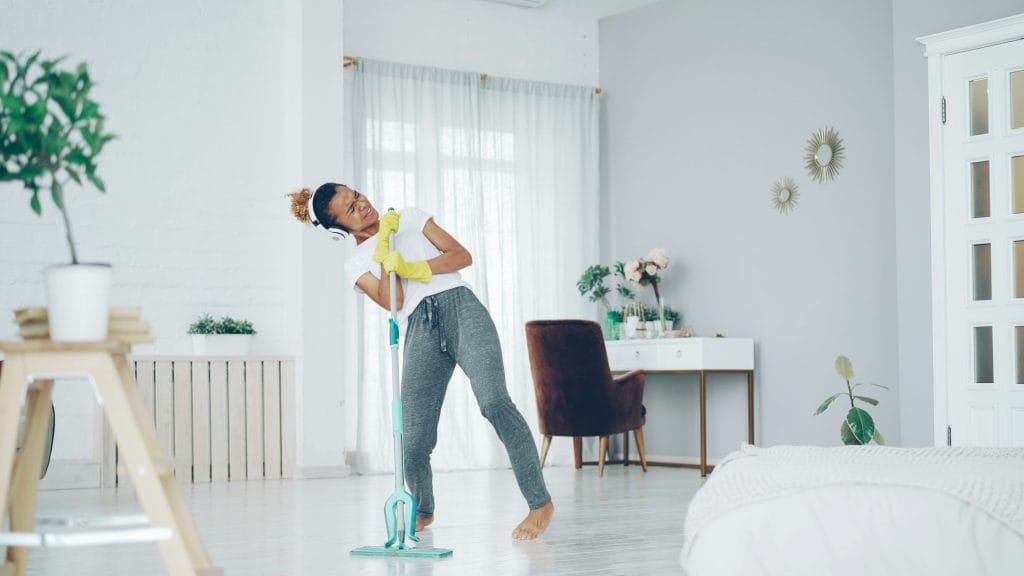
If you’re a working professional, your home probably looks like a tornado hit it most days. I get it. You come home exhausted, and the last thing you want to see is that pile of laundry that’s somehow grown legs and multiplied. Or those dishes staring at you from the sink like they’re personally offended.
The thing is, keeping your place clean doesn’t have to eat up your entire weekend. Trust me on this one. I’ve been there — spending Saturdays scrubbing when I’d rather be doing literally anything else. But here’s what I’ve learned: it’s all about working smarter, not harder.
Tip 1: Stop Trying to Do Everything at Once
Here’s your first mistake (and I made it for years): thinking you need to deep clean your entire house in one go. That’s a recipe for burnout.
Instead, pick your battles. Monday might be bathroom day. Wednesday: kitchen counters and that coffee table that’s become a mail graveyard. The key is being realistic about what actually needs attention.
Focus on the spaces where you spend most of your time. Your bedroom can wait if your living room looks like a crime scene. Guests don’t judge you based on your sock drawer — they notice the obvious stuff first.
Tip 2: Get Tools That Actually Work
This might sound obvious, but having decent equipment changes everything. I’m not saying you need to spend a fortune, but those $20 vacuum cleaners from the discount store? They’ll make you work twice as hard.
Shark Cordless Vacuums are honestly a game-changer for people like us. No cords to wrestle with, powerful enough to handle whatever mess you’ve created, and they work on pretty much any surface. I can vacuum my entire apartment in about 10 minutes now.
The point is this: when your tools don’t suck (pun intended), cleaning becomes way less painful. You’ll actually want to use them.
Tip 3: Less Stuff = Less Cleaning
I know, I know. “Just declutter” sounds like advice from someone who’s never owned anything. But hear me out.
That stack of magazines from 2019? Toss them. Those kitchen gadgets you bought during your brief healthy-cooking phase? Donate them. Every item in your home is something you’ll eventually need to clean, move, or organize.
Start small. One drawer. One shelf. You don’t need to go full minimalist overnight. But once you start getting rid of stuff you don’t actually use, cleaning becomes so much easier. Plus, your space feels bigger and less chaotic.
Tip 4: The 15-Minute Rule
This one’s my personal favorite because it actually works. Every day, set a timer for 15 minutes and just… clean something. Anything.
Maybe it’s loading the dishwasher while your coffee brews. Or folding laundry while watching Netflix. The trick is making it automatic — like brushing your teeth.
You’d be amazed at what you can accomplish in 15 minutes when you’re not overthinking it. And here’s the best part: your weekend deep-cleaning sessions basically disappear. Because there’s nothing left to deep clean.
The Bottom Line
I’m not going to pretend that cleaning is fun. But it doesn’t have to be the worst part of your week either.
These strategies work because they’re designed for real people with real schedules. You don’t need to be perfect — you just need a system that fits your life. Start with one tip that sounds doable, and build from there.
Your future self (and anyone who visits unexpectedly) will definitely thank you.
No Comments yet!