
 About Toi Williams
The 1960s was an era of fashion revolution, marked by an explosion of color, pattern, and silhouette that broke all the rules of the previous decades. While some trends from the 60s have made their way back into the fashion world, others remain a charming testament to the era’s unique flair. Here are 16 iconic fashion statements from the 60s that might seem outlandish to the modern eye, yet they perfectly encapsulate the spirit of experimentation and freedom of the time.
1. Go-Go Boots
 Synonymous with the 60s, white, patent leather go-go boots were a staple for every fashion-forward woman. Rising to mid-calf and worn with mini skirts or dresses, these boots were meant for dancing and defying conventional style norms. Today, while boots remain popular, the specific go-go style with its stark whiteness and height might seem peculiar on city streets.
2. Mod Miniskirts
 The miniskirt, introduced by Mary Quant, was a radical departure from the modest fashion of the 50s. Its daring hemlines, often several inches above the knee, shocked the conservative and became a symbol of youth rebellion and female liberation. In today’s varied fashion landscape, the miniskirt remains, but the original mod styles, with their geometric patterns and A-line shapes, carry a distinct 60s vibe that would stand out in the contemporary mix.
3. Psychedelic Prints
 Inspired by the counterculture movement and the popularity of psychedelic drugs, clothing in the 60s featured bright, swirling patterns that intended to mimic hallucinogenic experiences. These vibrant prints, while mesmerizing, would seem excessively bold in today’s fashion world, which often favors more subdued patterns and color schemes.
4. Space-Age Metallics
 The 60s space race influenced fashion statements in a way that saw metallic fabrics and futuristic designs take center stage. Silver dresses, metallic boots, and accessories that looked borrowed from a space explorer’s wardrobe were all the rage. While metallics pop up in modern fashion, the head-to-toe space-age look would be considered avant-garde by today’s standards.
5. Paper Dresses
 Disposable fashion literally took shape in the form of paper dresses. These were cheap, brightly printed sheaths meant to be worn a few times and then discarded. The concept of disposable clothing, while innovative, would likely conflict with today’s growing environmental consciousness and sustainable fashion movements.
6. Beehive Hairdos
 The beehive, a towering hairstyle that piled hair as high as possible atop the head, was both a feat of engineering and a fashion statement. Today, such an exaggerated and maintenance-intensive style would seem impractical and overly dramatic for everyday wear.
7. PVC Clothing
 Vinyl, or PVC, made its way into mainstream fashion in the 60s, crafted into dresses, coats, and boots. The shiny, plastic-like material was revolutionary at the time but would be considered quite bold and somewhat uncomfortable in today’s fashion scene.
8. Oversized Sunglasses
 The 60s saw the rise of oversized, often round sunglasses that covered half the face. Popularized by celebrities like Audrey Hepburn and Jackie Kennedy, these large frames provided a mysterious allure. While still in vogue, the extreme sizes and shapes from the 60s would certainly make a statement today.
9. Men’s Nehru Jackets
 Inspired by Indian Prime Minister Jawaharlal Nehru, this collarless jacket became a surprising menswear trend in the 60s. Though it added a touch of global sophistication to men’s fashion at the time, the Nehru jacket’s distinct look would be considered quite unconventional in the contemporary menswear landscape.
10. Tie-Dye Everything
 Tie-dye, a technique adopted from ancient dyeing methods, became a symbol of the free-spirited, peace-loving counterculture of the 60s. While tie-dye has seen a resurgence, the all-over, head-to-toe tie-dye looks from the 60s would seem excessive by today’s more minimalistic or strategically styled standards.
11. Bell-Bottom Pants
 Widening from the knee to form a bell-like shape around the feet, bell-bottom pants were a defining look of the late 60s, persisting into the 70s. While flared pants have come back in style, the extreme widths of original bell-bottoms would be quite the statement today.
12. Peacock Revolution Menswear
 The “Peacock Revolution” saw men embracing bright colors, flamboyant patterns, and luxurious fabrics, moving away from the drab suits of the past. This bold approach to menswear, while innovative, would contrast sharply with the more subdued, though increasingly diverse, fashion statements of today.
13. Fringe Details
 Fringe found its way onto jackets, vests, and skirts, inspired by Native American clothing and the burgeoning hippie movement. While fringe accents remain popular, the heavy, all-over fringe of the 60s would seem unconventional in the sleek and modern fashion context.
14. Babydoll Dresses
 Characterized by their high empire waistlines and short lengths, babydoll dresses embodied the youthful innocence and rebellious spirit of the 60s. Today, while the silhouette can be found, the original babydoll style carries with it a whimsy that would be unique amidst the contemporary mix of fashion influences.
15. Caped Coats
 Outerwear took a dramatic turn with the introduction of caped coats, offering a superhero-esque vibe to everyday attire. While capes make occasional appearances as fashion statements, the everyday use of caped coats would certainly turn heads in the current era.
16. Matchy-Matchy Sets
 The 60s loved coordination, with women often wearing matching sets that included dresses, coats, and hats in the same fabric and pattern. Today’s fashion values mix-and-match versatility, making such coordinated ensembles seem charmingly retro.
The Ever-Changing Landscape of Fashion
 The 1960s were a time of bold experimentation and breaking free from traditional norms, resulting in fashion statements that, while perhaps outlandish to today’s trendsetters, underscore the era’s spirit of innovation and freedom. These trends remind us that fashion is cyclical, with elements of the past continually reinterpreted for the present. Who knows? We might just see some of these outlandish 60s trends making a comeback, as today’s designers draw inspiration from this iconic decade.

 Known for its low cost of living and high median income relative to the cost, Des Moines is a hidden gem for millennials. The city boasts a thriving job market, particularly in the insurance and financial services industries. With affordable housing and a bevy of cultural attractions, Des Moines offers a balanced lifestyle where the ability to pay off debt and save money is within reach for many.
 Omaha is another Midwestern city that offers an attractive proposition for millennials looking to stretch their dollars further. The city’s robust economy is powered by a mix of industries, including technology, healthcare, and finance. Coupled with a low unemployment rate and reasonable housing costs, Omaha provides a solid foundation to pay off debt and save money.
 As part of
 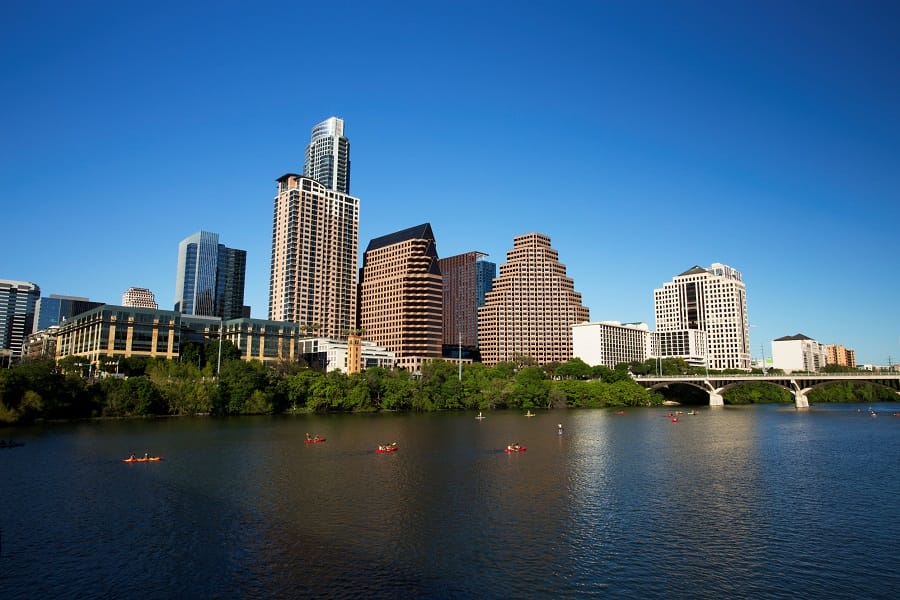 Austin has become synonymous with millennial culture, thanks to its vibrant music scene, a plethora of tech jobs, and a strong sense of community. While the cost of living has risen due to the city’s popularity, it remains lower than in many other tech hubs. The absence of state income tax in Texas also means more of your earnings can go towards paying off debt and saving.
 With its affordable housing market and growing tech scene, Pittsburgh is an attractive option for millennials. The city also offers a rich cultural heritage and access to quality education, making it a smart choice for those looking to further their careers without the financial strain associated with larger urban centers.
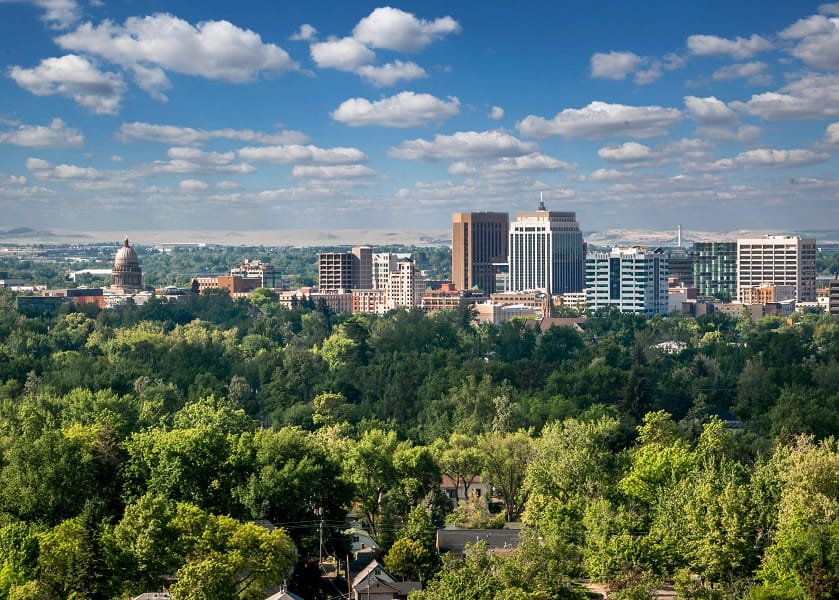 Boise stands out for its low cost of living, scenic landscapes, and burgeoning tech scene. The city’s economy is diversified, with strong sectors in manufacturing, healthcare, and technology. For millennials, Boise represents an opportunity to
 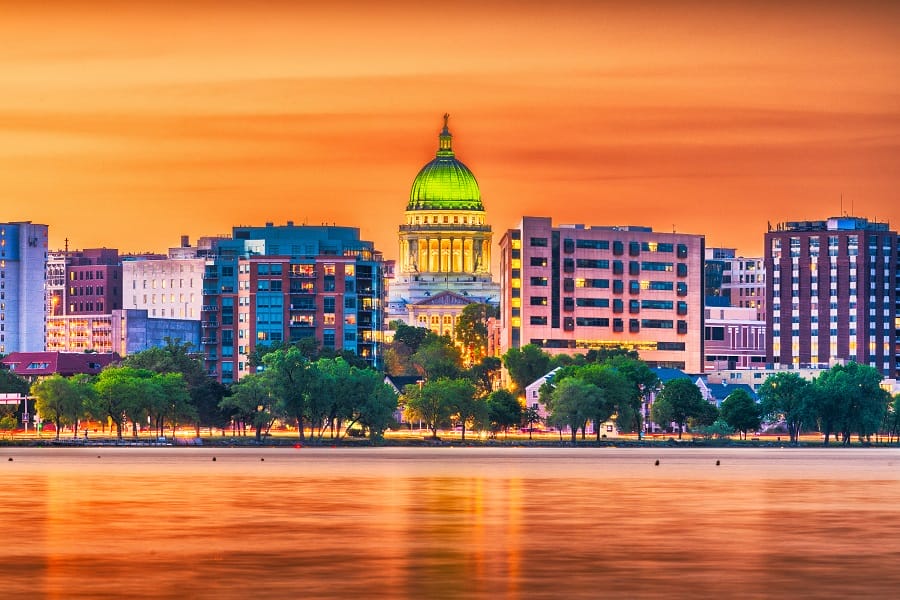 Madison is known for its high quality of life, excellent education system, and a strong job market, especially in the healthcare, technology, and education sectors. The city’s cost of living is manageable, and its vibrant social scene offers plenty of opportunities for leisure and networking while you pay off debt and save money for the future.
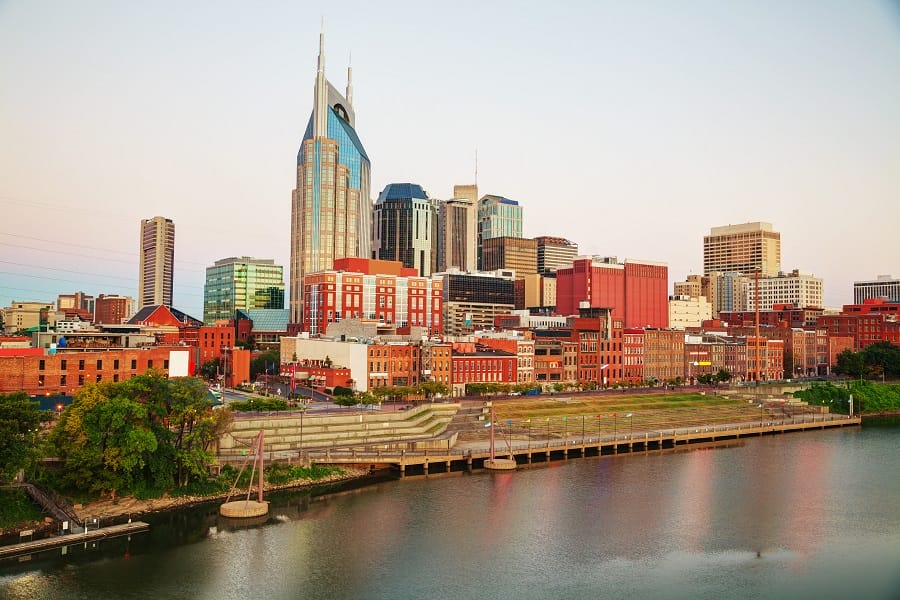 Nashville’s booming economy, fueled by the healthcare, music, and education industries, offers myriad opportunities for career growth. The city’s affordability, combined with a no state income tax policy, makes it an attractive location for millennials looking to maximize their savings and reduce expenses.
 Choosing the right city to live in can play a pivotal role in a millennial’s ability to pay off debt and save money. The cities listed above offer a unique blend of affordability, job opportunities, and lifestyle benefits that can help alleviate financial pressures. By considering factors such as the cost of living, employment prospects, and quality of life, millennials can find a location that supports their financial goals and personal aspirations.
 One of the most significant advantages of apartment living is the low-maintenance lifestyle it offers. Unlike homeowners, apartment dwellers don’t need to worry about landscaping, repairs, or the myriad of upkeep tasks that come with owning a house. Property management typically covers all maintenance needs, freeing up your weekends for relaxation and adventure instead of chores.
 Modern apartment complexes often come with a suite of amenities that can rival any luxury home. Fitness centers, swimming pools, communal gardens, and even movie theaters are becoming standard in many apartment buildings. These facilities not only add convenience but also enhance the quality of life without the extra cost of gym memberships or pool maintenance.
 Generally,
  Safety is a paramount concern for many, and apartment complexes often offer enhanced security features compared to standalone houses. Gated access, security personnel, surveillance cameras, and the close proximity of neighbors contribute to a safer living environment, offering peace of mind to residents.
 Apartments are frequently located in or near city centers, putting residents in the heart of the action. Easy access to workplaces, shopping, dining, and cultural events means less time commuting and more time enjoying life. This convenience is a luxury that suburban homeowners might not experience.
 Living in an apartment can foster a sense of community that’s hard to find in more spread-out suburban neighborhoods. Shared spaces and organized social events make it easier to meet neighbors and form lasting friendships. For those who value social connections, apartment living can provide a more communal and interactive lifestyle.
 In today’s fast-paced world, flexibility is key. Apartments offer the freedom to relocate without the hassle of selling a home, making them ideal for professionals on the move or anyone seeking a change of scenery. This flexibility is especially valuable in uncertain times or for those who crave variety in their living situations.
 Apartment living is inherently
  Buying a home is a long-term financial commitment that’s not suitable for everyone. Apartments, on the other hand, offer the freedom to commit for only as long as your lease term, providing an option that’s as temporary or permanent as you need it to be, without the daunting commitment of a mortgage.
 Living in an apartment often means having access to resources that would be out of reach or impractical for the average homeowner. From concierge services to on-site maintenance help, the concentrated resources available to apartment dwellers make for a convenient and assisted living experience that’s hard to replicate in a house.
 While the dream of homeownership persists, the benefits of apartment living present a compelling case for reconsideration. Whether it’s the allure of maintenance-free living, the convenience of amenities, or the community atmosphere, apartments offer a lifestyle that’s both enriching and practical. As urban living becomes more desirable and the realities of modern life demand flexibility, the upsides of apartment living are too significant to overlook. Before you commit to buying a home, consider the vibrant, convenient, and cost-effective lifestyle that an apartment can provide. It might just be the perfect fit for your needs and aspirations.
 Often referred to as “The Windy City,” Chicago is a fantastic alternative that mirrors NYC’s architectural grandeur and cultural depth. With its impressive skyline dominated by the Willis Tower (formerly Sears Tower), vibrant arts scene, and diverse culinary offerings, Chicago offers a Midwestern take on the urban lifestyle. The city’s extensive public parks, like Millennium Park, and its rich history in jazz and blues music add layers to its cultural fabric, making it a compelling choice for those seeking a blend of NYC’s energy and a unique local flavor.
 As Canada’s largest city, Toronto stands out as a multicultural hub that rivals NYC’s diversity. Its neighborhoods, like Kensington Market and Queen West, buzz with an eclectic mix of restaurants, cafes, and boutiques, reminiscent of NYC’s SoHo or Williamsburg. The city’s skyline, featuring the CN Tower, provides an urban backdrop that complements its green spaces and waterfront. Toronto’s film and music festivals, along with its vibrant arts scene, ensure that the cultural calendar is always packed, offering a slice of NYC’s artistic heartbeat.
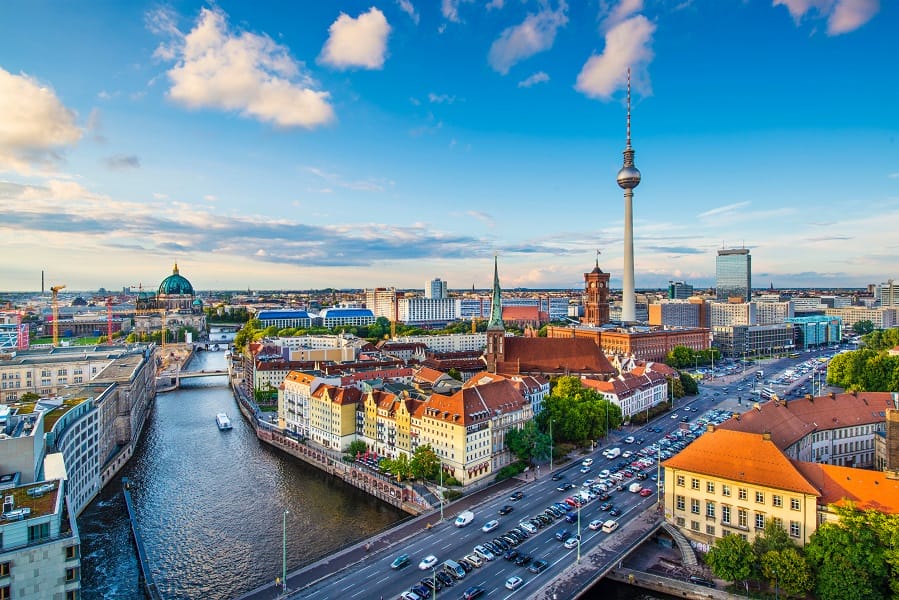 Berlin’s rich history, avant-garde art scene, and nightlife make it Europe’s answer to NYC’s dynamic urban culture. The city’s ability to blend its historical sites like
  Dubbed as Australia’s cultural capital, Melbourne exudes an artsy vibe that’s comparable to living in NYC. From its laneways filled with street art to its coffee culture that rivals Manhattan’s café scene, Melbourne offers a laid-back yet distinctly cosmopolitan lifestyle. The city’s thriving arts scene, with numerous galleries and theaters, alongside its culinary diversity, from upscale dining to street food markets, makes it a haven for those seeking the cultural richness akin to NYC.
 London’s historical grandeur combined with its modern vibrancy makes it a city that stands shoulder to shoulder with NYC. From the bustling markets of Camden and Borough to the serene beauty of Hyde Park, London offers a balance of greenery amidst urban development. The city’s theater district, West End, rivals Broadway, and its myriad of museums offer endless cultural exploration. The diversity of its population and the vibrancy of its neighborhoods make London a global city with a character that’s both unique and reminiscent of NYC’s essence.
 With its iconic
 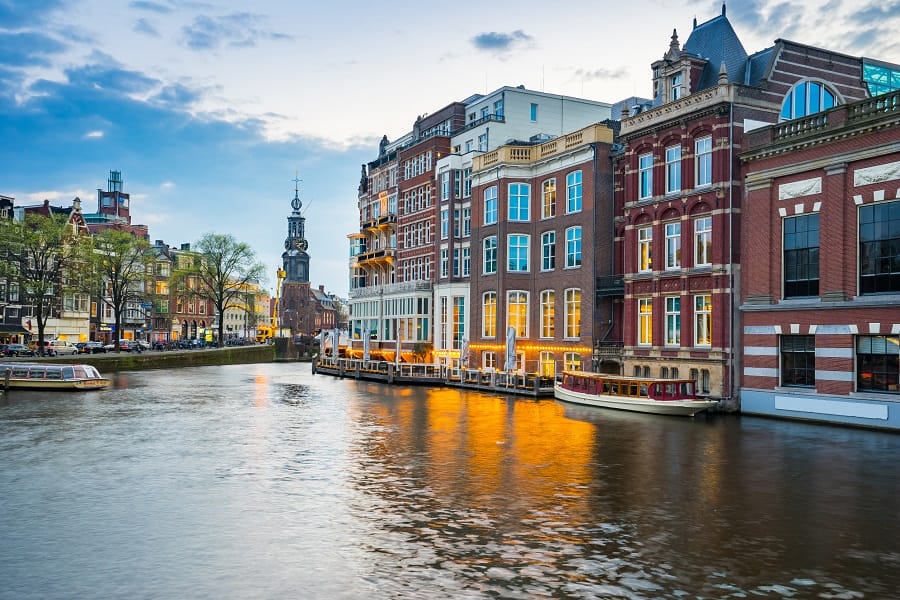 Amsterdam combines scenic beauty with an energetic urban lifestyle. The city’s canal-lined streets, vibrant arts scene, and liberal attitude echo the freedom and diversity found in NYC. Amsterdam’s compact size and bike-friendly culture offer a more relaxed pace of life, while its museums, nightlife, and festivals keep the urban energy alive.
 As a city that truly never sleeps, Seoul offers the hustle and bustle reminiscent of NYC. Its neon-lit streets, cutting-edge technology, and pop culture phenomena reflect a city that’s constantly on the move.
  Barcelona’s architectural marvels, designed by Antoni Gaudí, provide a unique backdrop to a city teeming with cultural richness. The city’s vibrant nightlife, beach culture, and culinary scene offer a Mediterranean twist to the urban lifestyle found in NYC. Barcelona’s emphasis on art, history, and outdoor living creates a diverse urban experience.
 Often referred to as the “Paris of South America,” Buenos Aires boasts a European flair combined with Latin American warmth. The city’s tango culture, historic neighborhoods, and passion for football create a vibrant atmosphere that’s both exotic and familiar to those living in NYC.
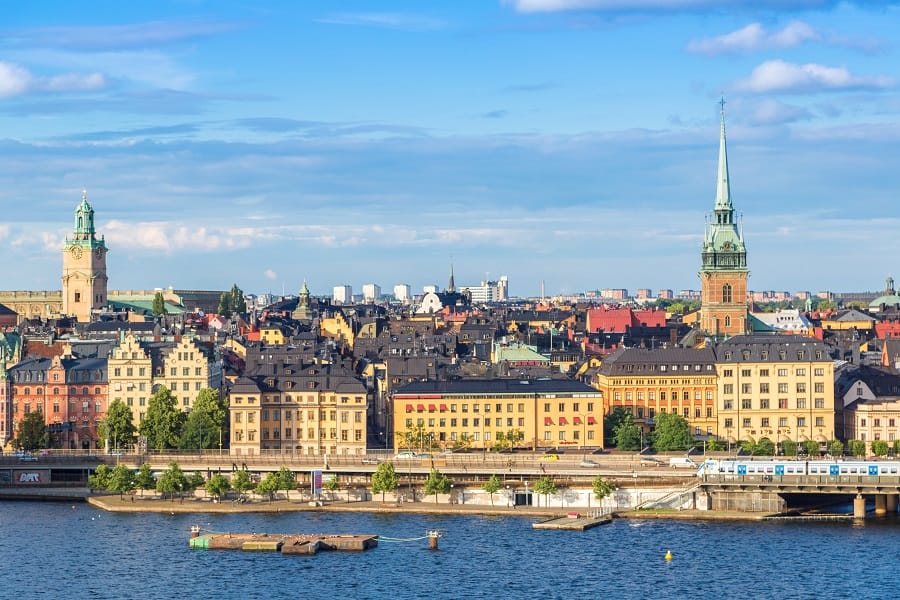 Stockholm’s blend of historic charm and modern innovation creates a unique urban environment. The city’s commitment to sustainability, design, and technology mirrors NYC’s forward-thinking attitude. Stockholm’s vibrant cultural scene and scenic beauty offer a peaceful yet dynamic alternative to NYC life.
 Known as the “Live Music Capital of the World,” Austin’s vibrant arts scene and tech-driven economy make it a burgeoning hotspot for those seeking the energy of NYC in a more laid-back setting. The city’s festivals, like SXSW, and its food scene offer a taste of NYC’s cultural richness in the heart of Texas.
 While NYC holds a unique place in the hearts of many, these 12 cities offer a taste of its vibrant lifestyle with their unique twists. Whether it’s the cultural diversity, the bustling urban energy, or the rich culinary landscapes, each city provides an opportunity to experience the essence of living in NYC, with the added bonus of new scenery and challenges. So, if you’re looking to broaden your horizons while still capturing that special NYC vibe, these cities are worth exploring.
 The concept of digital currency, powered by blockchain technology, is a tough sell for many baby boomers. Accustomed to traditional banking and tangible investments, the abstract nature and volatility of cryptocurrencies like Bitcoin feel like a leap too far into the unknown. Moreover, the complexity of securing and using digital wallets adds another layer of skepticism.
 VR and AR are reshaping entertainment, education, and the medical field by offering creative innovations that were once the stuff of science fiction. However, for baby boomers, strapping on a headset to dive into a digital world can be disorienting and unnecessary. The physical disconnection from the real world raises concerns about the social and psychological impacts of these technologies.
 While Facebook has seen widespread adoption across generations,
  The concept of hopping into a stranger’s car at the tap of a smartphone app is a radical departure from traditional taxi services for baby boomers. Concerns about safety, privacy, and the impersonal nature of transactions make creative innovations like Uber and Lyft less appealing to this generation.
 The
The  The shift from cable to streaming services like Netflix, Hulu, and Amazon Prime has transformed how we consume media. Yet, the overwhelming choice and the need for multiple subscriptions can be daunting for baby boomers, who often prefer the simplicity and familiarity of cable.
 While the convenience of carrying an entire library in your pocket is undeniable, many baby boomers still cherish the tactile experience of reading physical books. The screen glare and the need for charging devices are also turn-offs.
 The
The  Apps like DoorDash, UberEats, and Grubhub have changed the game for dining, offering convenience at our fingertips. Yet, for baby boomers, the idea of ordering food through an app instead of calling the restaurant directly or dining out feels impersonal and lazy.
 Fitness trackers, smartwatches, and health-monitoring gadgets offer insights into our well-being like never before. However, for a generation not raised with technology at their fingertips, the constant monitoring and data sharing raise concerns about privacy and the obsession with personal metrics.
 The concept of
  Asking a device to play music, set reminders, or even order groceries feels like living in the future. Yet, the idea of constantly having a device listening in on conversations is a privacy nightmare for many in the boomer generation.
 The push towards sustainable and autonomous driving is strong, but the trust isn’t quite there yet for baby boomers. The reliance on technology over human control in critical situations like driving is a significant barrier.
 Non-fungible tokens (NFTs) have taken the art world by storm, allowing digital creations to be bought, sold, and collected. However, the concept of owning something that doesn’t physically exist is a hard concept for many boomers to wrap their heads around.
 The idea of funding a project or lending money through an online platform, relying on the goodwill of strangers, contrasts sharply with traditional financial investments and loans, making it a skeptical venture for baby boomers.
 From creating prosthetic limbs to custom household items, 3D printing is undoubtedly one of the most important creative innovations of our lifetime. However, the practicality and necessity of owning such a device for personal use remain questionable for many boomers.
 The allure of receiving curated packages regularly is lost on many baby boomers, who view it as unnecessary consumption and prefer shopping for what they need, when they need it.
 While online courses offer flexibility and access to a wealth of knowledge, the lack of personal interaction and the question of credibility compared to traditional education institutions are significant drawbacks for some boomers.
 The convenience of paying with a smartphone might be appealing to younger generations, but many baby boomers prefer the tangibility and perceived security of cash and credit cards.
 Although sustainability is a universal concern, the rapid shift towards eco-friendly gadgets and technologies often comes with a learning curve and an initial investment that can be off-putting for those not as tech-savvy.
 The gap in acceptance of these innovations isn’t just about technology; it’s about a fundamental difference in perspective. For baby boomers, the pace of change can be overwhelming, and there’s a natural inclination towards the familiar and the tangible. Concerns about privacy, security, and the loss of human connection are at the heart of many reservations.
 In developed countries, the poverty line is often defined relative to the overall income distribution, meaning individuals are considered in poverty if they earn significantly less than the median income. This approach highlights income inequality, showing that poverty is not just about survival but about the ability to participate fully in society.
 A significant number of people in developed countries are living in “working poverty,” meaning they have jobs but still cannot afford basic necessities. This challenges the notion that employment alone is sufficient to escape poverty, underscoring issues like low wages and underemployment.
 In many affluent nations, the
  Women are more likely to live in poverty than men in developed countries, a disparity often linked to the gender pay gap, part-time work, and responsibilities related to child-rearing and caregiving. This gender poverty gap highlights systemic inequalities within the labor market and social safety nets.
 Homelessness in developed countries can be less visible, with many people experiencing “
 Despite having access to advanced healthcare systems, individuals in poverty in developed countries often experience barriers to receiving care. High costs, lack of insurance, and indirect expenses such as transportation can limit access to necessary treatments and services.
 In the age of technology, poverty also means being cut off from digital resources. The
  Children from low-income families in developed countries often have lower educational outcomes compared to their wealthier peers. This educational inequality perpetuates cycles of poverty, limiting future employment and income opportunities.
 Social policies in developed countries have a significant impact on poverty rates. Countries with comprehensive social safety nets, including universal healthcare, substantial unemployment benefits, and public housing, tend to have lower poverty rates.
 Food insecurity exists even in the most affluent societies, with individuals and families unable to afford or access sufficient nutritious food. This issue affects both urban and rural areas, challenging the assumption that poverty in developed countries is not a matter of survival.
 Many people in developed countries struggle with energy poverty, unable to afford heating, cooling, or electricity. This can lead to health problems, social isolation, and difficult living conditions.
 Poverty in developed countries is not confined to urban areas; rural regions often have higher poverty rates due to factors like limited job opportunities, lower wages, and lack of public services.
 Immigrants in developed countries are often at a higher risk of poverty due to barriers such as language, recognition of credentials, and discrimination. This group faces unique challenges in accessing employment and social services.
 Elderly individuals in developed countries can find themselves living in poverty due to inadequate pension systems, savings, or the rising cost of living. This highlights the need for robust social security systems to support aging populations.
 In many developed countries, the cost of living is outpacing wage growth, pushing more people into poverty. This crisis affects housing affordability, access to healthcare, and the ability to meet basic living expenses.
 These 15 surprising facts about poverty in the developed world underscore the complexity and persistence of poverty within affluent societies. They challenge common perceptions and highlight the need for comprehensive policies and social programs to address the root causes of poverty. Recognizing and understanding these issues is the first step toward creating more equitable and inclusive communities.
 Initial Skepticism: When Thomas Edison announced his intention to invent an electric light bulb, he was met with mockery. Critics called it “Edison’s folly,” doubting that something so revolutionary could ever come to pass.
 A Flight of Fancy: The Wright brothers, Orville and Wilbur, faced significant ridicule for their belief that human flight was possible. Many saw their efforts as wasteful and foolish, with some newspapers even refusing to cover their initial successful flights.
 Horseless Carriage Ridiculed: Karl Benz’s Motorwagen, often considered the first true automobile, was initially met with laughter and derision. Critics believed that horses were here to stay and that cars were merely a novel, impractical invention.
 An Unheard-of Invention:
  A Laughable Concept: In the early days of computing, the idea of a computer in every home was scoffed at. Ken Olsen, founder of Digital Equipment Corporation, famously remarked in 1977 that there was no reason anyone would want a computer in their home.
 A Web of Doubts: When Tim Berners-Lee proposed the idea of
 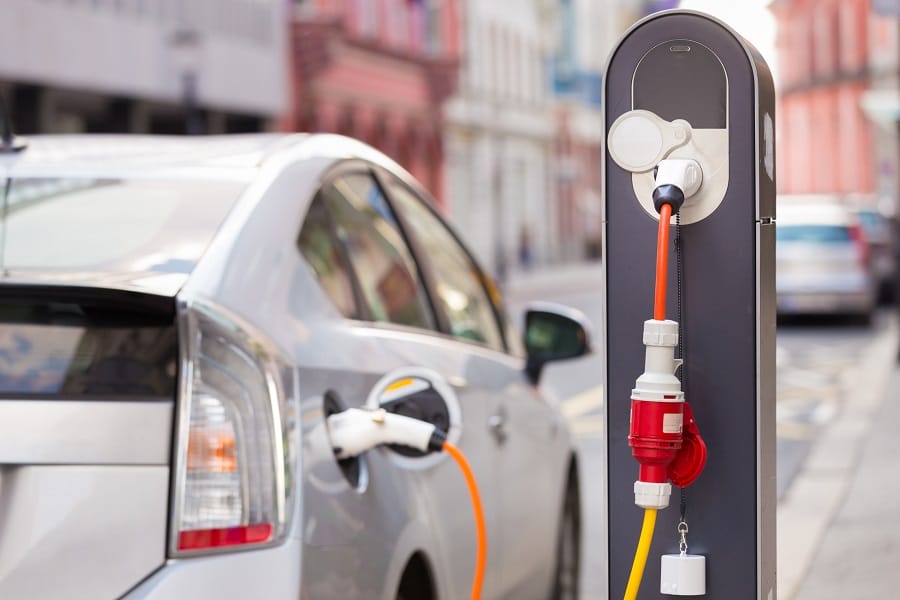 Early Resistance: Electric vehicles (EVs) were once seen as inferior to their gasoline-powered counterparts, with limited range and speed. They were often ridiculed for their perceived impracticality.
 Copycat Laughter: The photocopier, invented by Chester Carlson, faced years of rejection and ridicule before it was finally brought to market. His idea for dry copying was dismissed as unnecessary and unfeasible.
 A Shot of Skepticism: The
  These stories of revolutionary inventions remind us that progress often requires challenging the status quo and enduring skepticism. The inventors behind these innovations shared a common trait: the courage to pursue their vision despite the doubts of their contemporaries. Their perseverance not only changed the world but also served as an enduring inspiration to dream big and persist in the face of adversity.
 Even without kids, it’s vital to have a will in place. This document specifies how you want your assets to be distributed and can help prevent potential disputes among surviving family members. Without a will, state laws will determine how your estate is divided, which may not align with your wishes check out
  Trusts are not just for the wealthy; they’re a crucial tool for anyone looking to manage their assets both in life and after death. A trust can help you control how your assets are used and distributed, offering privacy, flexibility, and potentially significant tax advantages.
 Many DINK couples own property or bank accounts jointly. It’s important to understand the implications of joint tenancy, especially the
  Designating beneficiaries for retirement accounts, life insurance policies, and other financial instruments is crucial. These designations supersede instructions in wills and trusts, so it’s vital to keep them updated to reflect your current wishes.
 Estate planning isn’t just about assets; it’s also about ensuring your wishes are respected if you’re unable to make decisions for yourself. A durable power of attorney and a health care directive are essential documents that appoint someone to manage your affairs and make medical decisions on your behalf.
 Understanding the tax implications of your estate plan is crucial. From estate taxes to inheritance taxes, knowing how to structure your assets can save your estate significant amounts of money, ensuring more of your legacy goes to your chosen beneficiaries.
 In today’s digital age, it’s important not to overlook digital assets. From social media accounts to
  For many DINK couples, charitable giving is a way to leave a lasting legacy. Whether through a bequest in your will or setting up a charitable trust, there are many ways to support causes you care about as part of your estate plan.
 Life changes, and so should your estate plan. Regularly reviewing and updating your will, trust, and other estate planning documents will ensure they continue to reflect your wishes and circumstances.
 Estate planning for DINK couples is not just a matter of distributing wealth; it’s about making informed decisions that reflect your values, wishes, and legacy. By understanding and acting on these nine essentials, you can ensure your estate is handled exactly as you envision, providing peace of mind for both you and your loved ones. If you’re looking for more information or guidance, don’t hesitate to reach out to a professional in estate planning.
 Understanding the Bank Secrecy Act: The first thing that happens when you deposit over $10K is that your bank is required to report this transaction to the federal government. Under the Bank Secrecy Act (BSA), financial institutions must send the Financial Crimes Enforcement Network (FinCEN) a Currency Transaction Report (CTR) in these cases.
 The Bank’s Due Diligence: Following a deposit over $10K, your bank may reach out for additional information. This could involve verifying the source of the funds to ensure compliance with anti-money laundering regulations.
 Ongoing Monitoring: After making a large deposit, your account might be subject to increased scrutiny. Banks use sophisticated algorithms to detect patterns that might indicate illegal activities, and a large deposit can sometimes trigger these systems.
 Potential for Higher Rates: Depositing a significant sum could potentially qualify you for higher interest rates, depending on your bank’s policies. Some institutions offer tiered interest rates based on account balances.
 Enhanced Relationship: A substantial deposit can strengthen your relationship with your bank. It might qualify you for premium banking services, which often come with personalized financial advice, lower loan rates, or waived fees.
 Reporting Interest Income: While the deposit itself is not taxable, any interest earned on that deposit is subject to taxes. Ensure you report this income on your tax return to avoid any issues with the IRS.
 Receiving Offers: Banks often use information about your deposits and account balances to send targeted offers for credit cards, loans, or investment products that might suit your financial situation.
 Feeling of Security: Depositing a large sum can provide a significant psychological boost. It can offer a sense of financial security and open up new possibilities for future investments or purchases.
 Depositing over $10K into your bank account is a noteworthy event that brings both opportunities and responsibilities. Understanding the implications of such a deposit can help you navigate your financial journey more effectively. Staying informed and seeking professional advice when necessary is key to making the most of your financial resources and ensuring your financial stability.
 The Mistake: Many DINK couples enjoy the financial ease of double incomes but fail to create a unified financial plan. This oversight can lead to disjointed financial goals and missed opportunities for growth.
 The Mistake: With a comfortable lifestyle and two incomes, it’s easy to think you’re invulnerable to financial surprises. However, job loss, medical emergencies, or unexpected repairs can quickly derail your finances.
 The Mistake: Without the immediate need to save for child-related expenses, DINK couples might not prioritize retirement savings, missing out on the magic of compound interest over time.
 The Mistake: Thinking estate planning is only for the wealthy or those with children is a common misconception. Without a will or estate plan, the state decides how your assets are distributed, which might not align with your wishes.
 The Mistake: Keeping all your money in savings accounts or CDs may feel safe, but it means your money isn’t working as hard for you as it could be, especially with inflation.
 The Mistake: DINK couples might overlook the importance of adequate insurance coverage, thinking it’s unnecessary without dependents. However, life, disability, and health insurance are critical to protect each other financially.
 The Mistake: Not optimizing your tax situation can result in paying more taxes than necessary, reducing the amount of money available for savings and investments.
 The Mistake: As incomes rise, so can expenses, often without a corresponding increase in happiness or financial security. This “lifestyle inflation” can hinder your ability to save and invest for the future.
 The Mistake: Avoiding discussions about money can lead to misunderstandings and financial misalignment. Open and honest communication about finances is often overlooked but is essential for financial harmony.
 Avoiding these common financial mistakes requires awareness, discipline, and cooperation. By addressing these issues head-on, DINK couples can leverage their financial position to build a secure and fulfilling future. Remember, the goal isn’t just to avoid financial pitfalls but to create a life together that’s rich in experiences and free from financial stress.