
 About Toi Williams
In recent years, the DINK (Dual Income, No Kids) lifestyle has gained considerable attention and popularity among couples who prioritize financial independence, career advancement, and personal freedom over traditional family structures. By examining 14 reasons why more people are becoming DINKs, we can gain insights into the motivations behind this decision and its potential impacts on society, culture, and the economy. From the desire for flexibility and adventure to the challenges of modern parenting, these factors highlight the diverse and complex reasons couples choose to live child-free.
1. Financial Freedom
 One of the primary reasons couples are becoming DINKs is the financial freedom it offers. Without the expenses associated with raising children, DINK couples can allocate their resources toward personal goals, savings, and investments, enhancing their financial security and lifestyle quality.
2. Career Advancement
 The DINK lifestyle allows both partners to focus on their careers without the interruptions or compromises that parenting often necessitates. This can lead to faster career advancement, higher income levels, and greater professional fulfillment for both individuals.
3. Flexibility and Spontaneity
 DINK couples enjoy a level of flexibility and spontaneity that is harder to achieve with children. They can travel on short notice, explore new hobbies, and take advantage of opportunities without needing to consider the complexities of family logistics.
4. Reduced Stress and Responsibilities
 Raising children is a rewarding but undeniably stressful and time-consuming endeavor. By choosing not to have children, becoming DINKs can reduce the number of stressors and responsibilities in their lives, focusing instead on their relationship, interests, and well-being.
5. Environmental Considerations
 Some couples choose the DINK lifestyle out of concern for the environment, recognizing that having fewer children can contribute to reducing their ecological footprint. This decision often reflects a broader commitment to sustainability and environmental responsibility.
6. Personal Growth and Self-Discovery
 Without the responsibilities of parenthood, DINK couples have more time and energy to invest in personal growth, self-discovery, and mutual experiences that strengthen their relationship and individual identities.
7. Social and Recreational Opportunities
 Becoming DINKs affords couples the chance to engage more actively in social and recreational activities, whether it’s participating in community events, enjoying nightlife, or pursuing hobbies that might not be as accessible to parents with young children.
8. Challenges of Modern Parenting
 The perceived challenges of modern parenting, from navigating digital distractions to addressing societal pressures, can deter some couples from having children. The DINK choice often reflects a conscious decision to avoid these challenges.
9. Changing Family Dynamics
 As societal norms evolve, the traditional model of a nuclear family is no longer seen as the only path to fulfillment. Couples are redefining what family means to them, with some finding that a child-free life better suits their vision of happiness.
10. Desire for Quality of Life
 Many DINK couples prioritize quality of life, seeking a balance that allows them to enjoy their work, hobbies, and each other without the added pressures of raising children. This choice often leads to a more relaxed and enjoyable daily routine.
11. Health and Well-being
 For some, health considerations or concerns about genetic conditions influence the decision of becoming DINKs. Couples may choose not to have children due to the potential impact on their health or the health of potential offspring.
12. Supporting Extended Family
 Some couples opt for the DINK lifestyle to better support extended family members, such as aging parents or siblings with special needs, dedicating their time and resources to caring for loved ones.
13. Community Engagement
 Without the responsibilities of parenthood, DINK couples often have more capacity to engage with and contribute to their communities, volunteering for causes they care about and participating in local governance or organizations.
14. The Value of Deepening Relationships
 Finally, becoming DINKs allows couples to focus on deepening their relationship with each other, fostering a strong, supportive partnership built on shared experiences, challenges, and successes.
Embracing Diverse Life Choices
 The decision to become DINK couples reflects a broader trend towards valuing personal choice, diversity in life paths, and the pursuit of fulfillment in various forms. As society continues to evolve, understanding and respecting the myriad ways people choose to live and love becomes ever more critical, highlighting the importance of flexibility, respect, and support for all individuals, regardless of their familial choices.

 Originally a symbol of individuality and non-conformity, tie-dye clothing became a staple of the Baby Boomer aesthetic. If this trend were to resurface today, its vibrant colors and patterns would likely dominate Instagram feeds, with DIY tutorials and fashion influencers leading the charge in bringing back this psychedelic style.
 While vinyl has seen a resurgence in recent years, its return as a mainstream trend would enchant the digital generation. The tactile experience of playing a record, combined with the ritual of collecting and the rich sound quality, would likely captivate audiophiles and nostalgia-seekers alike, sparking a viral movement celebrating analog music in a digital world.
 The
The  Drive-in theaters, with their nostalgic charm and unique social experience, would offer a novel entertainment option in the era of streaming services. As communities seek safe and socially distant ways to enjoy films together, the revival of drive-in theaters could become a viral sensation, combining retro appeal with modern-day convenience.
 In an age dominated by digital communication, the personal touch of handwritten letters could spark a viral trend. Baby Boomers often engaged in
  The hula hoop craze of the Baby Boomer generation was a testament to the joy of simple, physical play. Reintroduced today, hula hoop contests could become viral fitness challenges on platforms like TikTok and Instagram, promoting health, creativity, and fun in a highly shareable format.
 The beatnik trend, with its emphasis on poetic expression and intellectual gatherings, would find a unique niche in today’s digital landscape. Virtual poetry readings and spoken word events, inspired by the beatnik ethos but shared widely on social media, could engage a new generation in the power of poetic expression.
 The communal and interactive nature of fondue parties, popular among Baby Boomers, would appeal to today’s foodies and DIY enthusiasts. Reviving this trend could lead to a viral wave of fondue-themed gatherings, cooking streams, and social media shares, celebrating the joy of shared meals.
 Lava lamps, with their mesmerizing flow and retro aesthetic, would captivate the internet’s collective imagination if they made a comeback. As home decor enthusiasts and trendsetters look for unique ways to personalize their spaces, the lava lamp could enjoy a viral renaissance as a must-have accessory.
 Combining the energy of disco music with the fun of roller skating, roller discos were a hallmark of Baby Boomer youth culture. A modern revival, complete with viral dance challenges and retro-themed roller rinks, could sweep through social media, bringing together nostalgia and fitness in a vibrant trend.
 The quirky trend of cramming as many people as possible into a phone booth speaks to the playful and creative spirit of the Baby Boomer generation. While phone booths are now a rarity, a contemporary version of this challenge, adapted for the digital age, could go viral as a humorous and light-hearted social media trend.
 These 11 quirky Baby Boomer trends, if revived in today’s digital landscape, have the potential to bridge generations, bringing together the nostalgia of the past with the innovation and connectivity of the present. By revisiting and reimagining these trends, we celebrate the enduring influence of the Baby Boomer generation while sparking new conversations and creative expressions that resonate across the ages.
 The global movements for social justice and racial equality have renewed interest in theories that address systemic racism and inequality. CRT’s emphasis on examining and dismantling race-based disparities aligns with current societal pushes towards equity and justice, making it a relevant and powerful tool for educators aiming to foster a more inclusive and critically aware learning environment.
 Critical Race Theory provides a framework for understanding the historical foundations of racism and its continued impact on modern society. In the wake of increased visibility of racial injustices, there’s a growing demand in educational spaces to address these issues head-on. CRT offers a lens through which students can critically analyze historical events and their lasting effects on present-day societal structures, promoting a deeper, more nuanced understanding of American history and race relations.
 Education plays a crucial role in shaping students’ worldviews and attitudes towards race and equality. CRT’s incorporation into curriculums is seen by proponents as essential for preparing students to navigate a diverse and complex society. By challenging traditional narratives and
  There’s a growing advocacy from educators, parents, and students for curriculums that reflect a diverse range of experiences and perspectives. CRT’s focus on
  The legal and political battles over the teaching of Critical Race Theory have inadvertently increased its visibility and interest among educators, parents, and policymakers. As various states propose legislation to limit its teaching, the debates surrounding CRT have prompted many to seek a deeper understanding of the theory, its applications in education, and the reasons behind the controversies.
 The evolution of educational philosophy towards more holistic and interdisciplinary approaches creates a natural space for Critical Race Theory. As educators strive to create learning environments that not only impart knowledge but also foster social and emotional growth, critical discussions about race, identity, and power become increasingly pertinent. CRT’s emphasis on intersecting identities and systemic power dynamics complements contemporary educational goals of developing well-rounded, socially conscious students.
 As Critical Race Theory continues to gain prominence in educational discussions, it’s imperative for all stakeholders—educators, students, parents, and community members—to engage in open, informed dialogues about its implications for teaching and learning. By exploring the reasons behind CRT’s rise to prominence, individuals can better understand its potential to contribute to a more just and equitable society. Encouraging critical examination and discussion of race and systemic inequality within educational settings is crucial for preparing students to become engaged, thoughtful citizens in a diverse world.
 Immature men often shy away from taking responsibility for their actions or decisions, preferring to blame external factors or other people for their misfortunes. Recognizing the importance of accountability is a crucial step towards maturity, as it leads to personal growth and strengthens trust in relationships.
 Many immature men find it challenging to express their feelings and needs effectively, leading to misunderstandings and conflicts in relationships. Developing open and honest communication skills is essential for building strong connections and resolving issues constructively.
 A lack of
  While jealousy is a natural emotion, letting it control actions and thoughts can be a sign of insecurity and immaturity. Mature men understand the importance of trust and confidence in a relationship, working to address their insecurities rather than letting jealousy take over.
 Seeking constant approval and validation from others can indicate a lack of self-confidence and maturity. Building self-esteem and learning to value one’s own opinion above external validation are important steps in becoming more secure and self-assured.
 Immature men often avoid deep or serious conversations, preferring to keep things light and surface-level. Engaging in meaningful discussions, especially about the future or emotional needs, is crucial for developing a deeper understanding and connection with others.
 A reluctance to commit to relationships, jobs, or goals can signify immaturity and a fear of facing the responsibilities that come with commitment. Embracing commitment and the growth it brings can lead to more fulfilling experiences and personal satisfaction.
 Struggling to understand or share the feelings of others is a common trait of immaturity.
  The need for constant attention and to be the center of attention can be draining for those around an immature man. Learning to be comfortable in one’s own company and giving others space is a sign of emotional maturity.
 An inability to admit wrongdoing and apologize sincerely is a hallmark of immaturity. Recognizing mistakes and making amends is essential for maintaining healthy relationships and personal integrity.
 Using social media likes and comments as the primary source of self-worth can indicate immaturity. Focusing on real-life achievements and relationships is key to developing a more grounded sense of self-esteem.
 Finally, a refusal to grow or change, insisting on sticking to familiar patterns even when they’re harmful, demonstrates a lack of maturity. Embracing change and being open to learning and self-discovery are vital for personal development.
 Recognizing and addressing these behaviors can be the first step for immature men towards growth and improvement. Maturity isn’t about age but about the willingness to learn, evolve, and take responsibility for one’s life and relationships. By working on these areas, individuals can develop into more mature, responsible, and emotionally intelligent men, enriching both their lives and the lives of those around them.
 Sometimes, all it takes is a subtle nudge to remind your friend of their obligation to repay money they owe. Start by casually mentioning the loan in a conversation, emphasizing that you’re simply bringing it up as a reminder. This non-confrontational approach can often prompt your friend to acknowledge the debt without feeling pressured.
 If a gentle reminder doesn’t do the trick, it may be necessary to be more direct. Choose a good time to have the conversation, and clearly state that you’re bringing up the topic of the loan. Frame your request with kindness, understanding that your friend’s financial situation might have changed since they borrowed the money.
 Understanding your friend’s financial situation can make the repayment process smoother for both of you. Offer
  Creating a clear timeline for repayment can help avoid ambiguity. Suggest setting a specific date by which the loan should be repaid, and agree on it together. This makes the expectation clear and gives your friend a concrete deadline to work towards.
 Sometimes, written communication can be less intimidating for both parties. Sending a polite message or email can give your friend time to process the request and respond thoughtfully, reducing the potential for immediate, emotionally charged reactions.
 If you sense that repaying the full amount at once may be challenging for your friend, suggest the possibility of partial payments. This approach can ease the financial burden on them while also allowing you to recover some of the money they owe sooner.
 Choosing the right setting for this conversation is crucial. Discuss the matter in a neutral, private setting where both of you feel comfortable and at ease. This environment fosters open communication and a more favorable outcome.
 Don’t hesitate to express why you need the money back. Whether it’s for a personal financial goal or an unexpected expense, sharing your reasons can help your friend understand the urgency of the situation from your perspective.
 If there’s a significant event coming up that will likely involve financial transactions (e.g., a holiday, tax season), suggest it as a natural opportunity for your friend to repay the money they owe. This timing can make the repayment feel more manageable and less arbitrary.
 Be open to alternative solutions, such as bartering services or goods instead of monetary repayment, if it suits both parties. This flexibility can maintain the friendship while also addressing the loan repayment in a creative way.
 Throughout the conversation, reassure your friend that your primary interest is in maintaining the friendship. Emphasize that the loan does not define your relationship and that you’re willing to work together to resolve the issue.
 If discussing the matter directly proves too difficult, consider involving a neutral third party as a mediator. This can be someone both of you trust to handle the situation with sensitivity and impartiality, facilitating a fair resolution.
 Asking a friend to repay a loan requires a balance of assertiveness and empathy, ensuring the conversation respects both the financial agreement and the personal relationship. By approaching the topic with tact, understanding, and clear communication, you can navigate this delicate situation in a way that preserves your friendship while also addressing your financial needs. Remember, the goal is not just to get your money back but to maintain the trust and respect that form the foundation of your friendship.
 Some Baby Boomers perceive Gen Z’s work ethic as lacking, often attributing this to the rise of gig economy jobs and a focus on work-life balance. However, this view overlooks Gen Z’s adaptability and their prioritization of meaningful work that aligns with personal values and societal impact.
 While Baby Boomers often criticize Gen Z for their apparent over-reliance on technology, it’s essential to recognize this generation’s digital fluency as a strength. Gen Z’s adept use of technology enables innovation and efficiency in various fields, challenging traditional ways of working and communicating.
 Baby Boomers sometimes view Gen Z’s social activism through a skeptical lens, questioning the feasibility and depth of their commitment to causes. However, Gen Z’s activism is rooted in a global perspective, enabled by technology, and reflects a genuine desire for systemic change.
 The
The  Baby Boomers often criticize Gen Z for contributing to political polarization, particularly through social media. Yet, Gen Z’s engagement in political discourse reflects their commitment to addressing societal issues, even if their methods differ from past generations.
 The perception that Gen Z is financially irresponsible is another area of contention. While Baby Boomers focused on saving and investing, Gen Z values experiences and is more inclined to spend on travel and leisure, challenging traditional notions of financial success.
 Baby Boomers sometimes view Gen Z’s tendency to switch careers as a lack of loyalty or commitment. However, this reflects a shifting job market and Gen Z’s desire to find work that is not only financially rewarding but also personally fulfilling.
 The dream of homeownership, a cornerstone of the Baby Boomer American Dream, is not as attainable or desirable for many in Gen Z, leading to disagreements on its importance. Economic realities and lifestyle preferences significantly influence Gen Z’s attitudes toward owning a home.
 Baby Boomers often critique Gen Z’s urgency regarding climate change, attributing it to alarmism. However, for Gen Z,
  The preference for quick, digital communication among Gen Z is sometimes seen as impersonal by Baby Boomers, who value face-to-face interactions. However, Gen Z’s communication style prioritizes efficiency and reaches a broader audience, reflecting changes in social interaction dynamics.
 Understanding the controversial opinions Baby Boomers have about Gen Z requires empathy and dialogue from both sides. Recognizing the unique challenges and opportunities each generation faces allows for a more nuanced appreciation of their differences and similarities. By focusing on shared goals and values, Baby Boomers and Gen Z can find common ground, learning from each other and working together to address the complex issues of our time.
 Receiving frequent, unsolicited messages or emails from the same person can be an initial sign of cyberstalking. These may start as benign but can quickly escalate to more invasive or threatening communications. If someone persistently contacts you despite clear indications that you wish to be left alone, it’s a red flag.
 If an individual consistently posts derogatory, offensive comments on your social media posts, sends unwanted direct messages, or shares your personal information without consent, it’s a sign of cyberstalking. Stalkers often use social media platforms to monitor and interact with their targets under the guise of anonymity.
 Experiencing unauthorized attempts to access your online accounts is
  Receiving friend or follow requests from accounts that seem suspicious or unfamiliar can be a tactic used by cyberstalkers to gain closer access to your online activities. Be wary of accepting requests from people you do not know or trust.
 If you find yourself repeatedly tagged in inappropriate or irrelevant content by the same individual, it could be an attempt to embarrass or provoke you. Cyberstalkers often use tagging as a way to force interaction or visibility.
 Noticeable patterns of someone consistently liking, commenting on, or viewing your social media profiles, stories, or updates shortly after they’re posted can indicate cyberstalking. This behavior reflects a compulsion to monitor your online presence closely.
 A more sinister aspect of cyberstalking involves attempts to
  Receiving explicit threats or intimidating messages through digital channels is a clear sign of cyberstalking. These communications may threaten your safety, reputation, or personal relationships and should be taken seriously.
 Cyberstalkers may create fake profiles impersonating you or someone you know to gather information, damage your reputation, or manipulate others. This form of deception is a serious invasion of privacy and can have damaging consequences.
 If friends, family, or acquaintances receive unsolicited messages asking for information about you, it can be a tactic used by cyberstalkers to learn more about your life, habits, and relationships.
 Recognizing the signs of cyberstalking is the first step in protecting yourself from its impacts. If you suspect you’re being cyberstalked, it’s important to document all instances of suspicious behavior, adjust your privacy settings, and report the stalker to the platform and local authorities if necessary. Seeking support from friends, family, or professionals can also provide the necessary resources and emotional backing to address the situation effectively.
 Alzheimer’s disease, a form of dementia, progressively erodes memory and cognitive function. Despite extensive research, the exact cause remains a mystery, complicating the search for a cure. Current treatments focus on managing symptoms and improving quality of life, but the disease inevitably advances over time.
 Since its emergence, HIV/AIDS has been a major global health issue. Antiretroviral therapies have transformed HIV from a fatal diagnosis to a manageable chronic condition. However, the virus’s ability to mutate and hide within the body means that, as of now, these are diseases with no cure.
 Type 1 diabetes, an autoimmune disease where the pancreas produces little to no insulin, requires lifelong management of blood sugar levels through
  Parkinson’s disease affects movement, causing tremors, stiffness, and difficulty with balance and coordination. While medications and therapies can manage symptoms, the disease’s progressive nature and the absence of a cure make it a challenging condition to live with.
 MS is characterized by the immune system attacking the protective covering of nerves, disrupting communication between the brain and body. Treatments can slow the disease and manage symptoms, but there’s no cure for MS, making its progression unpredictable.
 RA is an autoimmune disorder that causes inflammation and damage in the joints. While treatments have greatly improved, helping many lead normal lives, they primarily manage symptoms as this is one of the most prevalent diseases with no cure.
 Lupus is a systemic autoimmune disease that can affect the joints, skin, brain, lungs, kidneys, and blood vessels. Managing lupus involves treating symptoms and minimizing flare-ups, as no cure exists for this complex condition.
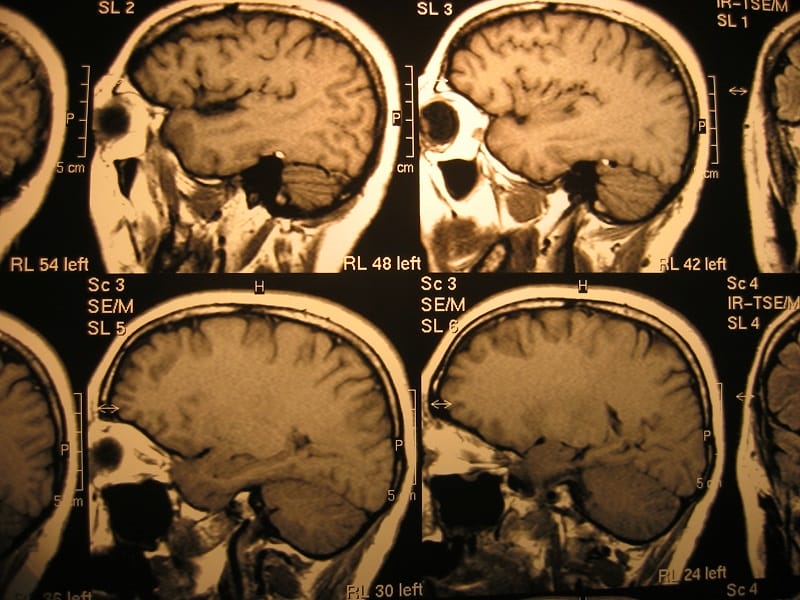 This inherited condition causes the progressive breakdown of nerve cells in the brain. Huntington’s disease leads to physical, cognitive, and psychiatric symptoms, with no cure available to halt its progression.
 Cystic fibrosis affects the lungs and digestive system, causing severe respiratory problems and nutritional deficiencies. Treatments focus on managing symptoms and improving quality of life, but it remains incurable.
 Amyotrophic lateral sclerosis (ALS) is a fatal neurodegenerative disease that affects nerve cells in the brain and spinal cord, leading to loss of muscle control. While treatments can extend life expectancy and improve quality of life, there’s no cure for ALS.
 This genetic disorder is characterized by progressive muscle degeneration and weakness. Current therapies can help slow the progression of Duchenne muscular dystrophy but cannot cure the disease.
 Crohn’s disease is an inflammatory bowel disease that can cause severe gastrointestinal symptoms. Treatment strategies focus on inducing and maintaining remission, but there’s no known cure.
 Tay-Sachs disease is a rare, inherited disorder that destroys nerve cells in the brain and spinal cord. There is currently no cure for Tay-Sachs, and treatment focuses on making the patient as comfortable as possible.
 Fibromyalgia is characterized by widespread musculoskeletal pain accompanied by fatigue, sleep, memory, and mood issues. There’s no cure for fibromyalgia, but a combination of medications, exercise, stress management, and healthy habits can help manage symptoms.
 The persistence of these diseases with no cure underscores the importance of ongoing medical research, patient advocacy, and public awareness. Each year brings new advancements in understanding and managing these conditions, offering hope where there was previously little. The quest for cures is a marathon, not a sprint, requiring the collective effort of scientists, healthcare providers, patients, and society. By supporting research and those affected by these diseases, we contribute to the hopeful journey towards finding lasting solutions.

 For Gen X, the landline was a primary means of communication, tethering conversations to physical locations. Waiting by the phone for a call was a genuine practice, and privacy meant stretching the cord as far as it would go. Millennials, raised in the era of cell phones and instant messaging, would find the limitations of landlines, such as being stuck in one spot for an entire conversation, impractical and archaic.
 Before Google Maps and smartphones, finding your way meant consulting a paper map or stopping to ask for directions. Likewise, the Yellow Pages was the go-to for finding business contacts. Millennials, accustomed to digital solutions for navigation and information retrieval, would likely find the idea of manually searching through physical directories or maps not just outdated, but inefficient.
 Gen X’s portable music experience was defined by cassette tapes and Walkmans, allowing music to be personal and portable. However, the concept of flipping tapes and the limited storage capacity would seem cumbersome to Millennials, who are used to streaming services offering instant access to millions of songs.
 The ritual of visiting a video rental store like
  The screeching melody of a dial-up modem connecting to the internet is a sound Gen X knows all too well. This slow, often interrupted service is unthinkable for Millennials, who have grown accustomed to high-speed internet and Wi-Fi, enabling constant connectivity.
 Once a marvel of office communication, sending documents through fax machines worked for Gen X. In contrast, Millennials would find faxing unnecessarily complicated and slow, given the ease of email attachments and cloud sharing.
 For school projects or general inquiries, Gen X had to rely on
  Gen X might remember the days of manually rolling down car windows and using keys to unlock doors. For Millennials, power windows and keyless entry have become the standard, making manual controls seem like a relic of the past.
 The anticipation of developing film to see if a photo turned out well is a feeling many in Gen X can relate to. Millennials, living in the digital age with the ability to take countless photos and instantly see the results, might find the process of film photography charming but impractical.
 Before the internet, finding movie times meant consulting the newspaper or calling the theater. For Millennials, the idea of not being able to instantly check showtimes online would be an unnecessary inconvenience.
 While writing checks worked for Gen X and was a common method of payment, Millennials have largely moved away from this practice in favor of digital payment methods like online banking, Venmo, and credit cards, valuing speed and convenience.
 Gen X had to watch their favorite shows at specific times or set up a VCR to record them. The concept of scheduled viewing is foreign to many Millennials, who prefer the flexibility of streaming services that allow them to watch content whenever and wherever they choose.
 The transition from Generation X to Millennials illustrates a dramatic shift in lifestyle and technology, highlighting how advancements have redefined our approach to everyday tasks. While the practices that once worked for Gen X might seem outlandish or outdated to Millennials, they also serve as a reminder of the rapid pace of change and the continuous evolution of societal norms. As we look to the future, it’s fascinating to consider what current norms will be viewed with similar nostalgia by the next generation.