Partners in Life and Business: How to Start a Business With Your Spouse

When choosing a partner in life, you’re also choosing a friend, companion, and caregiver. It’s pretty common for spouses to start a business together—there’s no more accessible or trustworthy partner than the one you’ve chosen for life. Working with your spouse professionally isn’t successful for everyone, but it can be fun and rewarding if you’re one of the many couples who thrive. However, like any business, you’ll need to do proper research and planning to see success.

Choose a Relevant Industry

If neither you nor your spouse has experience in the automotive industry, starting a car repair business wouldn’t be wise. Choose an industry you both can excel in, enjoy, and see profits for. Ensure the market isn’t too saturated for your product or business. You’ll also need to make sure there is an audience for what you’re trying to offer, especially if you plan on local customers.

Create Roles and a Business Plan

Everyone plans for their marriage and business to be successful. While you don’t necessarily need to plan for divorce, you should be prepared for worst-case scenarios. What happens to the business after divorce or death? What about inheritance if you have any children? What percentage of the business does each spouse get? Establishing a written legal contract for your business is always wise in case of divorce, death, or other legal issues. Additionally, you’ll need to designate specific roles for each other to ensure all tasks get done quickly and easily.

Register and Get Insured

Once you’ve decided on an industry, name, and other details, it’s time to register your business. You can choose from a few types of business structures, such as partnerships, corporations, and LLCs. Registration can give you tax and legal benefits for your business. Insurance protects your assets and business in case of issues such as natural disasters, theft, or dissatisfied customers.

Separate Work and Personal Lives

Discussing your new business during every waking moment can be tempting and exciting. However, it’s good to remember that you’re still a married couple, and your lives are more than your business. Designate a specific time, place, or schedule for business discussions. Casual business conversations are fine, but important work matters should be reserved for the office. Remember to enjoy your spouse outside of work to boost partnership success (in business and marriage).

Hire a Team

It’s hard to run a business yourself. Consider hiring professionals for unfamiliar tasks like budgeting, marketing, or real estate. Employees can help perform day-to-day tasks while you focus on business management.

Select a Location

Regardless of your business type, you must choose a location where business will be done. Even if you have an e-commerce business from home, you’ll need an office to store equipment, make phone calls, and prepare your products. You can create a home office or buy and rent an additional property for your business. Operating from home is cost-friendly, but if you require regular visitation from customers or clients, you may not wish to share your home with your business.

If you want to open a separate storefront for your business, you’ll need to research the best locations for your industry. Diversely populated, high-traffic areas like shopping centers or urban establishments are ideal. Select cities or areas with a strong economy as well. Listed are some cities that frequently see decent business success.

Boston, Massachusetts

Boston is well known for its thriving healthcare, insurance, and finance industries. Massachusetts offers excellent tax breaks for businesses, and many startups thrive here. You’ll have no shortage of talent, especially in finance and technology. It’s generally considered one of the best places to start a business.

Vancouver, British Columbia

If you want to start a Canadian business, looking at businesses for sale in Vancouver is a great idea. Vancouver has a robust and thriving economy and one of the most diverse populations, nearly half of which consists of immigrants of various backgrounds. Technology, entertainment, construction, and tourism mainly thrive here, but many other industries also flourish.

Charlotte, North Carolina

North Carolina’s largest city has many major businesses, such as Bank of America and Coca-Cola. Charlotte also has a strong and diversified economy that is great for businesses of any size or industry. Corporate tax rates are low, and the population is quite diverse, allowing many different target markets.

Take Advantage of Technology

There is a lot of tech and software to help businesses run more efficiently. Take advantage of them! You can automate many processes using digital platforms, like payroll, inventory, marketing, and more. Starting a business without technology can be more complex and time-consuming.

Utilize Smart Marketing Strategies

When creating marketing strategies, you can use your partnership to your advantage. Mention you’re married whenever applicable to draw in more target markets. A ‘mom-and-pop’ approach is quite appealing to many audiences and can increase your marketing success. Social media marketing is essential today, and you’ll want to take advantage of multiple platforms. Hire experts and managers when necessary.

Conclusion

Not all spouses work well as business partners, but you can increase your chances of success with proper planning and budgeting. Defining roles, goals, and timelines can help you and your spouse balance work and personal life. Choose a relevant industry in the proper location to boost the chances of profitability. Be sure to hire a qualified team, get insured, and register your business legally. Good luck!

Interlinking Opportunities

From (https://www.dinksfinance.com/2021/10/how-to-help-your-small-side-business-succeed/) with the anchor starting a business with your spouse

From (https://www.dinksfinance.com/2023/07/side-hustles-for-couples/) with the anchor starting a business


5 Effective Strategies to Help You Get Out of Debt On a Low Income

Getting out of debt is crucial for financial freedom and stability. It reduces stress, improves credit scores, and frees income for savings, investments, or emergencies. However, getting out of debt on a low income can seem challenging for many people with the current economy, but it’s far from impossible. You can easily take control of your situation with determined and well-calculated steps. Here’s a look at five assertive and practical ways to pay off your debt gradually, regardless of your income level.

1.Create a Realistic Budget

A well-structured budget will give a sense of direction to your finances, giving you an image of the expenses and revenue streams. Classify all your expenditures to get a picture of which priority list to come up with. Start with essentials like food, housing, and utilities, followed by other necessary expenses. 

Highlight areas in which you can cut back after identifying fixed expenses. You can make changes, such as canceling unused subscriptions or limiting how often you eat out. When you’ve identified areas where you can cut costs, direct the remaining funds toward paying off your debt.

2.Consider Debt Consolidation

With this approach, you will simplify the monthly repayment by helping you pay once per month instead of juggling several debts. For the debt management plan to work, involve professionals who have years of experience. Through their support, you can know how the debt consolidation program can work best for your financial situation. 

For instance, they’ll look at high-interest credit card debt, personal loans, or medical bills to determine how best to get relief. The bottom line is saving money by reducing the interest rates. Options commonly used for consolidations are personal loans, balance transfer credit cards, or home equity loans.

3.Increase Your Income

Whether freelancing within your industry, offering services like tutoring or pet sitting, or leveraging gig economy platforms, choose a hustle that aligns with your skills and availability. The best side hustle is the one that won’t overwhelm your daily routine but will still provide a steady income boost. Even if you’re only able to devote an hour or two a week to the side gig, that coming-in money can go directly to debt. It would help you pay your debt faster, plus your current daily expenses. 

4.Automate Your Payments

Automation can help you maintain consistency in your debt repayment, meaning every month, a repayment will be made on time without needing to take any more action. You can also ease financial stress by automating bill payments, loans, and credit cards. 


Keep evaluating your financial situation and initiating the necessary changes in your automation process. This strategy also helps you stick to your budget since you’ll account for debt payments as a fixed expense.

5.Negotiate with Creditors

Most creditors want to work with people who can demonstrate good faith and effort toward repaying their debts. You can ask for some reductions in interest rates, monthly payments, or even forbearances that might help you get through the more challenging times. 

When negotiating, be forthcoming with your financial situation in exchange for specific options to make the payments manageable. Successful negotiations can make a big difference regarding how fast you can pay off your debt since lower interest or reduced balances will leave you with more room to focus on how to quickly eliminate the debt.

Endnote

Paying off debt on a low income is achievable with effective strategies such as creating a budget, considering consolidation, and boosting your income. You will quickly break free from debt and build a more secure financial future by avoiding paying extra interest.

Tips for a successful 1031 Exchange:

Real estate investors have a unique opportunity to defer taxes and build wealth through the utilization of Section 1031 of the United States Internal Revenue Code (26 U.S.C. § 1031). A 1031 exchange, or like-kind exchange, enables real estate investors to defer capital gains taxes when they sell a property and reinvest the proceeds into a similar or “like-kind” property. Understanding the rules is crucial to ensure the exchange is executed correctly and that tax deferral benefits are preserved. While every 1031 exchange is different, with each investor having distinct goals and risk tolerances, there are general guidelines that can be applied to ensure a successful exchange.

Here’s what an investor should do to effectively execute a 1031 exchange:

1. Understand the rules.

The rules governing Section 1031 of the United States Internal Revenue Code (26 U.S.C. § 1031) are detailed and complex. A small mistake can lead to disqualification of the exchange, resulting in the immediate recognition of capital gains taxes. Investors should conduct their own research and engage consultants to help navigate these rules which are key to ensure compliance. While hiring consultants involves upfront costs, their expertise can prevent costly mistakes that might arise from misinterpreting IRS rules or mishandling funds. Consultants help ensure that the full benefits of the 1031 exchange are realized, which can lead to significant tax savings and better investment outcomes.

2. Establish your purchase criteria early.

Buyers often delay defining their purchase criteria, only to find themselves scrambling as the 45-day identification deadline approaches. Don’t wait until after selling to decide what you want to buy. Doing so can result in acquiring a less desirable property or having to pay the taxes you were trying to defer.

3. Engage your network of professionals early.

Ensure your real estate broker, attorney, and tax professional clearly understand your objectives. This clarity will help streamline the fast-paced and potentially stressful exchange process. Additionally, staying in communication with your network can keep you informed about any legislative changes that might impact 1031 exchanges, especially as tax laws evolve.

4. Talk with your lender or mortgage broker.

Before entering into a contract for a 1031 exchange, it’s crucial to ensure that the property type and location are financeable according to your lender’s criteria. Different lenders have specific criteria for approving financing based on the type of property (e.g., residential, commercial, industrial) and its location. Before committing to a purchase, confirm that the property you’re interested in meets these requirements to avoid potential financing issues that could jeopardize the exchange. The 1031 exchange process involves strict timelines, including the 45-day identification period and the 180-day closing period. If financing falls through due to the property not meeting the lender’s criteria, you may not have enough time to find and close on an alternative property, potentially disqualifying the exchange. Engaging a commercial real estate mortgage broker can help mitigate this risk as they have access to a wide variety of debt solutions.

Engage a team of consultants:

Engaging consultants, such as a Qualified Intermediary, tax advisor, and real estate attorney, in a 1031 exchange is crucial for several reasons. These professionals help ensure that the exchange is conducted correctly, minimizing risks and maximizing the tax deferral benefits. Here’s why their involvement is important:

Qualified Intermediary (QI) Requirement: The IRS requires that a QI facilitate the exchange. The QI holds the proceeds from the sale of the relinquished property and ensures that the investor does not take possession of the funds, which would disqualify the exchange.

Tax Planning and Strategy: A tax advisor can help structure the exchange to maximize the deferral of capital gains taxes, ensuring that the replacement property or properties are chosen strategically. The advisor can explain the tax implications of receiving “boot” (cash or other non-like-kind property) and help plan for potential tax liabilities.

Legal Considerations: A real estate attorney ensures that there are no title issues with the properties involved in the exchange, helping to avoid legal disputes that could derail the process. Additionally, an attorney can draft or review contracts related to the sale and purchase of properties in the exchange, ensuring that they comply with legal requirements and protect the investor’s interests. This is particularly important when considering properties in a new state that may have different legal processes and procedures.

Property Consultants: Don’t purchase blindly; even if you’re acquiring a newly constructed asset with a credit tenant, it’s essential to thoroughly understand the real estate involved. Every property owner has different risk tolerances. When considering a 1031 exchange, particularly with properties outside your primary market, it’s crucial to engage key professionals, such as:

  • Property Engineers, Surveyors, and Consultants: These experts assist in mitigating risk by providing a thorough understanding of the physical, environmental, and locational attributes of the real estate. During due diligence, you can either hire these professionals individually or work with a single national firm that offers a range of services.
    • Property Condition Reports
    • Phase I / II Reports
    • Property Surveys
    • Zoning
  • Property Management: A property manager with local expertise can help uncover gaps in the sales budget and identify operational inefficiencies or underestimated expenses. Addressing these issues early on can strengthen your negotiation for a price reduction or be factored into your business plan moving forward.

5. Communicate.

Maintain clear and open communication with your team, as well as with third-party buyers and sellers. Keeping everyone informed can help to resolve any issues that arise and ensure that all parties successfully reach their goals.

6. Consider Risks and Alternatives.

Assess the risks involved, such as potential disqualification of the exchange or difficulties in finding suitable replacement properties. Also, consider whether other tax deferral or investment strategies might be more appropriate. If a 1031 exchange isn’t suitable or desirable for a real estate investor, there are several alternatives to consider for managing capital gains and reinvesting proceeds. Here are some notable options:

  • Delaware Statutory Trust (DST)
  • Tax-Deferred 721 Exchange
  • Cash-Out Refinancing
  • Opportunity Zone Investment
  • Qualified Opportunity Fund
  • Installment Sale (Seller Financing)
  • Opportunity for Loss Harvesting
  • Charitable Remainder Trust
  • Deferred Sales Trust
  • Pay the Capital Gains Tax

Each alternative has its own advantages and considerations, depending on the investor’s financial goals, risk tolerance, and tax situation. Consulting with financial advisors, tax professionals, and legal experts is crucial to choosing the most appropriate strategy.

Successfully navigating a 1031 exchange requires a strategic approach and thorough preparation. By understanding and adhering to the complex rules of Section 1031, establishing purchase criteria early, and engaging a network of skilled professionals, investors can significantly enhance their chances of achieving a successful exchange. Engaging experts such as a Qualified Intermediary, tax advisor, real estate attorney, and property consultants is essential for ensuring compliance, mitigating risks, and making informed decisions. Additionally, maintaining clear communication and considering alternative strategies, if needed, can help you effectively manage capital gains and align with your investment goals. By following these guidelines, you can maximize the benefits of your 1031 exchange and make well-informed decisions that support your long-term financial success.

This material is for general information and educational purposes only. Information is based on data gathered from what we believe are reliable sources. It is not guaranteed as to accuracy, does not purport to be complete and is not intended to be used as a primary basis for investment decisions. It should also not be construed as advice meeting the particular investment needs of any investor.

CapWise Commercial Advisors, Inc. does not provide tax or legal advice. This material is not a substitute for seeking the advice of a qualified professional for your individual situation.

About The Author

Ben Faubion is a licensed commercial real estate broker in the State of California. He is a former CPA (inactive) and has worked as an advisor at both national and regional real estate consulting firms. Ben leverages his diversified background to assist clients in creating value in their commercial real estate holdings, including investment, debt financing, and leasing.

How Do Second Mortgages Work With Commercial Properties?

Second mortgages are a powerful tool to help commercial property owners unlock the value of their real estate. Knowing how second mortgages work is key to growing your business, investing in new opportunities, and managing your debt. Second mortgages offer great flexibility. This makes them an attractive option for accessing additional funds for various business needs.

What Is a Second Mortgage?

A second mortgage loan is a loan taken out on the same property that is used as collateral on a first mortgage. It is subordinate to the first mortgage so the second mortgage often has higher interest rates due to risk. Second mortgages are an option for businesses that need quick access to capital since they can provide a lot of funds based on the equity of the property.

Types of Second Mortgages

Second mortgages come in different forms, each with its own benefits. The two most common are lump sum loans and lines of credit.

Lump Sum Loans (Equity Loans)

A lump sum loan or equity loan is a one-off payment to the borrower. This type of second mortgage is for businesses that need a large amount of cash upfront for a specific project or investment.

The loan is repaid over a fixed term with regular payments so businesses can budget and plan. Additionally, lump-sum loans can improve business cash flow by providing immediate funds for specific projects or investments.

Line of Credit (HELOCs)

A line of credit or Home Equity Line of Credit (HELOC) is more flexible than a lump sum loan. A HELOC has a set limit called a “draw period” where the borrower only pays the interest of what they borrow. This can mean lower initial payments than a lump sum loan. 

Home Equity Lines of Credit (HELOCs) may offer greater flexibility and potentially lower interest rates for some borrowers, based on the lender’s conditions and the borrower’s creditworthiness.. They are great for ongoing expenses or projects that need incremental funding.

Second Mortgages for Commercial Property

Second mortgages have several benefits that make them an attractive option for commercial property owners. Investors can leverage second mortgages as a strategic method to finance additional property acquisitions. This highlights the potential for capital appreciation and enhanced investment opportunities.

Access to Funds

One of the biggest advantages of a second mortgage is access to a lot of funds. A second mortgage can provide access to funds that businesses might use for various purposes, including diversification, depending on the available equity and the lender’s terms. This makes them a strategic financial tool.

Lower Interest Rates

Second mortgages often offer more favorable interest rates compared to some unsecured lending options, such as business credit cards, but this varies depending on the lender and the borrower’s risk profile. They are a cost-effective option for businesses that need to borrow a lot of money. It will save businesses on funding costs and help improve cash flow.

Tax Deductibility

In certain situations, the interest on second mortgages might be tax-deductible, though borrowers should consult with a tax advisor for advice specific to their circumstances That will reduce the overall cost of borrowing even more.

Use of Funds

Funds from a second mortgage can be used for many business purposes. The flexibility in the use of second mortgages means businesses can allocate funds where they need them most.

How to Use Second Mortgages in Commercial Real Estate

Second mortgages can be used strategically to support business growth and finance management.

Business Growth

Second mortgage loans are for funding business expansion. This includes opening a new location, buying new equipment, or boosting marketing. A second mortgage can provide extra funds. They can help businesses seize growth opportunities without disrupting their core operations.

If you develop or construct property, consider residual stock loans instead.

Property Improvements

Renovations or upgrades to commercial properties can increase their value and improve the business environment. Second, mortgage loans fund these moves. So, businesses can improve their properties without affecting their budget.

Investment

A second mortgage can also be used to tap into a property’s equity for investment purposes. That could be to buy more properties or invest in other business ventures. Businesses can grow their portfolio this way.

Debt Consolidation

Businesses with multiple high-interest debts can use a second mortgage. It can consolidate those debts into one lower-interest loan. That will simplify debt management and reduce the total interest paid over time.

What Are the Risks of Second Mortgage Loans?

While second mortgages have many benefits, they also have some risks to consider.

Foreclosure

Since your property serves as collateral for the loan, failure to repay a second mortgage can result in foreclosure by the lender. Not being able to meet the repayment terms means that the lender can take the property back to recover the debt.

More Debt

A second mortgage adds to the overall debt of a business. That extra debt can put pressure on cash flow and make it harder to manage finances. Financial planning is key to not overextending the business’ resources.

Higher Interest Rates Than First Mortgages

Second mortgages have higher interest rates than first mortgages. That’s because they are subordinate to the first mortgage, so they are riskier for the lender. Businesses need to weigh the cost of borrowing against the benefits of the loan.

How Do You Qualify for a Second Mortgage?

Qualifying for a second mortgage involves meeting 5 general criteria that lenders usually look for.

  1. Sufficient Equity in the Property – Lenders will assess the property’s equity to determine how much can be borrowed.
  2. Good Credit Score and Stable Financial History – A good credit score and stable financial history are required for better loan terms.
  3. Necessary Documentation – This includes property valuation, proof of income, and other financial statements to show that the business can service the loan.
  4. Loan-to-Value Ratio (LVR) – Some lenders may cap the Loan-to-Value Ratio (LVR) for second mortgages on commercial properties at 70-75%, depending on the lender’s criteria.
  5. Lender’s Assessment – The lender will assess the property’s value and any existing mortgage to determine the risk and potential loan amount.

How to Manage a Second Mortgage

Managing a second mortgage requires planning and professional advice.

Plan Ahead

It would help if you had a clear plan on how the funds will be used and how the loan will be repaid. That includes forecasting future cash flows and ensuring the business can meet its obligations without compromising its financial health.

Talk to Professionals

Talking to financial advisors and mortgage lenders can give you valuable insights on what it means to take on a second mortgage. They can help structure the loan to align with the business’s financial goals and comply with all the legal requirements.

Exit Strategy

Having an exit strategy before you take on a second mortgage is critical. That might be selling the property, refinancing the loan, or other ways to repay the loan without financial stress. Having an exit strategy minimises the risk of default and protects the business’ assets.

Reference:

Maxiron Capital, 2024. No Doc Commercial Property Loan. Available at: https://maxironcapital.com.au/loan-product/no-doc-commercial-property-loan/ [Accessed 23 August 2024].

Investopedia, 2024. Second Mortgage Definition. Available at: https://www.investopedia.com/terms/s/secondmortgage.asp [Accessed 23 August 2024].

NerdWallet, 2024. What Is a HELOC?. Available at: https://www.nerdwallet.com/article/mortgages/heloc [Accessed 23 August 2024].

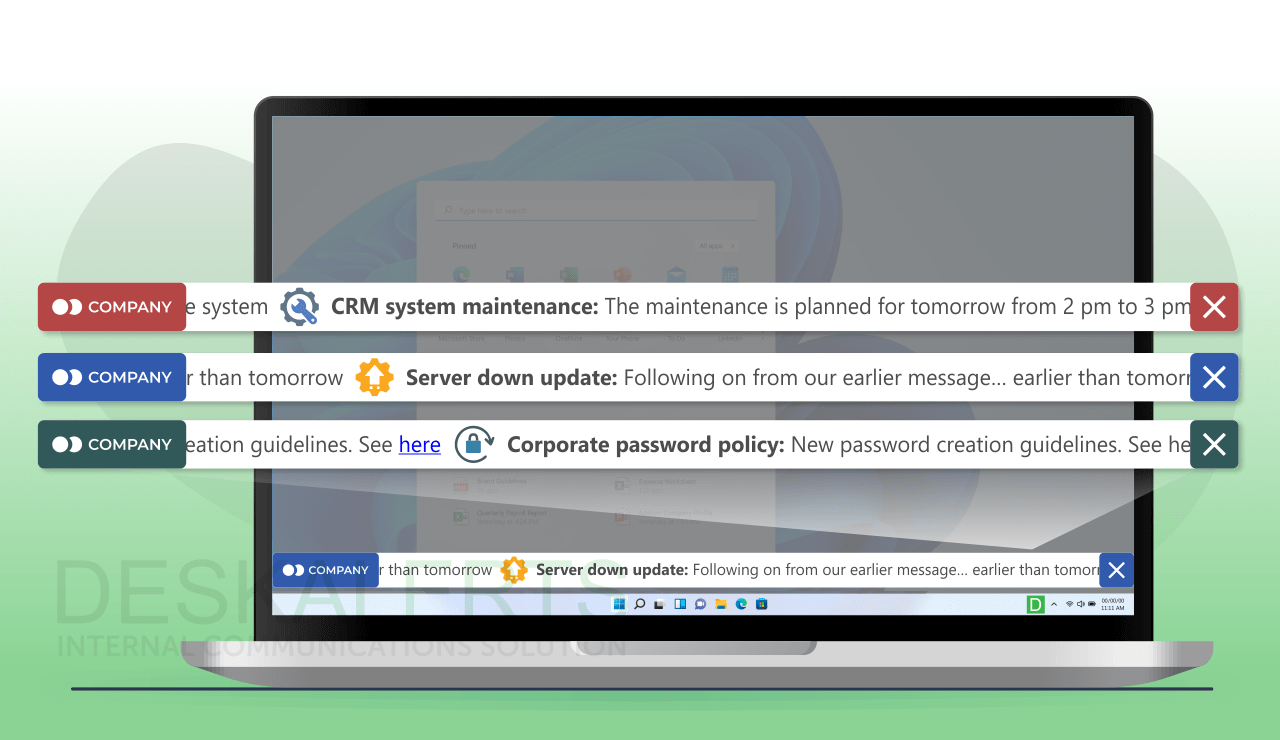
Top 5 Ways a Desktop Ticker Can Streamline Team Workflow and Efficiency

In today’s fast-paced work environment, keeping a team aligned and informed is critical to success. A desktop ticker—a scrolling information bar that displays updates—can significantly enhance team workflow and efficiency. One such tool that stands out in this domain is DeskAlerts, which has been recognized for its ease of use, reliability, and ability to deliver critical information without disrupting workflow. This article explores the top five ways a desktop ticker like DeskAlerts can benefit your team.

1. Real-Time Updates Enhance Decision-Making

A desktop ticker provides real-time updates directly to employees’ screens, ensuring everyone stays informed about important developments. Whether it’s market changes, project updates, or company announcements, instant access to information can be a game-changer.

Employee Insight:

Jane Williams, a project manager at a tech company, shared, “We implemented DeskAlerts to keep our team updated on project milestones and deadlines. The immediate access to updates has drastically improved our ability to make informed decisions quickly. The simplicity of the interface and the reliability of updates make DeskAlerts an indispensable tool.”

Real Data:

According to a study by Forrester, 72% of organizations that use real-time data streams report faster decision-making processes, leading to a 15% increase in overall project completion rates. DeskAlerts users have reported similar improvements, with many noting a 20% reduction in decision-making time.

2. Improves Communication Across Remote Teams

In a remote working environment, communication can often be fragmented. A desktop ticker helps bridge this gap by delivering consistent messages to all team members, regardless of their location. This consistency ensures that everyone receives the same information simultaneously, reducing miscommunication.

Real Data:

A survey conducted by Buffer found that 43% of remote workers identified communication as a major challenge. However, teams that use DeskAlerts report a 30% improvement in communication efficiency, largely due to its reliable delivery of synchronized updates.

3. Streamlines Workflow with Priority Alerts

Not all information is created equal. A desktop ticker allows for prioritization, highlighting the most critical alerts and updates. This feature ensures that important information doesn’t get lost in the clutter of emails or chat messages.

Lisa Greene, a senior analyst, explained, “Before using DeskAlerts, we often missed urgent updates buried in our inboxes. Now, critical alerts appear directly on our screens, and we can respond immediately. The ability to set priorities has been a huge time-saver and has reduced our response times to critical issues.”

Real Data: A study by McKinsey & Company revealed that employees spend 28% of their workweek reading and responding to emails. By using DeskAlerts, teams can reduce this time by up to 25%, freeing up more time for productive tasks and ensuring that critical updates are never missed.

4. Boosts Employee Engagement

Keeping employees engaged and informed is key to maintaining morale and productivity. A desktop ticker can be used to share company news, employee achievements, and motivational messages, fostering a positive work culture.

DeskAlerts Advantage: DeskAlerts offers customizable engagement features, allowing companies to personalize messages and highlight employee achievements. This not only keeps employees informed but also fosters a sense of recognition and belonging within the team. The platform’s ability to mix important updates with positive reinforcement contributes to a more motivated workforce.

Employee Insight: David Kim, an HR specialist, said, “Our DeskAlerts desktop ticker isn’t just for updates—it’s also a platform to recognize employee achievements and share motivational quotes. It’s a small gesture, but it goes a long way in keeping the team motivated. The flexibility to customize messages has really helped us build a more engaged and cohesive team.”

Real Data: Gallup’s research shows that highly engaged teams are 21% more productive. Companies using DeskAlerts for engagement purposes report a 20% increase in employee satisfaction scores, with many attributing this boost to the platform’s engaging and personalized communication features.

5. Facilitates Quick Access to Key Resources

A desktop ticker can be configured to provide direct links to essential resources, such as project documents, internal wikis, or training materials. This feature reduces the time employees spend searching for information, allowing them to focus on their tasks.

DeskAlerts takes this a step further by offering deep integration with company intranets, cloud storage, and other resource hubs. This allows employees to access necessary resources with just one click, significantly reducing downtime and streamlining workflow. The platform also tracks which resources are accessed most frequently, providing valuable insights for optimizing resource allocation.

Maria Lopez, a training coordinator, commented, “The ability to access training materials directly from the DeskAlerts ticker has made onboarding new employees much smoother. They can find what they need without having to search through multiple platforms. The integration with our internal systems has saved us countless hours and improved our overall efficiency.”

A report by IDC found that knowledge workers spend 2.5 hours per day searching for information. Teams using DeskAlerts with embedded links report a 35% reduction in time spent on information retrieval, leading to more focused and productive workdays.

Conclusion

Incorporating a desktop ticker like DeskAlerts into your team’s workflow can have a profound impact on efficiency and communication. By delivering real-time updates, improving remote communication, prioritizing critical alerts, boosting engagement, and facilitating quick access to resources, DeskAlerts can streamline your team’s operations and drive better results. Consider implementing this powerful tool to keep your team informed, engaged, and focused on what matters most. With its robust features and proven effectiveness, DeskAlerts is not just a tool but a strategic asset in optimizing team performance.

Managing Financial Transactions with Innovative Payment Solutions

Effective financial management is a cornerstone of success in both personal and professional life. Whether you’re balancing your household budget or overseeing corporate expenditures, having efficient payment solutions can significantly simplify your financial transactions. 

Innovative payment technologies have emerged as a powerful tool, revolutionizing the way we handle money. These cutting-edge solutions offer a myriad of benefits, including enhanced security, convenience, reduced costs, and increased efficiency.


The Evolution of Payment Solutions

The evolution of payment solutions mirrors the broader trajectory of technological advancement. From the early days of barter to the modern era of digital currencies, the way we exchange value has undergone a remarkable transformation.

Traditional Payment Methods

For centuries, cash and checks have been the primary means of exchanging value. While these methods have served their purpose, they come with inherent limitations. Cash can be bulky, difficult to track, and susceptible to loss or theft. Checks, on the other hand, require physical handling, can be time-consuming to process, and carry the risk of fraud.

Shift Toward Digital Payment Solutions

The advent of technology has ushered in a new era of payment solutions. Online payment platforms have gained widespread popularity, offering convenient and secure alternatives to traditional methods. These platforms allow individuals and businesses to accept payments online effortlessly, eliminating the need for physical currency or checks. 

The impact of technology on financial transactions has been profound. Mobile wallets, contactless cards, and biometric authentication have transformed the way we pay for goods and services. These innovations have made payments faster, more secure, and more accessible to a wider range of people.


Why Choose Innovative Payment Solutions

Innovative payment solutions are more than just tools for facilitating transactions; they are strategic assets that can enhance your business operations and improve your financial outcomes.

Integration and Compatibility

One of the key benefits of these solutions is their seamless integration with existing business systems. This compatibility ensures a smooth workflow and eliminates the need for manual data entry. Additionally, many innovative payment solutions are designed to work across multiple platforms, including web and mobile devices, providing flexibility and convenience for users.

Security and Compliance

Security is paramount in the realm of financial transactions. Innovative payment solutions incorporate advanced security measures, such as encryption and fraud detection, to protect sensitive data. By adhering to stringent financial regulations and compliance standards, these solutions provide a secure and trustworthy environment for your transactions.

Automated Processes

Automation is another hallmark of innovative payment solutions. Features like automated invoicing and payment tracking streamline your financial operations and reduce the risk of errors. Recurring billing and subscription management capabilities further simplify your administrative tasks. 

Leveraging the power of innovative payment solutions allows you to streamline financial processes, enhance security, and unlock new opportunities for growth.


Challenges and Considerations

Implementing innovative payment solutions comes with several challenges that businesses need to address to ensure a smooth transition and maximize benefits.

Cost Implications

Understanding the costs associated with new payment systems is crucial. Transaction fees can vary depending on the provider and the types of payments processed. While some solutions may offer lower upfront costs, hidden fees can accumulate over time. 

Businesses must carefully review pricing structures and assess how these costs impact their bottom line, especially in high-volume scenarios. For example, companies handling numerous small transactions might face higher cumulative fees, requiring careful selection of a provider with competitive rates.

Adoption and Integration

Adopting new technology can be daunting, especially for businesses accustomed to traditional methods. The learning curve associated with innovative payment solutions can be steep, requiring time and resources to train staff. Additionally, integrating these new systems with existing legacy systems poses a significant challenge. Compatibility issues may arise, leading to disruptions in operations. 

For instance, a business using an older accounting software might find it difficult to sync with a modern payment gateway, potentially causing data inconsistencies. A phased implementation, coupled with thorough testing, can help mitigate these risks.

Security Risks

While modern payment solutions offer enhanced security features, they also introduce new vulnerabilities. Cyber threats are constantly evolving, and businesses must stay vigilant to protect sensitive financial data. Implementing robust encryption, multi-factor authentication, and regular security audits are essential strategies to mitigate risks. 

For example, a business that processes online payments must ensure its payment gateway complies with the latest standards to avoid potential breaches. Additionally, having a response plan in place for potential security incidents can help minimize damage and maintain customer trust.


Future Trends in Payment Solutions

As the financial landscape evolves, several emerging technologies are poised to reshape how businesses manage transactions.

Blockchain and Cryptocurrency

Blockchain technology, with its decentralized and transparent nature, is gaining traction as a secure method for financial transactions. Cryptocurrencies are increasingly being adopted as alternative payment options, offering lower transaction fees and faster cross-border payments. For businesses, integrating cryptocurrency into their payment systems can provide a competitive edge, particularly in industries where international transactions are frequent. However, volatility and regulatory concerns remain challenges that must be navigated.

AI and Machine Learning in Payments

Artificial Intelligence (AI) and Machine Learning (ML) are transforming payment processes by enabling predictive analytics and personalized payment experiences. These technologies can analyze transaction data to predict customer behavior, optimize pricing, and detect fraudulent activities in real-time. 

For example, an e-commerce platform might use AI to offer personalized payment plans based on a customer’s purchasing history, improving conversion rates. As AI continues to advance, its role in automating and enhancing payment processes is expected to expand, providing businesses with powerful tools to streamline operations and enhance customer satisfaction.


Conclusion

Staying updated with innovative payment technologies is essential for business success in an increasingly digital economy. Adopting advanced payment solutions not only streamlines financial operations but also enhances security and improves customer satisfaction.

As technologies continue to evolve, businesses that adapt swiftly will be better positioned to meet market demands and capitalize on new opportunities. Continuous learning of these technologies will ensure that businesses remain competitive and thrive in a rapidly changing landscape.

How Object Storage Is Transforming Financial Services

Object storage has transformed how financial institutions store and manage vast data volumes underpinning digital transactions, customer analytics, AI and blockchain. It is web-scale in impacting capacity and flexible; it arranges data as objects unlike files or blocks data types so it can process big unstructured data. Data maestros in financial institutions can streamline processes to get data into the hands of those who need it and glean insights more quickly than before, consequently making better decisions faster. The pay-as-you-go model ensures lower operational costs and remote location-based replication where data privacy laws are stringent. Object storage enables financial institutions to be competitive, flexible, and compliant.

What Is Object Storage?

Object storage stores data as objects rather than files or blocks. Unlike traditional methods of storing data, object storage does not store data by hierarchy, block, or location. Instead, object levels and metadata are saved in a single namespace. The broad capability of an object storage is scalable to satisfy even the largest financial institutions hosting on-premise or in the cloud.

Transforming Financial Services with Object Storage

Financial companies can improve data management, expedite processes, and access new scalability and security levels by utilizing object storage. Here’s how transforming financial services object storage:

Scalability

With data ranging from transaction records to compliance reports, financial institutions produce large volumes of disparate information daily. Many traditional storage systems need to be more capable of keeping up or struggling to keep costs in line with modern efficiencies.

Object storage scales to store vast amounts of unstructured data, such as e-mail, documents, and logs. Scalability with flat architecture for ease of expansion without complicated upgrades. Therefore, object storage allows for handling petabyte workloads, which is suitable for finance since it is a very data-heavy field.

Cost Efficiency

Apart from scalability, object storage also provides an excellent financial model — certainly way better than traditional high-performance structured data-focused solutions such as databases. It helps regulate unstructured data, streamlining both infrastructure and upkeep costs. The impact this revolution has had on financial service firms is also profound, as cloud-based object storage removes the requirement to purchase expensive hardware for their data centers and only requires them to pay for the storage they consume. This pay-as-you-go pricing model allows scaling up and down on demand while simplifying backup, archival, and data retrieval to decrease operational expenses.

Data Security and Compliance

Object storage platforms address this with refined security features such as encryption, access controls, and audit logs. These tools also mitigate breach risks and assist in legal compliance provisions for sorts to monitor, report on, and retain data. This also helps in compliance, where policy-based data retention is automatically discarded after its appropriate lifetime, reducing storage costs and legal risks.

Compliance-based archive offerings for object storage as financial institutions increasingly leverage object storage on-premise and manage large volumes of unstructured data, they also continue to be highly regulated.

Enhancing Data Analytics and Business Intelligence

Financial institutions require data analytics and business intelligence as they rely on vast amounts of data in decision-making, investment strategy creation, market trends following, and service customization.

For example, object storage can help these facilities more efficiently manage unstructured data from multiple inputs and combine massive amounts of information for evaluation. Its built-in metadata ensures that data is organized and indexed correctly for better retrieval and understanding of meaningful relationships. This provides a foundation for more sophisticated and accurate analytics, whether used for predictive analytics, fraud detection, or risk management.

Supporting Innovation in Financial Services

The financial services sector is evolving, and the rise of emerging technologies like artificial intelligence (AI), machine learning (ML), and blockchain require high-performance data storage semi solutions to power them. AI models, customer behavior data analytics, and blockchain-based transaction security require copious amounts of data to be stored securely.

The flexibility of object storage, scalability, and the ability to store large unstructured datasets vital in AI and ML environments also helps deliver a ‘fit-for-purpose’ architecture that allows you to cope and scale as artificial intelligence products evolve. So, by embracing object storage, financial institutions can keep pace with technological innovations and scale their infrastructures to accommodate a growing data environment.

Disaster Recovery and Business Continuity

Downtime and data loss are unacceptable in financial services, where any institution needs to ensure they can back up their system correctly for disaster recovery (be it cyber-attacks or natural disasters). The smooth running of the company is a top priority as customer confidence and regulatory needs need to be satisfied, too.

Disaster recovery with object storage built for high availability and redundancy, options. This makes your data always accessible, even in the case of localized outages, by storing it across multiple regions or data centers (like cloud-based object storage).

Furthermore, these platforms typically have versioning and snapshot functionality, enabling universities to recover previous data versions if files are accidentally deleted or corrupted.

The Future of Financial Services and Object Storage

The use of object storage in financial services is still very nascent, but their promise must be addressed. Object storage can be a vital part of financial institutions’ infrastructure as they generate and use natural data. And its ability to scale while remaining cost-effective and enigmatic is perfect for all the data that financial services companies need to manage.

Going forward, the role of object storage will be significant in facilitating next-gen business models while enriching consumer experience and nurturing innovation. Financial institutions that adopt object storage today will position themselves to take advantage of emerging technologies, streamline their operations, and comply with the changing regulation environment.

Conclusion

The financial services industry is becoming more efficient with object storage because it saves such a large amount of data at an affordable price. Because it supports analytics, innovation, and disaster recovery, it comes as a boon to financial institutions where they can stay ahead of the competition while ensuring compliance with regulatory obligations and customer value preservation.

With ongoing changes at a rapid pace across various spectrums, object storage is likely to remain the backbone of their ability to adapt.

Why Semaglutide is the Future of Medical Weight Loss

Slimming is a problem to most people and that is why they search for various diets and exercises which in most cases are not healthy. The benefits of semaglutide order online are making a new era of weight loss. This is why men and women are using this medication successfully for fat burning because it affects the body’s natural processes. But what is it and why it is an optimal choice for the medical weight loss?

How Semaglutide Works

Semaglutide has an effect on the GLP-1 receptors located in the brain that is responsible for appetite regulation. This is because when these receptors are stimulated, the production of hunger hormones is suppressed hence making you feel less hungry. Also, semaglutide has an effect on the gastrointestinal tract as it decelerates gastric emptying, thus making the stomach retain food for longer and therefore the sensation of fullness. This combination assists in cutting calorie intake and stimulating fat loss.

Benefits Over Other Weight Loss Treatments

Efficacy in Achieving Weight Loss Goals

In comparison to other treatments, semaglutide has proved to be very effective in the case of fat loss. Though diet and exercise are very important, a lot of people struggle to lose enough weight by just following these two strategies. Semaglutide also provides extra help by targeting the biological processes that contribute to weight loss challenges.

Research also reveals that this preparation is more effective than other anti-obesity drugs. For example, a trial that compared semaglutide with liraglutide, another GLP-1 receptor agonist identified that the participants who took semaglutide shed more weight, which placed it as the most favorable GLP-1 receptor agonist for medication-induced fat loss.

The Rise in Medical Weight Loss

Semaglutide was initially used as a drug for type 2 diabetes and was approved by the FDA in 2017 but later was discovered that it has potential for weight loss. The results of clinical trials stated that the patients who took semaglutide lost a significant amount of weight compared to the ones who took a placebo. For this reason, it was approved in 2021 for the management of chronic fat, specifically under the trade name Wegovy.

Semaglutide has been instrumental in the treatment of obesity through controlling both appetite and metabolism thus being the go-to treatment for people who have not had success with multiple treatment options.

Safety and Side Effects

Semaglutide has moderate side effects with most of them being tolerable including nausea and diarrhoea. These side effects are normally temporary and disappear as the body gets acclimatized with the medication. Compared to other weight loss drugs, semaglutide’s side effects are relatively mild for instance, increased heart rate or high blood pressure unlike other drugs.

Numerous clinical trials have suggested that semaglutide has a low risk of severe side effects, which has been supported by subsequent meta-analysis. This makes it ideal for use in fat loss and maintenance of the same for people with other illnesses in the long run.

Future Implications in Medical Weight Loss

Potential for Broader Use

Research into semaglutide is ongoing, with scientists exploring its potential for treating other obesity-related conditions, such as non-alcoholic fatty liver disease (NAFLD) and polycystic ovary syndrome (PCOS). These studies indicate that preparation could have applications beyond weight loss, potentially offering a versatile treatment for various health issues.

As the understanding of obesity and its treatments evolves, semaglutide could become a key component of comprehensive weight loss programs, offering tailored treatments for different types of obesity or combination therapies that enhance its effects.

Conclusion

For those who are willing to apply this new type of treatment, it is necessary to receive the professional’s advice. If you want to get medication, you may try to order online or search for the possibility to buy semaglutide at Montefiore for the best fat loss program.

Further studies are expected to popularize semaglutide as a prescription weight loss medication and the future of medical obesity treatment. Further development and research means that semaglutide will continue to be the go-to treatment for obesity for many more years to come.

Unveiling the Mystery: How CCV Valves Keep Your System Running Smoothly

In the intricate world of industrial and technological systems, a myriad of components work harmoniously to ensure optimal performance. While some parts may seem more prominent, it’s often the unsung heroes, the seemingly small and unassuming elements, that hold the key to efficiency and reliability. In the realm of fluid control, CCV valves (Constant Current Valves) are among these unsung heroes, silently orchestrating the smooth flow of operations. The ST2-05-2-03/VAMS24-27 is a prime example of such a valve, playing a critical role in maintaining system stability and precision.

What is a CCV Valve?

A CCV valve, or Constant Current Valve, is a device designed to regulate the flow rate or pressure of a fluid within a system. It operates on the principle of maintaining a constant electrical current through a solenoid coil, which in turn controls the position of a valve plug or poppet. This proportional control allows for precise adjustments to the flow, ensuring that the system receives the exact amount of fluid required at any given moment. CCV valves find applications in a wide range of industries, from aerospace and automotive to manufacturing and oil and gas. The ST2-05-2-03/VAMS24-27, with its specific design and features, is particularly well-suited for demanding environments where accuracy and reliability are paramount.

The Role of ST2-05-2-03/VAMS24-27 in System Optimization

The ST2-05-2-03/VAMS24-27 CCV valve excels in maintaining precise control over critical system parameters. Whether it’s regulating the flow of fuel in an engine, managing the pressure in a hydraulic system, or controlling the temperature in a chemical process, this valve ensures that the desired conditions are consistently met. Its constant current design enables it to respond quickly and accurately to changes in the system, preventing fluctuations that could lead to inefficiency or even damage. Another model that may be useful in certain applications is the V5013B1029 CCV valve. Ultimately, the ST2-05-2-03/VAMS24-27 acts as a linchpin in optimizing system performance, minimizing waste, and extending the lifespan of valuable equipment.

Common Challenges and Troubleshooting

Like any mechanical or electrical device, CCV valves can encounter challenges that may affect their performance. Blockages caused by debris or contaminants, leaks due to worn seals, or electrical malfunctions can all disrupt the valve’s operation. Troubleshooting these issues often involves a systematic approach, beginning with visual inspections and moving on to more advanced diagnostic tools. Regular maintenance plays a pivotal role in preventing unexpected failures and ensuring that the ST2-05-2-03/VAMS24-27, or any other CCV valve in your system, continues to function optimally.

Choosing the Right CCV Valve for Your System

Selecting the appropriate CCV valve for your system is crucial to ensure optimal performance and longevity. Several factors must be carefully considered. The flow requirements of the application are paramount – the valve must be able to handle the maximum and minimum flow rates expected in the system. Pressure ratings are equally important, as the valve needs to withstand the operating pressures without leaking or malfunctioning. The operating environment, including temperature, humidity, and potential exposure to corrosive substances, also plays a significant role in valve selection. The V5013B1029 CCV valve, for instance, might be well-suited for certain applications with specific requirements. Consulting with experts or referring to manufacturer specifications is always recommended to ensure the chosen valve aligns perfectly with the system’s needs.

The Future of CCV Technology

The world of CCV valves is not stagnant, as advancements in technology continue to push the boundaries of performance and efficiency. Miniaturization is a key trend, enabling the development of smaller and lighter valves that can fit into tight spaces. Digital control systems are becoming more prevalent, offering greater precision and flexibility in regulating flow. Additionally, the use of advanced materials, such as ceramics and composites, is enhancing the durability and lifespan of these valves. The advent of Industry 4.0 and the Internet of Things (IoT) is poised to revolutionize the way CCV valves are integrated and monitored. Smart sensors and real-time data analytics could enable predictive maintenance, reducing downtime and optimizing system performance.

Conclusion

In the intricate dance of complex systems, the ST2-05-2-03/VAMS24-27 and other CCV valves play an indispensable role. Their ability to regulate flow and pressure with unwavering precision is crucial for achieving optimal efficiency, safety, and reliability. Whether it’s in a massive industrial plant or a sophisticated piece of machinery, these valves are the unsung heroes that keep things running smoothly. By understanding their function, addressing common challenges, and choosing the right valve for the job, we can unlock the full potential of our systems and ensure that they operate at their peak performance for years to come. As technology continues to advance, the future of CCV valves holds even greater promise, with innovations that will undoubtedly redefine the landscape of fluid control and system optimization.

3 Steps to Prepare for Small Business Loans Application

If you are looking into getting a small business loan, it can be the gateway to growth in your business, buying inventory, or daily cash flow management. However, applying can be a bit intimidating. Preparation is crucial to improve your chances of approval and streamline the process. 

  1. Assess Your Financial Health

Understanding your financial health is important because they will review your financial records to ascertain if you can repay the loan. Here’s how to prepare:

  1. Check Your Credit Scores: Lenders look at your personal and business credit scores as well as your partner’s payment ability. A higher credit score suggests a lower risk which in turn would make you more appealing to borrow from. Check your credit report for errors and work to increase your score.
  2. Compile Reports: Prepare detailed reports – Balance Sheet, Income Statement, and Cash Flow Statements. These documents give the lenders a glimpse of your business financials, as well as help them understand how stable and profitable your venture is.
  3. Business Plan: Drafting a complete business plan displaying your market knowledge and approach to growth It should consist of an executive summary, market analysis, organizational structure, product line, or services offered by the firm.
  4. Tax returns: You will need to provide at least two years of business and personal tax returns with most lenders. Make sure these documents are up to date and show your current financial status.
  5. Decide How Much You Need To Borrow

Determining the perfect amount of funding required—and where it will be funneled—is one of the key steps when considering a small business loan. This clarity ensures you pursue the right loan type and communicate effectively with potential lenders.

If speed and flexibility are priorities, exploring options from hard money lenders near you can be a smart move.

Assess your financial needs to Calculate the Loan Amount If you intend to buy new equipment, or maybe increase the size of your business, how much do you need? Both Overestimation and underestimation are equally harmful to your application.

  1. Purpose: Specify the purpose for which the loan has been taken out. Lenders are very interested in learning what the money will be spent on and how it helps your business. Outline your strategy Specifics Stick to how your plan is going to make money/save time.


  1. Research Types of Loans: There are all kinds of loan products, from term loans to lines of credit to equipment financing or SBA loans offered by different lenders These differ in the terms offered, including interest rates and requirements. Learn this and study them, then find the one that works for you.

2) Collateral for Loans: A few loans will ask you to bring collateral as a guarantee of your loan. This might range from real estate to inventory or equipment. Decide on your collateral assets and know their valuation

  1. Select the right lender and Apply for It

Subject: Choosing the Right Lender for a Small Business Loan Different lenders have different requirements, interest rates, and loan terms so shop around to find the best deal for you.

  1. Shop for Lenders: Look at banks, credit unions, online lenders, and microlender Compare their loan types, interest rates, charges, and requirements. You want to find a lender with experience in your industry and terms that fit nicely within your current financial situation.
  2. Plan Your Application: Every lender will require certain things in the application You usually have to send in your business financials — like tax returns, a balance sheet, and profit-and-loss statements—as well as information that includes collateral details behind the loan. With a perfectly complete accurate, well-organized application.
  3. Create a Relationship: Where appropriate, get to know your lender before needing this personal loan For one, having a relationship with the bank (where you keep your personal or business accounts) will make it more likely that they approve your loan. Stay in regular touch with your lender and give them updates on the progress of their business.
  4. Know the Terms: Read through all terms and conditions before signing a loan agreement But, always be wary of interest rates (including any prepayment fees), terms of repayment, and additional hidden costs. Always check whether you would be able to meet the repayment if it were called.
  5. Apply: Choose a lender and gather your documents to start the application process. If the webmaster has additional questions or requires further documents, give those to him as well. Getting approved is going through and being patient with your lender as the approval process does take time.

Receiving a small business loan is not something you jump into without thinking about it beforehand for you to be educated and informed on what the best course of action should be. A thorough review of your financial health, planning out what you need from the loan, and selecting an appropriate lender can all help to improve your chances of being granted access to that funding. Prepare, remember the better prepared and informed you are to take on a business loan at whatever stage of your small business journey will set it up for success.

You cannot copy content of this page