Understanding the Basics of a Crypto Trading Plan

Creating a beginner-friendly crypto trading plan is essential for anyone looking to navigate the complexities of the cryptocurrency market successfully. A structured plan can help traders make informed decisions, manage risk, and stay on course with their financial goals. Here’s a guide to help you build a foundational trading plan to get started with crypto trading.

Introduction

Cryptocurrency trading has grown exponentially in recent years, drawing in new and seasoned investors alike. However, with high volatility and diverse digital assets, diving in without a plan can lead to costly mistakes. Developing a crypto trading plan, especially as a beginner, is crucial for managing risks, setting realistic goals, and creating a pathway to profitable trading. This article outlines steps for creating a solid crypto trading plan, focusing on understanding key principles, using specific tools, and learning about common strategies to navigate market ups and downs effectively.

Understanding the Basics of a Crypto Trading Plan

Why You Need a Trading Plan

Creating a trading plan for crypto is like setting up a roadmap. It defines your investment objectives, the type of assets you’re interested in, and the rules for making trades. For beginners, a trading plan helps avoid impulsive decisions and ensures you stick to predetermined guidelines.

Components of a Crypto Trading Plan

Every trading plan should include certain key elements, such as:

  • Goals and Objectives: Define what you aim to achieve, such as a specific return on investment or learning objectives.
  • Risk Tolerance: Identify how much risk you’re willing to take. Beginners often find it beneficial to start small and gradually build up.
  • Market Analysis Strategy: Choose between technical analysis, fundamental analysis, or a combination of both.
  • Trading Tools and Platforms: Decide on trading software, data providers, and charting tools for executing trades and analyzing markets. Platforms like Infosys GPT can provide real-time data insights to support informed decision-making.

Step-by-Step Guide to Creating Your Crypto Trading Plan

Step 1: Set Clear, Measurable Goals

Without clear goals, it’s challenging to measure success or failure. Start by setting realistic short-term and long-term goals:

  • Short-Term Goals: These might include learning to use trading tools, understanding different types of assets, and achieving a modest return.
  • Long-Term Goals: Examples are building a diversified portfolio or consistently achieving a certain percentage of annual returns.

Step 2: Assess Your Risk Tolerance

Cryptocurrency trading can be volatile, so it’s essential to know your risk appetite. Consider:

  • Risk-Reward Ratio: Decide how much loss you’re willing to accept per trade relative to the potential profit.
  • Stop-Loss Orders: Use these to limit losses by automatically selling a position when it reaches a specific price.
  • Diversification: Avoid putting all funds into one asset; consider multiple assets to spread risk.

Step 3: Choose Your Trading Strategy

Different strategies cater to different risk profiles and objectives. Here are a few for beginners:

  • HODLing: Long-term holding of assets with the expectation that their value will increase over time.
  • Day Trading: Buying and selling assets within a single day, leveraging short-term price movements.
  • Swing Trading: Holding an asset for several days or weeks to benefit from medium-term trends.

Step 4: Perform Market Analysis

Effective market analysis is vital for making informed decisions:

  • Technical Analysis: Uses historical price data and indicators like moving averages, Bollinger Bands, and RSI (Relative Strength Index).
  • Fundamental Analysis: Involves examining the asset’s underlying value, news, team, project goals, and market position.

Step 5: Choose the Right Tools and Platforms

A reliable trading platform and analysis tools make the difference in executing trades effectively. For example, Infosys GPT provides a suite of data-driven insights and tools that can enhance trading precision and allow beginners to gain confidence with real-time support.

Step 6: Track and Review Performance

Tracking and reviewing your trades helps improve your trading skills:

  • Trade Journal: Maintain a record of every trade, noting reasons for entering or exiting, profits, losses, and emotions involved.
  • Periodic Review: Analyze your trading history weekly or monthly to identify trends, mistakes, and areas for improvement.

Tips for Maintaining a Successful Trading Plan

  • Stay Disciplined: Follow your trading plan strictly to avoid emotional decisions.
  • Avoid Overtrading: Stick to the set number of trades per day or week to avoid excessive fees and potential losses.
  • Continue Learning: Crypto markets are dynamic; staying informed on new strategies, news, and tools will help you adapt and improve your trading plan.

Pros and Cons of a Structured Trading Plan

Pros:

  • Provides a clear framework for decision-making.
  • Reduces impulsive and emotional trading decisions.
  • Allows for regular assessment of performance.

Cons:

  • May limit flexibility in fast-moving markets.
  • Requires time and effort to maintain.
  • Can be overwhelming for beginners without prior knowledge.

FAQs: Common Questions About Creating a Crypto Trading Plan

1. What is a crypto trading plan, and why do I need one?

A trading plan outlines your strategy, goals, and rules for making trades, helping you avoid impulsive decisions and stick to a structured approach.

2. What are the key components of a crypto trading plan?

Essential elements include setting goals, assessing risk tolerance, choosing a strategy, conducting market analysis, and using the right tools.

3. Should beginners use technical or fundamental analysis?

Beginners might start with a combination of both, using technical analysis for short-term decisions and fundamental analysis for long-term investments.

4. What role does risk tolerance play in a trading plan?

Risk tolerance defines how much you’re willing to lose and helps set realistic parameters for each trade, including stop-loss levels and position sizes.

5. How often should I review my trading plan?

It’s best to review your trading plan weekly or monthly, depending on your activity level, to identify what’s working and areas for improvement.

6. What trading strategies are suitable for beginners?

HODLing, swing trading, and dollar-cost averaging are good starting strategies for beginners to learn the market without high risk.

7. Why is a trade journal important?

A trade journal helps track your performance, enabling you to review past trades, learn from mistakes, and refine strategies.

8. How can I find the best tools for my trading plan?

Research different platforms and tools; for example, Infosys GPT offers features to assist with trading analysis and decision-making.

9. Can I change my trading plan over time?

Yes, it’s wise to adjust your plan as you gain experience, adapt to market changes, and shift your goals.

10. How can I prevent emotional trading?

Following your trading plan, setting clear rules, and maintaining a disciplined approach help keep emotions in check.

Conclusion

A well-constructed crypto trading plan serves as a roadmap, helping beginners navigate the volatile crypto market with structure and confidence. By setting clear goals, understanding risk tolerance, selecting a suitable strategy, and leveraging platforms like Infosys GPT, you can create a plan that aligns with your investment goals. While no plan can eliminate risk, it significantly increases the likelihood of making informed, profitable decisions in the dynamic crypto landscape.
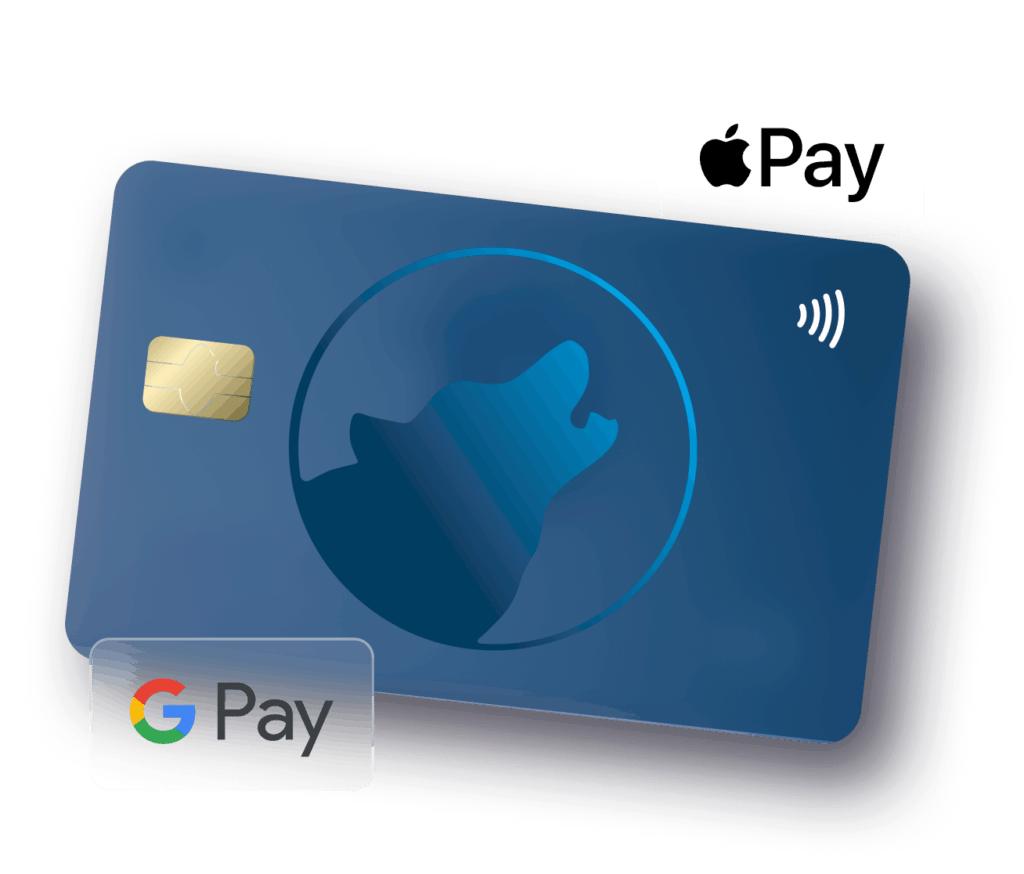
Cryptocurrencies and Mobile Payment Gateways: A Glimpse into the Latest User-Friendly Ecosystems

It seems as if it was just yesterday when the first true smartphone was introduced to the public. The same holds true when discussing smart appliances, chatbots augmented by generative AI technology, and voice-powered online searches. The financial community has likewise evolved at such a blistering pace, and one example involves real-world cryptocurrency transactions.

As this topic is likely new to the majority of readers, it makes sense to take a closer look at the finer points. How do these systems work, what advantages can they offer, and how might they transform the future of traditional transactions? Those who wish to remain ahead of the crowd will find the information below rather interesting. 

A Quick Look at Prepaid Crypto Cards
Most of us are already familiar with common transaction methods such as credit cards, e-wallets, and bank transfers. Cryptocurrency digital payment options can be thought of as yet another alternative at your disposal. However, the main difference is that prepaid cards (and smartphone applications) allow consumers to access their fiat funds as well as any cryptocurrencies that they might be holding.

It’s also interesting that cardholders do not have to be overly familiar with the cryptocurrency ecosystem to take advantage of what platforms such as Mountain Wolf have in store. Consider the following possibilities:

  • Top-up and instantaneous access to BTC, ETH, USDT, and USDC tokens.
  • Daily POS limits of up to $10,000 dollars.
  • Global availability.
  • These cards are accepted by ATMs, internet shops and at the point-of-sale

Think of prepaid cryptocurrency cards as the next generation of on-the-spot payments. 

Compliance and Security Concerns

It’s only logical to address this next metric before moving on. To be perfectly clear, there are plenty of ways in which traditional financial institutions aim to protect the data associated with their customers. However, they do not have the benefit of working with the anonymous cryptocurrency blockchain. By their very nature, blockchain ledgers are extremely secure thanks to features such as cryptographic keys and various consensus mechanisms. Although these are somewhat technical in nature, the main point here is that customers can now enjoy an additional layer of security

Can You Invest with a Prepaid Crypto Card?

This is a bit of a loaded question, as it may depend on the company. However, many gateways now provide customers with the option to become involved with the larger cryptocurrency trading community. It can be argued that this is one of the most promising investment opportunities; especially for those who are looking to obtain short-term profits. However, keep in mind that losses could still occur. It’s always best to appreciate the potential risks involved. 

The Next Big Thing?

Current research indicates that the global cryptocurrency marketplace is set to enjoy an annual growth rate of nearly 17% between now and 2028. It’s clear that this industry is here to stay, and it makes perfect sense that the possibilities outlined above have become available to the average consumer. Prepaid crypto cards are only one example of how fast this technology continues to evolve. 

The Role of Mortgage CRM in Building Long-Term Relationships

Mortgage Customer Relationship Management (CRM) software serves as an essential tool for lenders, brokers, and loan officers to not only manage client data but also to enhance client interactions, increase retention, and build lasting relationships. As competition intensifies in the mortgage market, the need to foster strong, ongoing client relationships has become more important than ever. This article explores how a mortgage CRM can help professionals develop lasting client relationships by streamlining processes, providing personalized service, and fostering trust.

A mortgage CRM centralizes all client data, including loan history, communication records, and financial profiles, creating a comprehensive view of each borrower. This consolidated data allows mortgage professionals to better understand individual client needs, preferences, and financial situations. With easy access to a borrower’s history and requirements, lenders can anticipate needs and provide tailored solutions that build trust and credibility.

Centralized data also simplifies collaboration among teams. For instance, if multiple team members need to communicate with a client, the CRM provides a unified record of all interactions, ensuring a seamless experience. With everyone on the same page, clients experience a consistent and efficient journey, enhancing their confidence in the lender.

Personalization in Every Interaction

Personalization is one of the most effective strategies for creating meaningful relationships with clients. With a mortgage CRM, like the one offered as part of Jungo mortgage solutions, lenders can personalize communication based on client data, such as sending tailored recommendations for mortgage products that fit a borrower’s financial situation or providing insights on refinancing when interest rates drop.

CRM tools can also help lenders automate personalized follow-ups, such as birthday greetings, mortgage payment reminders, or anniversary messages on the closing date of a mortgage. These gestures, though small, reinforce a personal connection and demonstrate that the lender values the relationship. Additionally, by personalizing interactions, lenders differentiate themselves from competitors who may lack the same level of attention to detail, building stronger loyalty with clients.

Automated Follow-Ups and Enhanced Client Retention

Retaining clients is a critical goal for mortgage professionals, as acquiring new clients is more costly than maintaining existing ones. A mortgage CRM can play a significant role in enhancing retention by automating follow-ups, reminders, and alerts. Automated workflows ensure that clients receive timely updates, from application status notifications to reminders for upcoming payments or refinancing opportunities.

These automated touchpoints help lenders stay top-of-mind with clients without requiring manual effort. By consistently staying in touch, mortgage professionals reduce the likelihood that a client will turn to another lender for their next mortgage or refinance needs. Instead, clients feel nurtured and supported, increasing their loyalty and likelihood of returning for future services.

Improving the Post-Close Experience

For many clients, interactions with a lender traditionally end at closing. However, a mortgage CRM helps lenders continue the relationship well beyond the loan closing, offering opportunities to engage and support clients after the transaction. For example, lenders can use the CRM to provide ongoing financial advice, homeownership tips, or market updates that may be relevant to the client’s situation.

By remaining a resource and staying engaged, lenders position themselves as long-term partners rather than one-time service providers. This post-close engagement not only reinforces client trust but also encourages clients to refer friends and family, contributing to business growth. A mortgage CRM makes it easy to schedule and automate these touchpoints, ensuring that post-close support is consistent and meaningful.

Streamlining Communication for Faster, Reliable Service

Timely and transparent communication is vital in the mortgage industry, where clients often seek quick responses and updates on their applications. A mortgage CRM enables loan officers to streamline communication through automated emails, SMS, or even chatbots that provide clients with updates in real time. By setting up automatic notifications and responses, mortgage professionals can ensure clients receive the information they need without unnecessary delays.

Moreover, a CRM can segment clients based on factors such as loan status or financial profile, allowing lenders to send relevant updates to specific groups. This segmented communication approach helps clients feel informed and valued, further building their confidence in the lender’s services. In an industry where delays and lack of information can create frustration, consistent and prompt communication fosters positive experiences that strengthen long-term relationships.

Utilizing Client Feedback to Improve Services

A mortgage CRM can also track and analyze client feedback, providing insights that help lenders improve their services and communication strategies. By collecting feedback from clients throughout their mortgage journey, lenders can identify pain points and areas for enhancement, such as simplifying the application process or improving customer service.

Actively seeking and implementing client feedback shows that the lender values clients’ opinions and is committed to continuous improvement. As clients see their feedback implemented, they develop a greater sense of loyalty and trust in the lender, knowing that the organization is dedicated to meeting their needs. A mortgage CRM enables lenders to systematically gather and act on feedback, reinforcing their commitment to client satisfaction and strengthening long-term relationships.

Generating Opportunities for Cross-Selling and Upselling

A CRM system can help lenders identify opportunities for cross-selling and upselling based on clients’ profiles and financial histories. For instance, if a client has recently improved their credit score, a lender may recommend refinancing options with lower interest rates. Similarly, if a client shows interest in investment properties, the lender can introduce new mortgage products that meet those needs.

These personalized offers provide clients with value and demonstrate that the lender is paying attention to their evolving financial situation. When clients feel that a lender understands their needs and is looking out for their best interests, they are more likely to remain loyal and explore additional services. Cross-selling and upselling opportunities managed through a CRM are therefore not only a source of revenue but also a way to deepen client relationships.

Analytics for Tailored Relationship Strategies

Mortgage CRMs are equipped with analytics tools that allow lenders to monitor and measure the effectiveness of their relationship-building efforts. For example, CRMs can track which communication methods yield the best response rates, which types of messaging resonate with specific client segments, and which stages in the mortgage process see the most client engagement.

With these insights, lenders can tailor their relationship-building strategies based on data, ensuring they are using the most effective approaches to connect with clients. Additionally, CRM analytics can highlight trends or identify at-risk clients who may need more attention to stay engaged. By using data to drive their engagement strategy, lenders improve the efficiency and effectiveness of their relationship-building efforts, ultimately creating stronger and more lasting connections with their clients.

Final Thoughts

A mortgage CRM is an invaluable tool for lenders aiming to build and maintain long-term relationships with their clients. From personalized communication and timely follow-ups to post-close support and data-driven insights, CRM software provides the tools needed to enhance client satisfaction, loyalty, and retention. By consistently delivering a positive, seamless experience, lenders can foster strong, lasting relationships that drive repeat business, referrals, and sustainable growth.

In an industry where client trust and loyalty are paramount, a mortgage CRM enables lenders to provide tailored, consistent service at every stage of the client journey. With the right CRM system, mortgage professionals not only simplify their operations but also cultivate a loyal client base, ensuring long-term success in a competitive market.


Why Tech Investment Is Key to Long-Term Business Growth

To say that the modern business world is competitive would be the understatement of the century because today, it’s frantic more than anything else. Everybody’s trying to stay ahead and it seems like each day, you have to do something else to prevent stagnation. 

One of these things that’s here to stay is technology. It’s not just something that’s nice to have and that you’ll have a good use for, it’s absolutely necessary if you want to stay competitive. 

Whether you like it or not, the fact is that your tech infrastructure will either push you forward or hold you back and unless you keep up, it’s like showing up to a race on a tricycle when everybody else is driving race cars. Smart business owners know that the key to long-term growth is in strategic investments in technology, not just for today, but to protect their future against changes in economy and industry. 

In this article, you’ll see why the right technology can help your business scale, save money, and thrive. 

The Importance of IT Infrastructure

First, let’s see what IT infrastructure is, for those of you that may not know exactly what that term refers to. IT infrastructure includes everything from the physical hardware, like servers and devices, to the software that automates tasks and manages data, along with the networks and data centers that take care of communication and data storage. 

Your business should have a robust IT infrastructure because without it, you’ll have a hard time staying efficient and meeting the demands of the market. IT systems that are well-built make your life simpler because they automate repetitive tasks, reduce human error, and allow you and your employees to focus on growth and strategy. 

Keep in mind, not all IT systems are good, so if you plan on investing in one (and you should), make sure it’s reputable, like JDE Managed services. Tech solutions like this one will save you money on operational costs and help you manage your expenses better. You won’t have to constantly troubleshoot and maintain your systems, which means more time and money. 

One of the most important benefits of modern IT infrastructure is how scalable it is. You have cloud-based platforms and IT solutions with flexible plans, so your business can grow and you won’t need to make massive investments in extra hardware or resources; your provider will take care of all that. 

It’s adaptable and it can grow as your company grows, instead of limiting your progress. 

How to Plan for Technological Investments

With the word “investment,” you already know it’s not going to be cheap, but what you also know is that it’s going to be worth it. 

So, how do you go about investing in technology without making too big of a hole in your company’s bank account? Simple – planning.

1.Long-Term Value is More Important than Short-Term Gains

It can be hard to do, but try not to focus on the upfront costs and instead, make long-term value a priority. The price might seem high, but what really counts is ROI over time

For example, automation tools seem expensive at first, but think about the efficiency and money it will generate over several years – it more than makes up for the initial investment. 

If you make smart choices and make your tech purchases based on how much they can improve your operations and reduce future costs, your business has more chance of growing in a sustainable way. 

2.Align Technology with Business Goals

What are you working towards? If you want to get the most worth out of the money you spend on technology, it needs to be in line with long-term business goals. 

For example, if you want to improve customer experience, then you need technology that will focus on enhancing customer interactions or simplifying services. 

Your objective here is not to invest in tech just for the sake of it, but to choose something that will directly support what you’re working for. 

3.Financing Tech Investments

One way to finance your new technology is to just pay in bulk right then and there. But for most businesses, this isn’t the most practical way of financing. 

Luckily, there are other ways to do it, like leasing, paying for a subscription (SaaS), or implementing the new technology in stages. Leasing is a great way to go if you don’t want the big upfront cost. If you go for a subscription-based model, you’ll also avoid the high initial price because subscriptions spread payments over time. 

With phasing in technology, you’ll start to use new systems little by little, which will be excellent for your budget. 

Conclusion

Think of investing in technology like keeping pace with the present and securing the future of your business. 

You could say you’re catching two fish with one net, don’t you think? With strategic investments in technology, you’re improving your day-to-day operations and giving your business the tools to adapt and grow in an unpredictable world.

Benefits of Accepting a Cash Offer on Your House

Selling a house can often feel like a long, complex process, but working with a cash home buyer in Kansas City or any other city can simplify the experience. If you’re weighing your options, accepting a cash offer brings unique benefits that make the transaction smoother, faster, and less stressful. Here’s a look at why choosing a cash offer could be the best move for your sale.

Faster Closing Process

One of the biggest benefits of a cash offer is the speed at which the sale can close. Traditional home sales often involve bank loans, which come with lengthy approval processes and strict underwriting requirements. However, with a cash offer, the buyer doesn’t need financing from a bank. This means fewer hoops to jump through. If you need to sell quickly, a cash offer can save you time and move the process along faster.

Less Risk of Deal Falling Through

In a traditional sale, things can change at the last minute. Buyers sometimes fail to secure financing, or they back out for other reasons, leaving sellers back at square one. With a cash offer, there’s much less risk of a deal falling through. Cash buyers are typically more committed and ready to move forward without delays. This stability brings peace of mind and lets you feel confident that the sale will go through as planned.

No Appraisal Required

When buyers rely on mortgage financing, banks usually require an appraisal to confirm the home’s value. If the appraisal comes in low, it can jeopardize the loan and force the buyer to negotiate for a lower price or even walk away. Cash offers don’t need appraisals since no bank is involved. Without this extra step, you can avoid delays or disagreements over the property’s value.

Simpler Inspection Process

Cash buyers often aim to simplify the transaction as much as possible. Many cash offers come with fewer contingencies, which are the conditions that must be met for the sale to close. This often means a shorter inspection period or even waiving certain inspections altogether. If your home needs minor repairs, a cash buyer may overlook them to keep the process moving quickly. This can save you time, money, and effort, as you won’t have to fix every small issue that a traditional buyer might request.

Less Hassle with Repairs

In a traditional sale, buyers may request numerous repairs or updates to meet lender requirements. Cash buyers, on the other hand, tend to be more flexible about the property’s condition. Many cash buyers are investors who plan to renovate or upgrade the home themselves. They are often willing to take the property as-is, allowing you to skip the hassle of repairs or renovations. This benefit is especially helpful if your home is older or requires updates, as you can save money on repairs and move forward with the sale more easily.

More Certainty in Pricing

Cash offers are typically straightforward, with fewer negotiations or changes in price. When you accept a cash offer, there’s less chance of price haggling that can often occur with mortgage-dependent buyers. This transparency can help you plan financially, knowing exactly what to expect from the sale. The agreed price is often the final price.

Is a Cash Offer Right for You?

Accepting a cash offer isn’t the right choice for every seller, but for many, it offers undeniable advantages. Faster closing times, reduced risk, and less hassle with inspections and repairs can make the process more enjoyable and less complicated. If you’re looking for a smooth, predictable sale with fewer headaches, accepting a cash offer could be the ideal solution.

In today’s market, cash buyers are plentiful, and they often make competitive offers that streamline the process for everyone involved. So, whether you’re hoping to sell quickly, avoid financing issues, or skip repairs, a cash offer may be the right fit to help you reach your goals without the usual stress of selling a home.


Spooky Spins Await: Top Halloween Slots to Play This Season!

If you sign up with Fortune Coins Casino, you’ll find games in different themes and categories. Among the most thrilling options are Halloween slots that bring all the spookiness. Besides their designs and aesthetics, the horror slots have exciting bonus features you don’t want to miss.

As Halloween draws near, we’ve tried different spooky games in the Fortune Coins selection. Madame Destiny Megaways and Joker’s Jewels Wild emerged as the best spin reels. Keep reading as we fill you in on these Halloween games and others that will catch your interest.

Madame Destiny Megaways

Developed by Pragmatic Play, this spooky slot has the top-notch Megaways mechanic. You have up to 200704 ways to win as you spin the reels. This is thanks to the dynamic reels that can feature between 2 and 7 symbols, and not many Halloween slots can boast of such. Also, Pragmatic Play added the Tumble feature, which removes winning combinations after each spin. New ones fall in and can lead to even more wins.

Considering its design, Madame Destiny Megaways has the background of a haunted town at night. There are dangling lanterns and chilly sounds as bells ring. The reels also have interesting symbols, including an owl, cat, potion, lit candles, and fortune cards. Of course, Madame Destiny herself is present as the Wild. She can replace other symbols on the reels except the Scatter.

If you hit up to 3 Scatters on the reels, you trigger the free spins round. The slot will bring up a Wheel of Fortune for you to spin. Whatever you get determines the number of free spins you’ll receive. Madame Destiny Megaways has very high volatility with a 96.56% RTP. Hit the right symbols, and you can score the maximum 5000x multiplier.

Joker’s Jewels Wild

Pragmatic Play is also the brand behind the Joker’s Jewels Wild slot at Fortune Coins Casino. This slot is unique due to its simple yet striking classic design. It has five reels, three rows, and shiny neon lights in the background.

When you launch Joker’s Jewels Wild, it doesn’t immediately strike as a Halloween slot. However, many people love the joker element on October 31st, and that’s what Pragmatic Play offers. On the reels, you’ll find guitars, bowling pins, joker boots, bells, and colored diamonds.

A bonus symbol also acts as a Scatter, and a Star works as a Special Scatter. The Joker face symbol is the Wild, and it can substitute other symbols to score more wins.

You’ll appreciate Joker’s Jewels Wild if you’re a fan of balanced gameplay. The slot offers medium volatility with an above-average 96.58% RTP. The maximum multiplier to hit as you spin is 1420x.

Bone Raiders

This is a thrilling Halloween slot from Relax Gaming with progressive multipliers and a mega respin mechanic. Launching Bone Raiders at Fortune Coins Casino gives you reels full of different skulls. Things don’t get spookier than that. Another aspect you’ll find interesting is that this game offers a high 10000x maximum multiplier.

Hello Win

The last spooky slot we recommend playing this Halloween season is Hello Win from Mascot Gaming. It features skulls and haunted pumpkins, with the backdrop of a witch castle. But it’s not just aesthetics with this game. You’ll enjoy up to 25 free spins if you hit the right symbols.

Bottom Line

Your Halloween can be much more fun when you play the spooky slots at Fortune Coins Casino. Guess what? They’re all free to play in the U.S. and Canada. Sign up today and start spinning.

Key Features of the New Social Casino

New social casinos are being created by the day so players can find different options that suit their needs. Zula Casino is one of the latest social casinos, and the social gaming platform has had an impressive start. Continue reading as we review the casino’s features.

Top Notch User Experience

One thing that stands out for Zula Casino is the user-friendly interface and experience. The social casino boasts a colorful and aesthetic interface with sleek designs.

Players can also register an account instantly. All that is required is their personal information and successful identity verification. Moreover, every game features fast load speed, high-quality sound, and responsive in-game features.

Game Variety and Selection

The gaming library at Zula Casino is one for the books. The new social casino is home to 1,000 casino-style games. The available options include slots, classic games, jackpots, and crash games, all of which are free.

Social Interaction Features

Many players in the US also prefer Zula Casino for its social interaction possibilities. The new social casino takes pride in creating human connections by allowing players to interact with each other via social media through different tournaments.

It also creates competitive tournaments and online giveaways that users can participate in.

Bonuses and Promotions

The bonuses and promotions at Zula Casino are massive. Whether you’re a new player or an existing one, the new social casino has something for you. There’s a no-deposit welcome bonus worth 100,000 Gold Coins plus 10 Sweepstakes Coins after signing up. You can also unlock various existing player promotions, including:

  • Daily login bonus up to 10,000 Gold Coins + 1 Sweepstakes Coin
  • The refer-a-friend bonus
  • Weekly raffles and contests
  • VIP rewards

Customization and Personalization Options

You have the freedom to make your Zula Casino profile however you want it. For instance, players can customize their community profiles with features like images. Personalized hosts and services also exist for VIP members.

Security and Safety

Zula Casino has proven to be a legitimate and reliable social gaming platform over time. The new social casino is legal in all US states except Idaho, Georgia, and Washington. Email and phone verification are also mandatory for everyone when registering.

The site’s high-level encryption technology offers an additional layer of security to protect its players’ data.

Community-Focused Events and Tournaments

Zula Casino hosts many community events to help its members connect. The most recent was in September 2024, when the casino hosted a “Zula-versary” event to celebrate its first birthday. The event featured tournaments, special coupons, and various social media contests.

Payment Options and Financial Transparency

You don’t have to spend a penny to play games at Zula Casino. However, there’s the option to purchase Gold Coin packages if you really want to. Zula Casino is transparent with its coin package prices and supports only reliable payment platforms.

Bottom Line

Despite being new on the block, Zula Casino has established itself as a solid sweepstakes casino with social gaming features highlighted in this article. Overall, you can be assured of an exciting sweepstakes gaming experience without any monetary commitment.

Cryptocurrency Investment: Key Benefits and Risks to Consider

Cryptocurrencies like Bitcoin, Ethereum, and Ripple have dominated the financial headlines in recent months. Ripple continues its high-profile battle with the SEC and Bitcoin’s historic approval of Bitcoin ETFs in January 2024 potentially opens doors for mainstream investors. Meanwhile, Ethereum has crypto analysts and experts discussing its future value, with some speculating it could reach $10,000 in 2024. 

These developments, among others, have pushed cryptocurrencies into the spotlight of the U.S. elections, with the crypto industry contributing over $119 million to federal campaigns. Presidential candidates have expressed differing opinions, highlighting the increasing influence of cryptocurrencies both in finance and politics.

Why Cryptocurrencies?

Cryptocurrencies have been around for almost 15 years since the inception of Bitcoin in 2009 and operate on decentralized networks using blockchain technology. Unlike traditional currencies, like the U.S. dollar, cryptocurrencies are not issued or controlled by a centralized authority such as the government or the bank. Instead, they rely on cryptography for security and a distributed ledger for recording transactions. 

The adoption of cryptocurrencies has grown significantly in recent years. As of 2024, an estimated 40% of Americans now own cryptocurrency, which is roughly 93 million people. This is a massive increase from 30% in 2023. Various industries have begun embracing cryptocurrencies as payment, such as the travel and hospitality sector, real estate companies, and e-commerce platforms. 

Online gaming and gambling platforms like Steam, Xbox, and the Mega Dice casino, were among the first industries to adopt cryptocurrencies. This growing adoption of cryptocurrencies is driven by consumer preference, market growth, and the technological benefits of blockchain technology. For example, crypto gamblers bet $3 million worth of cryptocurrencies per day, and approximately 60% of all Bitcoin transactions are related to the gambling industry. 

The market size of the crypto gambling sector is $250 million and the benefits for both operators and players include a reduced risk of fraud, lower transaction costs, and faster transaction speeds. The online crypto-gambling industry is only one example, but it illustrates the scale of cryptocurrency adoption, how widespread adoption is, and why various industries are embracing cryptocurrencies.

The Benefits of Cryptocurrency Investments

Investing in cryptocurrencies offers several potential benefits that have attracted both individual and institutional investors. The benefits include:

Potential for High Returns

Cryptocurrencies have demonstrated the potential for substantial returns, often outperforming traditional asset classes. Bitcoin, for instance, has seen its value increase from less than $1 in 2010 to over $70,000  at its peak in 2024. Even with market volatility, early investors have seen significant gains over time. Some altcoins such as Solana have had more dramatic price increases in shorter time frames, though with higher risk. Some tokens experience price appreciation after their presale phase concludes and are listed on exchanges, which benefits early investors. 

Portfolio Diversification

Cryptocurrencies can serve as a valuable tool for diversifying your investment portfolio. They often have a low correlation with traditional assets like stocks and bonds, which potentially reduces the overall portfolio risk. Crypto assets can act as a hedge against inflation and currency devaluation, which is relatively similar to gold. Besides Bitcoin, there are thousands of cryptocurrencies, each with its own unique utility and use case. This diverse range allows you to spread risk across different blockchain technologies and use cases.

Decentralization and Financial Autonomy

The decentralized nature of crypto offers several different advantages:

  • Transactions can be conducted without intermediaries, which reduces fees and increases the speed of transactions. Unlike traditional banking methods such as a bank transfer that can take 3 to 5 business days, crypto transactions are completed within minutes or hours once it is confirmed on the blockchain.
  • Cryptocurrencies provide financial services to the unbanked population globally.
  • You have full control over your assets, without relying on central banks and financial institutions.
  • Remittances or cross-border transactions are much faster and far more affordable compared to traditional methods.

Technological Innovation

Investing in cryptocurrencies also means investing in the underlying technology. Blockchain technology has several applications that go beyond finance, including supply chain management, voting systems, and healthcare. Additionally, newer cryptocurrencies have innovative features that address real-world problems. 

For instance, Pepe Unchained despite being a meme coin, features Layer-2 blockchain technology that increases transaction speeds and reduces fees. Weir AI incorporated AI-powered trading bots that allow for predictive analytics and market trend monitoring. Tokens like 5thScape integrate augmented reality (AR) and virtual reality (VR) technologies with blockchain to create immersive environments for gaming, virtual commerce, and gaming. 

These are a few examples of cryptocurrencies that are not just digital assets, but platforms for technological innovation across various industries. Not only are they addressing real-world challenges but they are also creating new possibilities and opportunities in the finance, gaming, and content industries, among others.

The Risks to Consider

Before investing in cryptocurrencies, understanding the risks is vital:

High Volatility

Cryptocurrencies are known for their extreme price fluctuations. Prices can change at the dime of a hat, which can either lead to significant gains or substantial losses in short periods. 

Market Manipulation

The crypto market is vulnerable to various forms of manipulation. A recent U.S. sting operation uncovered widespread market manipulation practices amongst four crypto firms, including wash trading. This resulted in the deactivation of 60 different cryptocurrencies. Some market makers allegedly offered to inflate prices, promising to increase prices using fake trades. This month-long investigation led to charges against 15 crypto promoters and traders. 

Liquidity Issues

Liquidity can be a significant concern in the crypto market and it varies across different cryptocurrencies and trading platforms. Bitcoin is generally considered the most liquid cryptocurrency, while others may have lower liquidity. During extreme market conditions, liquidity can dry up rather quickly, making it difficult to execute trades at desired prices. 

Regulatory Uncertainty

Regulations and laws for cryptocurrencies are still evolving. Different countries have varying approaches to crypto regulation. Any sudden changes in regulations can significantly impact the crypto market and cryptocurrency values and usability.

Conclusion

Cryptocurrencies have evolved significantly since their inception. Starting with Bitcoin which aimed to provide an alternative peer-to-peer electronic cash system to traditional financial systems. From this singular purpose, cryptocurrencies have expanded into a complex, yet rewarding financial market on its own. Despite their volatility, cryptocurrencies offer the potential for high returns and risks, never invest more than you can afford to lose, and invest in cryptocurrencies as part of a broader, more diversified investment strategy.


Tackling Discrepancies in Financial Reporting

Differences in financial reporting present major difficulties for companies; often, they result in inaccurate financial statements and reduced shareholder confidence. Several elements causing these differences are human mistakes, poor communication, and inadequate internal controls. Enhancing the accuracy and dependability of financial data depends on knowing the underlying causes of these discrepancies as companies negotiate challenging financial environments. Effective controls, consistent reconciliations, and proactive resolution of disparities help companies build a culture of responsibility and openness, thus enhancing their financial integrity.

Identifying common causes of discrepancies

Differences in financial reporting often result from a combination of human error, miscommunication, and poor internal controls. While a lack of regular standards may cause reporting techniques across departments to vary, inaccurate data entry can cause notable discrepancies. By guaranteeing data correctness and consistency, a data reconciliation platform helps to solve these problems. Changes in accounting rules or financial reporting criteria can also cause uncertainty, especially when staff members lack sufficient knowledge of revisions. Those companies trying to improve the accuracy and dependability of their financial accounts must first understand these underlying issues.

Implementing effective controls and procedures

Strong management and process establishment are essential for minimizing variations in financial reporting. Firms should use a systematic strategy to guarantee accuracy, including frequent audits, reconciliations, and financial data checks. Teaching staff members about best practices and the value of compliance can help create an accountable culture. Using automated reporting tools and other technologies also helps simplify procedures and lower the possibility of human mistakes. Businesses can greatly improve the integrity of their financial reporting by designing a disciplined environment that prioritizes accuracy and openness.

Conducting regular reconciliations and reviews

Maintaining financial record accuracy depends on consistent reconciliations and reviews. Companies can find early disparities and quickly fix them by matching internal financial statements with outside records, such as invoices and bank statements. This proactive strategy improves general financial control and helps to fix mistakes. Regular financial process assessments also help find possible flaws and apply enhancements, thus strengthening the reporting environment. Regular attention to these techniques will help greatly lower the chance of mistakes and increase financial statement stakeholder confidence.

Addressing discrepancies proactively

Maintaining financial integrity depends on addressing disparities early on rather passively. Instead of waiting for regular audits or reviews, companies should set clear procedures for seeing and fixing problems as they first surface. This entails encouraging staff to report abnormalities without regard to consequences and open communication among departments. Establishing a specific task group to examine disparities can expedite the resolution process and guarantee that corrective action is started quickly. Early detection and resolution should be prioritized so that companies minimize the effect of differences and improve the general accuracy of their financial reporting.

Conclusion

Companies trying to maintain the integrity and dependability of their financial accounts must resolve differences in financial reporting. Businesses can greatly lower mistakes and improve financial management by spotting shared causes of disparities, putting good controls and policies into place, doing frequent reconciliations, and using a proactive approach to issue fixing. Encouragement of employee open communication and responsibility helps to enhance these initiatives by guaranteeing that disparities are quickly and successfully corrected. In the end, a dedication to truth and openness not only improves financial reporting but also helps to establish confidence among stakeholders, therefore supporting the company’s long-term survival.

How To Find The Best Propfirm Discount Pages For Traders

AdobeStock_746411095.jpg
Proprietary trading firms provide traders with capital to trade financial markets. In return, you share a portion of your profits with the firm. It’s a win-win situation. You get access to more substantial trading capital, and the firm benefits from your expertise.
But here’s the catch: joining a prop trading firm can be costly. That’s where discounts come in handy. In this guide, we’ll walk you through the ins and outs of finding the best propfirm discount pages, helping you save money while pursuing your trading dreams.

Why Discounts Matter

Many firms charge evaluation fees or require you to purchase educational materials. Evaluation fees help filter out casual applicants, ensuring only serious traders who are willing to invest in themselves apply. At the same time, educational materials help create a baseline of knowledge among all traders within the firm, ensuring everyone understands the firm’s expectations and trading guidelines.
Discount pages become your secret weapon in these situations. By finding the money-saving gems, including this OFP funding coupon code, you can significantly reduce your initial costs.
Now, let’s explore some strategies for finding the best propfirm discount pages.

Subscribe to Prop Firm Newsletters

Email might seem old school, but it’s still a powerhouse for exclusive deals. Many proprietary trading firms offer subscriber-only discounts through their newsletters. Sign up with multiple prop trading firms you’re interested in. Then, create a separate email folder for these newsletters to keep your inbox organized. Make it a habit to check this folder for any discount announcements.
Subscribing to newsletters makes it easier to start your journey with the best proprietary trading firms. More importantly, some firms offer a welcome discount just for subscribing. It’s an easy way to save right off the bat.

Utilize Comparison Websites and Forums

The trading community is vast and generous with information. Tap into this wealth of knowledge by visiting trading forums to learn what experts and users have to say about each option. Sometimes, traders share exclusive discount codes they’ve received, like the best Fintokei discount code, on relevant discussion boards. You can also check comparison websites that list various prop firms and their current offers.
These platforms can help you find the right discount codes and coupon codes. They also provide valuable insights into different prop firms’ reputations, profit targets, and tradable assets.

Attend Trading Webinars and Events

Many prop trading firms host webinars or participate in trading events. These are not just educational opportunities but also discount goldmines.Prop firms frequently offer special discounts to attendees as an incentive for joining their funded trader programs. So, register for webinars hosted by prop firms, even if the topic isn’t directly related to discounts. Stay until the end of these events. Firms often save the best offers for last. Alternatively, you can attend virtual trading expos and conferences.

Leverage Social Media Platforms

Social media isn’t just for sharing memes and holiday photos. It’s a goldmine for propfirm discounts. To make the most of it, follow prop trading firms on social platforms. They often announce limited-time promotions and promo codes.Joining trading communities and groups on these platforms can also help. Like online forums, fellow traders frequently share coupon codes they’ve come across on social media.
Timing is everything in the world of social media discounts. Keep your eyes peeled, and don’t hesitate to pounce on the best deal when you see one. It pays to set up notifications for your favorite prop firms to ensure you never miss a deal.
AdobeStock_460517920.jpg

Explore Affiliate Websites

The trading world is full of influencers and content creators who partner with prop firms. These affiliates often have access to exclusive coupon codes. To tap into this resource:

  • Follow popular trading YouTubers and check their video descriptions for discount links.
  • Visit trading blogs and look for prop firm reviews. They often include special offers like an OFP funding coupon code.
  • Be cautious and verify the credibility of the affiliate before using their discount code.

While these discounts can be substantial, always ensure you’re comfortable with the prop firm itself, not just the discount offered.

Timing is Everything: Seasonal and Holiday Discounts

Just like retail stores, prop trading firms often run promotions during specific times of the year. Keep an eye out for Black Friday and Cyber Monday deals or anniversary sales of the prop firm. Some offer New Year promotions and summer specials for interested traders. Mark these dates on your calendar and be prepared to act fast. The best deals often have limited availability.

Negotiate Directly with Prop Firms

Sometimes, the best discount is the one you ask for yourself. Feel free to reach out directly to prop firms. Contact their customer service and inquire about any current promotions. If you’re considering multiple accounts or have friends interested in joining, ask about group discounts.
It never hurts to ask politely. The worst thing that could happen is that the firm rejects your request. However, they might consider your request if you mention competitors’ offers. Some firms might be willing to match or beat them. You’ll only know unless you try.

Maximizing Your Prop Firm Discount Savings

Before becoming an experienced trader, you also have to learn the essential considerations for stock investing first. Finding the best discounts is the same. Here are some tips to make the most of them:

  • Compare discounts from multiple sources before making a decision.
  • Read the fine print. Ensure the discount doesn’t come with any hidden catches like stricter drawdown limits or a higher daily loss limit.
  • Consider the overall value, not just the discount percentage. A smaller discount on one of the best prop firms might be more valuable in the long run.
  • Don’t let discounts rush you into a decision. Always thoroughly research the prop trading firm before committing.

When evaluating prop firms, consider factors beyond just the discount, such as:

  • Profit split percentages
  • Minimum trading days requirements
  • Support for various trading styles and expert advisors
  • Available trading platforms
  • Step evaluation processes
  • Range of tradable assets (futures, forex, etc.)

While saving money is important, it’s equally crucial to choose a prop firm that aligns with your trading goals and style. A great discount on the wrong firm won’t do you any favors in the long run.

Concluding Thoughts  

Prop firms offer fantastic opportunities for traders like you to access significant capital and boost your earnings. Whether you’re already into prop trading or looking to join a funded trader program, these tips will help you find the best proprietary trading firm at the best price. Happy hunting, and may your trading journey be both profitable and cost-effective!

You cannot copy content of this page