About Randell Suba

Randell is an online media professional with more than 15 years of experience specializing in technology, finance, travel, cars, lifestyle, among others. He's passionate about helping people make informed decisions and find meaningful connections through his content. Let's talk about the things that make life a little more interesting.

10 Muscle Cars From the 70s Baby Boomers Would Die To Own Today

Best 70s muscle cars

Best 70s muscle cars

Remember the thrill of that first muscle car rumbling down the street? The heart-pounding roar of the engine, the sleek lines, the sheer American power? Let’s fire up the nostalgia machine and revisit 10 of the best 70s muscle cars that would still make our hearts skip a beat today. Buckle up, because these classic muscle cars aren’t just automotive legends; they’re a time capsule to our generation’s love affair with speed, style, and the open road. Get ready to relive those glory days and discover which of these best muscle cars from the 1970s still revs your engine.

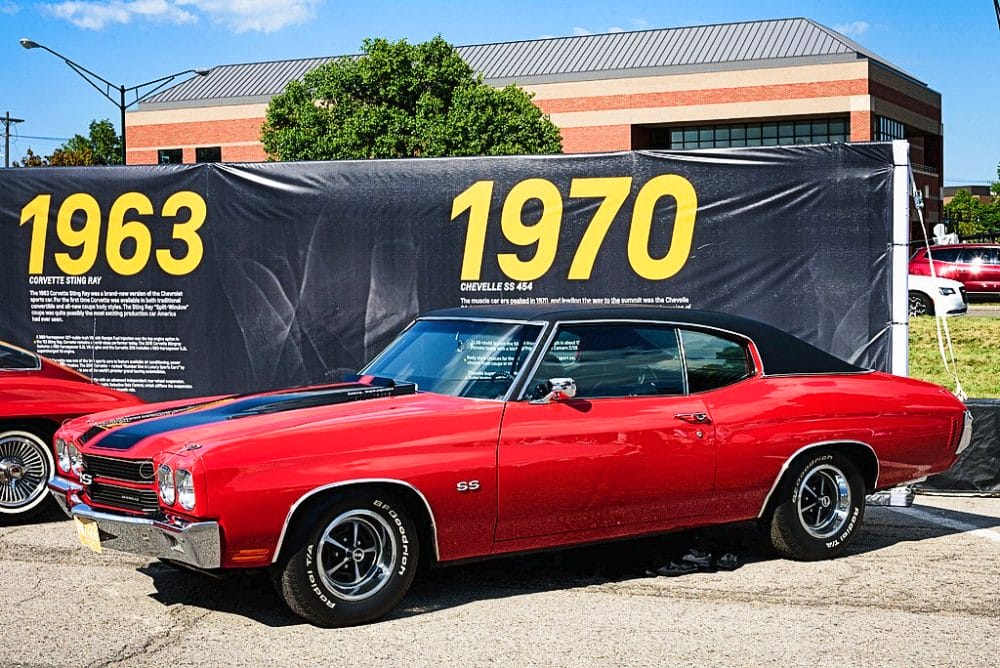
1. 1970 Chevrolet Chevelle SS 454: The Brute Force Champion
American muscle cars

This beastly Chevelle wasn’t messing around. Underneath its classic styling lurked a monstrous 7.4-liter 454 cubic-inch V8 engine that roared with an untamed 450 horsepower and a tire-shredding 500 lb-ft of torque. This beast can hit a top speed of 142 MPH. This wasn’t your grandma’s grocery-getter. It was a quarter-mile king, a street-dominating monster that demanded respect. Imagine cruising down Main Street, the rumble of that big block echoing off the buildings, the scent of burning rubber lingering in the air as you left challengers in the dust. Every burnout, every red light drag race, every wide-open throttle acceleration was a testament to its dominance. If you wanted to make a statement, this was the car to do it in. It is one of the best 70s muscle cars anyone could dream of.

2. 1970 Ford Mustang Boss 429: The NASCAR-Bred Legend
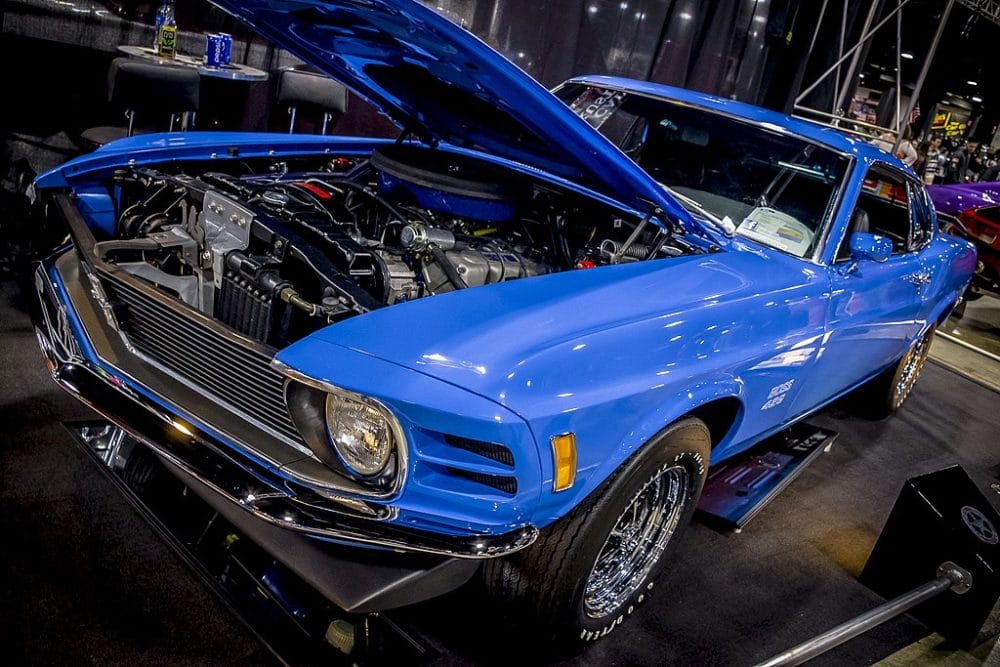
1970 Ford Mustang Boss 429

Born from Ford’s burning desire to conquer NASCAR, the Boss 429 Mustang was a legend in the making. Beneath its iconic fastback silhouette resided a 7.0-liter V8 engine, officially rated at 375 horsepower (but we all knew it packed a bigger punch than that). This Mustang has a top speed of 118 MPH but it wasn’t just about straight-line speed. It was a symphony of power and precision. Its upgraded suspension and brakes made it a formidable handler on any road, capable of carving canyons with the grace of a ballerina and the ferocity of a lion. The Boss 429 was more than a car; it was an adrenaline rush on wheels, a visceral experience that connected you to the road and the raw power beneath your right foot.

3. 1970 Dodge Challenger R/T: Beauty and Brawn

1970 Dodge Challenger RT

The Challenger R/T was the James Dean of muscle cars: effortlessly cool, undeniably handsome, with a rebellious spirit that wouldn’t be tamed. Its widebody stance and bold lines screamed “Don’t mess with me,” while its powerful engine options, including the legendary 425-hp 426 Hemi that can bring the ride to 150 MPH and deliver the performance to back up that threat. But the Challenger wasn’t just a brute. its plush interior, complete with leather seats, woodgrain accents, and a killer sound system, made it the perfect cruising machine. It was the car you’d take on a cross-country road trip, windows down, music blasting, with the open road stretching out before you like an endless ribbon of asphalt. Its timeless design and exhilarating power made it the perfect accomplice for adventure, whether you were chasing sunsets or leaving your mark on the drag strip.

4. 1971 Plymouth HEMI ‘Cuda: The Holy Grail of Mopar Muscle
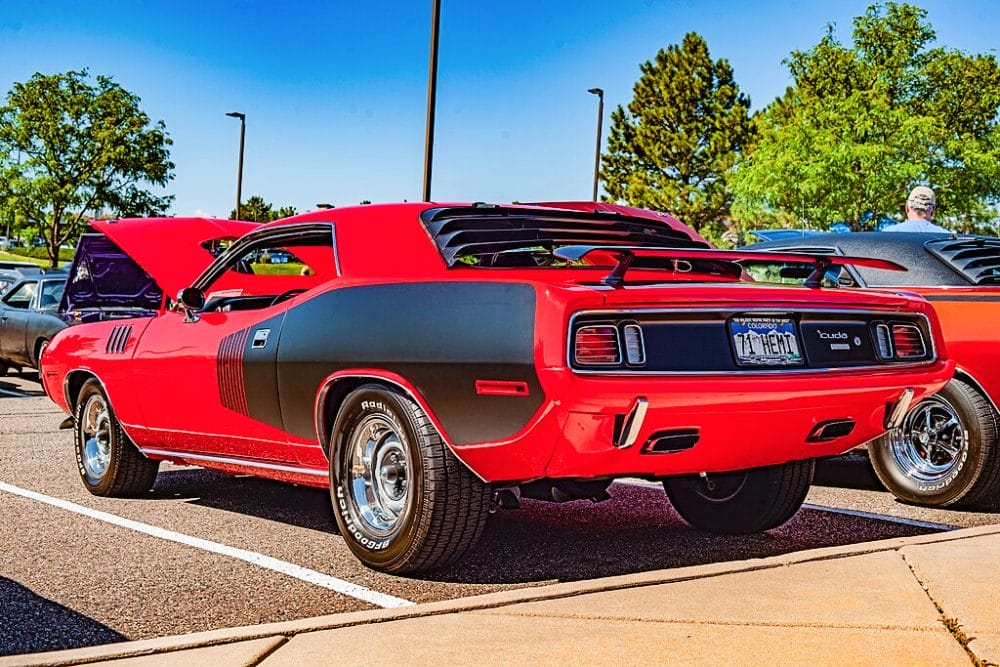
1971 Plymouth HEMI 'Cuda

The Hemi ‘Cuda is the stuff of legends, a rare and highly coveted classic that embodies the spirit of Mopar muscle at its finest. Its sleek, “coke bottle” styling, signature shaker hood scoop, and heart-stopping 426 Hemi V8 engine (rated at a mind-blowing 425 horsepower) made it the envy of every gearhead. Plymouth only produced a limited number of these beasts, making them even more desirable today. But the ‘Cuda was more than just numbers on a spec sheet; it was a visceral experience, a symphony of power and precision that ignited the senses. Owning a Hemi ‘Cuda is having one of the best 70s muscle cars and owning a piece of automotive history. It’s a ride representing the pinnacle of American muscle car engineering and a testament to the raw power and unbridled passion that defined an era.

5. 1970 Chevrolet Camaro Z/28: The Track-Ready Racer

1970 Chevrolet Camaro Z/28

If you wanted a muscle car that could dominate both the street and the track, the Camaro Z/28 was your ride. Its high-revving 350 cubic-inch LT1 V8 engine screamed with 360 horsepower, begging to be unleashed. Upgraded suspension and brakes made it a corner-carving machine, hugging the asphalt like it was glued. And those bold racing stripes and aggressive stance? Pure intimidation. But the RWD Z/28 wasn’t just about performance. It was a statement, a symbol of youthful rebellion and the pursuit of speed.  This was the car you cruised in with the windows down, radio blasting your favorite rock anthems, dreaming of the checkered flag. Whether you were a weekend warrior at the local track or just loved the thrill of the open road, the Z/28 was the ultimate expression of automotive freedom.

6. 1970 Pontiac Firebird Trans Am: The Pop Culture Icon
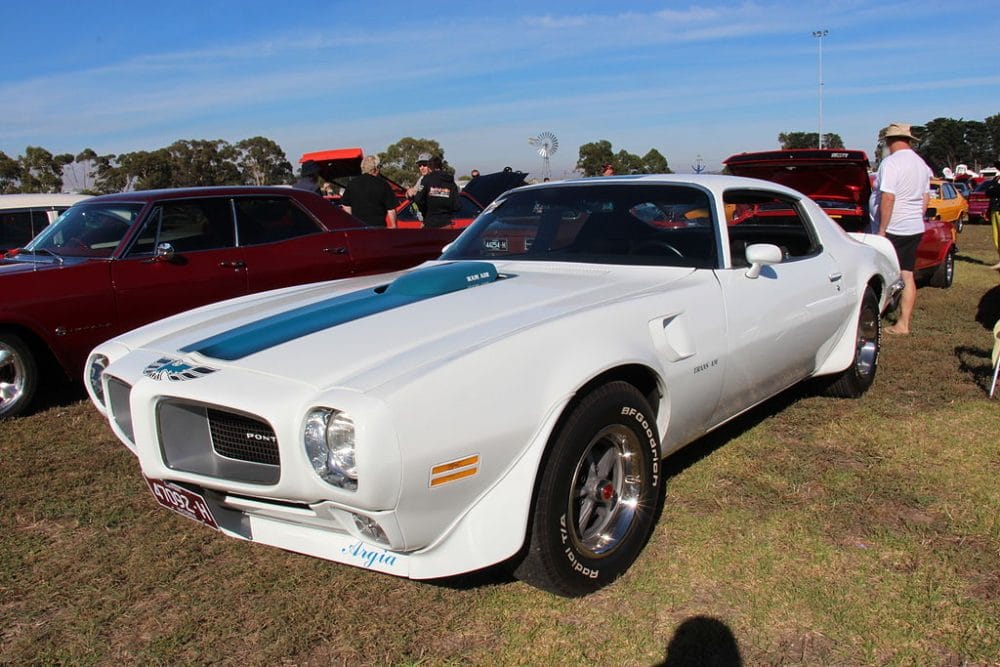
1970 Pontiac Firebird Trans Am


Thanks to Burt Reynolds and “Smokey and the Bandit,” the Firebird Trans Am became more than just a car; it became a cultural phenomenon, a symbol of American freedom and rebellion. Its striking looks, with that iconic screaming chicken on the hood, made it an instant classic. But this wasn’t just a Hollywood starlet. The Trans Am was a serious performer with its range of potent V-8 engines, including the legendary 345-hp Ram Air III and the even more powerful 370-hp Ram Air IV. It wasn’t just about power, either. With its upgraded suspension, brakes, and those wide Polyglas tires, the Trans Am could handle like a dream, hugging the corners and begging to be pushed to the limit. The Trans Am wasn’t just a car; it was a lifestyle, an invitation to adventure, a symbol of the free-spirited, rebellious nature of the 70s.

7. 1970 Oldsmobile 442 (W-30): The Sleeper Muscle Car
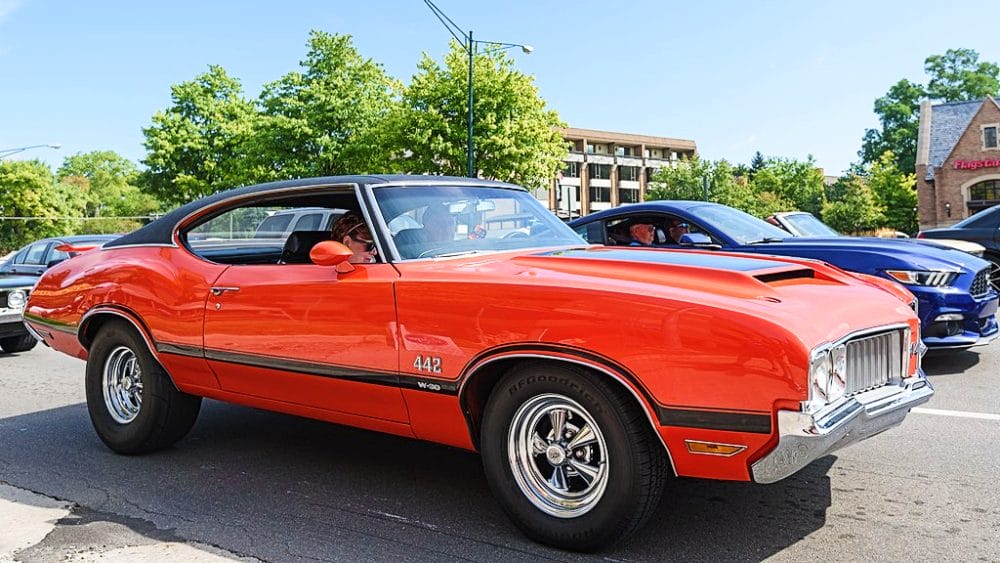
1970 Oldsmobile 442

The Oldsmobile 442 might not have been as flashy as some of its GM siblings, but it was the quiet kid in class who could benchpress a truck. With the optional W-30 package, it packed a 455 cubic-inch V8 engine cranking out 370 horsepower and an earth-shaking 500 lb-ft of torque. This car was a sleeper, a wolf in sheep’s clothing, ready to pounce on unsuspecting challengers at the stoplight. It was a master of disguise, blending in with the crowd until you unleashed its full potential. The 442 W-30 was for those who preferred to let their actions speak louder than their paint job. It was the ultimate underdog, proving that power doesn’t always come with a flashy badge.

8. 1972 Ford Gran Torino Sport: The Smooth Operator
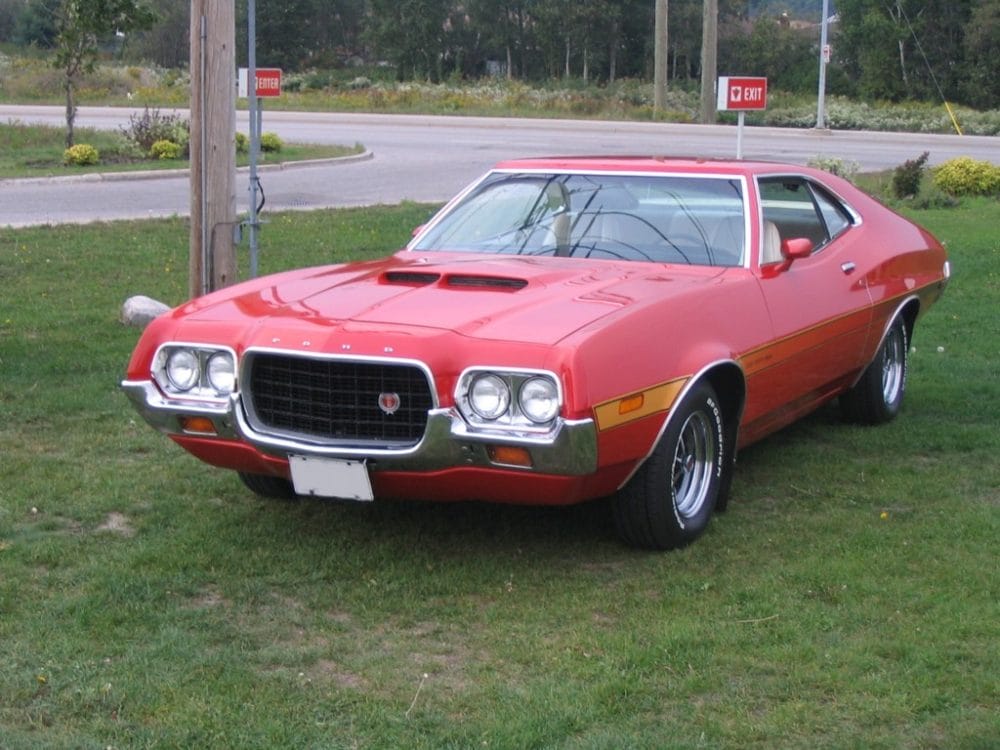
 1972 Ford Gran Torino Sport

The 1972 Gran Torino Sport was a breath of fresh air in the muscle car world. Its sleek, racy lines – especially the fastback – and that exaggerated “Coke bottle” shape screamed speed and sophistication.  This wasn’t just some bruiser; it was a gentleman’s muscle car. Under the hood, the 351 cubic-inch Cleveland V-8, especially with the optional Cobra Jet package, packed a punch with 248 horsepower. But the real magic was in the ride.  Ford ditched the old unit-body platform for a new perimeter frame, giving the Gran Torino a smooth, quiet ride that was pure luxury. Imagine cruising down the highway, feeling the power under your foot, yet enveloped in the comfort of its spacious interior. This car could do it all: race on Sunday, cruise to the drive-in on Friday night, and still turn heads at the office on Monday morning.

9. 1970 Buick Skylark GSX Stage 1: The Underdog Champion
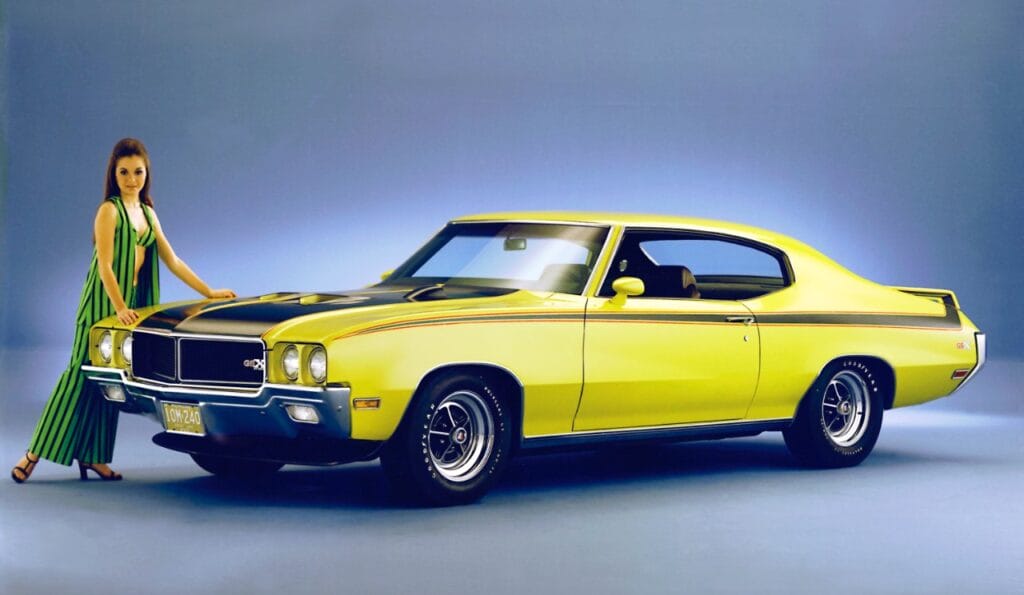
1970 Buick Skylark GSX Stage 1

Don’t be fooled by the Buick Skylark’s mild-mannered appearance. This sleeper packed a serious punch. Under the hood lurked a monstrous 455 cubic-inch V8 engine, churning out a jaw-dropping 350 horses and 510 lb-ft of torque – the highest of any American production car in 1970. This Buick was a rocket in disguise, capable of leaving many of its more famous competitors in the dust. It was the perfect choice for the enthusiast who preferred to keep a low profile while enjoying the thrill of unexpected power. The GSX Stage 1 was Buick’s way of saying “We can play with the big boys, too.” And boy, could it play.

10. 1971 AMC Javelin AMX: The Quirky Competitor
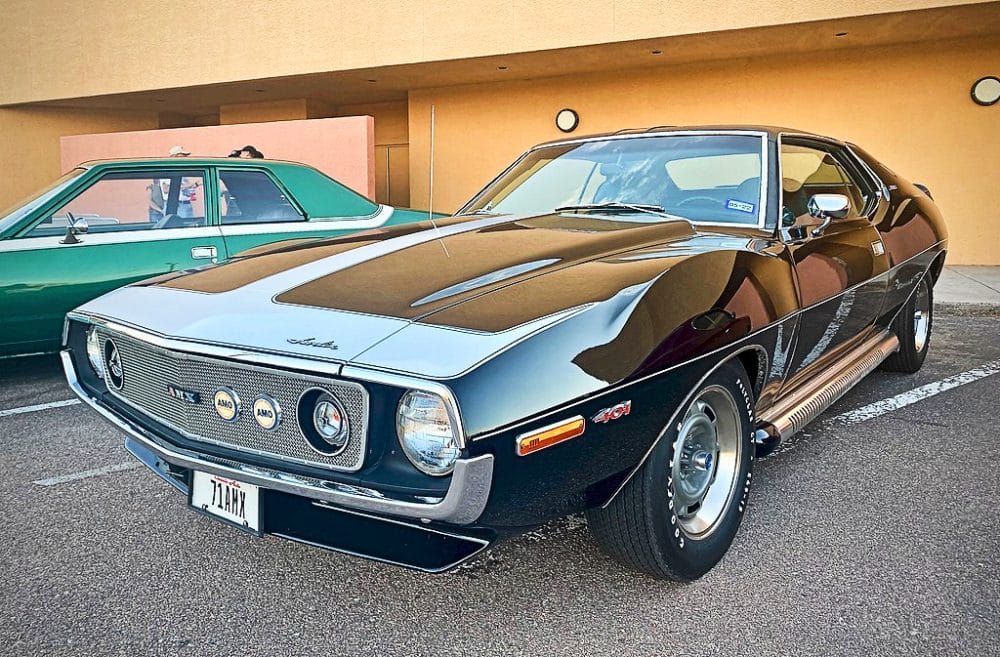
1971 AMC Javelin AMX

AMC might not be the first name that comes to mind when you think of muscle cars, but the Javelin AMX was a unique and worthy contender. Its distinctive styling, with sharp angles and aggressive lines, set it apart from the crowd. And under the hood, a potent 401 cubic-inch V8 engine roared with 330 horsepower, more than enough to give the big three a run for their money. The Javelin AMX wasn’t just a street brawler; it had a successful racing career, proving its mettle on the track by winning the Trans Am championship in 1971 and 1972. If you liked to go against the grain and blaze your own trail, the Javelin AMX was the perfect reflection of your independent spirit.

The End of an Era…But Not the End of the Dream
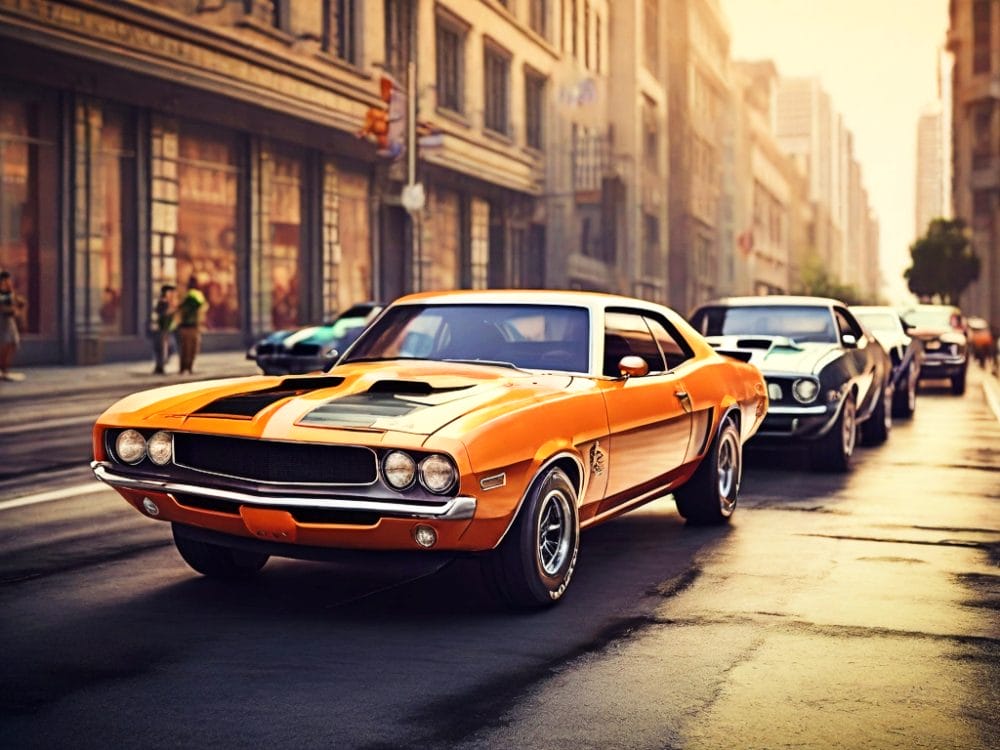
best muscle cars from the 1970s

The 70s were a magical time for American muscle cars, a golden era when chrome gleamed, V8 engines roared, and the open road beckoned. The 10 classics we’ve revisited are just a taste of the automotive wonders that ruled the streets back then. They represent an era of unbridled power, bold designs, and the intoxicating freedom of the open road. While those days may be behind us, the passion for these iconic cars burns brighter than ever. Whether you’re lucky enough to own one of these beauties, or simply dream of cruising down the highway in a vintage muscle car, the spirit of that era lives on. It’s a spirit of independence, rebellion, and the relentless pursuit of the American dream.

Which of these best 70s muscle cars would you most want to own? Which one sparks the most nostalgia for you? Share your thoughts and memories in the comments below!

Read More

How to Budget for a Couples Road Trip

If You’re Buying Cars Without Checking Online, You’re Doing It Wrong

14 High-Paying Jobs for People Who Hate Office Environments

High-paying non-office jobs

High-paying non-office jobs

Tired of the fluorescent lights, endless meetings, and soul-sucking monotony of the office? You’re not alone! Millions dream of escaping the cubicle, but the fear of sacrificing a lucrative career can be daunting. What if we told you exciting, well-paying non-office jobs are abundant and waiting for you? It’s time to break free from the traditional career path and discover a world of fulfilling alternatives. This article will showcase 14 diverse high-paying non-office jobs that cater to various interests and skill sets. Whether you’re a creative spirit, a tech whiz, or someone who thrives in hands-on environments, we’ve got you covered. Get ready to explore lucrative career paths that offer the freedom, flexibility, and financial rewards you crave.

1. Construction Manager

Construction Manager

Construction management could be your calling if you have a knack for leadership and enjoy overseeing complex projects. As a construction manager, you’ll orchestrate the entire building process, from the initial blueprints to the final inspection. In the United States, the average salary of a construction manager is $133,585.

Picture yourself coordinating teams of skilled tradespeople, ensuring projects stay on schedule and within budget. Your days will be anything but dull, filled with problem-solving, decision-making, and the satisfaction of seeing structures rise from the ground up. With experience, you can command a six-figure salary and enjoy the prestige of leading teams to success. Plus, the view from the top of a completed project is much better than a cubicle window!

2. Elevator Mechanic

Elevator Mechanic

Combine your technical aptitude with a head for heights, and you could become an elevator mechanic. Don’t worry, this isn’t about getting stuck in a lift – it’s about ensuring the safe and efficient operation of vertical transportation systems. Considered as one of the high-paying non-office jobs today, elevator mechanics typically earn around $79,801 annually.

As an elevator mechanic, you’ll install, maintain, and repair elevators and escalators, keeping people and goods moving smoothly. This job requires a blend of mechanical and electrical skills and a willingness to work in tight spaces and at heights. The demand for elevator mechanics is consistently high, ensuring job security and excellent earning potential, not to mention the bragging rights of being the one who keeps those towering buildings functional.

3. Commercial Pilot

Commercial Pilot

If you’ve ever dreamed of soaring through the clouds, a career as a commercial pilot might be your ticket to adventure. Pilots are the modern-day explorers, navigating the skies and connecting people and places. The median annual income for a commercial pilot is approximately $189,901.

Imagine the thrill of taking off from a bustling airport, soaring above the clouds, and landing in exotic destinations. As a commercial pilot, you’ll be responsible for safely transporting passengers and cargo, adhering to strict safety protocols. This exciting profession demands extensive training and licensing, but the rewards, both financially and experientially, are undeniable. You’ll have a front-row seat to stunning views and the satisfaction of knowing you’re part of a global network that keeps the world connected.

4. Web Developer

web developer

For tech-savvy individuals who enjoy problem-solving and creative expression, web development offers a lucrative and flexible career path. In today’s digital age, websites are the virtual storefronts of businesses and organizations, and web developers are the architects behind them. A web developer can expect to make an average of $92,906 while senior developers earn an average of $100,000 to $126,000.

As a web developer, you’ll use your coding skills to create and maintain websites, ensuring they are visually appealing, user-friendly, and functional. You’ll work with a variety of technologies, from HTML and CSS to JavaScript and beyond. The best part? You can often work remotely, setting your own hours and enjoying the freedom to create from anywhere in the world. With the ever-increasing reliance on digital platforms, skilled web developers are in high demand, making this a promising high-paying non-office job.

5. Wind Turbine Technician

Wind Turbine Technician

Contribute to a greener future while enjoying a rewarding career as a wind turbine technician. Picture yourself scaling towering wind turbines, ensuring they operate efficiently and harness the power of the wind. Compensation for wind turbine technicians generally falls within the range of $74,669 to $91,970

As a wind turbine technician, you’ll install, maintain, and repair these majestic structures, playing a crucial role in the renewable energy sector. This physically demanding job requires technical expertise, a head for heights, and a passion for sustainability. With the growing demand for clean energy sources, wind turbine technicians are in high demand, commanding competitive salaries and job security. Plus, you’ll have the satisfaction of knowing your work contributes to a cleaner and more sustainable planet.

6. Registered Nurse (RN)

Registered Nurse

Nursing is a fulfilling and well-compensated career choice if you have a passion for helping others and a strong stomach for the medical field. Nurses are the backbone of the healthcare system, providing compassionate care and support to patients in need. Registered nursing professionals command an average salary of roughly $105,732.

As a registered nurse, you’ll administer medications, monitor vital signs, educate patients on their health conditions, and offer emotional support. You’ll work in various settings, from hospitals and clinics to schools and private homes. Nursing is a demanding but incredibly rewarding profession, offering diverse specialization options and ample opportunities for career advancement.

7. Radiation Therapist

Radiation Therapist

For those interested in healthcare and technology, radiation therapy offers a unique and impactful career path. Radiation therapists are on the front lines of the fight against cancer, using advanced technology to deliver targeted radiation treatments to patients. The typical earning potential for a radiation therapist is $93,500.

Imagine being part of a team that helps people overcome one of the most challenging diseases. As a radiation therapist, you’ll work closely with oncologists and other healthcare professionals, crafting personalized treatment plans for each patient. You’ll use sophisticated equipment to deliver radiation doses with precision, ensuring maximum effectiveness while minimizing side effects. This role requires a combination of technical skills, compassion, and a strong understanding of medical physics.


8. Landscape Architect

Landscape Architect

If you have a green thumb and an eye for design, landscape architecture could be your ideal profession. Imagine transforming outdoor spaces into breathtaking havens, from sprawling public parks to intimate residential gardens. An entry-level landscape architect in the US can anticipate earning a yearly salary of around $56,801.

As a landscape architect, you’ll combine your creativity with environmental science to design functional and aesthetically pleasing outdoor environments. You’ll consider factors like plant selection, drainage, irrigation, and sustainability to create spaces that not only look beautiful but also thrive. This rewarding career offers the opportunity to make a tangible impact on communities and contribute to a greener world.

9. Police Officer or Detective

police officer

Law enforcement offers a challenging and rewarding career path if you have a strong sense of justice and a desire to serve your community. Police officers and detectives are the guardians of public safety, protecting lives and upholding the law. In the field of law enforcement, the average annual compensation typically falls between $59,880 and $69,778.

Imagine the adrenaline rush of responding to emergencies, investigating crimes, and apprehending suspects. As a police officer or detective, you’ll play a crucial role in maintaining order and ensuring justice. This demanding profession requires physical fitness, emotional resilience, and a commitment to upholding the law. But the rewards are immense, knowing you’re making a real difference in the lives of others.

10. Power Line Installer/Repairer

Power Line Installer

Contribute to the critical infrastructure that powers our modern world as a power line installer or repairer. Think of yourself as the unsung hero who keeps the lights on, the appliances running, and our digital lives connected. The financial rewards in this line of work typically amount between $54,329 and $81,252

As a power line installer or repairer, you’ll climb towering poles and work with high-voltage power lines to ensure the reliable delivery of electricity. This physically demanding job requires technical expertise, safety consciousness, and a willingness to work outdoors in all weather conditions. But the compensation is excellent, and the satisfaction of knowing you’re essential to our daily lives is unmatched.

11. Transportation, Storage, and Distribution Manager

Transportation Manager

If you’re organized, detail-oriented, and enjoy logistics, consider a career in transportation, storage, and distribution management. In our interconnected world, the efficient movement of goods is crucial, and that’s where you come in. Logistics professionals can expect a salary in the ballpark of $92,080 and $122,960.

As a transportation, storage, and distribution manager, you’ll oversee the entire process, from warehousing and inventory management to transportation scheduling and delivery. You’ll use your problem-solving skills to optimize routes, reduce costs, and ensure that products reach their destinations on time. This dynamic role offers a bird’s-eye view of the supply chain and the opportunity to make a tangible impact on the efficiency of businesses.

12. Commercial Diver

Commercial Diver

Dive into a unique and adventurous career as a commercial diver. Forget the office – your “office” will be the depths of the ocean, lakes, or rivers, where you’ll perform a variety of tasks that most people only dream of. The average remuneration for professional divers is approximately $105,610.

As a commercial diver, you might inspect and repair underwater pipelines, salvage sunken ships, or install underwater structures. You could even work on offshore oil rigs or conduct scientific research. This physically demanding job requires specialized training and certification, but the rewards are extraordinary. You’ll experience a unique work environment, explore underwater worlds, and enjoy competitive pay. It’s a career that’s anything but ordinary.

13. Heavy Equipment Operator

Heavy Equipment Operator

If you enjoy operating powerful machinery and working outdoors, a career as a heavy equipment operator might be perfect for you. Imagine yourself at the controls of a massive bulldozer, shaping the landscape, or maneuvering a towering crane with precision. The standard annual earnings for entry-level heavy equipment operators hover around $44,844.

As a heavy equipment operator, you’ll play a vital role in the construction, mining, and forestry industries. You’ll use your skills to excavate foundations, move earth, lift heavy loads, and clear land. This physically demanding job requires technical expertise, spatial awareness, and a steady hand. But the satisfaction of seeing the tangible results of your work, combined with excellent earning potential, makes it a rewarding career choice.

14. Ship Captain

Ship Captain

Take the helm of a seafaring vessel as a ship captain. Forget the daily commute – your office will be a floating city, navigating the ocean’s vastness. A ship captain can generally look forward to earning an average of $123,781.

As a ship captain, you’ll be the ultimate authority on board while enjoying one of the best high-paying non-office jobs, responsible for the safety of the crew, passengers, and cargo. You’ll chart courses, oversee navigation, manage shipboard operations, and ensure compliance with maritime regulations. The job requires extensive knowledge of seamanship, weather patterns, and emergency procedures. It’s a demanding but incredibly rewarding profession, offering a unique lifestyle, breathtaking views, and the opportunity to lead a team on unforgettable journeys.

Your Next Adventure Awaits

Non-office jobs

The traditional office environment isn’t for everyone, and that’s perfectly okay. With so many diverse and rewarding high-paying non-office jobs available, you can escape the cubicle and thrive in a career that aligns with your passions and skills. Don’t let fear hold you back from exploring the vast world of possibilities that await you beyond the confines of a desk job.

Read More

15 Odd Employee Benefits That Might Just Be the Future of Work

12 Interview Questions That Cross the Ethical Line

20 Fashion Trends From 70 Years Ago That Would Shock Us Today

Vintage fashion trends

Vintage fashion trends

Vintage fashion trends are a captivating window into the past, revealing the surprising and sometimes shocking styles that defined different eras. In the 1950s, fashion was undergoing a dramatic transformation, moving away from the utilitarian styles of wartime and embracing a new era of glamour and femininity. However, some of the trends popularized during this time might raise a few eyebrows today.  From bizarre silhouettes to unconventional materials, the following 20 fashion trends from 70 years ago might leave you wondering, “What were they thinking?”

1. The Bullet Bra

1950s fashion trends

Forget the natural look; the 1950s was all about accentuating curves with the bullet bra. This cone-shaped undergarment, often heavily padded and pointed, created an exaggerated silhouette that became synonymous with the era’s hourglass figure. Think of it as the precursor to today’s push-up bra, only way more extreme! Hollywood starlets like Jane Russell and Marilyn Monroe helped popularize the look, donning these pointy brassieres under tight sweaters to create the ultimate bombshell image. While the bullet bra might seem a bit outlandish today, it remains an iconic piece of vintage fashion history, a testament to the era’s obsession with feminine curves and exaggerated silhouettes.

2. The Poodle Skirt

Poodle Skirt

A quintessential symbol of 1950s teenage fashion, the poodle skirt was a playful and whimsical trend that’s hard to miss. These circle skirts, often made of felt, featured a poodle appliqué that bounced along with the wearer’s movements. It wasn’t just about the poodle, though – these skirts often showcased other playful appliqués like flamingos, hearts, or even musical notes. This unique fashion statement represented a youthful rebellion against the more conservative styles of the time, allowing young women to express their individuality and embrace a more lighthearted approach to fashion. While poodle skirts might not be seen on the runways today, they remain a beloved symbol of retro style and a popular choice for costume parties and themed events.



3. Saddle Shoes

saddle shoes

The saddle shoe, with its distinctive two-tone design (usually white with a black or brown “saddle” across the instep), was a staple of 1950s footwear that transcended gender lines. Both men and women sported these casual shoes, adding a touch of preppy flair to their outfits. Whether you were a cheerleader, a greaser, or just a regular teen, saddle shoes were a must-have. While they experienced a brief resurgence in the 1980s thanks to the movie “Grease,” saddle shoes might seem a bit quaint in today’s fashion landscape, replaced by more streamlined sneakers and loafers. However, their charm and retro appeal continue to inspire modern footwear designers, who often incorporate elements of the saddle shoe’s design into contemporary styles.

4. Pedal Pushers

pedal pushers

Imagine cruising down the boardwalk in a pair of pedal pushers, just like Audrey Hepburn in “Roman Holiday.” These calf-length trousers were a revelation in the 1950s, offering women a more comfortable and practical alternative to skirts and dresses. Pedal pushers were perfect for riding a bike (hence the name) or simply enjoying a casual day out. While they might not turn heads on today’s fashion runways, pedal pushers paved the way for modern capri pants and other cropped styles, proving that sometimes, vintage fashion trends can evolve into timeless classics.

5. The Swing Coat

swing coat

The swing coat, with its wide, flared silhouette, was a fashion statement in the 1950s that exuded elegance and drama. Often made of luxurious materials like wool or cashmere, this stylish outerwear cinched at the waist and flowed out dramatically, creating a striking hourglass figure. It was the perfect way to add a touch of glamour to even the simplest outfit, making women feel like movie stars as they strolled down the street. Think of it as a more structured version of today’s popular A-line coat. While the swing coat is still admired for its vintage charm and ability to make a statement, it might seem a bit too formal and voluminous for today’s more casual, minimalist fashion trends. However, it’s undeniable that a well-tailored swing coat can still turn heads and add a touch of retro flair to any wardrobe.

6. The Pencil Skirt

Pencil skirt

The pencil skirt, with its narrow, figure-hugging silhouette, was another iconic 1950s fashion trend that celebrated the female form. This sophisticated garment accentuated curves and created a polished, professional look, often paired with high heels and tailored blouses. It was a favorite among working women and fashion icons alike, offering a balance of femininity and power. While some modern women still consider the pencil skirt a classic wardrobe staple for its timeless elegance and versatility, others might find it a bit restrictive and less comfortable compared to today’s looser-fitting styles like flowing midi skirts or wide-leg pants. However, with the right fabric and fit, a pencil skirt can still be a stylish and empowering choice for the modern woman.

7. The Pompadour Hairstyle

Pompadour Hairstyle

The pompadour, a voluminous hairstyle with hair swept upwards and back from the forehead, was the epitome of cool in the 1950s. It was the signature look of rock ‘n’ roll icons like Elvis Presley and James Dean, symbolizing rebellion and youthful energy. This hairstyle wasn’t just for men; women also sported variations of the pompadour, adding a touch of rockabilly flair to their look. While still seen in some subcultures and on the occasional daring fashionista, the pompadour might seem a bit too high-maintenance for the average guy today who often prefers more relaxed, low-maintenance hairstyles. However, its undeniable coolness and vintage charm continue to inspire modern hairstyles and make it a popular choice for those who want to channel their inner rockstar.

8. Cat Eye Glasses

Cat Eye Glasses

Cat eye glasses, with their upswept frames, were a fashion statement for women in the 1950s that screamed sophistication and mystery. Think of Hollywood starlets like Marilyn Monroe and Audrey Hepburn, who made these glasses a must-have accessory. This glamorous eyewear added a touch of retro charm to any outfit, whether it was a casual sweater and jeans or a formal evening gown. While cat eye glasses have seen a resurgence in recent years, thanks to their flattering shape and vintage appeal, some might find them a bit too kitschy or costume-like for everyday wear. However, for those who embrace retro fashion trends, cat eye glasses remain a stylish and eye-catching accessory.

9. The Coonskin Cap

coonskin cap

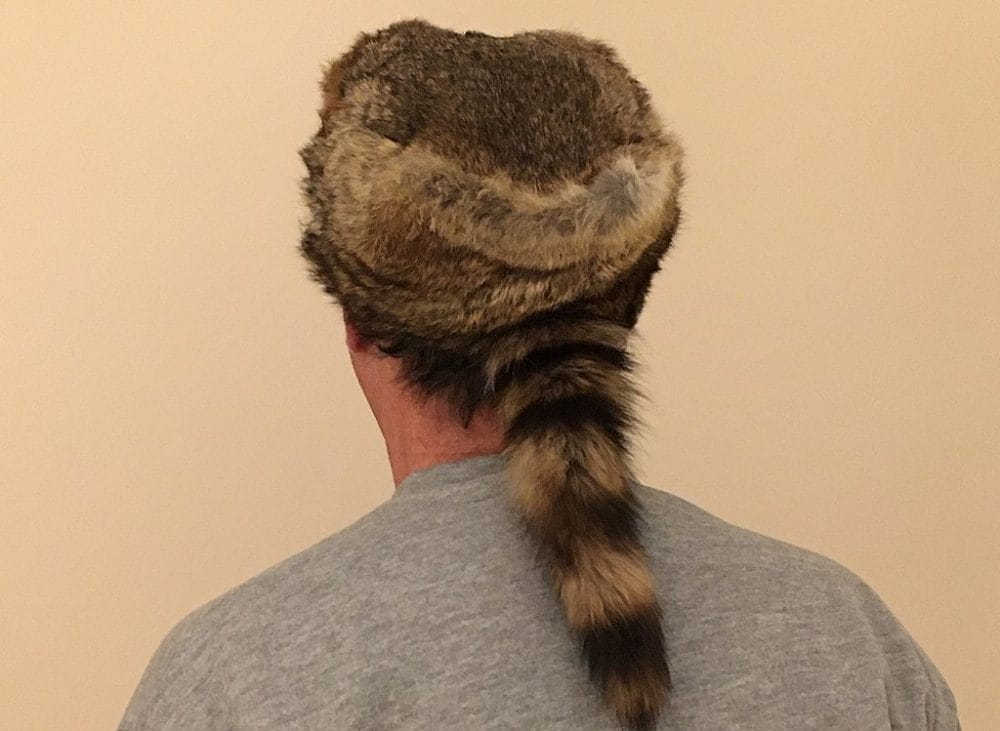
The coonskin cap became a popular trend among children and adults alike in the 1950s, thanks to the Davy Crockett craze sparked by the Disney miniseries. This unique headwear, made from the skin and fur of a raccoon, was a symbol of rugged individualism and frontier spirit, a nostalgic nod to a simpler time in American history. Kids and adults alike embraced this quirky accessory, often wearing it while playing cowboys and Indians or simply as a fashion statement. However, modern sensibilities and ethical concerns surrounding animal products would make this vintage fashion trend highly controversial and unlikely to make a comeback in any significant way. Today, coonskin caps are mostly relegated to historical reenactments, costume parties, or novelty items.

10. The Stole

stole

The stole, a long, narrow scarf or shawl draped over the shoulders, was a versatile and luxurious accessory in the 1950s. Think of it as the vintage equivalent of a statement necklace or a chunky scarf. It was the perfect finishing touch for any outfit, adding a touch of elegance and warmth. Whether made of fur, feathers, silk, or even synthetic materials, the stole was a symbol of sophistication and status. It was a fashion statement that whispered luxury and refinement. However, as modern fashion has shifted towards more minimalist and practical styles, the stole has become a less common sight. Today, you’re more likely to see people opting for simpler scarves or pashminas, but the stole’s influence can still be seen in the resurgence of statement scarves and shawls.

11. The Sweater Girl Look

Sweater Girl Look

Hollywood starlets like Lana Turner and Jayne Mansfield were the epitome of the Sweater Girl look, a trend that celebrated curves and unabashed femininity. This wasn’t your grandma’s knitwear; these sweaters were form-fitting and often made of luxurious materials like cashmere or angora, clinging to every curve and highlighting the hourglass figure. The look was often completed with a pencil skirt, high heels, and a bold red lip, creating an alluring and confident image. This vintage style, while undeniably glamorous, also reflected the era’s limited and often idealized view of female beauty. Today’s fashion is more inclusive and diverse, embracing a wider range of body types and styles. However, the Sweater Girl look continues to inspire modern fashion, with bodycon dresses and fitted tops often paying homage to this iconic 1950s trend.

12. The Greaser Style

greaser style

If you’ve ever watched “Grease” or dreamed of being a T-Bird or Pink Lady, you’re familiar with the greaser style. This subculture fashion trend emerged in the 1950s, characterized by leather jackets, cuffed jeans, white t-shirts, and slicked-back hair. It was a look that exuded rebellion and cool, a direct challenge to the conservative norms of the era. Think James Dean in “Rebel Without a Cause.” This style was about more than just clothes; it was a lifestyle and attitude that embraced individuality and nonconformity. While elements of the greaser style, like leather jackets and vintage t-shirts, still resonate in modern fashion, the full-blown look with greased-back hair and heavily cuffed jeans might feel a bit too costume-y for everyday wear today. However, the spirit of the greaser – that rebellious, independent spirit – lives on in various subcultures and fashion trends, proving that some styles are simply timeless.

13. The Swing Dress

swing dress

The swing dress, with its fitted bodice and full skirt, was a dance-floor favorite in the 1950s. This vintage fashion staple, often made from colorful fabrics and playful patterns, was synonymous with the era’s vibrant social scene. Its twirl-worthy design made it perfect for jitterbugging and other popular dances of the time, offering both freedom of movement and a touch of flirtatious charm. Often accessorized with petticoats for extra volume and paired with saddle shoes or pumps, the swing dress was a versatile garment that could be dressed up or down. While still a beloved style for retro enthusiasts and costume parties, the swing dress might seem a bit too costumey for everyday wear today, but its influence can be seen in modern skater skirts and fit-and-flare dresses, proving its enduring appeal.

14. The Shortie Nightgown


The shortie nightgown, also known as the babydoll nightgown, was a popular sleepwear trend in the 1950s that embraced a more youthful and playful aesthetic. Think of it as the precursor to today’s lingerie-inspired sleepwear. These short, often sheer garments were adorned with lace, ruffles, or floral prints, creating a flirty and feminine look. This was a departure from the more conservative nightgowns of previous decades, reflecting a growing sense of freedom and self-expression among women. While some modern lingerie styles still draw inspiration from the shortie nightgown, its overt femininity and sometimes revealing nature might not resonate with everyone today, as comfort and practicality often take precedence.

15. The Circle Skirt

circle skirt

The circle skirt, a full, flared skirt that hit just below the knee, was a staple of 1950s fashion that exuded joy and movement. This vintage style was often made of colorful fabrics with bold patterns, adding a touch of whimsy to any outfit. Imagine twirling around a dance floor, the skirt swirling around you like a kaleidoscope of colors. The circle skirt was a versatile garment, suitable for everything from casual outings to formal dances, making it a popular choice for women of all ages. While the circle skirt has made occasional comebacks in modern fashion, its voluminous shape might not be everyone’s cup of tea, as many prefer more streamlined and fitted silhouettes. However, for those who embrace retro fashion trends, the circle skirt remains a fun and playful way to add a touch of vintage flair to their wardrobe.

16. The Bobby Sox

bobby sox

Bobby socks, those iconic short white ankle socks, were a quintessential accessory for teenage girls in the 1950s. They were often paired with saddle shoes, poodle skirts, and rolled-up jeans for a classic “girl next door” look that was both innocent and stylish. Think of Sandy from “Grease” before her transformation. These socks represented a youthful and carefree spirit, a time when sock hops and soda shops were the center of social life. While bobby socks might be seen as a cute retro touch today, they’re not a common everyday accessory for most people, having been replaced by more practical and athletic-inspired socks. However, their charm and nostalgic appeal continue to inspire retro fashion trends, reminding us of a simpler time when bobby socks were the height of teenage fashion.


17. The Shirtwaist Dress

shirtwaist dress

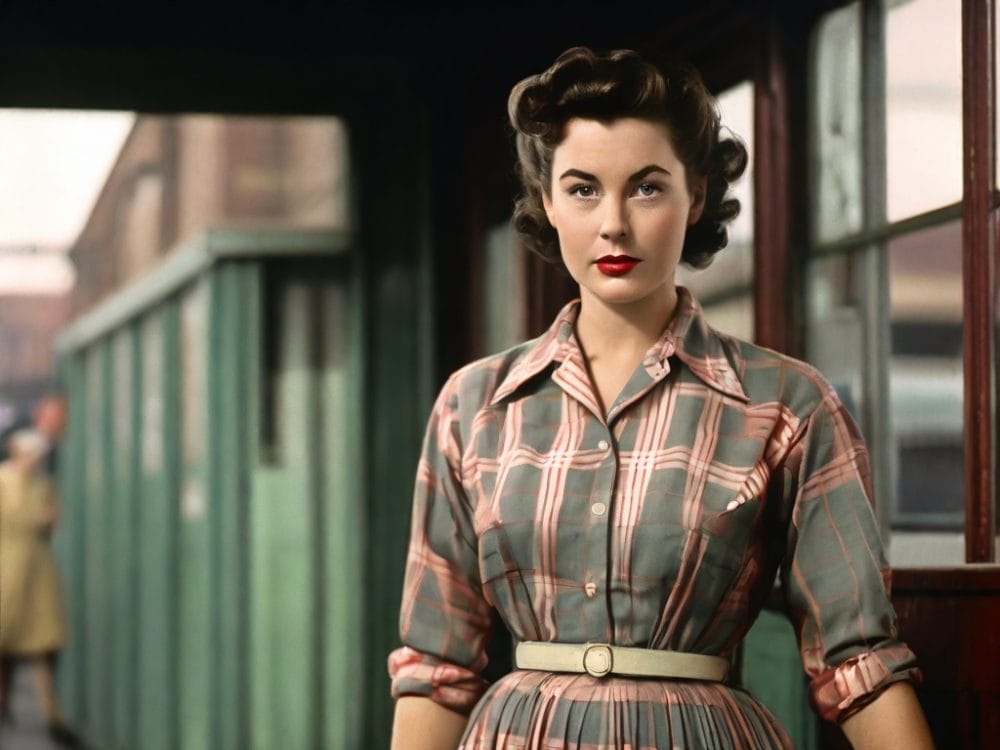
The shirtwaist dress, with its button-down front and cinched waist, was the quintessential “everywoman” garment of the 1950s. It was a versatile wardrobe staple that could effortlessly transition from day to night, from office to casual outing. With a simple change of accessories, this vintage fashion icon could be dressed up with a belt and heels for a polished look or dressed down with a cardigan and flats for a more relaxed vibe. The shirtwaist dress offered the perfect balance of style, comfort, and practicality, making it a favorite among women from all walks of life. While it still holds a place in many wardrobes for its timeless appeal, some modern fashionistas might find the shirtwaist dress a bit too conservative or plain compared to today’s bolder and more trend-driven styles. However, its versatility and classic silhouette ensure that it will always have a place in fashion history.

18. The Wingtip Shoes

wingtip shoes

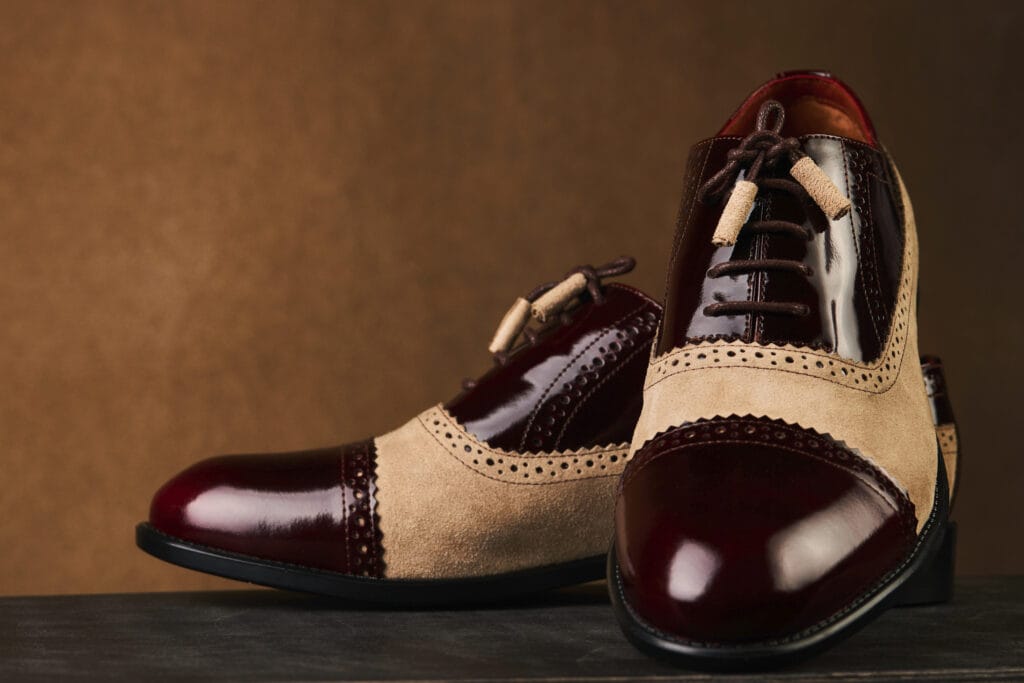
Wingtip shoes, also known as brogues, were the epitome of dapper footwear in the 1950s. These classic shoes, with their distinctive perforated patterns and pointed toes, were a staple of menswear fashion, often paired with suits or dress pants for a polished and sophisticated look. Think of them as the 1950s equivalent of today’s Oxford shoes. While wingtip shoes still hold a place in classic menswear and can be seen on the feet of stylish gentlemen today, some might find them a bit too formal or traditional for their taste. However, for those who appreciate timeless style and a touch of vintage flair, wingtip shoes remain a stylish and sophisticated choice.

19. The Dungarees

dungarees

Dungarees, or overalls as we call them today, were originally designed as durable workwear for men. However, in the 1950s, they unexpectedly became a fashion trend, particularly among rebellious teenagers and young adults. This casual style, often paired with rolled-up cuffs, t-shirts, and sneakers, represented a carefree and nonconformist attitude. Dungarees were a symbol of youthful rebellion in the 1950s, a way to break free from stuffy attire and embrace a more relaxed vibe. While the stiff denim and boxy fit of vintage dungarees might not be everyone’s style today, their spirit lives on in the modern, more streamlined versions we see on the streets and runways.

20. The Neck Scarf

neck scarf

The neck scarf, a small square of fabric tied around the neck, was a ubiquitous accessory in the 1950s. It was a simple yet stylish way to add a pop of color, pattern, or personality to any outfit. Think of it as the 1950s version of a statement necklace. Men and women alike embraced this versatile accessory, pairing it with everything from sharp suits to playful dresses. Whether tied in a simple knot or an elaborate Ascot-style, the neck scarf offered endless ways to express personal style. While not as ubiquitous today, its vintage charm and timeless appeal continue to inspire modern accessories, proving that some trends never truly fade away.

The Legacy of 1950s Fashion

Vintage fashion trends

While some of these vintage fashion trends from the 1950s might make us chuckle today, they’re a vibrant snapshot of a decade bursting with change. Think poodle skirts swirling on rebellious teens, bullet bras boosting confidence, and pompadours defying conformity. These weren’t just clothes; they were statements. And though not every trend survived the decades, their echoes still ripple through today’s runways, reminding us that fashion is a living, breathing time capsule of who we were, are, and want to be.

Read More

Empowering Fashion: 12 Style Choices for Women Over 50

16 Fashion Statements from the 60s That Would Seem Outlandish to Today’s Trendsetters

Safeguard Your Family’s Health: 12 Foods You Should Only Buy Organic

Foods You Should Only Buy Organic

Foods You Should Only Buy Organic

Worried about the unseen dangers lurking in your family’s food?  It’s time to rethink what goes in your grocery cart.   Pesticides, growth hormones, and other chemicals are common in conventionally grown produce – but there’s a way to protect your loved ones.  Choosing the right foods you should only buy organic makes all the difference.  It’s an investment in your health and a shield against potential harm.  Here’s the latest EWG’s The Dirty Dozen list, which gives you the inside scoop on the produce that demands an organic label, along with a few surprising reasons why you might want to reconsider some seemingly “healthy” staples.

1. Strawberries

 organic produce

These sweet berries are a pesticide magnet, and unfortunately, they hold the title of the worst offender when it comes to pesticide residue. Tests reveal a shocking number of different chemicals on strawberries, even after thorough washing. Opting for organic strawberries ensures those delightful treats are as pure as they are delicious. The average American eats about eight pounds of fresh strawberries a year, and with non-organic berries, that means also consuming dozens of pesticides. Some of these chemicals have been linked to cancer, reproductive damage, and other serious health concerns, or are banned in Europe due to safety issues. Whether you love them in strawberry shortcake, homemade jams, or just a handful as a refreshing snack, prioritizing organic versions means pure, worry-free enjoyment.

2. Spinach

 organic food benefits

Spinach might be considered a nutritional powerhouse, but this leafy green often carries a shockingly high level of harmful pesticides. And again it’s one of those foods you should only buy organic. Sadly, conventional spinach frequently tests positive for numerous chemicals, including a neurotoxic insecticide called permethrin. This substance is banned for use on food crops across Europe due to its dangers. Opting for organic spinach guarantees you’re getting all the vital nutrients without the unsavory extras. Studies link permethrin exposure to serious health concerns, especially in children, including ADHD and neurological problems. Whether you love it fresh in crisp salads, blended into smoothies for an energy boost, or cooked until tender, choosing organic is the safest bet when it comes to this versatile but potentially contaminated veggie.

3. Kale, Collard & Mustard Greens

 pesticide free foods

These hearty greens are often loaded with nutrients, but sadly they also share a disturbingly high level of pesticide contamination. Thus, they belong to the list of foods you should only buy organic. Kale, collards, and mustard greens frequently test positive for DCPA, a pesticide classified as a possible human carcinogen by the EPA. DCPA was even banned in Europe over 15 years ago due to its dangers. Opting for organic versions of these popular greens ensures you avoid DCPA along with a host of other concerning chemicals. Studies show DCPA can harm the lungs, liver, kidneys, and thyroid, and is a suspected endocrine disruptor. Enjoy their powerful nutrients without the worry by always selecting organic versions of these greens.

4. Grapes

 healthy eating for families

Who doesn’t love grapes as a refreshing snack? Unfortunately, conventional grapes can be loaded with a cocktail of pesticide residues. Studies repeatedly show high levels of numerous chemicals on non-organic grapes, with some linked to serious health risks. One particularly dangerous pesticide used on grapes is paraquat. This highly toxic chemical has been associated with Parkinson’s disease and is even banned in the UK and Canada due to its dangers. Opting for organic grapes protects yourself (especially little ones who love grapes) from these unnecessary chemical exposures and lets you enjoy their full health benefits. From snacking to salads, or even frozen as a fun summer treat, organic grapes ensure you’re getting sweetness and nutrients, not a side of harmful pesticides.

5. Peaches

organic vs conventional

Sweet, juicy peaches are a summer delight, but their fuzzy skin can trap a hefty amount of pesticides. Sadly, conventional peaches often test positive for a cocktail of chemicals, some of which can harm the nervous system and disrupt hormones. Of particular concern are fungicides like fludioxonil and propiconazole, which are found on a large percentage of peaches and have been linked to potential risks like fetal development issues, liver toxicity, and reproductive harm. Opting for organic peaches guarantees you’re getting sweetness without the toxic chemicals and maximizing the enjoyment of this juicy summer staple.

6. Pears

organic pears

Pears are another fruit where organic simply makes sense. Pesticide residues can lurk stubbornly on those smooth peels, and tests show a disturbing increase in the number of different chemicals found on conventional pears. Over 60% of non-organic pears now contain residues from five or more pesticides! Of particular concern are fungicides like pyrimethanil and fludioxonil, which are applied throughout the growing season and even after harvest. These chemicals are linked to potential hormone disruption and reproductive harm. Choosing organic pears is the safest way to enjoy their gentle sweetness and avoid problematic pesticide exposure.

7. Nectarines

cost of organic food

Similar to their peach cousins, nectarines often test high for pesticide contamination. These toxic pesticides can put lives at risk. Their smooth skins make washing less effective, leaving residues from a variety of harmful chemicals. Tests reveal concerning substances on non-organic nectarines, including some linked to hormone disruption, reproductive harm, and even cancer risk. Some of these pesticides, like carbendazim and diphenylamine, are banned in other countries due to their potential dangers. Opting for organic nectarines eliminates these concerns and lets you savor their pure, unadulterated sweetness and flavor.

8. Apples

finding organic food

An apple a day keeps the doctor away… unless it’s loaded with pesticides! Apples are a classic lunchbox staple and a healthy snack, but make sure you’re choosing organic varieties. Apples can be heavily sprayed with chemicals, both before and after harvest. One particularly concerning chemical is diphenylamine, used to prevent discoloration during storage. While deemed safe by the EPA, European regulators have banned its use due to concerns it could form harmful nitrosamines, which are linked to cancer. An organic label is your best defense for worry-free snacking and pure apple enjoyment.

9. Bell & Hot Peppers

buy organic foods

Peppers add bright flavor and nutrients to dishes, but they can also carry a hefty pesticide punch. Both sweet bell peppers and their spicy hot pepper cousins frequently rank high in contamination tests. Residues of numerous chemicals can be found on non-organic peppers. Some of these are linked to health concerns, making organic a safer choice for everything from fajitas to stir-fries, or even enjoying raw peppers as a satisfying snack. Opting for organic ensures you get the vibrant flavor and nutrition without the worry of harmful pesticide exposure.

10. Cherries

organic cherries

These bite-sized treats are intensely satisfying but often suffer from heavy pesticide residues. Cherries are a prime example of foods you should only buy organic. Growers frequently treat cherries with a variety of chemicals to combat pests and diseases. These residues can persist on the fruit, even after washing and pose potential health risks. Safeguard your enjoyment of these sweet gems by seeking out organic cherries – it’s the best way to guarantee pure flavor and peace of mind. Opting for organic ensures you get the delicious sweetness of cherries without the side of harmful chemicals.

11. Blueberries

blueberries

Beloved for their flavor and superfood status, blueberries sadly can also harbor pesticides. Enjoy their healthful properties without the risk by prioritizing organic options. Like many delicate fruits, blueberries are susceptible to pests and diseases, leading to the use of various pesticides. These residues can linger, potentially impacting the health benefits of this antioxidant-rich berry. From topping your cereal to blending into smoothies, choosing organic blueberries means maximizing the benefits, not the worries. Opting for organic ensures you’re getting all the deliciousness and powerful nutrients blueberries offer without any lingering concerns about pesticide exposure.

12. Green Beans

green beans

Green beans are a versatile and healthy side dish, but conventional ones can be concerning. Prioritize organic green beans to ensure you’re getting pure nutrition, not a side of chemicals with your dinner. Tests often reveal harmful insecticides like acephate and methamidophos on green beans. Researchers also find a wide variety of other pesticides on non-organic green beans. The EU prohibits some of these chemicals due to their potential health risks.. Choosing organic green beans is the best way to ensure you’re reaping their nutritional benefits without the worry of pesticide exposure.

The Power of Informed Choices

benefits of organic food

Knowing which foods you should only buy organic lets you make empowered choices for your family’s health. Don’t underestimate the positive impact of going organic, especially for these highly-contaminated items. Making the switch is an investment in the wellbeing of those you love! By choosing organic, you’re not only protecting your family from potential harm, but also supporting farming practices that prioritize health and environmental sustainability.


Read More
15 Guilt-Free Foods You Can Eat to Your Heart’s Content

What People Won’t’ Eat: 11 Surprisingly Healthy Foods That Often Get a Bad Rap

13 Breathtaking Train Journeys Around the World You Can’t Miss

The Glacier Express

The Glacier Express

Pack your bags and your sense of adventure – it’s time to embark on an unforgettable journey! Train travel isn’t just about reaching a destination; it’s about savoring the stunning landscapes that roll past your window. From snow-capped peaks to lush valleys, these breathtaking train journeys around the world will ignite your wanderlust and leave you craving your next rail-bound escape.  Whether you’re seeking luxury, history, or the world’s most scenic routes, this list has something to make your heart skip a beat. So, all aboard! It’s time to discover why these are considered some of the best train journeys around the world.

1. The Glacier Express, Switzerland

The Glacier Express

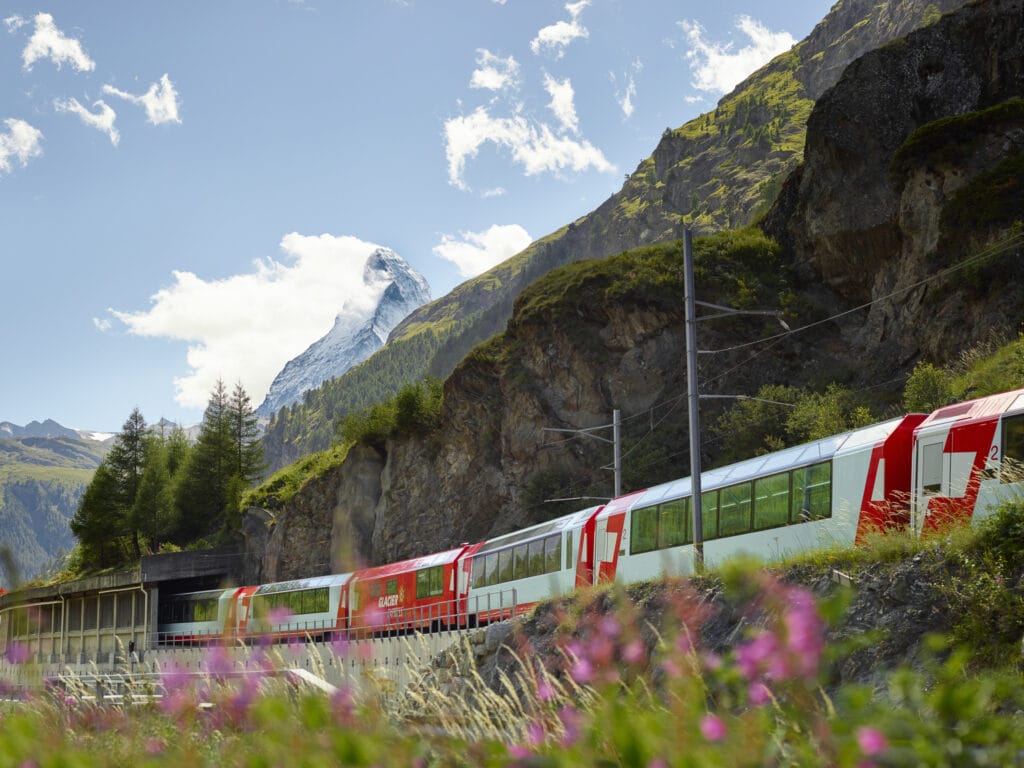
Known as the “slowest express train in the world,” the Glacier Express is a scenic train journey like no other. As you wind through the Swiss Alps, marvel at towering peaks, pristine glaciers, and picture-perfect villages nestled among the postcard-worthy landscapes. Enjoy panoramic views from luxurious coaches, and indulge in gourmet meals for a truly unforgettable experience. This train travel bucket list essential is a must for nature lovers and those seeking a touch of elegance on their adventure.  The deliberate pace of the Glacier Express allows you to soak in the magnificence of your surroundings, making it a favorite for photographers seeking to capture those iconic Alpine views.

2. The Rocky Mountaineer, Canada

The Rocky Mountaineer

Traversing the majestic Canadian Rockies, the Rocky Mountaineer offers a luxurious way to experience some of North America’s most awe-inspiring landscapes. Journey past thundering waterfalls, turquoise lakes, and wildlife-rich forests – you might even spot a bear or moose! With glass-domed coaches, gourmet cuisine, and impeccable service, this is where comfort meets adventure. Whether you choose a short day trip or a multi-day itinerary, the Rocky Mountaineer will leave you breathless.  The onboard hosts share fascinating stories about the region’s history and natural wonders, adding another dimension to your scenic journey.

3. The Trans-Siberian Railway, Russia

The Trans-Siberian Railway

This legendary train journey holds a special place in the hearts of adventurers, and is considered by many as one of the best train journeys around the world.  The Trans-Siberian Railway stretches across continents, connecting Moscow to Vladivostok. It’s a journey steeped in history as you cross vast landscapes, remote villages, and bustling cities. Experience the raw beauty of Russia over days or even weeks, creating memories unlike any other travel experience. For those seeking an epic adventure, the Trans-Siberian is a chance to truly immerse yourself in a different world. Consider breaking up your journey with stops in cities like Irkutsk or Yekaterinburg to explore Russia’s diverse regions and cultures.

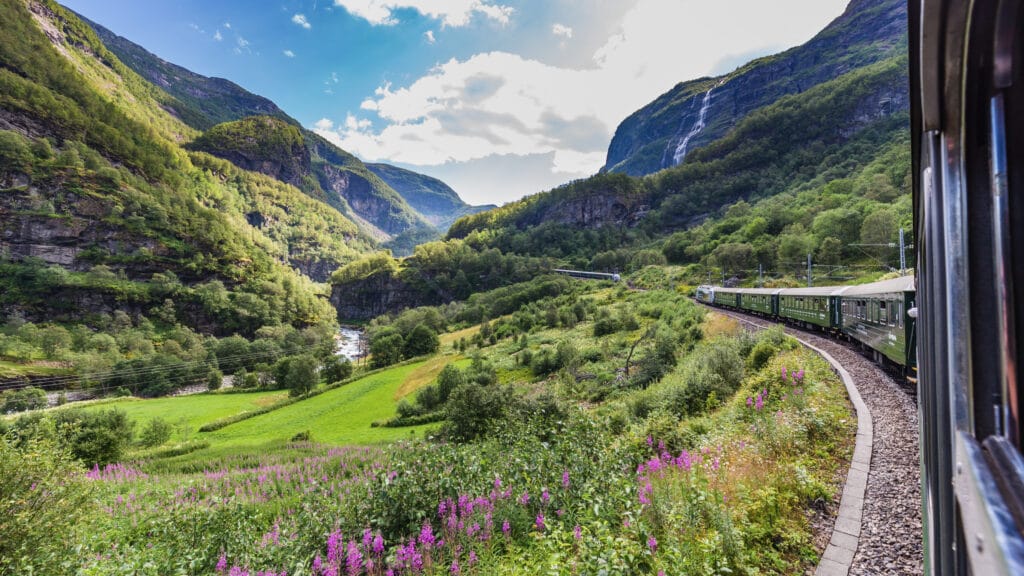
4. The Flåm Railway, Norway

The Flåm

Often cited as one of the world’s most beautiful train rides with amazing views, the Flåm Railway in Norway is a true masterpiece of engineering. This short but incredibly scenic train journey takes you from the mountaintop village of Myrdal down to the breathtaking Aurlandsfjord. Witness cascading waterfalls, lush valleys, and charming villages nestled amidst the dramatic landscape. This is a must-do for anyone visiting Norway or those seeking a concentrated dose of breathtaking scenery in a shorter journey. The Flåm Railway’s steep incline makes it an exciting ride, showcasing the ingenuity required to conquer Norway’s challenging terrain.

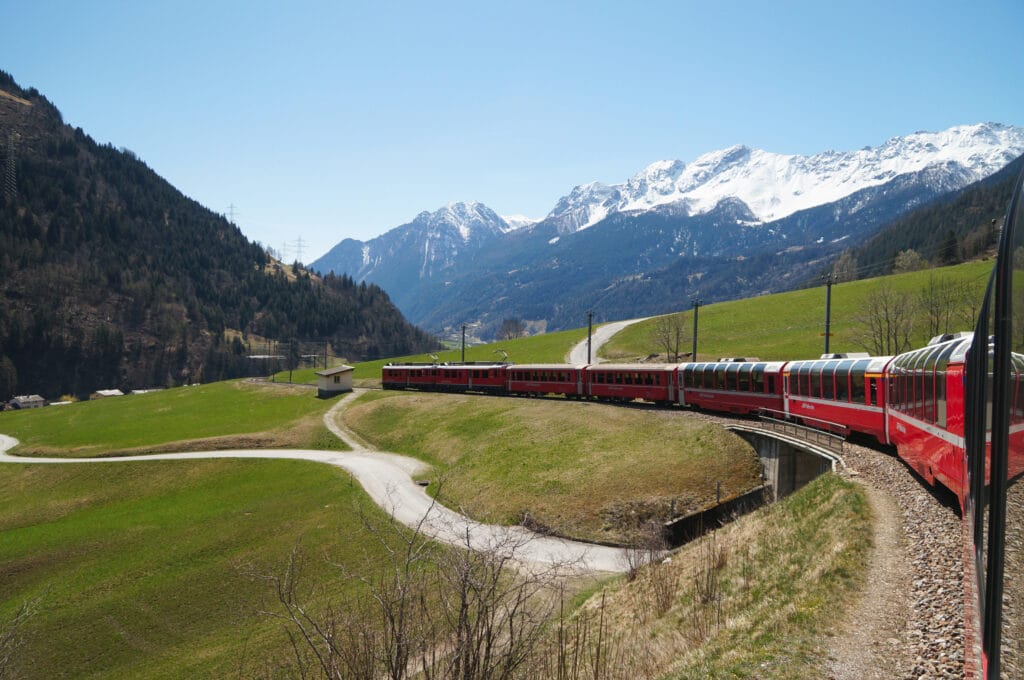
5. The Bernina Express, Switzerland to Italy

The Bernina Express

Crossing the Alps from Switzerland to Italy, the Bernina Express is a feast for the eyes. Perhaps it’s one of the reasons people still opt to travel by train. This train journey boasts stunning mountain vistas, glaciers, and picturesque villages. Pass over the iconic Landwasser Viaduct, a marvel of engineering that blends seamlessly with the natural landscape. Whether you opt for panoramic coaches or open-air carriages, the Bernina Express guarantees a front-row seat to nature’s most spectacular show. The Bernina Express also crosses the Bernina Pass, the highest railway crossing in the Alps, offering unparalleled views.

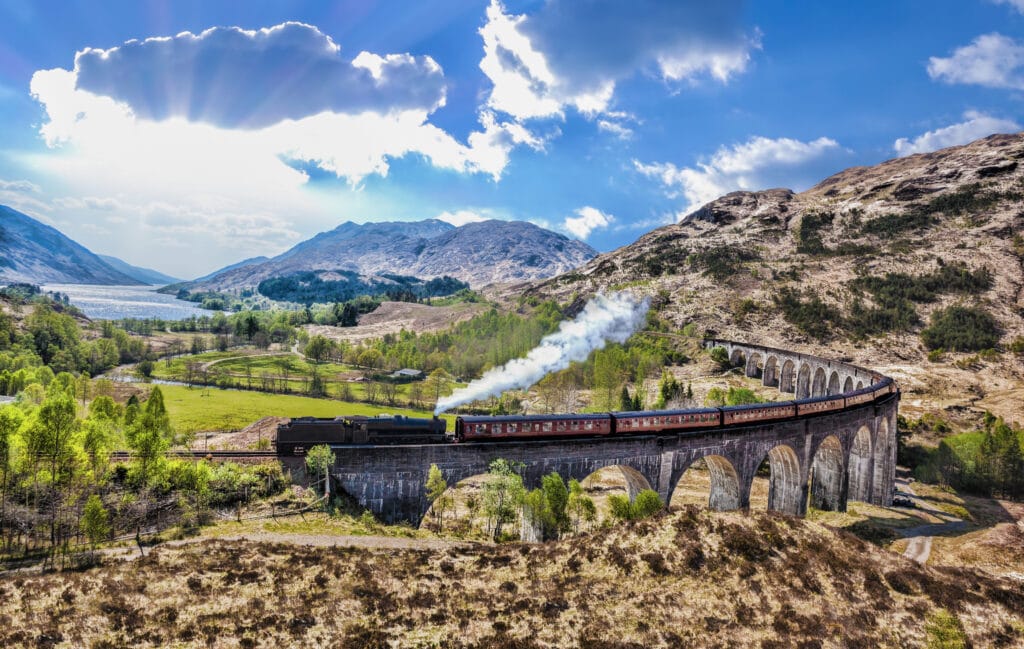
6. The Jacobite Steam Train, Scotland

The Jacobite Steam Train

Harry Potter fans, rejoice! The Jacobite Steam Train in Scotland offers a magical journey through the Scottish Highlands, and considered one of the most scenic train journeys around the world. This historic train ride will transport you to a world of rolling hills, shimmering lochs, and the iconic Glenfinnan Viaduct – instantly recognizable from the movies. Whether you’re a die-hard wizarding enthusiast or simply love a good steam train adventure, the Jacobite promises a truly enchanting experience that will leave you feeling a bit magical. For an extra dose of nostalgia, consider booking afternoon tea service onboard for a classic British experience.

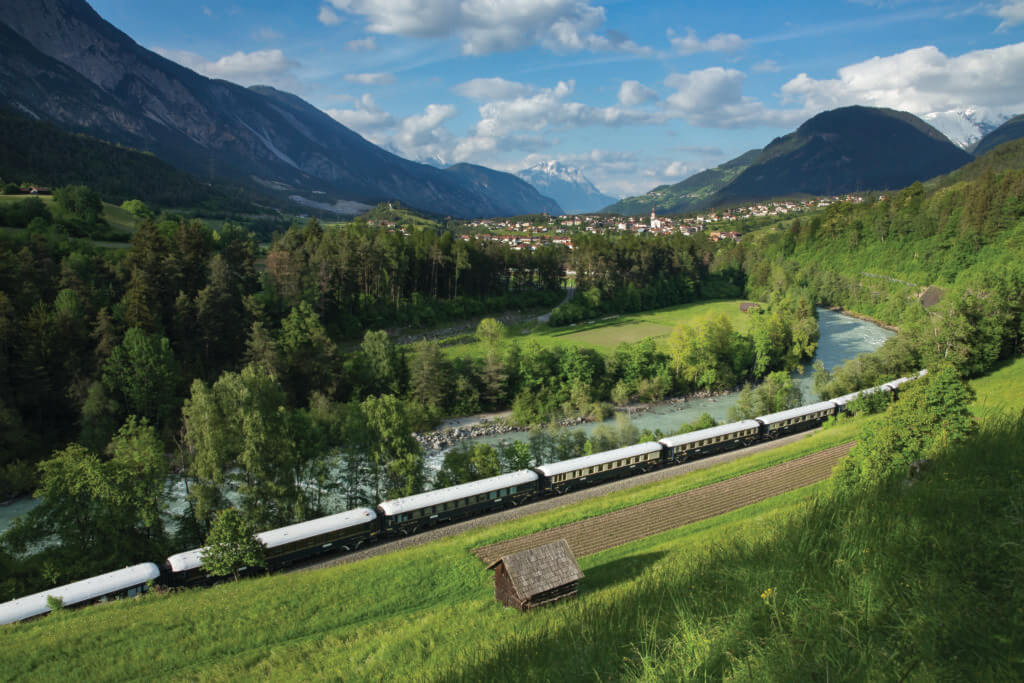
7. The Venice Simplon-Orient-Express, Europe

Venice Simplon Orient Express

For the ultimate in luxury train journeys around the world, look no further than the Venice Simplon-Orient-Express. Step back in time to the golden age of rail travel with Art Deco carriages, impeccable service, and gourmet cuisine. This iconic train takes you through some of Europe’s most romantic cities, including Paris, Venice, and Istanbul. The Venice Simplon-Orient-Express is more than a journey; it’s an unforgettable experience in elegance. Black-tie dinners and champagne celebrations are the norms on this train, making it a favorite for special occasions and those who love dressing to the nines.

8. The Maharajas’ Express, India

The Maharajas' Expres

Experience the royal splendor of India aboard the Maharajas’ Express. This opulent train offers journeys through Rajasthan, showcasing the region’s rich history, vibrant culture, and breathtaking palaces. Indulge in lavish suites, gourmet dining, and personalized service fit for royalty. The Maharajas’ Express is the perfect way to explore India in unparalleled style and comfort. Off-train excursions to iconic destinations like the Taj Mahal and the Pink City of Jaipur deepen your experience of this incredible country.

9. El Chepe, Mexico

El Chepe

Traverse the dramatic Copper Canyon in Mexico aboard El Chepe. This scenic train journey takes you through rugged mountains, deep canyons, and remote indigenous Tarahumara villages. Marvel at the engineering feats as the train navigates bridges and tunnels, offering breathtaking views at every turn. El Chepe is an excellent option for adventurous spirits seeking a unique cultural and off-the-beaten-path experience unlike anything they might find in Europe. Consider extending your trip to explore the vibrant cities near the Copper Canyon and experience Mexico’s unique blend of ancient and modern culture.

10. The Ghan, Australia

The Ghan

Embark on an epic journey through the heart of Australia aboard The Ghan. This legendary train travels from Darwin in the north to Adelaide in the south,  showcasing the vast and diverse landscapes of the Outback. Experience the red desert, tropical forests, and the raw, rugged beauty of Australia’s interior. Enjoy comfortable accommodations, gourmet meals, and off-train excursions that bring you closer to the wonders of the Outback, giving you a true taste of the land Down Under. Moreover, stops like Alice Springs let you explore iconic Outback towns and learn about Aboriginal cultures that have thrived in these landscapes for thousands of years.

11. Hiram Bingham Train to Machu Picchu, Peru

Hiram Bingham

The Hiram Bingham Train offers a luxurious journey to one of the world’s most iconic destinations – Machu Picchu.Travel in style through the Sacred Valley of the Incas, enjoying gourmet cuisine, live music, and an open-air observation car for panoramic views of lush mountains and ancient ruins. This exclusive train is the perfect way to elevate your experience of reaching the mystical ruins of Machu Picchu with an unforgettable journey that matches the grandeur of the destination. Furthermore, the Hiram Bingham is often paired with a stay at the luxurious Belmond Sanctuary Lodge, located right next to Machu Picchu, for a truly immersive experience.

12. The Blue Train, South Africa

The Blue Train

Experience the elegance and diverse landscapes of South Africa aboard the Blue Train. This luxurious train journey travels between Pretoria and Cape Town, showcasing the country’s stunning scenery, including vineyards, mountains, and coastal vistas. Expect lavish suites, butler service, and gourmet dining as you indulge in the ultimate rail journey through South Africa, a nation known for both its urban beauty and wild landscapes. The Blue Train prides itself on offering fine South African wines and delicacies along with its sweeping views.

13. The Eastern & Oriental Express, Southeast Asia

Eastern & Oriental Express

Journey through the lush landscapes and vibrant cultures of Southeast Asia aboard the Eastern & Oriental Express. This luxurious train travels between Singapore, Malaysia, and Thailand, offering glimpses of rural villages, ancient temples, and tropical rainforests. Enjoy gourmet cuisine, impeccable service, and elegant cabins as you immerse yourself in the rich tapestry of this fascinating region and experience its diverse flavors. Additionally, along your journey, consider adding stops like Bangkok or Kuala Lumpur to experience the excitement of Southeast Asia’s bustling cities.

Ready to Roll?

most scenic train rides

These are just a few of the world’s incredible rail journeys. Whether you prefer scenic routes, luxurious amenities, or historic significance, there’s a train out there waiting to take you on an unforgettable adventure. Train travel lets you slow down and truly savor the journey, connecting with landscapes and cultures in a way that flying simply can’t replicate. So pack your sense of wonder, hop aboard, and discover the magic of exploring the world by rail.

Read More

How to Keep Yourself Safe When Traveling Long Distances

Traveling with Pets: 8 Tips for Stress-Free Journeys with Your Furry Friends

Too Strange to Be True: 12 Ridiculous Excuses for Calling in Sick!

Ridiculous Excuses for Calling in Sick

Ridiculous Excuses for Calling in Sick
Ever needed a day off so badly that a little white lie seemed harmless? We’ve all been tempted,  but some people take it to a whole new level.  From bizarre pet mishaps to sudden acts of nature, get ready to laugh (and cringe) at these ridiculously unbelievable excuses for calling in sick. You might even be inspired to get a little more creative with your own time-off requests…or not!

1. Attack of the Killer Goldfish

Fake sick excuses

“Sorry boss, can’t come in. My goldfish went rogue, jumped out of its bowl, and is currently terrorizing the cat. It’s a bloodbath.” Seriously, who knew those innocent-looking fish could be so vicious? Maybe it’s time to re-evaluate those childhood aquarium dreams… I’m starting to wonder if the poor cat even survived the onslaught. Did I mention my goldfish’s name is Bruce?

2. When Nature Strikes Out of Nowhere

Bad excuses to call in sick

“I’d love to work today, but a spontaneous sinkhole just opened up in my bedroom. Might be a while before I can excavate myself.” At least they’re being optimistic? Let’s hope they packed a flashlight and a good book down there! Wonder if they’ll discover any buried treasure while they’re digging themselves out… maybe even stumble upon a whole lost underground city!

3. Bad Luck (and Bad Fashion Choices)

 Unbelievable excuses for work

“I can’t get my pants off. No, seriously. The zipper’s completely stuck. Emergency tailor visit is in order.” A truly unfortunate wardrobe malfunction! It’s enough to make anyone swear off zippers for life. I don’t even want to imagine the contortions they’ll try before finally calling in a professional. At this rate, they might end up having to cut themselves out of those pants.

4. The Dreaded “24-Hour Bug” Isn’t Always What You Think

Worst excuses for calling out

“Woke up with the worst 24-hour bug ever. Turns out it wasn’t a virus, it was 24 actual bugs that somehow crawled into my ear overnight.” Time to invest in earplugs… and maybe a full-body bug inspection before bed. Just the thought of all those legs wriggling around in there is deeply disturbing. Nightmares for a week for sure! I guess you could turn it into a positive and say you’re getting your daily dose of protein?

5. When Your Tech Turns on You

 Excuses for missing a day of work

“My phone alarm decided to switch itself to silent mode AND change the time zone to Siberia. Guess I’m about 8 hours late, whoops!” Can’t blame everything on the dog…technology is a valid scapegoat, right? At least until our robot overlords become entirely self-aware… Honestly, I’m surprised the phone didn’t just start texting random emojis to my boss. Now THAT would be a truly believable excuse. Maybe I’ll store my phone in the freezer from now on, just in case. Ah, of course, this is perfect excuse for super sick Monday.

6. It’s All About the Delivery

 Creative excuses for work

“I’m truly, deeply sorry, but I have a life-threatening emergency. I swallowed a Lego. My foot is in excruciating agony with every step.” The key is sounding utterly sincere! Bonus points for a few pained groans added into the phone call for good measure. I’m tempted to fake-cough a bit too, just for good measure. And maybe practice saying “ow ow ow” in the most pathetic voice possible.

7. Blame it on the Furry Friends

Last-minute work excuses

“My dog ate my work laptop. No, I’m not kidding. It’s currently in about a thousand pieces.” Or, for a truly ridiculous twist: “My cat learned how to flush the toilet and flooded the entire apartment.” Time to puppy-proof the office, and maybe invest in a cat-proof toilet lid! Now I’m imagining my dog wearing a tiny hacker hoodie as he dismantles my laptop. Maybe I should start hiding my credit cards too. But if you want to really rely on science, your pets can really get you sick.

8. Wardrobe Malfunctions Gone Wild

How to call in sick convincingly

“My pants split wide open the second I sat down. It’s more than a fashion faux pas, it’s a hazard.” Or, always a classic: “I accidentally superglued my shoes to the floor.” Lesson learned: double-check before you sit, and keep the superglue away from your footwear. Let’s be honest, those pants were probably on their last legs anyway. Maybe this is the universe’s way of forcing me to go shopping! But seriously, how should you handle office wardrobe malfunctions?

9. “Unexpected” Home Repairs

hole

“A pipe burst in my ceiling and now it’s raining…indoors. I need to find a bucket and an ark.” Bonus points if you send a picture of a strategically placed pot catching drips. At least it’s a good excuse to practice your umbrella-twirling indoors? Maybe I should start wearing a raincoat around the house from now on, just to be safe. Time to break out the galoshes and start searching for a good indoor pool float!

10. When the Stars Don’t Align

stars don't align

“My horoscope said today was a terrible day for important decisions. Working kind of counts as decision-making…right?” Let’s blame it on Mercury in Retrograde! Maybe your boss is an astrology fan and will completely understand. Perhaps I should start carrying around a few crystals for protection, just in case the universe tries to thwart my plans again. Honestly, from now on I’ll blame everything that goes wrong on the planets.

11. Transportation Troubles

transportation woes

“My car got towed…while I was in it.” Or, “A flock of seagulls decided to use my windshield as target practice. It’s…not pretty.” Time to test the limits of believability! Who knows, maybe you’ll become a local legend with these tales. Maybe the towing people should get penalized for this, I wonder if there’s a law against that? It’s a story so crazy, it might even end up going viral!

12. The Mysterious Ailment

calling in sick

“I think I’m allergic to…gravity? Getting out of bed feels impossible.” Or, the ever-vague “I woke up feeling ‘off’.” Specificity is the enemy when faking an illness! The more mysterious, the better (and less likely they’ll ask for elaborate details). Maybe I ate something weird in a dream? Or it’s a side effect of watching too many time travel movies? Either way, staying in bed all day sounds like the only solution.

And There You Have It…The Most Ridiculous Work Excuses

Ridiculous work excuses

Hopefully, these ridiculous excuses for calling in sick provided a much-needed laugh. Just remember, while a silly fib might get you a free day, it’s ultimately better to build a workplace where employees feel comfortable taking time off when they genuinely need it.

What’s the most outrageous excuse YOU’VE ever heard? Share it in the comments!

Read More

15 Odd Employee Benefits That Might Just Be the Future of Work

Baby Boomers vs. Millennials in the Workplace: 10 Surprising Differences

From Charming to Deadly: 10 Cult Leaders Who Turned Sinister

cult leader

cult leader

From mass suicides to apocalyptic prophecies, the stories of cult leaders are as shocking as they are fascinating. Their control over devoted followers raises chilling questions about human psychology and vulnerability. Dive into the twisted worlds of some of the most infamous cult leaders in history – discover their manipulative tactics and the chilling consequences of their beliefs.

1. Charles Manson – Helter Skelter and Twisted Visions

Charles Manson

Charles Manson, the leader of the “Manson Family,” captivated followers with his warped charisma and twisted ideas. A small-time criminal with a knack for manipulation, he preyed on lost and vulnerable individuals, particularly young women. He preached a race war he called “Helter Skelter,” skillfully manipulating his followers into committing brutal murders, including the infamous killing of actress Sharon Tate in 1969. Manson’s horrifying hold on his followers demonstrated the terrifying potential of manipulative cult leaders to warp minds and incite violence. His ability to twist a song by The Beatles into a prophecy of violence shows the dangerous power of a cult leader’s warped interpretations.

2. Jim Jones – The Horrors of Jonestown

Jim Jones

Jim Jones, the founder of the Peoples Temple, orchestrated one of the most infamous mass suicides in history. Initially starting his church in Indiana, he lured followers to Guyana in the 1970s, promising a utopian escape from the troubles of the world. Yet, Jonestown became a nightmare as Jones demanded total obedience and his paranoia spiraled out of control. When faced with scrutiny in 1978, he forced his followers to drink poisoned Kool-Aid, showcasing the deadly consequences of a cult leader’s warped vision and absolute power. Jones’ manipulation extended so far that he convinced hundreds of people, many of them children, that death was their only escape.

3. David Koresh – The Branch Davidian Standoff

David Koresh

David Koresh, head of the apocalyptic Branch Davidians, stockpiled weapons in preparation for the end times, believing himself to be a prophet. Taking over the cult in the late 1980s, his charisma initially hid a darker side. This attracted the attention of the ATF, leading to a tragic standoff at their Waco compound in 1993. Koresh’s manipulation of his followers and his twisted interpretation of scripture culminated in a fiery end, highlighting the potential for violence in cults and the dangers of unchecked, fanatical belief. Koresh’s belief that he was a modern-day messiah ultimately led to the deaths of dozens of his followers, including himself.

4. Bhagwan Shree Rajneesh (Osho) – Greed, Power, and a Failed Utopia

Bhagwan Shree Rajneesh (Osho)

Bhagwan Shree Rajneesh, known as Osho, amassed a vast following, promising spiritual enlightenment in his Oregon commune in the 1980s. Yet, his teachings veiled an insatiable desire for power and greed. His devoted followers were exploited for labor, and he amassed a fleet of Rolls Royces as symbols of his wealth. To gain political power, his followers even orchestrated a bioterror attack, sickening hundreds in a bid to sway local elections, demonstrating the lengths cults – driven by the unchecked ambition of their leader – will go to. Osho’s fall from grace illustrates how leaders initially promising enlightenment can descend into corruption. His deportation from the United States underscored the consequences faced when cult leaders cross the line into illegal and dangerous activities.

5. Shoko Asahara – Doomsday Prophecies and Deadly Sarin

Shōkō Asahara

Shoko Asahara, the leader of the Japanese doomsday cult Aum Shinrikyo, believed himself to be a savior figure in a coming apocalypse. This delusional belief led to acts of unspeakable violence. His followers carried out a terrifying attack on the Tokyo subway with sarin gas in 1995, killing and injuring thousands. This devastating event demonstrates the chilling extremes cult leaders go to in pursuit of their deluded visions of the world. Asahara’s actions reveal how cult leaders can twist religious concepts or prophecies to justify inflicting unimaginable harm. His execution in 2018 served as a grim reminder of the real-world consequences of a cult leader’s deadly delusions.

6. Marshall Applewhite (Heaven’s Gate) – UFOs and Mass Departure

Marshall Applewhite

Marshall Applewhite, leader of Heaven’s Gate, preached that Earth was on the verge of being “recycled” and that a spaceship trailing the Hale-Bopp comet offered escape. He convinced his followers that their salvation lay in abandoning their earthly bodies and boarding this vessel. This warped belief tragically led to a shocking mass suicide in 1997, demonstrating the tragic power of delusion in cult leaders and the vulnerability of those seeking answers to life’s biggest questions. Applewhite’s case highlights the danger of embracing outlandish beliefs without a foundation in reality. The carefully planned, ritualistic suicides shocked the world and left a chilling reminder of the destructive pull charismatic leaders can have on the minds of others.

7. Joseph Di Mambro and Luc Jouret (The Order of the Solar Temple) – Ritualistic Murder and Fire

Joseph Di Mambro and Luc Jouret

Joseph Di Mambro and Luc Jouret, founders of The Order of the Solar Temple, claimed connections to the medieval Knights Templar. They amassed incredible wealth, demanding extravagant donations from followers desperate for spiritual elevation. When the cult’s power began to crumble, they orchestrated a series of mass murders and suicides in the 1990s, disguised as ritualistic “transits” to a higher dimension, tragically showcasing the deadly extremes of belief and the desperate lengths leaders will go to maintain control. The discovery of dozens of bodies across Switzerland and Canada exposed the horrifying depths of the leaders’ madness and their determination to maintain control at any cost.

8. Warren Jeffs (Fundamentalist Church of Jesus Christ of Latter-Day Saints) – Polygamy and Child Abuse

Warrent Jeffs

Warren Jeffs, leader of the FLDS, a polygamist offshoot of Mormonism, ruled with an iron fist. He exerted total control over his followers, arranging marriages (often involving underage girls), excommunicating rivals, and demanding absolute obedience. Jeffs’ conviction on child sexual abuse charges exposed the dark underbelly of authoritarian cult leaders and the devastating harm they inflict on the vulnerable. His abuse of power highlights how unchecked authority in cult leaders can enable horrific exploitation, particularly of women and children.

9. Adolfo Constanzo (Narco-Satanist Cult) – Human Sacrifice and Drug Trafficking

Adolfo Constanzo

Adolfo Constanzo led a terrifying cult blending drug trafficking, dark magic, and human sacrifice. He believed ritual killings granted protection and power to his gang. Constanzo manipulated his followers through fear and promises of supernatural abilities, leading to shocking brutality and highlighting the sinister depths some cult leaders will sink to to achieve their twisted goals. Constanzo’s case blends the dangers of occult beliefs with the ruthlessness of organized crime, showing how some leaders gain power through a blend of spiritual promises and very real threats.

10. Roch Thériault (Ant Hill Kids) – Torture, Manipulation, and Twisted Rituals

Roch Thériault

Roch Thériault, founder of the Ant Hill Kids, subjected his followers to horrific physical abuse and bizarre, painful rituals. His charismatic personality masked a sadistic streak. His power over members was so absolute he convinced followers to allow him to perform crude, brutal medical procedures, demonstrating the horrifying control cult leaders can gain over their victims’ minds and bodies. Thériault’s actions, including punishments like amputation and nailing followers to trees, stand as a grim testament to the utter depravity some cult leaders are capable of in their quest for power.

Protecting Yourself: Lessons from the Dark World of Cults

protect yourself from cults

These notorious cult leaders offer a chilling glimpse into the power of manipulation, delusion, and the human desire for belonging. Understanding their methods is a crucial step in protecting ourselves from falling prey to charismatic personalities who would exploit our vulnerabilities for their own gain. By recognizing the red flags of cults, questioning leaders who demand unquestioning obedience, and trusting our instincts when something feels off, we can shield ourselves from the kind of manipulation these notorious figures used to control their followers. Remember, healthy communities encourage questioning, respect individuality, and prioritize the well-being of their followers – cults thrive on the opposite.

Read More

The Top 10 Mistakes People Make That Invite Home Invasions

16 Aspects of Racial Privilege That Often Go Unnoticed

The Family Financial Divorce: 10 Tips to Regain Admission to Family Money When You’ve Borrowed Too Much

regain family trust after debt

regain family trust after debt

Borrowing from family can be a lifeline in tough times, but it can also lead to a financial and emotional hurricane. Over-reliance on the family bank strains relationships, erodes trust, and can leave you feeling guilty and excluded from future financial support. But there’s hope! Family financial recovery IS possible. These 10 strategies will help you rebuild your finances, regain family trust after debt, and mend those vital bonds.

1. Acknowledge the Damage and Take Responsibility

Acknowledge the Damage and Take Responsibility

The first step towards family financial recovery is owning your mistakes. Avoid defensiveness or blame. Sincerely apologize for the stress and worry you’ve caused. This demonstrates your willingness to change and shows your family that you value their relationship more than money. Acknowledge the specific ways your borrowing has impacted them, whether it’s financial strain, emotional worry, or disrupted family plans. This level of honesty signals your commitment to truly repairing the damage. Consider seeking their input and suggestions on how you can best make amends beyond simply repaying the financial debt.

2. Create a Rock-Solid Repayment Plan

rebuilding finances after borrowing from family

Even small, consistent payments show your commitment to repaying the debt, and the effort to regain family trust after debt. . Work with a financial advisor or consider family debt counseling if necessary. Be transparent about your finances to help your family see your dedication. Discuss with your family the possibility of establishing a written repayment agreement. This outlines the payment amounts, schedule, and any potential interest – adding a level of formality and demonstrating your seriousness. Be prepared to adjust the plan if unforeseen circumstances arise, but communicate those changes to your family proactively.

3. Master the Art of Budgeting

budgeting after family loans

Impulse spending and poor budgeting may have led to your situation. Learning to track your income and expenses is key to family financial recovery. Free apps and budgeting courses can help you regain control of your finances and demonstrate responsibility to your family. Don’t just create a budget; share it with your family. This transparency further fosters trust and shows your commitment to avoiding future financial dependence. Involve them in finding ways to cut back on expenses and identify potential new sources of income, demonstrating a collaborative approach to the solution. Set realistic spending limits with yourself and resist the temptation of overspending, even when your financial situation begins to improve.

4. Build a Financial Buffer

family money conflict resolution

Start an emergency fund, no matter how small, to avoid relying on family in the future. This proactive step proves you’re serious about financial independence and can lessen your family’s worries about future money troubles. Even automating a small amount transferred to a separate savings account each pay period builds momentum. This demonstrates your commitment to self-sufficiency and eases potential tension caused by family members feeling obligated to help due to your lack of savings. Visualizing specific goals for which you’re saving can help you stay motivated and avoid dipping into the fund impulsively.

5. Overcoming Guilt and Shame

overcoming guilt after borrowing from family

It’s normal to feel guilty after a financial infidelity, but don’t let it consume you. Focus on your actions and the positive changes you’re making. Therapy or support groups can help you manage the emotional impact of financial dependency. Acknowledge the guilt, learn healthy coping mechanisms, and replace negative self-talk with positive affirmations about your ability to overcome this hurdle. Engage in activities that boost your self-esteem and remind you of your strengths and value beyond your financial situation. Remember, past mistakes don’t define you. Focus on the person you are becoming as you rebuild your financial life and try to regain family trust after debt.

6. Open and Honest Money Communication

communicating about money with family

Regular, transparent communication about your finances rebuilds trust. Update your family on your progress, even if it’s slow. Honesty and accountability are crucial for family financial recovery. Include them in celebrating financial milestones, big or small, to show that their support is contributing to your success. This positive reinforcement strengthens your bond and reassures them that their assistance wasn’t in vain. Proactively share potential setbacks or challenges you encounter; this openness helps them feel included in the process and avoids the erosion of trust if difficulties arise unexpectedly.

7. Setting Healthy Boundaries

how to say no to family asking for money

Learning to say “no” to further requests is vital in protecting your finances from family pressures. Be kind but firm. Explain your commitment to rebuilding your financial life and focus on your agreed-upon repayment plan. Setting boundaries isn’t selfish; it’s necessary for long-term success. It might be helpful to prepare a few phrases beforehand, so you feel equipped to respectfully decline additional requests. Offer alternative ways to support them, perhaps through your time or skills, demonstrating that you still value the relationship.

8. Rebuilding Trust Beyond Money

financial responsibility after family help

Trust is earned through actions, not just words. Be reliable, show up for your family, and offer support in non-financial ways. Rebuilding trust takes time, but demonstrates your commitment to repairing the relationship. Go beyond what’s simply expected of you; put in that extra effort to show your dedication. Find ways to contribute to the family, whether that’s helping with chores, offering childcare, or simply being a listening ear. Small, thoughtful gestures of support can go a long way in mending broken trust and demonstrating your genuine care for your loved ones.

9. Addressing Family Resentment

Addressing Family Resentment

Unresolved resentment can hinder your family financial recovery. If necessary, have an open conversation about hurt feelings. Acknowledge their pain, apologize for your part in the dynamic, and express your desire to heal the relationship. Be prepared to listen without defensiveness and truly understand their perspective. This conversation may need to happen in stages, rather than one grand resolution, as truly rebuilding a relationship takes time. Proactively suggest ways to move forward together, perhaps creating new family traditions or finding shared activities that create positive memories.

10. Seek Professional Help, If Needed

family debt counseling

Don’t be afraid to seek guidance from a financial advisor or a therapist specializing in family money conflict resolution. They can provide tools for managing difficult conversations and help your family heal as a unit. Seeking professional help demonstrates proactivity and a strong desire to address the situation comprehensively. These experts offer objective guidance and can mediate family discussions, easing tensions and paving the way toward positive solutions.

The Road to Recovery

financial responsibility after family help

Regaining “admission” to family money takes time and unwavering commitment. Prioritize honesty, responsibility, and open communication. It may not be easy, but by following these strategies, you’ll restore your financial footing and rebuild the cherished bonds of family. Recognize that setbacks might occur; don’t let them derail your progress but rather view them as opportunities to show your resilience and determination to improve your financial situation long-term.

Read More

The Top 8 Cities for Millennials to Pay Off Debt and Save Money

5 Smart Ways to Get Out of a Debt Trap

12 Bargains at Ollie’s That Aren’t Worth the Savings

Ollie's bad deals

Ollie's bad deals

Ollie’s promises “good stuff cheap,” but savvy shoppers know that not every aisle holds a treasure. Sure, you might find some incredible deals at America’s largest retailer of excess inventory and closeout merchandise, but there are also plenty of Ollie’s bad deals lurking on the shelves. Before you get swept up in the bargain-hunting frenzy, let’s expose some of those hidden duds so you can keep your hard-earned cash in your wallet. Again, DO NOT BUY.

1. Expired or Soon-to-Expire Food

Expired or Soon-to-Expire Food

Ollie’s closeout deals on pantry staples can be tempting, but always check expiration dates! Products nearing (or past) their “best by” dates often end up here. While still technically safe to eat, the quality and taste could be pretty unpleasant. Unless you plan to use the item immediately, you won’t get much shelf life out of the purchase. Worse, expired products could harbor bacteria that make you sick – saving a few bucks isn’t worth risking your health. Imagine biting into a “discounted” cookie, only to realize it tastes stale and off – not exactly the bargain you hoped for!

2. Damaged or Incomplete Products

Damaged or Incomplete Products

The thrill of the hunt at can make us overlook obvious flaws and grab some of Ollie’s bad deals. Dented boxes, ripped packaging, or missing pieces should signal you to put that item back on the shelf. It’s rarely worth gambling on whether something is fully functional. Plus, messing with Ollie’s return policy can be a hassle, especially if the damage wasn’t apparent at purchase. Don’t get tricked into buying someone else’s problem; inspect items thoroughly before committing. Think of it like buying a used car – you wouldn’t hand over cash without checking under the hood and taking it for a test drive, right?

3. “As Seen on TV” Gadgets

As Seen on TV Gadgets

Remember those viral kitchen gadgets or cleaning tools that promised to change your life? Ollie’s is where they often end up after their TV fame fades. These items are notorious for being cheaply made and rarely living up to the hype. Before falling for the novelty, consider if a tried-and-true kitchen tool could do the same job just as well. Check online reviews from users who’ve tried (and probably regretted) buying these gadgets – save your money for something that actually works. We’ve all been tempted by those infomercials, but remember, if it looks too good to be true, it probably is!

4. Off-Brand Tech and Electronics

Off-Brand Tech and Electronics

Ollie’s low prices on electronics might seem enticing but beware of unfamiliar brands. Do your homework online, check Ollie’s reviews, and weigh the trade-offs before buying. Cheaply made electronics might break easily and lack the features or performance you need – turning that “deal” into wasted money. Imagine spending your hard-earned cash on a no-name tablet, only to discover it lags terribly or has a battery that dies after an hour. It’s worth spending a little extra for a reliable brand or doing research on lesser-known ones for peace of mind. Plus, dealing with a broken device you just bought is such a hassle and defeats the purpose of saving money in the first place.

5. Trendy Clothing and Accessories

Trendy Clothing and Accessories

Ollie’s can be a hit-or-miss for fashion finds.  Trendy items might be past their prime, or you might find the occasional designer piece mixed in. Sizing and quality can be inconsistent, making it tricky to find something that fits well and looks great. If you’re up for a treasure hunt, keep your expectations realistic when it comes to finding high-end style at rock-bottom prices. We all dream of snagging a designer handbag for pennies, but often those “deals” are on last season’s styles or items with slight imperfections. Remember, sometimes it’s better to invest in a few classic pieces that will last you years rather than a pile of trendy stuff that might fall apart quickly.

6. Books with Obvious Wear and Tear

Books with Obvious Wear and Tear

Ollie’s book section can be a treasure trove for some but inspect your finds carefully. Water damage, torn pages, or broken spines render even the best book worthless. With plenty of used books available online, you might find better quality for a similar price by doing a bit of online shopping. Imagine the disappointment of getting home with a “bargain” book, only to find pages missing or that musty smell impossible to get rid of – definitely not a relaxing reading experience! Plus, who wants to display a damaged book on their shelf – wouldn’t you rather have a copy in good condition that you’re proud to own?

7. Seasonal Decor Way Past Its Prime

Seasonal Decor Way Past Its Prime

Ollie’s excels at stocking up on holiday leftovers throughout the year. But before you grab that half-price Santa statue in March, think carefully. Do you really want to store it for months? Will it still fit your decor style (or function properly) next year? Often, these items lose their charm once the season is long gone. Plus, imagine finding the perfect storage spot for that bulky item, only to realize it doesn’t match your Christmas aesthetic the following year – what a waste of space and money! And let’s be honest, who wants to be reminded of Christmas in the middle of summer?

8. Cheap Toys that Break Easily

Cheap Toys that Break Easily

Ollie’s toy aisle can be tempting when you need a last-minute gift or want to treat the kids, but those super-low prices should be a warning sign. Many of the toys are cheaply made and might not survive a single play session. Save yourself the disappointment and potential tantrums – those “bargains” often end up as wasted money and clutter. We all know the frustration of seeing a child’s face fall when their new toy breaks minutes after opening it – it’s best to invest in something slightly more expensive but built to last. Plus, think about the added waste from a broken toy ending up in a landfill.

9. Knock-Off Beauty and Personal Care Products

Knock-Off Beauty and Personal Care Products

While you might find some name brands in the beauty section at Ollie’s, there are just as many imitation products. Be wary of unfamiliar brands or those with suspiciously low prices. Check for reviews online before experimenting, as quality can be unreliable. Your skin (and wallet) will thank you for doing some quick research! Trying to save a few bucks on makeup or skincare isn’t worth risking breakouts or allergic reactions – your health and well-being are worth more than a discount. Have you ever used a knock-off product that smelled weird or had a strange texture? Not worth risking.

10. Overpriced Basics

Overpriced Basics

Not everything at Ollie’s is a steal. Some basic household items like toilet paper, cleaning supplies, or even socks might be cheaper at your regular grocery store or big-box retailer. Always compare prices before assuming Ollie’s has the best deal. There’s nothing worse than thinking you got a bargain, only to realize you could have spent less elsewhere – always do your price comparisons! Plus, wouldn’t you rather spend your hard-earned cash on something fun and exciting instead of boring household basics you could get cheaper down the street?

11. Limited Selection Furniture

Limited Selection Furniture

Ollie’s sometimes carries furniture at enticing prices. However, the selection is often random and limited. If you’re searching for specific pieces or want to choose from a broader style range, you’ll be better off at stores specializing in furniture. A cheap price isn’t worth the hassle if the item ends up not fitting your space or style. Plus, wouldn’t you rather have a wider selection of furniture to choose from, ensuring the perfect fit for your home? Imagine buying a cheap sofa, only to discover it’s too big for your living room or the color clashes horribly with your existing décor.

12. Mystery Grab Bags

Mystery Grab Bags

Those “mystery boxes” might seem like a fun gamble, but are they a genuine bargain or just part of Ollie’s bad deals? It’s hard to know exactly what you’re getting, and the value inside might be significantly less than the price tag. If you have nerves of steel and just love a surprise, go for it. Otherwise, stick to buying items you can see and assess the value of beforehand. Remember, those mystery boxes often contain unwanted items that ended up at Ollie’s in the first place – are you willing to risk getting stuck with stuff you don’t even need? Plus, the thrill of the unknown can only last so long before you might start regretting your purchase.

Don’t Get Swept Up in the Hype

Ollie's reviews

Ollie’s can be a fantastic place to find amazing deals if you shop smart. It’s easy to get swept up in the thrill of the hunt, but taking a moment to research items and inspect them for quality can save you from disappointment. Don’t let Ollie’s bad deals discourage you – just be discerning. Check reviews online, be mindful of expiration dates, and avoid impulse buys. With a bit of research and a focused shopping list, you can walk away with true bargains! Remember, the best deals often come from comparing prices across stores and knowing what you truly need before stepping into Ollie’s.

Read More

10 OTC Medicines You Should Never Buy From Discount Stores

6 Tips For Finding the Best Deals on Cosmetic Procedures

12 Interview Questions That Cross the Ethical Line

unethical interview questions

unethical interview questions
Navigating the job market can be stressful, but it shouldn’t involve dodging inappropriate or illegal questions. Understanding these pitfalls empowers you to safeguard your rights, make informed career decisions, and spot red flags in potential workplaces. Be aware of unethical interview questions that could derail your candidacy or even indicate a problematic environment.

1. Are you planning to have children?

illegal interview questions

Questions about family planning,particularly aimed at women, are a major red flag. They signal a company that might discriminate against employees with caregiving responsibilities, often mothers. This line of questioning is both unethical and a potential legal liability. Instead of directly answering, tactfully redirect the focus to your qualifications and commitment: “I’m a dedicated professional and eager to discuss how my skills and experience will contribute to your team’s goals. Perhaps we could discuss how my background in [relevant area] aligns with the challenges of this role?”

2. What year did you graduate from high school?

Older worker being interviewed by a younger panel

Age-related questions are a thinly veiled attempt to gauge whether you might fall within a protected age group. Not only is this unethical, but it also ignores the incredible value that seasoned professionals bring to the table. Subtly deflect the question and emphasize the depth of your experience: “Over the course of my career, I’ve developed a wide range of skills that make me uniquely suited for this role. For example, my experience with [relevant project] allowed me to …”

3. Do you have any disabilities?

discriminatory interview questions

Employers are barred by the Americans with Disabilities Act (ADA) from asking about disabilities before making a job offer. This type of question invades your privacy and suggests the company might not be familiar with its obligations to create an inclusive workplace. Focus on your capabilities and how you’ll approach the job: “I’m confident in my ability to successfully fulfill the requirements of this position and excited by the challenges it offers. Would you like to discuss how I would approach specific tasks like [Example relevant to the position]?”

4. What is your religious affiliation?

religious affiliation

Employers delving into your religious beliefs are crossing a major ethical boundary. Not only is this intrusive, but it also creates potential for discrimination within the workplace. Politely decline to answer and swiftly return the focus to your relevant skills: “To ensure a workplace that values and respects all employees, my focus remains on professional contributions. Speaking of which, my experience in [relevant skill] would translate well to the challenges of this position…”

5. Where were you born?

job interview rights

Questions about your birthplace seem harmless on the surface but are often a precursor to more intrusive inquiries about citizenship and ethnicity. These factors have absolutely no bearing on your ability to perform a job, and a company asking about them reveals potential discriminatory practices. Keep your answer brief and positive while redirecting the focus: “I’m a skilled professional with legal authorization to work in the United States. I’m excited about the challenges this position offers and would love to discuss how my background in [relevant skill area] would benefit your team.”

6. Do you drink alcohol?

what not to ask in an interview

Lifestyle questions, like whether you drink, have no place in a job interview. Not only are they intrusive, but they could also suggest the company is probing into potential health conditions or making assumptions about your behavior outside work hours. Refocus the conversation with professionalism and energy: “My focus is on understanding the goals of this position and how I can make a significant contribution. I have a track record of success in [relevant project or skill], demonstrating my dedication and results-driven approach. Would you like me to elaborate?”

7. Have you ever been arrested?

 interview red flags

Employers should be evaluating you based on your ability to perform a job, not on past legal troubles. While some convictions might be relevant to certain positions, a blanket question about arrests is both intrusive and potentially discriminatory. If this question arises and the circumstances seem truly irrelevant, decline to answer and tactfully redirect: “I’m confident in my ability to meet and exceed the expectations of this role. If there are specific concerns about my background that impact my qualifications, I’m happy to discuss those further.” Should the interviewer persist, it might be wise to seek legal advice.

8. What’s your salary history?

 salary history

In many areas, employers are prohibited from asking about your salary history, a progressive step towards equitable pay practices. This prevents companies from anchoring your compensation based on what you might have been underpaid in the past. Shift the conversation to your value and market worth: “I’m focused on finding the right fit, and that includes a competitive salary that reflects my skills and experience. Perhaps we can discuss the company’s salary range for this position and how my qualifications align with those expectations.”

9. Are you a member of any clubs or social organizations?

affiliations

Questions about social clubs or organizations can sometimes reveal protected characteristics, like race, religion, or sexual orientation. This can lead to biased hiring based on assumptions rather than qualifications. Instead, highlight relevant skills gained from specific organizations you choose to mention. For example, if you participated in a professional association or volunteer group, you could say: “My involvement in the [Association Name] has honed my [transferable skills] in [specific skill area], which I believe would be valuable in this role.” This approach showcases how your outside activities contribute to your qualifications and make you a well-rounded candidate.

10. We see you’re active on social media…

 social media

Employers venturing into your personal social media accounts are overstepping boundaries. It suggests they might make hiring decisions based on factors outside your professional qualifications. Instead, confidently highlight your professional online presence where your relevant experience is showcased: “I maintain a focused, professional presence online and would be happy to share my LinkedIn profile. It provides a comprehensive overview of my skills and experience that would be a great asset to your team.”

11. Do you own your home or do you rent?

home ownership

Your financial situation, including whether you rent or own, is irrelevant to your suitability for a job. It’s a potential red flag if an interviewer asks this, as it hints at potential socioeconomic discrimination. Subtly deflect and demonstrate your focus on the professional opportunity: “I’m highly motivated to find a fulfilling and challenging role where I can make significant contributions. I believe this position offers that, and I’m confident my experience aligns with your company’s needs.”

12. What is your race/ethnicity?

ethnicity

Questions about race and ethnicity are blatant violations of employment law and serve absolutely no legitimate purpose in the hiring process. They perpetuate bias and create hostile work environments. You have every right to decline to answer, and it’s wise to consider reporting the incident: “I understand you’re seeking the best candidate for the position, but my race and ethnicity are irrelevant to my qualifications. I’m happy to discuss my skills and achievements and the value I could bring to this role.” Additionally, you should consider reporting this discriminatory behavior to the US Equal Employment Opportunity Commission (EEOC) or a relevant state agency.

Protecting Yourself

job interview questions

Identifying unethical interview questions is crucial for both job seekers and businesses. By recognizing these red flags, job seekers protect their rights and make informed career choices. Companies that foster fair and inclusive hiring practices demonstrate their values, attract top talent, uphold ethical standards, and ensure long-term success. Remember, a professional interview environment should focus on your qualifications and how your skills can benefit the company.

Read More

16 Aspects of Racial Privilege That Often Go Unnoticed

Put Your Best Face Forward: Grooming Tips to Nail Any Job Interview

You cannot copy content of this page