About Randell Suba

Randell is an online media professional with more than 15 years of experience specializing in technology, finance, travel, cars, lifestyle, among others. He's passionate about helping people make informed decisions and find meaningful connections through his content. Let's talk about the things that make life a little more interesting.

15 Products That Are Eco-Friendly Without Breaking the Bank

affordable eco-friendly products

affordable eco-friendly products

Gone are the days when being eco-conscious meant sacrificing style or savings. Today, affordable eco-friendly products abound, making it easier than ever to make sustainable choices without breaking the bank. From everyday essentials to home goods and personal care, there’s a budget-friendly eco-friendly option for every need. Whether you’re a seasoned eco-warrior or just starting your journey towards sustainable living on a budget, these 15 products prove that green living doesn’t have to be expensive. Discover eco-friendly swaps for your home and lifestyle, and learn how to be eco-friendly on a budget with these top 10 affordable eco-friendly products.

1. Reusable Water Bottle

eco-friendly products

Ditch single-use plastic bottles and invest in a reusable one. Stainless steel or glass options are durable and stylish, keeping your drinks cold or hot for hours. This simple swap is an easy way to reduce waste and save money in the long run. Imagine never having to buy another plastic water bottle again!

Reusable water bottles are not only eco-friendly, but they are also stylish accessories that can be taken anywhere. With so many designs and colors to choose from, you can find one that matches your personality. Some even come with built-in filters to purify your water on the go. Not only will you be helping the environment, but you’ll also be saving money on bottled water. It’s a win-win situation for both your wallet and the planet.

2. Bamboo Toothbrush

green products

Switch to a bamboo toothbrush for a sustainable alternative to plastic. Bamboo is a fast-growing, renewable resource, and these toothbrushes are often compostable, making them a great choice for eco-friendly beginners. Bamboo toothbrushes are not only good for the environment, but they’re also good for your teeth! They’re naturally antibacterial and have a smooth surface that’s gentle on your gums.

Plus, they come in a variety of colors and styles, so you can find one that matches your bathroom decor. Did you know that billions of plastic toothbrushes end up in landfills every year? By switching to a bamboo toothbrush, you can help reduce plastic waste and keep your smile bright.

3. Reusable Shopping Bags

eco-friendly on a budget

Say goodbye to plastic bags and embrace reusable ones. Canvas, cotton, or recycled plastic options are sturdy and can be used for grocery shopping, carrying books,  or running errands. Reusable shopping bags are a must-have for anyone looking to live a more sustainable lifestyle. Not only do they reduce plastic waste, but they’re also much stronger and more durable than plastic bags.

You can find them in a variety of sizes, colors, and styles, so you can choose ones that fit your needs and personality. Many stores now offer discounts for using your own bags, so you can save money while helping the environment. Plus, they fold up easily for convenient storage in your purse or car.

4. Bar Soap

cheap eco-friendly products

Opt for bar soap instead of liquid soap in plastic bottles. Bar soap often comes in minimal packaging or even unpackaged, reducing waste. Plus, it can be more cost-effective than liquid soap. Bar soap is making a comeback, and for good reason! It’s a simple, effective way to clean your hands and body without the excess packaging of liquid soap.

You can find bar soap in a variety of scents and formulas, so you can choose one that suits your skin type. Many bar soaps are also made with natural ingredients, making them a great choice for people with sensitive skin.  Plus, bar soap typically lasts longer than liquid soap, making it a more economical choice in the long run.

5. Solid Shampoo and Conditioner Bars

budget-friendly eco-friendly

Similar to bar soap, shampoo and conditioner bars are a great way to reduce plastic waste in the bathroom. They are often more concentrated than liquid versions, lasting longer and saving you money.  Solid shampoo and conditioner bars are a game-changer for anyone looking to reduce their plastic consumption in the bathroom.

They’re not only good for the environment, but they’re also great for your hair! Many bars are made with natural ingredients that nourish and strengthen your hair, leaving it soft and shiny. Some bars are specifically designed for different hair types, so you can find one that suits your needs. They’re also easy to travel with, as they don’t take up much space and won’t spill in your luggage.

6. Reusable Food Wraps

best affordable eco-friendly products

Replace plastic cling wrap with reusable food wraps made from beeswax, cotton, or silicone. These wraps are versatile and washable and help keep food fresh while reducing waste. Reusable food wraps are a fantastic alternative to plastic cling wraps. They’re made from natural materials that are safe for your food and the environment.

You can use them to cover bowls, wrap sandwiches, or even store leftovers in the fridge. They come in various sizes, making them perfect for any food item. They’re easy to clean and can be used over and over again, saving you money and reducing waste.

7. Menstrual Cup

how to be eco-friendly on a budget

For those who menstruate, consider switching to a menstrual cup. It’s a reusable alternative to tampons and pads, reducing waste and saving money over time.  Menstrual cups are a safe, comfortable, and eco-friendly alternative to traditional menstrual products. They’re made from medical-grade silicone and can be worn for up to 12 hours, which is much longer than most tampons or pads.

Not only do they reduce waste, but they can also save you money in the long run, as they can last for several years. Menstrual cups are also a great option for people with sensitive skin, as they’re hypoallergenic and don’t contain any harmful chemicals.

8. Cloth Napkins

eco-friendly products that save money

Replace disposable paper napkins with cloth napkins. They are reusable, add a touch of elegance to meals, and can be easily washed and reused. Cloth napkins are a simple yet elegant way to reduce waste in your home. They’re not only eco-friendly, but they’re also more absorbent and durable than paper napkins.

You can find them in a variety of colors and patterns, so you can choose ones that match your table setting. Cloth napkins can be used for everyday meals or special occasions, adding a touch of sophistication to your dining experience. Plus, they’re a great way to add a personal touch to your table.

9. Bamboo Cutlery Set

Bamboo Cutlery Set

Carry a bamboo cutlery set with you to avoid using single-use plastic utensils when eating out or on the go. This is a convenient and eco-friendly way to reduce waste. A bamboo cutlery set is a must-have for anyone who wants to reduce their plastic waste when eating out or on the go. It’s a stylish and practical alternative to single-use plastic utensils.

You can find sets that include a fork, knife, spoon, and chopsticks, all neatly packed in a reusable pouch. By carrying your own cutlery, you can help reduce the billions of plastic utensils that end up in landfills every year. Remember this tip, along with other sustainable travel tips.

10. Reusable Coffee Filter

eco-friendly products for your home

If you’re a coffee lover, invest in a reusable coffee filter made from stainless steel or cloth. It eliminates the need for disposable paper filters, saving you money and reducing waste. Reusable coffee filters are a great way to reduce waste and save money if you brew your own coffee at home. They’re made from durable materials that can be used over and over again. Not only do they eliminate the need for disposable paper filters, but they can also improve the taste of your coffee by allowing more of the coffee’s natural oils to pass through.

They are also very easy to clean – simply rinse with water or toss in the dishwasher. Plus, they come in a variety of sizes to fit different coffee makers. By switching to a reusable coffee filter, you can enjoy your daily cup of joe guilt-free, knowing you’re doing your part to protect the environment.

11. Laundry Strips

eco-friendly alternative products

Instead of bulky plastic jugs of laundry detergent, try laundry strips. They are lightweight, come in minimal packaging, and dissolve in the wash, making them a convenient and eco-friendly option. Laundry strips are a revolutionary new way to do laundry that’s both convenient and eco-friendly. They’re pre-measured strips of laundry detergent that dissolve in the wash, eliminating the need for bulky plastic jugs. They’re also lightweight and easy to store, making them a great option for people with limited space.

Not only are they good for the environment, but they’re also great for your wallet. Laundry strips are typically more affordable than traditional laundry detergent, and since they’re pre-measured, you’ll never use too much or too little detergent again. They’re also great for travel, as they take up very little space in your luggage.

12. Wool Dryer Balls
sustainable living on a budget

Reduce drying time and static cling by using wool dryer balls instead of dryer sheets. They are reusable, chemical-free, and can last for hundreds of loads. Wool dryer balls are a natural, eco-friendly alternative to dryer sheets. They’re made from 100% wool and work by bouncing around in the dryer, helping to separate clothes and allowing air to circulate more freely. This reduces drying time and static cling while also softening clothes naturally.

Wool dryer balls are also a great way to add a touch of fragrance to your laundry. Simply add a few drops of your favorite essential oil to the balls before tossing them in the dryer. Not only will your clothes smell amazing, but you’ll also be avoiding the harsh chemicals found in many dryer sheets. You can also find wool dryer balls in a variety of colors and sizes, making them a fun and practical addition to your laundry routine.

13. DIY Cleaning Products

DIY cleaning products

Many cleaning products can be made at home using simple, natural ingredients like vinegar, baking soda, and essential oils. This is a cost-effective and eco-friendly way to keep your home clean. DIY cleaning products are not only good for the environment, but they’re also good for your wallet. You can easily make your own cleaning solutions using common household ingredients like vinegar, baking soda, and lemon juice. These natural cleaners are just as effective as commercial cleaners, but they’re much safer for your family and pets. Plus, they’re a fraction of the cost of store-bought cleaners. Aside from DIY cleaning products, you can also do simple home improvements for sustainable living.

Aside from DIY cleaning products, you can also make simple home improvements for sustainable living, like using low-flow showerheads and faucets to conserve water, installing weatherstripping to reduce drafts, and adding insulation to improve energy efficiency. By taking these small steps, you can reduce your environmental impact and save money in the long run.

14. LED Light Bulbs

LED bulb

Replace traditional incandescent bulbs with LED bulbs. They are more energy-efficient, last longer, and can significantly reduce your electricity bill. LED bulbs are a smart investment for anyone looking to save money and reduce their energy consumption. They use up to 80% less energy than traditional incandescent bulbs and can last up to 25 times longer. LED bulbs also produce less heat, making them a safer option for your home. Not only are they environmentally friendly, but they come in a variety of colors and brightness levels to suit any mood or décor. Whether you need bright white light for your kitchen or warm, ambient lighting for your living room, there’s an LED bulb for you.

Not only are they environmentally friendly, but they come in a variety of colors and brightness levels to suit any mood or décor. Whether you need bright white light for your kitchen or warm, ambient lighting for your living room, there’s an LED bulb for you. They are also available in different shapes and sizes, making them suitable for a wide range of fixtures and lamps. With LED bulbs, you can create the perfect lighting ambiance for your home while reducing your carbon footprint and saving money on your energy bills.

15. Bamboo Toilet Paper

eco-friendly toilet paper

Opt for bamboo toilet paper instead of traditional paper made from trees. Bamboo is a fast-growing resource, and bamboo toilet paper is often softer and more sustainable. Bamboo toilet paper is a soft, strong, and sustainable alternative to traditional toilet paper. It’s made from bamboo, a fast-growing grass that requires no pesticides or herbicides to grow. It’s also naturally hypoallergenic and free of harsh chemicals, making it a great choice for people with sensitive skin. Another plus? Bamboo toilet paper is often packaged in plastic-free materials, further reducing its environmental impact. By choosing bamboo toilet paper, you can enjoy a luxurious bathroom experience while making a positive impact on the planet.

Another plus? Bamboo toilet paper is often packaged in plastic-free materials, further reducing its environmental impact. Many brands offer bamboo toilet paper in various ply options and even with fun patterns or designs. Some brands even offer a subscription service, so you can have bamboo toilet paper delivered right to your door, ensuring you never run out. By choosing bamboo toilet paper, you can enjoy a luxurious bathroom experience while making a positive impact on the planet.

Join The Eco-Revolution: Save The Planet (And Your Pocket!)

benefits of buying eco-friendly products

Making affordable, eco-friendly choices is easier than ever with so many great products available. By incorporating these simple swaps into your daily life, you can reduce your environmental impact and save money at the same time. Remember, every small step counts towards a more sustainable future. So, why not try some of these products?

Share your experiences and tips for eco-friendly living on a budget with others, and let’s inspire each other to create a greener, more sustainable world together!


12 Personality Traits That Indicate You Could Be an Unreliable Employee

unreliable employee traits

 unreliable employee traits
Navigating the workplace can be challenging, especially when dealing with unreliable employees.  Unreliable employee traits can significantly impact team productivity, morale, and overall success. As HR professionals and managers, it’s crucial to recognize these red flags early on. This article delves into 12 key personality traits that often indicate unreliability, offering insights into how to identify and address them effectively.

By understanding the signs of an unreliable employee, you’ll be better equipped to make informed decisions regarding hiring, training, and managing your workforce. Remember, addressing employee unreliability promptly can prevent it from escalating and negatively affecting your organization’s culture and bottom line. Let’s explore the characteristics of unreliable workers and learn how to create a more reliable and productive team.

1. Chronic Lateness

unreliable worker

Consistent tardiness is a hallmark of unreliable employee traits. It demonstrates a lack of respect for others’ time and a disregard for workplace expectations. While occasional delays are understandable, chronic lateness disrupts workflows and breeds resentment among punctual colleagues. It can also lead to missed deadlines and a backlog of work.

Unreliable workers who are habitually late may offer excuses like traffic or personal issues, but the pattern persists. This behavior not only affects their own productivity but also undermines the team’s efficiency. Addressing chronic lateness early on is essential to maintaining a positive and productive work environment.

2. Missing Deadlines

bad employee signs

Unreliable workers frequently fail to meet deadlines, jeopardizing project timelines and client satisfaction. They may underestimate the effort required, overcommit, or simply lack the discipline to complete tasks on time. This pattern of employee unreliability creates stress and frustration for everyone involved, leading to missed opportunities and potentially damaging the company’s reputation.

When deadlines are consistently missed, it’s important to investigate the root cause. Is it a lack of skills, unrealistic expectations, or a deeper issue with time management? Identifying the problem allows for targeted interventions, such as additional training or clearer expectations, to improve employee reliability.

3. Poor Communication

 employee unreliability

Effective communication is essential in any workplace, but unreliable employees often fall short. They may fail to respond to emails or messages promptly, provide vague updates, or avoid difficult conversations altogether. This workplace unreliability leads to misunderstandings, delays, and missed opportunities.

Poor communication can manifest in various ways, from missed meetings to unclear instructions. It can hinder collaboration, create confusion, and even damage client relationships. Encouraging open and transparent communication is crucial for a reliable and efficient team.

4. Lack of Follow-Through

workplace unreliability

Unreliable employee traits often include a failure to follow through on commitments. They may agree to take on tasks but never complete them, leaving others to pick up the slack. This lack of employee reliability erodes trust and creates additional work for colleagues.

Unreliable workers may make promises they can’t keep or simply forget their obligations. This behavior can lead to delays, missed opportunities, and a general sense of frustration among team members. Addressing this issue requires clear communication, realistic expectations, and accountability.

5. Shifting Blame

 signs of an unreliable employee

Unreliable workers rarely take ownership of their mistakes. Instead, they tend to shift blame onto others, external factors, or even bad luck. This workplace unreliability creates a toxic environment where accountability is absent and problems fester. It also hinders personal growth and development.

Employees who consistently avoid responsibility for their actions may lack self-awareness or have difficulty accepting feedback. Addressing this behavior involves creating a culture of accountability where mistakes are viewed as learning opportunities rather than personal failures.

6. Disregard for Rules and Procedures

characteristics of unreliable workers

Unreliable employees often disregard company rules and established procedures. They may cut corners, ignore safety protocols, or bend the rules to suit their convenience. This employee unreliability can lead to costly errors, safety hazards, and legal issues, putting the entire organization at risk.

A disregard for rules can stem from a lack of understanding, a sense of entitlement, or a belief that the rules don’t apply to them. Reinforcing the importance of adhering to company policies and procedures is essential for maintaining a safe and compliant workplace.

7. Inconsistent Performance

 Inconsistent performance

One day they’re on top of their game, the next they’re barely meeting expectations. Unreliable employees are known for their unpredictable performance. This inconsistency makes it difficult for managers to rely on them and can create uncertainty within teams. It can also lead to missed deadlines and a lack of trust among colleagues. Remember, your immediate supervisors take note of subtle mistakes that sabotages your promotion.

Unreliable workers may have fluctuating motivation, difficulty prioritizing tasks, or underlying personal issues that affect their performance. Identifying the underlying cause is crucial for addressing inconsistency and fostering a more stable and productive work environment.

8. Frequent Absenteeism

attendance issues in employees

Unreliable employee traits often include excessive absences. While everyone gets sick or needs time off occasionally, chronic absenteeism is a red flag. It disrupts workflows, creates scheduling challenges, and places an unfair burden on colleagues. It can also lead to delays, missed deadlines, and increased costs for the company.

Frequent absences may be due to health issues, personal problems, or a lack of engagement with the job. Addressing this issue involves understanding the root cause, providing support where possible, and enforcing attendance policies consistently. And of course, there are just ridiculous excuses for calling in sick.

9. Lack of Initiative

 Lack Of Initiative

Unreliable workers rarely go above and beyond their assigned duties. They may wait for explicit instructions, avoid taking on new challenges, and generally lack the motivation to improve their performance. This employee unreliability limits their potential and hinders team progress. It can also lead to missed opportunities and a stagnation of growth.

Employees who lack initiative may need additional training, clearer expectations, or a more engaging work environment. Encouraging initiative and recognizing effort can go a long way in fostering a more proactive and dynamic team.

10. Overpromising and Underdelivering

 Overpromising & Underdelivering

Unreliable employees often have a knack for overpromising and underdelivering. They may eagerly agree to take on tasks they cannot realistically handle, setting themselves and others up for disappointment. This pattern of workplace unreliability damages trust and credibility. It can also lead to delays, missed deadlines, and a loss of confidence in the employee’s abilities.

Addressing this behavior involves setting realistic expectations, clarifying roles and responsibilities, and providing support when needed. It’s also important to encourage open communication so that employees feel comfortable expressing any concerns or limitations.

11. Resistance to Feedback

Constructive feedback is essential for growth, but unreliable employees tend to resist it. They may become defensive, make excuses, or simply ignore feedback altogether. This employee unreliability prevents them from learning from their mistakes and improving their performance. It can also create tension within the team and hinder collaboration.

Encouraging a culture of open feedback and providing guidance on how to receive and act on feedback can help unreliable workers become more receptive to constructive criticism. It’s also important to provide positive reinforcement for improvements and efforts made.

12. Negative Attitude

A negative attitude can be contagious in the workplace, and unreliable employees often exhibit this trait. They may complain frequently, criticize colleagues, or express pessimism about projects and goals. This workplace unreliability creates a toxic atmosphere and undermines team morale. It can also lead to decreased productivity, increased conflict, and a high turnover rate.

Addressing a negative attitude requires open communication and understanding the root cause. Is it a personal issue, a lack of job satisfaction, or a deeper problem with the work environment? Providing support, addressing concerns, and promoting a positive workplace culture can help improve morale and productivity.

Addressing Unreliable Employee Traits and Building a Reliable Team

negative personality traits

While recognizing unreliable employee traits is essential, addressing them effectively requires a proactive approach. Early intervention, clear communication, and consistent expectations are key to mitigating the negative impact of employee unreliability.  Remember, bad employee signs are not always a lost cause. With the right support and guidance, some individuals can turn their performance around.

Building a reliable and productive team requires careful attention to the individuals you hire and manage. By recognizing and addressing unreliable employee traits early on, you can create a workplace where everyone feels valued, supported, and empowered to succeed. Remember, workplace reliability is not just about individual performance; it’s about fostering a culture of trust, accountability, and mutual respect. Invest in your employees, provide them with the tools they need to excel, and watch your organization thrive.

Are you struggling with unreliable employees in your workplace? Share your experiences below and things you have done to resolve the issue.

12 False Myths About Sharks That Will Change Your Ocean Views

shark myths

shark myths

The ocean depths conceal a mesmerizing world of marine life, often shrouded in shark myths and misconceptions. From the silver screen’s portrayal of bloodthirsty killers to whispered tales of man-eaters, sharks have long been misunderstood creatures. It’s time to dive deeper and debunk these shark myths, revealing the true nature of these magnificent predators. They are not the monsters we’ve been led to believe.

1. All Sharks Are Man-Eaters

shark misconceptions

One of the most pervasive shark myths is that all sharks actively hunt humans. In reality, shark attacks are rare events, often the result of mistaken identity. Sharks primarily feed on fish, seals, and other marine life. They generally avoid humans, and when attacks do occur, it’s usually due to a case of mistaken identity or territorial defense. For example, a surfer paddling on a board might resemble a seal from below, triggering a shark’s predatory instincts.

However, it’s important to note that not all shark species pose a threat to humans. Many sharks are harmless filter feeders, like the whale shark and basking shark, which consume plankton and small fish. Understanding the dietary preferences of different shark species is crucial in dispelling shark attack myths.

2. Sharks Are Mindless Killing Machines

shark truths

Shark myths often depict them as mindless killing machines, but these creatures are incredibly intelligent and possess complex social structures. They navigate vast distances, communicate with each other, and even exhibit curiosity towards unfamiliar objects. Some species, like hammerhead sharks, have been observed using tools to hunt prey.

While they are apex predators, their hunting strategies are honed by millions of years of evolution, not bloodlust. Sharks play a vital role in maintaining the balance of marine ecosystems, controlling populations of prey species, and ensuring the health of coral reefs and other habitats.

3. Sharks Can Smell a Drop of Blood from Miles Away

debunking shark myths

The truth about sharks’ sense of smell is more nuanced than shark myths suggest. While they do have an exceptional olfactory system, their ability to detect blood is dependent on various factors, including water currents and the concentration of the scent. They can detect blood from hundreds of meters away, not miles.

Furthermore, sharks don’t solely rely on their sense of smell to locate prey. They also use their keen eyesight, electroreception (the ability to sense electrical fields), and lateral line (a sensory system that detects vibrations in the water) to navigate and hunt. Understanding the full range of shark senses helps to debunk shark misconceptions about their hunting abilities.

4. Great White Sharks Are the Most Dangerous Sharks

shark facts vs fiction

While great white sharks are undoubtedly powerful predators and among the most misunderstood animals on the planet, they are not the sole source of shark attack myths. Bull sharks and tiger sharks are also known to be aggressive and territorial, posing a greater risk to humans in certain environments. It’s essential to respect all shark species and understand their unique behaviors.

Bull sharks, for instance, are known to inhabit both saltwater and freshwater environments, increasing the potential for encounters with humans. Tiger sharks, with their powerful jaws and indiscriminate feeding habits, have also been involved in numerous attacks. However, it’s important to remember that shark attacks are still relatively rare, and most sharks pose no threat to humans.

5. Sharks Must Swim Constantly to Survive

shark myths debunked

Contrary to popular shark myths, not all sharks need to swim continuously to breathe. Some species, like nurse sharks and angel sharks, have evolved to pump water over their gills while resting on the ocean floor. These sharks are often found in shallow waters, resting on the seabed during the day and becoming more active at night.

However, many pelagic sharks, like the great white, must swim to maintain oxygen flow. This is because they lack a specialized respiratory system that allows them to pump water over their gills while stationary. Understanding the diverse respiratory adaptations of sharks helps to dispel shark myths about their constant movement.

6. Sharks Are Immune to Cancer

common misconceptions about sharks

Shark myths have perpetuated the idea that sharks are immune to cancer, leading to a harmful market for shark cartilage. This myth has fueled the demand for shark products, contributing to overfishing and the decline of shark populations worldwide.

While sharks do have robust immune systems, they are not immune to cancer. Research has shown that various shark species can develop tumors, debunking this dangerous myth. It’s crucial to rely on scientific evidence and avoid misinformation when considering the potential health benefits of shark products.

7. Sharks Have Endless Rows of Teeth

shark myths in movies

Sharks do have an impressive array of teeth, but it’s not endless. Throughout their lives, they shed and replace teeth continuously. Some species have multiple rows of teeth, while others have a single row. This dental adaptation allows them to effectively capture and consume prey.

For example, great white sharks have serrated teeth that act like a saw, while mako sharks have pointed teeth ideal for grasping slippery fish. The continuous replacement of teeth ensures that sharks always have a sharp set of tools for hunting, further dispelling shark myths about their dental anatomy.

8. All Sharks Are Large and Powerful Predators

shark myths and legends

Shark myths often focus on large, predatory species, but the shark family is incredibly diverse. There are over 500 known shark species, ranging in size from the tiny dwarf lanternshark to the massive whale shark. Many sharks are harmless filter feeders, playing a crucial role in maintaining healthy ocean ecosystems.

The whale shark, the largest fish in the world, feeds on plankton and small fish by filtering vast amounts of water through its gills. This gentle giant poses no threat to humans and is a popular attraction for ecotourism. Understanding the diversity of shark species helps to dispel shark myths and appreciate their unique roles in the marine environment.

9. Sharks Are Solitary Creatures

the truth about sharks

While some sharks are solitary hunters, many species exhibit complex social behaviors. They form schools, establish hierarchies, and even engage in courtship rituals. Some species, like hammerhead sharks, gather in large schools for protection and hunting efficiency.

Research has shown that some shark species have individual personalities and preferences, further debunking the myth of solitary behavior. Understanding the social dynamics of sharks provides valuable insights into their ecology and behavior.

10. Sharks Are Always Hungry and Aggressive

are sharks dangerous myths

Shark myths often portray sharks as perpetually hungry and aggressive, but their feeding patterns are influenced by various factors, including prey availability, environmental conditions, and reproductive cycles. Like any animal, they experience periods of rest and satiation.

In fact, some sharks, like the nurse shark, are known for their docile nature and are often encountered by divers without incident. Recognizing that sharks are not constantly on the hunt helps to dispel common misconceptions about sharks and their behavior.

11. Sharks Are Ancient, Primitive Creatures

shark facts

Sharks have existed for over 400 million years, predating dinosaurs. However, they are not primitive creatures. They have evolved remarkable adaptations, including highly specialized senses, streamlined bodies, and efficient swimming mechanisms, making them perfectly suited for their ecological niches.

Their ability to adapt and thrive in diverse environments is a testament to their evolutionary success. By understanding the complex biology and behavior of sharks, we can dispel shark myths and appreciate their remarkable resilience.

12. Sharks Are a Threat to the Ocean’s Health

sharks and ocean life

In reality, sharks are essential to maintaining the delicate balance of marine ecosystems. As apex predators, they regulate populations of prey species, ensuring the overall health of coral reefs, kelp forests, and other vital habitats. Removing sharks from the ocean would have a cascading effect, disrupting food webs and leading to the decline of other marine life.

Sharks are not the villains they are often portrayed to be. They are keystone species, playing a crucial role in maintaining the biodiversity and resilience of our oceans.

The Future of Sharks: Dispelling Myths and Embracing Conservation

shark behavior myths

By understanding the truth about sharks, just like how we try to understand our beloved pooches,  we can dispel the shark myths that have fueled fear and misunderstanding for centuries. As we learn more about these magnificent creatures, it’s crucial to advocate for their conservation. Supporting sustainable fishing practices, protecting critical habitats, and educating the public about sharks’ vital role in the ocean are essential steps towards ensuring their survival for generations to come. We must challenge the narratives perpetuated by shark myths in movies and popular culture, replacing them with accurate information based on scientific research.

Learn more about these fascinating creatures and join the effort to protect them. Share this article with your friends and family, and together, let’s rewrite the narrative around sharks.

10 Simple Ways to Reduce Your Water Bill

how to reduce water bill

how to reduce water bill

In the realm of personal finance, every drop counts—and we’re not just talking about interest rates. Did you know the average household could reduce water bill expenses with simple, everyday changes? Yes, it’s true! In today’s world, where sustainable living and mindful spending are paramount, cutting back on water usage isn’t just good for the planet, it’s good for your wallet too.

Imagine turning the tide on those pesky bills, reclaiming your hard-earned cash, and contributing to a greener future—all while enjoying the comforts of your home. Sounds like a win-win, right? So, let’s dive into ten effortless strategies to reduce water bill costs, conserve this precious resource, and unlock the hidden potential of your plumbing system.

1. The Leak Detective: A Mission to Save

lower water bill

Ever heard the saying, “A penny saved is a penny earned?” Well, when it comes to water leaks, it’s more like “A gallon saved is a gallon earned.” A dripping faucet or a running toilet might seem harmless, but they can waste a shocking amount of water (and money) over time. So, channel your inner Sherlock Holmes and embark on a leak detection mission. Check faucets, showerheads, toilets, and pipes for any signs of trouble.

Fixing even minor leaks can lead to significant water bill savings. Remember, a leak as small as 1/16th of an inch can waste up to 110 gallons of water per day. That’s the equivalent of filling a bathtub every other day! Don’t let those leaks drain your resources—take action and plug those profit leaks today.
2. Shower Power: Short and Sweet

save money on water

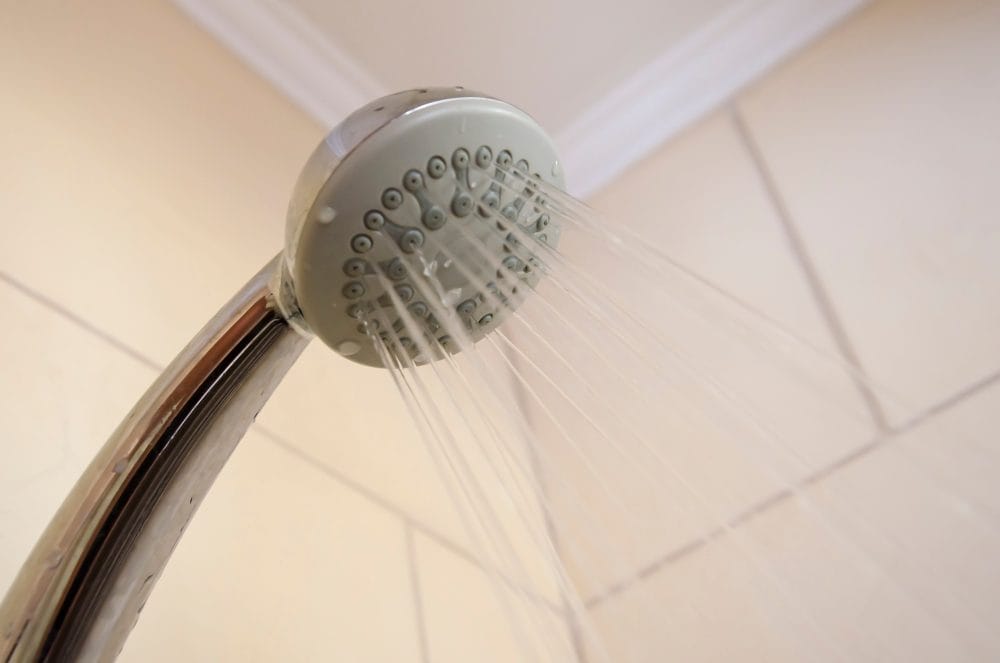
Long, luxurious showers might feel amazing, but they’re not so friendly to your water bill. Challenge yourself to shorter, more efficient showers. Set a timer, create a shower playlist with upbeat tunes, or switch to a water-saving showerhead. You’ll be surprised how much you can reduce water consumption without sacrificing cleanliness.

Consider investing in a low-flow showerhead, which can use as little as 2 gallons of water per minute compared to the standard 2.5 gallons. You could even turn off the water while lathering up or shampooing your hair. These small adjustments to your shower routine can make a big difference in your overall water usage and help you achieve an affordable water bill.

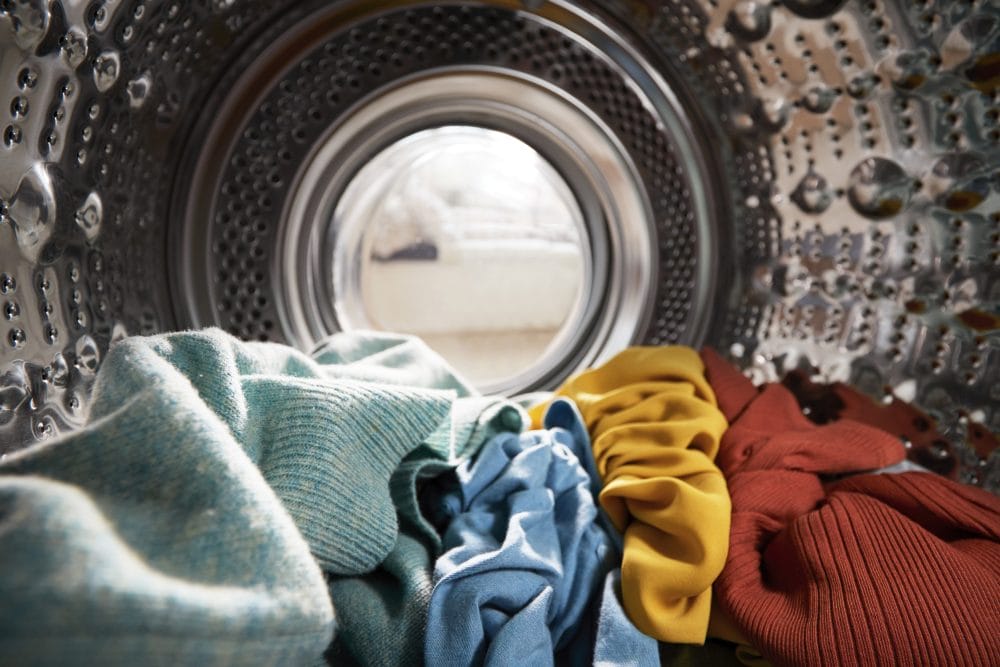
3. The Full Load Laundry Club

conserve water

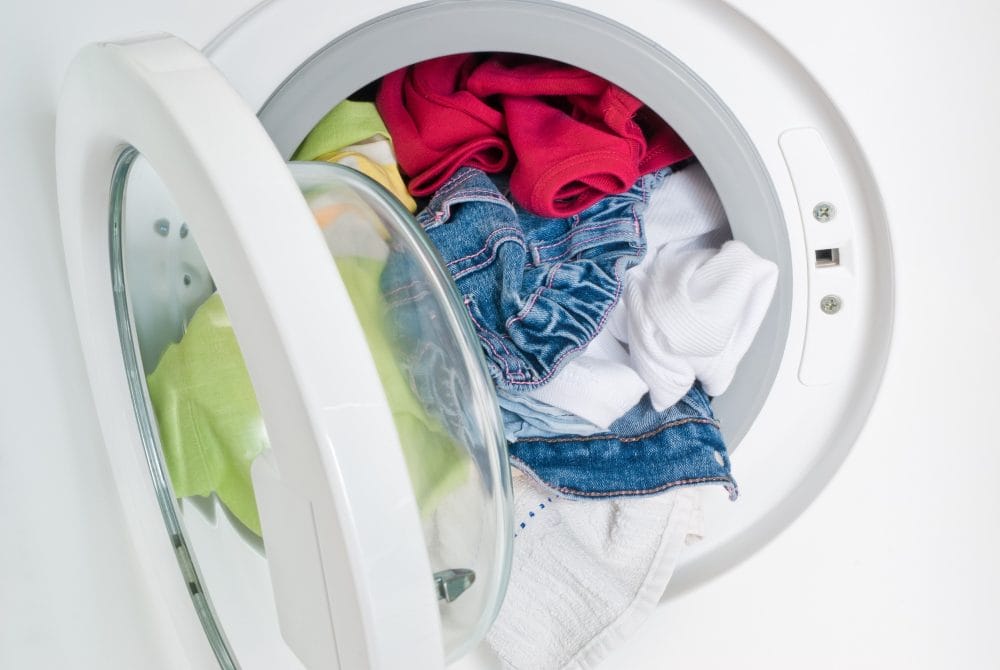
Are you guilty of running the washing machine with just a few items? Join the “full load laundry club” and save both water and energy. Wait until you have a full load before hitting that start button. Additionally, consider switching to cold water washes whenever possible, as heating water accounts for a significant portion of energy use in laundry.

By making this small change, you’ll be surprised at how much you can reduce water consumption and save on your energy bills too. Another tip is to invest in a high-efficiency washing machine. These models are designed to use less water and energy, making them a smart choice for both your wallet and the environment.

4. Dishes Done Right: Dishwasher Efficiency

water saving tips

Handwashing dishes might seem like a water-saving tactic, but modern dishwashers are surprisingly water-efficient, especially when fully loaded. So, ditch the dishpan and let your dishwasher work its magic. Make sure to scrape food scraps instead of rinsing dishes before loading, and choose the “eco” or “energy-saving” cycle if your dishwasher has one.

Remember, a running faucet can waste up to 2 gallons of water per minute, so opting for the dishwasher can actually help you conserve water. If you don’t have a dishwasher, try filling a sink or basin with water instead of letting the tap run continuously. You’ll be amazed at how much you can reduce your water usage with this simple change.

5. Tame the Toilet: Water-Wise Flushing

water conservation tips

Did you know that older toilets can use up to 6 gallons of water per flush? Yikes! If your toilet is a water guzzler, consider upgrading to a water-efficient model. Look for toilets with the WaterSense label, which indicates they meet EPA criteria for water efficiency.

For a quick fix, try placing a filled plastic bottle in your toilet tank to displace some water and reduce the amount used per flush. You can also check for leaks by adding a few drops of food coloring to the tank. If the color appears in the bowl without flushing, you have a leak that needs fixing. Don’t underestimate the impact of a leaky toilet on your water bill—take action and stop the flush waste.

6. Outdoor Oasis: Water-Smart Landscaping

efficient water use

Maintaining a lush lawn and vibrant garden doesn’t have to mean skyrocketing water bills. Embrace water-smart landscaping by choosing drought-tolerant plants, using mulch to retain moisture, and watering strategically during cooler hours. Consider installing a rain barrel to collect rainwater for irrigation, and use a broom instead of a hose to clean driveways and sidewalks.

By making conscious choices about your landscaping practices, you can create a beautiful outdoor oasis without breaking the bank on your water bill. Consider planting native plants that are adapted to your climate and soil conditions. They typically require less water and maintenance than non-native species.

7. Faucet Fix: Turn Off the Tap

water bill savings

It’s easy to leave the faucet running while brushing your teeth, washing your hands, or shaving, but those minutes add up. Make a conscious effort to turn off the tap when it’s not in use. You’ll be amazed at how much you can reduce water consumption with this simple habit.

Remember, every drop counts! Consider installing aerators on your faucets. These inexpensive devices mix air with the water stream, reducing the flow rate without sacrificing water pressure. This can significantly reduce your water usage and help you lower your water bill.

8. Upgrade Your Appliances: Water-Saving Stars

reduce water consumption

When it’s time to replace appliances like washing machines and dishwashers, look for models with high water efficiency ratings. Energy Star-certified appliances use significantly less water and energy than older models, helping you save money and reduce your environmental impact.

Make sure to check the water factor (WF) rating of washing machines. The lower the WF number, the more water-efficient the machine. For dishwashers, look for models with the WaterSense label, which indicates they meet EPA criteria for water efficiency. Aside from upgrading your appliances, you can also upgrade your budgeting tools so you’re properly equipped to start opportunities to save.

9. Rainwater Harvesting: Nature’s Gift

water saving techniques

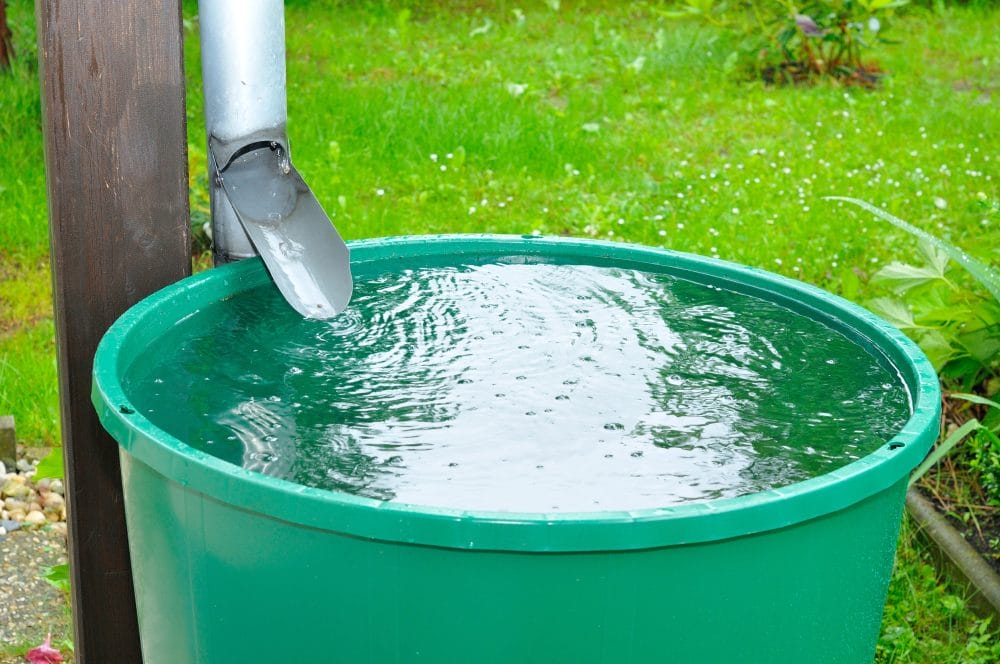
Why let precious rainwater go to waste? Install a rain barrel or cistern to collect rainwater from your roof. You can use this water to irrigate your garden, wash your car, or even flush toilets. Rainwater harvesting is a sustainable and cost-effective way to reduce your reliance on municipal water.

This can lead to significant water bill savings over time. Additionally, rainwater is naturally soft and free of chemicals, making it ideal for plants and gardens. So, embrace the power of rainwater and watch your garden flourish while your water bill shrinks.

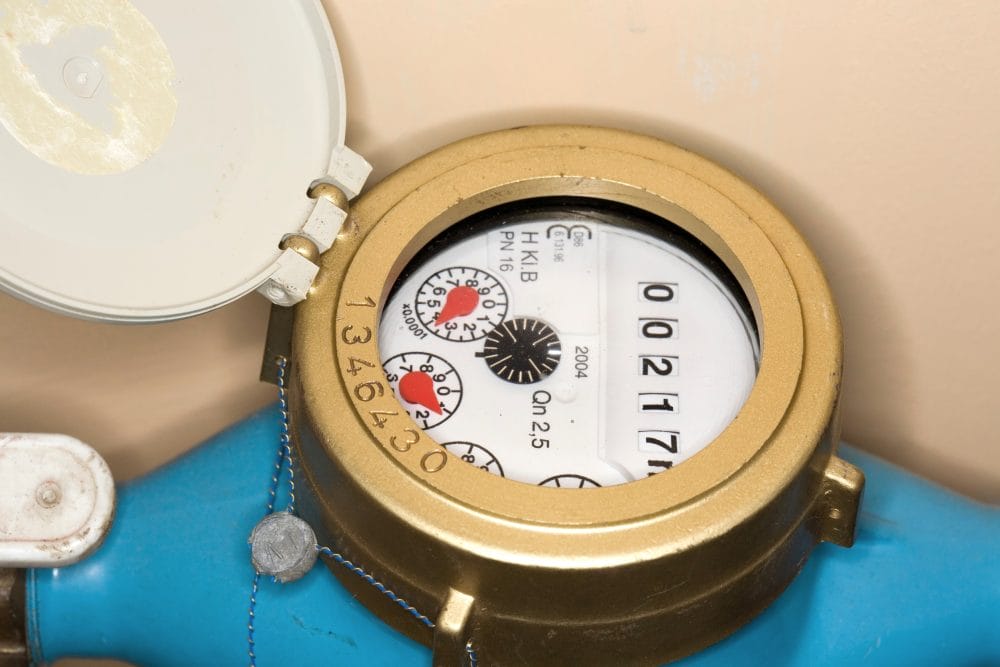
10. Meter Reading: Know Your Flow

water efficiency

Keep an eye on your water meter to track your usage and identify any unusual spikes. This can help you detect leaks early on and monitor the effectiveness of your water-saving efforts. Many water utilities also offer online tools and resources to help you understand your water bill and track your usage over time.

By regularly checking your meter, you can gain valuable insights into your water consumption patterns and make informed decisions about your water usage. Knowledge is power, and understanding your water meter is the first step towards taking control of your water bill.

The Ripple Effect: Making a Difference

sustainable water practices

By implementing these ten simple strategies, you can significantly reduce your water bill, conserve a valuable resource, and enjoy the peace of mind that comes with mindful living. Remember, every drop you save makes a difference. So, embrace the power of water conservation and watch your savings flow! Ready to Dive In? Start Saving Today! Don’t let those water bills drain your wallet. Take the plunge and start implementing these water-saving tips today. Your wallet (and the planet) will thank you!

12 Famous Myths About Death in Popular Culture

myths about death in popular culture

myths about death in popular culture

Death, the ultimate mystery, has captivated human imagination for centuries. From ancient folklore to modern blockbusters, myths about death in popular culture are rife, often blurring the lines between fact and fiction. These misconceptions, though entertaining, can warp our understanding of mortality and the afterlife. Join us on a journey as we debunk 12 of the most prevalent myths about death in popular culture, shedding light on the truth behind these enduring tales.

1. Heaven and Hell: A Black and White Afterlife?

Death myths

Popular culture often paints the afterlife as a binary choice between heaven and hell, where virtuous souls ascend to paradise while sinners descend to eternal torment. This simplistic portrayal, however, overlooks the rich tapestry of beliefs found across different cultures and religions.

Many traditions offer more nuanced interpretations of the afterlife, encompassing realms of reincarnation, ancestral planes, and even a void of nothingness. Some believe in a cycle of rebirth, while others envision a state of blissful union with the divine. These diverse perspectives challenge the notion of a one-size-fits-all afterlife, highlighting the complexity of human beliefs about what lies beyond death.

2. Ghosts: Restless Spirits or Figments of Imagination?

Ghosts and spirits in pop culture

Ghosts and spirits in pop culture are often portrayed as tormented souls trapped between worlds, seeking vengeance or resolution for past grievances. These spectral figures haunt our stories, movies, and television shows, fueling our fascination with the supernatural. While belief in ghosts is widespread, scientific evidence supporting their existence remains elusive.

Many common misconceptions about dying involve the idea of ghosts lingering to fulfill unfinished business or communicate with the living. However, these beliefs often stem from a combination of folklore, cultural traditions, and psychological phenomena. While the existence of ghosts remains a topic of debate, it’s important to approach these claims with a critical eye and consider alternative explanations.

3. The Grim Reaper: Harbinger of Doom or Symbolic Figure?

The Grim Reaper

The Grim Reaper, a skeletal figure cloaked in black, is a staple of death in movies and TV. His chilling image, often accompanied by a scythe, has become synonymous with mortality and the inevitability of death. However, this iconic representation is a relatively recent invention, emerging in the late Middle Ages.

Death in folklore is often personified in various forms, from gentle guides to fearsome deities. In some cultures, death is seen as a natural part of the life cycle, while in others, it’s viewed as a malevolent force. The Grim Reaper, while a powerful symbol, is just one interpretation of death’s many faces.

4. Near-Death Experiences: Glimpses of the Beyond or Neurological Phenomena?

Common misconceptions about dying

Accounts of near-death experiences (NDEs) often feature bright lights, tunnels, and encounters with deceased loved ones. These experiences, while profound, can be explained by neurological processes triggered during trauma. Reduced blood flow to the brain, oxygen deprivation, and the release of neurotransmitters can all contribute to the vivid hallucinations and out-of-body sensations associated with NDEs.

While NDEs raise intriguing questions about consciousness and the nature of reality, they don’t necessarily provide concrete evidence of an afterlife. Scientific research continues to explore the neurological basis of these experiences, shedding light on the complex interplay between the brain, mind, and the mysteries of death.

5. Death as a Finality: The End or a New Beginning?

Debunking death myths

Popular culture often equates death with finality, the end of existence. Characters in movies and books often face death as a tragic conclusion, a loss of all that they hold dear. However, many cultural beliefs about death view it as a transition, a passage to another realm, or a continuation of the soul’s journey.

Death rituals in pop culture, such as funerals and wakes, reflect these diverse beliefs, offering comfort and closure to the bereaved. They provide a space for mourning, celebration of life, and the exploration of spiritual beliefs. Whether seen as an ending or a new beginning, death remains a profound and universal human experience.

6. Reincarnation: A Second Chance or a Never-Ending Cycle?

Reincarnation in pop culture

The concept of reincarnation, the rebirth of the soul in a new body, is prevalent in various spiritual traditions. In popular culture, reincarnation often serves as a plot device for romantic comedies or thrillers, offering characters a chance at redemption or a continuation of their love story.

While intriguing, the evidence for reincarnation remains largely anecdotal and open to interpretation. Some individuals claim to have memories of past lives, while others believe in the transmigration of souls through different species. Whether viewed as a second chance or a never-ending cycle, reincarnation continues to fascinate and spark debate among believers and skeptics alike.

7. Death as Punishment: Karmic Retribution or a Natural Process?

Death in movies and TV

In some death and religion in pop culture narratives, death is portrayed as a form of punishment for sins committed in life. Characters in these stories often meet their demise as a consequence of their actions, reinforcing the idea of karma and divine justice. However, most spiritual traditions view death as a natural part of the life cycle, a universal experience shared by all living beings.

The idea of death as punishment can be harmful, leading to guilt, shame, and a fear of mortality. By understanding death as a natural process, we can approach it with greater acceptance and compassion, both for ourselves and for others.

8. Immortality: A Dream or a Curse?

Death superstitions

The quest for immortality has fascinated humanity throughout history. In popular culture, immortality is often depicted as a desirable goal, a way to escape the limitations of human existence and experience all that life has to offer. Characters in stories and movies often seek the elixir of life, the philosopher’s stone, or other magical means to achieve eternal youth.

However, the realities of immortality, as explored in various myths about death in popular culture, often reveal its darker side. In stories like “The Picture of Dorian Gray,” immortal characters grapple with the isolation, boredom, and loss of loved ones that come with eternal life. These narratives challenge us to consider the true cost of immortality and question whether it is truly a blessing or a curse.

9. Zombies: Reanimated Corpses or Social Commentary?

Death and religion in pop culture

Zombies, reanimated corpses driven by insatiable hunger, have become a staple of horror movies and TV shows. These shambling figures, with their rotting flesh and insatiable appetite for brains, terrify and fascinate audiences around the world.  While scientifically implausible, zombies serve as a powerful metaphor for societal fears, such as pandemics, consumerism, and the loss of individuality.

Zombie stories often explore themes of survival, community, and the breakdown of social order. They tap into our primal fears of infection, death, and the unknown.  While entertaining, these narratives can also be seen as a reflection of our anxieties about the future and the fragility of human civilization.

10. Vampires: Seductive Predators or Symbolic Figures?

10. Vampires: Seductive Predators or Symbolic Figures?

Vampires, immortal beings who feed on the blood of the living, are another popular trope in pop culture. These creatures often embody themes of sexuality, power, and the allure of eternal youth.  Their seductive charm and supernatural abilities have made them captivating figures in literature, film, and television.

However, the historical origins of vampires are rooted in folklore and superstition, reflecting ancient fears of disease and the unknown. In many cultures, vampires were seen as demons or evil spirits that preyed on the living. While modern depictions of vampires have become more romanticized, they still retain a dark allure, reminding us of our own mortality and the eternal struggle between good and evil.

11. Day of the Dead: Celebration of Life or Macabre Ritual?

Cultural beliefs about death

The Day of the Dead, a Mexican holiday celebrated on November 1st and 2nd, is often misunderstood as a morbid celebration of death. In reality, it is a vibrant and joyful occasion honoring deceased loved ones. Families gather to build colorful altars adorned with photos, flowers, and favorite foods of the departed.

The Day of the Dead is a time for remembering, storytelling, and celebrating the lives of those who have passed on. It is a reminder that death is not the end, but a continuation of the journey in another realm. This celebration of life in the face of death is a powerful testament to the human spirit and our ability to find joy and meaning in even the darkest of times.

12. Death as Taboo: A Subject to Avoid or Embrace?

Death As Taboo

In many societies, death is considered a taboo subject, something to be avoided or whispered about in hushed tones. This can lead to common misconceptions about dying and prevent open conversations about end-of-life care and bereavement.  However, death is an inevitable part of life, and talking about it openly can help us prepare for the unknown and cope with loss in healthier ways.

Debunking death myths and encouraging honest discussions can help individuals and communities face mortality with greater courage, compassion, and understanding. By embracing death as a natural part of the human experience, we can find solace in the knowledge that our lives, though finite, are interconnected with the eternal cycle of life and death.

Unraveling the Enigma: A Deeper Understanding

Debunking death myths

By exploring and debunking death myths, we gain a deeper understanding of our own mortality and the diverse beliefs surrounding it. Myths about death in popular culture, while entertaining, can cloud our perception of this inevitable aspect of life. By seeking truth and embracing open dialogue, we can navigate the complex terrain of death with greater clarity, compassion, and acceptance.

What are your thoughts on these myths about death? Share your experiences and insights in the comments below!

10 Coolest Sports Cars That Defined the 1960s

best 1960s sports cars

best 1960s sports cars

The 1960s was a decade of revolution, not just in music and culture, but also in the world of automobiles. The era gave birth to some of the best 1960s sports cars that became icons of style, performance, and the free-spirited times. These classic sports cars pushed the boundaries of design and engineering, setting new standards for generations to come. Let’s take a thrilling ride down memory lane and explore the top 10 sports cars of the 60s that captured hearts and ignited imaginations.

1. Jaguar E-Type: The Epitome of Grace and Power

 Jaguar E-Type

The Jaguar E-Type is often hailed as one of the most beautiful cars ever made. Its sleek lines and aerodynamic curves turned heads wherever it went. The long hood, short rear deck, and oval grille became synonymous with 1960s automotive design. Underneath that stunning exterior, the E-Type packed a punch.

It came with a powerful inline-six engine, initially a 3.8-liter, later upgraded to a 4.2-liter. These engines produced around 265 horsepower, propelling the E-Type to speeds of over 150 mph. It quickly became a symbol of 1960s glamour and a favorite among celebrities and racing enthusiasts alike.

2. Shelby Cobra: American Muscle Meets British Agility

AC Cobra

Carroll Shelby’s creation, the Shelby Cobra, was a true beast on the track. Combining a lightweight British AC Ace chassis with a roaring Ford V8 engine, the Cobra delivered raw power and exhilarating performance. This made it a legend in the world of 1960s muscle cars.

The heart of the Cobra was its massive V8 engine, available in various displacements, including 4.2-liter, 4.7-liter, and even a monstrous 7.0-liter. These engines produced well over 300 horsepower, making the Cobra incredibly quick off the line and capable of top speeds exceeding 160 mph.

3. Porsche 911: The Timeless Sports Car Icon

The Porsche 911 is a true testament to timeless design and engineering excellence. Introduced in the 1960s, the 911 quickly established itself as a benchmark for sports car performance and handling. Its unique rear-engine layout and distinctive styling have become synonymous with the Porsche brand.

The original 911 was powered by an air-cooled flat-six engine, initially a 2.0-liter, producing around 130 horsepower. Over the years, the engine grew in size and power, but the core design philosophy remained the same. This made the 911 one of the most popular 1960s sports cars and a favorite among driving enthusiasts.

4. Chevrolet Corvette Sting Ray: America’s Sports Car Darling

Chevrolet Corvette Sting Ray

The second-generation Corvette, known as the Sting Ray, was a radical departure from its predecessor. Its sleek, low-slung body, hidden headlights, and split rear window made it an instant icon of American automotive design. The Sting Ray’s performance matched its looks, thanks to a range of powerful V8 engines.

Available with either a small-block or big-block V8, the Sting Ray offered various horsepower options, ranging from around 250 to over 400. This made it a force to be reckoned with on the road and track. The Sting Ray’s combination of style and power cemented its place as one of the best 1960s sports cars. The Sting Ray and its other contemporaries might make green car lovers temporarily forget about their beloved electric cars.

5. Ferrari 250 GTO: The Holy Grail of Collector Cars

Ferrari 250 GTO

The Ferrari 250 GTO is the stuff of legends in the collector car world. Only 36 of these vintage 1960s sports cars were ever produced, making them incredibly rare and highly sought after. With its stunning Pininfarina design and racing pedigree, the 250 GTO has become the most valuable car ever sold at auction.

Powered by a 3.0-liter V12 engine producing around 300 horsepower, the 250 GTO was a dominant force in GT racing during the early 1960s. Its combination of beauty, rarity, and racing success has propelled its value into the tens of millions of dollars, making it the ultimate dream car for many collectors.

6. Lamborghini Miura: The World’s First Supercar

Lamborghini Miura

The Lamborghini Miura is often credited with pioneering the concept of the supercar. Its mid-engine layout, groundbreaking design, and breathtaking performance set a new standard for high-performance sports cars. The Miura’s scissor doors and aggressive styling became iconic features that are still emulated in modern supercars today.

At the heart of the Miura was a transversely mounted V12 engine, initially a 3.9-liter producing around 350 horsepower. Later versions saw the engine grow to 4.0 liters and power increased to 370 horsepower. The Miura’s acceleration and top speed of over 170 mph were unheard of at the time, solidifying its place as a revolutionary 1960s sports car.

7. Ford GT40: Conquering Le Mans with American Power

Ford GT40

The Ford GT40 was created with one goal in mind: to beat Ferrari at the 24 Hours of Le Mans. After years of development and several setbacks, the GT40 finally achieved its mission, dominating the race in 1966 and winning four consecutive titles. This American triumph became a symbol of national pride and solidified the GT40’s place as one of the coolest 60s sports car designs.

To achieve its goal, Ford equipped the GT40 with a massive V8 engine, initially a 4.2-liter, later upgraded to 4.7-liter and 7.0-liter versions. These engines produced well over 300 horsepower, propelling the GT40 to speeds of over 200 mph. Its success at Le Mans made it a legend in motorsport history.

8. Aston Martin DB5: The Ultimate Spy Car

Aston Martin DB5

The Aston Martin DB5 became an international icon thanks to its starring role in the James Bond films. Its elegant design, luxurious interior, and array of gadgets captivated audiences worldwide. The DB5’s association with the world’s most famous spy only enhanced its appeal, making it one of the most iconic 60s sports cars.

Under the hood, the DB5 featured a 4.0-liter inline-six engine producing around 282 horsepower. This allowed it to reach speeds of over 140 mph, making it a worthy companion for 007’s adventures. The DB5’s combination of style, sophistication, and a touch of danger solidified its place in popular culture.

9. Datsun 240Z: Affordable Thrills from Japan

Datsun 240Z

The Datsun 240Z was a game-changer in the world of sports cars. Introduced in the late 1960s, it offered an affordable and reliable alternative to European sports cars. Its sleek, long-nosed design and powerful engine made it an instant hit among enthusiasts.

Under the hood, the 240Z featured a 2.4-liter inline-six engine producing around 151 horsepower. It could reach speeds of over 125 mph and offered impressive handling for its price. The 240Z’s success paved the way for other Japanese sports cars and helped establish Japan as a major player in the automotive industry.

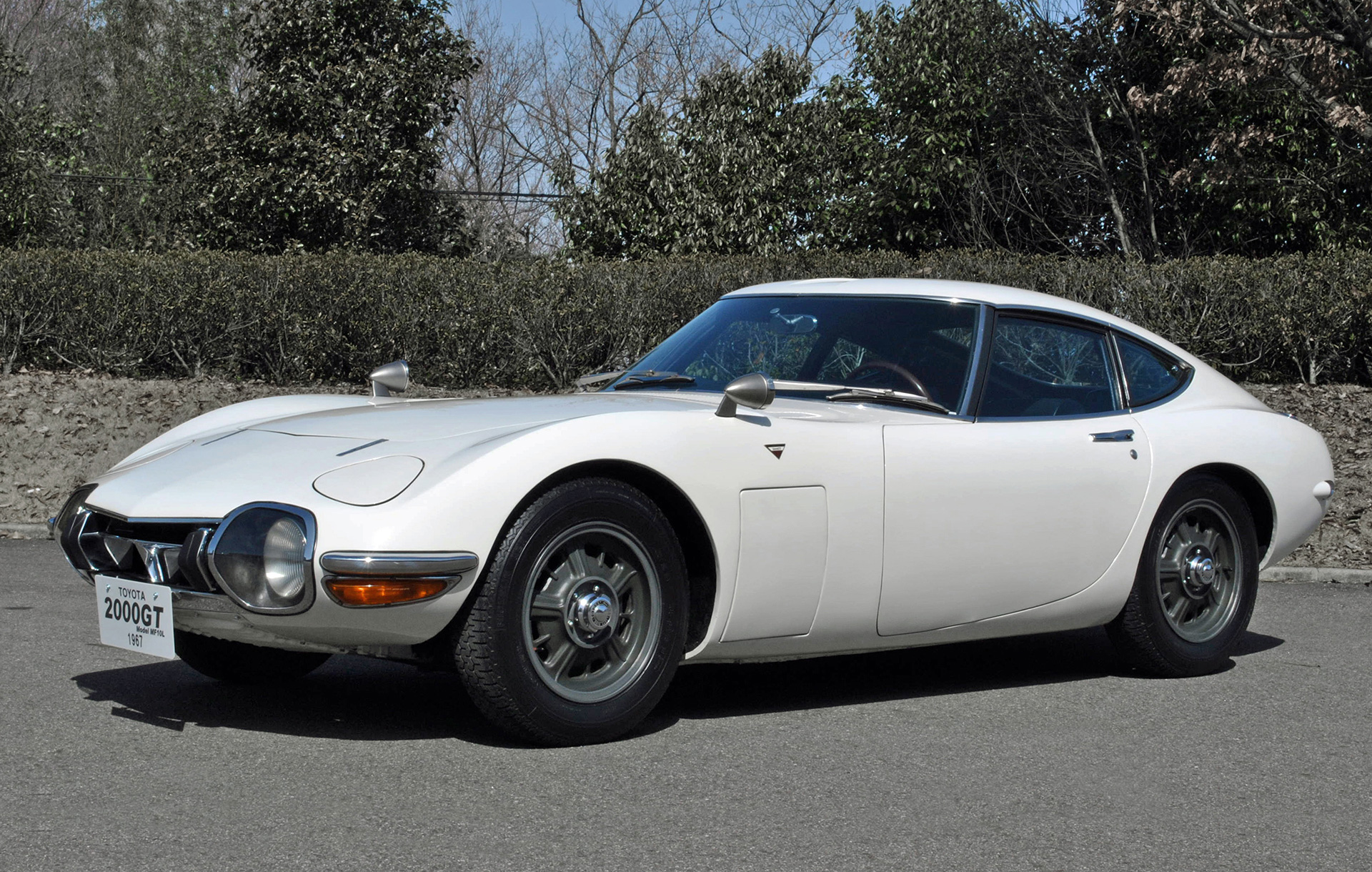
10. Toyota 2000GT: Japan’s First Supercar Contender

 Toyota 2000GT

The Toyota 2000GT marked Japan’s entry into the world of high-performance sports cars. Its sleek, aerodynamic design and advanced engineering impressed critics and enthusiasts alike. Although only a limited number of 2000GTs were produced, it remains a significant milestone in 1960s Japanese sports cars and a testament to Toyota’s commitment to innovation.

The 2000GT was powered by a 2.0-liter inline-six engine producing around 150 horsepower. This allowed it to reach speeds of over 135 mph, making it one of the fastest Japanese cars of its time. Its appearance in the James Bond film “You Only Live Twice” further cemented its status as a cultural icon.

The Best 1960s Sports Cars: The Legacy Lives On

best sports cars of the 1960s

The best 1960s sports cars left an indelible mark on automotive history. Their innovative designs, groundbreaking engineering, and raw power continue to inspire and captivate enthusiasts today. These cars represent a golden age of speed and style, a time when the possibilities seemed endless. However, it didn’t stop there. The next decade produced the best 1970s sports cars that make Baby Boomers and other car enthusiasts drool today.

What are your favorite 1960s sports cars? Share your thoughts and experiences in the comments below!

10 Essential Tools Every Budgeter Should Use

Budgeting tools


Budgeting tools

Budgeting tools aren’t just for financial wizards—they’re the secret weapon that empowers everyone to take charge of their money. In today’s fast-paced world, tracking expenses, setting financial goals, and sticking to a budget can feel overwhelming. But fear not because a plethora of user-friendly budgeting tools have emerged to make the process a breeze. Whether you’re a student navigating your first paycheck or a seasoned pro aiming to optimize your finances, these tools offer a helping hand.

This quick guide will walk you through ten essential budgeting tools that cater to various needs and preferences. From free budgeting software to robust financial planning tools, we’ve got you covered. So, if you’re ready to transform your financial journey and achieve your money-saving dreams, let’s dive into the world of budgeting tools and unlock a brighter financial future.

1. Mint: A Popular All-in-One Budgeting Tool

Best budgeting apps

Mint is a household name in the budgeting world for good reason. This free budgeting software effortlessly syncs with your bank accounts, credit cards, and bills, providing a comprehensive overview of your financial landscape. With its intuitive interface and automatic expense categorization, Mint simplifies the process of tracking your spending and identifying areas where you can cut back. It also offers personalized budgeting tips for beginners.

Mint allows users to set financial goals, such as saving for a down payment or paying off debt, and track their progress toward those goals. It even sends alerts when you’re approaching your spending limits, helping you stay on track and avoid overspending. For those who prefer to access their finances on the go, Mint also offers a mobile app for iOS and Android devices.

2. YNAB (You Need A Budget): A Proactive Budgeting Approach

Personal finance tools

YNAB takes a unique approach to budgeting, focusing on giving every dollar a job. This personal finance tool encourages you to allocate your income to specific categories, such as rent, groceries, and savings before you start spending. By assigning each dollar a purpose, YNAB helps you prioritize your financial goals and avoid overspending.

Its proactive methodology empowers users to make intentional choices about their spending and avoid impulse purchases. While it does require a subscription fee, many users find its structured approach and educational resources invaluable for gaining control of their finances and building long-term financial health.

3. PocketGuard: A Simplified Budgeting App

Money management apps

If you’re looking for a budgeting app that’s easy to use and understand, PocketGuard is an excellent choice. This free budgeting software connects to your financial accounts and automatically calculates how much “spending money” you have left after accounting for your bills and savings goals. It then categorizes your spending and provides a visual representation of your budget.

PocketGuard’s “In My Pocket” feature simplifies your finances by showing you exactly how much you have available to spend. This can be particularly helpful for those who struggle with overspending or impulse buying. The app also offers a paid version with additional features, such as debt payoff planning and cash flow analysis. Even if you know the budgeting basics, tools like this make budget planning and monitoring so much easier.

4. Personal Capital: A Robust Financial Planning Tool

Budgeting tips for beginners

Personal Capital goes beyond basic budgeting and offers a comprehensive financial planning tool. It tracks your investments, net worth, and retirement savings, providing valuable insights into your overall financial health. While it’s primarily geared towards those with investment portfolios, its budgeting tools are user-friendly and can help you manage your day-to-day spending effectively.

Personal Capital also offers access to financial advisors who can provide personalized advice and guidance. This can be a valuable resource for those who are looking for professional help with their financial planning. While some features are free, others require a minimum investment balance.

5. EveryDollar: A Budgeting Tool Inspired by Dave Ramsey

Budget planner

EveryDollar is a budgeting tool based on the principles of financial guru Dave Ramsey. It follows the zero-based budgeting method, where you allocate every dollar of your income to a specific category. This approach encourages mindful spending and ensures that you’re not leaving any money on the table. EveryDollar offers a free version with basic features, as well as a paid version with additional resources and support.

The paid version of this tool includes access to financial courses, live events, and a community forum where users can connect and share their experiences. EveryDollar’s emphasis on debt reduction and financial freedom aligns with Dave Ramsey’s philosophy, making it a popular choice for those who follow his teachings.

6. Goodbudget: A Digital Envelope Budgeting System

Best budgeting resources

Goodbudget is a virtual envelope budgeting system that helps you manage your money by dividing your income into different categories. It’s a digital version of the traditional envelope system, where you put cash into separate envelopes for each spending category. Goodbudget allows you to track your spending within each category and sends alerts when you’re approaching your limits.

The app syncs across multiple devices, making it easy to stay on top of your budget wherever you are. It’s a great option for those who prefer a visual and hands-on approach to budgeting, as well as for couples or families who want to budget together.

7. Honeydue: A Budgeting App for Couples

Budgeting tools for couples

Honeydue is designed for couples who want to manage their finances together. This budgeting app allows you to link your accounts, track your spending individually and jointly, and communicate about financial goals and challenges. It even has a fun feature that lets you send each other emojis to celebrate financial wins or express concerns.

Honeydue helps couples build financial intimacy by facilitating open communication and collaboration around money. It’s a great way to stay on the same page financially and avoid misunderstandings or arguments about spending.

8. Wally: A Budgeting App with a Focus on Expense Tracking

Expense tracker apps

Wally is a budgeting app that emphasizes expense tracking. It allows you to easily log your spending, categorize your expenses, and set spending limits for different categories. Wally also offers insights into your spending patterns, helping you identify areas where you can save money. It’s a great option for those who want a simple and effective way to track their expenses and stay on top of their budget.

Wally’s user-friendly interface and visual reports make it easy to understand your spending habits. The app is available for both iOS and Android devices, making it convenient to track your expenses on the go.

9. Spendee: A Budgeting App with a Beautiful Interface

Budgeting on a low income

Spendee is a visually appealing budgeting app that makes managing your money a pleasure. Its sleek interface and intuitive design make it easy to navigate and understand your financial data. Spendee allows you to track your income, expenses, and savings goals, and it provides personalized insights based on your spending habits.

The app offers a variety of budgeting plans, such as zero-based budgeting and the 50/30/20 rule, to help you get started. Spendee also provides educational content and budgeting tips to empower users to make informed financial decisions.

10. Monarch Money: A Comprehensive Budgeting and Financial Planning Platform

budgeting apps

Monarch Money is a relatively new player in the budgeting space, but it’s quickly gaining traction due to its comprehensive approach. It combines budgeting tools with investment tracking, net worth monitoring, and financial planning features. Monarch Money aims to be a one-stop shop for all your financial needs, providing you with the tools and insights you need to achieve your financial goals.

Monarch Money’s holistic approach to personal finance makes it a valuable tool for those who want to take a comprehensive view of their financial health. It’s a great option for those who want to manage their budget, track their investments, and plan for the future all in one place.

Empowering Your Financial Journey with Budgeting Tools

budgeting tips

The world of budgeting tools is vast and varied, offering a solution for every individual’s unique financial situation and preferences. Whether you’re looking for a simple expense tracker app or a robust financial planning tool, there’s a budgeting tool out there that can help you take control of your finances and achieve your financial dreams. By leveraging these powerful tools, you can gain a deeper understanding of your spending habits, set realistic financial goals, and make informed decisions about your money.

Remember, budgeting is not about deprivation; it’s about empowerment. It’s about gaining the freedom to spend your money on the things that truly matter to you, while also building a secure financial future. So, don’t be afraid to experiment with different budgeting tools until you find the ones that resonate with you. With the right tools and a commitment to financial responsibility, you can achieve financial success and live a life of abundance.

Ready to take the next step on your financial journey? Explore the diverse world of budgeting tools and discover the ones that can help you unlock your full financial potential.

Avoid These 10 Things For a Good Life After 60

things to avoid doing when you’re 60 and over

things to avoid doing when you’re 60 and over

Reaching 60 and beyond is a remarkable milestone. It’s a time to relish the fruits of your labor, explore new passions, and savor the company of loved ones. However, to truly make the most of this chapter, it’s wise to avoid certain pitfalls that could hinder your well-being and happiness. Steering clear of these things to avoid doing when you’re 60 and over can unlock a fulfilling and vibrant retirement lifestyle.

Let’s look into 10 common mistakes to avoid after 60, offering practical senior life advice and insights to help you navigate this exciting phase with grace and vitality. Whether you’re seeking retirement tips or simply curious about how to live a good life after 60, this article is your roadmap to embracing the golden years with confidence and joy. Let’s explore the things to avoid after 60 so you can make the most of this extraordinary time in your life.

1. Neglecting Your Health

good life after 60

As you age, prioritizing your health becomes paramount. Avoid the temptation to skip check-ups or ignore nagging aches and pains. Regular doctor visits, screenings, and vaccinations are crucial for early detection and prevention of health issues. Embrace a balanced diet rich in fruits, vegetables, and whole grains. Stay active with regular exercise, even if it’s just a brisk walk or gentle yoga.

By avoiding these things to avoid doing when you’re 60 and over, you’ll set the stage for a healthier and happier retirement.  Prioritizing your health will not only enhance your quality of life but also provide the foundation for an enjoyable retirement. Making healthy aging a priority can lead to a more fulfilling life after 60.

2. Isolating Yourself

things to avoid after 60

Maintaining social connections is vital for emotional well-being and overall happiness. Loneliness can creep in as you age, so make a conscious effort to stay connected with friends and family. Join clubs, volunteer, or participate in community activities to foster a sense of belonging.

Engaging with others not only combats loneliness but also keeps your mind sharp and your spirit lifted. Participating in social activities is one of the key things to avoid doing when you’re 60 and over if you want to maintain a vibrant and fulfilling life after 60.

3. Resisting Change

life after 60 tips

Life is constantly evolving, and resisting change can lead to stagnation and frustration. Embrace new technologies, try different hobbies, and be open to new experiences. This is not the time to stop learning and growing.

Embracing change keeps your mind agile and your life exciting. Learning a new skill or pursuing a lifelong dream can be incredibly fulfilling and add a sense of purpose to your golden years. Staying open-minded is one of the best retirement tips for a fulfilling life after 60.

4. Neglecting Financial Planning

retirement lifestyle

Financial security is a cornerstone of a comfortable retirement. Ignoring your finances can lead to stress and anxiety. Review your retirement savings, create a budget, and consult a financial advisor if needed. Planning for healthcare expenses and long-term care is also crucial.

Financial planning for retirement is one of the most important things to avoid doing when you’re 60 and over. By taking proactive steps, you can ensure a financially secure and worry-free retirement. This is one of the common mistakes after retirement that can easily be avoided with a little planning.

5. Giving Up on Your Dreams

retirement lifestyle

Retirement doesn’t mean giving up on your passions and aspirations. Don’t let age be a barrier to pursuing your dreams. Whether it’s starting a business, traveling the world, or learning a new language, now is the time to chase those ambitions.

Life after 60 is a time for new beginnings, not endings.  Pursuing your dreams can ignite a renewed sense of purpose and fulfillment. Don’t let go of your passions, they are part of what makes life after 60 so rewarding. Do not give up on your dreams, find ways to reinvent yourself in your golden years and make the most out of life.

6. Comparing Yourself to Others

senior life advice

Comparing yourself to others is a recipe for discontentment. Everyone’s journey is unique, and focusing on your own path is key to happiness. Celebrate your accomplishments, embrace your strengths, and accept your limitations.

Remember, there’s no one-size-fits-all approach to aging, and what matters most is your own well-being and contentment. Avoid falling into the trap of comparison, it’s one of the things to avoid after 60 if you want to cultivate happiness.

7. Overspending or Underspending

financial planning for retirement

Finding a balance in your spending habits is crucial. While it’s important to enjoy the fruits of your labor, overspending can deplete your savings quickly. On the other hand, being overly frugal can prevent you from enjoying the experiences and comforts you’ve earned.

Create a budget that allows for both necessities and discretionary spending. This is crucial financial planning for retirement and one of the essential things to avoid doing when you’re 60 and over to ensure a comfortable lifestyle.

8. Neglecting Your Appearance

golden years advice

Taking pride in your appearance can boost your confidence and self-esteem. Don’t fall into the trap of neglecting your grooming and wardrobe. Dress in a way that makes you feel good, maintain good hygiene, and take care of your skin and hair.

A polished appearance can reflect a positive attitude and make you feel more vibrant. Remember, feeling good about yourself is an essential part of enjoying retirement.

9. Becoming Sedentary

healthy aging

A sedentary lifestyle can lead to a host of health problems. Make an effort to stay active, even if it’s just light exercise or stretching. Physical activity can improve your mood, boost energy levels, and enhance overall well-being.

Find activities you enjoy, such as walking, swimming, or dancing, and make them a regular part of your routine. Staying active is one of the best retirement tips for maintaining a healthy and fulfilling life after 60. You don’t have to sign up for a gym membership, there are a lot of hacks for healthier living.

10. Holding Onto Grudges

what not to do after 60

Forgiveness is a powerful tool for emotional healing and inner peace. Don’t let grudges and resentments fester. Letting go of negativity frees you to focus on the present and enjoy the positive aspects of your life.

Forgiveness doesn’t mean condoning past wrongs, but it allows you to move forward with a lighter heart. This is one of the most important things to avoid after 60 if you want to cultivate happiness and inner peace.

Living Your Best Life After 60

retirement tips

Embracing your golden years is an exciting journey filled with possibilities. By avoiding these common pitfalls and following the best retirement advice, you can unlock a life of fulfillment, joy, and well-being. Remember, age is just a number, and it’s never too late to create the life you’ve always dreamed of.

Join the conversation: What are some other things to avoid doing when you’re 60 and over? Share your senior life advice and retirement tips in the comments below!

15 Products That Are Frequent Flyer Secrets

frequent flyer essentials

 frequent flyer essentials

Seasoned travelers know that a few well-chosen frequent flyer essentials can transform a grueling journey into a comfortable, even enjoyable, experience. These must-have travel accessories are the secret weapons that turn ordinary travelers into savvy jetsetters.

From in-flight essentials that ensure comfort to travel tech for frequent flyers that keeps you connected, the right gear can make all the difference. Whether you’re a seasoned road warrior or a newbie hitting the skies, discover the top travel products for frequent flyers that will revolutionize your travel game. Get ready to unpack the frequent flyer secrets that make every trip smoother, more efficient, and infinitely more enjoyable.

1. Noise-Canceling Headphones

frequent flyer must-haves

A true game-changer for frequent flyers, noise-canceling headphones create a peaceful bubble amidst the chaos of airports and airplanes. Tune out the crying babies, chattering passengers, and roaring engines, and immerse yourself in your favorite music, podcasts, or audiobooks.

Look for headphones with long battery life, a comfortable fit for those long-haul flights, and active noise-canceling technology for maximum tranquility. Some models even offer smart features like voice assistant integration and ambient sound modes, letting you control your audio environment with ease.

2. Power Bank

travel essentials for frequent flyers

Never get caught with a dead phone again. A portable power bank is a travel essential for frequent flyers who rely on their devices for entertainment, navigation, and communication. Choose a power bank with a high capacity to power up your phone multiple times, as well as fast-charging capabilities to quickly juice up your devices on the go.

Consider a power bank with multiple ports to charge multiple devices simultaneously. A slim and lightweight design makes it easy to carry in your pocket or purse, ensuring you’re always prepared for a power boost. While most are allowed in your carry-on baggage, it is best know the rules of the airlines when it comes to power banks so you won’t get in trouble.

3. Travel Pillow

top travel products for frequent flyers

A good travel pillow is one of the most important frequent flyer essentials, as it can mean the difference between a restful nap and a stiff neck. Opt for a memory foam pillow that conforms to your head and neck, providing optimal support and comfort. If you prefer a more compact option, consider an inflatable pillow that can be easily deflated and packed away when not in use.

Look for a pillow with a soft, washable cover for added hygiene, and features like adjustable straps or a contoured shape for personalized comfort. A good travel pillow can significantly improve your sleep quality on long flights, leaving you feeling refreshed and energized upon arrival, making it a must-have addition to your frequent flyer essentials.

4. Eye Mask and Earplugs

best travel gear for frequent flyers

Block out light and noise for a more peaceful sleep on the plane. Choose an eye mask made of soft, breathable material that blocks out all light, and earplugs that are comfortable and effective at reducing noise.

Consider an eye mask with adjustable straps for a secure fit, and earplugs made of moldable material that conforms to your ear canal for maximum comfort and noise reduction. A good eye mask and earplugs can create a dark and quiet environment, helping you relax and get some much-needed rest during your flight.

5. Reusable Water Bottle

travel hacks for frequent flyers

Stay hydrated on the go with a reusable water bottle. Fill it up after security and avoid the overpriced airport water bottles. Look for a bottle that’s leak-proof, insulated to keep your water cold, and made of durable materials like stainless steel or BPA-free plastic.

Consider a bottle with a wide mouth for easy cleaning and filling, and a carrying loop for convenient transport. By using a reusable water bottle, you not only save money but also reduce waste and help the environment.

6. Travel-Sized Toiletries

packing tips for frequent flyers

Pack your favorite toiletries in TSA-approved travel-sized containers to avoid checking a bag. Look for solid options like shampoo bars, conditioner bars, and toothpaste tablets to save even more space and avoid liquid restrictions.

Consider investing in a reusable toiletry bag with clear compartments for easy organization and quick access during security checks. Don’t forget essentials like a travel-sized toothbrush, deodorant, lotion, and any other personal care items you need to feel fresh and comfortable on the go.

7. Compression Socks

travel gear essentials

These might not be the most fashionable accessory, but compression socks can do wonders for preventing swollen ankles and feet on long flights. They promote blood circulation and reduce the risk of deep vein thrombosis (DVT), a serious condition that can occur when blood clots form in the veins.

Look for compression socks made of breathable material that wicks away moisture and choose a compression level that’s comfortable for you. Compression socks come in a variety of styles and colors, so you can find a pair that suits your personal taste.

8. E-reader or Tablet

travel gadgets

Among the most beloved frequent flyer essentials, an e-reader or tablet can save space and weight in your carry-on by ditching the heavy books and magazines. A single device can hold countless books, magazines, and movies, providing endless entertainment on the go. Many e-readers are designed specifically for travel, with features like glare-free screens and long battery life, making them a popular choice among frequent flyers.

Tablets offer even more versatility, allowing you to browse the internet, check emails, and play games in addition to reading. Choose a device that’s lightweight and portable and download your favorite content before your flight to avoid relying on Wi-Fi. For frequent flyers who value entertainment and productivity on the go, an e-reader or tablet is a must-have addition to their travel gear essentials.

9. Travel Adapter

hidden travel gems

If you’re traveling internationally, a travel adapter is a must-have. It allows you to plug your electronics into different outlets around the world, ensuring you can always charge your devices. Look for a universal adapter that works in multiple countries, with features like surge protection and multiple USB ports for added convenience.

Consider a compact and lightweight adapter that’s easy to pack and carry. Some adapters even come with built-in USB chargers, eliminating the need for extra cables and chargers.

10. Portable Wi-Fi Hotspot

frequent flyer secrets

Stay connected wherever you go with a portable Wi-Fi hotspot. This handy gadget creates a personal Wi-Fi network, allowing you to connect multiple devices to the internet without relying on expensive roaming charges or spotty public Wi-Fi.

Look for a hotspot with fast speeds, long battery life, and a wide coverage area. Some hotspots even offer unlimited data plans, making them ideal for frequent travelers who need to stay connected on the go.

11. Snacks

frequent flyer travel hacks

Airport food can be overpriced and unhealthy. Pack your own snacks like nuts, granola bars, dried fruit, or trail mix to keep you fueled throughout your journey. Choose snacks that are high in protein and fiber to keep you feeling full and satisfied and avoid sugary snacks that can lead to energy crashes. You have a lot of choices when it comes to guilt-free foods that you can always pack to munch on during long waits or in-between flights.

Consider packing a variety of snacks to keep things interesting, and pack them in reusable containers or bags to reduce waste. Having your own snacks on hand not only saves you money but also ensures you have access to healthy and satisfying options whenever hunger strikes.

12. Hand Sanitizer

best travel products

Keeping your hands clean is essential for staying healthy, especially when traveling, which is why hand sanitizer is considered a crucial frequent flyer essential. Germs are everywhere, particularly in airports and airplanes, where you’re constantly touching surfaces like tray tables, armrests, and bathroom doors.

A travel-sized hand sanitizer is a convenient and effective way to disinfect your hands on the go. Look for a hand sanitizer with at least 60% alcohol content for maximum effectiveness and choose a fragrance-free option if you have sensitive skin. Keep your hand sanitizer in an easily accessible pocket or compartment of your bag so you can quickly clean your hands whenever needed, making it an essential part of your frequent flyer essentials.

13. Lip Balm

in-flight essentials for frequent flyers

The dry air on airplanes can leave your lips chapped and uncomfortable. Pack a moisturizing lip balm to keep your lips soft and hydrated. Look for a lip balm with natural ingredients like beeswax or shea butter, and avoid those with artificial fragrances or flavors that can irritate your lips.

Consider a lip balm with SPF protection if you’re traveling to a sunny destination. Apply it regularly throughout your flight to prevent dryness and keep your lips feeling comfortable.

14. Lightweight Scarf

travel essentials for women

A lightweight scarf can serve multiple purposes on a flight. Use it as a blanket to keep warm in chilly airplane cabins, a pillow for added comfort, or even a fashion accessory to add a touch of style to your travel outfit.

Choose a scarf made of soft, breathable material like cotton or wool, and opt for a neutral color or pattern that can easily be paired with different outfits. A lightweight scarf is a versatile accessory that can be used in countless ways, making it a frequent flyer essential.

15. Packing Cubes

packing tips

These ingenious organizers can transform a messy suitcase into a well-organized masterpiece. They compress your clothes, saving space and preventing wrinkles, and they help you keep different types of clothing separated for easy access.

Choose packing cubes made of durable, lightweight material, and opt for a set with different sizes to accommodate various types of clothing. Some packing cubes even have compression zippers for even more space-saving capabilities. Packing cubes are a game-changer for frequent travelers who want to stay organized and maximize space in their luggage.

Sharing Frequent Flyer Essentials

airport rush

By investing in these frequent flyer essentials, you’ll be well on your way to becoming a travel pro. These travel gear essentials will elevate your travel experience, making every trip more comfortable, efficient, and enjoyable.

Do you have any frequent flyer secrets to share? Join the conversation and let us know your must-have travel accessories! Let’s help each other travel smarter and make the most of every adventure.


15 Subtle Mistakes That Can Sabotage Your Promotion

mistakes that can sabotage your promotion

mistakes that can sabotage your promotion

From an HR perspective, the journey to a promotion isn’t just about exceptional performance.  It’s a complex interplay of skills, relationships, and subtle cues that can either propel you forward or hold you back.  In the competitive landscape of career advancement, it’s not always the glaring errors that derail your progress. Often, it’s the seemingly innocuous mistakes that can sabotage your promotion.

This quick guide looks into these hidden pitfalls, offering insights and strategies to navigate the path to success. Whether you’re an ambitious newcomer or a seasoned professional, understanding these nuances can be the key to unlocking your full potential and achieving your career goals.

1. Underestimating the Power of Office Politics

career mistakes

Office politics isn’t just gossip and backstabbing; it’s about understanding the unspoken rules and power dynamics within your workplace. Ignoring this can lead to mistakes that can sabotage your promotion. Actively participate in company events, network with colleagues across departments, and understand the decision-making processes.

However, navigating office politics doesn’t mean engaging in manipulation or backroom deals. It’s about building genuine relationships, understanding different perspectives, and advocating for your ideas effectively. Be aware of the key influencers within your organization and seek their mentorship or guidance.

2. Neglecting Professional Development

promotion mistakes

Complacency is a career killer. Failing to invest in continuous learning and professional development signals a lack of ambition. To avoid mistakes that can sabotage your promotion, actively seek out opportunities to expand your skillset. Attend conferences, workshops, or online courses relevant to your field.

Remember, learning doesn’t stop once you’ve landed a job. The business landscape is constantly evolving, and staying ahead of the curve is essential for career growth. By investing in your professional development, you not only enhance your skills but also demonstrate your commitment to personal and career growth.

3. Failing to Communicate Your Career Goals

workplace mistakes

Your superiors aren’t mind-readers. Don’t assume they know your aspirations.  Openly communicate your career goals and actively seek feedback on how to achieve them. This not only demonstrates initiative but also helps align your objectives with the company’s vision.

Schedule regular meetings with your manager to discuss your career progression. Share your short-term and long-term goals, and seek their guidance on how to best position yourself for advancement. Remember, communication is a two-way street. Be open to feedback and adjust your approach accordingly.

4. Not Building Strong Relationships with Colleagues

career sabotage

Your colleagues are your allies, not just your competitors. Building strong, positive relationships fosters a collaborative environment and opens doors to new opportunities. Remember, a reputation for being difficult to work with can easily lead to mistakes that can sabotage your promotion.

Invest time in getting to know your colleagues on a personal level. Offer support and assistance when needed, and celebrate their successes. Building a network of trusted colleagues can provide invaluable support throughout your career journey.

5. Overlooking the Importance of Workplace Etiquette

workplace etiquette

Professionalism matters. Arriving late, missing deadlines, or engaging in inappropriate behavior can damage your reputation and hinder your career growth. Adhering to workplace etiquette is not just about being polite; it’s about demonstrating respect and reliability.

Be mindful of your communication style, both in person and online. Dress appropriately for your workplace, and avoid gossip or negativity. Remember, your professionalism reflects on both you and your company.

6. Not Taking Initiative or Going the Extra Mile

professional behavior

Don’t wait to be told what to do. Actively seek out challenges, volunteer for new projects, and demonstrate your willingness to go above and beyond your job description. This proactive approach showcases your commitment and drive.

Taking initiative not only demonstrates your eagerness to learn and grow but also sets you apart from your peers. Be the person who steps up when others hesitate, and don’t be afraid to voice your ideas and opinions.

7. Resisting Change or New Technologies

career success

In today’s fast-paced business world, adaptability is crucial. Resisting change or clinging to outdated methods can make you seem inflexible and unwilling to learn. Embrace new technologies and processes to demonstrate your versatility.

Be open to new ideas and approaches, and seek out opportunities to learn new skills. Adaptability is a valuable asset in any workplace, and demonstrating your willingness to embrace change can make you a more attractive candidate for promotion.

8. Failing to Track Your Accomplishments

career goals

Don’t rely on your memory alone. Keep a detailed record of your achievements, projects completed, and positive feedback received. This not only helps you quantify your contributions but also provides concrete evidence of your value to the company. Remember, it’s not the 1970s when unimaginable work practices were rampant. Today, you should know and practice your rights as an employee.

Regularly update your resume or CV with your latest accomplishments. This will make it easier to showcase your achievements during performance reviews or when applying for promotions.

9. Not Seeking Mentorship or Guidance

mentorship

A mentor can offer invaluable insights, advice, and support. Don’t hesitate to seek out experienced colleagues or industry professionals who can guide you on your career path. Their wisdom can help you avoid common pitfalls and mistakes that can sabotage your promotion.

A mentor can provide a fresh perspective, offer constructive criticism, and help you navigate challenging situations. Don’t be afraid to ask for help when you need it.

10. Becoming Too Comfortable in Your Role

career obstacles

Staying in your comfort zone can lead to stagnation. Challenge yourself by taking on new responsibilities, seeking out different roles within the company, or even exploring opportunities in other industries.

Stepping outside of your comfort zone can be intimidating, but it’s essential for growth. Embrace new challenges, and don’t be afraid to push your boundaries.

11. Neglecting Your Personal Brand

subtle mistakes at work

Your personal brand is how you present yourself to the world. It’s not just about your appearance but also your online presence, communication style, and overall demeanor. Cultivate a positive and professional image that aligns with your career goals.

Be mindful of your online presence, especially on professional networking sites. Ensure that your social media profiles reflect your professional image and avoid posting anything that could be considered unprofessional or inappropriate.

12. Not Managing Your Time Effectively

how to avoid career mistakes

Poor time management can lead to missed deadlines, rushed work, and increased stress levels. Prioritize your tasks, set realistic goals, and learn to delegate when necessary.

Use time management tools and techniques to stay organized and focused. Break down large tasks into smaller, more manageable steps, and set deadlines for yourself. Don’t be afraid to ask for help when you need it.

13. Focusing Only on Your Weaknesses

career advancement

Everyone has areas for improvement. While it’s important to address your weaknesses, don’t neglect your strengths. Leverage your unique talents and skills to excel in your role.

Identify your strengths and focus on developing them further. Don’t be afraid to showcase your unique talents and skills. Remember, your strengths are what set you apart from your peers.

14. Failing to Network Outside of Your Company

career growth

Networking isn’t just about schmoozing at industry events. It’s about building relationships with people who can offer insights, advice, and potential opportunities. Don’t limit your network to your immediate colleagues; expand your circle to include professionals from other companies and industries. Such contacts are also crucial if you plan to explore opportunities if you have a dead-end job.

Attend industry events, join professional organizations, and connect with people on social media. Building a strong network can open doors to new opportunities and provide valuable career advice.

15. Not Adapting to Different Communication Styles

effective communication at work

Effective communication is essential for career success. However, everyone has a different communication style. Learn to adapt your approach to different audiences and situations. This can help you build stronger relationships and avoid misunderstandings.

Be mindful of your audience and tailor your communication style accordingly. Pay attention to nonverbal cues, and be willing to adjust your approach if you sense that your message isn’t being received as intended.

Navigating the Path to Promotion

mistakes to avoid if you want a promotion

Avoiding the mistakes that can sabotage your promotion is a multifaceted endeavor that requires self-awareness, proactivity, and a willingness to learn and adapt. By understanding the subtle nuances of workplace dynamics, investing in your professional development, and building strong relationships, you can position yourself for success.

Remember, career advancement is not a sprint but a marathon. It’s about consistent effort, continuous learning, and a commitment to excellence. Embrace the challenges, learn from your mistakes, and never lose sight of your goals. The path to promotion may be winding, but with the right mindset and strategies, you can reach your destination.

Are you ready to take your career to the next level? Start by identifying and addressing any mistakes that can sabotage your promotion.  Invest in your professional development, build strong relationships, and never stop learning. Your dream promotion is within reach.

You cannot copy content of this page