About Randell Suba

Randell is an online media professional with more than 15 years of experience specializing in technology, finance, travel, cars, lifestyle, among others. He's passionate about helping people make informed decisions and find meaningful connections through his content. Let's talk about the things that make life a little more interesting.

11 Outdated Skills That Millennials Wish They Had

outdated skills millennials wish they had

outdated skills millennials wish they had

Millennials, the generation born between the early 1980s and the late 1990s, have grown up in a rapidly changing world. Technology has advanced at an unprecedented pace, transforming how we live, work, and communicate. Amidst this whirlwind of progress, millennials sometimes find themselves longing for the outdated skills of yesteryears. These skills millennials lack often evoke a sense of nostalgia and a yearning for simpler times. In this article, we’ll explore 11 outdated skills millennials wish they had, shedding light on the lost skills millennials miss and the retro skills for millennials that have faded into the background of modern life.

1. The Art of Handwriting

Outdated skills

In the age of keyboards and touchscreens, the elegance of handwriting has lost some of its luster. Many millennials wish they had taken the time to develop beautiful penmanship. Skills millennials never learned, like calligraphy or cursive writing, are now seen as valuable retro skills for millennials.

Imagine the charm of handwritten letters or the personal touch of a handwritten note. These are things many millennials now crave, realizing the unique character and thoughtfulness that handwriting conveys. The ability to write legibly and expressively is an outdated skill that has become a lost art for some. It’s a skill that can be revived and cherished, adding a personal touch to communication in a digital world.

2. Basic Home Repairs
Skills millennials lack

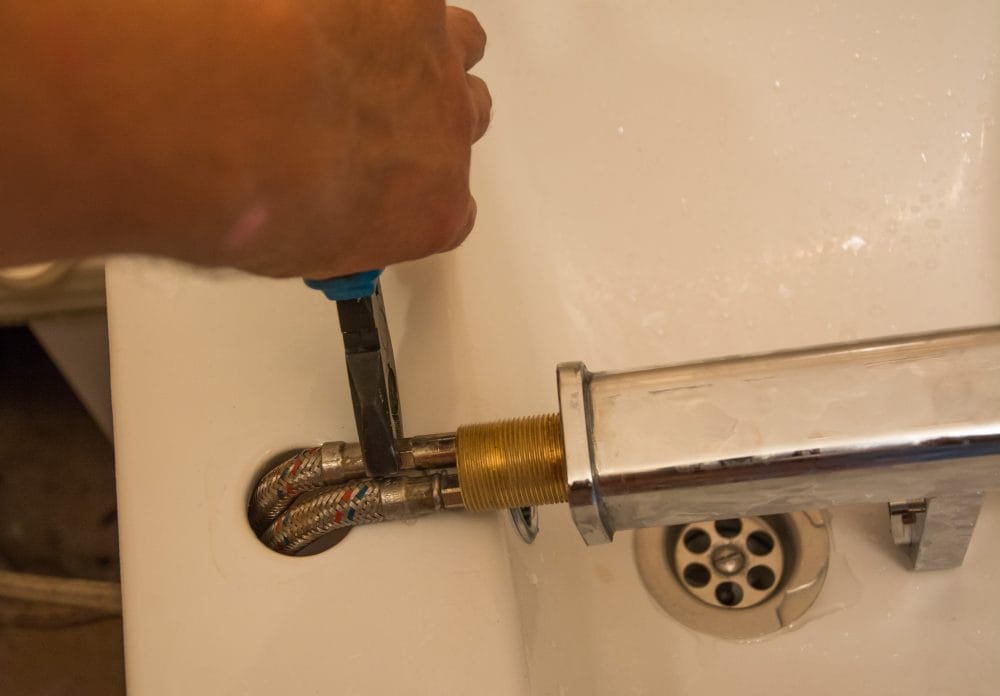
Millennials often find themselves relying on professionals for even minor household fixes. Skills millennials weren’t taught, such as fixing a leaky faucet or patching a hole in the wall, are now among the outdated skills many wish they possessed.

These practical skills were once passed down from generation to generation, but in today’s fast-paced world, they’ve fallen by the wayside. Millennials now realize the value of self-sufficiency and the satisfaction that comes with fixing things themselves. Imagine the sense of accomplishment that comes with unclogging a drain or assembling a piece of furniture without calling for help.

3. Analog Navigation

Retro skills for millennials

Before GPS became ubiquitous, people relied on maps and their sense of direction to get around. Millennials now realize that knowing how to read a map is a valuable lost skill millennials miss. Having such a skill can also help you keep safe while traveling alone.

There’s a certain adventure in navigating the old-fashioned way, using landmarks, and following directions on a paper map. It’s a skill that requires patience, observation, and a sense of adventure, all of which are qualities millennials now wish they had cultivated. It’s a skill that fosters independence and resilience, reminding us that we can find our way even without technology.

4. Film Photography

Millennials missing out on skills

The instant gratification of digital photography has overshadowed the art of film photography. Many millennials wish they had learned the intricacies of film cameras and darkroom techniques.

There’s a unique charm and nostalgia associated with film photography. The anticipation of waiting for photos to be developed and the tangible nature of physical prints are experiences that many millennials now long for. It’s a slower, more deliberate process that encourages mindfulness and appreciation for the captured moment.

5. Sewing and Mending

Skills millennials wish they learned

In a world of fast fashion, the ability to sew and mend clothes has become a rarity. Millennials who yearn for more sustainable practices often lament not having these traditional skills millennials value.

Knowing how to sew a button, repair a tear, or even create their own clothes gives millennials a sense of empowerment and independence. It’s a way to express creativity and reduce waste, two things that many millennials now prioritize. It’s a skill that promotes resourcefulness and sustainability, allowing millennials to take control of their wardrobes and their environmental impact. As such, it’s one of those outdated skills millennials wish they had.

6. Cooking from Scratch

Millennial skill gap

With the convenience of takeout and pre-packaged meals, many millennials never learned the joys of cooking from scratch. They now wish they had the skills of the past millennials crave to prepare wholesome, homemade dishes.

Cooking from scratch not only allows for healthier food choices but also connects millennials to their cultural heritage and family traditions. It’s a way to nourish both body and soul, and many millennials now recognize its importance.  The ability to create delicious and nutritious meals from basic ingredients is a skill that empowers millennials to take charge of their health and well-being.

7. Gardening

Traditional skills millennials value

Gardening is a skill that connects people with nature and provides fresh produce. Millennials who grew up in urban environments often wish they had the knowledge and experience to cultivate their gardens.

The satisfaction of growing your own fruits, vegetables, or flowers is a rewarding experience that many millennials now yearn for. It’s a way to get their hands dirty, learn about the natural world, and contribute to a more sustainable lifestyle. Gardening teaches patience, responsibility, and the importance of nurturing living things.

8. Basic Car Maintenance

Forgotten skills millennials desire

Changing a tire, checking the oil, or jumping a car battery are essential skills that many millennials never acquired. They now recognize the value of these outdated skills millennials wish they had. Knowing basic car maintenance can help stretch the life of your vehicle.

Being able to perform basic car maintenance not only saves money but also empowers millennials to take care of their vehicles and avoid being stranded in unexpected situations. It’s a practical skill that many now wish they had learned. It’s a skill that promotes self-reliance and can be a lifesaver in emergencies.

9. Playing a Musical Instrument

Skills millennials weren't taught

Learning to play a musical instrument requires dedication and practice, but it can be a rewarding lifelong skill. Millennials who didn’t pursue musical education often wish they had taken the opportunity. The ability to create music is a form of self-expression that brings joy and fulfillment. Millennials now realize that playing an instrument can be a source of stress relief, creativity, and social connection. It’s a skill that can enhance cognitive abilities and emotional well-being.

10. Speaking a Second Language

Skills millennials want to revive

In an increasingly globalized world, knowing a second language is a valuable asset. Millennials who didn’t learn another language in school often regret not having this skill. Speaking a second language opens doors to new cultures, experiences, and career opportunities. It enhances communication skills and broadens perspectives, making it a skill that many millennials now wish they had acquired. It’s a skill that fosters cultural understanding and empathy, bridging the gap between different communities.

11. The Art of Conversation

old skills Millennials should learn

In the age of social media and digital communication, face-to-face conversations have taken a backseat. Millennials often yearn for the outdated skills they wish they had. This means engaging in meaningful conversations without the distractions of technology. Tech obsession across generations tends to change human interaction.

The ability to connect with others on a deeper level, to listen actively, and to express oneself clearly are essential skills that have become increasingly rare in the digital age. Millennials now recognize the importance of genuine human connection and the value of face-to-face communication. It’s a skill that builds relationships, fosters empathy, and creates a sense of belonging.

The Enduring Appeal of Outdated Skills

skill gap

The outdated skills millennials wish they had represented a connection to a simpler, more hands-on way of life. While technology continues to evolve, there’s a growing appreciation for the skills millennials want to revive. By embracing these forgotten skills millennials desire, millennials can enrich their lives and gain a deeper understanding of the world around them.

Join the conversation: What are some other outdated skills you wish you had learned? Share your thoughts and experiences in the comments below!

15 Words That Are Tricky to Use Correctly in a Sentence

tricky words to use in a sentence

 tricky words to use in a sentence

The English language, with its rich history and diverse influences, is full of surprises. Some of these surprises come in the form of tricky words to use in a sentence. Even seasoned writers and speakers can stumble over words with multiple meanings, confusing spellings, or unusual pronunciations. This article aims to shed light on 15 such tricky words, offering clarity and guidance to help you master their usage. Whether you’re aiming to improve your vocabulary, avoid common grammar mistakes, or simply become a more confident communicator, understanding these tricky words is a valuable step.

1. Affect vs. Effect

tricky words

Two words that often trip people up are “affect” and “effect.” “Affect” is usually a verb meaning to influence or change, while “effect” is usually a noun meaning the result of a change. However, “effect” can also be a verb meaning to cause something to happen. The weather can “affect” your mood, but the “effect” of a sunny day is usually positive.

These tricky words to use in a sentence can be applied in this manner: “The new policy may ‘affect’ how we do business. It’s important to consider the potential ‘effects’ before implementing it.” Remember, “affect” is the action, and “effect” is the result. To help you remember, think of “A” for action (affect) and “E” for end result (effect).

2. Compliment vs. Complement

words often misused

“Compliment” means to praise or express admiration, while “complement” means to complete or enhance something. These two words may sound alike, but their meanings are quite distinct.

These words can be applied in this manner: “She received a ‘compliment’ on her new dress, which she felt ‘complemented’ her figure perfectly.” A sincere “compliment” can brighten someone’s day. “The right accessories can ‘complement’ an outfit and elevate your style.”  Remember, a “compliment” is like a gift of words, while a “complement” is something that adds to or completes something else.

3. Farther vs. Further

words to use correctly

Use “farther” for physical distance and “further” for figurative distance or to a greater extent. While this distinction may seem subtle, using the right word can make your writing more precise.

This is how these words should be used: “He ran ‘farther’ than he had ever run before, pushing himself to go the ‘further’ distance. The ‘farther’ we traveled from home, the ‘further’ we felt from our comfort zone.” Note that “farther” is for measurable distance, while “further” is for abstract or metaphorical distance.

4. Fewer vs. Less

 confusing words in English

“Fewer” is used for countable nouns, while “less” is used for uncountable nouns. This is a common grammar mistake, but it’s easy to correct once you understand the rule.

These terms can be employed in this context: “There were ‘fewer’ people at the party than expected, which meant we had ‘less’ noise and more space to dance.” Or this way, ” I’m trying to drink ‘less’ coffee and eat ‘fewer’ sugary snacks.” Remember, “fewer” is for things you can count, like apples or people, while “less” is for things you can’t count, like water or sugar.

5. Imply vs. Infer

how to use words correctly

“Imply” means to suggest or hint at something, while “infer” means to deduce or conclude from evidence. Think of the speaker as the one who implies and the listener as the one who infers.

These  tricky words to use can be applied in this manner: “The speaker seemed to ‘imply’ that there would be changes, but I couldn’t ‘infer’ exactly what those changes would be.” Additionally, you can try saying,  “He didn’t directly say it, but he ‘implied’ that he was unhappy with the decision.” Or this way: “ From his tone of voice, I ‘inferred’ that he was feeling stressed.” Remember, “imply” is about sending a message, while “infer” is about receiving and interpreting that message. These words are tricky but not as complicated as some words from classic literature.

6. Its vs. It’s

common grammar mistakes

“Its” is a possessive pronoun, while “it’s” is a contraction of “it is” or “it has.” This is one of the most common grammar mistakes, but it’s easy to avoid once you know the difference. The dog chased its tail so quickly that “it’s” a blur. The tree lost “its” leaves in the fall. “It’s” going to be a cold winter. Remember, “its” shows possession, while “it’s” is a shortened form of “it is” or “it has.”

7. Lay vs. Lie

tricky verbs to use

“Lay” means to place something down, while “lie” means to recline. These tricky verbs can cause confusion, but there’s a simple trick to remember the difference: “lay” always takes a direct object, while “lie” does not.

Here is the correct way to use these words: “Please ‘lay’ the book on the table and then ‘lie’ down for a nap.” Or in this fashion, ” He carefully ‘laid’ the baby in the crib. She decided to ‘lie’ down on the sofa and rest.” To easily remember how to use the words, “lay” is something you do to something else, while “lie” is something you do yourself.

8. Principal vs. Principle

misused words in sentences

“Principal” can mean the head of a school or the most important thing, while “principle” means a fundamental truth or belief. It’s easy to confuse these two words, as they sound similar and are often used in similar contexts.

Use these words like this: “The ‘principal’ gave a speech at the assembly about the importance of following school ‘principles.’” And “ The ‘principal’ amount of the loan is due in five years.” Likewise, you can utilize them like this: “ My guiding ‘principle’ is to always treat others with kindness and respect.”  Don’t forget, the “principal” is a person or a sum of money, while a “principle” is a rule or a standard. Using these tricky words properly will avoid confusion, similar to some words in teen slang today.

9. Stationary vs. Stationery

tricky word examples

“Stationary” means not moving, while “stationery” refers to writing materials. These words sound the same but have different spellings and meanings. This is a classic example of homophones, words that sound alike but have different meanings.

Use these words in the following way: “The car remained ‘stationary’ at the red light, while the driver admired the colorful ‘stationery’ in the store window.” Or this way, ” The exercise bike is ‘stationary,’ but it provides a great workout.” Another example is, “I love browsing through the aisles of a ‘stationery’ store, looking at all the pens, notebooks, and cards.” Again, “stationary” means fixed or unmoving, while “stationery” is for writing letters and notes.

10. Than vs. Then

improving vocabulary

“Than” is used for comparisons, while “then” indicates time or sequence. Although they sound almost identical, these two words play very different roles in a sentence.

These words are meant to be used this way: “She is taller ‘than’ her brother, but ‘then’ again, he is two years younger.” You can also use it this way, “We went to the park, and ‘then’ we had lunch at our favorite cafe.” Or in this manner, “If you have more ‘than’ enough, you can always share with others.” Think of it this way so you won’t forget: “than” is used to compare, while “then” is used to show what happens next.

11. Their vs. There vs. They’re

words with tricky spellings

“Their” is a possessive pronoun, there indicates a place, and “they’re” is a contraction of “they are.” These words are often misused words in sentences, but understanding their distinct meanings will help you use them correctly.

These  tricky words to use in a sentence can be injected into a conversation this way: “They forgot ‘their’ books at home, so they had to go back ‘there’ to get them.” Or in this way, “‘They’re’ planning a surprise party for ‘their’ friend.” And this one manner, too, “‘Their’ house is at the end of the street. ‘There’s’ a playground around the corner.” Take into account that “their” shows possession, “there” points to a location, and “they’re” is a shortened form of “they are.”

12. To vs. Too

words that sound the same

“To” is a preposition, while “too” means also or excessively. These two little words can be tricky, but with a bit of practice, you’ll be using them correctly in no time.

These words are used in this fashion: “She went ‘to’ the store to buy some milk, and she picked up some cookies ‘too.'” Or this way, “He was ‘too’ tired to go out tonight, so he decided ‘to’ stay home and read.” Here’s another way to use it: ” I’m going ‘to’ the library to return some books. Remember, “to” indicates direction or action, while “too” means also or excessively.

13. Who vs. Whom

confusing word pairs

“Who” and “whom” also belong to the list of tricky words to use in a sentence. The word “who” is used as the subject of a sentence or clause, while “whom” is used as the object. While this distinction may seem old-fashioned, it’s still important for formal writing and can help you sound more polished and professional.

You can apply these words like this: “‘Who’ is coming to the party? To ‘whom’ did you give the letter? ‘Who’ baked these delicious cookies? I wonder ‘whom’ I should ask for help with this project.” Be aware, “who” is the one doing the action, while “whom” is the one receiving the action.

14. Your vs. You’re

how to use words correctly

“Your” is a possessive pronoun, while “you’re” is a contraction of “you are.” This is another common mistake, but it’s easy to avoid once you understand the difference.

Apply these words in this manner: “Is this ‘your’ jacket? ‘You’re’ looking good today!” Or this way, “Please remember to put ‘your’ name on your paper.” And this one, too: ” ‘You’re’ welcome to join us for dinner.” Bear in mind that “your” shows possession, while “you’re” is a shortened form of “you are.”

15. Who’s vs. Whose

“Who’s” is a contraction of “who is” or “who has,” while “whose” is a possessive pronoun. Like “its” and “it’s,” these two words can be confusing because they sound the same.

Use these words in the following way: “‘Who’s’ going to the concert? ‘Whose’ car is this? ‘Who’s’ responsible for cleaning up this mess? I wonder whose idea this was.” Remember, “who’s” is a shortened form of “who is” or “who has,” while “whose” shows possession.

Mastering the Nuances

 tricky english words to use

The English language is full of complexities and a bunch of tricky words to use in a sentence, but don’t let this s deter you. And don’t be afraid to commit mistakes. By understanding their unique meanings and usage, you can elevate your writing and speaking to new heights. Remember, practice makes perfect. Continue to use these tricky words in a sentence, and soon, you’ll be navigating them with ease and confidence.

Have you ever struggled with any of these tricky words? Do you have any tips or tricks for remembering their correct usage? Share your experiences and insights in the comments below! Let’s help each other become better communicators, one word at a time.

13 Pets That You’ll Struggle to Keep in an Apartment


Apartment living presents unique challenges for pet owners. Space is limited, noise can be an issue, and some animals simply aren’t suited for the close quarters of apartment life. However, this doesn’t mean you must sacrifice the joy of pet ownership. Choosing the right pets for small apartments requires careful consideration.

This guide will explore 13 pets that might not be the best fit for smaller spaces, offering insights into their needs and temperaments. Whether you’re a seasoned apartment dweller or considering moving to a cozier abode, understanding which pets to avoid in small apartments can save you and your furry (or not-so-furry) friend a lot of trouble. This article will highlight pets unsuitable for apartments and suggest alternative apartment-friendly pets that could better match your lifestyle.

1. Huskies and Other High-Energy Dogs

small apartment pets

While undeniably beautiful and intelligent, Huskies and similar high-energy breeds are notorious for their boundless energy and need for extensive exercise. These high-maintenance apartment pets thrive in wide-open spaces where they can run and explore to their heart’s content. In a small apartment, their pent-up energy can lead to destructive behaviors, excessive barking, and general unhappiness for both the dog and its owner.

Imagine a Husky cooped up in a tiny apartment all day with nowhere to run or play. They’ll get bored and frustrated, leading them to chew on furniture, howl incessantly, or even try to escape. These dogs need a lot of physical activity to stay healthy and happy. If you live in an apartment and don’t have the time or space to provide that, a Husky might not be the best pet for your apartment.

2. Large Dog Breeds

small apartment pets

Large dog breeds, such as Great Danes, Mastiffs, and Saint Bernards, may seem like gentle giants, but their size alone makes them ill-suited to be among pets for small apartments. They require ample space to move around comfortably and can easily knock over furniture or belongings in tight quarters. Additionally, their sheer size can make it difficult to navigate narrow hallways and stairwells. Consider small apartment pets or breeds known for their lower energy levels if you have your heart set on a canine companion.

Think about how much space a Great Dane needs to stretch out or turn around. In a small apartment, they would constantly bump into things and feel cramped. Plus, their long tails could easily sweep objects off tables or counters. While large dogs can be wonderful companions, they’re simply not the most practical choice for those living in smaller spaces. Choosing a pet for a small apartment better suited for a more compact environment is best.

3. Exotic Pets

worst pets for apartments

Exotic pets, such as monkeys, snakes, and large lizards, might seem like intriguing additions to your apartment, but they often come with a host of challenges. Many exotic pets require specialized care, specific diets, and controlled environments that are difficult to maintain in an apartment setting. Moreover, some exotic pets can pose safety risks due to their unpredictable behavior or potential to carry diseases. It’s best to stick with pets that are good for apartments and leave the exotic creatures in zoos and wildlife sanctuaries.

For instance, a monkey might seem like a fun and unique pet, but they need a lot of space to swing and climb, and their natural curiosity can lead them to destroy your belongings. Snakes and lizards often need special heating and lighting to stay healthy, and some can grow quite large, making them difficult to house in an apartment. Choosing pets for apartments that are easier to care for and less likely to cause trouble is a wiser choice.

4. Ferrets

what pets can you have in an apartment

Ferrets are playful and curious creatures, but their mischievous nature and tendency to escape can make them a handful in an apartment. They require constant supervision and a ferret-proofed environment to prevent them from getting into trouble. Ferrets also have a distinct musky odor that can be difficult to manage in a small space. If you’re looking for a low-maintenance apartment pet, ferrets might not be the best choice.

Ferrets are known for their ability to squeeze into tiny spaces and get into things they shouldn’t. They might chew on electrical cords, burrow into furniture, or even escape from their cage and explore your apartment unsupervised. This can be dangerous for both the ferret and your belongings. Their strong odor, which can permeate fabrics and furniture, is another factor to consider when choosing pets for apartments.

5. Birds That Love to Squawk

good pets for apartments

While some bird species are known for their quiet and gentle nature, others, such as parrots and cockatoos, are notorious for their loud squawking and vocalizations. In an apartment building with shared walls, these noisy birds can quickly become a nuisance to neighbors. If you’re considering a feathered friend, opt for quiet pets like finches or canaries for apartments.

Imagine waking up to the sound of a parrot screeching at the top of its lungs or trying to relax while a cockatoo mimics every sound it hears. These noisy birds can disrupt your neighbors and create tension in an apartment where sounds travel easily. Choosing quieter bird species or other pets for apartments that are less likely to disturb others is a considerate and responsible choice.

6. Potbellied Pigs

worst pets for apartments

Potbellied pigs might seem like adorable and unconventional pets, but they can grow surprisingly large and require significant space. This is why they’re not ideal candidates to be pets for small apartments. They are also intelligent animals that need mental stimulation and enrichment to prevent boredom and destructive behavior. While some potbellied pigs can be trained to use a litter box, accidents are common, especially in smaller spaces. If you’re looking for easy-to-care-for apartment pets, a potbellied pig might not be the best fit.

Imagine a full-grown potbellied pig trying to navigate a cramped apartment, knocking over furniture and leaving a trail of messes in its wake. These pigs need room to roam and explore, as well as activities to keep their minds engaged. Without proper care and attention, they can become destructive and difficult to manage. Their size and potential for accidents make them less suitable for apartment living compared to other pets for apartments.

7. Sugar Gliders

pets that don't need much space

Sugar gliders are small, nocturnal marsupials that are native to Australia and Indonesia. While they are undeniably cute, their nocturnal nature and need for specialized care make them a challenging pet for apartments. Sugar gliders are social animals that require companionship and a spacious enclosure with plenty of climbing opportunities. They also have a strong odor that can be difficult to manage in a confined space.

Sugar gliders are active at night, which means they’ll be running, jumping, and making noise while you’re trying to sleep. Their enclosure needs to be large enough to accommodate their active lifestyle, and they need a special diet to stay healthy. Their strong, musky odor can be overwhelming in a small apartment, making them less desirable as pets for small apartments.

8. Chinchillas

Chinchillas are adorable rodents known for their soft fur and playful personalities. However, their specific needs and sensitivity to temperature fluctuations make them a less-than-ideal pets for apartments. Chinchillas require a cool and dry environment to prevent heatstroke, and their dust baths can create a mess in a small space.

Imagine trying to keep your apartment cool enough for a chinchilla while still maintaining a comfortable temperature for yourself. Their thick fur makes them prone to overheating, so air conditioning is often necessary. Their dust baths, which are essential for their coat health, can leave a fine layer of dust on furniture and floors. While they can be charming pets, their specific needs make them a less convenient choice for apartment living compared to other small apartment pets.

9. Large Reptiles

quiet pets for apartments

Large reptiles, such as iguanas, monitors, and boas, might seem like fascinating pets, but their size and specialized care requirements make them unsuitable for most apartments. These creatures need large enclosures with controlled temperature and humidity levels to thrive. They can also be dangerous if not handled properly, making them a risky choice for apartment living.

Picture a full-grown iguana roaming freely in your apartment. It would need a massive enclosure to move around comfortably, and maintaining the right temperature and humidity levels would be a constant challenge. Some large reptiles can also be aggressive or unpredictable, posing a risk to their owners and others. For these reasons, it’s best to choose pets for apartments that are smaller and easier to care for. If you have a large reptile pe that you can’t manage, it will be a sad reality to see it added to the list of some of the most misunderstood animals in the world.

10. Rodents That Chew…Everything

While some rodent species can make excellent pets for small apartments, others, like hamsters and gerbils, are notorious for their chewing habits. These little critters need constant access to chew toys and enrichment to prevent them from gnawing on furniture, electrical cords, and other household items. Their incessant chewing can be disruptive and even dangerous in an apartment setting.

Imagine coming home to find your furniture chewed up, your electrical cords frayed, or even a fire started by a gnawing rodent. While hamsters and gerbils can be cute and entertaining, their destructive chewing habits make them a less-than-ideal choice for apartment living. Opting for pets for apartments that are less likely to damage your belongings is a more practical decision.

11. Monkeys

pets not suitable for apartments

Monkeys are highly intelligent and social animals that require a complex and stimulating environment to thrive. Keeping a monkey as a pet is illegal in many areas due to concerns about public safety and animal welfare. Monkeys can be unpredictable and aggressive, posing a significant risk to both their owners and others. Moreover, their complex needs and destructive tendencies make them completely unsuitable for apartment living.

Imagine trying to provide a monkey with the space, enrichment, and social interaction it needs in a small apartment. It would be nearly impossible. Monkeys are naturally curious and active, and they need a lot of space to climb, swing, and explore. Their intelligence also means they get bored easily, which can lead to destructive behavior. In an apartment, this could mean tearing up furniture, throwing objects, and even injuring themselves or others.

12. Wolf Hybrids

Wolf hybrids are a mix of domestic dogs and wild wolves. While they might seem like exotic and intriguing pets, their unpredictable behavior and wild instincts make them dangerous and unsuitable for apartment living. Wolf hybrids require extensive training and socialization to manage their wild tendencies, and even then, they can be unpredictable and pose a risk to public safety.

Wolf hybrids are not like regular dogs. They have a strong prey drive and may see smaller pets or even children as potential targets. Their howling and digging instincts can also be disruptive in an apartment setting. While some wolf hybrids can be loving and loyal companions, their wild nature makes them a risky choice for apartment living, especially for inexperienced owners. If you need to think twice before getting a purebred dog, you might need to think thrice or more before getting a wolf hybrid.

13. Skunks

pets to avoid in apartments

While skunks can be de-scented, their pungent odor and potential to spray make them a less-than-ideal choice for apartment living. Skunks are also nocturnal animals with specific dietary needs and a tendency to dig. Their natural behaviors can be disruptive in a small space and lead to conflicts with neighbors.

Even de-scented skunks can still release a musky odor, especially when they’re stressed or scared. Their spraying habits, while less pungent, can still be a nuisance in an apartment. Skunks are also active at night, which means they’ll be making noise while you’re trying to sleep. Their digging instincts can damage carpets and furniture, and their unique dietary needs can be challenging to meet in an apartment setting.

What Pets Are Good for Apartments?

 pets for small apartments

If you’re searching for the perfect pet to complement your apartment lifestyle, consider pets for small apartments like cats and small dogs. Cats are low-maintenance companions, content with simple necessities and a cozy spot to nap. Small dog breeds, such as Chihuahuas or French Bulldogs, are also well-suited for apartment living due to their compact size and lower energy requirements.

Other options for pets for apartments include fish, which can add tranquility to your space with minimal care, and small rodents like gerbils or mice, who can provide entertainment and companionship in a smaller environment. Remember, the ideal pet for your apartment is one that matches your lifestyle and living space.

What are your favorite pets for small apartments? Share your experiences and tips in the comments below!

12 Things You Should Always Avoid Saying in a Professional Setting

professional communication mistakes

 professional communication mistakes

Professional communication is key to building relationships and advancing your career. However, even the most well-intentioned individuals can fall victim to professional communication mistakes. These seemingly harmless slips of the tongue can derail a conversation, damage your reputation, and even cost you a promotion. Knowing which phrases to avoid is crucial for maintaining professionalism at work. This article will guide you through 12 common professional communication mistakes and offer workplace communication tips to help you navigate the complexities of office etiquette.

1. “That’s not my job.”

unprofessional phrases

This phrase is a surefire way to damage your reputation and limit your career growth. It can make you seem inflexible, uncooperative, and unwilling to go the extra mile. Instead, offer solutions or alternatives. Show initiative and willingness to help, even if the task falls outside your usual responsibilities.

This demonstrates a positive attitude and a commitment to teamwork. Remember, a willingness to take on new challenges and learn new skills is essential for career advancement. By showing your colleagues and supervisors that you’re a team player, you’ll build stronger relationships and open doors to new opportunities.

2. “I don’t know.”

workplace communication tips

While honesty is important, a simple “I don’t know” can sound unprofessional. It may suggest a lack of knowledge or preparation, which can undermine your credibility. Instead, offer to find the information or connect the person with someone who can help.

This shows resourcefulness and a willingness to go the extra mile. It also demonstrates a commitment to finding solutions and providing value. By taking the initiative to learn and grow, you’ll enhance your professional communication skills and build a reputation as a reliable and knowledgeable resource.

3. “It’s not my fault.”

office etiquette

Playing the blame game is never a good look in a professional setting. It can create a negative atmosphere and damage relationships with colleagues. Instead, focus on finding solutions and taking responsibility for your actions.

Even if you weren’t directly responsible for the problem, offering to help fix it demonstrates accountability and a proactive approach. Remember, everyone makes mistakes, and taking ownership of your actions is a sign of maturity and professionalism. By focusing on solutions rather than blame, you’ll build trust and respect with your colleagues and supervisors.

4. “This is how we’ve always done it.”

career advice

Resisting change can hinder innovation and progress. It can make you seem inflexible and resistant to new ideas. Instead, be open to new ideas and approaches. Even if a suggestion seems unconventional, consider its merits and potential benefits.

A willingness to adapt and learn is a valuable asset in any workplace. By embracing change and demonstrating a willingness to try new things, you’ll show your colleagues and supervisors that you’re adaptable, forward-thinking, and committed to continuous improvement.

5. “You should…”

communication blunders

Unsolicited advice can come across as condescending and critical. It can make you seem judgmental and overbearing, even if your intentions are good. Instead, offer your perspective as a suggestion or observation.

Use phrases like “Have you considered…” or “Perhaps you could try…” to soften the delivery and encourage collaboration. Remember, effective professional communication is about building relationships and fostering mutual respect. By offering your insights in a constructive and collaborative way, you’ll encourage open dialogue and create a more positive work environment.

6. “I’m too busy.”

professionalism at work

Everyone has a lot on their plate, but constantly complaining about being busy can make you seem unapproachable and unwilling to help. It can also create a negative impression of your time management skills. Instead, prioritize your tasks and manage your time effectively.

If you genuinely don’t have the bandwidth to take on something new, offer a realistic timeline or suggest an alternative solution. Remember, effective communication involves setting clear expectations and managing others’ perceptions of your availability. By communicating your workload and priorities clearly, you’ll avoid misunderstandings and build trust with your colleagues and supervisors. Make time to communicate your career goals and exert effort to pursue professional growth so you won’t sabotage your promotion.

7. “That’s impossible.”

professional communication tips

Negativity in the workplace can be contagious and demoralizing in a professional setting. It can stifle creativity, hinder problem-solving, result in low morale,  and create a toxic work environment. Instead, focus on finding possibilities and overcoming challenges.

Even if a task seems daunting, approach it with a positive attitude and a willingness to explore creative solutions. Remember, every challenge is an opportunity for growth and learning. By maintaining a positive outlook and embracing challenges, you’ll inspire your colleagues and contribute to a more productive and supportive workplace.

8. “You’re wrong.”

how to communicate professionally at work

Directly contradicting someone can be confrontational and disrespectful, and it is one of the professional communication mistakes you want to avoid. It can damage relationships, create conflict, and hinder collaboration. Instead, express your disagreement in a more diplomatic way.

Use phrases like “I see it differently” or “Have you considered this perspective?” to foster a constructive dialogue. Remember, professional communication is about building bridges, not burning them. By approaching disagreements with respect and open-mindedness, you’ll promote a more collaborative and productive work environment.

9. “I hate this job.”

workplace conversation etiquette

Venting about your frustrations at work can create a toxic environment and damage your relationships with colleagues. It can also make you seem unprofessional and disengaged. Instead, focus on finding solutions or seeking support from a trusted mentor or advisor.

If your dissatisfaction is deep-seated, consider exploring other career options. Remember, maintaining a positive attitude and focusing on solutions is essential for professional success. By addressing your concerns constructively, you’ll create a more positive work environment for yourself and your colleagues.

10. “I can’t stand working with…”

what not to say to coworkers

Speaking negatively about your colleagues is unprofessional and unproductive. It can create a toxic atmosphere, damage relationships, and hinder teamwork. Instead, focus on building positive relationships and fostering a collaborative work environment.

If you have a conflict with someone, address it directly and professionally. Remember, effective communication involves building rapport, resolving conflicts, and fostering mutual respect. By focusing on positive interactions and constructive communication, you’ll create a more supportive and productive workplace.

11. “This is stupid.”

professional communication

Dismissing an idea or project as “stupid” is disrespectful and demotivating. It can stifle creativity, hinder innovation, and create a negative work environment. Instead, offer constructive feedback and suggestions for improvement.

Even if you don’t agree with the direction of a project, approach it with a positive attitude and a willingness to contribute your skills and expertise. Remember, professional communication involves respecting diverse perspectives and fostering a culture of collaboration. By offering constructive feedback and focusing on solutions, you’ll contribute to a more innovative and successful workplace.

12. “I’m bored.”

inappropriate workplace comments

Complaining about boredom can make you seem disengaged and unmotivated. It can also create a negative impression of your work ethic and commitment to your role. Instead, seek out new challenges and opportunities to learn and grow.

Proactively offer to take on additional responsibilities or suggest ways to improve your current tasks. Remember, professional growth and development are essential for career advancement. By taking initiative and demonstrating a willingness to learn and grow, you’ll show your colleagues and supervisors that you’re a valuable asset to the team. Remember, your lack of initiative can be seen as one of the personality traits that indicate you could be an unreliable employee.

Why Avoid These Professional Communication Mistakes

inappropriate workplace comments

Avoiding these professional communication mistakes can significantly improve your interactions with colleagues, clients, and supervisors. By choosing your words carefully and focusing on solutions, you can build stronger relationships, enhance your reputation, and advance your career. Remember, effective communication is a skill that can be learned and refined over time. With practice and awareness, you can master the art of professional communication and unlock your full potential in the workplace.

If you’ve ever experienced the consequences of inappropriate work conversations or communication blunders, share your story in the comments below. Let’s learn from each other’s experiences and create a more positive and productive work environment for everyone.

12 Strange Things That Happen To The Human Body After You Die

what happens to the body after death

what happens to the body after death
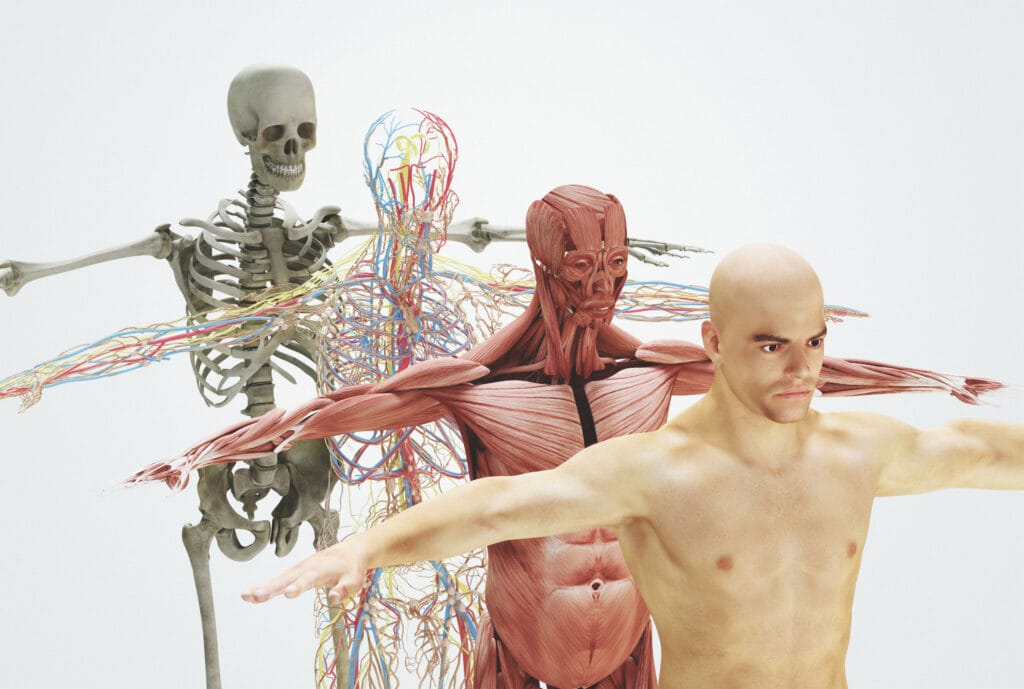
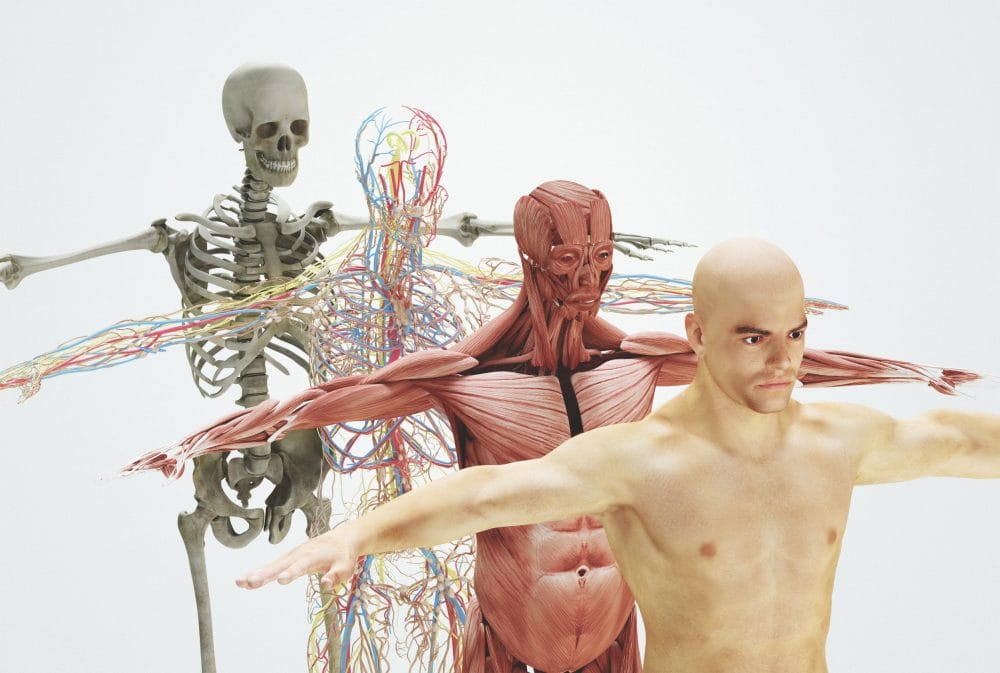
What happens to the body after death is both fascinating and mysterious. After a person dies, their body undergoes various transformations that might seem strange. From the initial post-mortem changes to the final stages of decomposition, the journey of a human body after death is a blend of science and wonder. Understanding these changes can shed light on the natural decomposition process and help us appreciate the cycle of life and death. Let’s explore the unusual and intriguing phenomena that occur after death.

1. Rigor Mortis Sets In

post-mortem changes

Physical changes begin almost immediately after death. Rigor mortis, or the stiffening of muscles, starts within 2-6 hours. This phenomenon happens because calcium builds up in the muscles, causing them to contract. The body remains stiff for up to 72 hours before the muscles relax again. This is one of the first visible post-mortem changes and is often used by forensic scientists to estimate the time of death.

The stiffness starts in the smaller muscles, like those in the face, and then spreads to larger muscles. Temperature and other conditions can affect how quickly rigor mortis sets in and how long it lasts. For instance, warmer temperatures can speed up the process, while cooler temperatures can slow it down. Once rigor mortis passes, the muscles relax again, signaling another stage in the human decomposition process.

2. Livor Mortis Causes Skin Discoloration

stages of decomposition

Another early change is livor mortis, where blood settles in the lower parts of the body, creating a purple-red discoloration. This process, part of the stages of decomposition, starts within 30 minutes to 2 hours after death and becomes fully fixed in 6-12 hours. The pattern and color can help forensic experts determine the body’s position after death.

Livor mortis occurs because the heart is no longer pumping blood, causing it to settle due to gravity. This can create dark patches on the skin, showing where blood has pooled. If the body is moved, new livor mortis marks can form, helping investigators understand if the body was moved after death. Over time, the discoloration becomes more pronounced and permanent.

3. Algor Mortis Cools the Body

what happens to your body after you die

Algor mortis refers to the cooling of the body after death. The body temperature drops gradually until it matches the surrounding temperature. This biological process after death can help determine the time of death by measuring the body’s temperature. The rate of cooling can vary depending on environmental factors and the body’s condition.

Typically, what happens to the body after death is it cools at a rate of about 1.5 degrees Fahrenheit per hour. This rate can be affected by the body’s size, clothing, and the environment. For example, a body in a cold environment will cool faster than one in a warm setting. By understanding these factors, forensic scientists can make more accurate estimates of the time of death.

4. Autolysis Begins Cellular Breakdown

human decomposition process

Autolysis is the process where the body’s own enzymes start to break down cells. This human decomposition process starts within hours after death, beginning in the liver and pancreas. As cells break down, they release fluids that start the decomposition process, leading to the natural decomposition of tissues.

During autolysis, cells are essentially digesting themselves, which leads to the breakdown of tissues. This process is sped up by the body’s natural enzymes, which are no longer regulated by living processes. The fluids released can cause blisters on the skin and contribute to the early signs of decomposition. This stage is crucial in preparing the body for the next stages of decomposition.

5. Putrefaction Causes Odor

physical changes after death

Putrefaction is the stage where bacteria break down tissues, producing gases that cause a strong odor. This body decomposition timeline varies but usually starts 2-3 days after death. The gases cause the body to bloat, and the smell is due to compounds like methane and hydrogen sulfide. These dead body changes are a natural part of the decomposition process.

Bacteria in the gut and other parts of the body start to multiply rapidly after death. These bacteria produce gases as they break down tissues, which leads to the bloating and odor associated with putrefaction. The skin may also turn greenish and then black as decomposition progresses. This stage is often the most noticeable due to the smell and visible changes.

6. Muscles May Twitch

physical changes after death

Sometimes, muscles can twitch or move even after death. This can happen because of chemical changes in the body, causing muscle fibers to contract. These twitches are usually small and brief, but they can seem quite eerie. This is one of the more unusual post-mortem occurrences that can surprise those who witness it.

Muscle twitches happen because the nervous system can still fire impulses even after death. These impulses can cause muscles to contract, leading to small movements. While it might seem strange, it is a natural part of the body’s final processes. Understanding this can help demystify what happens during the early stages after death. You may have seen this “phenomenon” in movies and other famous myths about death.

7. Skeletonization Exposes Bones

strange things after death

As decomposition progresses, soft tissues decompose, and the skeleton becomes exposed. This stage can take weeks to years, depending on conditions. Cadaver changes like skeletonization are the final step in the human decomposition process, leaving behind bones that can last for decades or even centuries.

Skeletonization occurs after most of the soft tissues have decomposed. The process can be accelerated by environmental factors such as temperature, humidity, and the presence of scavengers. Over time, bones themselves can also decompose, but this process is much slower. Skeletons can remain intact for a very long time, serving as historical and archaeological records.

8. Adipocere Formation in Certain Conditions

body afterlife stages

Fat tissues sometimes undergo a transformation called adipocere or “grave wax.” This happens in moist environments and can preserve the body for years. This post-mortem phenomenon occurs due to the breakdown of fat into a soap-like substance, slowing decomposition.

Adipocere is another item on the list of what happens to the body after death. It is the formation can occur in bodies buried in moist, cool environments. The fat turns into a waxy substance that can protect tissues from further decay. This process can preserve facial features and other body parts, making identification easier. Adipocere can last for many years, providing a unique form of natural preservation.

9. Mummification in Dry Environments

death body changes

In extremely dry conditions, bodies can undergo mummification, where tissues dry out and are preserved. This unusual post-mortem occurrence prevents typical decomposition, creating natural mummies. The process can preserve skin, hair, and other tissues for hundreds or thousands of years.

Mummification happens when a body loses moisture rapidly, which prevents bacteria from breaking down tissues. Dry air, high temperatures, and low humidity are ideal conditions for mummification. Natural mummies can be found in deserts or other arid environments. This preservation can provide valuable information about ancient cultures and individuals.

10. Skeleton Remains and Decays

human body after death facts

Even after the flesh has decayed, bones continue to break down slowly. This final stage of the body’s afterlife stages can take hundreds of years. Bones undergo chemical changes and eventually crumble into dust, completing the natural decomposition process.

Bone decomposition is influenced by factors such as soil acidity, moisture, and temperature. In acidic soils, bones can decompose faster. Over time, bones lose minerals and become brittle. Eventually, they break down completely, returning their components to the earth. This long process is the final step in the body’s journey after death.

11. Eyes Change Color

human body after death facts

After death, the eyes undergo significant changes. It’s a normal occurrence when talking about what happens to the body after death. The corneas become cloudy and opaque within hours. This is because fluid builds up in the eyes, causing them to appear milky. These changes are part of the early post-mortem changes that can help determine the time of death.

The eyes can also appear sunken and shrunken as the body loses fluid. This happens because the muscles and tissues around the eyes relax, causing them to collapse inward. These changes can provide clues to forensic scientists about the time and circumstances of death.

12. Skin May Form Marbling Patterns

human body after death facts

One of the more visually striking changes is the formation of marbling patterns on the skin. This happens when bacteria in the blood vessels break down the red blood cells. The resulting hemoglobin leaks into the surrounding tissues, creating a marbled appearance. This pattern is a part of the stages of decomposition.

Marbling typically starts on the abdomen and spreads to other parts of the body. The patterns can be quite intricate, resembling veins of marble stone. This phenomenon occurs as part of the putrefaction process and is a clear indicator of the body’s progression through decomposition.

The Journey After Death

natural decomposition

The living human body is fascinating. However, it never ends there. After death, what happens to the body is a journey through fascinating and sometimes strange transformations. From rigor mortis to skeletonization, each stage offers insights into the cycle of life and death. Understanding these changes not only satisfies curiosity but also highlights the incredible processes of nature.

Join the discussion! Share your thoughts and experiences about these post-mortem phenomena. Let’s learn together about this intriguing aspect of life.

Here’s Why You Should Think Twice Before Buying an SUV

disadvantages of buying an SUV

disadvantages of buying an SUV

The allure of a spacious, commanding SUV is undeniable. With their roomy interiors, higher driving positions, and often rugged aesthetics, it’s easy to see why they’re so popular. But before you rush to the dealership, it’s important to consider the disadvantages of buying an SUV. While SUVs offer certain benefits, they also come with a host of drawbacks that might make you rethink your purchase.

Understanding these SUV cons will help you make an informed decision about whether an SUV truly aligns with your needs and lifestyle. In this article, we’ll explore the problems with SUVs that often go unnoticed. From fuel efficiency and maneuverability to environmental impact and cost, we’ll uncover the SUV negatives that might make you reconsider your SUV dream. By weighing the SUV’s pros and cons, you can determine whether an SUV is truly worth the investment or if alternatives to SUVs, like crossovers or sedans, might better suit your needs.

1. Fuel Efficiency Woes

reasons to avoid SUVs

One of the most significant SUV disadvantages is their thirst for fuel. Due to their larger size and heavier weight, SUVs generally have lower fuel efficiency compared to smaller cars. This translates to more frequent trips to the gas station and higher fuel costs, especially with fluctuating gas prices. If you’re looking to save money on fuel, an SUV might not be the most economical choice.

Remember, the larger the engine, the more fuel it will consume. While some SUVs offer hybrid or electric options for improved fuel efficiency, these models often come with a higher price tag. If you’re budget-conscious, you’ll see this as one of the disadvantages of buying an SUV. If you prioritize fuel economy, you might want to explore alternatives to SUVs, such as smaller cars or hybrid models.

2. Maneuverability Challenges

SUV cons

While SUVs offer a commanding view of the road, their size can become a hindrance in tight spaces. Parking in crowded urban areas or navigating narrow streets can be a challenge due to the SUV’s larger turning radius and overall dimensions. If you frequently encounter tight parking situations or live in a densely populated area, you might find an SUV to be less maneuverable than you’d prefer.

Consider the size of your garage or parking space. Will an SUV comfortably fit, or will it make parking a daily struggle? Additionally, if you often drive in city traffic, the bulkiness of an SUV might become a source of frustration. If you value easy maneuverability, you might want to think twice before committing to an SUV.

3. Environmental Impact

why not to buy an SUV

The disadvantages of buying an SUV extend beyond personal convenience. SUVs typically have a larger carbon footprint than smaller vehicles, contributing to air pollution and climate change. If you’re concerned about your environmental impact, it’s important to weigh the SUV’s environmental consequences against its perceived benefits.

While some automakers are striving to make SUVs more eco-friendly with hybrid or electric models, the overall impact of SUVs on the environment remains a concern. If you prioritize sustainability and want to reduce your carbon footprint, exploring smaller, more fuel-efficient vehicles or electric options might be a more responsible choice.

4. Higher Purchase and Maintenance Costs

SUV drawbacks

SUVs often come with a heftier price tag than their smaller counterparts. Additionally, their larger size and more complex components can lead to higher maintenance and repair costs. From tires and brakes to engine repairs, the expenses associated with owning an SUV can add up quickly. Before committing to an SUV, consider whether you’re prepared for the long-term financial implications. According to a study, the average annual cost to own and maintain a sedan is $8,939. Compare this to a compact SUV that will set you back $10,066.

The initial purchase price is just the beginning. Factor in the cost of insurance, fuel, regular maintenance, and potential repairs. If you’re on a tight budget, an SUV might strain your finances. Consider what to consider before buying an SUV, including the long-term costs associated with ownership.

5. Rollover Risk

SUV pros and cons


While you might enjoy the freedom of owning a vehicle that you can take wherever you want to go, there are risks that come with it. Due to their higher center of gravity, SUVs have a greater tendency to rollover compared to lower-profile vehicles. This risk is particularly pronounced in certain types of SUVs, such as top-heavy models or those with a narrow track width. While modern SUVs are equipped with safety features to mitigate rollover risks, it’s still a factor to consider, especially if safety is a top priority.

Research the specific SUV model you’re interested in and its rollover ratings. Look for SUVs with advanced safety features like electronic stability control and rollover mitigation systems. If you frequently drive in conditions where rollover risk is higher, such as icy or uneven roads, opting for a lower-profile vehicle might be a safer choice.

6. Limited Visibility

should I buy an SUV

Despite their commanding driving position, SUVs can sometimes have blind spots that make it difficult to see smaller vehicles or pedestrians. This can be particularly dangerous and clearly one of the disadvantages of buying an SUV. It’s sometimes difficult when changing lanes or backing up. While newer SUVs offer technology to address blind spots, it’s important to be aware of the potential visibility limitations that come with driving a larger vehicle.

Test drive the SUV and pay attention to its visibility in different situations. Consider whether you’re comfortable maneuvering a vehicle with blind spots, especially if you often drive in crowded areas or have children who might be playing near the vehicle.

7. Less Engaging Driving Experience

is an SUV worth it

While some SUVs offer sporty handling, they generally don’t provide the same level of driving engagement as smaller, more agile cars. If you enjoy the thrill of a responsive and dynamic driving experience, you might find an SUV to be less satisfying in terms of handling and performance.

SUVs are often designed for comfort and practicality rather than sporty performance. If you value a fun and engaging driving experience, consider alternatives to SUVs like sedans or hatchbacks, which are known for their nimbleness and responsive handling.

8. Cargo Space Isn’t Always Practical

what to consider before buying an SUV

While SUVs boast ample cargo space, the design of their cargo area might not always be practical for everyday use. Loading and unloading heavy or bulky items can be difficult due to the SUV’s higher lift-over height. If you frequently haul cargo, it’s worth considering whether an SUV’s cargo space truly meets your needs or if a vehicle with a lower loading floor might be more convenient.

Consider what you typically transport. If you frequently carry heavy items or need to load and unload cargo quickly, a vehicle with a lower loading height might be a more practical choice. Minivans, wagons, or hatchbacks often offer easier access to cargo areas.

9. Limited Off-Road Capability

SUV negatives

While SUVs are often associated with off-road adventures, many models are designed primarily for on-road use. Their features and capabilities might not be suitable for serious off-roading. If you’re seeking a vehicle for rugged terrain, it’s important to choose an SUV specifically designed for off-road performance.

Research the specific SUV model you’re interested in and its off-road capabilities. Look for features like four-wheel drive, high ground clearance, skid plates, and specialized suspension systems. If off-roading isn’t a priority, a standard SUV might suffice.

10. “SUV Tax”

SUV vs car

In some regions, SUV owners face additional taxes or fees due to the vehicles’ larger size and perceived environmental impact. These taxes can add to the overall cost of ownership and should be factored into your decision-making process.

Research the regulations in your area to determine if there are any additional taxes or fees associated with owning an SUV. Factor these costs into your budget to get a realistic picture of the financial commitment involved.

11. Resale Value Considerations

SUV resale price

While SUVs have historically held their value well, the resale market is constantly evolving. Factors like changing consumer preferences, fuel prices, and environmental concerns can impact the resale value of SUVs. Before investing in an SUV, research the current market trends and consider how they might affect the vehicle’s resale value in the future.

Do your research and consult with experts to get a sense of how the resale value of your chosen SUV might be affected in the coming years. Consider whether you plan to keep the vehicle for a long time or if you anticipate selling it in the near future. This information can help you make a more informed financial decision.

Why Not to Buy an SUV: The Verdict

buying an SUV

The decision of whether to buy an SUV ultimately depends on your individual needs and priorities. While SUVs offer certain advantages, the disadvantages of buying an SUV are significant and should not be overlooked. By carefully weighing the SUV’s pros and cons, considering alternatives to SUVs, and researching what to consider before buying an SUV, you can make an informed decision that aligns with your lifestyle, budget, and values. If you prioritize fuel efficiency, maneuverability, environmental consciousness, or affordability, you might find that an SUV isn’t the best fit. If you are buying a car, make sure you also do your homework and look for features that can help keep you safe, save money, and enjoy the ride.

Don’t hesitate to share your thoughts and experiences in the comments below! Have you encountered any surprising SUV drawbacks or discovered compelling reasons to avoid SUVs? Let’s continue the conversation and help others make informed decisions about their next vehicle purchase.

15 Ways Gen Z’s Tech Obsessions Are Changing Human Interaction for Worse

Gen Z tech obsessions

Gen Z tech obsessions

In a world dominated by screens, Generation Z’s love for technology is undeniable. Gen Z tech obsessions are everywhere, from the latest smartphones and social media trends to gaming and virtual reality. While these digital tools offer many benefits, there’s a growing concern about how they’re shaping the way Gen Z connects, communicates, and builds relationships. Could Gen Z tech obsessions be harming human interaction in ways we’re only beginning to understand?

Experts are sounding the alarm about the Gen Z social media impact on communication and the alarming rise of Gen Z social isolation. This article delves into 15 unsettling ways in which Gen Z tech obsessions could be changing human interaction for the worse and explores the Gen Z tech obsession consequences we can’t afford to ignore.

1. The Decline of Face-to-Face Conversations

Gen Z tech impact

Gen Z’s preference for digital communication, fueled by their tech obsessions, is leading to a decline in face-to-face interactions. They’re more likely to text, DM, or Snapchat than meet up in person. This shift affects their Gen Z communication skills and non-verbal cues, impacting the quality and depth of relationships. Emojis and memes can’t replace the nuances of facial expressions and body language.

Missing out on these real-life interactions can make it harder for Gen Z to build strong, meaningful connections. Eye contact, tone of voice, and physical touch are all crucial for building trust and understanding. When these elements are missing, relationships can become shallow and superficial.

2. The Rise of Digital FOMO (Fear of Missing Out)

How Gen Z's tech is changing social interaction

Gen Z tech obsessions are closely tied to social media, where the fear of missing out (FOMO) runs rampant. Constant connection through platforms like Instagram and TikTok can lead to feelings of inadequacy and anxiety. Seeing others’ seemingly perfect lives online can make Gen Z feel like they’re not good enough.

This Gen Z tech obsession impact on human interaction fuels a cycle of comparison and validation-seeking. Instead of focusing on their own lives and relationships, Gen Z can become preoccupied with what others are doing online. This can hinder genuine connection and make it difficult to be present in the moment.

3. The Erosion of Attention Spans

Gen Z tech addiction effects

Gen Z’s screen time habits, driven by their tech obsessions, are rewiring their brains. The constant stream of notifications, likes, and shares is making it harder for them to focus on one thing for an extended period. This leads to shorter attention spans, impacting their ability to engage in meaningful conversations.

When Gen Z tries to have a deep conversation, their minds may wander, or they may feel the urge to check their phones. This can be frustrating for both parties and make it difficult to build rapport. The erosion of attention spans also affects Gen Z’s ability to learn and retain information, which can have long-term consequences for their education and careers.

4. The Blurring of Boundaries Between Online and Offline Worlds

Gen Z tech obsession consequences

For Gen Z digital natives, the line between the digital and physical worlds is blurred. Their tech obsessions have made it so that they’re constantly connected, whether they’re online or offline. This can lead to unrealistic expectations, as online personas rarely reflect real-life complexities.

Social media allows Gen Z to curate their image and present a carefully crafted version of themselves to the world. This can create a false sense of intimacy and connection, as it’s easy to hide behind a screen and avoid difficult conversations. When Gen Z interacts with people in real life, they may be disappointed to find that they’re not as perfect as they seem online.

5. The Rise of Cyberbullying and Online Harassment

Gen Z screen time human interaction

Gen Z’s tech obsessions have also opened the door to harmful online behaviors. Cyberbullying and harassment are rampant on social media and other online platforms. These behaviors can have devastating consequences for mental health and well-being, further isolating victims.

Gen Z is particularly vulnerable to cyberbullying because they spend so much time online. They may be less likely to report these incidents to adults because they fear being judged or having their tech privileges taken away. The anonymity of the internet also emboldens bullies, making them more likely to say and do things they wouldn’t do in person.

6. The Impact on Mental Health

Gen Z mental health

Numerous studies have put the spotlight on tech and social media overuse and its impact on Gen Z mental health. The constant comparison to others, the fear of missing out, and the pressure to present a perfect image online can take a toll on their mental health.

Gen Z tech obsessions can also lead to sleep deprivation and social isolation, both of which are risk factors for mental health problems. While technology can be a valuable tool for connecting with others, it’s important to use it in moderation and to prioritize real-life interactions.

7. The Decline of Empathy and Emotional Intelligence

Gen Z empathy

Constant exposure to online interactions, fueled by Gen Z tech obsessions, can hinder the development of empathy and emotional intelligence. Online communication lacks the nuances of face-to-face interactions, making it harder to interpret emotions and intentions.

This can lead to misunderstandings, conflicts, and strained relationships. Gen Z may struggle to pick up on social cues and may be less likely to consider the impact of their words and actions on others. This can make it difficult to form deep, meaningful connections based on empathy and understanding. There are other things considered unethical that the Gen Z is normalizing.

8. The Loss of Authenticity and Vulnerability


gen z authenticity

The curated nature of online interactions, driven by Gen Z tech obsessions, can discourage authenticity and vulnerability. Social media encourages users to present a carefully crafted image of themselves to the world. This can make it difficult for Gen Z to be their true selves and share their real thoughts and feelings.

When Gen Z interacts online, they may feel pressure to conform to social norms and expectations. This can prevent them from forming deep, meaningful connections based on genuine emotions and experiences. Vulnerability is essential for building trust and intimacy, but it can be difficult to express when you’re constantly worried about how you’ll be perceived.

9. The Rise of Superficial Relationships

Tech obsession impact on Gen Z relationships

Gen Z’s focus on amassing online followers, fueled by their tech obsessions, can prioritize quantity over quality. This leads to superficial relationships that lack depth and emotional connection.

Social media rewards users for having a large number of followers and likes. This can create a culture of superficiality, where Gen Z is more concerned with their online popularity than with building real relationships. These superficial relationships can be fleeting and unsatisfying, leaving Gen Z feeling empty and disconnected. Aside from superficial relationships, there are Gen Z lifestyle choices that spark debates among different generations.

10. The Impact on Sleep and Physical Health

Gen Z sleep

Gen Z’s tech obsessions often involve late-night scrolling and disrupted sleep patterns. The blue light emitted by screens can interfere with the production of melatonin, a hormone that regulates sleep. This can lead to difficulty falling asleep and staying asleep, which can have negative effects on physical health, energy levels, and overall well-being.

Lack of sleep can also impair cognitive function, making it harder for Gen Z to focus and learn. In the long term, sleep deprivation can increase the risk of obesity, heart disease, and other chronic conditions.

11. The Rise of Digital Addiction

Gen Z digital natives

The addictive nature of technology, coupled with Gen Z’s tech obsessions, can lead to unhealthy behaviors and dependence. Gen Z technology addiction can manifest as excessive screen time, withdrawal symptoms when separated from devices, and neglect of responsibilities.

This addiction can have serious consequences for Gen Z’s mental and physical health. It can also interfere with their relationships, education, and careers. It’s important to recognize the signs of digital addiction and seek help if necessary.

12. The Impact on Academic Performance and Productivity

Negative effects of Gen Z tech obsessions

Gen Z’s tech obsessions can distract them from schoolwork and other responsibilities. The constant stream of notifications and the temptation to check social media can make it difficult to focus on tasks that require sustained attention.

This can lead to decreased academic performance and productivity, affecting their future prospects. Gen Z may struggle to meet deadlines, complete assignments, and achieve their goals. It’s important to establish healthy boundaries with technology and to prioritize tasks that are important for their future.

13. The Impact on Family Relationships

Gen Z screen time human interaction

Excessive screen time, driven by Gen Z tech obsessions, can strain family relationships and limit quality time spent together. When family members are glued to their devices, they miss out on opportunities to connect, communicate, and build relationships.

This can lead to misunderstandings, conflicts, and feelings of disconnection. It’s important for families to establish rules around technology use and to prioritize spending time together without distractions.

14. The Rise of “Phubbing” With Gen Z Tech Obsessions

phubbing

Gen Z’s tech obsessions can lead to “phubbing” or phone snubbing, which involves ignoring others in favor of their phones. This disrespectful behavior can damage relationships and create feelings of isolation.

When Gen Z is constantly checking their phones, they send the message that their digital interactions are more important than the people around them. This can make others feel unimportant and unvalued. It’s important for Gen Z to be mindful of their phone use and to prioritize face-to-face interactions.

15. The Loss of Privacy and Security

Gen Z privacy

Gen Z’s willingness to share personal information online, driven by their tech obsessions, puts them at risk of privacy breaches and identity theft. Hackers and scammers are constantly looking for ways to exploit vulnerabilities in online systems.

This can have long-term consequences for their financial and emotional well-being. Gen Z may become victims of identity theft, fraud, or harassment. It’s important for them to be aware of the risks of sharing personal information online and to take steps to protect their privacy.

Gen Z Tech Obsessions And The Future of Human Connection

Gen Z interaction

The impact of Gen Z tech obsessions on human interaction is a complex issue with no easy solutions. However, acknowledging the potential negative effects is a crucial first step. By promoting healthy tech habits, fostering face-to-face interactions, and prioritizing mental well-being, we can mitigate the risks and ensure that technology enhances, rather than hinders, human connection.

Share your thoughts and experiences on the impact of Gen Z tech obsessions on human interaction. Let’s work together to create a digital landscape that fosters genuine connection, empathy, and well-being.

12 Things Baby Boomers Get Wrong About Modern Technology

baby boomers and technology


baby boomers and technology

In the ever-evolving world of technology, the relationship between baby boomers and technology  is a fascinating one. Born between 1946 and 1964, baby boomers experienced a world before the internet, smartphones, and social media. As technology advanced rapidly, some baby boomers struggled to keep up, leading to misunderstandings and generational tech gaps.

However, it’s important to note that not all baby boomers are technophobes. Many have embraced modern technology for baby boomers with open arms and continue to learn and adapt. This article aims to shed light on common baby boomer tech mistakes and misconceptions while highlighting ways to bridge the gap and foster digital literacy among all generations.

1. “The Cloud” is Just a Fluffy White Thing in the Sky

baby boomers misunderstanding technology

While it may sound like something out of a children’s book, the cloud is a network of servers that store data. Baby boomers often struggle to grasp this concept, leading to misunderstandings about data storage and security. It’s not a physical place but a virtual one, accessible through the internet. This means photos, documents, and other files can be stored online rather than on a computer’s hard drive.

Understanding the cloud is essential for backing up important files and accessing them from multiple devices. Baby boomers who are hesitant to use the cloud can start by storing a few non-sensitive files and gradually increase their usage as they become more comfortable with the technology.

2. Social Media is Just for Kids

modern technology misconceptions

Many baby boomers dismiss social media as a frivolous pastime for younger generations. However, platforms like Facebook, Twitter, and LinkedIn offer valuable opportunities for connection, networking, and staying informed.  These platforms can help baby boomers reconnect with old friends, share photos with family, and stay up-to-date on current events.

LinkedIn, a professional networking site, can be particularly useful for baby boomers who are looking for new job opportunities or seeking career advice. Social media isn’t just about sharing selfies; it’s a powerful tool for communication and connection in the digital age.

3. Smartphones are Too Complicated


baby boomers and technology

The sheer number of features and apps on a smartphone can be overwhelming for anyone, but especially for those who didn’t grow up with them. With a little patience and practice, baby boomers can learn to navigate their smartphones and unlock a world of convenience. Smartphones are like mini-computers that fit in your pocket, offering a wide range of functions beyond just making calls and sending texts.

They can be used to check email, browse the web, take photos, listen to music, and even pay for purchases. While it may take some time to get used to the touchscreen interface and various apps, mastering the smartphone can greatly enhance a baby boomer’s digital experience.

4. Online Shopping is Unsafe

what baby boomers get wrong about tech

Concerns about security and fraud are valid, but reputable online retailers have robust security measures in place. Baby boomers who are hesitant to shop online can start with small purchases and gradually build their confidence. Online shopping offers convenience, a wider selection of products, and often lower prices than traditional brick-and-mortar stores.

By learning to identify secure websites (look for “https” in the address bar) and using strong passwords, baby boomers can safely enjoy the benefits of online shopping. Many online retailers also offer customer support to help with any questions or concerns.

5. You Have to Be a Tech Genius to Use a Computer

generational tech gap

While some technical knowledge is helpful, basic computer skills are relatively easy to learn. Many resources are available to help baby boomers develop their digital literacy, including online tutorials, community classes, and one-on-one instruction. Computers are essential tools for communication, entertainment, and information gathering in today’s world.

With a little effort, baby boomers can learn to use email, browse the web, and create documents. Libraries and community centers often offer free computer classes specifically designed for older adults, providing a supportive environment for learning new skills.

6. Technology is Ruining Communication

baby boomer tech stereotypes

While it’s true that excessive screen time can hinder face-to-face interaction, technology and the older generation can also enhance communication. Video calls, instant messaging, and social media can help baby boomers stay connected with loved ones near and far. Technology has made it easier than ever to keep in touch with family and friends who live far away.

Video calls offer a more personal way to connect than just phone calls, allowing baby boomers to see and interact with loved ones in real time. Instant messaging and social media platforms provide convenient ways to share updates, photos, and thoughts with a wide network of friends and family.

7. Privacy Doesn’t Matter Online

technology and the older generation

Baby boomers often underestimate the importance of online privacy. Sharing personal information on social media or unsecured websites can lead to identity theft, scams, and other security risks. It’s essential to be mindful of what information is shared online and to use strong passwords to protect accounts.

Avoiding public Wi-Fi networks and being cautious of phishing emails are also important steps to protect privacy. Baby boomers who are unsure about online security can seek guidance from trusted sources or consult with tech-savvy friends or family members.

8. Tech Support is Only for Young People

bridging the generational tech gap

It’s a common misconception that tech support professionals are only interested in helping younger users. In reality, many companies offer specialized support for older generation tech challenges. Whether it’s troubleshooting a computer issue or navigating a new app, baby boomers should not hesitate to reach out to tech support for assistance.

Many tech support services offer phone, chat, and email support options, making it easy to get help in a way that is most comfortable. Some companies even offer in-home tech support for those who need more hands-on assistance.

9. “Googling” is Cheating

overcoming tech challenges for older adults

Using a search engine to find information is not cheating; it’s a valuable tool for learning and research. Baby boomers who are hesitant to use Google can start with simple searches and gradually expand their skills. Google and other search engines are vast libraries of information, accessible at our fingertips.

They can be used to answer questions, find recipes, research health conditions, and much more. With a little practice, baby boomers can learn to refine their search queries and find the information they need quickly and efficiently.

10. Technology is Making Us Lazy

modern technology for baby boomers

While technology can automate certain tasks, it also opens up new avenues for creativity and productivity. Baby boomers who embrace modern technology can find new ways to pursue their passions and hobbies. Technology can free up time by automating repetitive tasks, allowing baby boomers to focus on activities they enjoy.

Online learning platforms offer a wealth of courses and tutorials on various subjects, from photography to cooking to foreign languages. With the right tools and resources, baby boomers can use technology to expand their knowledge and skills, leading to a more fulfilling and active lifestyle. Plus, you can also use technology to power your side hustle.

11. “Hacking” is Just for Criminals

baby boomers and digital literacy

The term “hacking” has a negative connotation, but it can also refer to creative problem-solving and finding innovative solutions. Many baby boomers have a knack for “hacking” everyday problems in their own way. While “hacking” is often associated with cybercrime, it can also be a positive force. In the context of technology, “hacking” can mean finding clever workarounds for technical issues or customizing devices to suit individual needs. This is what is technically called ethical hacking.

Baby boomers who are resourceful and adaptable can apply their problem-solving skills to the digital world, making technology work for them.

12. Technology is Replacing Human Connection

baby boomer tech stereotypes

While technology can facilitate virtual interactions, it can never fully replace the warmth and intimacy of human connection. Baby boomers who value relationships can use technology to enhance their connections, not replace them. Technology can supplement, not substitute, in-person interactions. Along the way, we’re also seeing revolutionary tech gadgets that are changing everyday life.

Video calls and social media can help bridge the distance between loved ones, but nothing can replace the feeling of spending time with someone face-to-face. By using technology mindfully, baby boomers can strike a balance between digital and real-world interactions, fostering meaningful connections with the people who matter most.

Bridging the Generational Tech Gap

adapting technology for older users

As baby boomers and technology continue to intersect, it’s important to foster understanding and encourage digital literacy among all generations. By recognizing and addressing common misconceptions and tech mistakes, we can create a more inclusive and accessible digital landscape for everyone.

What are your thoughts on the evolving relationship between baby boomers and technology? Share your experiences and insights in the comments below!

11 Reasons Why The Chevrolet Corvette Is The Ultimate American Sports Car

1963 Chevrolet Corvette Sting Ray (Split Window)


ultimate American sports car

The Chevrolet Corvette has long been hailed as the ultimate American sports car. Since its debut in 1953, the Corvette has captured the hearts of sports car enthusiasts across the globe. Its powerful performance, stunning design, and rich history make it stand out among classic American cars. The Corvette isn’t just a car; it’s a symbol of American ingenuity and passion for driving.

The upcoming Corvette ZR1 is set to push the boundaries of performance even further. Expected to feature a twin-turbocharged V8 engine, the ZR1 will offer unprecedented power and speed. This new model continues the Corvette’s tradition of innovation and excellence. Car enthusiasts eagerly await the ZR1, anticipating another milestone in Corvette history. This article will explore why the Corvette is considered the best sports car in America and why it continues to captivate those who love cars.

1. Rich History of the Chevrolet Corvette

1953 Chevrolet Corvette

The Chevrolet Corvette first hit the roads in 1953, marking the birth of an iconic American sports car. Its sleek design and powerful engine set it apart from other vehicles of the time. The first model, known as the C1, became an instant classic. Over the years, the Corvette has evolved, introducing new models and innovations. Each generation, from the C1 to the modern Corvette C8, has left a significant mark on Corvette history.

Every Corvette model brought something new to the table. The 1963 Stingray, for instance, featured a unique split rear window. The 2020 Corvette C8 made headlines with its mid-engine layout. The upcoming Corvette ZR1, with its expected twin-turbocharged V8, promises to be a game-changer. This deep-rooted legacy is why many consider it the ultimate American sports car. The Corvette’s history is filled with milestones that excite car lovers.

2. Unmatched Performance

Corvette performance

When it comes to performance, the Chevrolet Corvette is unparalleled. Its powerful engines and advanced technology ensure top-notch Corvette performance. The Corvette Z06, for example, boasts 670 horsepower. This power allows it to go from 0 to 60 mph in just 2.6 seconds. Such speed and agility make the Corvette a thrill to drive.

The latest Corvette C8 model, with its mid-engine layout, has pushed the boundaries even further. This layout improves balance and handling. The Corvette C8 also features advanced aerodynamics. These features solidify its status as the best sports car in America. Driving a Corvette means experiencing top-tier performance every time.

3. Distinctive Design

Corvette design

The design of the Chevrolet Corvette is nothing short of breathtaking. Its sleek, aerodynamic lines and bold curves make it instantly recognizable. The Corvette Stingray, introduced in 1963, set a new standard for car design. Each iteration, from the Stingray to the C8, showcases the best of Corvette design. This attention to detail and aesthetics is a significant reason why the Corvette is revered.

The 2020 Corvette C8 continues this tradition with its futuristic look. Its aggressive stance and sharp lines make it a head-turner. Inside, the cockpit is driver-focused and luxurious. The Corvette’s design is both functional and beautiful. This makes it the ultimate American sports car.

4. Racing Heritage

Corvette racing heritage

The Chevrolet Corvette has a proud racing heritage. From Le Mans to Daytona, the Corvette has competed and won against some of the toughest rivals. It has won the 24 Hours of Le Mans eight times. This success on the track has cemented its reputation among sports car enthusiasts. The Corvette’s performance in racing showcases its engineering excellence and durability.

Corvette Racing has been a dominant force in motorsports. This success has helped develop new technologies for road cars. Fans of the Corvette love its connection to racing. It makes owning a Corvette feel like being part of a winning team. This heritage is a big part of why the Corvette is the ultimate American sports car.

5. Innovation and Technology

Chevrolet Corvette features

Innovation is at the heart of the Chevrolet Corvette. Each new model introduces cutting-edge technology and features that enhance the driving experience. The 2020 Corvette C8 features a digital cockpit and a heads-up display. From advanced aerodynamics to state-of-the-art infotainment systems, the Corvette continually sets new standards. This relentless pursuit of excellence is why it remains the ultimate American sports car.

The Corvette also includes features like Magnetic Ride Control. This system adjusts the suspension for optimal performance. Other innovations include performance data recorders and advanced safety features. These technologies make the Corvette both high-performing and safe. Car lovers appreciate the blend of speed and modern tech.

6. Affordability

Best sports car in America

Despite its high-performance capabilities and luxurious features, the Chevrolet Corvette remains relatively affordable. It offers exceptional value for money, making it accessible to a wider audience. The starting price of the 2020 Corvette C8 was under $60,000. This affordability, combined with its status as an iconic American sports car, makes the Corvette a top choice for many. It allows more people to experience the thrill of driving a Corvette.

Owning a Corvette means getting a lot of cars for the money. The performance and features it offers at its price point are unmatched. This makes it an attractive option for both new buyers and experienced enthusiasts. Affordable sports cars like the Corvette make high performance more accessible. This balance of price and performance is key to its popularity.

7. Versatility and Practicality

Corvette models

The Chevrolet Corvette isn’t just a high-performance machine; it’s also practical for everyday use. With comfortable seating, ample cargo space, and modern amenities, it can be enjoyed both on the track and as a daily driver. The Corvette’s interior is designed with comfort in mind. It includes features like heated and ventilated seats.

The Corvette also offers practical storage solutions. The trunk can fit two golf bags, making it perfect for weekend trips. This versatility is another reason why it’s considered the ultimate American sports car. The combination of performance and practicality is rare in sports cars. The Corvette excels in both areas and allows you to enjoy unexpected freedoms only car owners understand and enjoy.

8. Competing with the Best

American sports car

When comparing the Corvette vs Mustang, the Corvette often comes out on top. Its superior performance, advanced technology, and iconic status give it an edge. The Corvette Z06, for instance, outperforms many of its rivals. This competitive nature is part of what makes the Corvette the best sports car in America. Car enthusiasts love the Corvette’s ability to compete with and often surpass its competitors.

The Corvette’s advanced engineering sets it apart. It has better handling and more power than many other sports cars. This makes it a favorite among car lovers. The Corvette’s ability to compete with top-tier sports cars is a testament to its excellence. It continues to set the standard in the automotive world. It consistently belongs to the list of the coolest sports cars since the 1960s.

9. Wide Range of Models

Corvette

The Chevrolet Corvette offers a wide range of models to suit different tastes and needs. From the classic Stingray to the high-performance Z06, there’s a Corvette for everyone. This variety ensures that every enthusiast can find their perfect Corvette model. The ZR1 model, for example, is known for its extreme performance.

Each model offers unique features and performance levels. This allows buyers to choose based on their preferences and needs. Whether one seeks luxury, speed, or a mix of both, there’s a Corvette model that fits. This wide range makes the Corvette accessible to a broader audience. The variety adds to its appeal as the ultimate American sports car.

10. Timeless Appeal

Corvette Generations

The Chevrolet Corvette has a timeless appeal that transcends generations. Its iconic design and reputation have made it a symbol of American automotive culture. The Corvette continues to inspire admiration and passion. From young car enthusiasts to seasoned collectors, everyone loves the Corvette. This makes it the ultimate American sports car.

The Corvette’s classic models are still highly sought after. Cars like the 1963 Stingray are considered collector’s items. This timeless appeal keeps the Corvette relevant and admired. It represents the best of American car design and performance. The Corvette’s enduring popularity is a testament to its greatness. The upcoming Corvette ZR1 is expected to be a significant addition to this legacy. With a twin-turbocharged V8 engine, it promises to deliver unmatched power and performance. This model will likely push the boundaries of what a sports car can achieve, boasting an estimated 800 to 850 horsepower​​. Car enthusiasts are eagerly waiting for its release, and it is poised to set new standards in the industry.

11. Strong Community and Enthusiast Support

Classic American cars

The Chevrolet Corvette has a strong community of enthusiasts and supporters. Car clubs, forums, and events bring together fans who share their love for this iconic American sports car. This community aspect adds to the Corvette’s allure. Enthusiasts enjoy sharing stories, tips, and experiences about their Corvettes.

Corvette owners often participate in car shows and races. These events help keep the community vibrant and connected. The strong support network makes owning a Corvette more enjoyable. Being part of this community is a big draw for many buyers. It ensures that Corvette’s legacy will continue for years to come.

Embracing the Legacy of The Ultimate American Sports Car

1990 Corvette ZR1

The Chevrolet Corvette truly is the ultimate American sports car. Its rich history, unmatched performance, and innovative design continue to captivate sports car enthusiasts. The Corvette represents the pinnacle of American automotive engineering and design. The upcoming Corvette ZR1, with its expected twin-turbocharged V8 engine, promises to deliver unprecedented power and speed, further cementing the Corvette’s status in automotive history. This new model will push the boundaries of what a sports car can achieve, making it an exciting addition for both new and seasoned enthusiasts.

Join the discussion and share your experiences with this legendary vehicle. The strong community of Corvette enthusiasts ensures that owning a Corvette is not just about the car, but also about being part of a vibrant, supportive community. Whether you’re attending car shows, participating in races, or simply enjoying the drive, the Corvette community welcomes all. Share your stories, connect with other fans, and celebrate the legacy of the ultimate American sports car.

13 Reasons Why Some People Are Morning People

Why Are Some People Morning People

Ever wondered why some people practically bounce out of bed before sunrise, while others hit snooze until the last possible second? Why are some people morning people and others night owls? The answer isn’t as simple as just personal preference. A complex interplay of genetics, biology, lifestyle factors, and even personality traits shapes our internal clocks and determines whether we’re an early bird or a night owl.

Understanding these factors can help you optimize your daily routine and make the most of your natural energy patterns. It’s not just about waking up early but also about aligning your schedule with your body’s natural rhythm. Let’s dive into the fascinating world of morning people and uncover the 13 reasons behind their early-rising tendencies.

1. The Genetics of Early Birds

Research suggests that genetics play a significant role in determining whether someone is a morning person. Specific genes influence our circadian rhythm, the internal clock that regulates our sleep-wake cycle. If your DNA is coded for early rising, you’re more likely to be a natural early bird. This genetic predisposition can be traced back to our ancestors, where early risers may have had an evolutionary advantage in hunting and gathering food.

However, genetics isn’t the sole factor at play in explaining why some people are morning people. While your genes may make you predisposed to being a morning person, your lifestyle and environment also play a crucial role. The good news is that even if you don’t have the “early bird” genes, you can still adopt habits and routines that make waking up earlier easier and more enjoyable.

2. The Biology of Morning People

morning person vs night owl

Morning people often experience a surge of cortisol, a stress hormone, in the early morning hours. This hormonal boost provides them with energy and alertness, making it easier to wake up and get going. Additionally, their melatonin levels, the sleep-inducing hormone, tend to drop earlier in the evening, prompting them to feel tired and ready for bed sooner than night owls.

This biological difference in hormone levels is one of the reasons why are some people morning people and naturally wake up earlier and feel more refreshed in the morning. Their bodies are primed for activity, while night owls may still feel groggy and sluggish. Understanding these biological differences can help you appreciate the unique advantages and challenges of being a morning person.

3. The Impact of Lifestyle on Morningness

morning people benefits

While genetics and biology lay the groundwork, lifestyle choices can also influence morning person tendencies. Consistent sleep schedules, exposure to natural light, and regular exercise can help regulate your circadian rhythm and make you more likely to wake up feeling refreshed and energized. Creating a relaxing bedtime routine and avoiding screens before sleep can also contribute to better sleep quality and make waking up easier.

On the other hand, staying up late, using electronic devices before bed, and consuming caffeine in the afternoon can disrupt your internal clock and make it harder to become a morning person. In fact, some scientists believe that understanding how lifestyle impacts our circadian rhythms can help us answer the question of why some people are morning people. By making mindful choices about your daily habits, you can influence your sleep-wake cycle and potentially shift towards becoming an early riser.

4. The Benefits of Being a Morning Person

how to become a morning person

Morning people often enjoy numerous advantages, including increased productivity, better mental health, and improved sleep quality. They tend to be more proactive, organized, and optimistic. Having a consistent morning routine can set a positive tone for the day, allowing for activities like exercise, meditation, or focused work before distractions arise.

Early mornings also offer a sense of tranquility and peace, providing an opportunity for self-reflection and personal growth. These morning people benefits may be one of the reasons why are some people morning people and actively choose to embrace their early-rising tendencies. While the benefits are significant, it’s important to remember that everyone has their own unique preferences and rhythms.

5. Tips for Becoming a Morning Person

what makes someone a morning person

If you’re not naturally a morning person but want to reap the benefits of an early start, there are steps you can take to gradually shift your sleep-wake cycle. Start by waking up 15 minutes earlier each day, gradually increasing the time until you reach your desired wake-up time. Exposing yourself to sunlight first thing in the morning can help regulate your circadian rhythm and signal to your body that it’s time to wake up. Some couples sleep in separate rooms to find what works best for them.

Avoiding caffeine in the afternoon and creating a consistent bedtime routine can also help you fall asleep earlier and wake up feeling refreshed. Remember, consistency is key, and it may take several weeks for your body to adjust to a new schedule. If you are committed to becoming a morning person, following these morning person tips can help you transition smoothly.

6. The Power of Habit

morning routine

Morning people often cultivate habits that support their early-rising tendencies. They prioritize sleep, create consistent routines, and make choices that align with their desire to wake up early and energized. By establishing positive habits around sleep and wakefulness, they reinforce their natural inclinations and make it easier to maintain their early morning routine.

If you’re looking to become a morning person, building habits like going to bed and waking up at the same time each day, avoiding screens before sleep, and engaging in relaxing activities before bed can be helpful. By understanding the power of habit, you can create a sustainable routine that supports your desired sleep-wake cycle.

7. The Role of Personality

benefits of being a morning person

Research suggests that personality traits may also play a role in determining whether someone is a morning person. Individuals who are more conscientious, organized, and goal-oriented tend to be more likely to identify as early birds. They thrive on structure and routine, making it easier for them to establish and maintain an early morning routine.

On the other hand, those who are more spontaneous and flexible may find it easier to adapt to a later sleep schedule. Understanding the relationship between personality and chronotype can shed light on why some people are morning people and others are not.

8. The Influence of Age

what makes someone a morning person

Age can also influence our sleep-wake preferences. Children and adolescents tend to be more inclined towards later bedtimes and wake-up times, while older adults tend to prefer earlier schedules. This shift in preferences is thought to be related to changes in hormones and circadian rhythms throughout the lifespan.

As we age, our bodies naturally produce less melatonin, the sleep-inducing hormone, making it easier to wake up earlier. This is why many older adults naturally become morning people, even if they weren’t earlier in life.

9. The Importance of Sleep Quality

morning person tips

Regardless of whether you’re a morning person or a night owl, sleep quality is essential for overall health and well-being. Getting enough sleep and ensuring that sleep is restful and restorative can improve cognitive function, mood, and energy levels. This is why some people thrive on less than six hours of sleep.

For morning people, prioritizing sleep quality is crucial for maintaining their energy levels and productivity throughout the day. By establishing a consistent sleep schedule, creating a relaxing bedtime routine, and optimizing their sleep environment, they can ensure that they get the most out of their sleep and wake up feeling refreshed and ready to tackle the day.

10. The Social Jet Lag Phenomenon

morning person personality

Social jet lag refers to the discrepancy between our natural sleep-wake cycle and the demands of our social schedule. For many people, weekends and weekdays have different sleep patterns, leading to a feeling of jet lag when transitioning between the two. This can disrupt our internal clocks and make it harder to maintain a consistent sleep schedule.

For morning people, minimizing social jet lag is essential for maintaining their early rising tendencies. By sticking to a consistent sleep schedule, even on weekends, they can minimize the disruption to their internal clock and avoid feeling groggy and tired when they need to wake up early on weekdays.

11. The Impact of Light on our Circadian Rhythm

what time do morning people wake up

Light plays a crucial role in regulating our circadian rhythm. Exposure to bright light in the morning suppresses melatonin production and signals to our bodies that it’s time to wake up. On the other hand, dim light in the evening triggers melatonin production and prepares us for sleep.

For morning people, maximizing exposure to natural light in the morning can help reinforce their early rising tendencies. Spending time outdoors, opening blinds and curtains, or using a light therapy box can all help suppress melatonin production and promote wakefulness.

12. The Role of Diet and Nutrition

morning person diet

What we eat and drink can also influence our sleep-wake cycle. Caffeine, alcohol, and heavy meals close to bedtime can disrupt sleep and make it harder to wake up in the morning. On the other hand, a balanced diet rich in nutrients that support sleep, such as magnesium and tryptophan, can promote restful sleep and make it easier to wake up feeling refreshed.

For morning people, paying attention to their diet and nutrition can help support their early rising tendencies. Avoiding caffeine in the afternoon, eating a light dinner, and incorporating sleep-promoting foods into their diet can all contribute to better sleep quality and make it easier to wake up early.

13. The Power of Mindset

morning person habits

Our mindset and beliefs about sleep and wakefulness can also influence our sleep-wake patterns. If we believe that we’re not a morning person, we’re more likely to struggle with waking up early and may create a self-fulfilling prophecy. On the other hand, if we believe that we can become a morning person, we’re more likely to adopt the habits and routines that support early rising.

For those who want to become morning people, cultivating a positive mindset about early rising can be helpful. By focusing on the benefits of waking up early, setting realistic goals, and celebrating small victories, they can create a positive feedback loop that reinforces their new habits and makes it easier to stick to an early morning routine.

Make the Most of Your Morning

Morning People

Whether you’re a morning person or a night owl, understanding your natural rhythms is essential for a productive and fulfilling life. By recognizing the factors that influence your sleep-wake cycle and implementing strategies to optimize your daily routine, you can tap into your full potential, no matter what time of day you feel most energized.

You cannot copy content of this page