About Catherine Reed

Catherine is a tech-savvy writer who has focused on the personal finance space for more than eight years. She has a Bachelor's in Information Technology and enjoys showcasing how tech can simplify everyday personal finance tasks like budgeting, spending tracking, and planning for the future. Additionally, she's explored the ins and outs of the world of side hustles and loves to share what she's learned along the way. When she's not working, you can find her relaxing at home in the Pacific Northwest with her two cats or enjoying a cup of coffee at her neighborhood cafe.

The Weekend Routine That Makes Money Disappear

The Weekend Routine That Makes Money Disappear
Image source: shutterstock.com

Most couples don’t blow their budget on one dramatic purchase. Money usually disappears in a pattern that feels harmless because it’s fun, familiar, and happens when you’re finally off the clock. You work hard all week, you want the weekend to feel special, and suddenly spending becomes the default way to relax. The sneaky part is that these expenses rarely show up as “big” in the moment, but they stack into a monthly total that can rival a car payment. If you’ve ever looked up on Sunday night and wondered where the money went, it’s probably not your salary or your bills. It’s your weekend routine, the one built around convenience spending.

Why Convenience Spending Hooks You So Fast

Convenience spending is anything you buy mainly to avoid effort: delivery, rideshares, last-minute plans, and impulse “treat” stops. It feels justified because it’s attached to rest, and rest feels earned. It also clusters on weekends, when you’re tired from the week and less interested in planning. When you’re hungry, bored, or trying to maximize limited free time, your brain picks the fastest option. That’s how a weekend routine becomes expensive without feeling extravagant.

The Usual Pattern: Brunch, Errands, And “Let’s Just Grab Something”

A common Saturday starts with brunch because it feels like a reward and a social anchor. Then come errands, which often include convenience purchases like coffee runs, drive-thru snacks, and “we might need this” shopping. By the time afternoon hits, the day feels full, and cooking dinner feels like a chore. So you grab takeout, or you go out again, because you don’t want to end the day with effort. That pattern repeats Sunday, too, and suddenly your weekend routine has produced multiple restaurant bills without a single “big night out.”

How Small Subscriptions And Micro-Spending Add Fuel

Weekends also trigger “micro-spending,” the kind that doesn’t feel like spending because it’s small and frequent. Streaming rentals, app upgrades, extra cloud storage, and random online orders can happen while you’re lounging on the couch. Add in convenience fees, delivery charges, unexpected taxes, and tips, and the total grows quietly. Shopping is also easier on weekends because you finally have time to browse, which is exactly why targeted ads hit harder. This is why money can feel like it evaporates even if you never bought anything huge. Your weekend routine creates a steady drip.

The Couple Dynamic That Makes It Worse

Convenience spending can become a relationship habit, not just an individual one. One person suggests an outing, the other doesn’t want to be the “no” person, so both go along. If you’re both high-energy, you may keep adding plans because the weekend feels short, and each plan carries a cost. If one person is more tired, you may spend to “make it easy,” like ordering delivery instead of cooking. Either way, the weekend routine becomes a shared story: “This is how we do weekends.” Shared stories are powerful, and they can be expensive.

The Simple Fix: Design One Low-Spend Anchor Block

The fastest way to stop the bleed is to schedule one anchor block each weekend that doesn’t require spending. Pick a two- to three-hour window and decide what it is ahead of time: a long walk, a hike, a library stop, a home project, a movie at home, or meal prep with music. The point is to give your weekend structure that isn’t built around buying something. When you have a low-spend anchor, you’re less likely to fill the day with paid entertainment out of boredom. This single change can reshape your weekend routine without making it feel restrictive.

Replace “Convenience Meals” With One Planned Easy Meal

Food is usually the biggest weekend leak, so fix it with one planned easy meal, not a whole new lifestyle. Choose a dinner that takes 15 minutes, uses pantry basics, and feels like a treat, like tacos, pasta with a bagged salad, or rotisserie chicken bowls. Buy the ingredients on Friday or earlier Saturday, so you don’t have to decide when you’re hungry. This reduces delivery temptation and keeps your weekend flexible. When you plan one easy win, you don’t need to “solve dinner” with spending. It’s an inexpensive upgrade to your weekend routine.

Add A “Two Yeses” Rule For Paid Plans

If you want to keep weekends fun without letting them run wild, use a simple rule: paid plans need two yeses. That means both people agree that the activity is worth the money and fits the weekend’s priorities. It prevents one person from feeling dragged into spending and the other from feeling like they have to buy fun. It also makes you pause long enough to notice how many paid plans you’ve already stacked. You can still say yes to brunch, but you’ll probably skip the extra shopping stop afterward. This keeps your weekend routine enjoyable and intentional.

Make Your Weekends Feel Rich Without Spending Like It

The goal isn’t to turn weekends into punishment, it’s to stop spending from being the default form of relaxation. Convenience spending feels good in the moment, but it often creates a Monday hangover when you review the bank account. When you add one low-spend anchor block, plan one easy meal, and use a two-yeses rule for paid plans, you keep the fun and lose the financial drain. You’ll also start noticing which activities genuinely make you happy versus which ones were just habits. That’s the difference between a weekend that feels full and a weekend routine that makes money disappear.


What’s the most expensive part of your weekend routine right now—food, errands, entertainment, or spontaneous plans?


What to Read Next…

The “High Standards” Spending Pattern That Wrecks Goals

Why Meal Delivery Feels Worth It Until You Add This Up

The Grocery Habit That Splits Couples Into Two Camps

Why Some Couples Quietly Keep Separate Finances Forever

The Hidden Relationship Risk of Being a Two-Income Household

Why High-Earning Couples Still Feel Broke After Vacations

Why High-Earning Couples Still Feel Broke After Vacations
Image source: shutterstock.com

You can earn great money, take a solid trip, and still come home with that nagging “how did we spend that much?” feeling. It’s confusing, because the vacation may have been planned, budgeted, and technically affordable, yet the bank account feels bruised afterward. The problem usually isn’t the vacation itself, it’s the way vacation spending stacks on top of normal life instead of replacing it. High earners can absorb costs more easily, which makes it easier to say yes in the moment and harder to notice how many “little” upgrades you accepted. Then you get home, bills hit, and you feel broke even though your income didn’t change. Here’s why that happens and how to fix it without turning travel into a guilt trip.

The Vacation Cost Isn’t One Number, It’s A Stack

Most people think of travel as flights plus lodging, but that’s only the start. Food costs rise when every meal is purchased, transportation costs rise when you’re constantly moving, and activity costs rise when you’re trying to “make the trip worth it.” Then come the fees: resort fees, baggage fees, parking, tips, and small convenience charges that don’t feel dramatic on their own. When these stack, the trip becomes a budget event, not a line item. That stacking effect is why high earners can come home and still feel broke.

Lifestyle Inflation Follows You Onto The Plane

High-earning couples often have a daily lifestyle that runs smoothly because money solves friction. That mindset carries into travel, where convenience is always for sale. You upgrade seats because you’re tired, you choose the hotel in the perfect location, and you grab rideshares because it saves time. None of these choices are “wrong,” but they compound fast when every day includes a few paid conveniences. It also changes your baseline expectation, so the trip feels normal while the bill becomes extraordinary. That mismatch is a direct path to feeling broke after you return.

Why “Treat Yourself” Spending Becomes A Habit Loop

Vacations create permission to spend, which can be healthy until it becomes automatic. You’re already paying for travel, so an extra $40 here and $70 there doesn’t register as “real money.” You also get decision fatigue, and tired brains choose the easy option, which is usually the expensive option. If one partner is more spontaneous, the other might go along to keep the vibe good, then feel resentful later. That emotional spending loop makes it easy to overshoot and then feel broke afterward.

You Didn’t Pause Normal Spending While You Were Gone

This is the quietest reason vacations hit hard: your regular financial life kept running. Mortgage or rent still hit, subscriptions still renewed, and your everyday spending habits resumed the second you got back. Some couples also pay for convenience before the trip, like extra takeout while packing or paying for last-minute errands. Others spend after the trip, like delivery because the fridge is empty or shopping because they feel behind on life. When vacation spending sits on top of normal spending, you can earn a lot and still feel broke.

The Credit Card Float Makes It Feel Like A Surprise

Even disciplined couples can underestimate what’s happening when travel spending goes on a card. Charges post in waves, tips and deposits show up later, and exchange rates can shift the final total. If you don’t check the running balance mid-trip, you can come home to a number that feels disconnected from your memory. That disconnect is especially common when you use multiple cards, split expenses, or rely on tap-to-pay without looking at totals. The vacation felt smooth, so the bill feels rude. That surprise factor can make you feel broke even if you can pay it off.

The Fix: Decide Your “Trip Identity” Before You Spend

You don’t need to stop traveling, you need a clearer definition of what this trip is. Is it a rest trip, an experience trip, or a social trip, and what category gets the money? When you pick the identity, you can say yes to the right things and no to the random extras that don’t match the purpose. Couples do better when they agree on two “big yes” splurges and treat everything else as normal. That keeps spending intentional and reduces post-trip regret. A clear plan makes it much harder to come home and feel broke.

The Best Habit: A Post-Trip Reset Week

If vacations leave you financially sore, plan a reset week the moment you return. Stock the fridge with simple staples, schedule low-cost meals, and avoid “catch-up shopping” that turns into another spending spree. Review the trip charges together, not to blame each other, but to identify the top three categories that ran hot. Then choose one rule for next time, like limiting rideshares, capping paid activities, or booking lodging with breakfast included. This turns the trip into data, not drama. It also keeps you from lingering in that feel broke mindset.

Travel Can Be Luxurious Without Being Financially Loud

High earners don’t struggle because they’re bad with money, they struggle because travel compresses a lot of spending into a short window. When convenience, upgrades, and daily treats stack on top of normal life, the aftershock feels bigger than expected. The fix is choosing a trip identity, setting a few clear boundaries, and planning a reset week so you don’t pay for the trip twice. You can still have a great vacation with a few intentional splurges. The goal is to come home relaxed, not stressed. That’s when you stop feeling like you feel broke after doing something you worked hard to enjoy.

When you come home from a trip, which category usually hits the hardest—food, transportation, upgrades, or activities?

What to Read Next…

Why So Many DINKs Are Quietly Regretting Buying a Vacation Home

Are Travel Rewards Programs Failing Couples Who Travel Often and Don’t Have Kids?

Savvy Sightseeing: 10 Clever Ways to Cut Costs on Vacation Activities

Master the Art of Cheap Travel: Hacks for Exploring on a Shoestring Budget!

What It Really Costs to Maintain a “Nice Life” in 2026

The One Travel Habit That Saves More Than Points

The One Travel Habit That Saves More Than Points
Image source: shutterstock.com

Points are fun because they feel like a secret cheat code. You swipe a card, watch the balance grow, and imagine future flights that cost “nothing.” But most trip budgets don’t get wrecked by airfare alone, and they definitely don’t get rescued by points alone.

The real money leaks happen in the decisions you make once you’re already committed: where you stay, how you get around, and how often you say “it’s vacation, so why not.” That’s why the best saver isn’t a rewards strategy, it’s a repeatable travel habit that keeps your spending intentional. The one that beats points, over and over, is planning one “anchor day” before you book anything. It sounds small, but it changes the entire trip.

Why The “Anchor Day” Travel Habit Works So Well

An anchor day is a simple outline of one full day of your trip, written before you lock in flights and hotels. You choose your must-do activity, map the neighborhood you’ll spend most time in, and decide your preferred pace for meals and transportation.

This forces you to confront real costs early, like museum tickets, parking, transit passes, or the fact that your dream hotel is far from everything you want to do. It also reveals whether the trip is built around relaxation, exploration, nightlife, or food, so you stop budgeting in vague guesses. This travel habit saves more than points because it prevents expensive “we didn’t think about that” pivots.

How It Protects You From The Most Common Couple Spending Drift

Couples rarely blow a budget with one dramatic purchase. It’s the drip: two rideshares a day, one extra paid attraction, and a dinner that turns into cocktails because you’re tired. An anchor day gives you a default plan, which reduces decision fatigue and cuts down on convenience spending.

It also helps you align expectations, so one person isn’t planning a chill beach day while the other expects constant activities. That alignment matters because mismatched expectations often lead to “make it up to me” spending. A shared travel habit keeps the trip from becoming a negotiation at every turn.

Use The Anchor Day To Choose The Right Hotel, Not The Prettiest One

Hotels are often the biggest lever in a couple’s travel budget, even when you use points. If your anchor day includes a morning activity, an afternoon neighborhood, and an evening plan, you can choose lodging that reduces daily transportation costs.

You’ll also know whether you need a quiet room, a walkable location, or a kitchen for quick breakfasts. That makes it easier to skip upgrades that look nice online but don’t improve the real experience. Points can discount a hotel, but they can’t fix a bad location that forces you into constant rideshares. This travel habit keeps the hotel decision tied to your actual trip, not your scrolling mood.

Set A “Two Yeses” Rule For Add-Ons Before The Trip

Once you have your anchor day, you can spot the add-ons that tend to sneak in. Things like upgraded seats, rental car upgrades, resort fees, baggage costs, and pricey tours become clearer when you see your day mapped out. Use a simple rule: if an add-on isn’t a “two yeses,” it doesn’t happen.

That keeps one person from feeling steamrolled and the other from feeling like they’re carrying the whole budget. It also prevents the classic couple move of buying upgrades to avoid conflict. A travel habit that protects the relationship also protects the money.

The Simple Budget Move That Makes This Even Stronger

After you draft the anchor day, assign rough numbers to the big categories for that day: food, transport, and activities. You’re not trying to create a spreadsheet masterpiece, you’re creating awareness. If one day already looks expensive, your full trip will be expensive unless you make changes now.

This is where you adjust: choose fewer paid attractions, pick a different neighborhood, or plan one “picnic dinner” night. Points can reduce a line item, but they can’t replace this kind of early clarity. A travel habit that forces clarity is how you keep the trip fun without the post-trip regret.

How To Keep The Habit Light, Not Overwhelming

The anchor day shouldn’t take hours, and it shouldn’t feel like work. Use a simple format: morning plan, afternoon plan, evening plan, and how you’ll get between them.

Add one “flex option” in case weather changes, and one “rest option” in case you get tired. Once you’ve done it a few times, you’ll knock it out in 15 minutes. The purpose is to make sure your trip matches your budget and your energy. If you do only one travel habit consistently, make it this one.

The Quiet Win: Points Start Working Better, Too

Here’s the funny part: once you plan an anchor day, points become more valuable. You’ll know what you’re trying to optimize, whether it’s location, comfort, flexibility, or convenience.

That makes it easier to use points strategically instead of emotionally. You’ll also avoid spending cash on problems points can’t solve, like last-minute transportation because your hotel is far away. This is why the anchor day beats points while also making points more effective. It’s a rare win-win habit.

The Habit That Keeps Trips Fun And Budgets Calm

Planning one anchor day before you book anything feels almost too simple, but it’s the difference between “we’ll figure it out” spending and intentional spending. This travel habit aligns expectations, chooses smarter lodging, reduces decision fatigue, and prevents convenience costs from piling up.

It also gives you a baseline day you can repeat with small variations, so the rest of the trip stays easy. Points can help, but they’re a tool, not a plan. A plan is what keeps your money working for you while you’re out making memories.

If you tried an anchor day for your next trip, what would you put in the morning slot first: a food stop, an activity, or a neighborhood walk?

What to Read Next…

Travel Hacking: 9 Ways Couples Can Explore the World Without Breaking the Bank

8 Reasons Couples Buy Vacation Rentals They’ll Never Use

6 Travel Hacks That Only DINKs Can Pull Off

14 Vacation Spots That Cater to Child-Free Couples and Their Freedom

10 Surprising Travel Discounts Large Resorts Offer to Couples Without Kids

The Travel Upgrade That Quietly Doubles Your Trip Cost

The Travel Upgrade That Quietly Doubles Your Trip Cost
Image source: shutterstock.com

The trip starts as a reasonable plan: flights, a decent hotel, and a few must-do activities. Then one upgrade sneaks in, and suddenly the “quick getaway” looks like a major expense you didn’t fully agree to. It’s not always first-class seats or a five-star resort, either.

Often it’s one choice that changes everything else you do, where you eat, and how you move through the destination. That’s why a couple can feel like they’re spending the same as before, even while the total keeps climbing. If you’ve ever come home surprised by your trip cost, this is the upgrade that’s usually responsible. It’s the upgraded hotel.

Why An Upgraded Hotel Changes Your Whole Spending Pattern

An upgraded hotel rarely costs just “a little more,” because the nightly rate is only the first ripple. A nicer property often sits in a pricier neighborhood, which means higher menu prices, higher taxes, and more expensive parking nearby.

It can also shift your expectations, so you start saying yes to valet, room service, spa time, and “we’re on vacation” convenience. Even if you don’t use the extras, the hotel can influence how you plan your day, because you’ll want to spend more time enjoying the property. That’s how an upgraded hotel quietly inflates your trip cost without a single dramatic splurge.

The Second Cost: Location And Transportation

Hotels don’t just determine your bed; they determine your logistics. If you book a trendy area, you may trade cheap transit for rideshares, taxis, or pricey parking. If you book a resort-style property farther out, you may trade walkability for daily transportation costs and extra travel time.

Either way, your hotel choice can push you into spending money just to move around. Couples often don’t notice this until they add up the total and wonder why the destination felt “expensive.” The hotel didn’t just raise the room rate, it raised the trip cost by changing how you got everywhere.

The Third Cost: Food Turns Into A Line Item

A nicer hotel tends to sit near nicer restaurants, and those restaurants make it easy to overspend without feeling reckless. You might start with one “special dinner,” then realize everything nearby is priced like a special dinner.

Breakfast is the sneakiest budget leak, because hotel-adjacent cafes and buffets can become a daily habit. Even if you planned to keep meals simple, your environment nudges you toward convenience and “vacation treats.” That pattern can add hundreds fast, especially on longer trips. If your trip cost feels like it doubled, check how food changed after the hotel upgrade.

The Trap: Paying For Amenities You Don’t Use

Upscale hotels come with amenities that sound great when you’re booking, but real life gets in the way. You might picture mornings by the pool, but end up out exploring all day. You might pay a resort fee for gym access, towels, and Wi-Fi, then barely set foot on the property.

Some places charge for parking, premium internet, or early check-in, which can feel like death by a thousand cuts. Couples often rationalize these charges because they’re “part of the hotel,” but they still raise the trip cost. If you won’t actually use the amenities, you’re paying for a vibe, not a benefit.

How To Upgrade Without Doubling Your Trip Cost

If you love a nicer stay, you can still do it strategically. Upgrade on the nights that matter most, like the first night for a smooth start or the last night for an easy departure. Consider a “mid-tier” hotel in a great location instead of a luxury hotel in a luxury zone.

Look for places with free breakfast, included parking, or kitchenettes, because those benefits reduce spending elsewhere. Set a hard daily budget for food and transportation so the hotel vibe doesn’t rewrite your plan. The goal is enjoying the upgrade without letting it multiply your trip cost.

A Better Way To Decide If The Hotel Upgrade Is Worth It

Ask what you’re actually buying: sleep, location, or a full experience. If you plan to be out all day, you may be happier putting money into activities and choosing a clean, convenient base. If the destination is the hotel, then the upgrade can make sense, but you should treat it like the main event and cut spending in other categories.

Couples do best when they agree on the “trip identity” before booking, so the upgrade doesn’t become a surprise later. A shared plan keeps the trip cost from quietly sliding upward. When you decide intentionally, you can spend more in one place without spending more everywhere.

The Takeaway: Upgrade The Right Thing, Not Everything

The upgraded hotel isn’t bad, it’s powerful, because it influences every decision around it. It can shift your neighborhood, your transportation, your meals, and your expectations, all of which can double the trip cost without feeling like a single huge purchase.

If you want the upgrade, build the rest of your trip around it on purpose, with guardrails that protect your budget. If you don’t want the upgrade, choose a solid, well-located place and spend your money on what you’ll remember most. Either way, the best trips feel aligned, not confusing. That alignment is what keeps the trip cost from getting away from you.

What’s the one travel upgrade you’re most likely to say yes to, and what would you cut to keep the budget balanced?

What to Read Next…

6 Travel Hacks That Only DINKs Can Pull Off

14 Vacation Spots That Cater to Child-Free Couples and Their Freedom

10 Surprising Travel Discounts Large Resorts Offer to Couples Without Kids

8 Reasons Couples Buy Vacation Rentals They’ll Never Use

Travel Hacking: 9 Ways Couples Can Explore the World Without Breaking the Bank

The Restaurant Spending Leak Couples Don’t See Until They Audit It

The Restaurant Spending Leak Couples Don’t See Until They Audit It
Image source: shutterstock.com

Most couples don’t overspend at restaurants because they’re reckless. They overspend because restaurant costs don’t live in one neat category anymore. A single night out can splinter into reservations, rideshares, parking, drinks at a second spot, and a late-night “quick bite” on the way home.

None of it feels huge in the moment, especially when it’s tied to fun and together time. The surprise arrives later, when the bank account feels tighter than it should and no one can point to a single culprit. That’s why the fastest way to fix restaurant spending is to identify the leak that hides in the gaps.

The Leak Isn’t Dinner, It’s The Add-Ons Around Dinner

Dinner itself is the obvious charge, so couples mentally prepare for it. The leak comes from everything that “doesn’t count as dinner,” like appetizers, extra drinks, dessert, and small upgrades that feel harmless. It also comes from the logistics costs, like parking, rideshares, and convenience fees.

When those costs show up as separate transactions, the night out looks cheaper than it was. Add-ons also increase when the meal becomes the whole event instead of just the food. This is how restaurant spending grows without a single big decision.

1. Service Fees And Tips Inflate Totals More Than You Think

Many restaurants now add service charges, kitchen fees, or automatic gratuity, especially for certain party sizes. Even when fees are disclosed, they’re easy to forget when you’re ordering quickly. Then tips get added on top, sometimes calculated from the post-fee total.

You can walk in expecting a $70 dinner and leave with a $105 final charge without ordering anything “wild.” When couples audit restaurant spending, this is often the first shock, because the math happens at the end. The fix is reading the bottom of the menu and deciding in advance what total feels reasonable.

2. Drinks Are The Quiet Budget Breaker

Alcohol is where restaurant spending quietly doubles. Two cocktails each can equal the cost of an entrée, and wine by the glass adds up fast across the table. Even non-alcoholic drinks can spike totals when you add specialty sodas, mocktails, or multiple rounds.

Drinks also change behavior, because they make people order appetizers, dessert, and “why not” extras. If you want to keep nights out frequent, drinks need a rule. A simple cap like “one drink each” makes restaurant spending predictable without killing the fun.

3. The Second Stop Turns One Night Out Into Two Bills

A lot of couples do dinner, then “just one more place.” That second stop might be ice cream, a bar, a coffee shop, or a late-night snack. Each stop feels small because the first bill already happened, so your brain treats it like bonus spending. The total isn’t small when you do it every weekend. Audits reveal that the second stop is often the true leak, not the restaurant. If you love the second stop, plan it and cap it, instead of letting it appear by default.

4. Convenience Charges Hide In Transportation And Timing

Rideshares make nights out easier, but they’re a real part of the cost. Parking fees and valet add up, too, especially in busy areas. If you go out at peak times, you’re more likely to pay surge pricing, premium parking, or last-minute reservation fees.

These charges don’t feel like restaurant spending because they aren’t on the receipt, but they’re attached to the choice. When you audit, they show up as a parallel stream of spending. A small change like going earlier, using one car, or choosing walkable spots can save more than cutting an appetizer.

5. “It’s A Treat” Spending Becomes A Weekly Routine

The phrase “it’s a treat” is powerful because it ends the conversation. When the treat happens occasionally, it’s fine. When the treat becomes a weekly default, it becomes a budget category that needs limits. Couples often don’t notice this shift because the spending still feels justified. The audit exposes the frequency, not just the amount. If you want restaurant spending without regret, you need a monthly cap that matches your goals.

How To Audit Restaurant Spending Without Fighting

Start by pulling the last 60 days of transactions and tagging anything connected to eating out. Include rideshares, parking, coffee stops, dessert runs, delivery, and “quick bites,” because these are part of the same pattern. Then separate the spending into two buckets: planned dates and unplanned convenience meals.

Look for repeat add-ons like drinks, second stops, and fees, because that’s where the leak usually lives. Once you identify the biggest pattern, set one rule to fix it, not five rules that no one follows. When you treat restaurant spending like data instead of blame, the conversation stays calm.

Make Date Nights Cheaper Without Making Them Boring

You don’t need to stop going out to tighten your budget. Choose one “full night out” per month and keep the rest as lighter plans, like dessert dates, happy hour appetizers, or lunch instead of dinner. Set a drink cap, plan whether there will be a second stop, and decide the total budget before you leave home.

If you love trying new spots, alternate between a cheaper new place and a favorite you already know. You can also swap one restaurant night for a home date with one upgraded ingredient to keep it special. These small changes keep restaurant spending under control while protecting the fun.

If you audited your last 60 days, what do you think would be the biggest dining out spending leak for you—drinks, fees, or the second stop?

What to Read Next…

How to Get a Fine Dining Experience on a Budget (Yes, It’s Possible!)

10 Everyday Splurges That Destroy Net Worth Over Time

The “Fun Money” System That Keeps High Earners From Blowing It

How Dual Earners Accidentally Build Lifestyle Inflation Without Realizing It

The “High Standards” Spending Pattern That Wrecks Goals

Why Meal Delivery Feels Worth It Until You Add This Up

Why Meal Delivery Feels Worth It Until You Add This Up
Image source: shutterstock.com

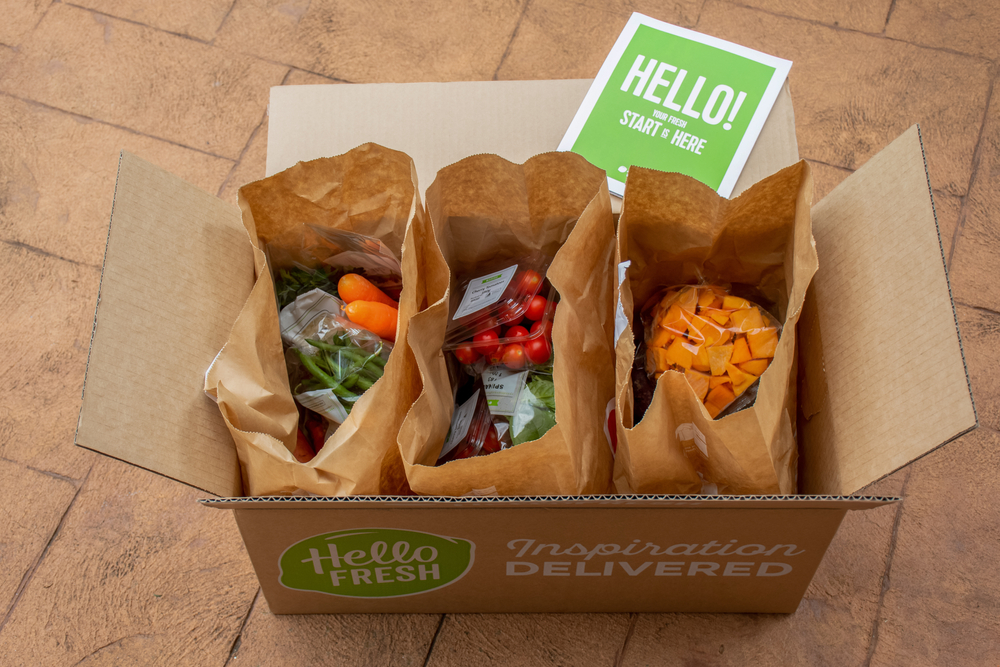
Meal kits and prepared boxes feel like the perfect middle ground between cooking and takeout. You skip the planning, avoid wandering grocery aisles, and still get something that looks like a real dinner. For many couples, that convenience feels worth it because it reduces decision fatigue and makes weeknights smoother.

The catch is that the real cost isn’t just the advertised price per serving. Once you add in the extra groceries you still buy, the “backup meals” you keep for busy nights, and the subscription creep that happens over time, the total can surprise you. If you like meal delivery, you don’t need to quit, but you do need to price it honestly.

The Sticker Price Isn’t The Full Weekly Total

Most services show a neat per-serving number that looks comparable to dining out. The problem is that the per-serving price rarely includes add-ons, premium meals, or the occasional upgrade you click when you’re bored of chicken bowls.

Taxes and delivery fees can also change the math depending on location and promos. Even small charges feel bigger when they happen every week. If you don’t track the full order total, it’s easy to underestimate how much you’re spending. This is the first reason meal delivery feels cheaper than it actually is.

What You Still Buy At The Grocery Store

Meal kits don’t replace everything, they replace some dinners. You still buy breakfast, lunches, snacks, coffee, and household basics, plus ingredients for nights when you don’t want the kit meal. Many couples also keep “emergency food” on hand, like frozen pizza, pasta, or takeout menus, because life doesn’t follow a delivery schedule.

If you keep buying groceries the way you always have, meal delivery becomes an add-on instead of a replacement. That’s when the budget starts feeling squeezed even though you’re “not eating out as much.” To see the truth, you have to combine the grocery total with the delivery total.

1. The Hidden Add-Up: Cost Per Dinner Across A Whole Month

The easiest way to evaluate value is to stop thinking per box and start thinking per month. Count how many dinners you actually eat from the service, not how many you intended to eat. Add up every charge over four weeks, including skipped weeks that still slipped through or last-minute add-ons.

Then divide by the number of dinners that truly replaced a grocery-cooked meal. That number is your real cost per dinner, and it’s usually higher than the marketing version. When you do this, meal delivery becomes a clear decision instead of a vibe.

2. Food Waste Can Drop, But Only If Your Schedule Cooperates

Meal kits can reduce waste because ingredients are portioned. Prepared meals can also reduce waste because they remove the “aspirational produce” problem. But waste doesn’t disappear, it shifts, especially when plans change.

If you travel, work late, or decide to go out, those meals can spoil before you use them. Some couples also let kits pile up because they feel like work on a night when they’re tired. When waste shows up, meal delivery stops being efficient and starts being expensive.

3. The Convenience Premium Can Train Your Expectations

One reason these services feel worth it is that they remove friction. Over time, that can train you to expect dinner to be easy, which makes regular grocery cooking feel annoying. Then you start paying for convenience in more places, like coffee, lunch, and weekend meals.

This is how lifestyle creep sneaks in through food choices. It’s not just about the box cost, it’s about the habits it builds. When you watch the pattern, meal delivery sometimes becomes the gateway to higher overall food spending.

4. Promo Pricing Ends, But Habits Stay

Many people start with a discounted intro offer and love the value. Then the discounts drop off and the bill quietly doubles, but the routine remains. At that point, it feels hard to quit because the service has become part of how you manage your week.

This is why it helps to decide in advance what price makes it worth keeping. If your total rises above that number, pause the service for a month and reset. Meal delivery should be a choice, not an autopilot expense.

5. A Smarter Way To Use Meal Delivery Without Overpaying

The best approach is using it as a targeted tool, not a default. Pick the busiest weeks for delivery and plan cheaper weeks around pantry meals and simple repeats. Keep one “fast grocery list” of five dinners you can cook quickly so you don’t fall back into takeout when you pause.

If you love the variety, alternate between kit weeks and grocery weeks to keep boredom low. Also set a hard cap on add-ons and premium meals, because those inflate the average fast. When you use it intentionally, meal delivery can still fit a budget.

Keep The Ease, Lose The Surprise Total

Convenience can be worth paying for, especially when it reduces stress and helps you eat at home. The problem is paying for it without realizing how much it’s stacking on top of your regular grocery spending. Add up a full month, divide by the dinners you actually ate, and compare it to your normal grocery cost per meal.

If the number still feels fair, keep it and build rules around add-ons and waste. If it doesn’t, scale it back to your busiest weeks and lean on simple backup meals the rest of the time. Meal delivery works best when the math matches the feeling.

If you added up a full month of meal kits or prepared meals, would you keep it, scale it back, or cancel it—and why?

What to Read Next…

The “High Standards” Spending Pattern That Wrecks Goals

Why “We Make Good Money” Still Feels Like Not Enough

The One Bill That Spikes After You Move In Together

7 Subtle Spending Habits That Add Up in Child-Free Homes

The Quiet Budget Category That’s Secretly Eating Dual-Income Paychecks

The Grocery Habit That Splits Couples Into Two Camps

The Grocery Habit That Splits Couples Into Two Camps
Image source: shutterstock.com

Couples don’t usually argue about groceries because of the groceries. They argue because groceries expose two totally different styles of decision-making: the “stock up and feel secure” camp and the “buy what we need and keep it simple” camp.

One person sees a deal and thinks about future savings, while the other sees clutter, spoilage, and a bigger bill today. The tension gets worse when both people feel like they’re being practical and the other person is being reckless. This is why a single grocery habit can become a recurring, low-grade conflict that shows up every week. The good news is that you don’t need the same style to shop well together, but you do need a shared rule.

The Two Camps: Stock-Up Shoppers Vs. Fresh-Buy Shoppers

Stock-up shoppers love stability and hate running out. They grab extras when prices drop, buy in bulk, and feel calmer when the pantry is full. Fresh-buy shoppers value flexibility and hate waste.

They prefer smaller trips, fewer duplicates, and buying what sounds good for the next few days. Neither approach is wrong, but they optimize for different things. Without an agreement, the grocery habit turns into a tug-of-war between security and simplicity.

Why This Grocery Habit Creates More Conflict Than It Should

Groceries are frequent, which means small disagreements repeat fast. One partner sees the other’s choices as “not thinking ahead” or “wasting money,” and that story sticks. The cart also becomes a proxy for bigger values, like how risk-averse you are, how you handle uncertainty, and what you consider responsible.

Add in inflation anxiety and the fact that everyone is tired after work, and patience drops quickly. When you don’t define the goal, both people shop toward different outcomes. That’s when a normal grocery habit starts feeling personal.

1. How To Spot The Real Cost: Not Just The Receipt

Stocking up can save money, but only if items get used before they expire. Fresh buying can reduce waste, but only if it doesn’t trigger too many last-minute trips with impulse add-ons. The true cost includes spoilage, duplicate purchases, and the “convenience premium” of extra stops.

It also includes storage space, because cluttered cabinets lead to forgotten items. Couples often debate the total without tracking what actually happens at home. If you want to fix the grocery habit, track outcomes for one month instead of arguing in theory.

2. Set A “Stock-Up List” And Keep It Short

Most conflicts happen because stocking up spreads to everything. Create a short list of items that are allowed to be stockpiled, like coffee, pasta, canned goods, toiletries, and frozen staples. These are low-spoilage, high-use items that won’t rot in the fridge.

Agree on a maximum quantity, like “two backups” or “one extra case,” so the pantry doesn’t become a warehouse. This gives stock-up shoppers a place to use their deal-hunting instinct responsibly. It also keeps the grocery habit from expanding into every aisle.

3. Use A Two-Budget System: Now Money Vs. Later Money

A simple fix is dividing grocery spending into two buckets. The first bucket is weekly food, meant for meals and normal staples. The second bucket is stock-up money, meant for rare deep discounts and bulk buys.

When the stock-up bucket is empty, you don’t stock up, even if the deal is good. This removes blame because the rule is the rule, not one partner “winning.” It also turns the grocery habit into a shared strategy instead of a debate.

4. Create One Shared Rule For Impulse Items

Impulse items are where most couples lose trust fast. One person sees a “small treat,” while the other sees a pattern that grows the bill. Decide on a simple rule like “two impulse items per trip” or “one treat each.”

If you want it tighter, set a dollar cap for unplanned items. This approach keeps shopping fun without turning the cart into a surprise. It also removes the need to police each other in real time. A clear impulse rule can calm the grocery habit immediately.

5. Plan For Waste Like It’s A Budget Line

Waste will happen, so pretending it won’t only creates guilt. Instead, agree on a small monthly “waste allowance” and try to keep it low. If waste is consistently high, adjust the system rather than blaming a person.

Build in one leftover meal each week and one “use-it-up” meal that clears produce. Freeze extras early instead of waiting until food is on the edge. When you handle waste like a shared problem, the grocery habit becomes easier to manage.

Shop Like A Team, Not Two Separate People

The best grocery systems feel boring in the moment and amazing in the bank account. Decide which items can be stockpiled, how much is allowed, and what the impulse rule is. Split spending into weekly food money and stock-up money so the receipt doesn’t become a surprise.

Track results for a month, then adjust based on what actually gets eaten. When you define the rules, you stop fighting about personality and start collaborating on outcomes. That’s how a grocery habit stops splitting couples into camps and starts supporting the life you’re building together.

Are you the stock-up shopper or the fresh-buy shopper, and what rule would make grocery trips feel easier in your household?

What to Read Next…

The “High Standards” Spending Pattern That Wrecks Goals

14 DINK Arguments That Start Over Money But End Somewhere Deeper

The Quiet Budget Category That’s Secretly Eating Dual-Income Paychecks

The Joint Account Rule That Reduces Money Fights Fast

Why Splitting Everything 50/50 Can Still Feel Unfair

What It Really Costs to Maintain a “Nice Life” in 2026

What It Really Costs to Maintain a “Nice Life” in 2026
Image source: shutterstock.com

A “nice life” sounds simple until it becomes a moving target. It’s the clean, comfortable home, the reliable car, the occasional weekend getaway, the gym membership you actually use, and dinners out that don’t feel like a special occasion anymore.

The tricky part is that these upgrades often arrive one at a time, so the total cost stays invisible until the monthly budget starts feeling tight. In 2026, the price of convenience, subscriptions, and “small lifestyle treats” can stack faster than most people expect. If you want a realistic picture of what a nice life costs, you need to add up the quiet line items, not just the big bills.

The “Nice Life” Budget Starts With Housing Plus All The Extras

Housing isn’t just rent or a mortgage, it’s the full package that makes a place feel livable. Utilities, internet, renter’s insurance or homeowners insurance, and routine maintenance turn a basic payment into a real monthly number. Furnishings and home upgrades often sneak in through “one-time” purchases that happen repeatedly, like new rugs, storage, lighting, or a better mattress.

Even small things like air filters, pest control, and seasonal yard care add up over a year. A nice life usually includes comfort, and comfort tends to come with ongoing upkeep. When you price it honestly, housing is the foundation that decides how easy everything else feels.

Transportation Costs Are Often Higher Than People Admit

A reliable car is often viewed as a must, but reliability has a price tag beyond the payment. Insurance, registration, fuel, maintenance, and repairs don’t stop just because the car is paid off. If you upgrade to avoid headaches, you might trade repair uncertainty for a higher monthly payment and higher insurance.

Parking, tolls, and the occasional rideshare can quietly become routine spending, especially in busier months. Even public transit users often add convenience costs, like occasional car rentals or last-minute rides. A real budget accounts for transportation as a system, not a single bill.

Subscriptions And Memberships Create Lifestyle Creep

Most people don’t have just one subscription; they have the pile of them. Streaming services, music, cloud storage, app memberships, and “premium” upgrades can become a second utility bill. Fitness memberships, class packs, and wellness apps also count, even if they’re justified as “health spending.”

The danger is automatic renewal, because you stop evaluating whether the service still earns its spot. If you want a nice life without paying extra for forgetfulness, audit subscriptions every quarter. This is one of the fastest ways to keep things from turning into a silent budget drain.

Food And Convenience Spending Is The New Luxury Category

In 2026, the biggest lifestyle shift for many households is how often convenience food shows up. Delivery fees, pickup upcharges, coffee runs, and “quick dinners” can cost more than a planned grocery budget, even if the meals aren’t fancy.

A nice life often includes less cooking stress, but that convenience comes with a predictable premium. Restaurants also feel more frequent when they become the default social plan. The fix isn’t cutting everything, it’s setting a weekly convenience budget so spending stays intentional. When you put boundaries around it, things stay enjoyable instead of guilt-inducing.

Travel And Weekend Getaways Add Up Even When You “Travel Cheap”

A quick trip can look affordable until you count the full stack of costs. Gas or flights, lodging, meals out, and activity spending often move together, even on low-key weekends. You might also pay for travel gear, pet care, or extra rideshares that don’t show up in the booking confirmation.

If you take several small trips per year, they can cost more than one planned vacation because you don’t optimize spending. A realistic approach is building a travel sinking fund and treating it like a bill. That keeps the nice life fun while making the cost visible.

Personal Care And “Looking Put Together” Has A Monthly Price

A polished lifestyle tends to include haircuts, skincare, grooming, and occasional wardrobe upgrades. Even if you’re not chasing luxury brands, replacements happen regularly when you want to look current and feel confident. Add in dental visits, glasses or contacts, and preventative health spending, and the total becomes more meaningful than people assume.

Many households also pay for time-saving services like dry cleaning, tailoring, or wash-and-fold laundry. None of these are bad choices, but they need a budget line because they repeat. This category is a major reason a nice life can cost more than expected.

The Hidden “Nice Life” Costs Are Fees, Tips, And One-Offs

Fees are the tax of modern living, and they show up everywhere. Delivery charges, service fees, convenience fees, resort fees, ticketing fees, and tips can inflate spending without improving your experience. One-off purchases also hit harder when you’re maintaining a certain standard, like replacing a phone, upgrading a laptop, or buying a last-minute gift.

Home projects have their own version of this, like tools, supplies, and minor fixes that never make a headline in your budget. The solution is building a buffer category that covers life’s friction costs. A buffer keeps the situation from becoming financially stressful.

How To Keep A “Nice Life” Sustainable In 2026

A sustainable lifestyle isn’t about cutting everything, it’s about choosing what “nice” means for you and paying for it on purpose. Start by listing your top three quality-of-life priorities, then fund those first and trim the rest. Combine small categories into fewer buckets so you can actually track them, like “food convenience,” “subscriptions,” and “getaways.”

Set a monthly cap for each bucket and automate savings for the things you truly care about. Then review once a month so lifestyle creep doesn’t quietly reset your baseline. When you define it clearly, everything stays enjoyable without requiring constant financial catch-up.

What’s one upgrade you love, and what’s one you’d cut tomorrow if you wanted your budget to feel easier?

What to Read Next…

How Dual Earners Accidentally Build Lifestyle Inflation Without Realizing It

The Hidden Cost of “Nice” Apartments That DINK Couples Don’t Notice

10 Everyday Splurges That Destroy Net Worth Over Time

7 Pet Expenses That Rival the Cost of Raising Children

6 Lifestyle Upgrades Couples Regret Paying For

The “High Standards” Spending Pattern That Wrecks Goals

The “High Standards” Spending Pattern That Wrecks Goals
Image source: shutterstock.com

High standards sound like a virtue until they start showing up on your credit card statement. It usually starts small: better groceries, nicer shoes, upgraded flights, the “good” skincare, and the version that lasts longer. None of those choices are wrong on their own, but together they can create a quiet leak that drains your goals month after month. The problem isn’t wanting quality, it’s how the upgrades become automatic, emotional, and nonstop. If you recognize this spending pattern early, you can keep your standards and still hit your targets.

1. You Upgrade by Default Instead of by Decision

The first sign is when the premium option becomes your normal. You stop asking “do I need this?” and start asking “which of the best ones should I get?” This turns every purchase into a mini lifestyle vote, not a simple transaction. Over time, default upgrades make your baseline cost of living climb without you noticing. A healthier approach is choosing a few categories to upgrade on purpose and keeping the rest boring.

2. “Quality” Becomes a Catch-All Justification

Quality matters, but it can become a magic word that ends the conversation. You tell yourself it’s an investment, even when the purchase is mostly about vibe, convenience, or stress relief. The spending pattern gets dangerous when “quality” replaces any actual cost-benefit thinking. If you can’t explain what problem it solves besides feeling better right now, it might be a comfort buy in disguise. You can still buy nice things, but you want your reasoning to be real.

3. You Pay for Standards You Don’t Actually Use

High standards sometimes show up as “best possible” even when your life doesn’t require it. You buy professional-grade gear for a hobby you do twice a month, or you keep subscriptions for features you never touch. The issue isn’t the item; it’s the mismatch between your spending and your actual routine. This is where the money goes quietly, because each charge feels reasonable in isolation. Once you audit what you truly use, this spending pattern gets easier to cut without feeling deprived.

4. You Confuse Consistency With Identity

When high standards become part of your identity, you start protecting them like a personality trait. You’ll drive farther, pay more, or refuse alternatives because it feels like “settling.” That identity pressure can make saving feel like self-betrayal instead of a smart choice. The fix is reframing. Saving is also a standard, and so is keeping promises to future you. Identity-driven spending pattern loops break when you decide your goals are part of who you are.

5. Spending Pattern Problems Show Up as “Random” Overspending

You might swear you don’t spend that much, but your totals keep surprising you. That’s because the damage often comes from many medium upgrades, not one giant purchase. A nicer coffee here, delivery there, premium add-ons, upgraded seats, and “just this once” conveniences stack up. When you review your month, it looks like a bunch of separate choices, not a system. Naming it as a spending pattern helps you fix the system instead of blaming willpower.

6. You Overvalue Convenience When You’re Tired or Busy

High standards spending spikes when you’re stressed, rushed, or depleted. Convenience becomes the default, and premium becomes the shortcut to relief. That might look like expensive lunches, impulse grocery upgrades, last-minute booking fees, or paying extra to avoid minor discomfort. None of it feels dramatic in the moment, but it consistently steals from long-term goals. The answer isn’t guilt, it’s building “easy” options that don’t cost as much.

7. You Set Goals but Don’t Set Guardrails

A goal without rules is just a wish with a spreadsheet. If you want to save more, you need guardrails that define what “high standards” means in your real life. Choose three categories where you spend freely and set a simple cap or rule for everything else. For example, you might upgrade restaurants but not daily delivery or buy quality shoes but keep clothing basics simple. Guardrails turn a vague intention into daily decisions that actually support your goals.

8. You Don’t Have a “Good Enough” List

Most people don’t overspend because they love spending, they overspend because they hate uncertainty. They buy the premium option to avoid buyer’s remorse or the fear of picking wrong. A “good enough” list solves that by giving you pre-approved brands and price ranges for common categories. When you shop, you already know what counts as acceptable, so you don’t spiral into upgrades. This is one of the fastest ways to tame a spending pattern without feeling like you’re lowering standards.

9. You Ignore the Compounding Cost of Upgrades

A $10 upgrade doesn’t feel like much until it happens 20 times a month. A $30 upgrade doesn’t feel like much until it repeats every weekend. High standards spending is rarely a one-time event; it’s a habit with compounding costs. Once you see the monthly total, you can decide which upgrades are truly worth it. The math turns “it’s fine” into “wow, that’s my vacation fund.”

The Standard That Matters Most

You don’t need to stop liking nice things, but you do need to decide what “nice” is for your life right now. The goal is to upgrade on purpose, not by reflex, and to protect the future you’re trying to build. When you set guardrails, define “good enough,” and treat saving as a standard too, you’ll feel more in control without feeling restricted. Your money starts matching your priorities instead of your mood.

What’s one category where you’d keep high standards, and one where you’d happily downgrade to reach a goal faster?

What to Read Next…

7 Subtle Spending Habits That Add Up in Child-Free Homes

The “Fun Money” System That Keeps High Earners From Blowing It

Lifestyle Upgrade Trap: Why DINKs Are Spending More — And What’s Eroding Your Freedom

The Quiet Budget Category That’s Secretly Eating Dual-Income Paychecks

Why Some Couples Without Children Regret Their Spending Although They’re Affluent

The Hidden Relationship Risk of Being a Two-Income Household

The Hidden Relationship Risk of Being a Two-Income Household


Image source: shutterstock.com

Two paychecks can make life feel smoother fast. Bills get paid on time, savings grows, and the “we’re fine” feeling can become the default. But that same comfort can hide small disconnects until they turn into big ones, especially when both partners are busy and tired. Money stops feeling urgent, so conversations get postponed, assumptions stack up, and resentment can quietly take root. If you want the upside of two incomes without the downside, it helps to name the relationship risk early and build a few habits that keep you on the same team.

1. You Stop Talking Because Everything Seems “Handled”

When money feels stable, it’s easy to treat finances like background noise. One person pays the bills, the other trusts it’s fine, and nobody checks in unless something breaks. That’s where the relationship risk starts, because silence creates room for misunderstandings. A missed goal, a surprise charge, or a lifestyle upgrade can land like betrayal when it wasn’t discussed. A short weekly check-in keeps “fine” from turning into “why didn’t you tell me.”

2. Lifestyle Creep Becomes a Shared Blind Spot

Two incomes can make upgrades feel harmless: nicer groceries, more takeout, better holidays, and subscriptions that “barely cost anything.” The issue is that these choices add up, and they often happen without a clear agreement. If one partner values comfort now and the other values long-term freedom, the gap widens quietly. Over time, one person may feel controlled while the other feels unsupported. Naming the trade-offs upfront lowers the relationship risk and keeps spending aligned with what you both want.

3. You Assume Equal Pay Means Equal Sacrifice

Even in a two-income household, workloads and stress levels can be wildly different. One job may be flexible while the other is draining, yet the money can make it look “even.” If one partner carries more emotional labor or household tasks, resentment grows fast. Money can’t compensate for feeling alone in the day-to-day grind. A fair setup is one you both agree is fair, not one that looks balanced on paper.

4. “My Money” vs “Our Money” Turns Into a Fight Later

Some couples keep everything separate, others combine it, and many do a hybrid without defining it clearly. Problems show up when purchases start affecting shared goals like paying off debt, saving for a home, or taking time off work. If you don’t define what’s personal and what’s shared, you end up negotiating mid-argument. That’s a sneaky relationship risk because it feels like it’s about money, but it’s really about trust and boundaries. A simple set of rules beats a vague vibe every time.

5. Career Pressure Crowds Out Connection

Two incomes often come with two demanding schedules. When both partners chase promotions, side hustles, or performance goals, the relationship can become the thing you “get back to” later. Date nights get replaced by errands, and real conversation gets replaced by logistics. Then, when stress spikes, you might find you’ve lost your easy closeness. Protecting connection is part of financial health because burnout and distance can cost more than any budget mistake.

6. Relationship Risk Increases When You Avoid “Awkward” Topics

A lot of couples can talk about groceries and bills but avoid deeper issues. Things like spending triggers, family pressure, debt shame, and long-term priorities can feel too heavy for a weeknight. But avoiding them doesn’t make them disappear, it just delays the impact. In a two-income household, it’s easy to mask problems with convenience and comfort. The fix is to schedule the hard talks when you’re calm, not when you’re already frustrated.

7. You Don’t Plan for What Happens if One Income Pauses

Stable income can create a false sense of invincibility. If someone gets sick, burns out, loses a job, or decides to change careers, the financial shift can feel like a personal failure instead of a normal life event. Couples who never discuss “what if” scenarios often panic or blame each other when it happens. A simple backup plan protects both your money and your mood. It also reduces the relationship risk because you’re facing the future together, not reacting separately.

8. Financial Competence Becomes Uneven Over Time

When one partner becomes the default money manager, the other can slowly lose confidence. That can feel fine for years, until an emergency, a breakup, or a death forces quick decisions. Uneven knowledge can also create a power imbalance, even if nobody intends it. The partner “in charge” may feel burdened, while the other feels shut out or judged. Sharing the basics keeps both people empowered and lowers friction.

9. You Lose the Skill of Negotiating Small Stuff

Comfort can make couples stop practicing compromise. If you can afford to avoid conflict by just buying the thing, you miss chances to learn each other’s priorities. Small negotiations about spending, time, and energy are where you build teamwork. When you skip those reps, big conflicts hit harder because you’re out of practice. Regular, low-stakes decisions protect against that long-term relationship risk.

The Two-Income Advantage That Lasts

Two incomes can be a huge gift, but it works best when you treat it like a shared project, not a permanent safety net. Keep talking, set clear rules, plan for change, and protect connection the same way you protect savings. The goal isn’t perfection; it’s staying aligned while life shifts around you. When you handle money as a team, you reduce stress and keep trust strong.

What’s one money conversation you’ve been putting off that would make your relationship feel lighter this month?

What to Read Next…

The Money Boundary That Prevents Relationship Resentment

How Financial Equality Creates Power Struggles No One Talks About

8 Smart Ways Child-Free Couples Avoid Relationship Drift

The Financial Conversation Couples Avoid Until It’s Too Late

7 Signs Your DINK Lifestyle Is Secretly Hurting Your Relationship

You cannot copy content of this page