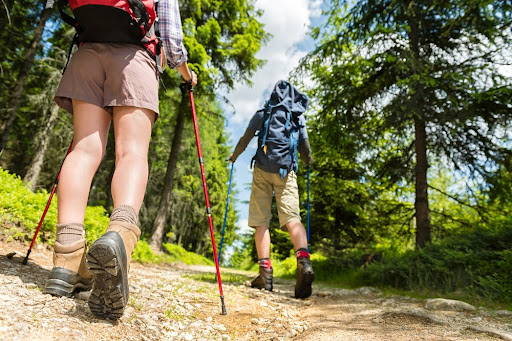
Hiking can be a rewarding way to connect with nature—and each other. As a couple, setting off on new trails can help you build trust, enjoy shared experiences, and improve your physical health. Whether you’re seasoned adventurers or just beginning to explore local paths, preparation is key. Before you lace up your boots, it’s worth considering a few essential factors that will keep your outings safe, enjoyable, and conflict-free. From trail selection to physical readiness and legal considerations, knowing what to expect can make all the difference in creating memorable—and safe—hiking experiences with your partner.
Discuss Legal and Safety Considerations
While hiking may seem like a low-risk activity, accidents can happen—especially on rocky or unfamiliar trails. If one of you is injured, you may be surprised to learn that legal recourse, such as filing a personal injury claim, often comes with a time limit. According to Ohio Laws & Administrative Rules, personal injury claims generally carry a two-year statute of limitations from the date of injury. This makes it essential to report incidents promptly and seek proper medical attention, even for injuries that seem minor at first. It’s also wise to discuss how an injury might affect your shared responsibilities, including how to finance any unexpected medical costs.
Choose the Right Trail for Both of You
Not all hiking trails are created equal, and choosing the wrong one can turn a pleasant hike into a stressful ordeal. Snow Canyon State Park in Utah, for example, has over 38 miles of trails, offering a wide range of difficulty levels and scenery. Selecting a trail that matches both partners’ abilities and interests ensures a smoother experience. Consider elevation gain, terrain type, and trail length when deciding where to hike next, and communicate openly about your comfort levels beforehand. Planning ahead also allows you to finance gear, permits, or travel expenses in a way that fits your budget.
Prepare for Environmental Impact
Many couples overlook how hiking intersects with everyday suburban life. Since 81% of Americans have a lawn, according to Business Wire, people often forget how much effort it takes to maintain natural environments outside the home. On the trail, that means practicing Leave No Trace principles—pack out your trash, stay on marked paths, and avoid disturbing wildlife. Respecting nature not only preserves the experience for others but also fosters a deeper appreciation between you and your spouse as caretakers of the outdoors. If you plan to hike regularly, you might consider setting aside funds to finance park memberships or conservation donations as a way to give back.
Communicate Clearly and Often
Effective communication is one of the most important tools when hiking as a couple. Whether you’re discussing pace, navigating obstacles, or adjusting to unexpected weather, staying in sync can prevent small frustrations from growing into full-blown arguments. It’s also important to check in with each other before and during the hike about energy levels and goals. Doing so keeps the trip enjoyable and reinforces your ability to work as a team—even in challenging conditions.
Gear Up and Train Accordingly
Good gear doesn’t have to be top-of-the-line, but it should be functional, weather-appropriate, and comfortable. Footwear, especially, plays a major role in reducing fatigue and preventing injury. In addition to the right gear, consider conditioning hikes or walking routines to build stamina before tackling longer treks. If you’re planning to make hiking a regular activity, it’s a good idea to finance your gear purchases gradually, prioritizing essentials first and investing in long-lasting items over time.
Taking up hiking as a couple offers the chance to deepen your relationship while enjoying the beauty of the natural world. When you’re mindful of trail choices, legal matters, environmental respect, communication, and preparation, each outing becomes an opportunity for connection and growth. With a bit of foresight and shared commitment—including how you finance your adventures—hiking can become one of the most enriching activities you and your spouse experience together.