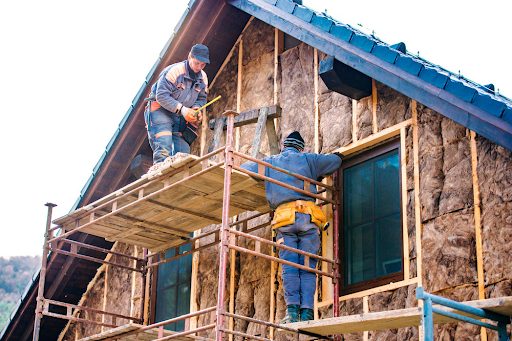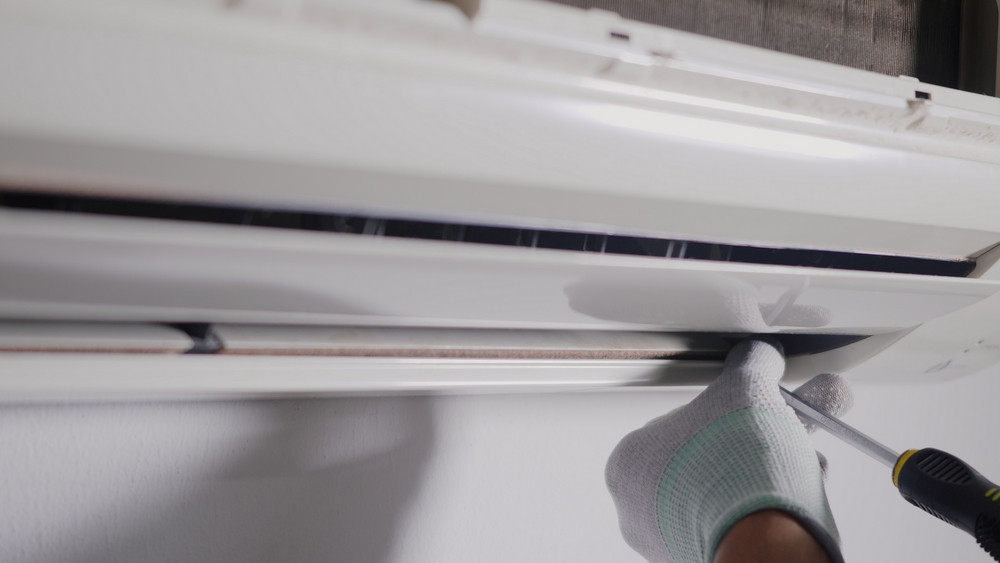
Protecting Your Finances: The Role of House Insurance

As homeowners, protecting financial investments is paramount. House insurance not only safeguards the physical structure of a home, but it also plays a crucial role in protecting one’s economic well-being. 

The Coverage House Insurance Provides

House insurance offers comprehensive coverage that extends beyond just the structure of the home. It typically covers repairs to both the home and personal property in the event of damage from various causes such as fire, theft, and certain natural disasters. At its core, house insurance aims to minimize financial setbacks that homeowners might face after an unexpected event.

Remarkably, a report from MoneyGeek highlights that 93% of homeowners are diligent about maintaining insurance coverage. This widespread adoption indicates a broad understanding among homeowners of its financial protection benefits. With so many potential risks, having house insurance is seen less as an option and more as a financial necessity.

Some insurance policies also provide assistance with living expenses during repair periods, further cushioning homeowners from unexpected costs. Despite the high percentage of coverage, not all homeowners are aware of the full breadth of their policy’s benefits. Some policies may also offer liability protection, which can cover costs related to injuries that occur on the property. Proper understanding and assessment of one’s policy are crucial to ensure comprehensive financial protection.

Protecting Against Water-Related Damages

One of the most common and costly issues homeowners face is water damage, which often comes unexpectedly. Plumbing leaks, for instance, are a frequent household issue that can lead to significant financial strain. According to FloLogic, such leaks lead to claims that exceed $13 billion annually in the United States, underscoring the financial importance of having the right insurance coverage.

Many insurance policies cover water damage caused by plumbing failures, protecting homeowners from the heavy financial burden of repairs. Understanding the specifics of what your house insurance covers in terms of water damage can prevent substantial out-of-pocket expenses. Homeowners must evaluate their insurance policy to understand its coverage limits thoroughly.

It’s essential to conduct regular maintenance checks to identify potential sources of water damage before they become major problems. Moreover, certain regions are particularly susceptible to water-related incidents due to their geographical location. For these homeowners, investing in additional coverage like flood insurance might be a prudent financial decision. Recognizing the potential risks specific to one’s home can be a key factor in safeguarding one’s finances effectively.

Understanding Flood Insurance and Financial Impacts

Flooding is a natural disaster that can cause catastrophic financial damage if not properly insured against. Even areas not traditionally prone to flooding have seen an increase in such incidents due to climate change and shifting weather patterns. The National Flood Insurance Program (NFIP) has been a vital resource, with average claims paid out at $66,000 as per This Old House, highlighting the high potential recovery cost.

This data reflects the level of financial devastation homes can face without proper flood coverage. Without insurance, homeowners could find themselves facing insurmountable repair costs. Therefore, it is an essential part of a comprehensive risk management strategy for many people living in vulnerable areas.

Securing flood insurance can alleviate the financial impact of such an event, proving to be an indispensable aspect of homeownership in certain areas. This additional layer of protection ensures that homeowners are not left covering all repair costs alone. Preparedness mitigates risk, making insurance not just about protecting property but safeguarding future financial stability.

House insurance plays a vital role in financial protection for homeowners. From structural damage to liability, insurance policies provide wide-ranging coverage options. By being proactive and well-informed about one’s house insurance policy, homeowners can ensure financial peace of mind and readiness for any unexpected events.

The Numbers Behind the Split: Debt Trends, Divorce Rates, and Equitable Distribution Factors

Divorce, while often an emotional journey, is equally about numbers and equitable divisions. In a landscape where financial disputes often arise, understanding debt trends and the factors influencing asset distribution can ease the process. This article delves into these intricate details, providing insights into how they shape divorce proceedings and what couples could anticipate during such challenging times.

Debt Dynamics in Marital Relationships

In the complex world of marriage, debt dynamics play a pivotal role, often influencing not just daily living but the very foundation of a relationship. Research by Unbiased highlights an intriguing trend: a striking 86% of couples are reportedly tying the knot while also carrying debt, a number significant enough to influence spousal disputes significantly. This intersection of love and financial obligation inevitably strains relationships, sometimes culminating in a legal dissolution.

Debt incurred before marriage can often become a shared marital burden, complicating financial stability and leading to potential disputes. The challenges arise particularly around debt management during divorce proceedings, where determining equitable responsibility is crucial. The weight of debt in contributing to marital strife cannot be understated, as it often becomes a leading factor in disagreements.

Financial pressures compound over time, escalating tensions and disagreements, which may exacerbate divorce proceedings. When relationships start under the burden of owed money, the stress can become a divisive element. Therefore, understanding debt management and its implications becomes essential for couples aiming to minimize friction and find an amicable resolution during a split.

The Realities of Divorce Rates

Statistics about the dissolution of marriages tell a stark story of modern relationships. According to well-cited research by the National Library of Medicine, 41% of first marriages in the US do not last, marking a significant trend in how relationships evolve. This noteworthy statistic fuels discussions about the financial intricacies tied deeply into divorce, often leading to unavoidable spousal disputes.

The high divorce rates urge couples to consider prenuptial and postnuptial agreements. By addressing financial matters early on, they can potentially defuse future spousal disputes. These agreements function as preemptive steps to manage expectations and distributions should the marriage come to an end.

Furthermore, societal shifts, such as changing attitudes towards marriage and increasing autonomy, contribute to these statistics. As people place greater importance on personal financial independence, the implications of divorce rates extend beyond mere numbers. They call attention to the broader societal attitudes and the need for strategic approaches to marriage and money.

Factors Influencing Equitable Distribution

When it comes to splitting marital assets, few understand the complexities until faced with the reality of divorce. Common assumptions might suggest an equal 50/50 split, yet legal guidelines, especially from bodies like the North Carolina State Legislature, show that judges often consider various factors. These factors ensure a fair division, addressing potential spousal disputes proactively.

Factors that influence asset distribution may include the length of the marriage, each partner’s financial contribution, and support required for dependents. By evaluating such elements, courts aim to reach a decision reflecting each party’s circumstances equitably. This thoughtful approach to asset division underscores the importance of personalized legal advice tailored to individual cases.

Additionally, understanding regional differences in asset division can help partners manage expectations. In response to this, legal systems provide frameworks that accommodate personal situations, aiming for fairness rather than strict numerical equality. This approach to equity over equality helps mitigate potential ongoing disputes regarding asset distribution during divorce.

While divorce might be inevitable for some, understanding the numbers and strategic planning can turn a potentially adversarial process into a manageable resolution. From juggling debt obligations to navigating high divorce rates and complex asset distributions, each aspect demands careful consideration. Ultimately, awareness and proactive management of these factors can lead to less contentious and more equitable outcomes amidst the challenges of ending a marriage.

The True Cost of Plumbing: What Homeowners Need to Know

Maintaining a home is not just about landscaping and interior decor but also about keeping critical systems, such as plumbing, in top shape. However, when plumbing issues arise, homeowners often find themselves overwhelmed by the cost of repairs. Understanding the financial implications of plumbing is crucial for homeowners to plan effectively. From emergency services to hourly rates, there are various factors influencing these costs. This article delves into what makes up the real cost of plumbing services, equipping homeowners with the necessary finance-related knowledge to make informed decisions.

The Unexpected Expense of Emergency Plumbing

Even with proper maintenance, plumbing issues can arise unexpectedly and necessitate immediate attention. Unfortunately, these emergency plumbing services come with a significant price tag. According to an insightful report by Forbes, emergency plumbing can be double or triple the cost of standard services. This considerable increase can easily upset even the most well-planned household budget.

One reason for this surge in prices is the immediacy and inconvenience associated with unnecessary plumbing problems. Emergency services often require a plumber to prioritize this urgent task over other scheduled jobs, which reflects in the cost. Thus, preparing financially for such situations is key.

From a broader finance perspective, avoiding the need for emergency plumbing is often the most economical option. Homeowners should regularly inspect their plumbing systems to identify issues early, thus avoiding the surprise of drastic financial overheads resulting from emergency calls. Regular maintenance and small repairs could save significant funds over time.

Prevalence of Plumbing Repairs

Plumbing repairs are not as uncommon as one might hope. A recent survey conducted by Consumer Affairs in 2023 revealed that approximately 27.94% of homeowners had to address plumbing issues within the year. This alarming percentage highlights the frequency of plumbing concerns that occur unexpectedly.

The prevalence of these issues underscores the importance of factoring in repair costs into household budgets. By anticipating potential distribution in plumbing, homeowners can allocate funds accordingly, safeguarding their financial stability. It also encourages homeowners to consider home warranties that cover plumbing systems, offering financial protection against frequent issues.

Incorporating such insights into financial planning allows homeowners to proactively manage the true cost of homeownership, rather than being blindsided by unplanned expenses. Understanding the frequency of plumbing needs aids in establishing a financial safety net, ensuring peace of mind when such issues inevitably arise.

Understanding Standard Plumbing Costs

Plumbing repairs often require professional intervention, and knowing the baseline costs can enable homeowners to budget appropriately for these services. According to a reliable resource from Forbes, the hourly rate for plumbing services can range between $45 to $200, dependent on the complexity and specifics of the job. This substantial variation suggests homeowners must assess their plumbing needs thoroughly before hiring a professional.

The variance in cost is attributed to factors such as the plumber’s experience, the job’s urgency, and the regional cost-of-living differences. Homeowners should seek multiple quotes to compare options and should engage with knowledgeable professionals familiar with regional plumbing standards and costs.

Ultimately, effective financial planning for plumbing repairs involves understanding average costs and being aware of variables that may impact those costs. Whether through regular assessments or strategic resource allocation, being financially prepared for standard plumbing repairs can prevent potential financial stress.

Understanding the true cost of plumbing is essential for effective financial management as a homeowner. From the hefty fees associated with emergency services to the frequency of plumbing repairs, these expenses are a regular consideration in the realm of homeownership. By implementing strategic financial planning and budgeting techniques, homeowners can mitigate the financial burden of these inevitable repairs. Approaching plumbing costs with foresight not only ensures timely repairs but also preserves household financial health.

How Routine Auto Maintenance Cuts Costs on Your Next Road Trip

The allure of the open road promises numerous travel opportunities for those seeking adventure and exploration. Yet, amidst the excitement of planning a trip, car maintenance is often overlooked, despite being vital for a stress-free journey. By ensuring your vehicle is in optimal condition, you can not only enhance your driving experience but also significantly cut down unnecessary expenses on your road trip.

Routine auto maintenance goes beyond checking oil levels and filling gas tanks; it is about preserving and extending the vehicle’s lifespan. This proactive approach can prevent potential breakdowns and minimize unexpected stops. For frequent travelers, this means more time to explore scenic routes and exciting destinations without worry.

The benefits of regular maintenance stretch further, keeping emissions in check and ensuring optimal fuel efficiency. Embracing this habit not only aids personal budgets but also contributes positively to our environment. This article explores the crucial role routine maintenance plays in cutting road trip costs, backed by expert insights and practical advice.

Essential Maintenance Tasks: What You Need to Know

One critical aspect of vehicle upkeep is maintaining the air conditioning system. Over time, parts such as the A/C condenser may require replacement, typically after 10 years of use, according to CARFAX. Keeping the A/C system in check ensures an enjoyable and comfortable ride during those long summer drives.

Ensuring your car’s windshield is free from substantial damage is another task often underestimated. According to Forbes, if your windshield sports more than three cracks or scratches, it is advisable to seek professional assessment quickly. Addressing minor issues promptly can prevent further damage and costly replacements down the line, saving you both time and money.

The general upkeep of your vehicle can extend its lifespan well beyond expectations. According to Kelley Blue Book, consistent maintenance can keep a car running smoothly up to 100,000 miles and beyond. This commitment to maintenance not only preserves vehicle value but also provides peace of mind, allowing you to focus on the joys of travel.

Cost-Effective Travel: How Maintenance Saves You Money

For those who enjoy frequent travel opportunities, adhering to a regular maintenance schedule can keep expenses low. By maintaining engine equipment in top condition, your vehicle runs more efficiently, reducing overall fuel consumption costs. This results in considerable savings, leaving more resources to explore new and exciting destinations.

Unexpected breakdowns can lead to abrupt itinerary changes, increased stress, and unplanned expenditure. Maintaining car health through regular oil changes, brake inspections, and tire checks can avert these unwelcome surprises. These preventive measures are crucial to avoiding high repair costs and ensuring uninterrupted travel plans.

Furthermore, well-maintained vehicles often incur lower insurance premiums. Insurers acknowledge the decreased risk associated with vehicles that are regularly serviced, leading to cost savings for the driver. With more funds available for spontaneity and enjoyment, travelers can immerse themselves in their journeys worry-free.

As we’ve explored, regular car maintenance is not just an administrative task; it is an investment in future travels and adventures. By ensuring vehicle longevity and reducing unexpected repairs, you create opportunities for seamless travel experiences. It’s not merely about saving money but enhancing the quality and enjoyment of each road trip.

While it may seem like an added chore, routine maintenance is a small price to pay for the wealth of benefits it brings. From cost savings to ensuring safety and reliability, these efforts directly contribute to the success of your travel plans. By dedicating time to preserving your vehicle, you enhance your potential to embark on countless memorable journeys.

So, next time you visualize hitting the road, think ahead and give your car the attention it deserves. Embrace the detailed task of maintenance, and in return, unlock boundless travel opportunities with every mile. Whether you’re an occasional traveler or a seasoned road tripper, this habit promises a more enjoyable and cost-effective travel experience.

How to Save on Annual HVAC Costs

Heating and cooling costs often rise when small inefficiencies build over time. The most reliable savings come from reducing wasted runtime, protecting airflow, and keeping service decisions targeted. You do not need to sacrifice comfort to spend less each year. You need repeatable habits that keep the system operating within its normal range.

Identify What Is Increasing Runtime

Start by noticing when your system works hardest and what is happening in the home at the same time. Hot spots, lingering humidity, and uneven temperatures often indicate that conditioned air is not moving properly. Watch how often the system turns on and off, because rapid cycling can increase energy use and wear. Clear observations help you choose fixes that address causes instead of symptoms.

According to Sensible Digs, air conditioning benefits almost 100 million homes in the United States, which shows how common high summer HVAC costs can be. In many homes, savings come from preventing heat and moisture from entering in the first place, so the equipment does less work. Use blinds or curtains during peak sun, and rely on ceiling fans to make a slightly higher setpoint feel comfortable. Keep doors and windows closed during run cycles so you are not cooling the outdoors.

Protect Airflow to Prevent Waste

Airflow restrictions force HVAC equipment to run longer to reach the same comfort level. Replace filters on a consistent cadence recommended for your system, and keep return grilles and supply vents clear of dust and obstructions. Make sure furniture, rugs, and storage are not blocking vents. Outdoors, keep the condenser area free of debris and trimmed back from vegetation so the unit can breathe.

Make Maintenance an Annual Savings Tool

A professional visit is most valuable when it prevents failures rather than simply confirming that the system powers on. Ask for checks tied to reliability and efficiency, such as electrical connections, drainage, and performance under normal operation. If a part is recommended, request what was observed and what risk it creates. This keeps you focused on evidence-based repairs instead of generic add-ons.

According to Bob Vila, an HVAC system that is well-maintained can last up to 25 years. Longer service life matters because replacement is typically the largest single HVAC expense. Good maintenance also reduces disruptive breakdowns that lead to rushed decisions and premium pricing. Keeping a simple maintenance record can help you spot patterns and evaluate recommendations over time.

Use Thermostat Habits That Avoid Overcorrection

Thermostat strategy is less about extreme settings and more about consistency. Frequent manual changes can trigger longer recovery runs that erase expected savings. Choose a schedule that matches how the home is used, and let it run without constant overrides. In the cooling season, prioritize comfort and humidity control rather than driving the temperature lower than necessary.

Reduce the Load Before You Pay for More Work

Lower annual costs are easier when the house holds conditioned air more effectively. Seal obvious leaks around doors and windows, and address gaps that let hot, cold, or humid air move freely between indoors and outdoors. Use exhaust fans only as needed, because they can pull conditioned air out of the home. When the home loses or gains less heat, the HVAC system can maintain comfort with less runtime.

According to IBISWorld, there are 114,157 heating and air conditioning contractor businesses in the U.S. as of 2024. That scale means you can be selective about who you hire when you do need professional help. Look for clear written scopes, itemized estimates, and recommendations tied to the specific symptoms you observed. Precise communication increases the odds you pay for fixes that solve the problem the first time.

Annual HVAC savings usually come from steady choices rather than one dramatic upgrade. Keep airflow clean, use settings that avoid overcorrection, and reduce the load your home places on the system. When you pair those habits with evidence-based maintenance and careful service decisions, comfort becomes more predictable and costs become easier to control.

3 Thriving Trades and Side Hustles for Making Extra Cash

Building wealth and padding your savings often means looking beyond your day jobs. Side jobs and small trades can be one of the smartest ways to create extra cash flow without sacrificing quality of life. The good news is that there are plenty of opportunities that fit a range of skills, interests, and time commitments. Below are three thriving trades that offer both flexibility and real earning potential.

Handyman Services: Turn Fix-It Skills Into Cash

Homeowners consistently need help with small repairs and maintenance tasks. If you are comfortable handling basic fixes, handyman services can be a profitable side gig that often leads to repeat business. Common jobs such as repairing leaky faucets, installing shelving, or patching drywall usually require minimal equipment and skills that many people already possess.

This trade also benefits from strong national demand. According to Zippia, more than 91,120 people are currently employed in handyman services across the United States, which signals a healthy and active market for both employees and independent contractors. This level of employment shows that reliable handyman skills remain in demand nationwide.

Getting started does not require a large upfront investment. Many people begin by advertising through local service platforms or neighborhood apps. Pricing is typically flexible, with most handymen charging by the hour or per project, allowing you to scale your workload around your existing schedule.

Interior Painting: Profit From People’s Desire to Refresh Their Homes

Interior painting remains a practical side job with relatively low startup costs. Many homeowners want to update their living spaces but prefer to hire help rather than tackle the project themselves, creating steady demand for reliable painters.

This demand is reinforced by how strongly people value refreshed interiors. HouseGrail notes that 88% of individuals say they feel a greater desire to spend time at home after painting an interior room. That sentiment underscores why homeowners continue to invest in professional or semi-professional painting services.

Success in this trade depends on consistent quality and clear communication. Clean lines, timely completion, and fair pricing help generate referrals and repeat work. Many painters price jobs by room or square footage, making it easier to manage projects alongside other commitments while building a dependable stream of extra income.

Landscaping and Lawn Maintenance: Grow Earnings Outdoors

For individuals who enjoy working outdoors, landscaping and lawn maintenance can provide a flexible and scalable side hustle. Routine services like lawn mowing, hedge trimming, and seasonal cleanups are in steady demand, and recurring clients can quickly turn this work into a consistent income stream.

The overall market size supports this opportunity. According to Jobber, there are 641,782 businesses providing landscaping and lawn maintenance services that operate in the United States, which points to broad demand and ongoing room for new providers. This figure includes both large companies and small local operators, making it accessible for anyone looking to make extra cash.

Startup costs are relatively manageable, with basic equipment often sufficient at the beginning. As your client list grows, you can expand services or add tools to increase earnings. Strong word of mouth and reliable service often help people build predictable routes and maintain steady cash flow.

Whether you choose handyman work, interior painting, or landscaping, each of these trades offers a path to extra income without demanding full time commitment. They allow you to leverage your skills, set your own hours, and build a supplemental revenue stream. For people focused on financial growth, these opportunities not only deliver immediate cash but can also form the foundation of a scalable small business. With the right approach, clients, and commitment to quality, your side hustle could soon become an integral part of your financial strategy.

The Importance of Investing in Your Home’s ROI

A home is more than a place to live—it’s one of the most significant financial assets most people will ever own. Like any investment, maintaining and improving it strategically can yield long-term returns. The concept of return on investment (ROI) in homeownership isn’t just about resale value; it’s also about enhancing comfort, efficiency, and overall appeal. By prioritizing smart upgrades that align with market trends, homeowners can protect and even boost their property’s worth while enjoying a better living environment in the meantime.

Strengthen Value With a Roof Replacement

Few improvements influence a home’s value as directly as the roof. A damaged or outdated roof can make buyers hesitant, while a well-installed new one signals reliability and care. Beyond aesthetics, a new roof improves energy efficiency and helps prevent costly structural damage. According to HomeGuide, installing a new roof can increase home value and offers an ROI ranging from 60% to 85%, depending on the materials used. Asphalt shingles remain popular for affordability, while metal and tile roofs can offer longer life spans and better protection against harsh weather.

Investing in a quality roof also provides peace of mind. It protects everything beneath it—from insulation and drywall to flooring and furniture—and reduces maintenance costs down the road. For many homeowners, this single upgrade can pay for itself through higher resale value and fewer emergency repairs.

Avoid Value Loss Through Poor Landscaping

The exterior of a home is the first thing anyone sees, and its condition sets expectations before potential buyers even walk inside. Landscaping, therefore, plays a bigger role in property value than many realize. Poorly maintained yards, overgrown plants, and barren lawns can give the impression of neglect, undermining even the most beautiful interiors. According to the National Association of Realtors, property value can drop by as much as 30% due to inadequate or neglected landscaping.

Strategic landscaping doesn’t have to mean complex or costly installations. Adding simple curb appeal—like healthy turf, trimmed hedges, or a mix of shrubs and perennials—creates an inviting look that appeals to both appraisers and buyers. Consider native plants that thrive in your climate, since they reduce long-term upkeep while maintaining a lush appearance year-round. Outdoor lighting and defined walkways can further elevate the home’s exterior, turning curb appeal into a meaningful source of ROI.

Upgrade Flooring for Lasting Style and Durability

Flooring is one of the first elements people notice when entering a home, and it plays a huge role in shaping the overall impression of quality. Old or damaged floors can instantly age a space, while modern options like luxury vinyl plank (LVP) can transform rooms at a relatively affordable price. According to Global Market Insights, the luxury vinyl plank flooring market was valued at $26.1 billion in 2022, showing how popular it has become for homeowners and builders alike.

This surge in demand isn’t just about appearance—LVP offers the look of wood or stone at a fraction of the cost, along with durability that withstands moisture and heavy use. It’s ideal for families, pet owners, and anyone seeking a practical way to modernize their home. Updating flooring can also improve insulation, which adds another layer of long-term value through energy savings.

Focus on Improvements That Pay You Back

When deciding which projects to prioritize, homeowners should think like investors. Not every renovation yields equal returns, so it’s important to balance enjoyment with potential resale benefit. Kitchens and bathrooms, for example, consistently rank high for ROI, but even smaller projects—like repainting walls, replacing outdated fixtures, or upgrading lighting—can deliver a noticeable boost in appeal.

Energy-efficient upgrades are another smart area to focus on. Installing new windows, sealing drafts, and upgrading insulation can reduce utility costs while increasing overall marketability. Buyers are increasingly aware of energy performance, and homes that demonstrate efficiency often sell faster and closer to asking price.

The Role of Timing and Maintenance

Maintaining your home regularly is just as valuable as undertaking major projects. Routine care prevents small issues from snowballing into expensive repairs that eat away at ROI. A home that’s clean, updated, and well-maintained tells potential buyers it has been responsibly cared for—something that always adds to its perceived worth.

Timing also matters. If you’re planning to sell within a few years, it’s wise to focus on visible upgrades that appeal broadly, like exterior improvements or flooring. If you intend to stay longer, prioritize comfort and efficiency upgrades that will pay off gradually in reduced energy bills and lower maintenance costs.

Investing in your home’s ROI means approaching upgrades with both emotion and logic. While some projects, like landscaping or new flooring, enhance daily enjoyment, others—like a roof replacement—protect your long-term equity. By focusing on improvements that combine beauty, function, and market appeal, you can strengthen your property’s value and make it a more rewarding place to live. Smart investments today ensure your home remains both a personal sanctuary and a sound financial asset for years to come.

How Can I Protect Myself Financially After a Car Accident?

A car accident can turn your life upside down in a matter of seconds. Beyond the physical pain and emotional stress, the financial fallout often catches people off guard. Medical bills, vehicle repairs, lost wages, and insurance disputes can pile up quickly, leaving accident victims wondering how they’ll stay afloat. Knowing how to protect yourself financially after a car accident is just as important as prioritizing your health.

Whether the accident was minor or severe, taking the right steps early can help prevent long-term financial strain. Below, we break down practical, proactive ways to safeguard your finances after a car accident.

Know the True Financial Impact of a Car Accident

Many people assume that insurance will automatically cover all accident-related costs, but that’s rarely the case. Even with coverage, deductibles, coverage limits, and exclusions can leave significant out-of-pocket expenses.

Medical costs alone can escalate rapidly, especially if you require ongoing treatment, physical therapy, or follow-up care. On top of that, you may face:

  • Lost income due to missed work
  • Repair or replacement costs for your vehicle
  • Transportation expenses while your car is unavailable
  • Long-term disability or reduced earning capacity

It’s no surprise that legal claims are so common after accidents. Close to 400,000 personal injury cases are filed each year in the United States, with the majority handled in state courts. This figure highlights how frequently accident victims need legal and financial help to recover their losses.

Seek Medical Attention Immediately (Even If You Feel Fine)

One of the biggest financial mistakes accident victims make is delaying medical care. Some injuries, such as whiplash or internal trauma, don’t show symptoms right away. If you wait too long, insurance companies may argue that your injuries weren’t caused by the accident, potentially denying coverage.

Prompt medical attention helps in two critical ways:

  1. It protects your health by identifying injuries early
  2. It creates medical documentation that supports insurance claims or legal action

From a financial standpoint, proper documentation is your strongest defense against denied claims and unpaid medical bills.

Review Your Insurance Coverage Carefully

After an accident, review your auto insurance policy in detail. Understanding what is covered—and what isn’t—can help you plan for potential gaps.

Pay close attention to:

  • Medical payments or Personal Injury Protection (PIP)
  • Collision and comprehensive coverage
  • Uninsured or underinsured motorist coverage
  • Rental car reimbursement

Many drivers are surprised by how limited certain benefits are. In most policies, Personal Injury Protection coverage typically pays medical expenses up to $15,000 and only for a maximum period of one year. Once that threshold is reached, any additional medical costs may fall entirely on you unless other coverage or compensation applies.

Document Everything From Day One

Thorough documentation is one of the most effective financial protection tools you have after a car accident. Start gathering and organizing records as soon as possible, including:

  • Police reports
  • Medical records and bills
  • Photos of injuries and vehicle damage
  • Repair estimates and receipts
  • Proof of lost wages

Keeping detailed records makes it easier to negotiate with insurers and strengthens any future legal claim. Without proper documentation, you may struggle to recover the full amount you’re owed.

Be Cautious When Dealing With Insurance Adjusters

Insurance adjusters may seem helpful, but their primary goal is to minimize payouts. Be mindful of what you say, especially early on.

To protect yourself financially:

  • Avoid giving recorded statements without preparation
  • Don’t downplay your injuries
  • Never accept a settlement before understanding the full scope of your damages

Early settlement offers are often far lower than what victims need to cover long-term expenses. Once you accept an offer, you typically give up the right to pursue additional compensation later.

Account for Lost Income and Future Earning Potential

Lost wages can be one of the most financially damaging consequences of a car accident. Even a short recovery period can disrupt your household budget, while serious injuries may prevent you from returning to work entirely.

When calculating financial losses, consider:

  • Missed paychecks
  • Used sick or vacation time
  • Reduced work hours
  • Lost future earning capacity

Failing to account for these losses can leave you financially vulnerable months or even years after the accident.

Understand When Legal Help May Be Necessary

Not every accident requires legal action, but many do. If another party was at fault and your damages exceed insurance limits, consulting an attorney can be a key financial safeguard.

A legal professional can help you:

  • Evaluate the true value of your claim
  • Handle negotiations with insurance companies
  • Identify additional sources of compensation
  • Avoid costly mistakes that weaken your case

Given how common personal injury claims are nationwide, seeking legal guidance is often a practical step rather than an extreme one.

Plan for Long-Term Financial Stability

Financial protection doesn’t end once your immediate bills are paid. Some accident-related costs emerge later, including ongoing treatment, rehabilitation, or lifestyle changes due to permanent injuries.

To protect your future finances:

  • Monitor your credit if bills go to collections
  • Set aside settlement funds for ongoing care
  • Review and update insurance coverage moving forward
  • Consider emergency savings for unexpected expenses

Thinking long-term helps ensure that an accident doesn’t continue to impact your financial health years down the road.

Moving Forward After an Accident

A car accident can be overwhelming, but proactive financial decisions can make a significant difference in your recovery. From seeking immediate medical care to understanding insurance limits and documenting every expense, each step you take helps protect your financial well-being.

By staying informed, cautious, and prepared, you can reduce the risk of long-term financial hardship and focus on what truly matters—your recovery and peace of mind.

Easy Initiatives to Save More Water: How to Help the Environment and Your Wallet

Saving water is often framed as an environmental responsibility, but it is also a practical budgeting strategy. Water efficiency initiatives can lower monthly utility bills, reduce wear on household systems, and even increase property value over time. With relatively small adjustments to how water is used indoors and outdoors, households can see meaningful financial and environmental benefits without sacrificing comfort or convenience.

Below are three easy, cost-conscious initiatives that help conserve water while keeping more money in your pocket.

Start by Understanding Your Daily Water Use

Awareness is a core budgeting principle, and it applies directly to water consumption. Many households underestimate daily usage. According to the Environmental Protection Agency, the average American uses about 82 gallons of water per day at home across activities like showering, laundry, dishwashing, and toilet use. Even small inefficiencies can quickly add up to thousands of wasted gallons each month.

Monitoring your water bill and watching for seasonal changes can help identify leaks, outdated fixtures, or inefficient outdoor watering habits. Simple steps such as fixing dripping faucets, running full laundry loads, and installing low-flow showerheads can reduce usage with minimal cost.

Knowing your baseline water use also helps you identify which upgrades or habit changes offer the strongest return, allowing you to prioritize actions that support both financial and conservation goals.

Upgrade Fixtures That Deliver Long-Term Savings

Bathrooms are one of the largest sources of indoor water use, making them a smart place to invest in efficiency. Toilets, in particular, can account for a significant portion of household water consumption. According to This Old House, today’s toilet models pair water-saving technology with modern design, and units that achieve a Maximum Performance score of 500 or higher are engineered to flush efficiently while using less water per use.

While upgrading a toilet requires an upfront expense, the long-term savings can be substantial. High-efficiency toilets reduce water use without compromising performance, which translates into lower monthly bills over the lifespan of the fixture. For homeowners focused on budgeting, this is an example of a one-time cost that delivers ongoing financial benefits.

In addition, efficient fixtures can enhance home value and appeal, which is an indirect financial advantage if you plan to sell in the future. Rebates from local utilities or municipalities may further offset installation costs, making these upgrades even more budget-friendly. When viewed through a financial lens, modern water-efficient fixtures are not just an environmental choice but a strategic investment.

Use Smarter Technology for Outdoor Watering

Outdoor irrigation is another area where water and money are often wasted, especially during warmer months. Traditional irrigation systems tend to operate on fixed schedules, regardless of actual weather conditions. Weather-based irrigation controllers offer a more efficient alternative by adjusting watering schedules based on rainfall, temperature, and soil conditions.

These smart controllers can lower outdoor water consumption by 20 percent when compared to conventional systems. On a national scale, that reduction could save more than 24 billion gallons of water annually, an amount roughly equivalent to over 7,000 garden hoses running continuously for an entire year. This data highlights the significant impact of smarter irrigation, both financially and environmentally.

For individual households, reduced outdoor water use means smaller summer utility bills and healthier landscaping that is not overwatered. Although installing a weather-based controller may involve an initial investment, the savings on water costs over time often outweigh the upfront expense. For budget-conscious homeowners, this is a clear example of how technology can optimize spending while supporting conservation goals.

Saving water does not require drastic lifestyle changes or expensive renovations. By understanding daily water use and adopting smarter irrigation and fixture upgrades, households can lower expenses while supporting environmental sustainability. These initiatives highlight the strong connection between water conservation and budgeting, making efficiency a practical way to protect both natural resources and household finances.

A New Homeowner’s Guide to House Remodeling

Buying your first home is a milestone, but for many new homeowners, it’s only the beginning of the journey. Remodeling can help turn a house into a space that truly fits your lifestyle while also supporting long-term financial goals. Whether you’re planning small upgrades or a major renovation, understanding timing, budgeting, and value can help you make smarter decisions and avoid costly missteps. This guide breaks down the essentials of home remodeling from a personal finance perspective, so you can renovate with confidence.

Planning Your Remodel: Timing, Scope, and Priorities

Before picking out paint colors or fixtures, it’s important to step back and plan. Remodeling projects tend to require more time, money, and coordination than many new homeowners expect. Start by identifying which updates are needs versus wants, and rank them based on urgency, budget, and impact on daily life.

Timing also plays a major role in both cost and convenience. Industry research shared by This Old House shows that about 50% of homeowners intended to renovate in 2025, and more than 80% expected to begin those projects during the spring. This seasonal rush can drive up contractor demand and pricing. If your project is flexible, consider starting in late summer or fall, when schedules may open up, and costs can be more predictable.

From a financial standpoint, setting a clear scope early helps prevent budget creep. Define what success looks like for the project and build in a contingency fund—typically 10% to 20% of the total budget—to handle surprises. Thoughtful planning at this stage can protect your savings and reduce the likelihood of taking on unnecessary debt.

Budgeting Wisely and Understanding Professional Costs

A realistic budget is the foundation of a successful remodel. Beyond materials and labor, many homeowners overlook professional fees that can significantly affect the bottom line. For larger renovations that involve structural changes, layout adjustments, or additions, hiring an architect can be a smart investment, but it comes at a cost.

According to guidance cited by This Old House, a comprehensive architectural fee for a remodeling project often runs about 8% of the overall construction budget. While that percentage may seem high, it can help prevent expensive mistakes, improve functionality, and ensure the remodel complies with local codes. From a financial planning perspective, this cost should be viewed as part of risk management rather than an optional expense.

To stay on track, request detailed estimates from contractors and professionals before work begins. Compare fixed-price contracts versus time-and-materials agreements, and understand payment schedules. Paying in phases tied to completed milestones can protect your cash flow and reduce financial exposure if delays occur.

Remodeling With Resale Value in Mind

Even if you plan to stay in your home for years, it’s wise to consider how remodeling decisions may affect resale value. Not all upgrades deliver the same return, and over-customization can sometimes work against you. The key is balancing personal enjoyment with market appeal.

Data highlighted by Remodeling Magazine suggests that homes featuring well-designed custom elements can sell for as much as 20% more than standard properties, especially when those upgrades align with buyer expectations and local market preferences. This means customization isn’t inherently risky; it just needs to be strategic. Kitchen updates, energy-efficient improvements, and functional layout changes often appeal to a wide range of buyers.

From a personal finance standpoint, think of remodeling as an investment rather than just an expense. Focus on projects that enhance usability, durability, and efficiency. Consulting local real estate trends before committing to major design choices can help ensure your money is spent in ways that support long-term value.

Remodeling as a new homeowner can be both exciting and intimidating. With this in mind, a thoughtful approach can make all the difference. By planning your timing carefully, budgeting for professional expertise, and keeping resale value in mind, you can improve your home without undermining your financial stability.

You cannot copy content of this page