About Randell Suba

Randell is an online media professional with more than 15 years of experience specializing in technology, finance, travel, cars, lifestyle, among others. He's passionate about helping people make informed decisions and find meaningful connections through his content. Let's talk about the things that make life a little more interesting.

12 Things You Should Always Do Before Going to Bed

Nighttime Routine

Nighttime Routine

In our fast-paced, digitally-driven world, winding down and preparing for sleep often takes a back seat. But embracing a well-crafted nighttime routine can be the key to unlocking a treasure trove of benefits – from deeper, more restful sleep to improved mood, sharper focus, and a brighter outlook on each new day. Consider your nighttime routine as a personalized ritual, a soothing symphony of habits that gently guides your body and mind into a state of tranquility and prepares you for the restorative powers of sleep.

Ready to transform your evenings and wake up feeling refreshed and revitalized? Let’s delve into 12 simple yet powerful habits you can weave into your nighttime routine, turning those precious hours before bed into a sanctuary for self-care and rejuvenation.

1. Disconnect to Reconnect

Bedtime Routine

The blue light emanating from our beloved screens wreaks havoc on our natural sleep cycle by suppressing melatonin production – the hormone that regulates sleep. Make it a habit to power down electronics – that means phones, tablets, laptops, and TVs – at least an hour before you hit the hay. This digital detox is essential for sleep preparation, allowing your brain to start producing melatonin and setting the stage for a restful slumber.

Instead of scrolling through social media or catching up on emails, fill those pre-sleep hours with relaxing bedtime activities. Curl up with a good book (bonus points if it’s not on a Kindle!), indulge in a warm bath infused with lavender essential oil, or practice gentle yoga stretches to release tension and quiet your mind. Consider listening to calming music or nature sounds to further enhance the ambiance and promote relaxation.

2. Prioritize Sleep Hygiene

Before Bed Habits

Creating a sleep-conducive environment is a cornerstone of any effective nighttime routine. Ensure your bedroom is cool, dark, and blissfully quiet. Think of it as your sleep sanctuary, a place where your body can fully relax and recharge. Invest in comfortable bedding – think plush pillows, a supportive mattress, and breathable sheets – and consider adding blackout curtains or an eye mask to block out any stray light.

If unwanted noises are an issue, a white noise machine can work wonders in drowning out distractions. Additionally, keeping your bedroom clean and clutter-free can also promote a sense of calm and order, making it easier to unwind and prepare for restful sleep.

3. Wind Down with Relaxation Techniques

Sleep Preparation

Melt away the day’s stress and worries by incorporating calming wind-down routines into your nighttime routine. Meditation, deep breathing exercises, or progressive muscle relaxation can do wonders for easing anxiety and preparing your mind for sleep. These practices help to slow down your heart rate, lower blood pressure, and calm racing thoughts.

Even a simple act like writing in a gratitude journal can help quiet racing thoughts and cultivate a sense of peace. You can also try visualization techniques, where you imagine yourself in a peaceful setting, or aromatherapy with calming scents like lavender or chamomile to enhance your pre-sleep activities.

4. Reflect and Plan

Sleep Hygiene

Take a few moments before bed to reflect on the day’s events, both the highs and lows. Consider what went well and what you might do differently next time. This is also a great opportunity to set your intentions for tomorrow, creating a nighttime checklist of sorts to help you feel organized and prepared.

Jotting down a to-do list can help clear your mind of lingering tasks, while a gratitude practice can shift your focus to the positive aspects of your life. By taking the time to reflect and plan, you create a sense of closure on the day and set yourself up for a more focused and productive tomorrow. This simple practice can help reduce anxiety and worry, making it easier to fall asleep and stay asleep.

5. Fuel Your Body Wisely

Wind Down Routine

Just like you’ve to watch what you eat before a workout, what you eat and drink in the hours leading up to bedtime can significantly impact your sleep quality. Avoid heavy meals, caffeine, and alcohol close to bedtime, as they can disrupt your sleep cycle and lead to restless nights. Caffeine can linger in your system for hours, while alcohol might initially make you drowsy but can lead to fragmented sleep later in the night.

Instead, opt for a light snack rich in sleep-promoting nutrients, such as a banana with almond butter or a cup of chamomile tea. These choices can help stabilize blood sugar levels and promote relaxation. Warm milk or a small oatmeal bowl are also good pre-sleep snack options.

6. Embrace a Consistent Sleep Schedule

Better Sleep Tips

Your body thrives on routine. Going to bed and waking up at the same time each day, even on weekends, can regulate your internal clock and improve sleep quality. This consistency reinforces your body’s natural sleep-wake cycle, making it easier to fall asleep and wake up feeling refreshed. Some people even thrive with less than six hours of sleep.

Sticking to a consistent sleep schedule is one of the most effective sleep tips you can implement. Even if you’ve had a late night or a restless sleep, try to stick to your regular wake-up time. This may be difficult at first, but it will help your body adjust and establish a more consistent sleep pattern over time.

7. Create a Tranquil Atmosphere

Nighttime Checklist

Transform your home into a haven of tranquility as part of your evening ritual. Start by dimming the lights an hour or two before bed to signal to your body that it’s time to start winding down. Lighting candles or diffusing calming essential oils like lavender or chamomile can further enhance the relaxing ambiance.

Soft, instrumental music or nature sounds can also create a soothing backdrop. Consider using a smart plug to automate the dimming of lights or the turning on of your diffuser, making it even easier to create a consistent and calming atmosphere each night.

8. Prep for the Morning

Preparing for Restful Sleep

Lay out your clothes, pack your lunch, or organize your bag for the next day. This small act of preparation can make your mornings smoother and less stressful, allowing you to ease into your day instead of rushing around. This is also a great time to tidy up your living space, putting away any clutter that might distract you in the morning.

By taking care of these tasks in advance as part of your nighttime routine, you free up mental space and reduce decision fatigue, allowing you to wake up feeling more organized and in control.

9. Hydrate Mindfully

Evening Self-Care

Staying hydrated is essential for overall health, but be mindful of your water intake before bed. While it’s important to drink enough fluids throughout the day, try to avoid drinking large amounts of water right before sleep to minimize nighttime trips to the bathroom.

If you do need to hydrate before bed, consider sipping on a small amount of water rather than gulping down a full glass. You can also try herbal teas that are naturally caffeine-free and have calming properties.

10. Indulge in Evening Self-Care

skin care

Prioritize evening self-care as a non-negotiable part of your nighttime routine. This is your time to unwind and pamper yourself, setting the stage for a restful night’s sleep. This could involve a relaxing skincare routine, a warm bath with Epsom salts, or a few minutes of gentle massage with aromatherapy oils.

Taking care of yourself not only promotes relaxation but also enhances your overall sense of well-being. Consider adding a face mask, a soothing foot soak, or a few minutes of meditation to your self-care ritual.

11. Cultivate Gratitude

Preparing for Restful Sleep

Before you drift off to sleep, take a moment to reflect on the things you’re grateful for. This could be as simple as appreciating a warm bed, a loving family, or a beautiful sunset. Gratitude can shift your focus to the positive aspects of your life, fostering a sense of contentment and peace as you prepare for sleep.

You can keep a gratitude journal by your bedside and jot down a few things you’re thankful for each night. This practice can help train your brain to focus on the good, even during challenging times, and is a wonderful addition to any nighttime routine.

12. Read Something Inspiring or Calming

Preparing for Restful Sleep

Choose reading material that promotes relaxation and positive thoughts. This could be a self-help book, an uplifting memoir, or even a collection of poetry. Avoid stimulating or suspenseful content that might keep your mind racing.

Reading can be a wonderful way to unwind and prepare for a peaceful night’s rest. It can also provide an opportunity for personal growth and learning. Choose a book that you find engaging but not overly stimulating, and allow yourself to be transported to another world before drifting off to sleep.

Your Nighttime Routine: A Path to Wellness

Nighttime Routine tips

Remember, there’s no one-size-fits-all nighttime routine. Experiment with different activities and create a personalized ritual that speaks to your needs and preferences. By prioritizing restful sleep through a consistent routine, you’ll be well on your way to waking up feeling energized, focused, and ready to embrace whatever the day brings.

Are you ready to transform your sleep and embrace a healthier lifestyle? Share your favorite nighttime rituals or tips in the comments below!


12 Personality Traits That Indicate You’re Likely to Cheat in Relationships

personality traits of a cheater

personality traits of a cheater

Navigating the treacherous waters of infidelity is a daunting task, especially when personality traits of a cheater can be subtle and masked. As a relationship expert, I’ve delved deep into the psychology of infidelity, seeking patterns and early warning signs of a cheating personality. While every individual is unique, certain personality traits of cheaters tend to emerge, signaling potential risks and relationship red flags. Let’s explore these 12 telltale signs, arming you with the knowledge to safeguard your heart and make informed decisions about your romantic partnerships. Remember, recognizing these personality traits of a cheater is the first step towards protecting yourself from heartbreak and betrayal.

1.  The Narcissist

signs of a cheater

Personality traits of a cheater often include a heightened sense of self-importance and entitlement – a classic hallmark of narcissism. Narcissists crave admiration and validation, seeking constant attention and affirmation, much like a moth to a flame. Their insatiable ego can lead them to stray, believing they deserve multiple partners and that rules don’t apply to them.

In their eyes, they are above the mundane constraints of monogamy. Their lack of empathy and remorse makes them prone to infidelity, leaving a trail of broken hearts in their wake. After all, in their twisted logic, their needs and desires always come first, regardless of the pain they inflict on others.

2.  The Impulsive Thrill-Seeker

 how to tell if someone will cheat

Impulsivity and a thirst for excitement are classic signs of a cheater. These individuals are easily bored and crave novelty, constantly seeking new experiences and thrills. Think of them as adrenaline junkies who always need the next fix. Their lack of self-control and tendency to act on impulse makes them vulnerable to temptation.

The allure of the forbidden fruit is simply too tempting to resist. They may engage in risky behaviors, including infidelity, to satisfy their need for adrenaline and excitement. For them, the thrill of the chase and the secrecy often outweigh any potential consequences.

3.  The Insecure and Needy Partner

personality traits of cheaters


Contrary to popular belief, insecurity and neediness can also be personality traits of a cheater. Individuals with low self-esteem may seek validation and reassurance through external sources, leading them to cheat. They crave constant attention and fear being abandoned, driving them to seek intimacy elsewhere, even if it means betraying their partner’s trust.

It’s a vicious cycle, as their actions often exacerbate their insecurities, leading to further emotional turmoil. Their lack of self-worth and need for external validation make them prone to infidelity. They may convince themselves that their partner doesn’t truly love or appreciate them, justifying their actions as a means of self-preservation.

4.  The Chronic Liar and Manipulator

 cheater personality

Deception and manipulation are deeply ingrained in the cheater personality. These individuals are skilled at lying, twisting the truth, and manipulating situations to their advantage. They are masters of disguise, crafting elaborate stories and excuses to justify their behavior, making it difficult to uncover their deceit. They can charm their way out of any sticky situation, leaving their partners doubting their own sanity.

Their lack of honesty and integrity makes them untrustworthy and prone to infidelity. They may even gaslight their partners, making them question their own memories and perceptions. It’s a web of deceit that can be difficult to escape, leaving lasting emotional scars.

5.  The Emotionally Unavailable Partner

cheating personality traits

Emotional unavailability is a significant red flag in a relationship and a common trait of unfaithful people. These individuals struggle to connect emotionally with their partners, keeping them at arm’s length. They may avoid intimacy, deflect emotional conversations, and prioritize their own needs over those of their partner. It’s as if they have built an impenetrable wall around their heart, leaving their partners feeling lonely and disconnected.

Their lack of emotional connection and intimacy makes them susceptible to seeking emotional fulfillment elsewhere. They may crave the warmth and affection they are not receiving in their primary relationship, leading them down a path of infidelity. It’s a heartbreaking situation, as their partners often yearn for a deeper connection that never seems to materialize.

6.  The History Repeater

personality traits of cheaters

Past behavior is often a reliable predictor of future actions, especially when it comes to infidelity. If your partner has a history of cheating, it’s crucial to recognize this as a major red flag. Personality traits of a cheater are deeply ingrained, and patterns of infidelity tend to repeat themselves. A study by experts from the University of Denver revealed that someone who cheated before is three times likely to cheat again.

While everyone deserves a second chance, it’s important to be cautious and aware of the risks involved. Don’t be blinded by love or hope. Trust your gut and pay attention to the warning signs. If your partner has cheated before, it’s possible they will do it again.

7.  The Blamer and Deflector

cheating psychology

When confronted with their wrongdoings, cheaters often resort to blaming and deflecting. They may shift the responsibility onto their partner, accusing them of being neglectful, controlling, or not meeting their needs. It’s a classic case of the pot calling the kettle black. They may even blame external factors, such as stress or boredom, to justify their infidelity.

Their inability to take responsibility for their actions is a clear indicator of a cheater personality. They are experts at twisting the narrative and turning the tables, leaving their partners feeling confused and frustrated. However, there are questions you can ask to check if your partner is faithful.  It’s important to remember that infidelity is a choice, and no one is to blame but the person who made the decision to cheat.

8.  The Secretive and Evasive Partner

signs your partner will cheat

Secrecy and evasiveness are hallmark signs your partner is cheating. If your partner suddenly becomes guarded, hides their phone, changes passwords, or refuses to share details about their whereabouts, it’s a major cause for concern. They may avoid answering questions directly, become defensive when questioned, or create elaborate stories to cover their tracks. Their behavior is like a smoke screen, designed to obscure their true intentions.

Their lack of transparency and willingness to communicate openly are clear signs of infidelity. It’s important to trust your instincts and address these concerns head-on. Don’t let your partner’s secrecy and evasiveness erode your trust and confidence in the relationship.

9.  The Flirty and Attention-Seeking Individual

cheating red flags

While flirting and attention-seeking behavior don’t always indicate infidelity, they can be early warning signs of a cheating personality. If your partner constantly flirts with others, seeks attention from the opposite sex, or engages in inappropriate behavior, it’s important to address these concerns. Their need for validation and attention from multiple sources may indicate a higher risk of cheating.

It’s important to establish clear boundaries and expectations regarding flirting and attention-seeking behavior in your relationship. If your partner is unwilling or unable to respect these boundaries, it may be a sign that they are not fully committed to the relationship and are more likely to cheat.

10.  The Disrespectful and Demeaning Partner

what personality traits make someone more likely to cheat

Disrespect and demeaning behavior towards their partner are common traits of unfaithful people. They may belittle their partner, criticize their appearance or choices, and make them feel worthless. They may also engage in verbal abuse, gaslighting, or other forms of emotional manipulation. Their words and actions are like daggers, piercing through their partner’s self-esteem and leaving them feeling broken and defeated.

Their lack of respect and disregard for their partner’s feelings are clear indicators of a toxic relationship and a higher risk of infidelity. No one deserves to be treated with disrespect or contempt. If your partner consistently exhibits these behaviors, it’s time to reassess the relationship and prioritize your own well-being.

11.  The Financially Irresponsible Partner

 signs your partner is cheating

Financial irresponsibility can be a surprising but significant sign your partner will cheat. Individuals who struggle with managing their finances may be more prone to infidelity, seeking financial support or excitement through external relationships. They may hide financial information, accumulate debt, or engage in risky financial behaviors, all while putting the relationship’s financial stability at risk.

Their lack of financial responsibility and accountability can strain the relationship and create a breeding ground for infidelity. The stress and tension caused by financial difficulties can erode trust and intimacy, making it easier for them to justify their actions. It’s important to address financial concerns openly and honestly in a relationship to avoid resentment and mistrust. Watch out for red flags that tell you you’re being used for your money.

12.  The Addicted to Validation

how to know if my partner is a cheater?

Addiction to validation is a powerful force that can drive individuals to cheat. These individuals crave constant reassurance and approval from others, seeking external validation to boost their self-esteem. It’s like a drug they can’t get enough of. They may engage in multiple relationships or affairs to satisfy their need for attention and admiration.

Their insatiable thirst for validation and inability to find satisfaction within their primary relationship make them prone to infidelity. They may feel inadequate or unlovable, seeking validation from others to fill the void. It’s a never-ending cycle that can lead to heartbreak and betrayal.

The Path to Healing and Rebuilding Trust

building trust

Recognizing the personality traits of a cheater is crucial for protecting yourself from heartbreak and betrayal. If you suspect your partner is exhibiting these signs, it’s important to communicate your concerns openly and honestly. Seek support from trusted friends, family, or a therapist to navigate the complexities of the situation. Remember, you deserve a loving and faithful partner who respects and cherishes you.

Is your relationship showing signs of trouble? Take our free quiz to assess your risk of infidelity and get personalized advice for rebuilding trust. Don’t let infidelity destroy your happiness. Take action today and start building a stronger,  healthier relationship.

Here’s Why You Should Think Twice About DIY Home Repairs

DIY Home Repairs

DIY Home Repairs

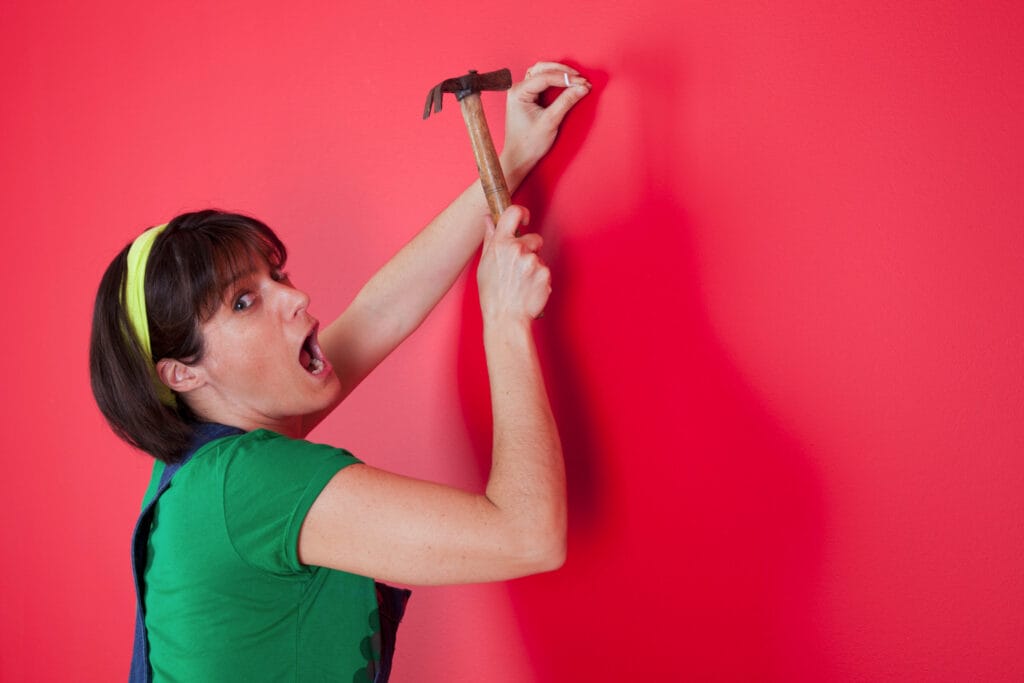
DIY home repairs are having a moment. The allure of saving money, flexing your handy skills, and the satisfaction of a job well done are undeniable. But as a seasoned pro in the home repair and project management world, I’ve seen the flip side of the DIY craze. What starts as a simple fix can morph into costly mistakes, safety hazards, and full-blown home improvement disasters.

So, before you grab your toolbox and dive into that next project, let’s explore the ten reasons why you might want to think twice about DIYing your next home repair.

1. Hidden Costs of DIY: More Than Meets the Eye

 Home repair mistakes

DIY home repairs often appear cheaper upfront. However, they can quickly become a money pit due to unforeseen expenses. You might buy the wrong materials, only to realize they don’t fit or work properly, requiring additional trips to the store and extra costs. Then there’s the cost of renting tools you don’t have, like that specialized saw or power drill. And let’s not forget the inevitable “oops” moments – accidentally breaking something or needing to redo a task due to a mistake.  These setbacks can be especially frustrating and expensive if they involve plumbing or electrical systems.

All of these expenses add up, and before you know it, you’ve blown your budget. In the end, fixing a DIY repair gone wrong usually costs more than hiring a professional from the get-go. Ever heard the saying “Measure twice, cut once?” In DIY, it’s often “try twice, pay thrice.”

2. When DIY Goes Wrong: The Domino Effect

 Home repair mistakes

A seemingly minor plumbing leak can quickly become a flooded basement if not handled correctly. A small electrical issue can escalate into a fire hazard. The scary part is that DIY repair risks aren’t always obvious. You might think you’re fixing a leaky faucet, but one wrong move could lead to a burst pipe and water damage throughout your home.

Similarly, a simple electrical fix could result in faulty wiring that poses a serious fire risk. It’s like a Jenga tower – pull out the wrong block, and the whole thing comes crashing down. A seemingly isolated problem can quickly spiral into a much larger, more expensive issue, making you wish you had called a professional in the first place.

3. Home Repair Safety: Don’t Risk Your Well-Being

 When to hire a contractor

DIY home repairs aren’t always a walk in the park. They often involve working at heights, handling electrical wiring, or using power tools, all of which can lead to serious injuries if you lack proper training and safety precautions. Imagine falling off a ladder while trying to fix your roof or accidentally electrocuting yourself while fiddling with electrical wires. These are real risks that many DIYers overlook.

Not to mention the potential for long-term health issues from exposure to hazardous materials like asbestos or lead paint. Remember, your health is worth more than saving a few bucks. Is a trip to the ER really worth the risk of DIYing that electrical panel upgrade?

4. DIY vs Professional Repair: Expertise Matters

Costly DIY repairs

Professionals have the knowledge, experience, and specialized tools to tackle complex DIY home repairs safely and efficiently. They’ve spent years honing their skills and have encountered countless scenarios that most DIYers wouldn’t even know existed. They understand the intricacies of building materials, systems, and techniques, allowing them to diagnose problems accurately and implement effective solutions.

Professionals are also familiar with building codes and regulations, ensuring your project meets safety standards and won’t come back to bite you later. Think of it like baking a cake – a seasoned baker knows the right ingredients and techniques to create a masterpiece, while a novice might end up with a burnt mess. Also, if you’re planning to increase the value of your home before selling, it’s better not to risk it with a DIY approach.

5. Avoid DIY Repair Pitfalls: Common Mistakes to Watch For

Hidden costs of DIY

Even seemingly simple tasks like painting or installing a new faucet can lead to home repair mistakes. Uneven paint jobs, leaking fixtures, and crooked installations are common DIY repair pitfalls. Professionals know how to avoid these errors and deliver flawless results, saving you from frustration and potential headaches down the road. Remember, it’s the little details that make all the difference.

A crooked light switch or a dripping faucet might seem minor, but they can detract from the overall look and function of your home. Additionally, these mistakes can often lead to more significant problems down the line. For example, a poorly installed faucet could cause water damage or mold growth.

6. Home Renovation Fails: When Good Intentions Go Bad

 Home improvement disasters

Want to make your home more energy efficient or do other projects that will make life easier for you? DIY home repairs can quickly become home renovation fails when projects exceed your skill level. Demolishing a wall without understanding load-bearing structures or tackling a complex electrical rewiring can lead to costly and dangerous outcomes. It’s like trying to perform surgery after watching a YouTube video – sometimes, it’s best to leave it to the experts.

Overestimating your abilities can lead to not only wasted time and money but also potential damage to your home that could take thousands of dollars to fix. Structural damage, electrical fires, and plumbing leaks are just a few examples of the disasters that can occur when DIY projects go wrong.

7. When to Hire a Contractor: Knowing Your Limits

Common DIY mistakes

Not all DIY home repairs are created equal. Simple tasks like repainting a room or fixing a leaky faucet might be DIY-friendly, especially if you have some basic skills and are willing to learn. However, major renovations, electrical work, plumbing projects, and structural repairs are best left to professionals.

These complex projects require specialized knowledge, skills, and tools that most homeowners don’t possess. Attempting them without proper expertise can be dangerous and lead to costly mistakes. Remember, there’s no shame in asking for help. Sometimes, calling in the cavalry is the smartest move. A professional can assess the situation, provide expert advice, and complete the job safely and efficiently, saving you time, money, and stress in the long run.

8. How to Avoid DIY Plumbing Disasters: Water Woes

When DIY goes wrong

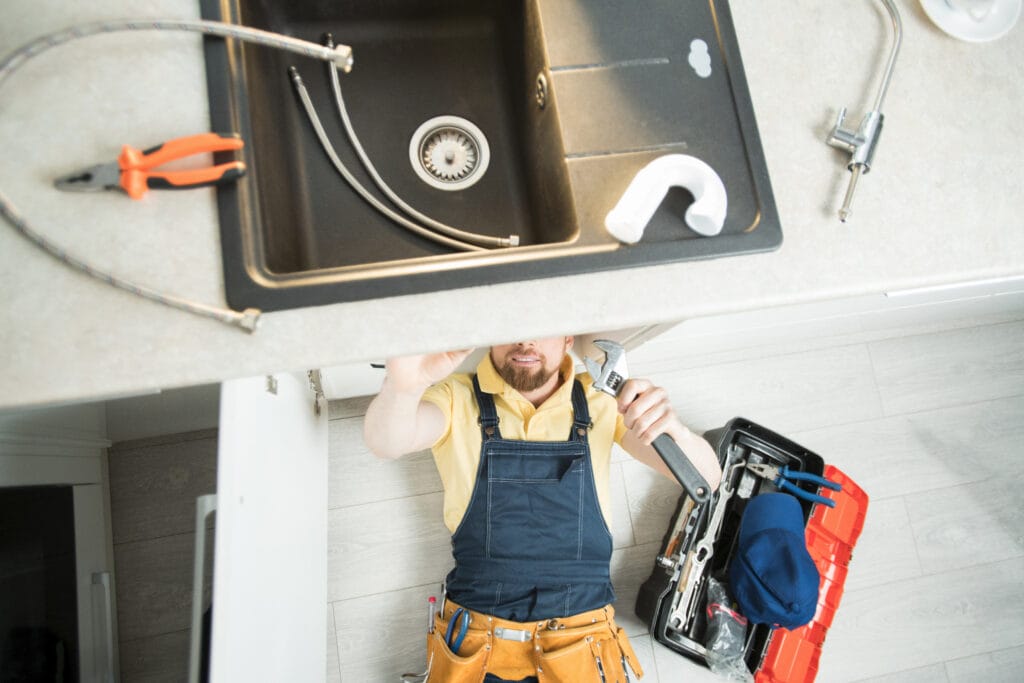
Plumbing projects are notorious for causing DIY home repair headaches. From burst pipes to overflowing toilets, plumbing issues can quickly escalate into a wet and wild nightmare. If you’re not familiar with plumbing systems, it’s best to leave these tasks to a professional to avoid DIY plumbing disasters. Most plumbers in the US charge $45 to $200 an hour, but it is all worth it just to avoid DIY woes.

Clogged drains, leaky pipes, and malfunctioning water heaters are just a few of the common plumbing problems that can turn into major headaches if not handled correctly. A minor leak can quickly escalate into a flood, causing extensive damage to your home and belongings. Remember, water damage is not only messy but can also be expensive to repair.

9. Risks of DIY Electrical Repairs: Shocking Consequences

risks of DIY electrical repairs

Electrical work is dangerous and should never be attempted by inexperienced DIYers. Faulty wiring can lead to electrical shocks, fires, and even fatalities. Don’t play with fire (literally) – hire a licensed electrician for any DIY electrical repairs.

Electrical codes are complex and vary depending on your location, and even a small mistake can have devastating consequences. A simple wiring error can cause a short circuit, leading to a fire that could destroy your home. Remember, your safety is paramount, and electrical work is not the place to experiment.

10. DIY Home Repair Tips for Beginners: Start Small

DIY home repair tips

If you’re new to DIY, start with small, manageable projects like patching a hole in the wall or replacing a light fixture. These common DIY home repair tasks offer a low-risk way to learn basic skills and build confidence. Always research thoroughly, follow safety guidelines, and don’t hesitate to ask for help when needed. Think of it as a stepping stone – master the basics before tackling the big leagues.

You can find plenty of resources online and in home improvement stores to guide you through these beginner-friendly projects. Start with projects that don’t involve complex wiring or plumbing, and gradually work your way up to more challenging tasks as your skills and confidence grow.

DIY Home Repairs: Proceed with Caution

Home repair for beginners

While DIY home repairs can be rewarding, they’re not always the best option. Remember, safety should always be your top priority. If a project seems too complex or risky, don’t hesitate to call in a professional. Your home (and your wallet) will thank you in the long run.

If you’re unsure whether to tackle a DIY home repair, consult with a licensed professional for expert advice. Remember, a little professional help can save you from costly mistakes and ensure a safe, successful outcome.

10 Gen X Gadgets That Seem Ridiculous Now

Gen X gadgets

Gen X gadgets

Generation X witnessed the incredible evolution of technology firsthand. As the first generation to grow up with personal computers, video game consoles, and the promise of a digital future, they were the guinea pigs for Gen X gadgets. But looking back, some of those gadgets seem downright ridiculous now. Take a nostalgic journey to revisit the outdated technology that defined Gen X youth, from clunky cell phones to bulky camcorders. Explore the retro gadgets that once seemed cutting-edge, the unnecessary inventions that were thought to be essential, and the old-school electronics that have since been relegated to the dustbin of history.

So grab your Walkman, pop in a cassette tape, and dive into the world of Gen X gadgets that will leave you shaking your head in disbelief.

1. The Brick Phone: A Symbol of 80s Excess

 Retro gadgets

Remember those massive cell phones that resembled bricks? They were heavy, cumbersome, and about as far from sleek as possible. But in the 80s, owning a brick phone was a status symbol. It meant you were important, successful, and probably had a shoulder injury from lugging that beast around. Today, our smartphones fit snugly in our pockets, but back then, we needed a gym membership just to carry our phones.

And don’t forget the exorbitant cost! These ancient tech marvels cost a small fortune, with monthly plans to make your eyes water. But hey, at least you could play Snake on them. Remember that? It was the pinnacle of mobile gaming back then. Oh, how times have changed.

2. The Pager: A Beep Into the Past

Outdated technology

Before smartphones and instant messaging, we relied on pagers to stay connected. These little devices would beep or vibrate to alert us of incoming messages, adding a sense of urgency to our lives. But the catch was we couldn’t read the message on the pager itself. Instead, we had to find a payphone (remember those?) and call the number on the pager to get the message. Talk about inconvenience!

Pagers came in all shapes and sizes, from simple numeric displays to alphanumeric models that could show short messages. Some even had fancy features like two-way messaging, which were reserved for the elite. Pagers were a ubiquitous accessory in the 90s, clipped to our belts or tucked into our pockets. They symbolized our connectedness, even if it was limited to a few cryptic numbers.

3. The VHS Camcorder: Capturing Memories in Bulk

 Vintage tech

In the 90s, Gen X gadgets like the VHS camcorder were the pinnacle of home video technology. These bulky devices recorded hours of grainy footage onto cassette tapes, preserving our most cherished memories for posterity. But lugging around a camcorder the size of a small suitcase wasn’t exactly fun. And let’s not forget the joy of rewinding and fast-forwarding through those tapes to find that one perfect moment.

The VHS camcorder was a staple at family gatherings, vacations, and school events. We captured everything from birthday parties to graduations, documenting our lives with shaky footage and questionable sound quality. But despite their shortcomings, VHS camcorders allowed us to relive those moments again and again, bringing our memories to life in a way that photos simply couldn’t.

4. The Boombox: The Soundtrack of Our Youth

Tech nostalgia

Nothing said “cool” in the 80s like blasting your favorite tunes on a boombox. These massive, portable stereos were the ultimate party accessory. They weighed a ton, required a dozen D batteries, and could be heard from blocks away. But we didn’t care. We were too busy breakdancing and rocking out to our mixtapes.

Boomboxes came in a variety of styles, from classic silver boxes to brightly colored models with flashing lights. Some even had dual cassette decks, allowing us to create our own mixtapes by recording songs from the radio or other cassettes. The boombox was more than just a music player; it was a symbol of our individuality, our rebellious spirit, and our love of music.

5. The Walkman: A Personal Soundtrack on the Go

Generation X technology

Before iPods and Spotify, we had the Walkman. Sony sold over 200 million units of this cassette player. This portable cassette player revolutionized the way we listened to music. We could finally take our favorite albums wherever we went, creating our own personal soundtrack for life. But those cassette tapes were prone to tangling and chewing, and finding the right song often involved a lot of fast-forwarding and rewinding.

The Walkman was a game-changer, freeing us from the confines of our living rooms and allowing us to enjoy music on the go. We could listen to our favorite bands while jogging, biking, or commuting to school. The Walkman became an extension of ourselves, a constant companion that provided comfort, entertainment, and escape.

6. The Answering Machine: Your Voicemail’s Ancestor

 Before smartphones

Before voicemail, we had answering machines. These devices recorded messages from callers when we weren’t home, acting as a virtual secretary for our busy lives. But unlike voicemail, we couldn’t access our messages remotely. We had to wait until we got home to listen to them. And if we were out of town, we had to rely on a friend or neighbor to check our messages for us. Today, you might see these devices in museums.

Answering machines were a mixed blessing. On the one hand, they allowed us to screen our calls and avoid unwanted solicitors. On the other hand, they created a sense of anxiety, as we constantly wondered who might be trying to reach us. The answering machine was a precursor to voicemail, paving the way for today’s ubiquitous messaging systems.

7. The Dial-Up Modem: The Sound of the Internet

dial up modem

Remember that ear-splitting screech that signaled you were connecting to the internet? That was the sound of your dial-up modem, a Gen X gadget that seems laughable now. These devices were slow, unreliable, and tied up your phone line while you were online. But in the early days of the internet, we were just grateful to be connected at all.

The dial-up modem was our gateway to the digital world, opening up a universe of information, entertainment, and communication. We spent countless hours exploring the early internet, chatting with strangers in online forums, and downloading grainy images that took forever to load. The dial-up modem symbolized the internet’s infancy, a reminder of how far we’ve come since those early days.

8. The Discman: Portable CDs, Scratches and All

Discman

The Discman was the next evolution of the Walkman, allowing us to listen to our favorite albums on compact discs with crystal-clear sound quality. But these shiny discs were prone to scratches and skipping, especially if you weren’t careful. And they didn’t hold nearly as much music as our iPods do today. Plus, the Discman itself was bulky and required a constant supply of AA batteries.

Despite its flaws, the Discman was a popular Gen X gadget, offering a portable way to enjoy our music collections. We carried it with us everywhere, from the beach to the gym, listening to our favorite albums on repeat. The Discman was a symbol of the CD era, a time when music was still physical and tangible.

9. The Game Boy: Handheld Gaming’s Humble Beginnings

Game Boy

The Game Boy was a revolutionary Gen X gadget that introduced us to the world of handheld gaming. It was a portable console that fit in our pockets, allowing us to play our favorite games on the go. But compared to today’s sleek and powerful handheld consoles, the Game Boy seems downright primitive. It had a monochrome screen, clunky controls, and limited battery life. But we didn’t care. We were too busy catching Pokémon and saving Princess Peach.

The Game Boy was a cultural phenomenon, spawning countless sequels and spin-offs. It was a must-have accessory for kids and adults alike, providing hours of entertainment and escapism. The Game Boy paved the way for the handheld gaming consoles we enjoy today, proving that even the most humble beginnings can lead to greatness.

10. The VCR: A Tape-Eating Monster

VCR

Before streaming services and DVRs, we relied on VCRs to record our favorite TV shows and movies. But these finicky devices were notorious for chewing up tapes and displaying fuzzy images. Plus, finding the right spot on a tape often involved a lot of rewinding and fast-forwarding.

Despite their flaws, VCRs were a staple in most households, allowing us to watch our favorite shows and movies on our own schedule. We could record late-night talk shows, rent movies from the video store, and create our own personal video libraries. The VCR was a symbol of the pre-digital era, a time when entertainment was still delivered on physical media.

The Evolution of Gen X Gadgets: A Testament to Technological Progress

Old school electronics

Looking back at these Gen X gadgets, it’s amazing to see how far technology has come.  The bulky, inconvenient devices of our youth have been replaced by sleek, powerful gadgets that we can carry in our pockets. But even though these retro gadgets may seem ridiculous now, they hold a special place in our hearts. They remind us of a simpler time, when we were less connected but perhaps more present.

So next time you’re scrolling through your smartphone or streaming your favorite show, take a moment to appreciate the technological advancements that have made it all possible. And remember, even the most cutting-edge Gen X gadget will one day seem like a relic of the past.

What Gen X Gadgets Do You Miss the Most? Share Your Memories!

11 Hidden Disadvantages of Living in a Smart Home

Hidden Disadvantages of Smart Homes

 Hidden Disadvantages of Smart Homes

Have you ever felt like the world of smart homes is leaving you behind? You’re not alone. While these futuristic abodes offer convenience and luxury, there’s a whole lot of hype surrounding them. They don’t always tell you about the hidden disadvantages of smart homes. Yep, those shiny gadgets and interconnected systems can come with some unexpected downsides. As someone who’s navigated the ever-changing tech landscape for decades, I’m here to shed light on the drawbacks so you can make informed decisions about incorporating smart technology into your home.

1. The Privacy Paradox: Your Home, Their Data?

 Smart home drawbacks

One of the most concerning hidden disadvantages of smart homes is the potential for privacy invasion. Those voice assistants, smart cameras, and interconnected appliances aren’t just making your life easier; they’re also collecting a treasure trove of data about your daily habits, preferences, and even conversations.

While companies claim to anonymize this data, smart home privacy risks are real. Ever get ads for products you just talked about at home? It’s not a coincidence. It’s time to weigh the convenience against the potential negative impacts of smart homes on your personal information. Think about it – do you really want a corporation knowing when you’re home, what you’re watching, or even how long you shower? It’s a trade-off that deserves careful consideration.

2. When “Smart” Means “Vulnerable”: Security Concerns

Smart home vulnerabilities

Remember when a locked door was enough to keep intruders out? In the world of smart homes, security takes on a whole new dimension. Hackers can exploit smart home vulnerabilities, potentially gaining access to your cameras, locks, and even alarm systems. The convenience of remote access becomes a double-edged sword.

While companies are working to address smart home security concerns, it’s crucial to stay informed about smart home security flaws and take proactive measures to protect your digital fortress. Regularly updating your devices’ software and using strong, unique passwords are just the first steps. It’s also wise to be cautious about what information you share online and be mindful of who has access to your home network.

3. Tech Troubles: Glitches, Bugs, and the “Oops” Factor

Smart home technology problems

Ever had your internet go down, leaving you unable to adjust the thermostat or turn off the lights? That’s just a taste of the smart home technology problems you might encounter. Glitches, bugs, and compatibility issues can turn your futuristic haven into a frustrating mess.

Before diving headfirst into smart home technology, it’s wise to consider the potential for unexpected problems with smart homes and the inconvenience they can cause. Imagine your smart fridge ordering groceries you didn’t need or your voice assistant misunderstanding your commands. These may seem like minor annoyances, but they can quickly add up and detract from the overall enjoyment of your smart home experience.

4. The Price of Progress: Hidden Costs and Subscriptions

 Smart home disadvantages list

While smart home hacks can save you some money, those fancy smart gadgets often come with a hefty price tag upfront. However, that’s not where the hidden costs of smart homes end. Many devices require subscriptions for full functionality, adding a recurring expense to your budget. Plus, the constant need to upgrade and replace outdated tech can put a strain on your wallet.

It’s important to factor in these smart home drawbacks when weighing the pros and cons of going smart. The initial investment is just the beginning. You’ll need to consider the ongoing costs of subscriptions, potential repairs, and replacements as technology evolves. Remember, a smart home can quickly become a money pit if you’re not careful.

5. Overdependence on Tech: When the Power Goes Out…

 Smart home disadvantages list

What happens when the power goes out, or your Wi-Fi connection fails? Your smart home might suddenly become very “dumb.” If you’re overly reliant on smart technology for everyday tasks like turning on lights or adjusting the temperature, a power outage could leave you in the dark – literally.

Consider the potential for inconvenience and disruption caused by smart home technology downsides in the face of unexpected technical difficulties. Would you be able to manually open your smart lock if the power goes out? Do you have a backup plan for controlling your home’s temperature if your Wi-Fi connection is down? It’s essential to maintain some level of independence from technology to avoid being caught off guard.

6. The “Upgrade Treadmill”: Keeping Up with the Joneses (and Their Gadgets)

 Hidden costs of smart homes

The world of smart home technology is constantly evolving. What’s cutting-edge today might be outdated tomorrow. This constant churn can lead to a feeling of pressure to keep up with the latest trends and upgrades, lest you feel like your home is falling behind. This “upgrade treadmill” can be both financially draining and mentally exhausting.

Before getting caught up in the hype, ask yourself if the latest gadgets are truly adding value to your life or if you’re simply chasing the next shiny object. It’s easy to fall into the trap of comparing your home to others, but remember, the best smart home is the one that caters to your specific needs and preferences, not the one with the most bells and whistles.

7. The Complexity Conundrum: User-Friendliness vs. Feature Overload

 Smart home vulnerabilities and risks

Smart home devices are designed to make our lives easier, but sometimes, the complexity of these systems can have the opposite effect. Setting up and managing multiple devices, each with its own app and interface, can be overwhelming, especially for those less tech-savvy.

While some smart home ecosystems strive for user-friendliness, many still suffer from feature overload. Too many options, confusing menus, and a steep learning curve can lead to frustration and a sense of being overwhelmed. It’s important to strike a balance between functionality and ease of use, ensuring that your smart home technology enhances your life rather than complicating it.

8. Environmental Impact: E-Waste and Energy Consumption

ewaste

The environmental impact of smart home technology is a growing concern. The constant need to upgrade and replace devices contributes to the growing problem of electronic waste (e-waste). To paint the bigger picture, in 2022 alone, the globe generated about 62 million tons of e-waste. Additionally, while some smart devices are designed to be energy efficient, the overall energy consumption of a fully connected home can be significant.

Consider the long-term consequences of adopting smart home technology. How will you dispose of old devices responsibly? Are you willing to offset the increased energy consumption with other eco-friendly practices? These are important questions to ponder as you evaluate the sustainability of your smart home choices.

9. Limited Customization: One Size Doesn’t Fit All

Smart home technology downsides

While smart home devices offer a degree of customization, there are often limitations to how much you can personalize them to fit your specific needs and preferences. Many devices come with pre-set settings and features that may not be ideal for your lifestyle.

For example, a smart thermostat might have pre-programmed temperature schedules that don’t align with your daily routine. Or a voice assistant might not understand your regional accent or dialect. These limitations can be frustrating and detract from the overall user experience.

10. The “Big Brother” Effect: Loss of Control and Autonomy

 Unexpected problems with smart homes

Living in a smart home can sometimes feel like living in a fishbowl. With cameras, sensors, and microphones constantly monitoring your environment, it’s easy to feel like you’re being watched and judged. This loss of control and autonomy can be unsettling for some individuals.

While the data collected by smart home devices is often used to improve functionality and personalize experiences, it can also be used for other purposes, such as targeted advertising or even surveillance. The potential for misuse of this data raises important ethical questions about the boundaries between convenience and control in our homes.

11. The Isolation Factor: Tech-Mediated Interactions vs. Real Connections

While smart home technology can connect us to loved ones and the wider world, it can also contribute to social isolation if we’re not careful. Spending too much time interacting with devices instead of real people can lead to a sense of disconnection and loneliness. Remember that staying social has surprising health benefits for seniors.

It’s important to strike a balance between technology-mediated interactions and face-to-face connections. Use your smart home devices to enhance your relationships, not replace them. Make time for meaningful conversations, shared experiences, and the simple joy of human connection.

The Future of Smart Homes: A Balanced Approach

 Cons of living in a smart home

As a seasoned Baby Boomer, you’ve seen your fair share of technological advancements. Smart homes offer incredible potential, but it’s essential to be aware of the hidden disadvantages of smart homes before jumping on the bandwagon. By understanding the drawbacks of smart home technology and taking a balanced approach, you can harness the benefits while mitigating the risks. Remember, it’s your home, your rules.

Ready to explore the hidden disadvantages of smart homes further? Join our community of savvy Baby Boomers navigating the world of smart technology. Share your experiences, ask questions, and discover tips for creating a smart home that works for you, not against you.

13 Money Management Tips for the Recently Divorced

Divorce Money Management Tips

Divorce Money Management Tips

Navigating money management after divorce can feel like trying to solve a Rubik’s cube blindfolded. The sudden shift in financial responsibilities and lifestyle can be a real shocker. One minute you’re sharing expenses, and the next, you’re flying solo with a whole new set of financial challenges.

But fear not! With a bit of planning and these 13 essential tips, you can take control of your post-divorce finances and build a brighter future. Remember, money management after divorce isn’t just about survival – it’s about thriving.

1. Take a Deep Breath and Assess Your Financial Situation

 money management after divorce

It’s easy to feel overwhelmed after a divorce, but taking a clear-eyed look at your post-divorce finances is the first step towards financial recovery. Think of it as a financial self-portrait. What are your assets (savings, investments, property)? What are your debts (loans, credit cards, etc.)? How much money is coming in each month, and where is it going?

Creating a divorce financial checklist can be a game-changer. Detail your income, expenses, assets, and debts. This isn’t just a boring spreadsheet; it’s your financial roadmap, helping you understand your starting point and where you need to go. It’s the foundation of your divorce financial planning.

2. Create a Realistic Budget (and Stick to It!)

 divorce financial planning

Budgeting after divorce might not sound like the most exciting thing in the world, but trust me, it’s your financial BFF. Track your spending – every latte, every grocery run, every streaming subscription. Once you know where your money is going, you can identify areas where you can cut back. Maybe you can swap those fancy coffees for home-brewed ones or find free entertainment options instead of splurging on movies every weekend. Remember, even small savings add up over time.

Think of your budget as a financial diet – it needs to be sustainable and realistic. Don’t try to deprive yourself completely; just make smarter choices.  And be sure to track your progress! Seeing those savings grow can be incredibly motivating.

3. Set Financial Goals

 financial tips for divorcees

What does financial independence mean to you? Is it owning your own home? Taking that dream vacation? Retiring early? Setting short-term and long-term financial goals can give you a sense of direction and purpose. It’s like having a financial North Star to guide you.

Whether it’s saving for a down payment or paying off a student loan, having clear goals will help you stay motivated and on track. Write down your goals, put them somewhere you’ll see them every day, and celebrate each milestone you achieve.  Remember, it’s not just about the destination; it’s about enjoying the journey towards financial freedom.

4. Prioritize Debt Repayment

 post-divorce finances

Aside from taking the steps to save money in your divorce, you got to deal with debt too. High-interest debt is like a financial anchor, weighing you down and hindering your progress. Prioritize paying off debts with the highest interest rates first (think credit cards and personal loans). This might mean making some sacrifices in the short term, but it will free up more of your income in the long run.

Consider consolidating your debts or negotiating with creditors to reduce interest rates. Every dollar you put towards debt repayment is a step towards financial independence after divorce.  It’s like shedding that heavy backpack you’ve been carrying around – you’ll feel so much lighter and freer!

5. Build (or Rebuild) Your Emergency Fund

emergency funds after divorce

Life is full of surprises, and not all of them are pleasant. Car repairs, unexpected medical bills, job loss – these things happen. Having an emergency fund can be a lifesaver. Aim to have at least three to six months’ worth of living expenses in a readily accessible account.

This money isn’t for splurging; it’s your financial safety net. It gives you peace of mind and the ability to handle unexpected expenses without going into debt. Start small if you have to but make saving a priority.  Think of it as your financial superhero, ready to swoop in and save the day when you need it most.

6. Review Your Insurance Coverage

 divorce financial checklist

Your insurance needs may change after a divorce. Review your health, life, and disability insurance policies to ensure you have adequate coverage for your new circumstances.  If you were previously on your spouse’s health insurance, you may need to get your own plan.

Life insurance is especially important if you have children or anyone who depends on your income. Don’t forget about disability insurance, which can replace a portion of your income if you’re unable to work due to illness or injury.  Insurance may not be the most exciting topic, but it’s a crucial part of protecting your financial future.

7. Update Your Will and Beneficiaries

 financial recovery after divorce

Your estate planning documents may need a refresh after a divorce. This includes your will, power of attorney, and healthcare directive. Ensure your wishes are clearly stated and that your ex-spouse is no longer a beneficiary if that’s your intention.

You may also want to designate a guardian for your children if you haven’t already. Updating your estate planning documents can seem like a morbid task, but it’s a responsible way to ensure your loved ones are taken care of in the event of your passing.

8. Consider Working with a Financial Advisor

 financial recovery after divorce

A financial advisor specializing in divorce financial planning can be a valuable resource. They can help you create a personalized financial recovery plan, provide investment advice, and offer guidance on tax strategies. Think of them as your financial coach, helping you navigate the complexities of money management after divorce.

Don’t be afraid to ask for help. A financial advisor can provide expertise and support, empowering you to make informed decisions about your financial future. They can also help you stay accountable and motivated on your journey to financial independence.

9. Educate Yourself About Investing

 financial advice for newly divorced

Investing can be a powerful tool for building wealth after divorce. Start with small, manageable investments and gradually increase your contributions as you become more comfortable. Consider low-cost index funds or exchange-traded funds (ETFs) to get started.

Investing isn’t just for Wall Street gurus. There are plenty of resources available to help you learn the basics. Read books, take online courses, or listen to podcasts about investing. The more you know, the more confident you’ll feel about making investment decisions.

10. Avoid Common Money Mistakes After Divorce

what to do with finances after divorce

Some of the most common money mistakes after divorce include overspending, neglecting retirement savings, and failing to create a budget. Be mindful of these pitfalls and proactively address them to stay on track financially.

Don’t let emotions dictate your spending habits. Avoid retail therapy or impulsive purchases that can derail your financial recovery. Remember, every dollar you save is a dollar you can invest in your future.

11. Stay Positive and Focus on the Future

best financial tips for divorced men

Divorce can be emotionally and financially draining, but remember, it’s not the end. Focus on your financial recovery and the possibilities that lie ahead. Surround yourself with a supportive network of friends and family who can offer encouragement and guidance.

Remember, you’re not alone. Many people have successfully rebuilt their lives after divorce. With determination and the right strategies, you can too.

12. Celebrate Small Victories

best financial tips for divorced women

Money management after divorce is a marathon, not a sprint. Celebrate your small wins along the way. Did you pay off a credit card? Reach a savings goal? Land a new job? Pat yourself on the back and use those successes as fuel to keep moving forward.

Celebrating your achievements, no matter how small, can boost your confidence and motivation. It reminds you that you’re making progress and that your financial goals are within reach.

13. Seek Support When Needed

divorce support group

Don’t be afraid to ask for help if you’re struggling. There are resources available to help you navigate the complexities of money management after divorce. Reach out to a therapist, financial counselor, or support group for guidance and encouragement.

Remember, you don’t have to do this alone. There are people who care about you and want to see you succeed. Seeking support is a sign of strength, not weakness.

Your Financial Future Starts Now

money management tips after divorce

Money management after divorce can be a daunting task, but with the right strategies and a proactive approach, you can regain control of your finances and build a brighter future. You’ve got this!

Let’s take the first step together. Reach out to a financial advisor today to create a personalized plan for your financial future.

13 Reasons Why Some People Thrive on Less Than 6 Hours of Sleep

Thriving on less than 6 hours of sleep

Thriving on less than 6 hours of sleep

The world seems divided into two camps: those who religiously clock in their 8 hours of sleep and those capable of thriving on less than 6 hours of sleep. If you find yourself in the latter camp, constantly being told you’re not getting enough sleep, you might be a “short sleeper.”

Don’t worry, you’re not alone. Research suggests that a small percentage of the population naturally needs less sleep than the average person. This article dives deep into the fascinating world of short sleepers, exploring the science, benefits, risks, and tips for optimizing your sleep if you’re one of them.

1. Increased Sleep Intensity: Deeper, More Restorative Sleep

Optimal sleep duration

Some short sleepers experience increased sleep intensity, meaning their sleep is deeper and more restorative. This allows them to achieve the same benefits of a longer sleep duration in a shorter amount of time. They may have a higher proportion of slow-wave sleep (deep sleep) during their shorter sleep cycles. This increased sleep intensity enables their bodies and minds to rejuvenate efficiently, leaving them feeling refreshed and alert upon waking.

2. Efficient Sleep Architecture: Making the Most of Every Minute

Sleep efficiency

Short sleepers often have a different sleep architecture than those who need more sleep. They may spend less time in certain sleep stages, particularly deep sleep, while still achieving the same level of restoration. Deep sleep is essential for physical repair and memory consolidation, but short sleepers may have a more efficient deep sleep cycle. This sleep efficiency allows them to wake up feeling refreshed and energized even after a shorter night.

3. Circadian Rhythm Alignment: In Sync with Your Body Clock

Sleep quality vs. quantity

Your internal circadian rhythm plays a crucial role in your sleep-wake cycle. Short sleepers often have a well-aligned circadian rhythm, making it easier for them to fall asleep quickly and wake up naturally without feeling groggy. This natural alignment means their bodies are primed for sleep at the right times and wakefulness at the right times, optimizing their sleep even with fewer hours. This alignment ensures they get the most out of their sleep, even if it’s less than the recommended amount.

4. Genetic Predisposition: It’s in Your DNA

sleep and genes

Thriving on less than 6 hours of sleep might be a gift from your ancestors. Studies have identified specific gene variations linked to natural short sleep duration. If your parents or grandparents were short-sleepers, chances are you inherited those genes. These “short sleep” genes may affect how your body regulates sleep, influencing the production of sleep-related hormones and neurotransmitters. This genetic advantage allows some individuals to function optimally with significantly less sleep than the general population.

5. Higher Wakefulness Drive: Naturally Alert and Energetic

 Benefits of short sleep

Short sleepers often have a higher wakefulness drive, which means they’re naturally more alert and energetic throughout the day. This heightened alertness can compensate for the reduced sleep duration, allowing them to maintain productivity and focus. Their brains may have a higher baseline level of arousal, making them less susceptible to daytime sleepiness. This natural alertness gives them an edge in tackling daily tasks and maintaining a high level of performance.

6. Adaptive Sleep Needs: Less Sleep, Same Energy

 Sleep efficiency

Sleep needs variability is a natural phenomenon. While most adults need 7-9 hours of sleep, some individuals, like short sleepers, have adapted to function well on less. Their bodies have adjusted to the reduced sleep duration, allowing them to maintain their energy levels and overall well-being. This adaptation may be due to a combination of genetic factors, lifestyle choices, and individual differences in sleep regulation. It’s important to note that not everyone can adapt to less sleep, and forcing yourself to sleep less can have negative consequences.

7. Stress Resilience: Thriving Under Pressure

Sleep architecture

Interestingly, some experts suggest that short sleepers may have increased stress resilience. They seem better equipped to handle stress and maintain their performance under pressure, even with less sleep. This resilience might be linked to their unique brain chemistry or their ability to adapt to challenging situations. Short sleepers may have lower levels of cortisol, the stress hormone, or they may have developed coping mechanisms that help them manage stress effectively.

8. Enhanced Creativity: Thinking Outside the Box

sleep and creativity

Thriving on less than 6 hours of sleep has been linked to enhanced creativity in some individuals. They may have a unique ability to think outside the box, come up with innovative ideas, and approach problems from different angles. This creative advantage might be attributed to their heightened alertness and ability to make connections between seemingly unrelated concepts. Their brains may be more open to new ideas and less constrained by conventional thinking patterns.

9. Improved Mood and Well-Being: Happier and More Optimistic

mood

Contrary to popular belief, some short sleepers report improved mood and overall well-being. This may be attributed to their brains producing higher levels of dopamine, a neurotransmitter associated with pleasure and reward. Additionally, they may experience less anxiety, depression, and stress, and feel more optimistic and positive about life. This positive outlook on life may be due to their increased energy levels, enhanced creativity, or simply feeling grateful for their ability to function well with less sleep.

10. Unique Brain Structure and Function: A Glimpse into the Short Sleeper Brain

Sleep hygiene

Recent neuroimaging studies have revealed intriguing differences in the brain structure and function of short sleepers compared to average sleepers. Some studies suggest that short sleepers may have more efficient neural connections or different patterns of brain activity, allowing them to process information and perform tasks effectively with less sleep. Further research is needed to fully understand the neural mechanisms underlying short sleep, but these findings shed light on the unique way short sleepers’ brains operate.

11. Not Without Risks: Understanding the Potential Downsides

lack of sleep

While thriving on less than 6 hours of sleep may seem like a superpower, it’s not without potential risks. Sleep deprivation can lead to cognitive impairment, mood swings, and increased risk of accidents. Chronic sleep deprivation can also weaken the immune system, increase the risk of chronic diseases, and negatively impact mental health. It’s crucial to monitor your overall health and well-being and consult with a sleep specialist if you experience any negative effects.

12. The Importance of Sleep Hygiene: Optimizing Your Sleep Routine

Sleep tips for short sleepers

If you’re a short sleeper, sleep hygiene is crucial for maximizing the benefits of your limited sleep time. Maintain a consistent sleep schedule, create a relaxing bedtime routine, and avoid stimulants before bed. Invest in a comfortable mattress and pillows, get quality sleepwear, ensure your bedroom is dark, quiet, and cool, and limit screen time before bed. These practices can help you fall asleep faster, sleep more soundly, and wake up feeling refreshed.

13. Sleep Tracking: Monitoring Your Sleep Patterns

Sleep tracking

Sleep tracking can provide valuable insights into your sleep patterns, helping you identify any potential issues and optimize your sleep routine. Consider using a wearable sleep tracker or a sleep tracking app to monitor your sleep duration, quality, and efficiency. By tracking your sleep, you can better understand your body’s unique sleep needs and make adjustments to your routine as needed. If you notice any significant changes in your sleep patterns or experience any negative effects, consult with a sleep specialist.

Thriving on Less Than 6 Hours of Sleep: A Unique Sleep Experience

sleep quality

While the idea of thriving on less than 6 hours of sleep may seem unattainable to some, for a select group of individuals, it’s a reality. If you’re one of them, embrace your unique sleep needs and optimize your routine to maximize the benefits. Remember to prioritize your overall health and well-being, and consult with a sleep specialist if you have any concerns.

Are you a short sleeper who thrives on less sleep? Share your experiences and tips in the comments below! Let’s celebrate the diversity of sleep needs and empower each other to optimize our sleep for optimal health and well-being.

17 Workplace Practices From the 1970s That Would Never Fly Now

1970s Workplace Practices

1970s Workplace Practices

Imagine stepping back in time to a 1970s office,  where polyester suits, clouds of cigarette smoke, and the rhythmic clacking of typewriters set the scene. While this era evokes a certain nostalgia, many 1970s workplace practices would be deemed shocking, discriminatory, or downright illegal today.

From casual sexism to rampant smoking, let’s take a trip down memory lane to explore the most outdated and unacceptable workplace behaviors of yesteryear. It’s a fascinating journey that highlights how far we’ve come in terms of workplace culture, equality, and respect.

1. Gender Discrimination as the Norm

Outdated workplace practices

In the 1970s, gender discrimination was not only commonplace but often baked into company policies. Women were frequently pigeonholed into lower-paying, “pink-collar” jobs, like secretarial work or teaching, while promotions and executive positions were largely reserved for men.

Overt sexism and workplace harassment were sadly common experiences for many women, and legal protections were limited. This stark reality fueled the women’s rights movement, which fought for equal opportunities and fair treatment in the workplace. The “Mad Men” era, while glamorous on screen, often reflected these harsh realities. Women were often viewed as temporary workers who would eventually leave to start families, further limiting their career prospects.

2. Rampant Smoking in the Workplace

 Workplace norms in the 1970s

Picture this: employees puffing away at their desks, in meetings, and even in elevators. In the 1970s, smoking was not only widely accepted but often considered a sign of sophistication. The dangers of secondhand smoke were largely ignored, and non-smokers had little recourse.

Today, smoking is banned in most workplaces, and the health risks associated with tobacco are well-known. This shift reflects a growing awareness of employee well-being and a commitment to creating healthier work environments. It’s a far cry from the days when ashtrays were standard office accessories.

3. Rigid Dress Codes and Strict Conformity

 Evolved workplace standards

Workplace fashion in the 1970s was all about conformity. Men were expected to wear suits and ties, while women donned dresses or skirts. Individuality was frowned upon, and strict adherence to dress codes was the norm.

Modern workplaces embrace individuality and self-expression. While some companies still have dress codes, they tend to be more relaxed and focused on professionalism rather than rigid conformity. You’re more likely to see jeans and T-shirts in today’s offices, a stark contrast to the formality of the past.

4. Limited Workplace Technology

Workplace evolution

Before the advent of personal computers, email, and the internet, office culture in the 1970s was a world of typewriters, carbon copies, and interoffice memos. Communication was slower, and tasks that are now routine often required more time and effort.

The technological revolution has transformed the workplace, making communication faster, collaboration easier, and information more accessible. While some may lament the loss of the “good old days,” the efficiency and convenience of modern technology are undeniable. The digital age has ushered in a new era of productivity and connectivity.

5. Minimal Concern for Workplace Safety

How workplaces have improved

In the 1970s, workplace safety regulations were far less stringent than they are today. Hazards like asbestos, lead, and other toxic substances were often present in workplaces, and employees had limited protection against them. Accidents and injuries were more common, and workers’ compensation laws were not as comprehensive.

Today, workplace safety is a top priority, and companies are required to adhere to strict regulations to protect employees from harm. This shift reflects a growing recognition of the importance of employee well-being and a commitment to creating safe and healthy work environments. It’s a far cry from the days when hard hats and safety goggles were optional in many industries.

6.  Casual Racism and Ethnic Jokes

Workplace regulations then and now

The 1970s were a time of significant social change, but workplaces were not always havens of inclusivity. Casual racism, ethnic jokes, and discriminatory remarks were often tolerated or even encouraged, creating hostile environments for employees from marginalized groups.

Today, such behavior is not only unacceptable but often illegal. Companies are increasingly focused on diversity and inclusion, recognizing that a diverse workforce leads to better decision-making and innovation. It’s a testament to the progress we’ve made in creating more respectful and welcoming workplaces.

7. Unregulated Work Hours and Limited Leave

Office culture in the 1970s

The concept of work-life balance was largely absent in the 1970s. Employees were expected to work long hours, and overtime was often unpaid. Paid time off and parental leave were far less common than they are today, and employees had little flexibility in terms of work schedules.

Modern workplaces are more accommodating of employees’ personal lives, offering flexible schedules, generous leave policies, and programs to support work-life balance. This shift reflects a growing recognition that happy and healthy employees are more productive and engaged. The rise of remote work and flexible hours is a testament to this changing mindset.

8. Limited Opportunities for Career Advancement

Shocking workplace practices

Career paths in the 1970s were often linear and predictable. Promotions were often based on seniority rather than merit, and opportunities for professional development were limited. Employees had fewer options for career growth compared to today’s workforce.

Today, companies invest in employee development and offer various career paths, recognizing that a skilled and motivated workforce is essential for success. Mentorship programs, tuition reimbursement, and online learning platforms have opened up new avenues for career advancement.

9. Strict Hierarchical Structures

How workplaces have improved

Office culture in the 1970s was highly hierarchical. Managers wielded significant authority, and employees were expected to follow orders without question. There was little room for collaboration or creative input from lower-level staff.

Modern workplaces are more collaborative and less hierarchical. Employees are encouraged to share ideas, work together to solve problems, and contribute to decision-making. This shift reflects a growing recognition that diverse perspectives and collaboration lead to better outcomes. It’s a move away from the “command and control” style of management towards a more inclusive and empowering approach.

10. Limited Access to Information and Resources

 Workplace nostalgia

In the pre-internet era, employees had limited access to information and resources. Research often involved trips to libraries or reliance on internal company documents. The democratization of information that we enjoy today was simply not possible.

The internet has revolutionized the workplace, giving employees access to a wealth of information and resources at their fingertips. This has empowered employees to learn, grow, and contribute to their organizations in ways that were previously unimaginable.  In essence, the internet has leveled the playing field, making knowledge more accessible to everyone.

11. Minimal Attention to Employee Well-being

employee burnout

The concept of employee well-being was not a priority in the 1970s. Stress, burnout, and mental health issues were rarely addressed in the workplace. Employees were expected to cope with their personal challenges outside of work hours.

Today, companies are increasingly focused on employee well-being, offering programs and resources to support mental and physical health. This shift reflects a growing recognition that happy and healthy employees are more productive and engaged. Wellness programs, mindfulness initiatives, and mental health resources are becoming more common in today’s workplaces.

12. Limited Opportunities for Feedback and Input

limited opportunities

The top-down management style of the 1970s left little room for employee feedback or input. Suggestions were often ignored or dismissed, and employees had little say in how their work was structured or evaluated.

Modern workplaces value employee feedback and encourage open communication. Regular performance reviews, suggestion boxes, and employee surveys are just a few of the ways that companies gather input from their workforce. This feedback loop is essential for continuous improvement and fostering a sense of ownership among employees.

13. Lack of Transparency and Open Communication

lack of communication

In the 1970s workplace, managers often limited and tightly controlled communication. They made decisions behind closed doors, leaving employees in the dark about important company developments. Open communication and transparency were not priorities.

Today, companies strive for transparency and open communication. Regular company-wide meetings, internal newsletters, and online forums are just a few of the ways that companies keep employees informed and engaged. This fosters trust and helps employees feel like they are part of something bigger than themselves.

14. Minimal Focus on Diversity and Inclusion

Historical workplace culture

Diversity and inclusion were not priorities in the 1970s workplace. Companies were often homogeneous, and employees from marginalized groups faced significant barriers to entry and advancement.

Today, companies actively focus on creating diverse and inclusive workplaces. They launch initiatives to recruit and retain employees from diverse backgrounds and implement training programs to promote cultural competence and awareness. Companies now see diversity as a strength, recognizing that it enriches the workplace with different perspectives and experiences.

15. Inefficient and Time-Consuming Processes

office processes

In the 1970s, many workplace processes were inefficient and time-consuming due to their reliance on paper-based systems and manual labor, often leading to bottlenecks and delays. However, technology has since streamlined these processes, making them faster, more efficient, and less prone to errors.

As a result, employees are now free to focus on more strategic and value-added tasks. In essence, automation and digitization have revolutionized how we work, making many tasks that were once tedious and time-consuming much simpler.

16. Limited Flexibility and Remote Work Options

old work practices

The idea of remote work was virtually unheard of in the 1970s. Employers expected employees to be physically present in the office, and they offered little flexibility in terms of work hours or location. The traditional 9-to-5 workday was the norm, and working from home was simply not an option for most people.  This lack of flexibility often made it difficult for employees to balance their work and personal lives, leading to increased stress and burnout.

Today, remote work and flexible schedules are becoming increasingly common. Advances in technology and a growing recognition that employees can be productive and engaged outside of the traditional office setting drive this shift. The COVID-19 pandemic accelerated this trend, demonstrating the feasibility and benefits of remote work for many industries. Now, employees have more autonomy and control over their work schedules, allowing for better work-life integration.

17.  Lack of Emphasis on Collaboration and Teamwork

office layout

In the 1970s workplace, companies often valued individualism over collaboration. They expected employees to work independently and compete for recognition. Teamwork and collaboration were not as widely embraced as they are today. This competitive environment sometimes fostered an “every man for himself” mentality, hindering collective progress.

Modern workplaces recognize the value of collaboration and teamwork. In modern workplaces, we encourage employees to work together to solve problems, share ideas, and achieve common goals. This shift reflects a growing recognition that diverse perspectives and collaboration lead to better outcomes. The rise of cross-functional teams and collaborative workspaces is a testament to this change in mindset. Today, teamwork and collaboration are essential skills, and companies often prioritize these qualities in their hiring and promotion practices.

Evolved Workplace Standards: A Look at How Far We’ve Come

Modern workplace expectations

Although the 1970s workplace practices described above may seem shocking or even absurd today, they serve as a stark reminder of the significant progress we’ve made in terms of workplace equality, respect, and well-being.

Furthermore, modern workplaces are now more inclusive, diverse, and focused on creating positive environments for employees. While challenges undoubtedly remain, let’s celebrate the progress we’ve achieved and actively continue striving for workplaces that are fair, safe, and fulfilling for everyone.  Ultimately, the evolution of workplace practices stands as a testament to the ongoing struggle for social justice and equality in the workplace.


12 Unexpected Ways Boomers Are Reinventing Their Golden Years

Boomers are reinventing retirement

Boomers are reinventing retirement

Rocking chairs and endless rounds of golf? Not for today’s Baby Boomers! They’re tearing up the old retirement rulebook and proving that the golden years are anything but dull. Boomers are reinventing retirement, turning it into a vibrant, exhilarating chapter filled with purpose, adventure, and a whole lot of fun. Forget the stereotypes – this generation is redefining what it means to age gracefully, embracing new possibilities with gusto and showing the world that life after work can be the most exciting adventure yet.

From encore careers to globetrotting retirement adventures, Boomers are proving that the “golden years” are anything but predictable. So, if you’re a Boomer (or know one) wondering what this exciting new era of retirement reinvention looks like, get ready for a surprise! We’re diving into 12 unexpected new ways Boomers are retiring, showcasing the retirement revolution that’s taking the world by storm.

1. The Rise of “Unretirement”

Baby Boomer retirement trends

Retirement? Nah, I’m Good. A growing number of Boomers are reinventing retirement by saying “not me!” and embracing the “unretirement” movement. Forget the traditional idea of clocking out for good – these Boomers are choosing to continue working in some capacity, whether it’s part-time, consulting, or starting a brand-new venture.

Why ditch the retirement dream? It’s not just about the money (though that can be a factor). Many Boomers find immense fulfillment, purpose, and social connection through their work. Plus, let’s face it, who wants to give up that sweet employee discount? The flexibility of unretirement allows Boomers to balance earning with exploring new interests and spending more time with family. It’s a non-traditional retirement idea that’s gaining traction.

2. Encore Careers: Second (or Third) Acts

 Unexpected retirement paths for Baby Boomers

Boomers are reinventing retirement by swapping suits for tutus and briefcases for paintbrushes. That’s right, encore careers are all the rage! Imagine a former accountant becoming a yoga instructor or a retired engineer volunteering for a local animal shelter.

Encore careers offer Boomers a chance to explore passions they never had time for during their working years, opening up unexpected retirement paths for Baby Boomers. It’s a way to make a difference, learn new skills, and inject a little excitement into life after the 9-to-5 grind. Think of it as a chance to rewrite your resume with experiences that truly light you up.

3. Lifelong Learning: The Never-Ending Education

Unconventional Boomer retirement

Forget the outdated notion that learning stops after graduation. Today’s Boomers are reinventing retirement by proving that you’re never too old to hit the books. Whether it’s online courses, community college classes, or even pursuing a degree in a field they’ve always dreamt of, Boomers are embracing lifelong learning with enthusiasm.

The benefits go beyond just expanding your knowledge. Learning new things keeps your mind sharp, helps you stay socially engaged, and opens up a whole new world of possibilities. From coding to creative writing, the options are endless for curious minds. So, dust off those textbooks and get ready to school the youngsters!

4. The Boomer Travel Boom: Adventures Await!

Unconventional Boomer retirement

Who says retirement means staying home and watching reruns? Not today’s Boomers! They’re trading in their slippers for hiking boots and embarking on epic retirement adventures, sparking a Boomer travel boom. From backpacking through Europe to cruising the Caribbean, Boomers are exploring the world with a sense of curiosity and wonder that would make even the most seasoned traveler envious.

But it’s not just about ticking destinations off a bucket list. For Boomers, travel is about personal growth, cultural immersion, and creating unforgettable memories that will last a lifetime. Whether it’s a solo journey of self-discovery or a group tour with newfound friends, the world is their oyster. It’s all part of how Boomers are reinventing retirement.

5. The Power of Volunteering: Giving Back with Gusto

Purposeful retirement for Boomers

Retirement isn’t just about self-indulgence; it’s an opportunity to give back. And Boomers are taking that opportunity and running with it! They’re mentoring young people, serving meals at soup kitchens, advocating for causes they believe in, and lending their skills and experience to countless organizations.

Volunteering isn’t just good for the community; it’s good for the soul. It provides a sense of purpose, fosters social connections, and helps Boomers stay active and engaged in the world around them. It’s a chance to use your talents and wisdom to uplift others and create a positive impact, a hallmark of the purposeful retirement movement.

6. Passion Projects: From Hobbies to Full-Time Pursuits

New ways Boomers are retiring

Remember that hobby you always wanted to pursue but never had the time for? Well, now’s your chance! Boomers are reinventing retirement by turning their passions into full-fledged projects.

Whether it’s starting a blog, writing a novel, painting, gardening, or woodworking, Boomers are embracing their creative side and rediscovering their passions. Some pursue projects like restoring their dream muscle cars from their yesteryears.  These projects aren’t just a way to pass the time; they’re a source of joy, fulfillment, and personal growth. It’s never too late to explore your hidden talents and share your unique perspective with the world, making retirement a Boomer second act.

7. Staying Fit and Active: The Importance of Health

seniors staying fit

Boomers today are proving that age is just a number by prioritizing their health and well-being more than ever. About 50 percent of boomers in the US engage in regular physical activities, according to experts. They’re hitting the gym, joining fitness classes, and participating in outdoor activities like hiking, biking, and even pickleball (it’s a thing, look it up!). This commitment to active retirement is part of how Boomers are reinventing retirement.

Staying active isn’t just about looking good; it’s about feeling good, maintaining independence, and enjoying life to the fullest. So, ditch the couch and get moving! Whether it’s a daily walk in the park or a Zumba class, finding ways to move your body is key to a happy, healthy retirement. It’s about having the energy and vitality to embrace all the new ways Boomers are retiring.

8. Downsizing and Simplifying: The Tiny House Movement

 tiny house

Bigger isn’t always better, and Boomers are starting to realize that. They’re embracing the tiny house movement, downsizing to smaller homes that are easier to manage and more affordable to maintain. This shift towards minimalism is a significant aspect of how Boomers are reinventing retirement.

But it’s not just about saving money. Downsizing is about simplifying life, reducing clutter, and focusing on experiences rather than possessions. It’s about trading in high maintenance for high adventure, freeing up time and resources to pursue the things that truly matter. It’s about creating a home that’s truly a sanctuary, a place where you can relax, recharge, and enjoy life’s simple pleasures.

9. Entrepreneurship: The Boomer Business Boom

Boomer second acts

Who says you can’t start a business after 60? Retirement doesn’t mean the end of one’s entrepreneurial spirit. In fact, Boomers are proving that you’re never too old to start a business. They’re turning hobbies into side hustles, launching consulting businesses, and even investing in franchises. The rise of Boomer second acts in the business world is truly remarkable.

Starting a new venture in retirement allows Boomers to stay active, utilize their skills and experience, and potentially generate additional income. Plus, it’s a great way to leave a lasting legacy and make a real impact on the world. With a lifetime of knowledge and expertise, Boomers are uniquely positioned to create successful businesses that cater to their peers, making entrepreneurship a key part of Boomers reinventing retirement.

10. Staying Connected: The Importance of Social Circles

socializing

Retirement doesn’t have to mean isolation. In fact, Boomers are prioritizing social connections more than ever. They’re joining clubs, taking group classes, volunteering, and spending time with friends and family.

Staying connected isn’t just about having fun; it’s about combating loneliness, boosting mental health, and fostering a sense of belonging. From book clubs to bridge groups, the options for socializing are endless. So, pick up the phone, schedule a coffee date, or join a local club. Your social life is waiting!  This focus on social connection is a big part of how Boomers are reinventing retirement.

11. The “Grandparent Economy”: A New Role for Boomers

Retirement revolution for Boomers

Boomers are embracing a new role in retirement: the doting grandparent. They’re stepping in as primary caregivers, providing childcare, and showering their grandchildren with love and attention.

While it can be demanding, being a grandparent also brings immense joy, strengthens family bonds, and allows Boomers to stay active and engaged in the lives of the next generation. It’s a chance to create lasting memories and pass down traditions, all while keeping those youthful spirits alive. Plus, who can resist those adorable smiles and sticky kisses? This is just one of the many unexpected retirement paths for Baby Boomers.

12. Embracing Technology: Boomers and the Digital Age

 Embracing technology

Gone are the days when technology was seen as the domain of the young. Today’s Boomers are tech-savvy seniors who are using smartphones, social media, and online platforms to stay connected, learn new things, and even start businesses. A study revealed that seniors use Facebook or Instagram to compensate for the lack of social activity and face-to-face interactions.

Embracing technology not only enhances their lives but also helps them remain relevant in an increasingly digital world. From video chatting with grandkids to managing finances online, technology is a powerful tool for staying connected and informed. This is a major part of the Baby Boomer retirement trends we’re seeing today.

The Future of Retirement is Here

Baby Boomer retirement trends

The way Boomers are reinventing retirement is nothing short of a revolution. It’s a testament to their resilience, adaptability, and boundless energy.  Retirement is no longer about slowing down; it’s about embracing new possibilities, pursuing passions, and living life to the fullest.

So, if you’re a Boomer, congratulations! Your part of a generation that’s redefining what it means to grow old. The future of retirement is here, and it’s looking brighter than ever.

12 Reasons Why Horror Movies Are Addictive: The Thrill of Fear and Relief

Why horror movies are addictive

Ever found yourself unable to resist the allure of a good scare? You’re not alone. Why horror movies are addictive is a question that has fascinated psychologists, filmmakers, and thrill-seekers alike. From the adrenaline rush of a jump scare to the cathartic release of tension, horror films tap into a complex web of human emotions and instincts.  But it’s more than just a fleeting thrill. The science behind our love for the macabre is rooted in evolution, biology, and even social bonding. Let’s delve into the 12 reasons why we crave the darkness.

1. The Rollercoaster of Fear and Relief

 Psychology of horror movies

Why horror movies are addictive is deeply tied to the physiological rollercoaster they induce. Our bodies react to fear with a surge of adrenaline, cortisol, and other stress hormones, triggering a fight-or-flight response. But when the threat is fictional, as it is on screen, the ensuing relief is intensely pleasurable. This releases dopamine and endorphins, the body’s natural “feel-good” chemicals. It’s like a biological reward for surviving the scare!

This biochemical cocktail creates an addictive cycle of tension and release, leaving us craving more. It’s no wonder we find ourselves drawn back to horror films, seeking that rush of adrenaline and the subsequent euphoria.  It’s a bit like a roller coaster; the fear is the climb, and the relief is the exhilarating drop.

2. Evolutionary Echoes

Thrill of fear

Our fascination with fear may have deep evolutionary roots. For our ancestors, the ability to detect and respond to threats was crucial for survival. Horror movies, while fictional, activate those ancient threat-detection mechanisms, providing a safe space to test our fear responses and emerge victorious. Remember that feeling of triumph after the killer is defeated? That’s your ancient brain celebrating survival!

This sense of mastery over primal fears can be exhilarating and empowering. It’s like facing your demons and coming out on top. Plus, it’s a reminder that we’ve come a long way from those cave-dwelling days, but those instincts are still very much a part of us.

3. The Catharsis of Fear

Adrenaline rush in horror

Horror movies can act as a form of emotional catharsis, allowing us to confront our anxieties and fears in a controlled environment safely. By vicariously experiencing terror on screen, we can process and release pent-up emotions, leaving us feeling lighter and more resilient. Ever had a good cry during a horror movie? You’re not alone!

This psychological benefit may be one reason why horror movies are addictive for some individuals. It’s like a pressure valve for our emotions, letting us experience fear in a way that doesn’t actually endanger us. This can be particularly appealing in times of stress or anxiety.

4. Social Bonding and Shared Experiences

Why we love being scared

Remember those shared screams (not that kind when your wife yells at you), the nervous laughter, or the heated discussions after a particularly terrifying scene? Watching horror movies with others can foster a sense of social bonding and shared experience. The collective reactions and discussions that follow a scary film can create lasting memories and strengthen interpersonal connections.

This social aspect adds another layer of appeal to the horror genre, making it a popular choice for group outings and movie nights. It’s a way to connect with others on a deeper level, to share in the thrill of fear and the relief that follows. Plus, who doesn’t love a good post-movie debrief about who would have survived the longest?

5. The Thrill of the Unknown

 Emotional rollercoaster of horror

Horror movies excel at creating suspense and anticipation, just like some of the highest-grossing horror movies through the years. leaving us on the edge of our seats, wondering what horrors await. This thrill of the unknown triggers a powerful dopamine response, as our brains crave novelty and unpredictability. Ever found yourself peeking through your fingers, just dying to know what happens next?

The constant surprises and twists in horror films keep us engaged and invested, making them highly addictive. It’s the anticipation that keeps us hooked, the constant question of “What’s going to happen next?”  That’s why a well-crafted horror movie can feel like an emotional rollercoaster, with each twist and turn delivering a new thrill.

6. Confronting Mortality

fear of death

The inevitability of death is a universal fear, and horror movies often grapple with this existential theme. By exploring mortality through fictional narratives, we can contemplate our own mortality in a safe and mediated way. Ever felt a strange sense of calm after a horror movie, a renewed appreciation for life?

This can lead to a deeper appreciation of life, a sense of perspective, and a renewed focus on what truly matters. Horror movies can remind us of our own vulnerability, but also of the preciousness of life. It’s a paradox, but facing our fears can sometimes help us live more fully.

7. The Psychology of Horror Movies: An Exploration of the Mind

 Emotional rollercoaster of horror

Understanding why horror movies are addictive requires delving into the complex psychology of fear and enjoyment. Research suggests that individual differences in personality traits, such as sensation-seeking and empathy, play a role in our reactions to horror. Have you ever wondered why some people love jump scares while others hate them?

It all comes down to our individual wiring. Some individuals thrive on the adrenaline rush and visceral thrills, while others find solace in the cathartic release and shared experience.  There’s no one-size-fits-all answer, and that’s part of what makes horror so fascinating.

8. Beyond the Scream: Why We Love Being Scared

 Why we love being scared

The allure of horror extends beyond the physiological and psychological factors. Horror movies can be seen as a form of escapism, transporting us to fantastical worlds and allowing us to forget our everyday worries. Ever lost yourself in a creepy ghost story, forgetting all about that deadline looming over you?

They can also challenge our perspectives, spark intellectual curiosity, and inspire creativity. The multifaceted appeal of horror contributes to its addictive nature. It’s a genre that can be thrilling, thought-provoking, and even fun.  It’s more than just gore and jump scares; it’s a whole world waiting to be explored.

9. The Physiological Responses to Horror: A Window into Our Primal Selves

response to horror movies

Horror movies elicit a range of physiological responses, from increased heart rate and sweating to dilated pupils and heightened senses. Ever noticed your heart pounding or your palms sweating during a tense scene? These reactions are remnants of our evolutionary past when fear was essential for survival.

Scientists can gain insights into the human brain, emotions, and instincts by studying these responses. In a way, horror movies are a living laboratory for studying the human response to fear. It’s a reminder that our bodies still carry the echoes of our ancient past even in the modern world.

10. Dopamine and Horror: The Science Behind Enjoyment

 Dopamine release in horror

Remember that rush of excitement after a particularly suspenseful scene? Dopamine, a neurotransmitter associated with pleasure and reward, plays a crucial role in our enjoyment of horror. The anticipation of fear, the shock of a jump scare, and the relief that follows all trigger dopamine release, reinforcing the addictive cycle.

Understanding the neurochemistry of horror can help explain why we crave the thrill of fear. It’s not just about the scare itself, but the anticipation leading up to it and the release that follows. Our brains are wired to seek out this dopamine hit, making horror movies a particularly potent source of pleasure.

11. Horror Movies as Stress Relief: A Counterintuitive Benefit

Horror movies as stress relief

While it may seem counterintuitive, horror movies can actually serve as a form of stress relief for some individuals. The controlled exposure to fear can help desensitize us to real-life stressors, making them seem less overwhelming. Have you ever noticed that after a horror movie, your own problems seem a little less daunting?

Additionally, the adrenaline rush and subsequent relaxation can have a calming effect, similar to exercise or meditation. It’s a bit like facing your fears in a safe space, which can leave you feeling more capable of handling the challenges of real life.

12. Why Horror Is Good for You: The Unexpected Benefits

Horror movies as stress relief

Beyond entertainment, horror movies offer a range of unexpected benefits. They can improve mood, boost creativity, and enhance problem-solving skills.  Ever felt a surge of inspiration after a particularly thought-provoking horror film? That’s your brain working overtime!

They can also foster empathy, as we identify with the characters and their struggles. Embracing the darkness can lead to personal growth and a deeper understanding of ourselves.  It’s a genre that can challenge us, scare us, but also teach us about ourselves and the world around us.

The Enduring Allure of Horror: A Journey into the Depths of Human Emotion

 Fear and relief in horror

The enduring appeal of horror movies lies in their ability to tap into our deepest fears, desires, and instincts. They challenge us, thrill us, and ultimately, make us feel more alive. So the next time you find yourself drawn to the darkness, remember that there’s more to horror than meets the eye. It’s a complex and fascinating phenomenon that reveals the depths of human emotion and the power of storytelling.

You cannot copy content of this page